Content
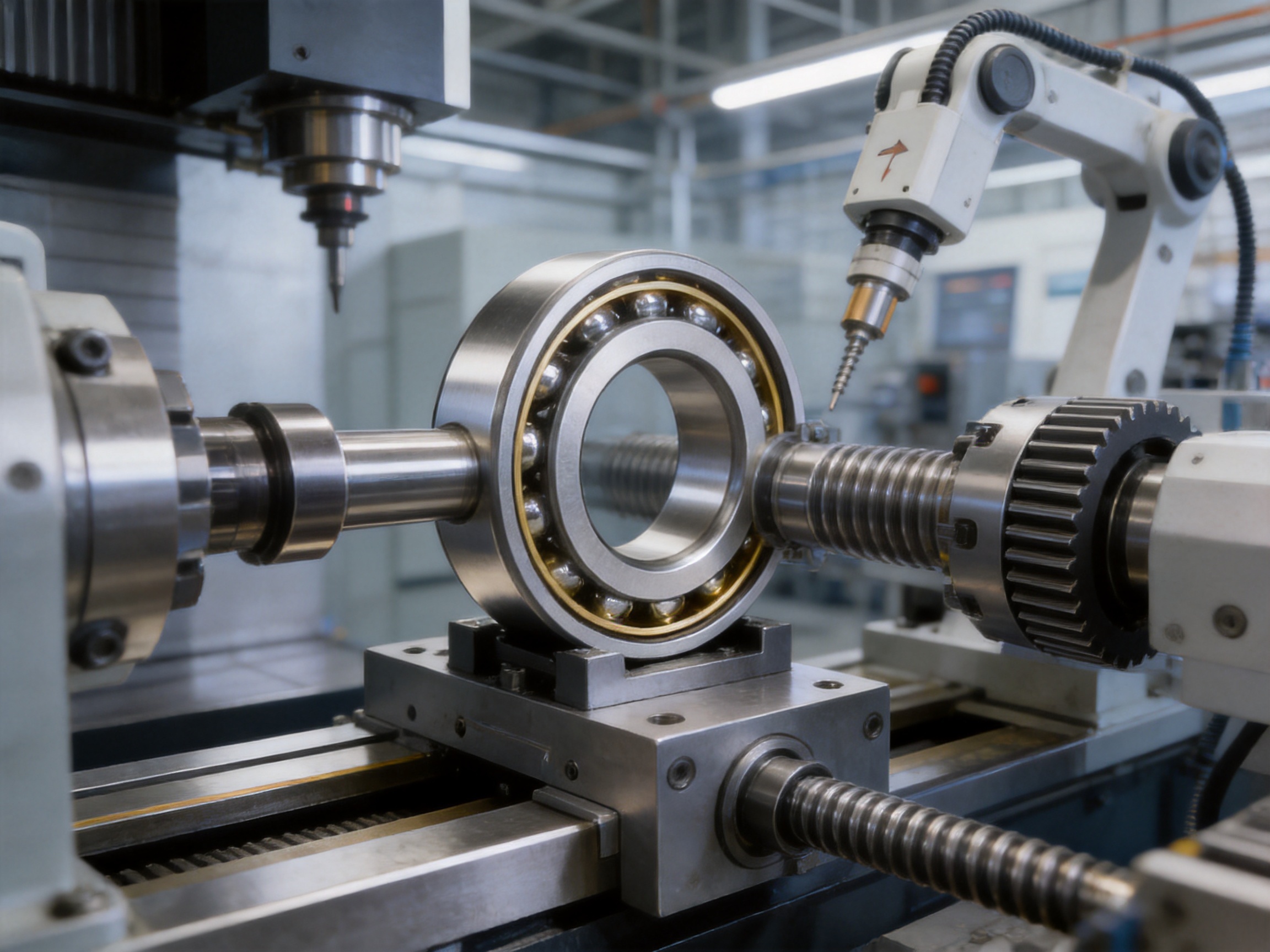
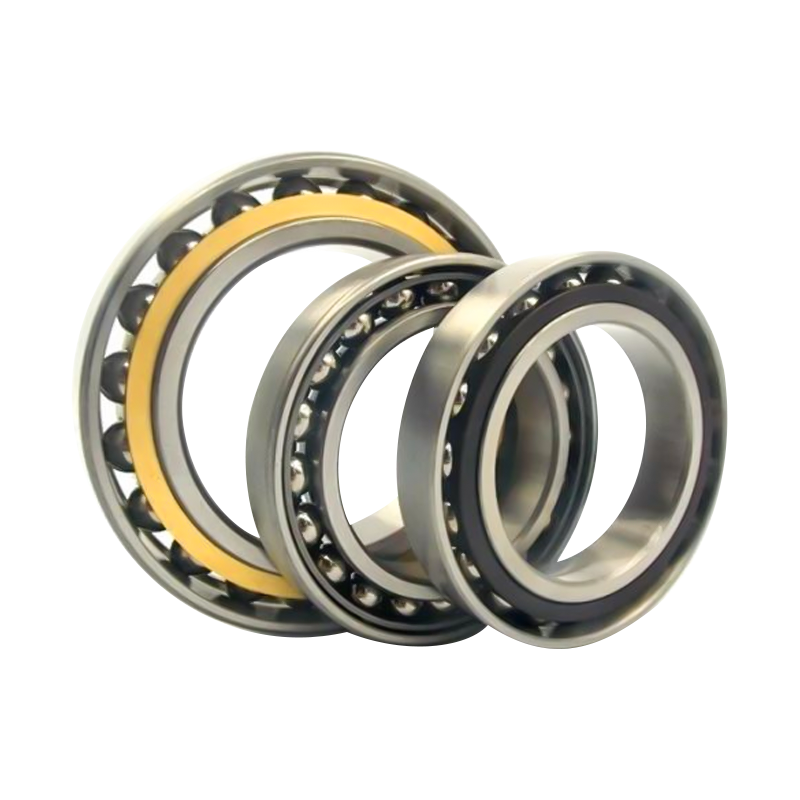
Angular contact ball bearings are essential machine elements in applications where accurate rotation, reliable load support, and controlled axial positioning are required at the same time. The 7200 BECBP angular contact ball bearing is designed around this principle. Its inner and outer ring raceways are displaced relative to each other along the bearing axis, allowing the bearing to accommodate combined radial and axial loads. This construction makes it suitable for precision machinery, automation systems, industrial equipment, robotic assemblies, machine tools, and many other applications that require stable operation under demanding conditions.
Unlike a standard deep-groove ball bearing, an angular contact ball bearing is specifically designed to manage axial forces in addition to radial forces. This capability is especially valuable when rotating shafts are exposed to thrust from gears, belt drives, screw mechanisms, tooling systems, or changing process loads. The 7200 BECBP configuration offers a practical solution for equipment designers and maintenance teams seeking a compact bearing with dependable operating characteristics, controlled friction, and the potential for high rotational accuracy.
Behind the product is UKL Bearing Manufacturing Co., Ltd., a Chinese bearing manufacturer and international supplier with integrated research, production, and distribution capabilities. The company combines modern manufacturing lines, engineering support, OEM and ODM experience, and export service to provide bearings for customers in Europe, Asia, Africa, Russia, and other international markets. Its production system covers forging, turning, heat treatment, grinding, assembly, and packaging, creating a connected process intended to support consistency from raw material preparation through final delivery.
The 7200 BECBP belongs to the angular contact ball bearing family. In this type of bearing, the contact geometry between the balls and raceways creates a nominal contact angle. The contact angle determines how the bearing distributes forces between the radial and axial directions. When axial force is applied, the internal geometry transfers the load through the ball and raceway contacts in a controlled manner rather than relying solely on radial support.
This design is particularly useful for shafts that must remain accurately positioned while rotating. A bearing may experience a radial load from the weight of a rotating component, a belt tension, or a gear mesh. At the same time, it may encounter an axial load caused by helical gears, screw drives, cutting forces, pump pressure, or assembly preload. The angular contact arrangement allows one bearing to participate in managing both components of the combined load.
The 7200 designation identifies a standard dimensional series within the angular contact ball bearing range. This makes the bearing suitable for equipment designs that use standardized bearing seats and shaft arrangements. Standardized dimensions can simplify replacement, reduce redesign requirements, and make it easier for maintenance departments to plan inventory. The BECBP suffix identifies the specified product configuration and should be checked against the manufacturer’s technical documentation when exact internal clearance, cage construction, contact angle, precision class, sealing arrangement, or pairing requirements are critical to the application.
Because angular contact bearings are direction-sensitive in their axial load capacity, correct installation is important. A single bearing can support axial load primarily in one direction, while paired arrangements can support axial loads in both directions and provide greater rigidity. The final arrangement depends on the equipment design, operating speed, expected load combination, shaft stiffness, housing geometry, and required positioning accuracy.
The main operating principle of an angular contact ball bearing is the transfer of load through a defined contact angle. The inner ring, outer ring, and rolling elements form a coordinated system. When the shaft rotates, the balls roll along the raceways while maintaining contact with both rings. The displaced raceways create a load path that is inclined relative to the radial plane. This inclined path allows axial force to be carried through the bearing.
Compared with a conventional radial bearing, the angular contact design provides a more suitable response to thrust loads. The bearing does not merely tolerate axial load as an incidental condition; it is designed to accommodate combined loading as part of its intended function. This gives engineers greater freedom when selecting bearings for compact mechanisms in which separate radial and thrust bearings would increase the size, weight, complexity, or cost of the assembly.
The bearing’s performance depends on the relationship between load, speed, lubrication, temperature, mounting accuracy, and internal geometry. A properly selected and installed 7200 BECBP bearing can support smooth rotation and stable shaft guidance. However, it should not be treated as a universal replacement for every bearing type. Applications involving very high shock loads, extreme misalignment, severe contamination, or exceptionally high thrust may require a different bearing arrangement or additional engineering measures.
The most important advantage of the 7200 BECBP is its ability to accommodate combined radial and axial loads. Many industrial machines do not operate under a single simple force. A spindle may experience cutting loads, a gearbox shaft may carry gear separation forces, and an automation axis may be affected by acceleration and deceleration. By handling both load directions, an angular contact bearing can help maintain stable shaft support in changing operating conditions.
This combined-load capability can reduce the need for multiple bearing types within a compact assembly. In some applications, one angular contact bearing or a matched pair can perform duties that would otherwise require separate radial and thrust components. The result may be a more compact housing, simpler maintenance, and fewer interfaces that could introduce alignment errors.
Accurate axial positioning is important in machine tools, precision automation, pumps, gearboxes, and screw-driven mechanisms. Excessive axial movement can produce vibration, noise, uneven wear, and loss of process accuracy. The angular contact geometry supports axial control and can be used in bearing arrangements that provide a controlled level of rigidity.
For higher positioning requirements, bearings may be arranged in pairs using configurations such as back-to-back, face-to-face, or tandem arrangements. The appropriate arrangement should be selected by a qualified engineer based on the direction and magnitude of axial load, the desired moment rigidity, the operating speed, and the thermal behavior of the shaft and housing.
The 7200 series format provides a compact solution for applications where installation space is limited. Compactness is valuable in robotic joints, actuator systems, CNC equipment, inspection equipment, and automated production lines. A smaller bearing envelope can allow designers to reduce the size of surrounding components or increase the available space for motors, sensors, cable routing, and protective structures.
Compact design also contributes to lower rotating mass in some assemblies. Lower rotating mass can help improve acceleration response and reduce the energy required to change speed. This is especially relevant to robotic axes and high-cycle automation equipment, where the shaft may repeatedly accelerate, decelerate, stop, and reverse.
Angular contact ball bearings are widely associated with precision rotating systems because their geometry supports controlled axial guidance. The 7200 BECBP can be considered for applications requiring reliable shaft alignment, stable rotation, and predictable operating behavior. Performance in a specific machine will depend on the bearing precision grade, preload, installation method, lubrication, shaft and housing tolerances, and operating environment.
When integrated into a properly engineered assembly, the bearing can contribute to reduced runout, stable movement, and consistent process results. These characteristics are particularly valuable in machine tools, robotic equipment, measuring systems, and other machinery where even small changes in shaft position may affect product quality.
Rolling elements create substantially less sliding friction than many plain-bearing arrangements. This supports efficient rotation and can help reduce heat generation when the bearing is correctly lubricated and operated within its speed and load limits. Lower friction may also contribute to reduced energy consumption and improved operating efficiency.
Efficiency is not determined by the bearing alone. Lubricant selection, grease quantity, seal or shield design, preload, shaft fit, housing fit, and surrounding component alignment all influence friction and temperature. For this reason, bearing selection should be integrated with the complete machine design rather than treated as an isolated purchasing decision.
| Item | Information | Engineering Significance |
| Product | 7200 BECBP angular contact ball bearing | Designed for rotating systems subject to combined loading |
| Bearing family | Angular contact ball bearing | Supports radial loads and axial loads through angled raceway contact |
| Dimensional series | 7200 series | Supports standardized equipment integration and replacement planning |
| Primary load capability | Combined radial and axial loads | Suitable for shafts exposed to thrust and radial forces simultaneously |
| Typical applications | Machine tools, robotics, automation, gearboxes, actuators, precision equipment | Useful in systems requiring controlled rotation and axial guidance |
| Manufacturing support | Forging, turning, heat treatment, grinding, assembly, and packaging | Provides process continuity from material preparation to finished product |
| Supply model | OEM, ODM, standard supply, and international distribution | Supports customized and recurring industrial procurement programs |
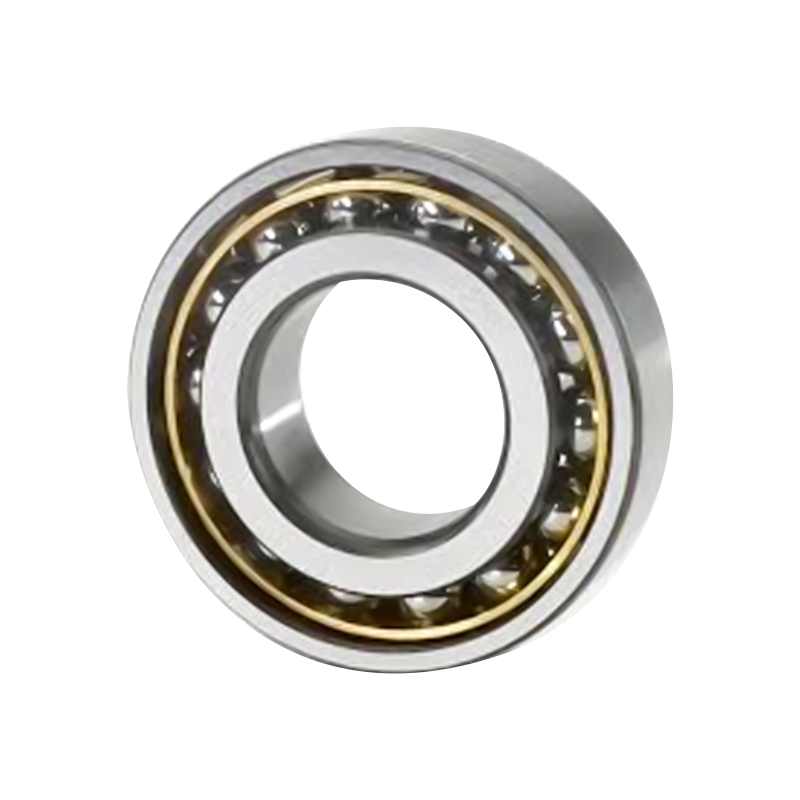
7200 BECBP Angular Contact Ball Bearings
A bearing’s operating life is strongly influenced by manufacturing accuracy. Raceway geometry, surface finish, dimensional consistency, material quality, heat treatment, ball quality, cage performance, cleanliness, and assembly control all affect how the bearing behaves in service. For this reason, a high-quality angular contact ball bearing must be produced through a controlled sequence rather than by final assembly alone.
UKL Bearing Manufacturing Co., Ltd. integrates research and development, manufacturing, and international distribution. The company reports a monthly production capacity of approximately 10,000 to 50,000 units and operates multiple production lines covering key processes. This integrated structure gives the manufacturer greater control over production coordination, technical communication, and delivery planning.
Forging is an important early stage in the production of bearing rings. Properly controlled forging can help establish a strong material structure and an efficient starting geometry for subsequent machining. The quality of the forged blank influences material utilization, machining allowance, and the ability of later processes to achieve the required dimensional accuracy.
Material selection and traceability are also important. Bearing rings must withstand repeated rolling contact, stress cycles, and localized pressure at the raceways. A suitable bearing steel and an appropriate heat-treatment program are therefore essential. Production controls should ensure that raw materials are identified, handled, and processed consistently throughout the manufacturing route.
Turning transforms forged blanks into more accurate ring shapes. During this stage, the bore, outside diameter, side faces, shoulders, and other reference surfaces are prepared for later operations. Dimensional control at this point helps establish the foundation for grinding and assembly.
Accurate turning can also reduce unnecessary material removal during finishing. This supports efficient production while maintaining the geometry required for the final bearing. Consistency in the turning process is particularly important when producing quantities for OEM customers, because interchangeable components must maintain compatible dimensions across different production batches.
Heat treatment develops the hardness and structural properties required for bearing rings. Rolling contact produces repeated stress beneath the raceway surface, so the material must resist fatigue, plastic deformation, and wear. An appropriate heat-treatment cycle can improve the ring’s ability to withstand these conditions.
Temperature control, holding time, cooling method, and post-treatment inspection all influence the result. Excessive distortion can create additional grinding requirements or affect final geometry. A carefully managed heat-treatment process is therefore important not only for hardness but also for dimensional stability and production efficiency.
Grinding is one of the most important stages in bearing production. The raceways must achieve the correct profile, dimensional accuracy, roundness, and surface finish. Small deviations can influence vibration, noise, friction, load distribution, and service life.
For an angular contact bearing, the relationship between the inner ring raceway, outer ring raceway, and rolling elements is particularly important. The contact geometry must support the intended load path. Grinding and finishing operations must therefore be coordinated with the design requirements of the bearing series and configuration.
Fine surface quality helps promote smooth rolling contact and supports effective lubricant film formation. It may also reduce localized stress concentrations. The combination of accurate geometry and controlled surface finish is a major factor separating a dependable precision bearing from a basic, poorly controlled alternative.
After machining and finishing, the rings, balls, cage, and any other components are assembled under controlled conditions. Cleanliness is vital because abrasive particles, metal debris, moisture, and other contaminants can damage raceways and rolling elements. Even a small hard particle can produce an indentation that later becomes a source of vibration or premature fatigue.
Assembly control includes checking component compatibility, applying the correct lubricant when specified, confirming smooth rotation, and verifying that the bearing configuration matches the order requirements. For paired or precision applications, matching and orientation are especially important.
Packaging protects the bearing against corrosion, impact, contamination, and mishandling during storage and transportation. International shipments may pass through multiple handling environments, making packaging quality a practical part of product performance. Clear identification and suitable protective materials also help customers organize warehouse inventory and avoid installation errors.
UKL’s integrated manufacturing and distribution model supports coordination between production and export logistics. The company serves customers in the United States, Italy, Germany, Poland, South Africa, Egypt, India, and other markets. Such a broad export range requires attention to documentation, packaging, communication, and delivery planning in addition to manufacturing capability.
UKL identifies research and development as a central part of its competitiveness. Its engineering activities include high-precision cross roller bearings, dual-direction thrust angular contact ball bearings, and other products used in CNC machines, robotics, and intelligent automation systems. This product knowledge is relevant to customers selecting angular contact ball bearings because bearing performance is closely connected to the surrounding mechanical system.
An experienced bearing supplier should be able to discuss more than the basic bore and outside diameter. Important questions may include the direction of axial load, operating speed, required precision, preload, temperature, lubrication method, shaft and housing fits, contamination level, duty cycle, and expected service life. A supplier with technical experience can help the customer identify which details must be confirmed before final selection.
The company’s OEM and ODM export experience also supports cooperation with equipment manufacturers. OEM customers may require consistent dimensions, labeling, packaging, documentation, and delivery schedules over repeated orders. ODM projects may require more extensive communication concerning design requirements, special configurations, or application-specific modifications.
UKL reports an employee base of approximately 201 to 500 people and more than 15 years of OEM and ODM export experience, while also stating that the company was established in 2020. These descriptions reflect the company’s current business and manufacturing background as provided. Customers requiring formal qualification should confirm the applicable company records, production certifications, inspection documents, and project references during the supplier evaluation process.
Deep-groove ball bearings are versatile and widely used for primarily radial loads with moderate axial loads in either direction. They are often a practical choice for motors, fans, conveyors, and general machinery. However, when the application requires greater axial support, controlled contact geometry, or more precise axial positioning, an angular contact bearing may offer a more appropriate solution.
The 7200 BECBP is advantageous when the machine routinely generates thrust rather than merely occasional light axial force. It can also be used in arrangements that increase axial rigidity and improve shaft location. The final comparison should consider speed, cost, load, available space, preload, and the required level of accuracy.
Cylindrical roller bearings can provide high radial load capacity and are commonly used in heavily loaded shafts. In many designs, however, their axial load capability is limited or depends on flange construction. An angular contact ball bearing may be preferable when the machine requires a balanced combination of radial and axial support in a relatively compact package.
On the other hand, cylindrical roller bearings may be better suited to applications with very high radial loads or specific axial displacement requirements. The choice should therefore be based on the actual load spectrum and not solely on the bearing’s nominal capacity.
Tapered roller bearings are highly capable of carrying combined loads and are often used in vehicle hubs, heavy gearboxes, and industrial equipment. Their geometry can provide substantial load capacity and rigidity. However, they may require more axial space and may involve different adjustment, lubrication, and preload procedures.
The 7200 BECBP can be attractive when lower friction, compact dimensions, and high-speed rolling performance are more important than the very high load capacity associated with a larger tapered roller arrangement. Angular contact ball bearings are commonly considered for precision and speed-sensitive applications, while tapered roller bearings are frequently selected for heavier load conditions.
Plain bearings can be effective in oscillating, low-speed, contaminated, or special-purpose environments. They may also offer simple construction and high static load capacity. However, they generally operate through sliding contact and may require different lubrication and maintenance practices.
The rolling contact of the 7200 BECBP is advantageous for continuous rotation where reduced friction, controlled running behavior, and accurate shaft guidance are important. The bearing should nevertheless be protected from contamination and operated with a suitable lubricant to realize these benefits.
Machine tools require bearings that support rotating shafts while maintaining geometric accuracy. Cutting forces can include both radial and axial components, and the bearing system must control shaft movement without generating excessive heat. Angular contact ball bearings are commonly considered for spindle-related arrangements, feed systems, and auxiliary rotating units.
In these applications, selection may depend on precision class, preload, speed capability, lubrication, and paired arrangement. The 7200 BECBP can be evaluated where a compact angular contact bearing is required for combined-load support and stable shaft positioning.
Robotic systems contain multiple rotating and articulated axes. These axes may experience changing loads, frequent reversals, acceleration forces, and limited installation space. Bearings must support repeatable movement while contributing to low friction and controlled backlash.
The 7200 BECBP may be suitable for auxiliary joints, actuator mechanisms, gear reduction systems, and other robotic assemblies where combined radial and axial loading occurs. For highly loaded robot joints, engineers should also evaluate moment loads, shock, duty cycle, stiffness, and the need for specialized cross roller or thin-section bearing designs.
Helical gears generate axial thrust in addition to radial gear forces. Bearings in a gearbox must therefore support the combined force generated by the transmission. An angular contact ball bearing can help locate a shaft and carry thrust in the intended direction, particularly when used in a carefully selected pair or arrangement.
Gearbox applications also require attention to oil compatibility, operating temperature, speed, housing stiffness, and gear alignment. The bearing supplier should be informed about the lubricant system and the full load spectrum before a final recommendation is made.
Ball screws, lead screws, linear actuators, and positioning mechanisms often create significant axial forces. Angular contact bearings can be used to support screw shafts and maintain axial accuracy. In such applications, preload and paired bearing arrangement are frequently important because excessive axial play can reduce positioning precision.
Thermal expansion should also be considered. A screw that operates at high speed may generate heat and change length. The bearing arrangement must accommodate or control this behavior without producing excessive preload or unwanted stress.
Rotating industrial equipment may experience axial forces from fluid pressure, impeller geometry, belt tension, or coupling misalignment. The suitability of an angular contact ball bearing depends on the magnitude and direction of these forces. Where the load is moderate and accurate shaft support is important, the 7200 BECBP may provide a compact option.
For pumps and fans, sealing, contamination protection, lubrication, and temperature are important factors. The bearing should be selected together with the shaft, housing, seal, and lubrication system rather than replaced without checking the complete operating environment.
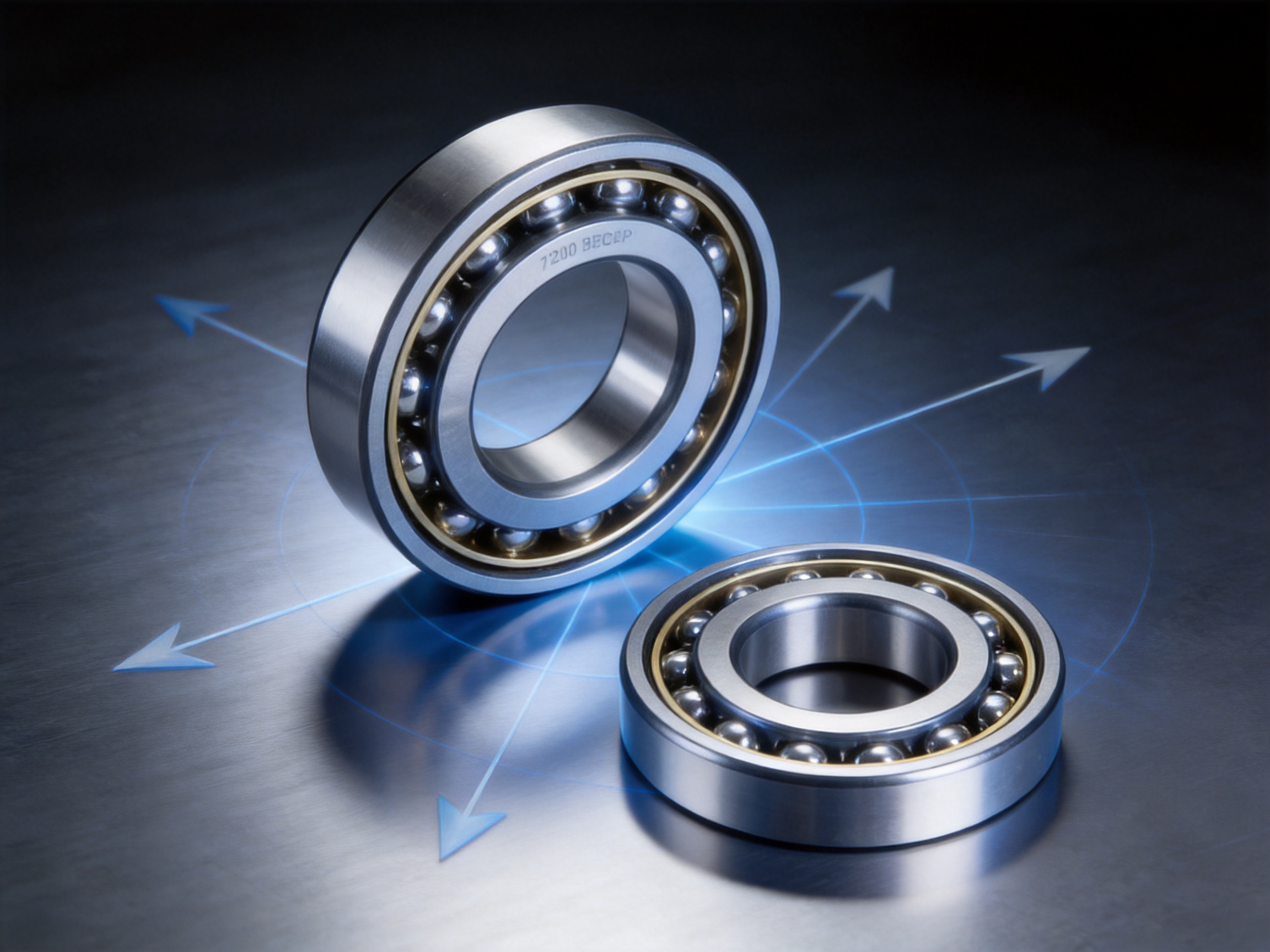
Correct installation is essential to the performance of any angular contact ball bearing. The mounting force should be applied to the ring being fitted, not transmitted through the rolling elements. Pressing through the balls can create raceway damage, brinelling, or hidden defects that shorten service life.
Shaft and housing fits must be selected according to the rotating ring, load direction, temperature, and required operating clearance. A fit that is too loose may permit ring creep, fretting, or unstable positioning. A fit that is too tight can reduce internal clearance, increase friction, and raise operating temperature.
The bearing seat and shoulder surfaces should be clean, accurately machined, and free from burrs. The shaft and housing should be checked for roundness, diameter, perpendicularity, and surface condition. Misalignment between the bearing seats can cause uneven loading and increased vibration.
Angular contact bearings must also be installed in the correct orientation when used as part of a paired arrangement. The bearing faces and load directions should correspond to the design drawing. Reversing a bearing or pairing bearings incorrectly can reduce axial capacity and compromise the intended preload or rigidity.
Lubrication reduces friction, removes or distributes heat, and protects the contact surfaces from wear. The lubricant must be compatible with the bearing materials, seals, operating temperature, speed, and surrounding machine environment. Grease may be convenient for many applications, while oil lubrication may be preferred for high-speed or heat-sensitive systems.
Too little lubricant can lead to metal-to-metal contact and premature damage. Too much grease can produce churning, increased temperature, and energy loss. Lubricant cleanliness is equally important. Contaminated grease or oil can introduce abrasive particles into the raceway system.
Relubrication intervals should be based on speed, temperature, load, contamination, and duty cycle. A general interval may be useful as a starting point, but actual equipment conditions should guide the maintenance program. When changing lubricant types, compatibility should be confirmed before the new product is introduced.
Preload removes or limits internal play and can increase rigidity and positioning accuracy. However, excessive preload increases friction, heat generation, and power consumption. It may also reduce service life. The correct preload depends on the application’s speed, load, stiffness, temperature, and precision requirements.
Paired angular contact bearings can be arranged to carry axial load in both directions. A back-to-back arrangement generally provides strong resistance to moment loads, while a face-to-face arrangement may offer different alignment behavior. Tandem arrangements are often used when greater axial capacity is required in one direction. The arrangement should be specified and installed according to the manufacturer’s technical instructions.
Dust, moisture, metal particles, cutting fluid, and other contaminants can damage bearing raceways and rolling elements. Protective seals, shields, labyrinths, clean lubrication, and suitable housing design can reduce the risk. In machine tools and industrial automation, the bearing should be protected from direct exposure to chips, coolant, abrasive dust, and washdown fluid whenever possible.
Maintenance personnel should monitor noise, vibration, temperature, lubricant condition, and changes in machine accuracy. A gradual increase in vibration may indicate raceway damage, contamination, imbalance, misalignment, or looseness. A sudden temperature rise may indicate insufficient lubrication, excessive preload, an incorrect fit, or an overload condition.
Regular inspection of the surrounding machine is also important. Loose couplings, damaged seals, shaft deflection, gear misalignment, and foundation vibration can all affect bearing performance. Replacing the bearing without correcting the underlying cause may result in repeated failures.
When a bearing is removed for inspection, the failure pattern can provide useful information. Discoloration may suggest overheating. Spalling may indicate fatigue or excessive loading. False brinelling may be associated with vibration while stationary. Smearing can result from sliding, inadequate lubrication, or unstable operating conditions. Corrosion may point to moisture ingress or unsuitable storage.
Keeping installation records, lubricant records, operating hours, temperature readings, and replacement history helps maintenance teams improve reliability. These records can also assist UKL engineers or other technical suppliers when analyzing an application and recommending changes.
Purchasing a bearing is not only a matter of comparing dimensions and unit price. Manufacturing integration can influence quality consistency, communication speed, customization capability, and delivery reliability. When forging, machining, heat treatment, grinding, assembly, and packaging are coordinated within one manufacturing system, process information can move more efficiently between departments.
For OEM customers, this can simplify discussions about recurring orders, product changes, special packaging, inspection requirements, and delivery schedules. For distributors, consistent packaging and product identification can support warehouse management and reduce confusion between similar bearing configurations.
UKL combines manufacturing with international trading and distribution. Its multilingual service team provides technical response, installation guidance, and after-sales maintenance support for customers in different regions. This is valuable for industrial buyers who may need assistance after delivery rather than only during initial quotation.
The company also describes sustainability as a long-term commitment. Its stated activities include environmentally responsible processes, material recycling, and energy optimization. These efforts are increasingly relevant to industrial procurement programs, where customers may evaluate not only product performance but also manufacturing responsibility and supply-chain practices.
Before ordering the 7200 BECBP, buyers should confirm the complete application requirement. The basic dimensions are important, but they are only one part of the engineering decision. The following questions can help organize the selection process.
What are the applied radial and axial loads, and how do they vary during operation? Is the axial load constant, reversing, intermittent, or caused by shock? What is the required rotational speed, acceleration rate, and duty cycle? What operating temperature is expected? Will the bearing use grease, oil, or another lubrication method? Is the environment dusty, wet, chemically active, or exposed to cutting fluid?
Buyers should also confirm whether the bearing will be used alone, in pairs, or in a larger bearing arrangement. If paired, the required arrangement, preload, orientation, and matching specification should be clearly stated. Shaft and housing dimensions, precision requirements, noise limits, vibration limits, and expected service life should also be communicated.
For replacement projects, the original bearing marking, machine model, failure history, and operating conditions should be reviewed. A bearing with the same nominal dimensions may not be a direct substitute if its contact angle, internal clearance, cage design, precision class, or preload differs from the original.
Low purchase price does not necessarily represent low total cost. A bearing with inconsistent geometry, poor surface finish, inadequate heat treatment, or unreliable cleanliness may generate additional costs through downtime, product defects, emergency maintenance, and repeated replacement. In precision machinery, an inexpensive bearing can also create losses by reducing accuracy or increasing vibration.
The value of the 7200 BECBP should therefore be considered through the complete operating cycle. Important factors include dimensional consistency, performance stability, availability, technical support, packaging, delivery reliability, and compatibility with the customer’s maintenance system. UKL’s combination of production capacity, engineering development, export experience, and after-sales support is intended to address these broader requirements.
Competitiveness is not limited to matching a catalog dimension. It also involves the ability to supply repeatable products, communicate clearly, respond to technical questions, and support customers across different markets. These strengths can be particularly important for manufacturers integrating bearings into equipment that will be exported or operated for many years.
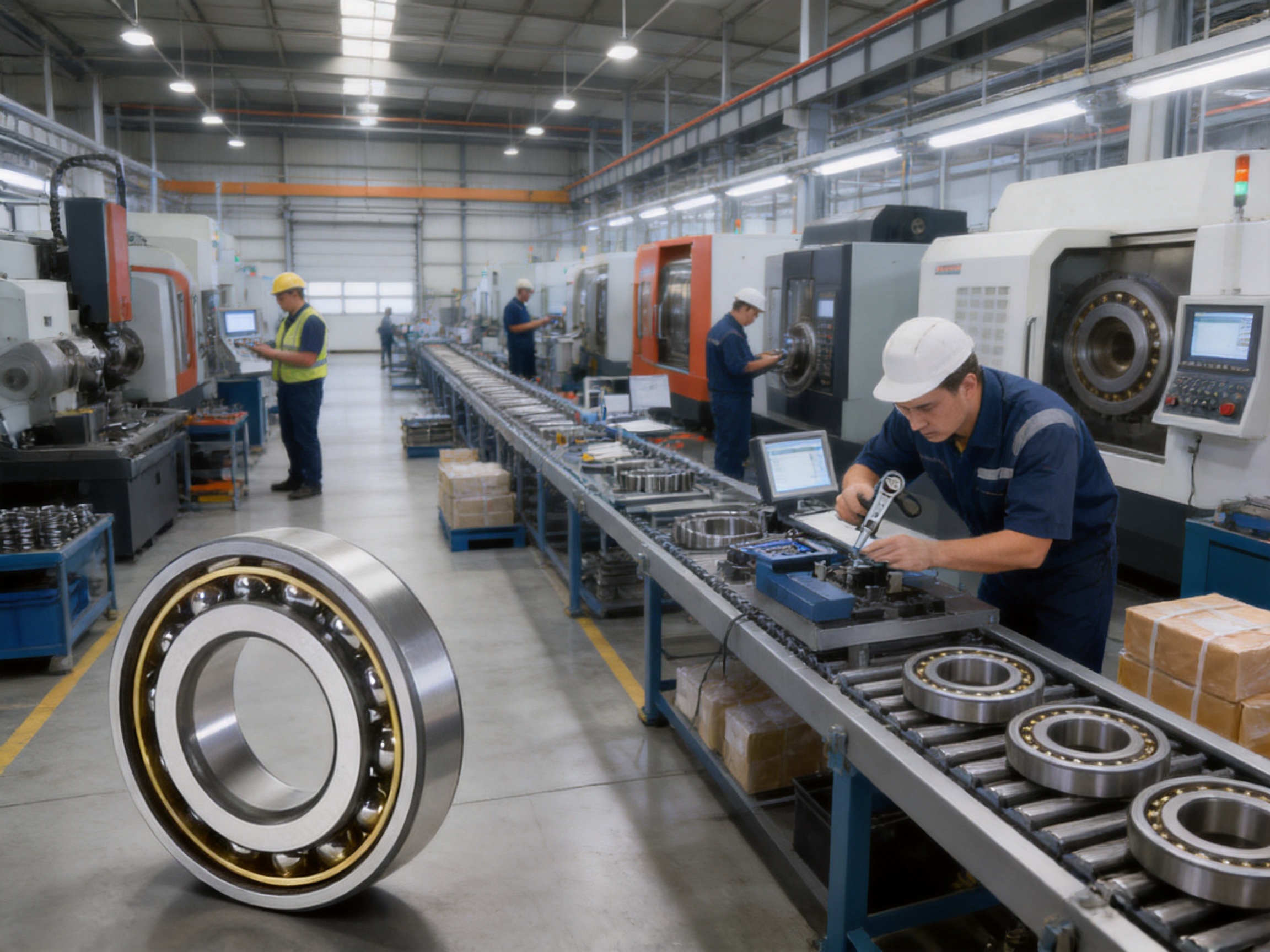
The 7200 BECBP is an angular contact ball bearing. Its inner and outer ring raceways are displaced in the axial direction, allowing it to accommodate combined radial and axial loads.
The main advantage is its ability to support radial and axial forces through a defined contact geometry. This makes it suitable for applications requiring axial guidance, controlled shaft positioning, and stable rotation under combined loading.
A single angular contact bearing generally has a primary axial load direction. To support axial loads in both directions, engineers commonly use a suitable pair or arrangement of angular contact bearings. The exact configuration should be selected according to the application and manufacturer’s technical data.
Angular contact ball bearings are often used in speed-sensitive equipment, but suitability depends on the actual speed, lubrication, preload, precision class, load, temperature, and cage design. The maximum operating speed should be confirmed with the supplier before use.
Potential industries include machine tools, robotics, intelligent automation, industrial transmission, actuators, pumps, fans, inspection systems, and general precision machinery. The product should be evaluated against the specific load and operating conditions of each application.
A deep-groove ball bearing is commonly selected for primarily radial loads and moderate axial loads in either direction. The 7200 BECBP is more specifically intended for combined loading and controlled axial support. The better choice depends on load direction, speed, precision, cost, and installation requirements.
Customers should provide the required bearing designation, quantity, application, radial and axial loads, speed, temperature, lubrication method, mounting arrangement, precision requirements, and delivery destination. Drawings, machine data, existing bearing markings, and failure information can also help the supplier provide a more accurate recommendation.
UKL provides OEM and ODM export services and integrates research, production, and international distribution. Customers should discuss technical specifications, packaging, labeling, inspection, documentation, minimum order quantity, and delivery schedules during the project planning stage.
The bearing should remain in its original protective packaging and be stored in a clean, dry environment with stable temperature and humidity. It should be protected from corrosive vapors, water, dust, vibration, and impact. The storage period and lubricant condition should be reviewed before installation.
Common causes include excessive load, incorrect preload, poor lubrication, contamination, misalignment, improper mounting force, unsuitable fits, electrical damage, corrosion, and operating beyond the specified speed or temperature range. Failure analysis should consider the complete machine rather than the bearing alone.
The 7200 BECBP angular contact ball bearing is designed for machinery that requires more than basic radial support. Its angular contact geometry enables it to accommodate combined radial and axial loads while contributing to controlled shaft positioning, compact equipment design, and efficient rolling operation. These advantages make it a practical candidate for machine tools, robots, automation systems, gearboxes, actuators, and other precision industrial equipment.
Its value is strengthened by the manufacturing capabilities behind it. UKL Bearing Manufacturing Co., Ltd. combines forging, turning, heat treatment, grinding, assembly, and packaging within an integrated production structure. The company also provides R&D, OEM and ODM cooperation, international distribution, technical assistance, and after-sales support. This combination can help customers address both the immediate need for a bearing and the broader requirements of long-term equipment reliability.
As with every bearing, the final result depends on correct selection, installation, lubrication, alignment, and maintenance. The 7200 BECBP should be matched to the actual load spectrum, speed, temperature, precision, and operating environment. When these factors are properly evaluated, the bearing can provide a dependable and efficient solution for combined-load applications and contribute to the performance of modern industrial machinery.
International Organization for Standardization. Rolling Bearings—Dynamic Load Ratings and Rating Life. International bearing standards reference.
International Organization for Standardization. Rolling Bearings—Tolerances and Precision Classes. Dimensional and running accuracy reference.
International Organization for Standardization. Rolling Bearings—Symbols, Terms, and Definitions. Bearing terminology reference.
American Bearing Manufacturers Association. Rolling Bearing Engineering Principles. Industry engineering reference.
Harris, T. A., and Kotzalas, M. N. Essential Concepts of Bearing Technology. Rolling bearing design and application reference.
SKF. Rolling Bearings Catalogue. General information on bearing selection, mounting, lubrication, and maintenance.
Timken. Engineering Manual. Technical guidance on rolling bearing application and operating conditions.
Company technical information supplied for the 7200 BECBP angular contact ball bearing and UKL Bearing Manufacturing Co., Ltd. manufacturing and service capabilities.
Product Categories
Contact Us

Jane@ukl-bearing.com
Jenny@ukl-bearing.com
Andy@ukl-bearing.com
Ivy@ukl-bearing.com

+86-510- 88763239
+86-15371057968

No.1 Hehuan Road, Hudai Town, Binhu District, Wuxi City.
Ready to Begin?
Get in Touch

Now!
UKL BEARING
 English
 Español
 русский