Content
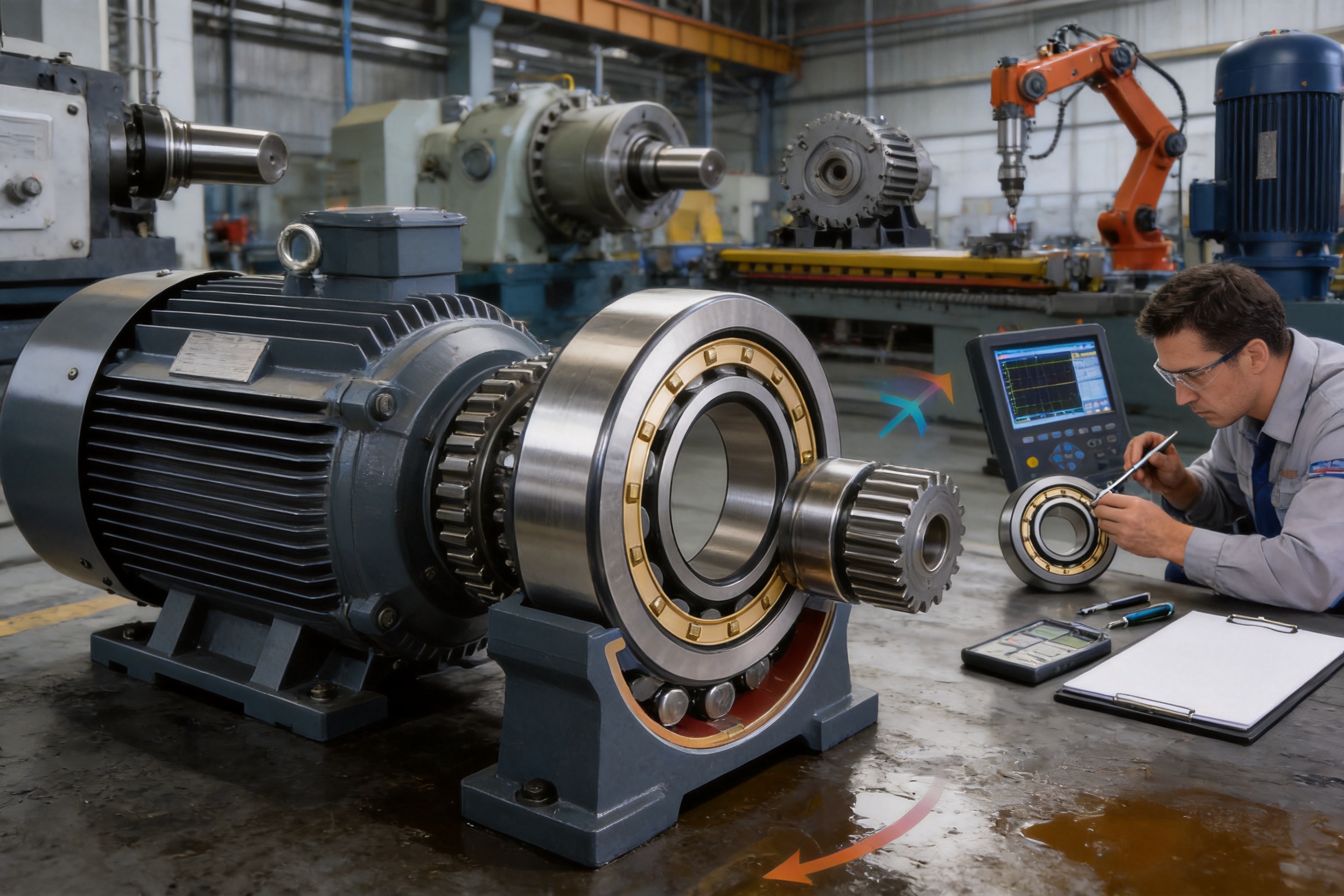
Single row cylindrical roller bearings are engineered to support substantial radial loads while maintaining dependable operating accuracy, service life, and ease of maintenance. Their defining design characteristic is the use of cylindrical rollers arranged between an inner ring and an outer ring. Compared with ball bearings, cylindrical rollers provide a larger contact area, allowing the bearing to carry heavier radial forces in applications where stiffness, load capacity, and durability are critical.
These bearings are widely used in industrial machinery, electric motors, gearboxes, pumps, compressors, machine tools, conveyors, robotics, automation equipment, and many other systems in which rotating shafts must operate smoothly under demanding conditions. Their separable construction also simplifies installation, inspection, lubrication, and replacement.
For customers seeking a dependable bearing manufacturer, product quality depends on more than the bearing’s basic geometry. Material selection, forging, turning, heat treatment, grinding, assembly, dimensional control, lubrication, packaging, and technical support all influence final performance. UKL Bearing Manufacturing Co., Ltd. combines these manufacturing stages with research and development, international distribution, and OEM/ODM engineering services to supply single row cylindrical roller bearings for a broad range of industrial requirements.
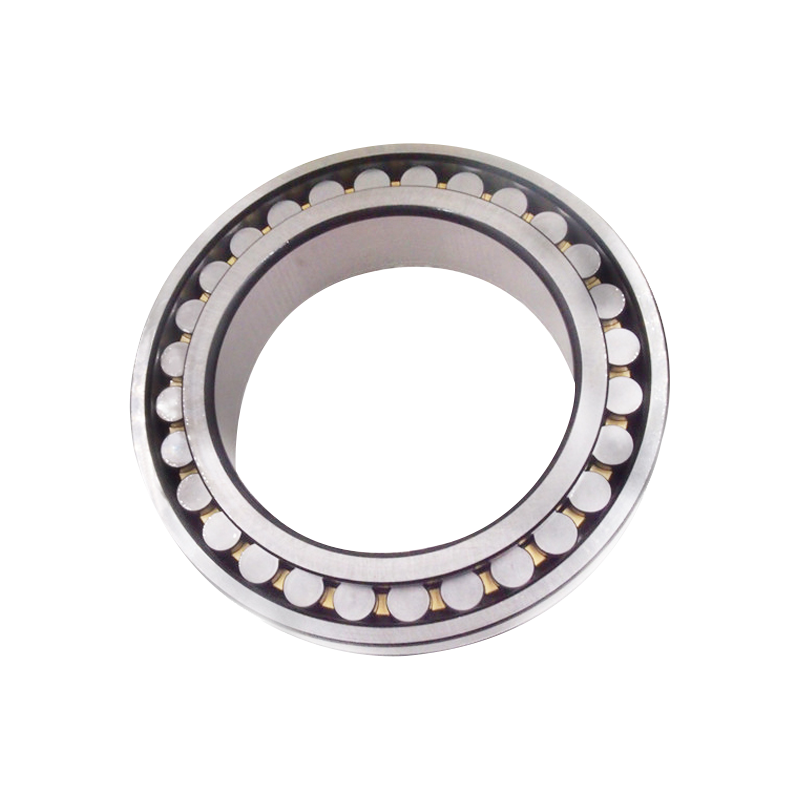
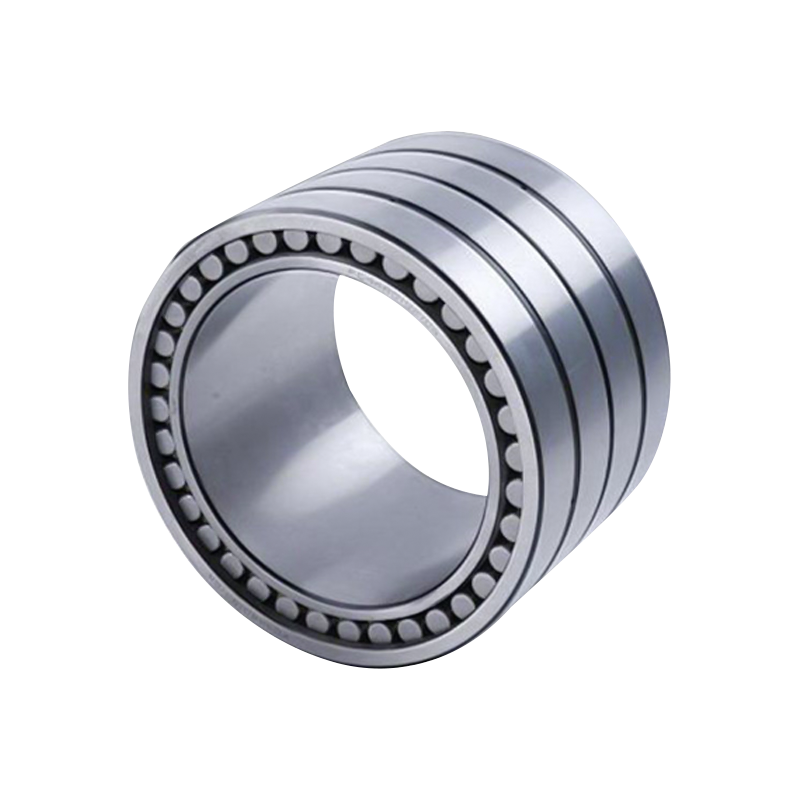
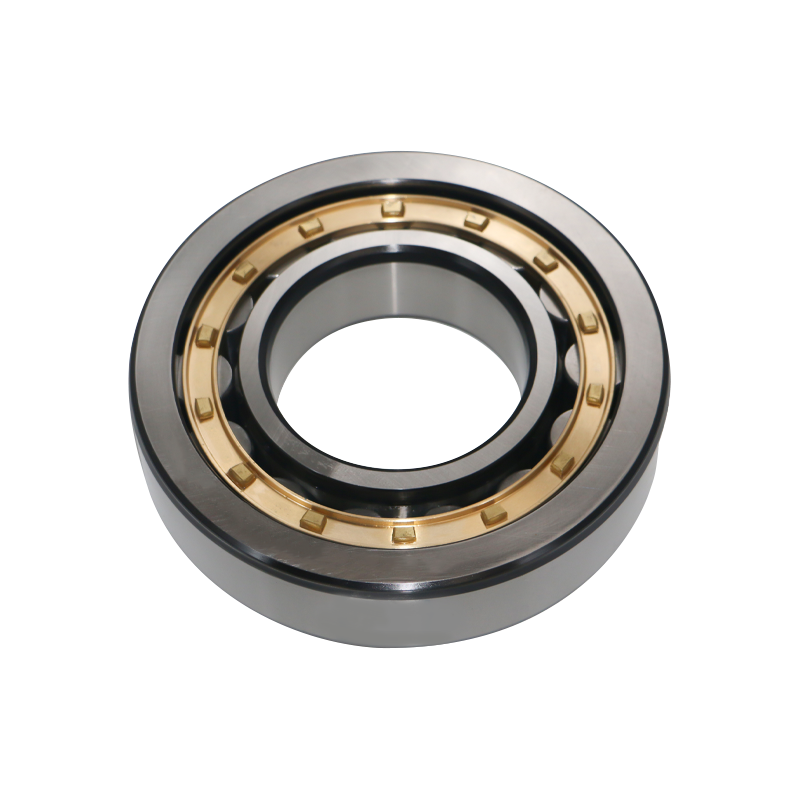
A single row cylindrical roller bearing contains one row of cylindrical rollers. The rollers are guided and spaced by a cage, while the raceways on the inner and outer rings provide the rolling surfaces. Depending on the specific bearing design, the ribs may be located on the inner ring, outer ring, or both rings. This configuration determines the bearing’s ability to accommodate axial displacement and axial loads.
The rollers in a cylindrical roller bearing have a line-contact relationship with the raceways. A line contact distributes load across a greater area than the point contact found in a conventional ball bearing. As a result, cylindrical roller bearings are particularly suitable for heavy radial loading, high stiffness, and applications where shaft deflection must be controlled.
Many single row cylindrical roller bearings are separable. The inner ring, outer ring, roller set, and cage can often be separated during installation. This feature is valuable when a shaft or housing has a tight fit, when the assembly is large or heavy, or when maintenance personnel need to inspect individual components without removing an entire machine assembly.
Although their principal function is radial load support, certain cylindrical roller bearing configurations can also accommodate limited axial loads. Bearings with integral ribs on both rings can guide the shaft axially to a greater degree than designs with only one locating rib. However, bearing selection must always consider the actual axial force, speed, lubrication, temperature, and misalignment conditions of the application.
The most important advantage of a single row cylindrical roller bearing is its ability to accommodate high radial loads. Cylindrical rollers provide a large effective contact area, reducing local stress when the bearing is subjected to substantial force. This makes the design suitable for equipment such as gearboxes, traction motors, machine tools, rolling equipment, and industrial transmission systems.
The load capacity is influenced by roller diameter, roller length, the number of rollers, raceway geometry, material quality, internal clearance, and the accuracy of the cage. A carefully engineered roller set maximizes the bearing’s ability to distribute load evenly. Proper distribution prevents excessive stress concentration and contributes to longer fatigue life.
Single row cylindrical roller bearings offer strong resistance to radial deformation. This stiffness helps maintain shaft position and reduces unwanted movement under load. In precision machinery, radial stiffness can influence machining accuracy, vibration levels, surface finish, and gear alignment.
Compared with many general-purpose ball bearings of similar envelope dimensions, cylindrical roller bearings can provide a more rigid support arrangement. This advantage is particularly useful in machine tools, electric motors, reducers, and automation equipment where stable shaft positioning is essential.
With the correct cage design, lubrication method, internal clearance, and operating conditions, single row cylindrical roller bearings can support high rotational speeds. Their rolling elements are designed to reduce sliding and friction while maintaining stable contact with the raceways.
High-speed suitability depends on the complete bearing system rather than the bearing type alone. Factors such as lubricant viscosity, oil or grease quantity, cage material, heat generation, shaft balance, seal arrangement, and mounting accuracy must be evaluated together. UKL’s production and quality-control processes are designed to maintain consistent geometry and surface finish, which are essential for smooth high-speed operation.
The separable structure is an important practical advantage. During installation, the inner ring and roller assembly can be installed on the shaft while the outer ring is fitted into the housing. This arrangement can reduce mounting force and help prevent damage to the raceways and rollers.
Separable bearings are also convenient for inspection. Maintenance personnel can examine the raceways, rollers, cage, and lubricant condition individually. When equipment requires regular service, this can reduce downtime and simplify bearing replacement procedures.
Some cylindrical roller bearing designs allow axial displacement between the shaft and housing. This capability is valuable when thermal expansion causes the shaft to grow axially during operation. If the bearing arrangement is designed correctly, one bearing can locate the shaft while another permits controlled axial movement.
Allowing thermal expansion to occur without generating excessive internal axial force helps protect the bearing, shaft, housing, and connected components. Designers must identify which bearing is the locating bearing and which bearing is the non-locating bearing before finalizing the arrangement.
The service life of a cylindrical roller bearing is determined by a combination of load, speed, lubrication, cleanliness, mounting, alignment, temperature, and operating environment. When these factors are properly controlled, the bearing can provide stable performance over a long operating period.
High-quality steel, controlled heat treatment, accurate grinding, and reliable assembly are essential to fatigue resistance. A bearing with excellent nominal specifications may still fail prematurely if it contains dimensional variation, surface defects, contamination, poor lubrication, or incorrect internal clearance. For this reason, manufacturing consistency is as important as design capacity.
Single Row Cylindrical Roller Bearings
The inner ring is mounted on the rotating shaft and contains the raceway on which the rollers run. The ring may include one or more ribs that guide the rollers or support axial forces, depending on the bearing series. The bore diameter, raceway diameter, rib geometry, and surface finish must be manufactured within strict tolerances.
A properly finished inner ring provides smooth roller guidance and minimizes friction. Its fit with the shaft must be selected according to load direction, load magnitude, speed, temperature, and the possibility of creep. An excessively loose fit can lead to fretting or ring movement, while an excessively tight fit can reduce internal clearance and increase operating temperature.
The outer ring is fitted into the housing and provides the stationary or guided raceway. Like the inner ring, it may include ribs according to the bearing’s axial guidance requirements. The outer ring must have the correct outside diameter, width, raceway profile, and surface quality for reliable housing integration.
Housing accuracy is important. A distorted, contaminated, or improperly machined housing can deform the outer ring and create uneven load distribution. The bearing should therefore be installed only after confirming that the housing bore, shoulder, chamfer, and cleanliness meet the required conditions.
The rollers carry the primary radial load. Their diameter, length, roundness, straightness, surface finish, and end geometry directly affect bearing performance. Even small variations can influence load distribution and operating noise.
Rollers are typically manufactured from high-quality bearing steel and undergo precision forming, heat treatment, and grinding. The manufacturing objective is to create a uniform set in which each roller contributes consistently to load support. Precision roller production is especially important in bearings used for high loads, high speeds, or low-vibration applications.
The cage maintains roller spacing and guides the rolling elements through the load and unloaded zones. It also helps control friction and prevents roller-to-roller contact. Depending on the application, the cage may be manufactured from steel, brass, or engineered polymer materials.
Cage selection depends on speed, temperature, lubrication, vibration, load, and chemical exposure. A suitable cage must maintain mechanical stability while allowing the rollers to circulate smoothly. The cage design also affects the bearing’s limiting speed and noise characteristics.
Raceways must be accurately ground to provide a consistent rolling path. Their profile influences load distribution, contact stress, friction, and fatigue resistance. Ribs guide the rollers in the axial direction and may also carry limited axial force.
The relationship between roller ends and ribs is especially important in bearings that accommodate axial guidance. Poor geometry can increase sliding, friction, and heat generation. Advanced grinding and inspection methods help maintain the required relationship between raceway geometry, rib geometry, and roller dimensions.
Single row cylindrical roller bearings are frequently used in electric motors and generators where radial loads arise from rotor weight, belt tension, magnetic forces, or gear transmission. Their stiffness helps maintain rotor position, while their speed capability supports continuous operation.
Electrical machinery often operates for long periods with limited maintenance access. Bearing selection should therefore consider insulation requirements, grease life, temperature rise, vibration, and the possibility of electrical current damage. The bearing arrangement must also account for thermal expansion of the rotor and shaft.
Gearboxes create significant radial forces through gear mesh. Cylindrical roller bearings are suitable for supporting these forces and maintaining the alignment of shafts and gears. Their high stiffness can help preserve gear contact patterns and reduce unwanted deflection.
In gearbox applications, lubrication cleanliness is particularly important. Metal particles, moisture, and degraded lubricant can damage raceways and rollers. The bearing should be selected together with the gearbox oil system, sealing arrangement, operating temperature, and expected duty cycle.
Machine tools require high rigidity, accurate rotation, controlled vibration, and predictable thermal behavior. Cylindrical roller bearings can be used in spindle support systems, auxiliary shafts, feed mechanisms, and other assemblies where radial stiffness is important.
For precision machine tools, manufacturing accuracy and internal clearance are critical. The bearing seat, shaft fit, preload or clearance condition, lubricant, and installation process must be coordinated. A high-precision bearing can only perform properly when the surrounding components are manufactured and assembled to a compatible standard.
Pumps and compressors often operate continuously under radial loads generated by impellers, rotors, couplings, and pressure-related forces. Cylindrical roller bearings can support these loads while providing reliable shaft guidance.
In these applications, designers must pay attention to lubrication, contamination protection, shaft alignment, and temperature. Where axial loads are significant, cylindrical roller bearings may need to operate in combination with angular contact ball bearings, thrust bearings, or another suitable axial-support arrangement.
Robotic and automated systems require predictable movement, low friction, repeatable positioning, and long service life. Although cross roller bearings and other specialized designs are often used for compact rotary joints, single row cylindrical roller bearings remain useful in gear reducers, drive units, conveyor systems, motor assemblies, and supporting mechanisms.
Automation equipment may perform rapid acceleration and deceleration cycles. The bearing must therefore tolerate changing loads, vibration, and frequent starts and stops. Low variation between production batches is important because inconsistent friction or clearance can affect machine calibration and movement accuracy.
Conveyors commonly operate under continuous radial loads, shock loads, contamination, and variable temperatures. Cylindrical roller bearings can be used in rollers, drive assemblies, gearboxes, and tensioning mechanisms when their load capacity and speed range match the application.
Effective sealing and maintenance practices are essential in dusty or humid environments. Grease selection, relubrication intervals, housing protection, and shaft alignment should be established before commissioning the equipment.
The performance of a single row cylindrical roller bearing is closely connected to the quality of every manufacturing stage. UKL Bearing Manufacturing Co., Ltd. integrates research and development, production, assembly, packaging, and international distribution. Its manufacturing operations cover forging, turning, heat treatment, grinding, assembly, and final packaging.
Bearing rings and rollers require steel with stable composition, high cleanliness, suitable hardenability, and strong fatigue resistance. Material selection begins with the intended load, speed, temperature, and service environment. Consistent raw material quality helps reduce the risk of premature fatigue, cracking, dimensional instability, and surface damage.
Material traceability is also important. When production lots can be identified and tracked, manufacturers can investigate performance issues more effectively and maintain consistent process control. This supports quality assurance for standard products as well as OEM and ODM orders.
Forging shapes the initial ring or component blank and can improve the mechanical structure of the material. A controlled forging process establishes a suitable grain flow and reduces unnecessary material waste compared with manufacturing the complete part from oversized bar stock.
Forging temperature, deformation, die condition, cooling, and dimensional allowances must be controlled carefully. Defects introduced at this stage may become more serious during later machining or heat treatment. Consistent forging contributes to stable final dimensions and mechanical performance.
Turning operations create the basic geometry of the rings, including the bore, outside diameter, width, shoulders, chamfers, and preliminary raceway shape. Accurate turning reduces the amount of material that must be removed during grinding and establishes a consistent foundation for subsequent processes.
Modern production requires control of tool wear, cutting conditions, workpiece positioning, and coolant management. Excessive tool wear or unstable clamping can cause dimensional drift. Process monitoring helps maintain uniformity from the first component in a batch to the last.
Heat treatment develops the hardness, toughness, dimensional stability, and fatigue resistance required for bearing components. The process normally includes heating, holding, quenching, and tempering or other controlled stages appropriate to the selected bearing steel.
Temperature uniformity and atmosphere control are essential. Inadequate heat treatment may leave components too soft, while excessive hardness or improper cooling may reduce toughness and increase the risk of cracking. Post-treatment inspection verifies hardness, distortion, and dimensional stability before precision grinding begins.
Grinding is one of the most important stages in bearing production. It establishes the final raceway geometry, bore size, outside diameter, width, roundness, waviness, and surface finish. These characteristics influence friction, noise, vibration, load distribution, and service life.
Grinding parameters must be selected to avoid burns, microcracks, excessive residual stress, and geometry errors. Coolant filtration, wheel condition, dressing frequency, and machine stability are central to consistent results. Precision grinding also supports interchangeability, allowing bearings produced in different batches to meet the same dimensional requirements.
Cylindrical rollers require their own controlled production route. The process may include heading or forming, heat treatment, centerless grinding, end-face processing, superfinishing, sorting, and inspection. Roller diameter variation, roundness, straightness, and surface roughness must be controlled as a matched set.
A uniform roller set helps distribute load evenly around the bearing. If one roller is significantly larger or smaller than the others, it may carry an unequal share of the load, increasing local stress and reducing service life. Roller sorting and matching are therefore important parts of product consistency.
After grinding and finishing, components must be cleaned thoroughly. Abrasive particles, metal residue, coolant contamination, and dust can damage the bearing if they remain inside the assembly. Controlled cleaning improves reliability and reduces the risk of early wear.
During assembly, rings, rollers, cages, and any required lubricant are combined under controlled conditions. Correct internal clearance, roller placement, cage alignment, and component compatibility are verified. Assembly conditions should minimize exposure to airborne contamination and prevent handling damage.
Quality inspection may include dimensional measurement, hardness testing, surface inspection, roundness evaluation, clearance measurement, noise and vibration testing, visual examination, and functional rotation checks. The appropriate inspection program depends on the bearing series, accuracy class, customer specification, and application.
Inspection data support process improvement as well as final acceptance. When measurements are recorded systematically, manufacturers can identify trends, prevent recurring deviations, and improve production stability. For OEM customers, documented inspection and traceability can also support incoming quality procedures.
Packaging protects the bearing from corrosion, impact, moisture, dust, and handling damage. Proper preservation is particularly important when bearings are shipped internationally or stored before installation. Packaging materials and methods should be selected according to transport conditions, storage duration, and customer requirements.
Bearings should be stored in a clean, dry, temperature-stable environment. They should remain in their original packaging until installation whenever possible. Excessive humidity, vibration, temperature fluctuation, and chemical exposure can reduce storage life even when the bearing is not operating.
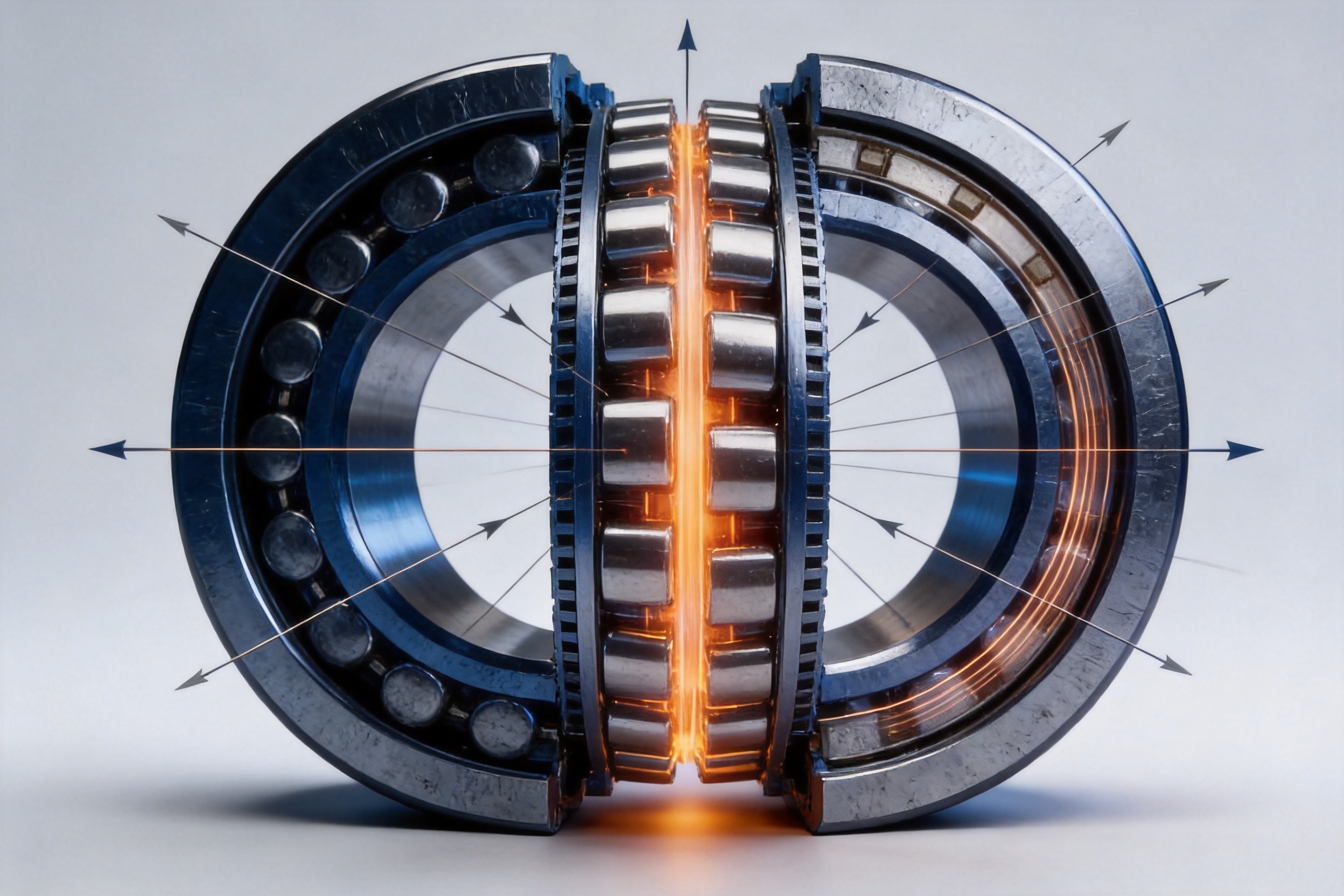
Deep groove ball bearings are versatile and often provide good performance under combined radial and axial loads. They are compact and widely available. However, when the primary requirement is very high radial load capacity and stiffness, a cylindrical roller bearing may offer a stronger solution within a similar dimensional envelope.
The choice depends on the load ratio, speed, axial force, noise requirement, space, and expected service life. A ball bearing may be preferable for moderate loads and combined loading, while a cylindrical roller bearing is often more appropriate for heavy radial loading and high rigidity.
Angular contact ball bearings are designed to carry combined radial and axial loads and can provide excellent axial positioning. They are often used in paired arrangements for machine tool spindles, pumps, and precision equipment.
Single row cylindrical roller bearings generally offer stronger radial load capability and stiffness, but their axial load capacity depends strongly on rib design. If a system experiences substantial axial loading, an angular contact bearing or a combined bearing arrangement may be more suitable.
Spherical roller bearings are designed to accommodate heavy radial loads and, in many configurations, significant axial loads. They also tolerate a degree of shaft or housing misalignment because the outer raceway is spherical.
Cylindrical roller bearings typically provide greater radial stiffness and may support higher precision when the shaft and housing are accurately aligned. Spherical roller bearings may be preferred where misalignment, shock loading, or combined loading is more significant.
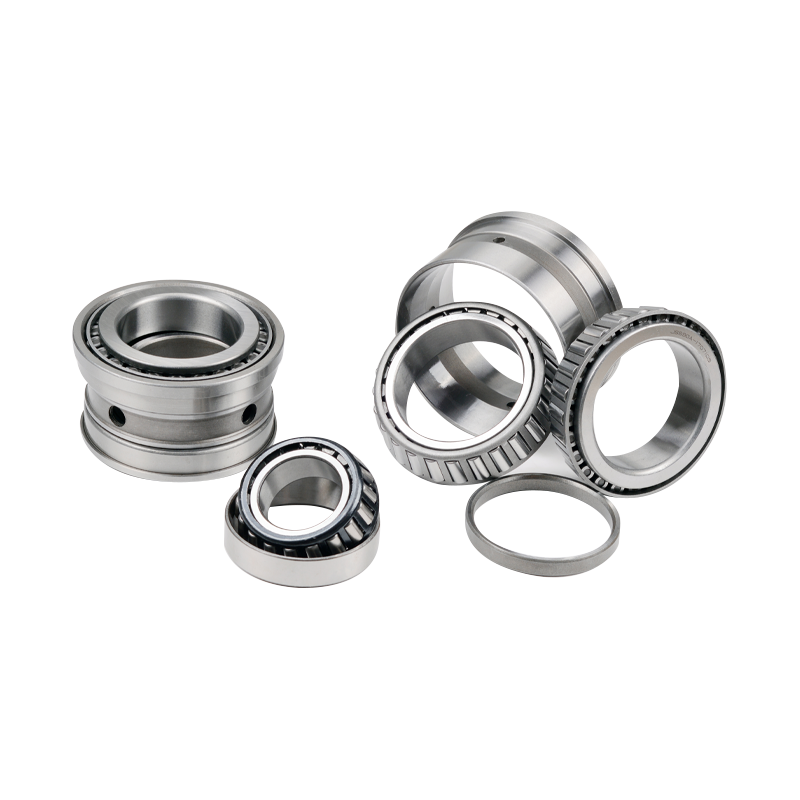
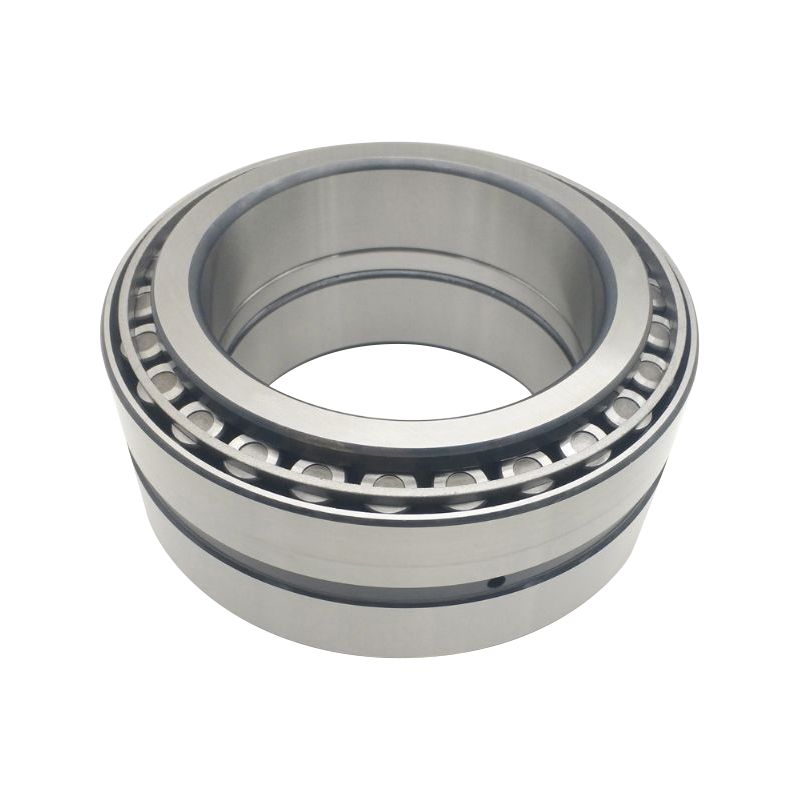
Tapered roller bearings can support combined radial and axial loads because their rollers and raceways are arranged at an angle. They are common in vehicle wheel hubs, gearboxes, and heavy-duty machinery.
Single row cylindrical roller bearings are often selected when radial load is dominant, high radial stiffness is needed, and axial displacement must be accommodated. Tapered roller bearings may be better where controlled axial positioning and combined load capacity are primary requirements.
| Bearing type | Main strength | Typical limitation | Common application focus |
|---|---|---|---|
| Single row cylindrical roller bearing | High radial load capacity and stiffness | Axial capacity depends on design | Motors, gearboxes, machine tools, industrial machinery |
| Deep groove ball bearing | Versatile radial and axial performance | Lower radial capacity in comparable space | General machinery, fans, pumps, electric motors |
| Angular contact ball bearing | Combined radial and axial load support | More sensitive to mounting and preload conditions | Spindles, pumps, precision assemblies |
| Spherical roller bearing | Heavy load capacity and misalignment tolerance | May have greater size and friction | Mining, conveyors, heavy industrial equipment |
| Tapered roller bearing | Combined radial and axial load capacity | Usually requires controlled adjustment | Automotive, gearboxes, wheel hubs |
The first step in selecting a cylindrical roller bearing is to determine the radial and axial loads. Static loads, dynamic loads, shock loads, vibration, and load direction should all be evaluated. A bearing that is adequate for a steady load may not be suitable for impact loading or frequent acceleration.
Load calculations should also consider the weight of rotating components, belt tension, gear forces, coupling forces, and any external process load. When loads vary substantially, the equivalent dynamic load should be calculated using the appropriate engineering method.
Rotational speed affects friction, heat generation, lubricant life, cage behavior, and bearing fatigue. The operating speed should be compared with the bearing’s reference or limiting speed after considering lubrication, cooling, clearance, and load.
High-speed applications may require special cage materials, reduced grease quantity, oil lubrication, improved balancing, or a different internal clearance. Speed should never be considered separately from temperature and lubrication.
Internal clearance is the total distance through which one ring can move relative to the other before mounting and operation. It changes after installation because interference fits, temperature differences, shaft expansion, and housing deformation affect the bearing.
Too little clearance can cause high friction, overheating, and premature failure. Too much clearance can increase vibration, reduce stiffness, and create uneven load distribution. The correct clearance class must be selected according to the fit, temperature, speed, and operating load.
The shaft and housing fits determine how the rings are secured. A rotating ring under a circumferential load generally requires an interference fit to prevent creep. A stationary ring may use a transition or clearance fit, depending on the application and the need for axial displacement.
Because cylindrical roller bearings are often separable, installation can be convenient, but the components must still be handled carefully. Mounting force should be applied only through the ring being fitted. Impact through the rollers can damage the raceways and create indentations that later develop into fatigue damage.
Lubrication reduces friction, removes heat, protects surfaces, and helps prevent corrosion. Grease is commonly used for moderate speeds and simplified maintenance, while oil may be selected for high-speed operation, high temperatures, or systems requiring continuous heat removal.
Lubricant viscosity must match the operating temperature and speed. Excessive grease can increase churning and temperature, while insufficient lubricant can result in metal-to-metal contact. Relubrication intervals should be determined according to speed, load, temperature, contamination, and lubricant type.
Operating temperature affects material properties, internal clearance, lubricant life, and seal performance. High-temperature applications may require special heat treatment, stabilized components, high-temperature grease, or alternative cage materials.
Dust, moisture, chemicals, and washdown conditions require suitable seals, shields, housings, and maintenance procedures. In contaminated environments, preventing contamination from entering the bearing is often more effective than attempting to remove damage after it occurs.
Before installation, verify the bearing designation, dimensions, clearance, precision class, and lubricant requirements. Inspect the shaft and housing for burrs, corrosion, dents, dirt, and dimensional errors. Confirm that shoulders are square and that chamfers provide sufficient clearance for the bearing rings.
Keep the bearing in its original packaging until the work area and components are ready. Use clean tools and gloves that do not transfer corrosive substances. Never rotate a dry bearing unnecessarily or wash away the manufacturer’s protective coating without an appropriate replacement procedure.
When installing a ring with an interference fit, apply mounting force evenly around the ring. If the inner ring is being fitted onto a shaft, force should be transmitted through the inner ring. If the outer ring is being fitted into a housing, force should be transmitted through the outer ring.
Heating may be used for larger bearings, but temperature must be controlled. Open flames should not be used. Excessive heating can alter hardness, damage lubricant, and create dimensional changes. Induction heating or another controlled method is generally preferred for suitable applications.
Use only the specified lubricant or a lubricant confirmed to be compatible. Mixing greases with different thickener systems or base oils can create consistency changes, oil separation, or reduced performance. The quantity should be measured rather than estimated whenever the application is sensitive to temperature.
For oil-lubricated systems, filtration, oil level, flow rate, viscosity, and contamination should be monitored. Oil analysis can reveal wear particles, oxidation, water contamination, and changes in viscosity before serious damage occurs.
Vibration monitoring is one of the most effective methods for identifying bearing problems. Changes in vibration amplitude or frequency may indicate raceway damage, roller defects, imbalance, misalignment, looseness, or inadequate lubrication.
Temperature trends can also reveal abnormal friction or insufficient lubrication. Noise, torque, lubricant discoloration, metal particles, and changes in machine performance provide additional clues. Condition monitoring allows maintenance teams to plan replacement before a bearing failure causes an unplanned shutdown.
Premature bearing failures are often caused by contamination, incorrect mounting, insufficient lubrication, excessive preload, poor alignment, electrical erosion, overload, improper storage, or unsuitable clearance. Fatigue failure may be a natural end-of-life condition, but many failures occur before the calculated life because of installation or operating problems.
When a failure occurs, the bearing should be examined together with the shaft, housing, lubricant, seals, coupling, gears, and operating records. Replacing the bearing without correcting the underlying cause may lead to repeated failure.
UKL Bearing Manufacturing Co., Ltd. was established in 2020 and operates as an integrated manufacturer and trader serving industrial customers in multiple international markets. The company combines production, engineering development, and global distribution to support standard bearing supply as well as custom bearing requirements.
Its stated production capacity is approximately 10,000 to 50,000 units per month, supported by multiple production lines covering forging, turning, heat treatment, grinding, assembly, and packaging. This integrated structure helps coordinate production stages and improves control over delivery schedules, quality consistency, and product traceability.
UKL reports experience in OEM and ODM export services and serves customers across Europe, Asia, Africa, Russia, and other regions. International customers often require more than a catalog product. They may need customized dimensions, special clearance, packaging, labeling, inspection documentation, technical communication, or coordinated delivery. A manufacturer with integrated engineering and export capabilities can respond more efficiently to these requirements.
The company also maintains a research and development focus on high-precision bearings and products used in CNC machines, robotics, automation systems, and other advanced industrial equipment. This technical orientation supports continuous improvement in geometry, production control, application guidance, and product development.
Another advantage is the breadth of the company’s bearing portfolio. In addition to cylindrical roller bearings, its product categories include cross roller bearings, robot bearings, angular contact ball bearings, rod end bearings, spherical roller bearings, tapered roller bearings, Nilos rings, and mounted bearings. This range enables customers to evaluate complementary bearing arrangements through one supply channel.
UKL also emphasizes environmental responsibility through material recycling, optimized energy use, and environmentally conscious production practices. While sustainability does not replace technical quality, responsible manufacturing can support long-term supply stability and align with the environmental objectives of industrial customers.
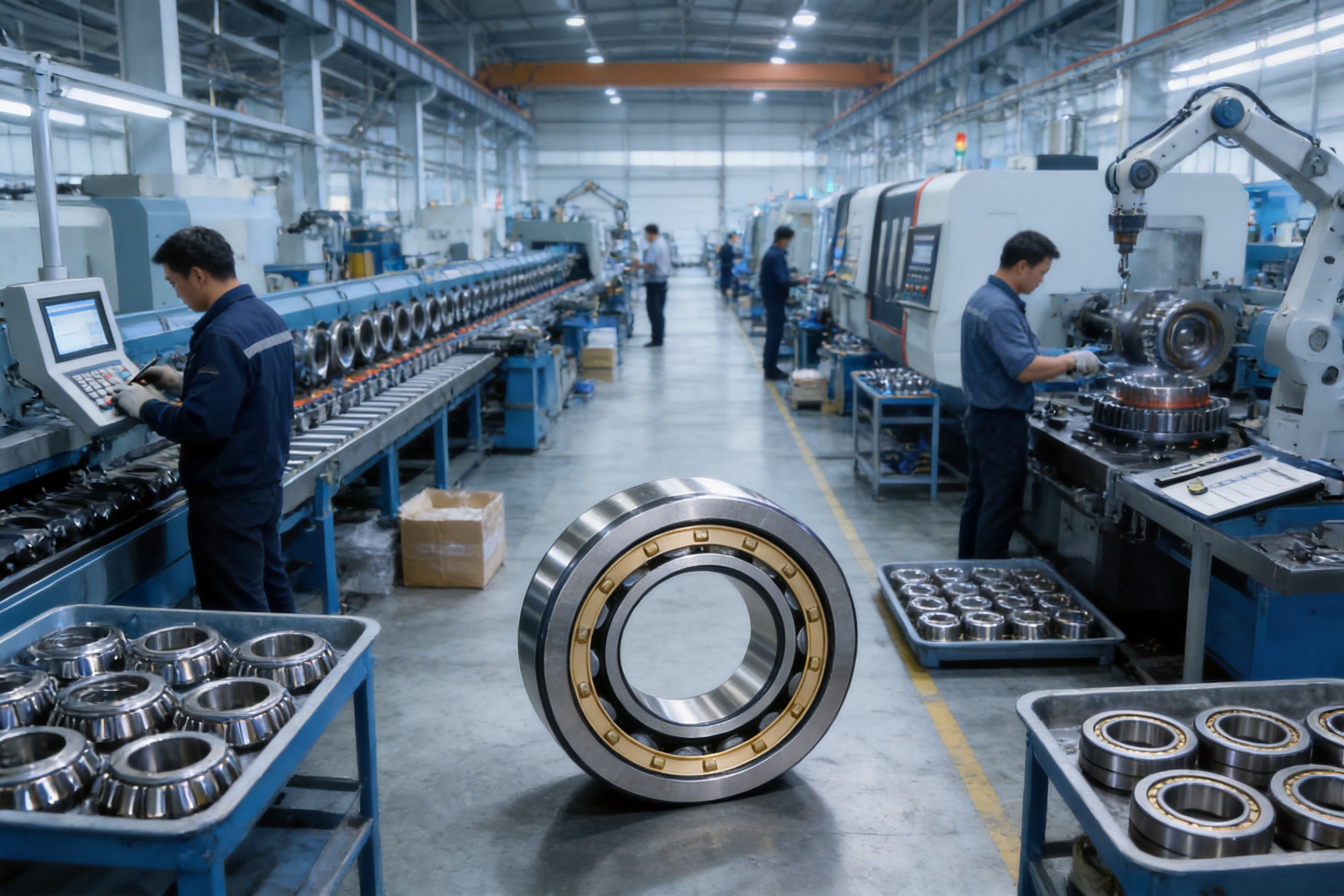
A single row cylindrical roller bearing is a rolling-element bearing that uses one row of cylindrical rollers between an inner ring and an outer ring. It is primarily designed to support radial loads and is known for high radial capacity, stiffness, and separable construction.
The main advantage is generally higher radial load capacity and stiffness within a suitable dimensional arrangement. Cylindrical rollers create line contact with the raceways, allowing the bearing to distribute heavy radial loads over a larger area.
Some designs can support limited axial loads through integral ribs, but axial capacity depends on the specific bearing configuration, rib geometry, lubrication, speed, and load direction. When axial loads are substantial, an angular contact, tapered, thrust, or combined bearing arrangement may be more appropriate.
Many cylindrical roller bearings allow the inner ring, outer ring, and roller assembly to be separated. This simplifies installation on shafts and in housings, especially when interference fits are required or when the machine assembly is difficult to access.
They can be suitable for high-speed applications when the bearing design, cage, clearance, lubrication, heat dissipation, shaft balance, and installation accuracy are properly selected. The actual permissible speed must be confirmed for the specific bearing and operating conditions.
Internal clearance should be selected according to shaft and housing fits, operating temperature, thermal expansion, speed, load, and alignment. A bearing manufacturer or qualified engineer should review the complete operating condition before selecting a clearance class.
The correct lubricant depends on speed, load, temperature, environment, and maintenance strategy. Grease is common for general industrial applications, while oil may be preferable for high-speed or high-temperature systems. The lubricant manufacturer’s compatibility and viscosity recommendations should be followed.
Service life can be extended by maintaining clean operating conditions, using the correct lubricant and quantity, ensuring accurate installation, controlling alignment and load, preventing moisture entry, monitoring vibration and temperature, and replacing bearings before severe secondary damage occurs.
UKL provides OEM and ODM export services and can discuss customized bearing requirements such as dimensions, clearance, precision, material, lubrication, packaging, labeling, and inspection documentation. Technical information about the application should be supplied so the design and manufacturing requirements can be evaluated accurately.
An inquiry should include the bearing designation if known, shaft and housing dimensions, radial and axial loads, operating speed, temperature, lubricant, environmental conditions, required service life, mounting arrangement, quantity, and delivery requirements. Drawings, photographs, or existing bearing samples can also help clarify the application.
Single row cylindrical roller bearings are a strong solution for machinery that requires high radial load capacity, robust stiffness, reliable rotation, and practical installation. Their line-contact roller arrangement allows them to support demanding radial loads, while their separable construction simplifies mounting and maintenance. Depending on the rib arrangement, they can also accommodate controlled axial guidance or axial displacement within a complete bearing system.
Product performance is determined by the interaction of design, material quality, heat treatment, grinding accuracy, roller consistency, cage construction, assembly cleanliness, lubrication, and application conditions. A reliable supplier must therefore provide more than a dimensional match. Manufacturing integration, quality control, technical communication, customization capability, and international service are all important factors when selecting a long-term bearing partner.
UKL Bearing Manufacturing Co., Ltd. combines production lines for forging, turning, heat treatment, grinding, assembly, and packaging with R&D, OEM/ODM experience, and international distribution. This combination supports the supply of single row cylindrical roller bearings for motors, gearboxes, machine tools, automation equipment, pumps, conveyors, and other industrial systems.
For the best result, the bearing should be selected as part of the complete machine design. Load, speed, clearance, fit, lubrication, temperature, alignment, contamination, and maintenance requirements should be evaluated together. When correctly specified, installed, and maintained, a single row cylindrical roller bearing can provide dependable performance and long operating life in demanding industrial environments.
International Organization for Standardization. ISO 15, Rolling Bearings—Radial Bearings—Boundary Dimensions, current technical edition.
International Organization for Standardization. ISO 281, Rolling Bearings—Dynamic Load Ratings and Rating Life, current technical edition.
International Organization for Standardization. ISO 492, Rolling Bearings—Radial Bearings—Geometrical Product Specifications and Tolerance Values, current technical edition.
International Organization for Standardization. ISO 199, Rolling Bearings—Thrust Bearings—Geometrical Product Specifications and Tolerance Values, current technical edition.
SKF. Rolling Bearings Catalogue, technical reference edition.
Schaeffler. Rolling Bearing Catalogue and Technical Principles, engineering reference edition.
Timken. Engineering Manual, bearing selection, installation, lubrication, and maintenance guidance.
Harris, T. A., and Kotzalas, M. N. Rolling Bearing Analysis, bearing theory and application reference.
Stachowiak, G., and Batchelor, A. W. Engineering Tribology, friction, lubrication, and wear principles.
Manufacturer technical documentation for single row cylindrical roller bearings, industrial bearing applications, and precision manufacturing processes.
Product Categories
Contact Us

Jane@ukl-bearing.com
Jenny@ukl-bearing.com
Andy@ukl-bearing.com
Ivy@ukl-bearing.com

+86-510- 88763239
+86-15371057968

No.1 Hehuan Road, Hudai Town, Binhu District, Wuxi City.
Ready to Begin?
Get in Touch

Now!
UKL BEARING
 English
 Español
 русский