Content
Self-lubricating rod end bearings are essential machine elements for applications that combine oscillating motion, angular misalignment, compact installation space, and demanding operating conditions. They are widely used in automation equipment, robotic mechanisms, linkages, control systems, packaging machinery, mobile equipment, and industrial actuators. Unlike ordinary rolling bearings, rod end spherical plain bearings are designed to accommodate angular movement between a threaded housing and a spherical inner ring. This makes them particularly suitable for connecting rods, articulated joints, steering mechanisms, and mechanical transmission systems.
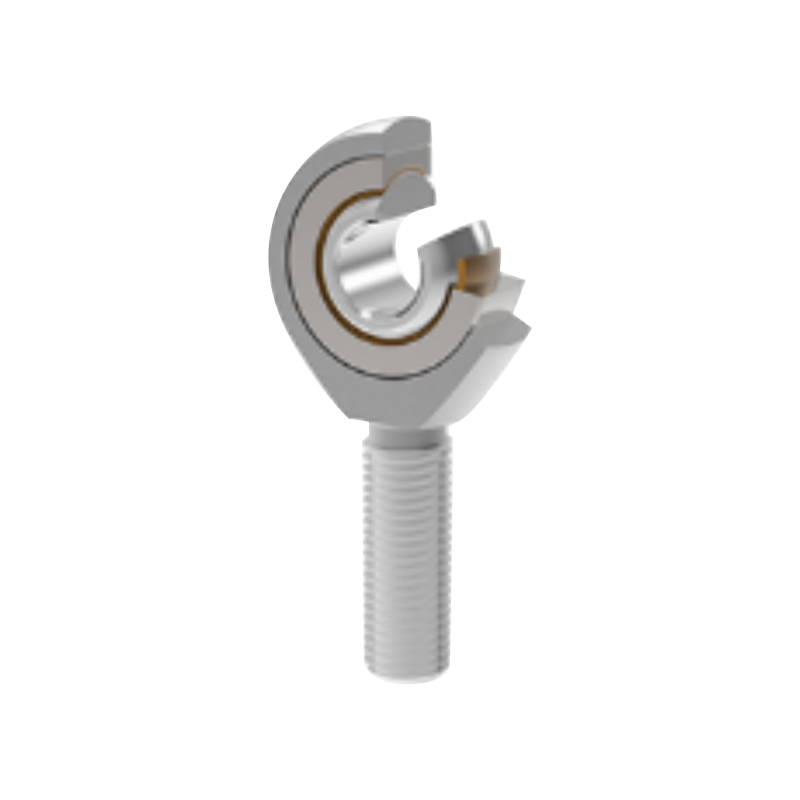
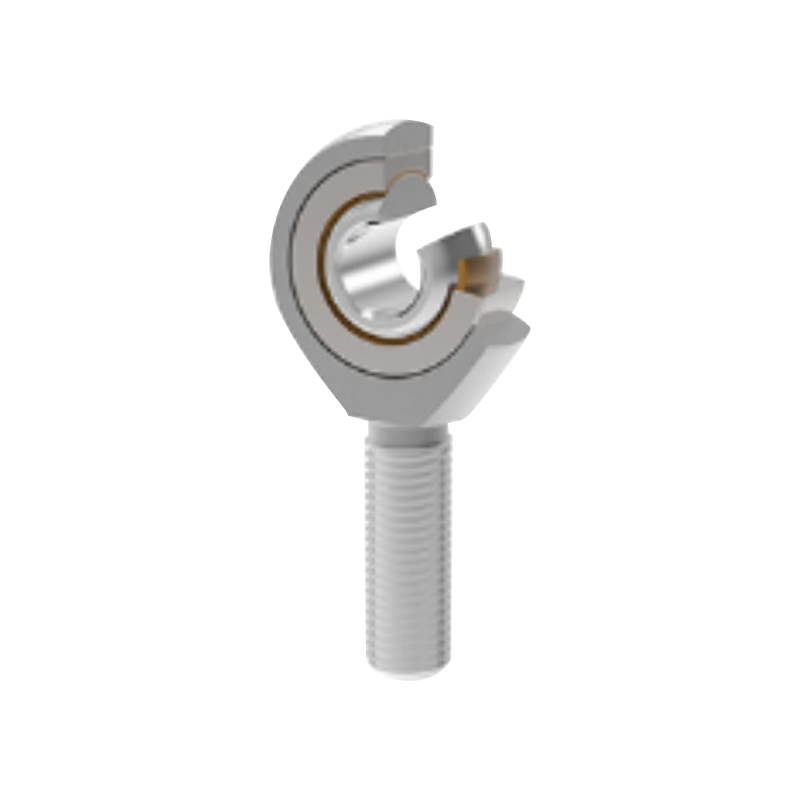
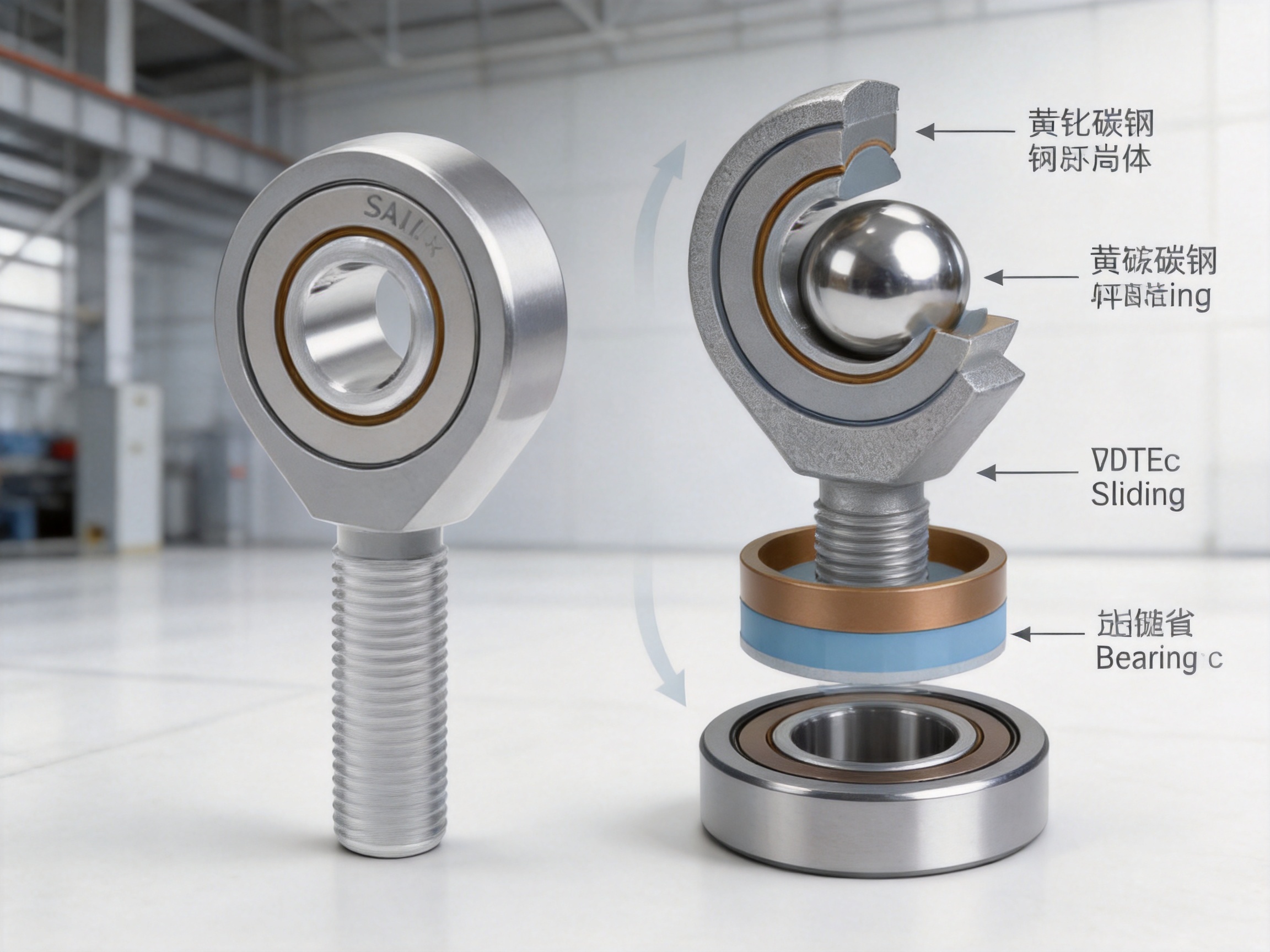
The SAJK self-lubricating rod end bearing is engineered as a maintenance-reducing solution for these applications. Its construction combines a carbon steel rod end body, a bronze outer ring, a PTFE composite sliding layer, and a hardened, hard-chrome-plated bearing steel inner ring. This material combination provides a balance of load capacity, wear resistance, corrosion protection, smooth motion, and dimensional stability.
A key advantage of this design is that it does not require regular replenishment of grease or oil under normal operating conditions. The PTFE composite sliding surface provides a low-friction interface between the outer ring and the spherical inner ring. As a result, the bearing can operate in locations where conventional lubrication is difficult, inconvenient, or undesirable. It can also help reduce contamination, maintenance labor, downtime, and the risk of lubricant leakage.
For industrial buyers, performance is only one part of the selection process. Consistent quality, production capability, customization support, inspection procedures, delivery reliability, and technical communication are equally important. UKL Bearing Manufacturing Co., Ltd. combines bearing production, research and development, export distribution, and engineering support to provide rod end bearing solutions for both standard and customized applications.
SAJK Self-Lubricating Rod End Bearing
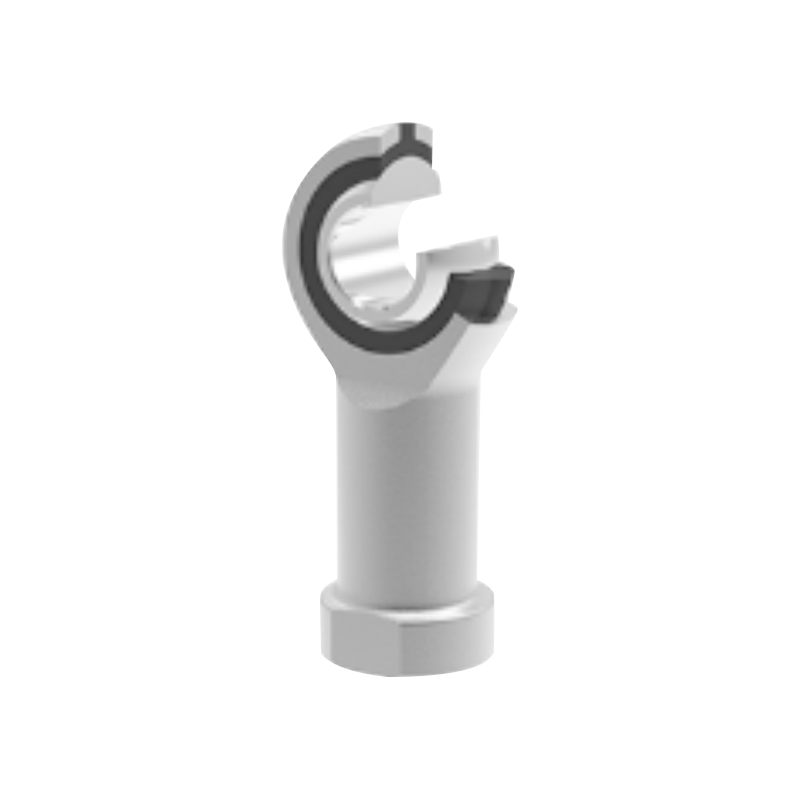
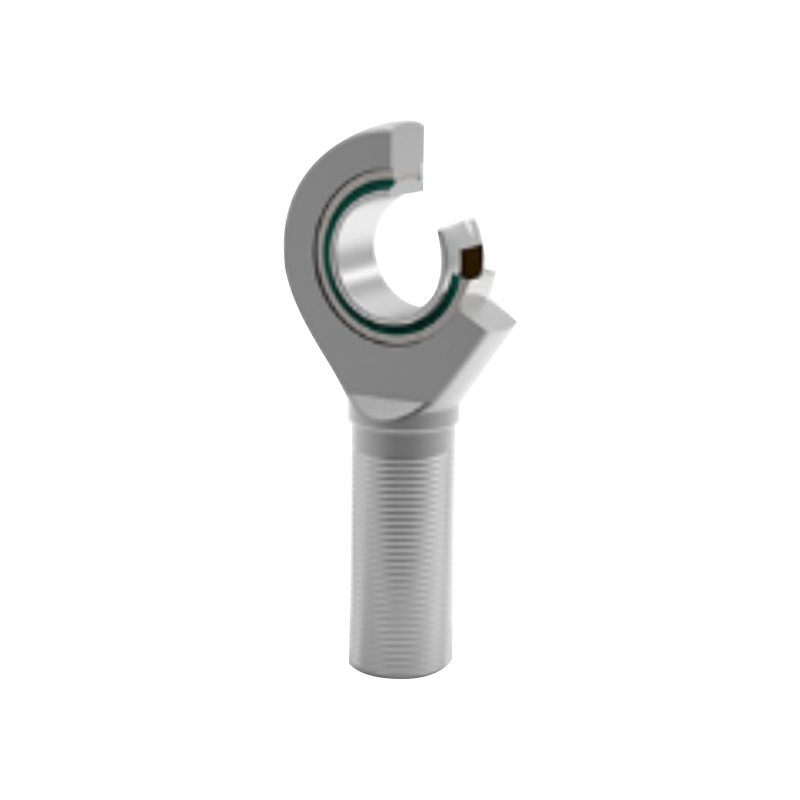
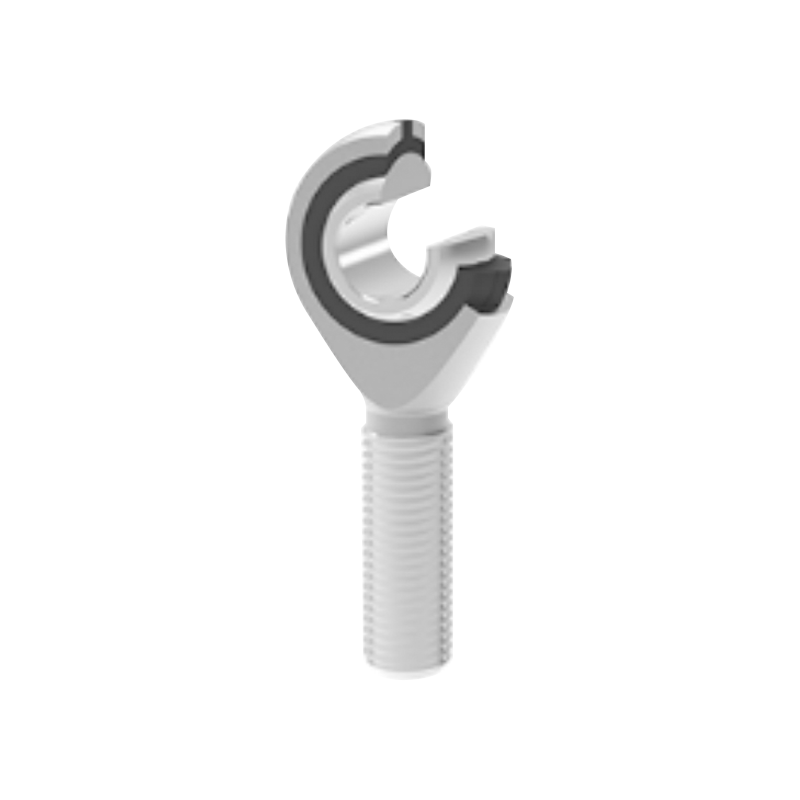
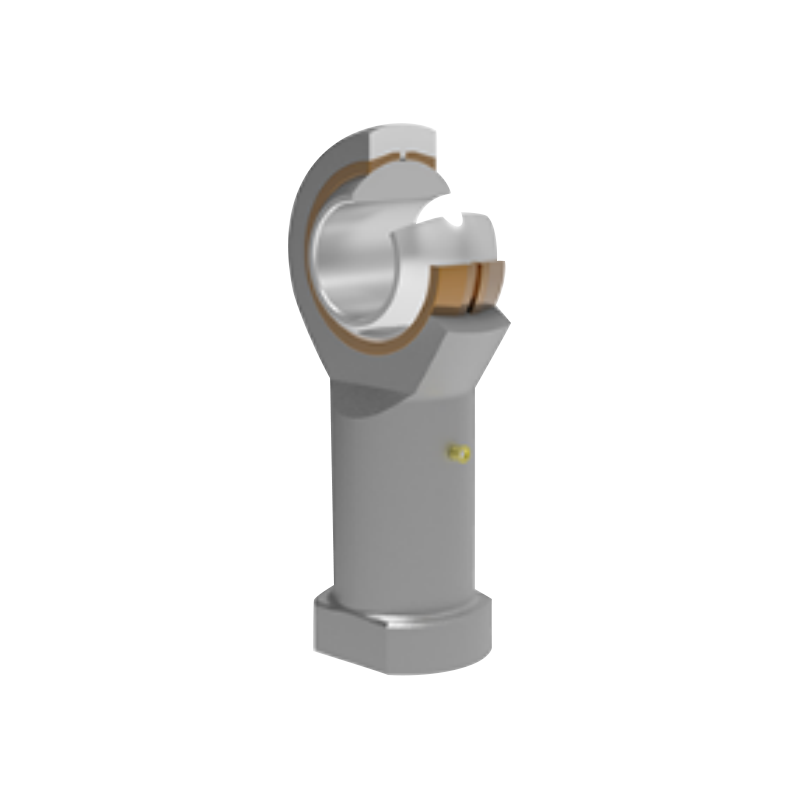
A rod end bearing is a spherical plain bearing integrated into a housing that includes an external or internal thread. The threaded body allows the bearing to be installed directly into a machine component, actuator, connecting rod, or adjustment mechanism. The spherical inner ring contains the mounting bore for a pin, shaft, bolt, or other fastening element.
During operation, the inner ring can rotate or oscillate within the outer ring. The spherical geometry also allows angular misalignment between the connected components. This is important in mechanisms where the movement path is not perfectly linear or where two connected parts change angle during operation.
In a self-lubricating version, the sliding surface is lined with a low-friction material rather than depending on continuous external grease supply. For the SAJK series, the outer ring incorporates a PTFE composite material on the sliding surface. PTFE is known for its low coefficient of friction and good sliding performance. The composite construction is designed to provide better mechanical stability and wear behavior than unfilled polymer materials used in less demanding applications.
The result is a bearing that can support oscillating movement while reducing the need for routine lubrication. This makes the design especially valuable in compact mechanisms, enclosed assemblies, clean manufacturing environments, and equipment installed in areas where access for maintenance is restricted.
The rod end body is manufactured from carbon steel and protected with a galvanized surface. The body provides the threaded connection and supports the bearing assembly. Galvanization improves surface protection against corrosion and helps preserve the appearance and serviceability of the exposed housing in typical industrial environments.
The outer ring is made of bronze. Bronze is widely used in plain bearing systems because it offers favorable sliding characteristics, good compatibility with steel counterfaces, and reliable performance under oscillating loads. In the SAJK design, the bronze outer ring also supports the PTFE composite sliding layer.
The sliding surface is lined with PTFE composite material. This layer is responsible for the bearing’s self-lubricating performance. It forms the low-friction contact zone and helps reduce dependence on external lubricants. The composite formulation is intended to combine the low-friction properties of PTFE with improved load-bearing and wear resistance.
The inner ring is made of bearing steel. It is hardened to increase resistance to deformation and wear. Its spherical external surface is hard chrome plated, providing an additional protective layer against abrasion and corrosion. The hardened and plated surface is particularly important because the inner ring is the primary moving counterface in the sliding contact.
The specified operating temperature range is from -50°C to +150°C. This broad range allows the bearing to be considered for cold environments, general industrial equipment, heating systems, outdoor machinery, and applications with elevated operating temperatures.
Actual service performance depends on load, speed, oscillation angle, environmental contamination, humidity, installation accuracy, and the duration of exposure to extreme temperatures. Buyers should evaluate the complete operating profile rather than selecting a bearing based only on temperature. Where the bearing will experience high loads at elevated temperatures, application-specific validation is recommended.
The most visible advantage of the SAJK series is its self-lubricating sliding interface. Conventional metal-on-metal plain bearings often require regular grease or oil application. If lubrication is neglected, friction and wear can increase rapidly. In machinery with many joints, lubrication work can become time-consuming and difficult to control.
The PTFE composite lining reduces this maintenance burden. It allows the bearing to operate without additional lubrication in normal service conditions. This can lower scheduled maintenance requirements and make the bearing suitable for assemblies where grease cannot be conveniently introduced.
Reduced lubrication is also valuable in clean environments. Excess grease can attract dust, metal particles, fibers, and other contaminants. In packaging, electronics-related machinery, laboratory equipment, and automated production lines, minimizing exposed lubricant can help maintain cleaner operating conditions.
Rod end bearings frequently operate through repeated angular oscillation rather than continuous high-speed rotation. This type of motion can be demanding because the contact surfaces repeatedly reverse direction over a limited arc. The PTFE composite sliding surface is designed for smooth movement and reduced friction during this type of operation.
Lower friction can contribute to reduced actuator force, improved movement consistency, lower energy consumption, and reduced heat generation. It can also help limit stick-slip behavior in precision linkages and control mechanisms. The actual friction coefficient depends on load, speed, temperature, surface condition, and oscillation angle, but the material selection provides a strong foundation for low-friction operation.
The hardened bearing steel inner ring is designed to resist plastic deformation and surface damage. Hard chrome plating further improves protection against wear and corrosion. This is especially important in oscillating applications, where the same areas of the spherical surface may repeatedly experience contact.
The plated surface also contributes to dimensional stability over the service life of the bearing. Maintaining the correct spherical geometry helps preserve smooth motion and proper load distribution. Compared with an untreated steel surface, the hard-chrome-plated inner ring offers a more durable working counterface for the PTFE composite layer.
Corrosion resistance is provided through multiple design features. The rod end body has a galvanized surface, while the inner ring receives hard chrome plating. These protective treatments help shield the steel components from moisture and common industrial exposure.
Corrosion protection is particularly important for equipment used in outdoor installations, agricultural machinery, transportation systems, washdown-adjacent areas, and humid production environments. The bearing should still be selected according to the specific chemical and environmental exposure. Strong acids, alkalis, salt spray, abrasive dust, and cleaning chemicals may require a stainless steel configuration or additional protective measures.
The integrated threaded rod end body eliminates the need for a separate bearing housing and connecting adapter in many installations. This can reduce the number of components, simplify assembly, and save space. The threaded connection also allows adjustment of the bearing position along a linkage or rod.
Because the SAJK range is available in multiple bore sizes, thread sizes, body lengths, and head dimensions, designers can select a configuration that matches the available installation envelope. The range covers product numbers from SAJK5C through SAJK30C, providing options for small mechanisms as well as larger industrial linkages.
The spherical bearing construction allows the inner ring to accommodate angular movement relative to the rod end body. This helps compensate for alignment differences between connected components and supports mechanisms that move through changing angles.
Angular misalignment capability can reduce secondary bending forces in shafts, pins, and connected rods. It may also help prevent binding during assembly and operation. However, the specified angular range should not be exceeded. The catalog values are approximate and vary across the size range, so designers should verify the required movement envelope before final selection.
Rod end bearings are available in many configurations, including grease-lubricated steel-on-steel designs, maintenance-free polymer-lined types, stainless steel versions, and rolling-element rod ends. Each type has an appropriate application range. The SAJK self-lubricating design is distinguished by the combination of a bronze outer ring, PTFE composite lining, hardened inner ring, and galvanized carbon steel body.
Grease-lubricated bearings can provide high load capacity and long service life when lubrication is correctly maintained. However, they require access for grease application and can be sensitive to lubrication intervals. In automated systems with many joints, maintenance can be difficult and inconsistent.
The SAJK series reduces or eliminates routine relubrication under normal conditions. This can simplify equipment design and lower total maintenance effort. It is particularly advantageous where the bearing is enclosed, positioned behind guarding, located at the end of a long actuator, or installed in a mechanism that cannot be stopped easily.
Basic polymer-lined bearings may offer low friction and economical production, but their performance can vary significantly with temperature, load, moisture, and wear. A PTFE composite lining supported by a bronze outer ring offers a more engineered sliding structure. The bronze backing provides mechanical support, while the composite layer provides the low-friction interface.
The hardened and hard-chrome-plated inner ring further improves the counterface condition. This combination is more suitable for demanding industrial movement than a simple unreinforced plastic interface.
Rolling-element rod ends can provide low rolling resistance and are suitable for applications requiring rotational movement. However, they may be more sensitive to contamination, shock loading, misalignment, and oscillation through a small angle. Rolling elements can also require seals, races, cages, and more complex internal structures.
A spherical plain rod end has a simpler sliding construction and is naturally suited to oscillatory motion and angular adjustment. It can tolerate certain conditions that may be unfavorable for a small rolling bearing. The appropriate choice depends on speed, load, motion type, service life requirements, and environmental conditions.
The SAJK series covers nominal bore sizes from 5 mm to 30 mm. The table below summarizes the principal catalog dimensions, thread information, approximate angular values, load ratings, and weights supplied for the range.
| Product | d (mm) | B (mm) | dₖ (mm) | C₁ max (mm) | d₂ (mm) | Thread | h (mm) | I₁ min (mm) | I₂ (mm) | rₛ min (mm) | α Approx. (°) | Dynamic Load (kN) | Static Load (kN) | Weight Approx. (kg) |
|---|---|---|---|---|---|---|---|---|---|---|---|---|---|---|
| SAJK5C | 5 | 8 | 11.112 | 7.5 | 18 | M5 | 33 | 19 | 42 | 0.3 | 4 | 3.6 | 3.9 | 0.013 |
| SAJK6C | 6 | 9 | 12.7 | 7.5 | 20 | M6 | 38 | 21 | 48 | 0.3 | 9 | 4.7 | 5.2 | 0.020 |
| SAJK8C | 8 | 12 | 15.88 | 9.5 | 24 | M8 | 42 | 25 | 54 | 0.3 | 12 | 7.6 | 8.2 | 0.038 |
| SAJK10C | 10 | 14 | 19.05 | 11.5 | 30 | M10 | 48 | 28 | 63 | 0.3 | 10 | 12 | 15 | 0.071 |
| SAJK12C | 12 | 18 | 22.23 | 12.5 | 34 | M12 | 54 | 32 | 71 | 0.3 | 12 | 14 | 19 | 0.120 |
| SAJK14C | 14 | 19 | 25.4 | 14.5 | 38 | M14 | 60 | 38 | 79 | 0.3 | 14 | 19 | 24 | 0.170 |
| SAJK16C | 16 | 21 | 28.58 | 15.5 | 42 | M16 | 66 | 37 | 87 | 0.3 | 14 | 23 | 29 | 0.230 |
| SAJK18C | 18 | 23 | 31.75 | 17.5 | 48 | M18×1.5 | 72 | 41 | 95 | 0.6 | 13 | 29 | 34 | 0.310 |
| SAJK20C | 20 | 25 | 34.93 | 18.5 | 50 | M20×1.5 | 78 | 45 | 103 | 0.6 | 14 | 34 | 40 | 0.400 |
| SAJK22C | 22 | 28 | 38.1 | 21 | 58 | M22×1.5 | 84 | 48 | 112 | 0.6 | 14 | 42 | 50 | 0.490 |
| SAJK25C | 25 | 31 | 42.86 | 23 | 60 | M24×2 | 94 | 55 | 124 | 0.6 | 14 | 52 | 57 | 0.650 |
| SAJK28C | 28 | 35 | 47.63 | 26 | 68 | M27×2 | 103 | 62 | 136 | 0.6 | 14 | 68 | 69 | 0.870 |
| SAJK30C | 30 | 37 | 50.8 | 27 | 70 | M30×2 | 110 | 68 | 145 | 0.6 | 15 | 73 | 77 | 1.100 |
Catalog data should be reviewed together with the latest technical drawing and application requirements. Some dimensions and designations may vary according to thread standard, production revision, or customer-specific configuration. Load ratings are reference values and should not be treated as a substitute for engineering analysis.
The dynamic load rating is relevant to repeated movement and service-life evaluation. It is commonly used when the bearing experiences recurring oscillation or movement under load. The static load rating is important when the bearing is stationary, lightly moving, or exposed to shock and peak loads.
For a practical design, engineers should consider the direction of load, radial and axial components, oscillation angle, frequency, temperature, contamination, mounting stiffness, and expected operating hours. A bearing that appears suitable based on nominal load alone may not be appropriate if it operates with a very small oscillation angle, heavy shock, or poor alignment.
The standard product range includes metric thread sizes corresponding to the bearing bore and body design. Thread precision and pitch can be customized for specific assemblies. Left-hand thread versions are also available. For a left-hand thread, the letter “L” and the left-hand designation are added to the bearing model and thread marking. An example is a left-hand SAJK-related configuration identified with the appropriate “L” marking and a left-hand thread specification.
Correct thread engagement is essential. The rod end should be installed with sufficient engagement length to support the applied load and should not be forced into an incorrect thread. The threaded section should be protected from cross-threading, excessive tightening torque, and bending loads during installation.
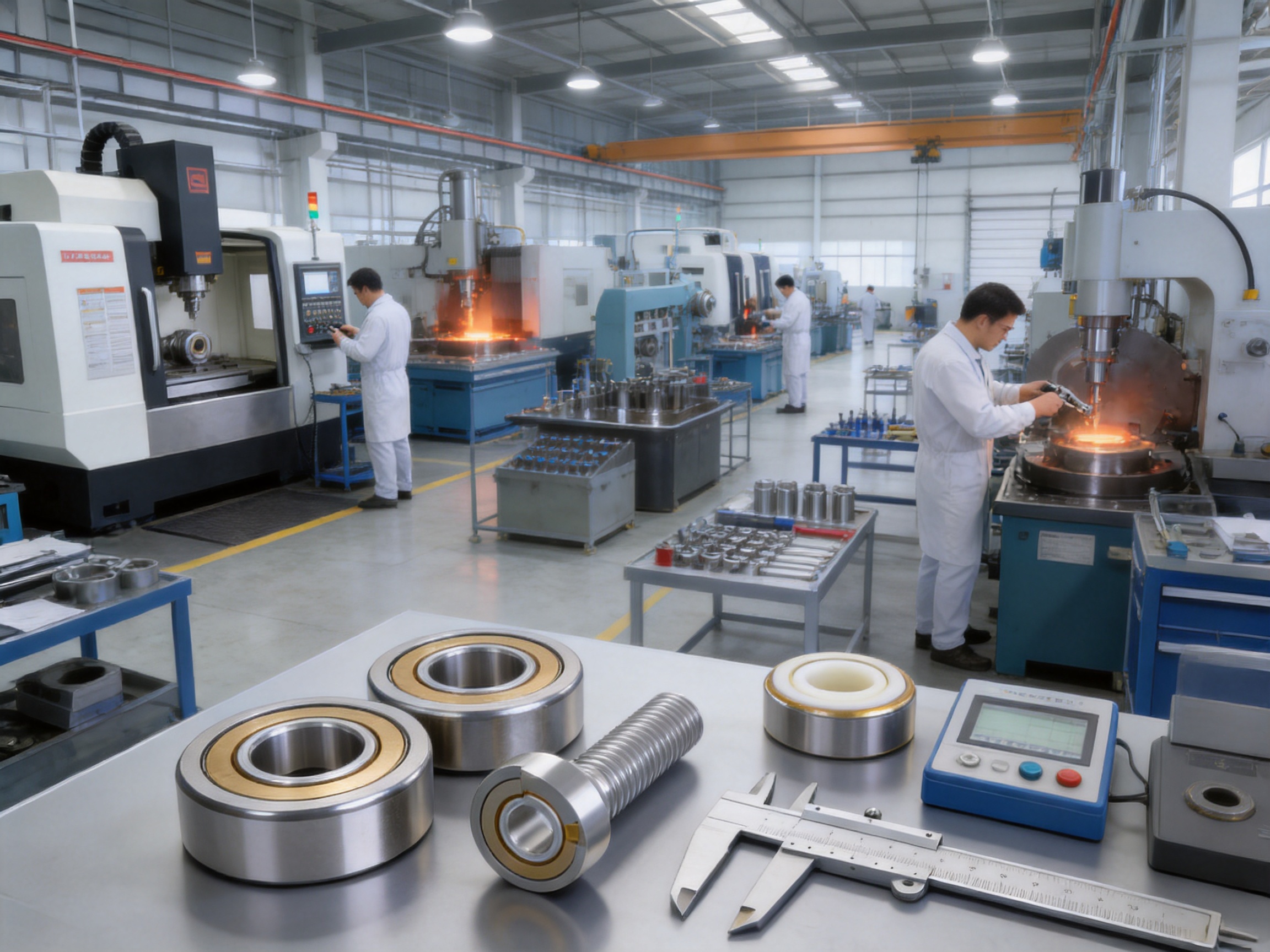
Product reliability begins with control of materials and continues through every manufacturing stage. UKL Bearing Manufacturing Co., Ltd. integrates research and development, production, assembly, packaging, and international distribution. Its manufacturing organization covers forging, turning, heat treatment, grinding, assembly, and packaging, allowing multiple critical processes to be coordinated within one production system.
Material preparation establishes the foundation for dimensional consistency and mechanical performance. Steel components must be selected according to the required strength, hardenability, machinability, and surface treatment compatibility. Forging can produce a strong, efficient material structure for suitable components and helps prepare the part for subsequent machining operations.
Controlled material flow during forging can improve structural integrity and reduce unnecessary machining allowance. For rod end bodies and related bearing components, appropriate process control helps maintain the required geometry before turning and finishing.
Turning operations create the basic geometry of the rod end body and inner ring. Critical features may include the spherical profile, bore, shoulder, threaded section, head dimensions, and alignment surfaces. Precision turning establishes the dimensional foundation for heat treatment, grinding, plating, and final assembly.
Modern production control allows machining parameters, tool condition, and dimensional results to be monitored systematically. Stable turning practices help reduce variation from batch to batch and support reliable interchangeability for customers using multiple bearings in the same machine.
The inner ring is hardened to improve resistance to wear and deformation. Heat treatment must be controlled carefully because excessive hardness variation, distortion, or residual stress can affect final performance. A well-managed process balances hardness with toughness and provides a suitable foundation for finishing operations.
Heat treatment is followed by dimensional verification and, where necessary, corrective grinding. The ability to coordinate heat treatment with later processing allows the manufacturer to maintain the functional geometry of the spherical inner ring.
Grinding is used to achieve the required precision and surface condition on critical bearing surfaces. The spherical surface of the inner ring must be manufactured accurately so that contact with the PTFE composite lining remains uniform. Bore accuracy and surface finish are also important for proper fit with the mounting pin or shaft.
Surface quality affects friction, wear, noise, and service life. Grinding process control therefore contributes directly to the smooth operating behavior expected from a self-lubricating rod end bearing.
Surface treatment is a major part of the SAJK design. Hard chrome plating on the spherical inner ring provides a protective, wear-resistant surface. Galvanization on the carbon steel rod end body helps protect the housing from corrosion.
Uniform coating thickness, adhesion, surface cleanliness, and post-treatment inspection are important quality factors. A coating that is uneven, poorly bonded, or damaged during handling may compromise the expected protective function. Coordinating surface treatment with machining and inspection helps ensure that the finished bearing meets its intended performance requirements.
During assembly, the inner ring, outer ring, PTFE composite lining, and rod end body must be fitted correctly. Assembly control helps prevent damage to the sliding layer and ensures that the spherical components move smoothly. The completed bearing may be inspected for dimensions, thread quality, angular movement, surface condition, and general appearance.
Functional inspection is especially important for self-lubricating bearings because a visually acceptable part must also provide consistent movement. Smooth articulation, correct clearance, and proper alignment between the inner and outer components are essential to reliable operation.
UKL reports a production capacity of approximately 10,000 to 50,000 units per month. This range supports both recurring industrial orders and project-based requirements. Production lines covering multiple processes can help coordinate manufacturing schedules and reduce dependence on disconnected suppliers.
The company serves customers in Europe, Asia, Africa, Russia, North America, and other markets. Its export experience and multilingual service team support technical communication, order coordination, installation guidance, and after-sales assistance. For international buyers, these capabilities can be as important as the bearing itself because product selection often involves drawings, thread standards, packaging specifications, and delivery planning.
Standard dimensions are suitable for many applications, but industrial equipment frequently requires special thread pitches, thread precisions, lengths, materials, or corrosion protection. The SAJK series can be customized to meet different mechanical and environmental requirements.
Different equipment designs may require a specific thread pitch, tolerance class, or body length. Customized thread configurations can help match the bearing to an existing actuator, adjustment rod, clevis, or machine frame. Left-hand thread versions are useful in turnbuckle-type assemblies and adjustment mechanisms where opposing thread directions are needed.
The rod end body and inner ring can be manufactured from stainless steel when improved corrosion resistance is required. Stainless steel configurations may be appropriate for outdoor equipment, food-related machinery, humid environments, medical equipment, marine-adjacent applications, and chemical exposure.
Changing the material can influence hardness, load capacity, friction, coating requirements, and cost. Therefore, stainless steel selection should be based on a clear review of the application environment rather than used automatically in every situation.
OEM and ODM customers may require special packaging, private labeling, inspection documentation, drawing approval, or production batches that differ from standard catalog quantities. An integrated manufacturer can coordinate these requirements with engineering and production teams.
UKL’s experience in custom bearing development supports projects involving robotics, CNC machinery, intelligent automation, and other industrial systems. Early technical communication is recommended so that load, movement, environmental, and installation conditions can be reviewed before production begins.
Robotic arms, grippers, linear actuators, and automated positioning systems often include multiple articulated joints. These joints may experience repeated oscillation, rapid direction changes, and limited access for maintenance. A self-lubricating rod end bearing can reduce routine service and support smooth motion in compact assemblies.
In automated production lines, bearing reliability affects cycle time and equipment availability. A maintenance-free or maintenance-reduced joint can help simplify preventive maintenance schedules and limit unplanned stoppages.
CNC equipment includes linkages, doors, tool-changing mechanisms, sensor brackets, and adjustment systems that require controlled movement. Rod end bearings can provide compact articulation and angular compensation in these assemblies.
The low-friction sliding interface can support repeatable movement, while the corrosion-protected body is suitable for general workshop environments. Where coolant, chips, or abrasive particles are present, the bearing should be protected with suitable machine design features and inspected according to the operating conditions.
Packaging equipment uses high-cycle mechanisms for sealing, cutting, conveying, folding, and positioning. These systems often contain many small joints operating continuously. Self-lubricating rod ends can reduce the amount of manual lubrication required and help avoid lubricant transfer to packaging materials.
The selected bearing size should be checked against cycle frequency, load direction, oscillation angle, and expected service interval. Clean installation and protection from product dust remain important even when the bearing does not require additional lubricant.
Conveyors, lifting mechanisms, sorting systems, and automated storage equipment use linkages and adjustable connections. Rod end bearings can accommodate structural movement and angular changes while maintaining a secure connection.
For material-handling systems with high static loads or shock loads, engineers should compare both dynamic and static ratings and account for peak forces. Larger SAJK sizes provide increased capacity for heavier mechanisms, while smaller sizes are suited to sensors, light linkages, and compact actuators.
Agricultural machines and mobile equipment operate in environments that may include dust, moisture, vibration, temperature changes, and intermittent shock. The galvanized body and hard-chrome-plated inner ring provide useful corrosion and wear protection for general industrial exposure.
Because contamination levels can be high, bearing placement and sealing around the joint should be considered. In severe conditions, stainless steel versions or additional environmental protection may be appropriate.
Rod ends are frequently used in control cables, valve linkages, throttle systems, damper mechanisms, and adjustable support assemblies. The threaded body allows precise positioning, while the spherical inner ring allows the linkage to move without imposing excessive bending on the connected components.
Left-hand and right-hand thread combinations can be used in adjustment assemblies that require length changes through rotation. Correct identification of thread direction is essential during installation and maintenance.
Choosing a rod end bearing should begin with the load and movement profile. Identify the maximum radial load, axial load, shock load, oscillation angle, movement frequency, and required service life. Then evaluate the available installation space, thread direction, bore size, pin diameter, and environmental exposure.
The bearing should not be selected solely by matching the bore diameter. A smaller bearing may fit the pin but lack sufficient static capacity. Conversely, an unnecessarily large bearing may increase weight, cost, and installation space without providing a meaningful benefit.
The rod end should be aligned with the connected linkage so that the bearing is not forced to compensate for excessive installation error. The spherical function is intended to accommodate operational angular movement, not to correct major structural misalignment.
Incorrect alignment can create edge loading, increase friction, accelerate wear, and reduce the effective load capacity. Mounting brackets should be sufficiently rigid, and the bearing should be supported in a way that distributes load through the intended surfaces.
The mounting pin or shaft should have the correct diameter, surface condition, and hardness for the application. Excessive clearance can cause impact and fretting, while insufficient clearance can restrict movement or create assembly stress.
The pin should be installed without damaging the bore or forcing the inner ring beyond its intended angular range. Retaining hardware should be selected according to the load direction and safety requirements of the machine.
Use adequate thread engagement and avoid applying bending loads to the threaded section. When the rod end is installed into a threaded component, the thread should be clean and free of damage. Tightening should be controlled to prevent distortion of the body.
For left-hand versions, confirm the thread direction before installation. Clear marking and proper documentation help prevent incorrect assembly during maintenance.
Self-lubricating does not mean contamination-proof. Dust, metal particles, water, chemicals, and abrasive material can still affect a sliding bearing. Where contamination is expected, use guards, seals, covers, or suitable mounting orientation.
Periodic inspection should check for excessive play, unusual friction, surface damage, corrosion, thread loosening, and changes in movement. The absence of a lubrication requirement does not eliminate the need for condition monitoring.
For a critical bearing application, the manufacturing partner should be evaluated beyond catalog price. Process control, traceability, material consistency, engineering support, inspection capability, and delivery performance all influence the total value of the product.
UKL combines manufacturing and trading functions with in-house coordination of research and development, production, and international distribution. Its facilities include production lines for forging, turning, heat treatment, grinding, assembly, and packaging. This integrated structure supports process communication and helps maintain consistency across different stages.
The company’s product development activities include cross roller bearings, dual-direction thrust angular contact ball bearings, and other precision bearing products for CNC equipment, robotics, and intelligent automation. This broader engineering background is useful when rod end bearings must work as part of a more complex motion-control system.
With customers and distribution relationships across multiple regions, UKL is positioned to support international OEM and industrial users. Technical assistance can include product selection, customized drawings, installation guidance, and after-sales communication. For equipment manufacturers, this support can reduce the time needed to qualify a component and resolve application questions.
Modern bearing manufacturing must address both technical performance and responsible production. Efficient material usage, controlled energy consumption, recycling, and waste reduction can lower environmental impact while improving manufacturing efficiency.
UKL identifies material recycling, energy optimization, and environmentally responsible processes as part of its long-term manufacturing approach. These practices complement the product’s maintenance advantages. A bearing that requires less lubricant can help reduce grease consumption and maintenance-related waste over the equipment life cycle.
Long-term value should be measured through the entire operating period. A self-lubricating rod end may have a higher initial cost than a basic component, but its value can increase when reduced lubrication labor, lower downtime, cleaner operation, and longer wear life are considered.
For OEMs, consistent supply and stable product quality also reduce the cost of redesign, field replacement, and service inventory. Standardized sizes combined with customization support can help manufacturers use the same technical platform across multiple machine models.
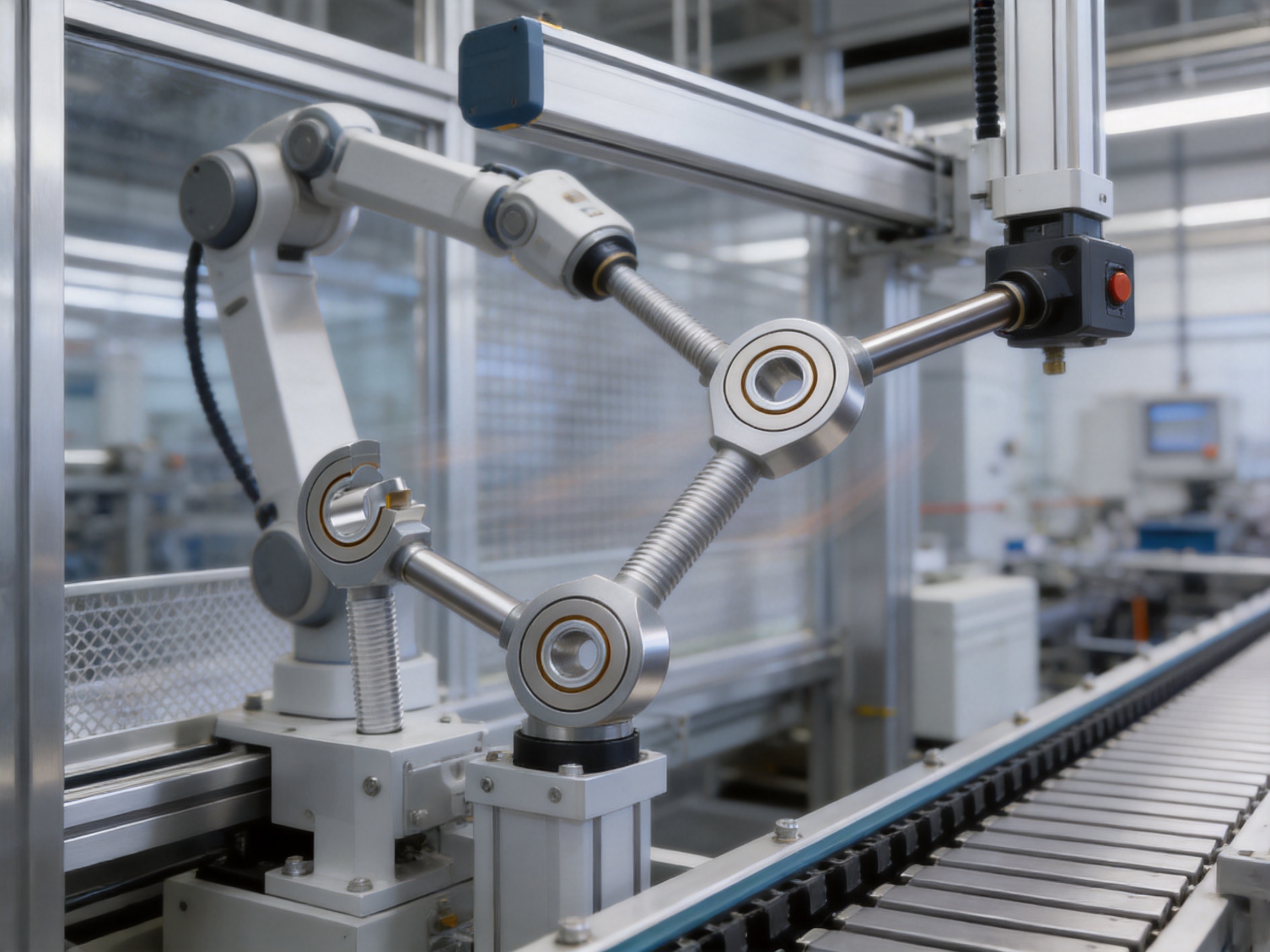
The outer ring contains a PTFE composite lining on its sliding surface. This material provides a low-friction interface with the spherical inner ring and is designed to operate without additional grease or oil under normal conditions.
The rod end body is carbon steel with a galvanized surface. The outer ring is bronze, the sliding layer is PTFE composite material, and the inner ring is hardened bearing steel with a spherical hard chrome-plated surface.
The stated operating temperature range is -50°C to +150°C. Actual performance depends on load, motion, environment, and exposure time. Applications near the limits should be reviewed with the manufacturer.
Yes. The rod end body and inner ring can be manufactured from stainless steel as an optional configuration. Stainless steel versions are useful where corrosion resistance is more important than the standard carbon steel and plated construction.
Yes. Customized rod end spherical plain bearings with different pitches or thread precisions are available. The required thread size, pitch, tolerance, direction, and body dimensions should be specified during the engineering review.
Yes. Left-hand thread versions are available and are identified by adding the appropriate “L” and left-hand thread marking to the model and thread specification.
No. It generally does not require additional lubrication under normal conditions, but it should still be inspected. Maintenance personnel should check for contamination, looseness, corrosion, excessive play, thread damage, and abnormal friction.
The SAJK series is a spherical plain rod end bearing primarily intended for oscillating and articulated motion. Continuous high-speed rotation may require a different bearing design. Speed, load, temperature, and motion type should be evaluated before use.
The dynamic load rating supports evaluation of repeated movement, while the static load rating is important for stationary, slow-moving, or shock-loaded conditions. Engineering selection should also consider load direction, oscillation angle, frequency, temperature, alignment, and service life.
Typical applications include robotics, automation equipment, CNC machinery, packaging machines, material handling systems, agricultural equipment, mobile machinery, actuators, control linkages, and adjustable mechanical assemblies.
The customer should provide the required bore diameter, thread type and direction, pitch, body dimensions, load, motion pattern, temperature, environmental conditions, material preferences, and estimated annual quantity. Drawings or samples can further improve the engineering review.
The SAJK self-lubricating rod end bearing provides a practical solution for articulated mechanisms that require low friction, angular movement, reduced maintenance, and reliable protection against wear and corrosion. Its carbon steel galvanized body, bronze outer ring, PTFE composite sliding layer, and hardened hard-chrome-plated inner ring create a balanced construction for industrial service.
Compared with conventional grease-lubricated rod ends, the design can reduce lubrication work and simplify maintenance. Compared with basic polymer bearings, its bronze-backed composite structure and hardened plated counterface provide a more robust engineering solution. Compared with some rolling-element alternatives, its spherical plain construction is naturally suited to oscillation, angular misalignment, and compact linkage applications.
The range from 5 mm to 30 mm bore size, together with metric thread options, left-hand thread configurations, stainless steel alternatives, and customized pitches, gives equipment designers considerable flexibility. Careful attention to load, alignment, contamination, temperature, and installation remains necessary to achieve the expected service life.
UKL Bearing Manufacturing Co., Ltd. supports this product with integrated manufacturing capabilities covering material preparation, forging, turning, heat treatment, grinding, surface treatment, assembly, and packaging. Its R&D resources, export experience, production capacity, and technical service structure make it suitable for OEM, ODM, distributor, and industrial end-user requirements.
For machinery designers seeking a compact and maintenance-reduced connection component, the SAJK series offers a strong combination of self-lubricating performance, corrosion protection, customizable design, and manufacturing support.
1. Product technical information for the SAJK self-lubricating rod end bearing, including construction, materials, dimensions, load ratings, temperature range, and customization options.
2. General principles of spherical plain bearing design, oscillating motion, angular misalignment, and sliding-contact selection.
3. Engineering practices for bearing installation, load evaluation, shaft and pin fitting, thread engagement, and condition monitoring.
4. Technical principles of PTFE composite sliding materials and bronze-backed plain bearing construction.
5. Manufacturing process references covering forging, precision turning, bearing steel heat treatment, grinding, hard chrome plating, galvanization, assembly, and quality inspection.
6. Industrial application guidance for rod end bearings in robotics, automation, CNC machinery, packaging equipment, material handling systems, and mechanical linkages.
Product Categories
Contact Us

Jane@ukl-bearing.com
Jenny@ukl-bearing.com
Andy@ukl-bearing.com
Ivy@ukl-bearing.com

+86-510- 88763239
+86-15371057968

No.1 Hehuan Road, Hudai Town, Binhu District, Wuxi City.
Ready to Begin?
Get in Touch

Now!
UKL BEARING
 English
 Español
 русский