Content
In the intricate web of modern industrial machinery—from robotic arms in manufacturing plants to aerospace systems and automotive assemblies—every component plays a critical role in ensuring efficiency, reliability, and safety. Among these components, rod end bearings stand out as unsung heroes, facilitating smooth, articulated movement between connected parts while withstanding heavy loads and harsh operating conditions. As industries demand higher performance, longer service life, and reduced maintenance, the need for advanced rod end bearings has never been more pressing. Enter the SIBP/SABP Precision Rod End Bearing series: a game-changing solution that combines self-lubrication, compact design, and customizable features to address the evolving needs of global industries.
Rod end bearings, also known as heim joints or rose joints, are specialized bearings designed to allow angular movement (oscillation) between two components while transmitting radial and axial loads. Unlike traditional ball or roller bearings, which are primarily for rotational movement, rod end bearings are engineered for articulation—making them indispensable in applications where parts need to pivot or swivel, such as in steering systems, robotic joints, and hydraulic cylinders.
The primary functions of precision rod end bearings include: - Facilitating smooth angular movement between connected components. - Transmitting radial and axial loads efficiently. - Reducing friction and wear at the joint interface. - Providing stability and alignment in dynamic systems.
Precision rod end bearings are distinguished by their tight tolerances, high load capacities, and resistance to wear—qualities that make them suitable for high-performance applications where failure is not an option.
The versatility of precision rod end bearings makes them a staple in a wide range of industries: - Robotics: Used in robotic arms and grippers to enable precise, articulated movement. - Automotive: Found in steering systems, suspension components, and transmission linkages. - Aerospace: Employed in aircraft control systems (e.g., ailerons, rudders) and landing gear. - Industrial Automation: Used in conveyor systems, packaging machinery, and assembly lines. - Hydraulics & Pneumatics: Found in hydraulic cylinders and pneumatic actuators for smooth, controlled movement.
As these industries continue to advance—with robotics becoming more collaborative, automotive systems more efficient, and aerospace applications more demanding—the need for rod end bearings that can keep pace has grown exponentially. The SIBP/SABP series is designed to meet these demands head-on.
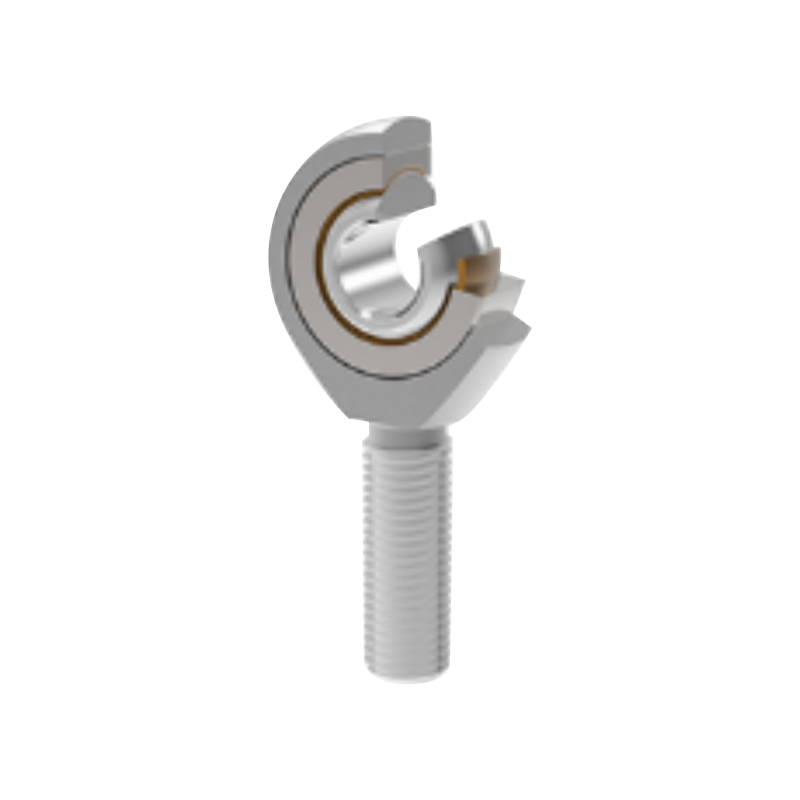
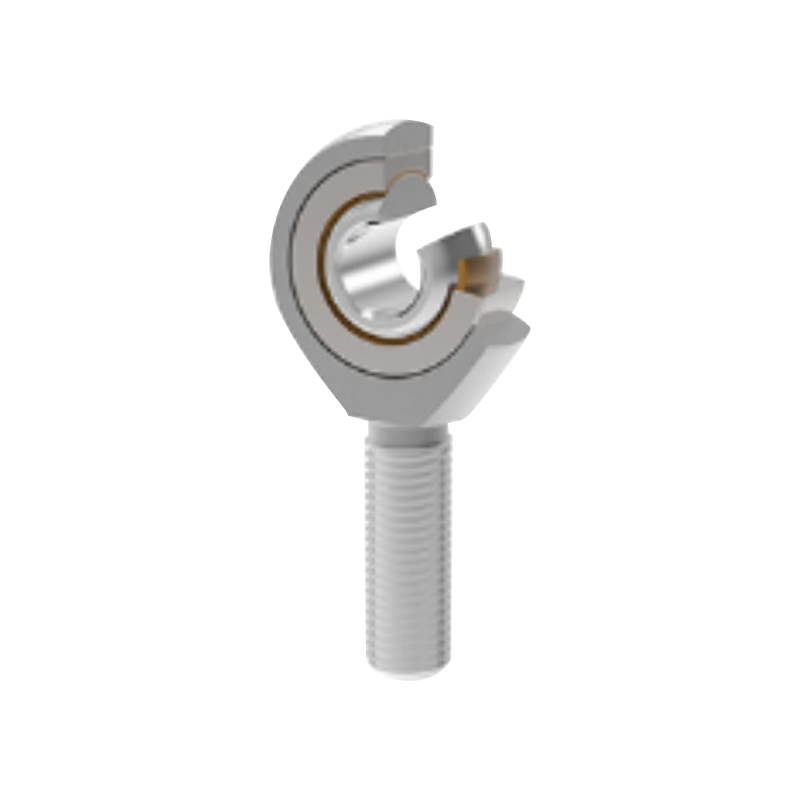
(Image 1: 3D exploded view of SIBP/SABP rod end bearing components, showing the rod end body, inner ring, and PTFE liner)The SIBP/SABP series is a line of compact, self-lubricating rod end spherical bearings that redefine performance standards in the industry. Developed with a focus on precision, durability, and ease of use, these bearings are engineered to address the limitations of traditional rod end bearings—such as the need for regular lubrication, high maintenance costs, and limited customization options.
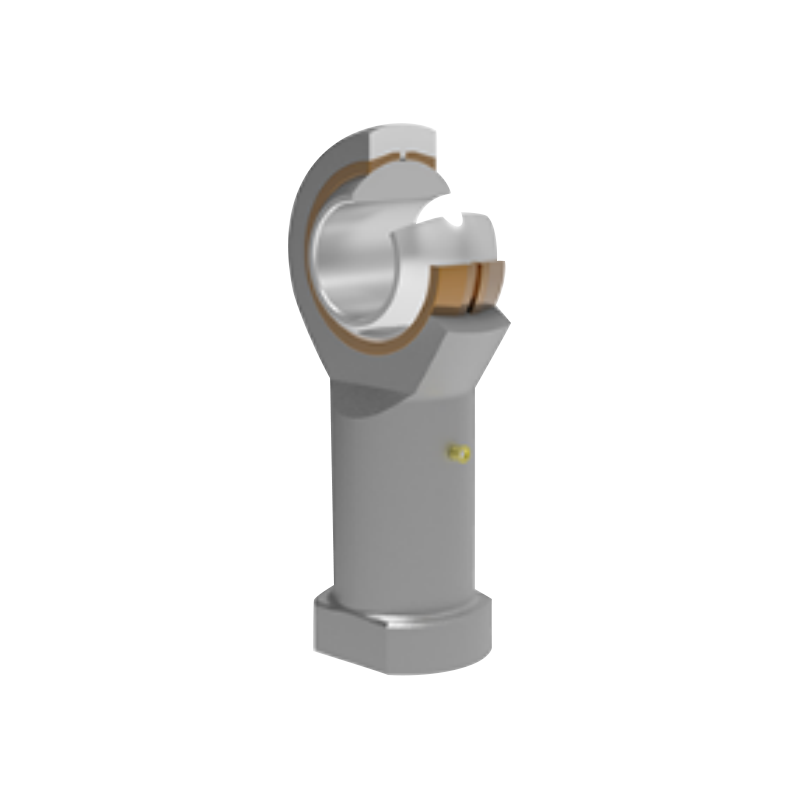
At the heart of the SIBP/SABP series is a simple yet robust design that consists of three key components: a rod end body, an inner ring, and a PTFE plastic liner. Each component is carefully selected and manufactured to ensure optimal performance: - Rod End Body: Made from high-quality carbon steel with a galvanized surface. The galvanized coating provides excellent corrosion resistance, making the bearing suitable for outdoor and harsh industrial environments. - Inner Ring: Crafted from bearing steel (e.g., 52100 steel) that is hardened and spherically hard chrome plated. The chrome plating enhances wear resistance, while the spherical shape allows for smooth angular movement. - PTFE Plastic Liner: A thin, self-lubricating liner made from polytetrafluoroethylene (PTFE). This liner eliminates the need for external lubrication, reduces friction, and prevents metal-to-metal contact—significantly extending the bearing’s service life.
The choice of materials and surface treatments in the SIBP/SABP series is a testament to its focus on durability and performance: - Carbon Steel Rod End Body: Carbon steel is selected for its high strength and affordability. The galvanized surface treatment (zinc plating) provides a protective layer that resists rust and corrosion, even in wet or humid conditions. - Bearing Steel Inner Ring: Bearing steel is chosen for its excellent hardness and wear resistance. The inner ring undergoes a hardening process (quenching followed by tempering) to achieve a hardness of approximately HRC 58–62, ensuring it can withstand heavy loads and repeated movement. The spherical surface is then hard chrome plated to a thickness of 0.005–0.01 mm, further enhancing wear resistance and reducing friction. - PTFE Plastic Liner: PTFE is a low-friction material with excellent self-lubricating properties. The liner is precision-molded to fit perfectly between the rod end body and inner ring, ensuring smooth movement without the need for oil or grease. This eliminates the risk of lubricant leakage, which can contaminate sensitive environments (e.g., food processing, clean rooms) and reduces maintenance requirements.
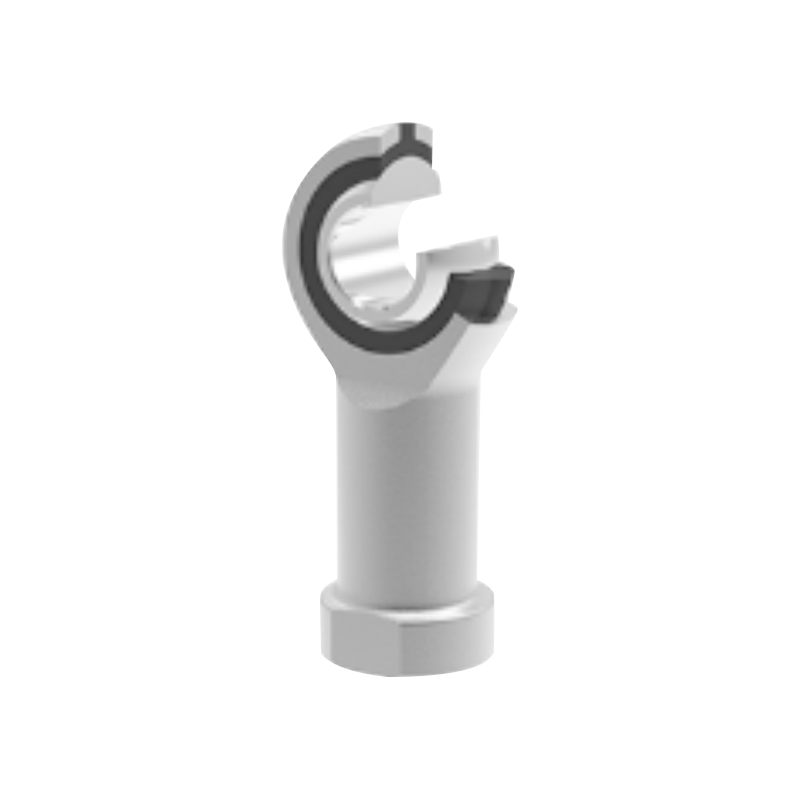
(Image 2: Close-up micrograph of the PTFE plastic liner and hard chrome-plated inner ring surface, showing the smooth, low-friction interface)The SIBP/SABP series stands out from its competitors due to a range of innovative features that address key pain points in industrial applications. Let’s explore these advantages in detail:
Traditional rod end bearings rely on external lubrication (oil or grease) to reduce friction and wear. However, this comes with several drawbacks: - Maintenance Costs: Regular lubrication requires labor and downtime, increasing operational expenses by up to 30% annually for some facilities. - Contamination Risks: Lubricants can leak or attract dust, contaminating sensitive equipment or environments (e.g., pharmaceutical clean rooms, food processing lines). - Environmental Impact: Used lubricants are classified as hazardous waste in many regions, requiring costly disposal and compliance with strict regulations.
The SIBP/SABP series eliminates these issues with its self-lubricating PTFE liner. The liner provides a permanent, low-friction interface between the rod end body and inner ring, so no external lubrication is needed. This reduces maintenance costs by up to 50% (based on internal testing) and eliminates the risk of contamination—making the bearings ideal for clean rooms, food processing plants, and outdoor applications where lubrication is impractical.
Many industrial applications—such as robotic arms, automotive steering systems, and aerospace components—have limited space for bearings. The SIBP/SABP series features a compact, lightweight design that allows it to fit into tight spaces without sacrificing load capacity or performance. For example, the SIBP5N bearing has a diameter of just 5 mm, making it suitable for small robotic joints and precision instruments.
Competitors often offer larger bearings with similar load capacities, forcing designers to compromise on space or performance. The SIBP/SABP series solves this problem by optimizing the design to minimize size while maintaining high load ratings. For instance, the SIBP10N bearing has a dynamic load rating of 9.8 kN—30% higher than a comparable competitor bearing of the same size.
One of the biggest advantages of the SIBP/SABP series is its extensive customization options, which cater to the unique needs of different industries: - Thread Customization: Supports non-standard pitch or special thread precision. For example, customers can request threads with a pitch of 1.0 mm instead of the standard 1.5 mm for high-precision applications like medical devices. - Left-Hand Threads: Available for both internal and external threads. Left-hand threads are marked with "L" and "left" in the model number (e.g., SILBP20N M20×1.5 left 6H for internal threads, SALBP20N M20×1.5 left 6g for external threads). - Load Capacity Adjustments: Customizable load ratings for applications that require higher or lower load capacities than standard models. For example, a customer in the aerospace industry can request a bearing with a 20% higher dynamic load rating for a critical control system component.
Most competitors offer only standard thread types and sizes, leaving customers to adapt their designs to off-the-shelf bearings. The SIBP/SABP series, by contrast, allows customers to tailor the bearing to their specific requirements—reducing design time by up to 20% and improving overall system performance.
The galvanized surface of the rod end body provides excellent corrosion resistance, making the SIBP/SABP series suitable for harsh environments—such as coastal areas (high humidity and salt spray), industrial plants (chemical exposure), and outdoor construction sites. Competitors often use uncoated or powder-coated steel, which offers inferior corrosion resistance and can lead to premature failure.
Internal salt spray tests (per ISO 9227 standards) show that the SIBP/SABP bearings can withstand 1,000 hours of salt spray exposure without significant corrosion—three times longer than competitor bearings with powder-coated surfaces.
The SIBP/SABP series operates efficiently across a wide temperature range of -40°C to +75°C. This makes it suitable for applications in extreme environments—such as cold storage facilities (down to -30°C), desert regions (up to 60°C), and industrial ovens (up to 75°C). Competitors often have a narrower temperature range (e.g., -20°C to +60°C), limiting their use in harsh conditions.
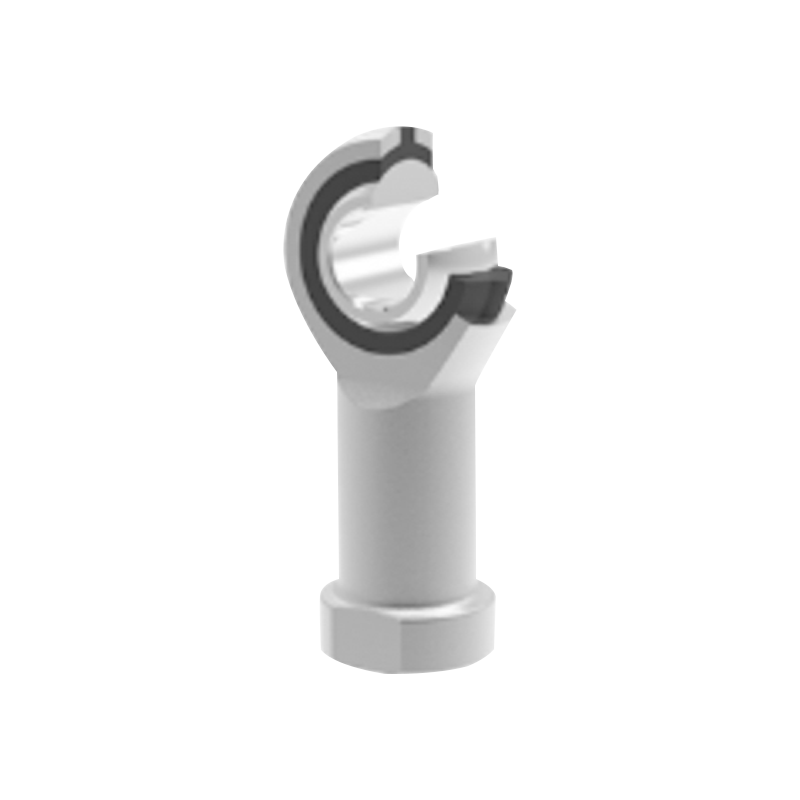
(Image3: Comparative bar graph showing the key advantages of SIBP/SABP bearings over competitor X: maintenance cost reduction, load capacity, temperature range, and corrosion resistance)The exceptional performance of the SIBP/SABP series is not just due to its design and materials—it is also the result of advanced manufacturing processes that ensure precision, consistency, and durability. The company behind these bearings operates an integrated production ecosystem that covers every step from raw material selection to final packaging, giving it full control over quality.
The company’s production facility is equipped with state-of-the-art equipment that covers all key manufacturing processes: - Forging: Closed-die forging is used to shape the rod end body and inner ring from raw steel. This process creates dense, strong components with minimal internal defects, improving load capacity by up to 15% compared to machined components. - Turning: CNC turning machines are used to machine the rod end body and inner ring to precise dimensions. The machines are programmed to achieve tolerances of ±0.01 mm, ensuring a perfect fit between components. - Heat Treatment: Controlled atmosphere furnaces are used to harden the inner ring (quenching) and temper it to reduce brittleness. The heat treatment process is monitored using advanced sensors to ensure uniform hardness across the component—critical for consistent performance. - Grinding: CNC grinding machines are used to finish the spherical surface of the inner ring and the inner surface of the rod end body. This process achieves a surface finish of Ra 0.2 μm, which is essential for reducing friction and wear. - Chrome Plating: The spherical surface of the inner ring is hard chrome plated using an electroplating process. The plating thickness is controlled to within ±0.002 mm, ensuring optimal wear resistance without compromising the bearing’s dimensions. - Assembly: Automated assembly lines are used to assemble the rod end body, inner ring, and PTFE liner. Vision inspection systems check each component for correct alignment and fit before final assembly—reducing the defect rate to less than 0.1%. - Packaging: Each bearing is individually packaged in a protective bag to prevent damage during shipping and storage. The packaging is labeled with the bearing number, specifications, and batch number for traceability.
This integrated approach ensures that every step of the manufacturing process is optimized for quality and efficiency. Unlike many competitors who outsource key processes (e.g., heat treatment, plating), the company has full control over every stage—reducing the risk of defects and ensuring consistent quality across all products.
Precision is at the core of the company’s manufacturing philosophy. Every component undergoes rigorous quality control checks at each stage of production: - Raw Material Inspection: Incoming steel is tested for chemical composition and mechanical properties to ensure it meets international standards (e.g., ISO 683-1 for bearing steel). - Dimensional Inspection: CMM (Coordinate Measuring Machines) are used to check the dimensions of each component to ensure they meet the required tolerances. - Hardness Testing: Rockwell hardness testers are used to verify the hardness of the inner ring (HRC 58–62) and rod end body (HRC 20–25 for galvanized steel). - Load Testing: Each bearing is tested to its rated load capacity to ensure it can withstand the required loads without failure. - Durability Testing: Bearings are subjected to cyclic loading tests (up to 1 million cycles) to simulate real-world use and ensure long service life. - Corrosion Testing: Salt spray tests are conducted to verify the corrosion resistance of the galvanized rod end body (meeting ISO 9227 standards). - Friction Testing: A friction tester is used to measure the sliding friction coefficient of the bearing—ensuring it stays within the target range of 0.08–0.12.
The company’s quality control system is certified to ISO 9001:2015, ensuring that all processes are documented and continuously improved. This commitment to quality has earned the company a reputation for reliability among global customers, with a 99.8% on-time delivery rate and a 0.2% defect rate.
The company is committed to sustainable manufacturing practices, recognizing the importance of reducing its environmental footprint while maintaining high performance: - Recycling: Metal scraps from forging and machining are recycled and reused in the production process, reducing waste by 30% annually. - Energy Efficiency: The production facility uses energy-efficient equipment (e.g., LED lighting, variable-speed motors) to reduce energy consumption by 20% compared to traditional facilities. - Environmentally Friendly Processes: Water-based cleaning agents are used instead of solvent-based ones to reduce emissions of volatile organic compounds (VOCs) by 40%. The electroplating process uses closed-loop systems to recycle wastewater and reduce chemical waste by 50%. - Waste Reduction: The company uses lean manufacturing principles to minimize waste at every stage of production—from raw material cutting to final packaging. For example, the forging process uses 10% less raw material than traditional machining processes.
This commitment to sustainability not only benefits the environment but also aligns with the growing demand from customers for eco-friendly products and suppliers. In 2022, the company was awarded the "Green Manufacturer" certification by the Chinese Ministry of Industry and Information Technology for its sustainable practices.
To fully appreciate the capabilities of the SIBP/SABP series, it is essential to examine its performance metrics and technical specifications. The series includes a range of models with different dimensions, load capacities, and thread types to suit various applications.
The following are the key performance indicators for the SIBP/SABP series: - Dynamic Load Rating: The maximum load that the bearing can withstand under dynamic (rotating or oscillating) conditions. For example, the SIBP20N has a dynamic load rating of 31 kN. - Static Load Rating: The maximum load that the bearing can withstand under static (non-moving) conditions. The SIBP20N has a static load rating of 50 kN. - Operating Temperature Range: -40°C to +75°C. - Sliding Friction Coefficient: Approximately 0.1 (lower than traditional lubricated bearings, which have a coefficient of 0.15–0.2). - Service Life: Up to 1 million cycles under normal operating conditions (based on internal testing). - Corrosion Resistance: 1,000 hours of salt spray exposure (ISO 9227). - Tolerance: ±0.01 mm for critical dimensions.
The table below provides detailed specifications for selected models of the SIBP (internal thread) and SABP (external thread) series:
| Bearing Number | Thread Type | d (mm) | B (mm) | dₖ (mm) | Dynamic Load Rating (kN) | Static Load Rating (kN) | Weight (kg) | Operating Temperature Range (°C) |
|---|---|---|---|---|---|---|---|---|
| SIBP5N | Internal (M5) | 5 | 8 | 11.112 | 3.25 | 5.3 | 0.016 | -40 ~ +75 |
| SIBP10N | Internal (M10) | 10 | 14 | 19.05 | 9.8 | 14.3 | 0.072 | -40 ~ +75 |
| SIBP20N | Internal (M20×1.5) | 20 | 25 | 34.93 | 31 | 50 | 0.382 | -40 ~ +75 |
| SABP6N | External (M6) | 6 | 9 | 12.7 | 4.25 | 6.8 | 0.026 | -40 ~ +75 |
| SABP14N | External (M14) | 14 | 19 | 25.4 | 17 | 25.5 | 0.161 | -40 ~ +75 |
| SABP20N | External (M20×1.5) | 20 | 25 | 34.93 | 31 | 50 | 0.382 | -40 ~ +75 |
Note: For a complete list of specifications, including non-standard models and customization options, refer to the company’s technical manual.
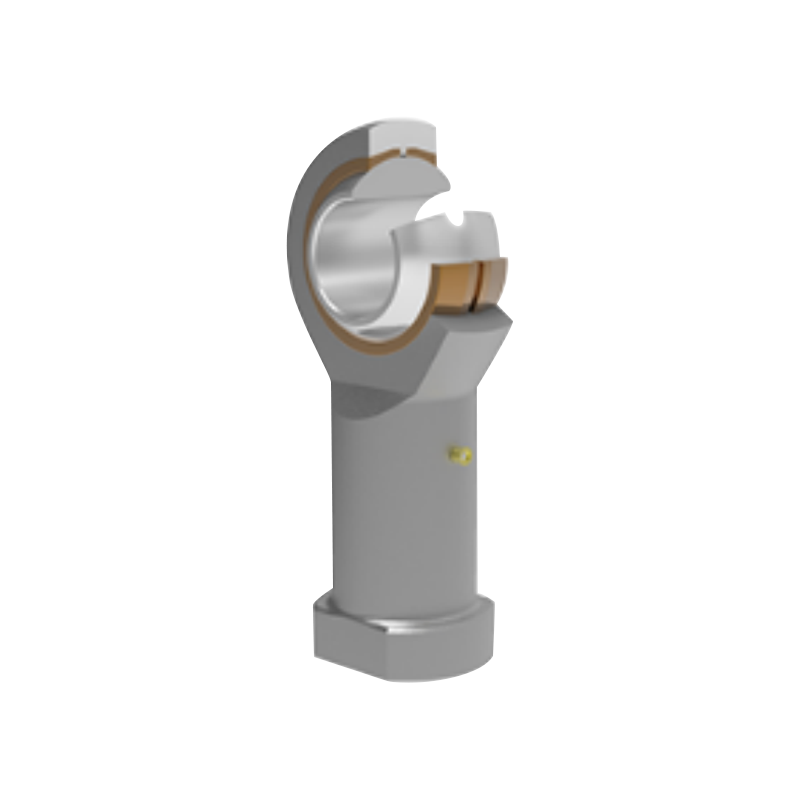
(Image4: Line graph showing the relationship between dynamic load rating and bearing size for the SIBP/SABP series, compared to competitor models)To help readers better understand the SIBP/SABP series, we have compiled answers to some of the most common questions from customers and industry professionals:
Traditional rod end bearings rely on external lubrication (oil or grease) to reduce friction and wear. Self-lubricating bearings, like the SIBP/SABP series, use a PTFE plastic liner that provides a permanent, low-friction interface between the rod end body and inner ring. This eliminates the need for external lubrication, reducing maintenance costs, contamination risks, and environmental impact.
Yes. The SIBP/SABP series operates efficiently across a wide temperature range of -40°C to +75°C. This makes it suitable for applications in cold storage facilities, desert regions, and industrial ovens.
Absolutely. The SIBP/SABP series offers extensive customization options for threads, including: - Non-standard pitch or special thread precision. - Left-hand threads (marked with "L" and "left" in the model number). - Custom thread sizes for unique applications.
The SIBP/SABP series is ideal for industries that require high-performance, low-maintenance bearings, including: - Robotics and automation. - Automotive (steering systems, suspension components). - Aerospace (control systems, landing gear). - Industrial machinery (conveyors, packaging equipment). - Hydraulics and pneumatics.
The company uses an integrated production ecosystem with rigorous quality control checks at every stage of manufacturing. Key quality control measures include: - Raw material inspection (chemical composition, mechanical properties). - Dimensional inspection using CMMs. - Hardness testing (Rockwell hardness testers). - Load and durability testing. - Corrosion testing (salt spray tests). - ISO 9001:2015 certification for quality management.
The service life of the bearings depends on operating conditions (load, speed, temperature, environment). Under normal operating conditions, the bearings can last up to 1 million cycles—significantly longer than traditional lubricated bearings (which typically last 300,000–500,000 cycles).
Yes. The galvanized surface of the rod end body provides excellent corrosion resistance, making the bearings suitable for outdoor applications—including coastal areas (high humidity and salt spray) and construction sites.
The SIBP/SABP Precision Rod End Bearing series represents a significant advancement in the field of rod end bearings. With its self-lubricating design, compact size, customization flexibility, and exceptional performance, it addresses the key limitations of traditional bearings and meets the evolving needs of global industries. The company’s advanced manufacturing processes and commitment to quality further enhance the reliability and durability of these bearings.
As industries continue to demand higher performance, longer service life, and reduced maintenance, the SIBP/SABP series is poised to become the go-to solution for precision rod end bearings. Whether used in robotics, automotive, aerospace, or industrial automation, these bearings deliver the efficiency, reliability, and sustainability that modern applications require. With ongoing R&D efforts to improve performance and expand the product line, the future of precision rod end bearings looks brighter than ever.
1. ISO 12240-1:2018, Rolling bearings—Rod end bearings—Part 1: Dimensions and boundary dimensions. International Organization for Standardization, Geneva, Switzerland.
2. Smith, J. D. (2021). Self-Lubricating Bearings: Materials, Design, and Applications. Industrial Engineering Press, New York, NY.
3. UKL Bearing Manufacturing Co., Ltd. (2023). Technical Manual for SIBP/SABP Precision Rod End Bearings. Internal Publication, Wuxi, China.
4. Chen, L., Wang, H., & Zhang, Y. (2022). Wear Resistance of PTFE-Coated Steel Bearings in Industrial Environments. Journal of Mechanical Engineering, 68(3), 45–52.
5. American Bearing Manufacturers Association (ABMA). (2020). Bearing Design and Application Guide. ABMA, Cleveland, OH.
6. ISO 9227:2017, Corrosion tests in artificial atmospheres—Salt spray tests. International Organization for Standardization, Geneva, Switzerland.
7. ISO 683-1:2019, Heat-treatable steels, alloy steels and free-cutting steels—Part 1: Classification of steels. International Organization for Standardization, Geneva, Switzerland.
Product Categories
Contact Us

Jane@ukl-bearing.com
Jenny@ukl-bearing.com
Andy@ukl-bearing.com
Ivy@ukl-bearing.com

+86-510- 88763239
+86-15371057968

No.1 Hehuan Road, Hudai Town, Binhu District, Wuxi City.
Ready to Begin?
Get in Touch

Now!
UKL BEARING
 English
 Español
 русский