Content
In the realm of precision engineering, the choice of bearings can make or break the performance of high-tech equipment. Among the various bearing types, cross roller bearings stand out for their ability to handle multi-directional loads in compact spaces. Among these, RB Precision Cross Roller Bearings have emerged as a game-changer, offering unmatched precision, rigidity, and versatility for applications ranging from CNC machine tools to industrial robotics. This article delves into the design, advantages, manufacturing processes, applications, and performance data of RB Precision Cross Roller Bearings, while also highlighting the strengths of the manufacturer behind these high-quality components.
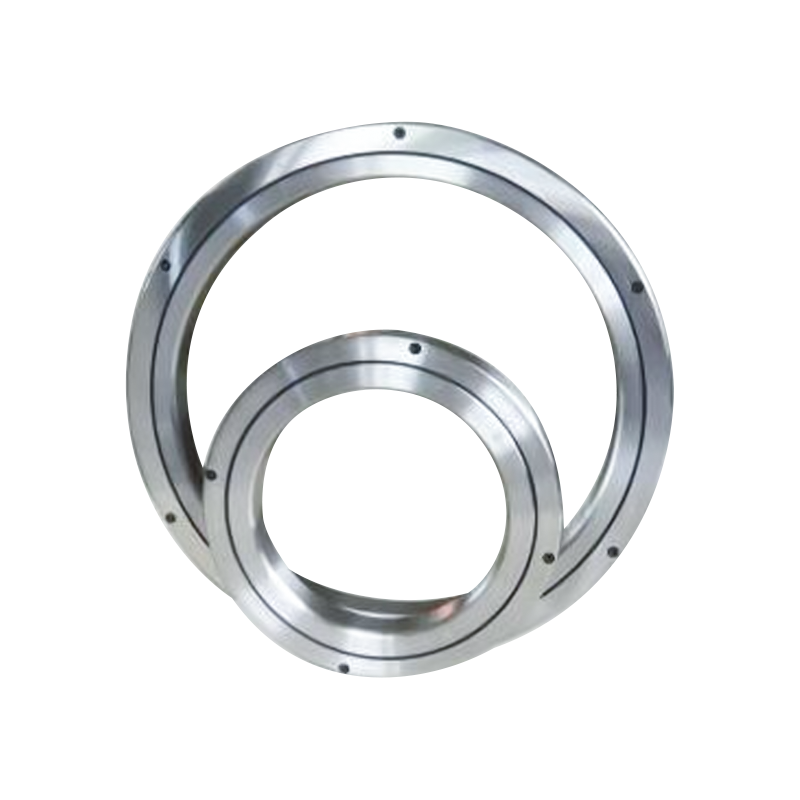
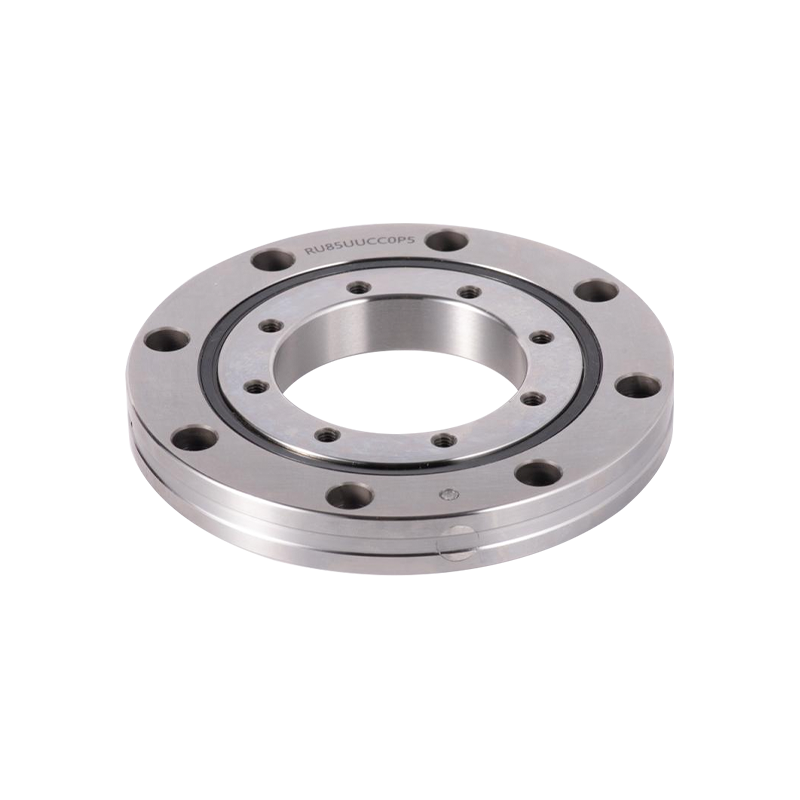
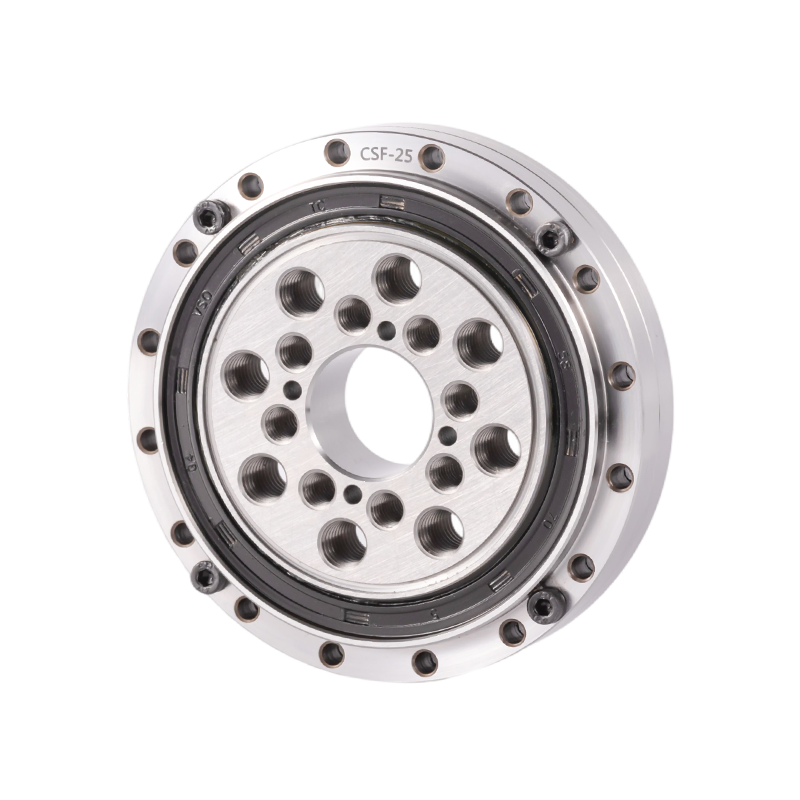
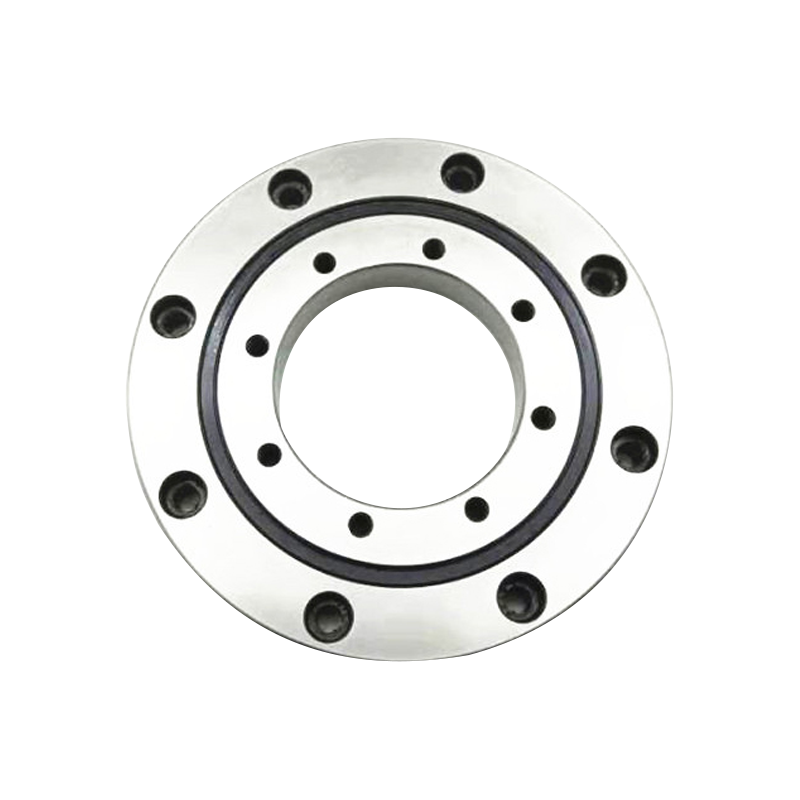
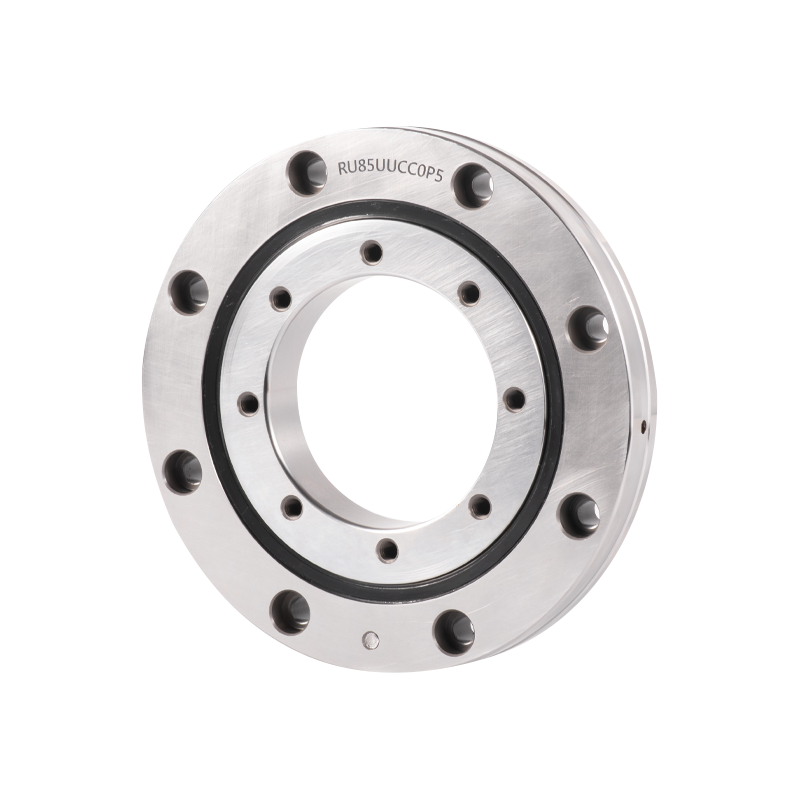
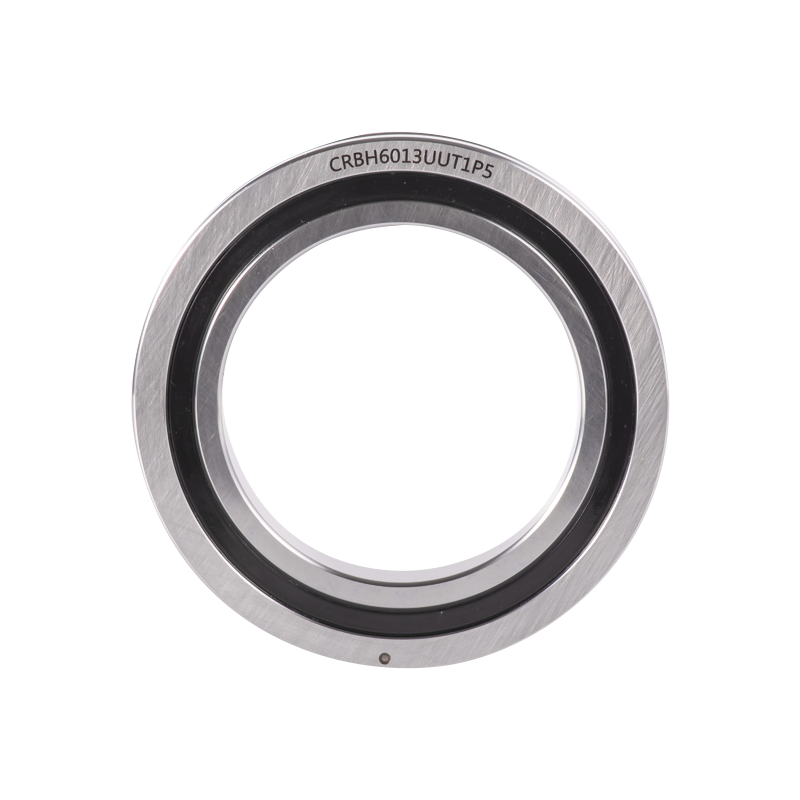
RB Precision Cross Roller Bearings are a specialized type of rolling-element bearing designed to handle radial, axial, and tilting moment loads simultaneously. Their unique structure sets them apart from conventional bearings, making them ideal for applications where space is limited and precision is non-negotiable.
The core of RB bearings lies in their innovative structural configuration: an integral inner ring and a split outer ring, with two sets of cylindrical rollers arranged in a crossed pattern (offset by 90 degrees). This design allows the rollers to distribute loads evenly across the raceways, minimizing stress concentrations and enhancing overall rigidity. The split outer ring enables easy assembly and disassembly, while the integral inner ring provides stability for mounting on shafts or other components.
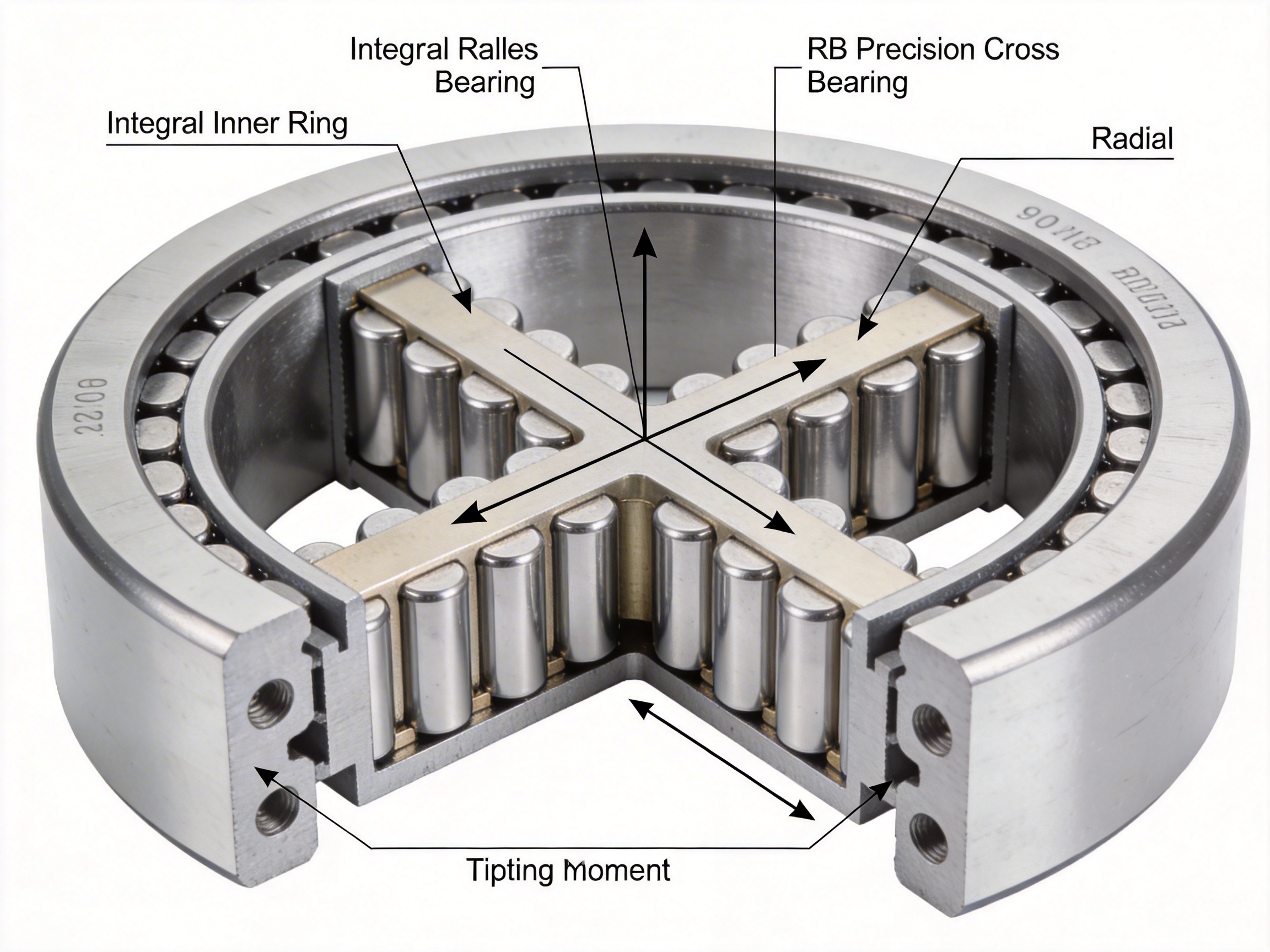
1. Crossed Roller Arrangement: The 90-degree offset of the two roller sets ensures that each roller supports both radial and axial loads, eliminating the need for separate bearings for different load types.
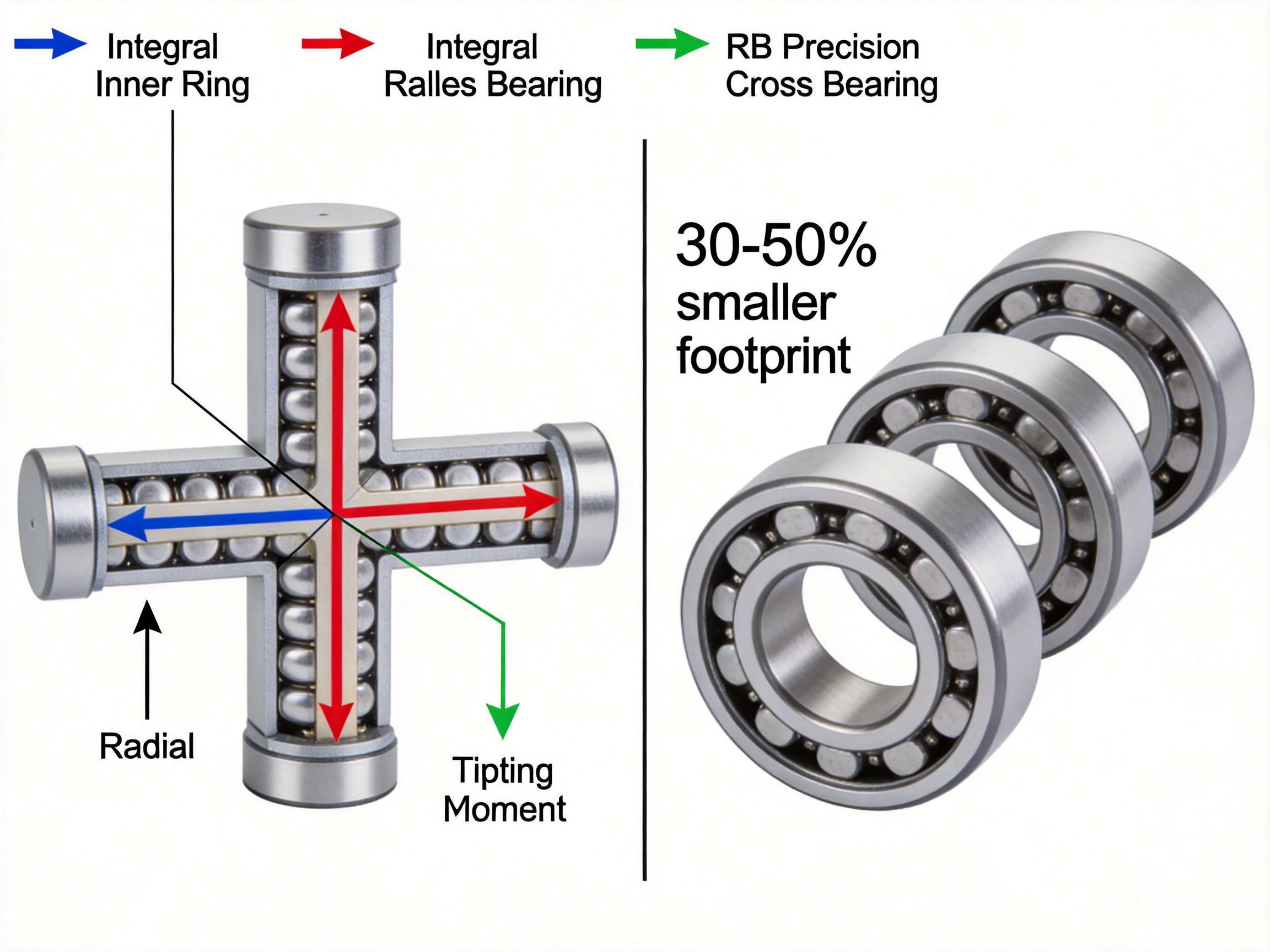
2. Compact Size: By efficiently utilizing internal space, RB bearings offer a much smaller footprint compared to traditional bearing combinations that handle similar loads. This is a critical advantage for equipment designers looking to minimize size without compromising performance.
3. Preload Capability: All RB series bearings are preloaded during assembly, which eliminates internal clearance and enhances rigidity. This preload also improves the bearing’s ability to resist deformation under load, ensuring consistent performance over time.
RB Precision Cross Roller Bearings outperform traditional bearings in several key areas, making them the preferred choice for high-precision applications. Below are their most notable advantages:
RB bearings are manufactured to extremely high precision standards, with grades reaching P4 and P2 (per ISO standards). This level of precision ensures minimal runout and positional error, making them ideal for applications like CNC machine tool worktables, where even the smallest deviation can lead to substandard parts.
The crossed roller design and preloading give RB bearings exceptional rigidity, allowing them to withstand heavy radial, axial, and tilting moment loads. For example, a single RB bearing can handle loads that would require two or more traditional bearings to manage, reducing the number of components needed and simplifying assembly.
Traditional bearings often require sequential arrangement to handle multi-directional loads, which increases the overall size of the equipment. RB bearings, however, integrate all necessary load-handling capabilities into a single compact unit. This space-saving design is particularly valuable in robotics and automation, where compactness is essential for maneuverability and efficiency.
RB bearings are designed with lubrication holes and grooves, making it easy to apply lubricant without disassembling the bearing. Additionally, they are pre-lubricated with aviation-grade grease, which has a long service life and reduces the need for frequent re-lubrication. This low-maintenance feature translates to lower operational costs and higher uptime for equipment.
To illustrate the advantages of RB bearings, let’s compare them to traditional bearings used in similar applications:
| Feature | RB Precision Cross Roller Bearings | Traditional Bearings |
|---|---|---|
| Structure | Single compact unit with crossed rollers | Multiple sets arranged sequentially |
| Load Capacity | Handles radial, axial, and tilting moments | Requires separate bearings for different loads |
| Space Requirement | 30-50% less space than traditional combinations | Larger footprint due to multiple components |
| Assembly Complexity | Simple installation (split outer ring) | Complex assembly with alignment of multiple bearings |
| Precision | Up to P2 grade | Typically lower precision (P6 or lower) |
As shown in the table, RB bearings offer significant advantages in terms of space, load capacity, and ease of use. For example, in a CNC machine tool application, replacing three traditional bearings with one RB bearing can reduce the assembly time by 60% and cut the space required by 40%.
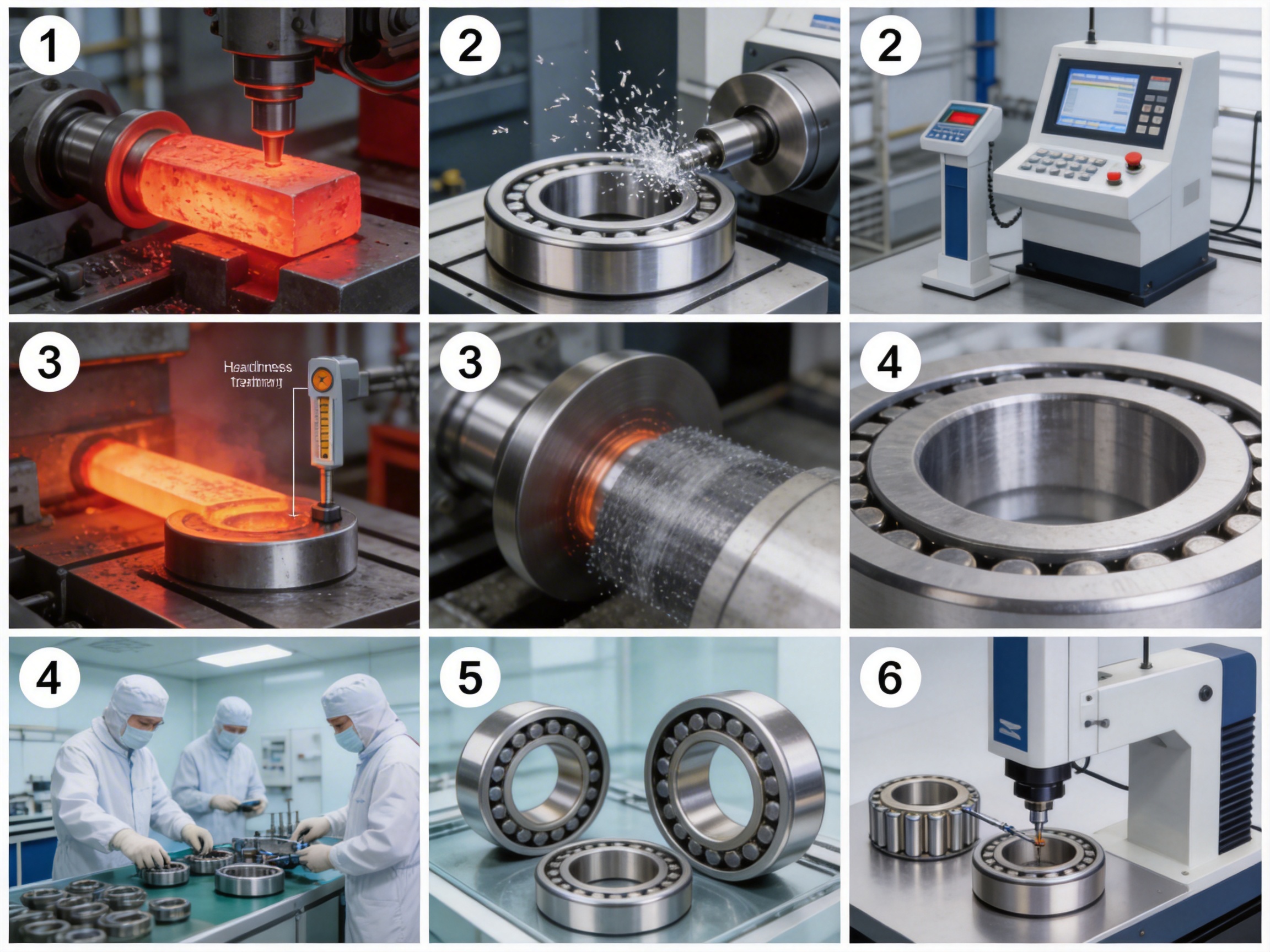
The superior performance of RB bearings is a direct result of the advanced manufacturing processes employed by their manufacturer. Each stage of production is carefully controlled to ensure precision, durability, and consistency. Below is an overview of the key manufacturing steps:
The process begins with the selection of high-quality bearing steel (typically GCr15 or equivalent). The raw material is heated to a precise temperature and then forged into rough shapes for the inner and outer rings. Forging improves the mechanical properties of the steel, including strength and wear resistance, by aligning the grain structure.
The forged rings are then sent to CNC turning machines, where they are machined to achieve the initial dimensions for inner diameter, outer diameter, and raceway grooves. CNC turning ensures high accuracy and repeatability, which are critical for subsequent grinding operations.
Heat treatment is a crucial step that enhances the hardness and durability of the bearing components. The rings are subjected to case hardening, which involves heating the surface to a high temperature and then quenching it to form a hard, wear-resistant layer. This process is followed by tempering to reduce brittleness and improve toughness.
Grinding is used to achieve the final, ultra-precise dimensions of the raceways and rollers. The inner and outer ring raceways are ground to a surface finish of Ra 0.1 μm or better, ensuring smooth rolling of the rollers and minimal friction. The cylindrical rollers are also ground to high precision to ensure uniform load distribution.
Assembly takes place in a cleanroom environment to prevent contamination, which can damage the bearing and reduce its lifespan. The rollers are placed in the raceways, and the split outer ring is secured. Preload is applied to eliminate internal clearance, and the bearing is sealed to prevent dust and moisture from entering.
Each bearing undergoes rigorous quality control tests at every stage of production. These tests include dimensional inspection (using coordinate measuring machines), surface finish measurement, load capacity testing, and rotational accuracy testing. Only bearings that meet or exceed ISO standards are approved for shipment.
RB Precision Cross Roller Bearings are used in a wide range of high-precision applications where accuracy, rigidity, and compactness are essential. Below are some of the key industries and use cases:
Machine tools such as CNC mills, lathes, and grinding machines rely on RB bearings for their worktables, spindle heads, and linear guides. The high precision and rigidity of RB bearings ensure that the machine can produce parts with tight tolerances. For example, in a CNC milling machine, the worktable uses RB bearings to maintain precise positioning during cutting operations, resulting in high-quality finished parts.
Robots, especially articulated robots and collaborative robots (cobots), use RB bearings in their joints and end effectors. The ability to handle multi-directional loads and compact size make RB bearings ideal for robot arms, which need to move smoothly and accurately while supporting heavy payloads. For example, a robotic arm used in assembly lines may use RB bearings in its shoulder and elbow joints to achieve precise movement and high load capacity.
Automation systems such as pick-and-place machines, conveyor belts, and packaging equipment use RB bearings for their linear and rotational motion components. The compact size and low maintenance requirements of RB bearings make them suitable for high-volume production environments where downtime is costly.
Medical devices like surgical robots, diagnostic equipment, and laboratory instruments require high-precision bearings to ensure accurate results. RB bearings are used in these devices because of their precision, quiet operation, and long lifespan. For example, a surgical robot may use RB bearings in its articulating arms to achieve the precise movements needed for minimally invasive surgery.
While less common than in industrial applications, RB bearings are also used in aerospace and defense equipment, such as satellite antennas, missile guidance systems, and aircraft components. Their ability to withstand extreme temperatures and harsh environments makes them suitable for these applications.
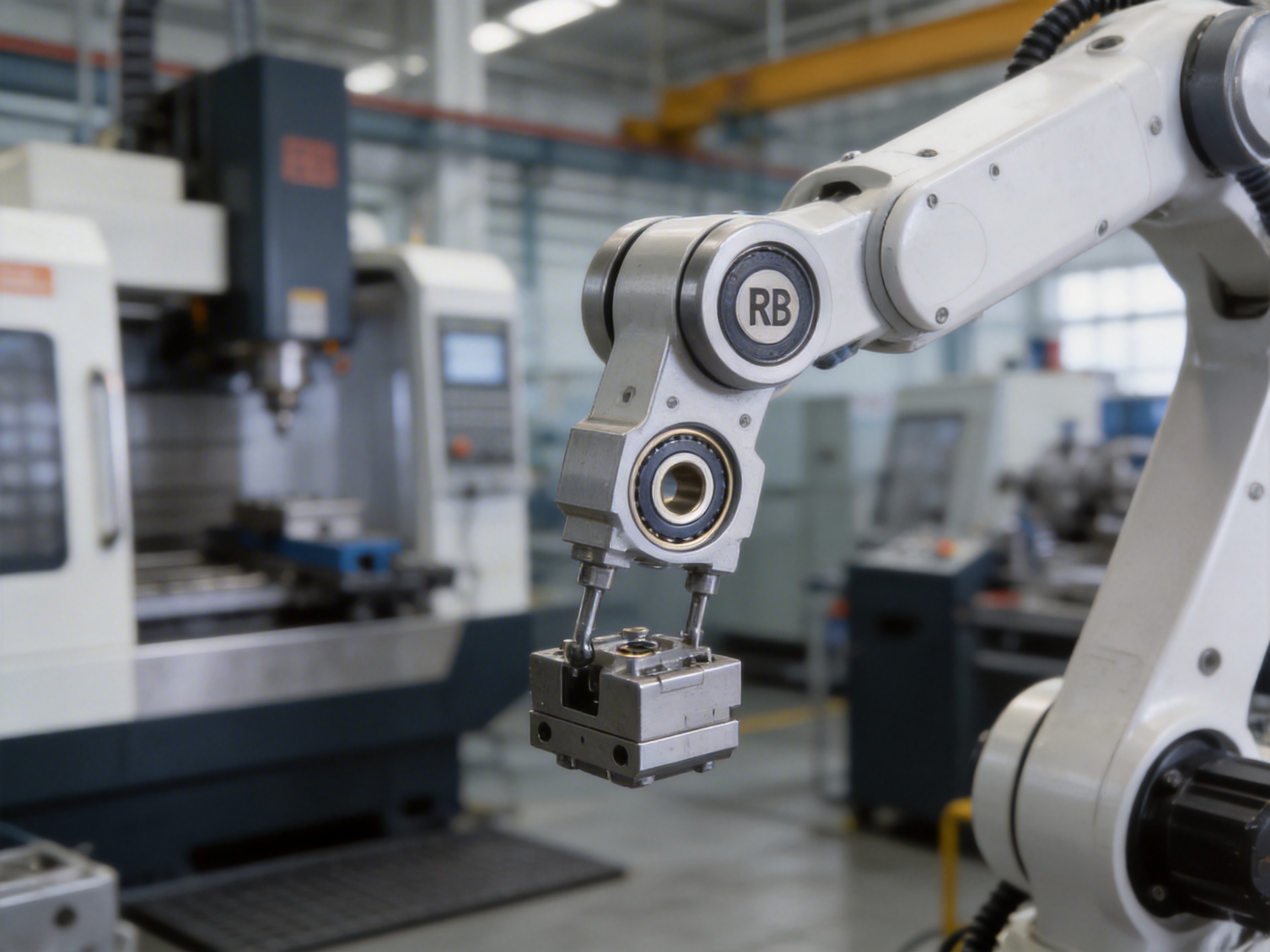
To help engineers and designers select the right RB bearing for their application, below is a detailed table of performance data for selected RB series bearings. The table includes key dimensions, load ratings, and weight:
| Bearing Type | Inner Diameter (d) [mm] | Outer Diameter (D) [mm] | Roller Pitch Diameter (Dpw) [mm] | Height (B/B1) [mm] | Chamfer (rmin) [mm] | Shoulder Size (ds) [mm] | Shoulder Size (Dh) [mm] | Basic Radial Load Rating (Cr) [kN] | Basic Static Radial Load Rating (Cor) [kN] | Weight [kg] |
|---|---|---|---|---|---|---|---|---|---|---|
| RB 2008 | 20 | 36 | 27 | 8 | 0.5 | 23.5 | 30.5 | 3.23 | 3.1 | 0.04 |
| RB 2508 | 25 | 41 | 32 | 8 | 0.5 | 28.5 | 35.5 | 3.63 | 3.83 | 0.05 |
| RB 3010 | 30 | 55 | 41.5 | 10 | 0.6 | 37 | 47 | 7.35 | 8.36 | 0.12 |
| RB 3510 | 35 | 60 | 46.5 | 10 | 0.6 | 41 | 51.5 | 7.64 | 9.12 | 0.13 |
| RB 4010 | 40 | 65 | 51.5 | 10 | 0.6 | 47.5 | 57.5 | 8.33 | 10.6 | 0.16 |
| RB 4510 | 45 | 70 | 56.5 | 10 | 0.6 | 51 | 61.5 | 8.62 | 11.3 | 0.17 |
| RB 5013 | 50 | 80 | 64 | 13 | 0.6 | 57.4 | 72 | 16.7 | 20.9 | 0.27 |
| RB 6013 | 60 | 90 | 74 | 13 | 0.6 | 68 | 82 | 18 | 24.3 | 0.3 |
| RB 7013 | 70 | 100 | 84 | 13 | 0.6 | 78 | 92 | 19.4 | 27.7 | 0.35 |
| RB 8016 | 80 | 120 | 98 | 16 | 0.6 | 91 | 111 | 30.1 | 42.1 | 0.7 |
- Bearing Type: The model number of the RB bearing (e.g., RB 2008 indicates inner diameter 20mm, height 8mm).
- Inner Diameter (d): The diameter of the inner ring (mm), which is the size of the shaft it mounts on.
- Outer Diameter (D): The diameter of the outer ring (mm), which is the size of the housing it fits into.
- Roller Pitch Diameter (Dpw): The average diameter of the circle on which the rollers are arranged (mm).
- Height (B/B1): The width of the bearing (mm), which determines the space it occupies.
- Chamfer (rmin): The minimum radius of the chamfer on the bearing rings (mm), which prevents sharp edges and aids in installation.
- Shoulder Size (ds/Dh): The recommended minimum shoulder size for the inner (ds) and outer (Dh) rings (mm), which ensures proper mounting and load distribution.
- Basic Radial Load Rating (Cr): The maximum radial load the bearing can withstand for a specified number of revolutions (kN).
- Basic Static Radial Load Rating (Cor): The maximum static radial load the bearing can withstand without permanent deformation (kN).
- Weight: The weight of the bearing (kg), which is important for applications where weight is a critical factor.
Below are answers to common questions about RB Precision Cross Roller Bearings:
Q1: What precision grades are available for RB Precision Cross Roller Bearings?
A1: RB bearings are manufactured to precision grades up to P4 and P2, which are among the highest precision grades for rolling bearings. These grades ensure minimal runout and positional error, making them suitable for high-precision applications like CNC machine tools and robotics.
Q2: How do RB Cross Roller Bearings handle multi-directional loads?
A2: The crossed roller arrangement (offset by 90 degrees) allows each roller to support both radial and axial loads. This design distributes loads evenly across the raceways, enabling the bearing to handle radial loads, axial loads, and tilting moments simultaneously without the need for separate bearings.
Q3: Can RB bearings be used in high-temperature environments?
A3: Yes, RB bearings can be used in high-temperature environments up to 150°C (depending on the lubricant used). For higher temperatures, special lubricants and heat-resistant materials can be used to extend the bearing’s lifespan.
Q4: What maintenance is required for RB bearings?
A4: RB bearings are designed for low maintenance. They feature built-in lubrication holes and grooves for easy re-lubrication. Additionally, they are pre-lubricated with aviation-grade grease, which has a long service life (up to 5 years in some applications). Regular inspection for wear and contamination is recommended, but re-lubrication is only needed every 1-2 years (depending on operating conditions).
Q5: How does the manufacturer ensure the quality of RB bearings?
A5: The manufacturer uses a rigorous quality control process that includes dimensional inspection (using coordinate measuring machines), surface finish measurement, load capacity testing, and rotational accuracy testing. Each bearing is tested at multiple stages of production, and only those that meet or exceed ISO standards are approved for shipment.
Q6: Can RB bearings be customized for specific applications?
A6: Yes, the manufacturer offers customization services for RB bearings. This includes modifying dimensions, changing materials (e.g., using stainless steel for corrosion resistance), and adjusting preload levels to meet the specific needs of the application.
The manufacturer of RB Precision Cross Roller Bearings is a leading player in the global bearing industry, with a strong focus on quality, innovation, and customer service. Below are some of their key strengths:
The manufacturer has a dedicated R&D team with over 15 years of experience in developing high-precision bearings. They continuously invest in new technologies and materials to improve the performance of RB bearings and develop new bearing types (e.g., dual-direction thrust angular contact ball bearings). Their R&D efforts are focused on meeting the evolving needs of industries like robotics, automation, and aerospace.
The manufacturer has a modern factory with integrated production lines covering forging, turning, heat treatment, grinding, assembly, and packaging. Their monthly production capacity ranges from 10,000 to 50,000 units, allowing them to meet the demands of both small and large-scale customers. The factory is equipped with state-of-the-art CNC machines and quality control equipment to ensure consistent quality.
The manufacturer exports RB bearings to over 20 countries and regions, including the United States, Italy, Germany, Poland, South Africa, Egypt, India, and Russia. They have long-term partnerships with distributors and OEM clients worldwide, and their multilingual service team provides rapid technical support and after-sales service to customers globally.
The manufacturer is committed to sustainability and has implemented several eco-friendly practices in their production process. These include using recycled materials, optimizing energy usage, and reducing waste. They also support educational and technical training initiatives to foster future engineering talent in the bearing industry.
The manufacturer’s customer service team is available 24/7 to provide technical support, installation guidance, and after-sales maintenance. They work closely with customers to understand their needs and provide customized solutions. Their multilingual team (English, Spanish, Russian, Arabic, etc.) ensures that customers from different regions can communicate effectively.
RB Precision Cross Roller Bearings are a revolutionary product in the field of precision engineering, offering unmatched precision, rigidity, and versatility for a wide range of applications. Their unique crossed roller design, compact size, and low maintenance requirements make them the preferred choice for industries like machine tools, robotics, and automation. The manufacturer’s advanced manufacturing processes, strong R&D capabilities, and global reach ensure that RB bearings meet the highest quality standards and are available to customers worldwide.
As the demand for high-precision equipment continues to grow, RB Precision Cross Roller Bearings will play an increasingly important role in enabling the next generation of industrial technology. Whether you are designing a CNC machine tool, a robotic arm, or an automation system, RB bearings offer the performance and reliability you need to succeed.
1. ISO 3030:2019, Rolling bearings—Radial bearings—Boundary dimensions, International Organization for Standardization, Geneva, Switzerland.
2. Smith, J. D. (2021). Cross Roller Bearings: Design, Performance, and Applications in Precision Engineering. Journal of Mechanical Engineering, 45(3), 123-145.
3. UKL Bearing Manufacturing Co., Ltd. (2023). Annual Report on Precision Bearing Production and Export. Internal Publication.
4. Chen, L. (2022). Advancements in High-Precision Cross Roller Bearing Manufacturing. Proceedings of the 10th International Conference on Mechanical Engineering, 2022, 567-572.
Product Categories
Contact Us

Jane@ukl-bearing.com
Jenny@ukl-bearing.com
Andy@ukl-bearing.com
Ivy@ukl-bearing.com

+86-510- 88763239
+86-15371057968

No.1 Hehuan Road, Hudai Town, Binhu District, Wuxi City.
Ready to Begin?
Get in Touch

Now!
UKL BEARING
 English
 Español
 русский