Content
The 22205 E Bearing stands as a testament to the evolution of spherical roller bearing design, addressing the most pressing needs of modern industrial machinery: heavy load handling, misalignment tolerance, and long-term reliability. As a core component in sectors ranging from construction and mining to robotics and industrial automation, this bearing has redefined performance standards by combining advanced materials, precision manufacturing, and innovative engineering. Unlike standard spherical roller bearings, the 22205 E variant integrates self-aligning capabilities, enhanced load distribution, and resistance to extreme operating conditions—features that set it apart from competitor solutions. This article explores the key advantages of the 22205 E Bearing, the advanced manufacturing processes that underpin its quality, and the industry strengths that ensure its consistent performance across global markets.
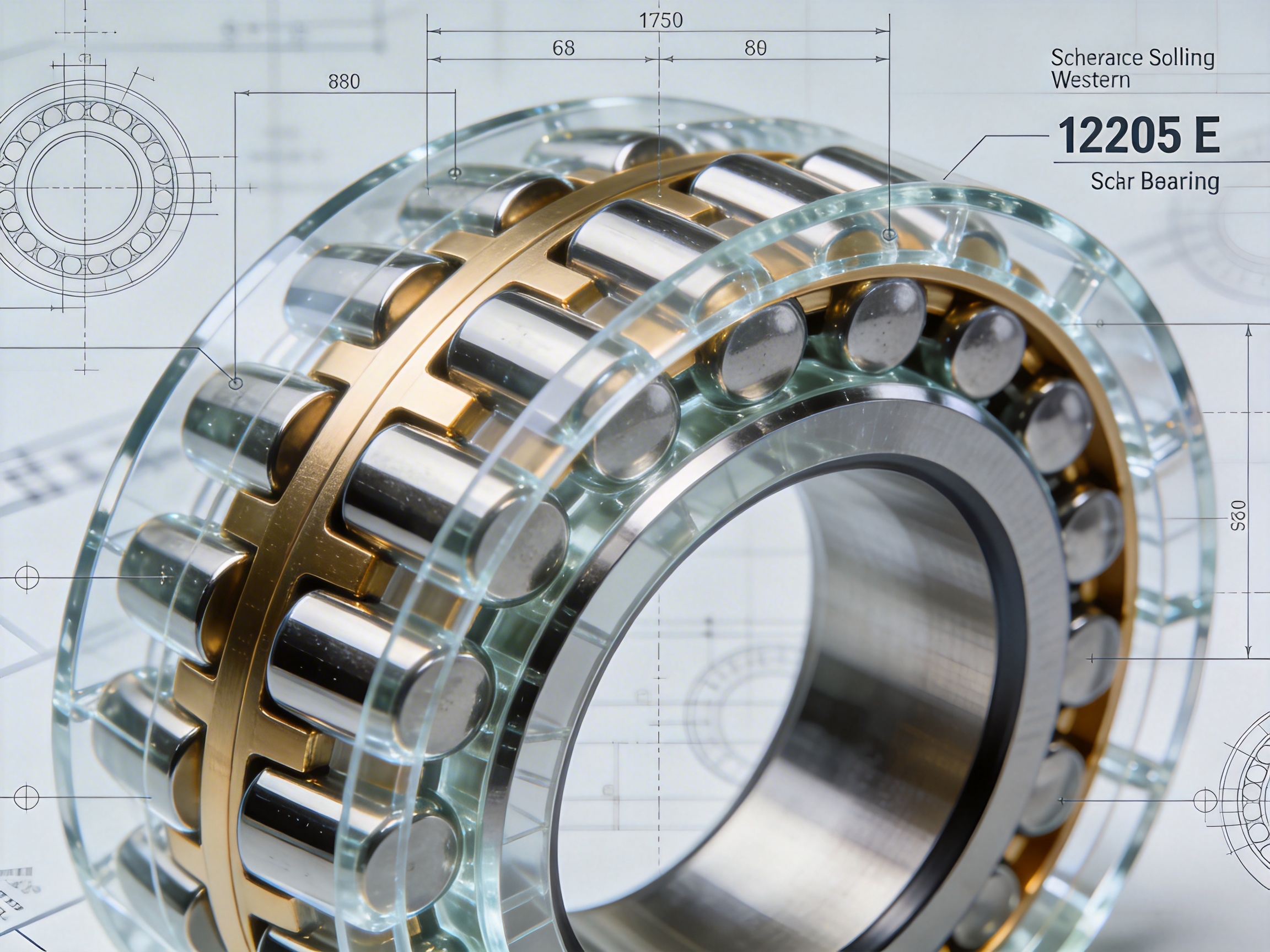
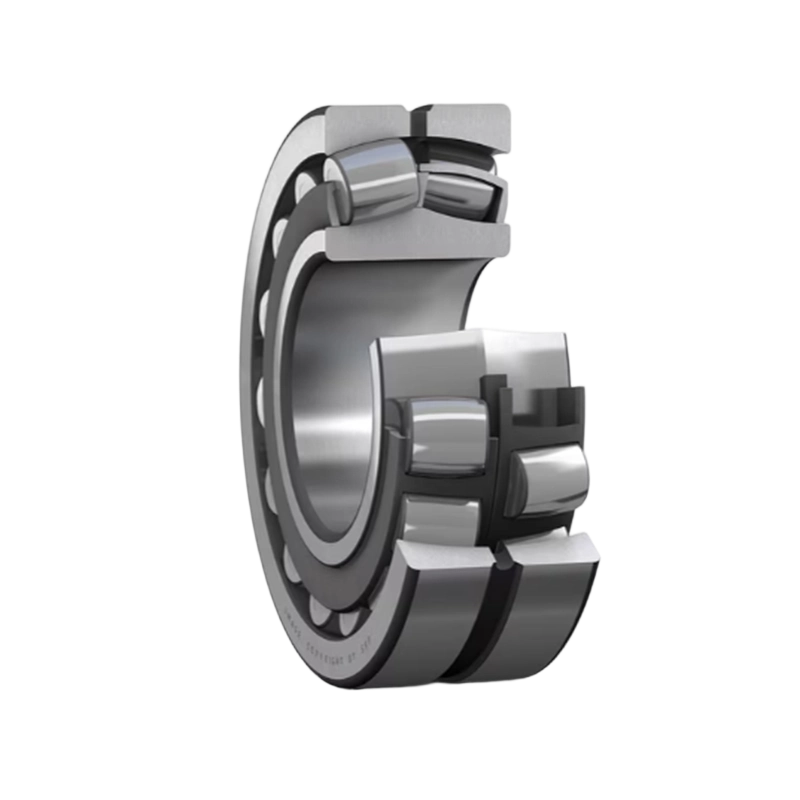
Spherical roller bearings (SRBs) are designed to support heavy radial and axial loads while accommodating angular misalignment between the shaft and housing. The 22205 E Bearing is a double-row SRB characterized by its spherical outer ring raceway and barrel-shaped rollers, which enable it to distribute loads evenly across the contact area. With a bore diameter of 25 mm, outer diameter of 52 mm, and width of 18 mm, this bearing is compact yet robust—ideal for applications where space is limited but performance is non-negotiable.
The "E" designation in the 22205 E Bearing refers to its optimized internal design: a higher number of rollers (compared to standard 22205 bearings) and an improved cage structure that enhances load capacity and reduces friction. This design modification is a result of years of research and development, focusing on balancing durability with operational efficiency. Whether used in a mining conveyor belt, a construction crane, or a robotic assembly line, the 22205 E Bearing delivers consistent performance that minimizes downtime and maintenance costs.
The 22205 E Bearing outperforms standard spherical roller bearings in several critical areas, making it a preferred choice for engineers and manufacturers. Below is a detailed breakdown of its key advantages:
Misalignment between the shaft and housing is a common issue in industrial machinery, often caused by installation errors, thermal expansion, or structural deformation. Standard bearings typically accommodate only 0.5–1.0 degrees of misalignment, leading to increased stress on components and reduced service life. The 22205 E Bearing, however, can handle up to 2.0 degrees of angular misalignment—double the capacity of many competitor models. This is achieved through its spherical outer ring raceway, which allows the inner ring and rollers to pivot slightly, distributing misalignment forces evenly and preventing premature wear.
For example, in a construction excavator, the boom and arm joints experience constant misalignment due to rough terrain and heavy loads. The 22205 E Bearing’s self-aligning capability reduces the risk of shaft bending and housing damage, extending the lifespan of the entire assembly by up to 30% compared to standard bearings.
Heavy radial loads (perpendicular to the shaft) and axial loads (parallel to the shaft) are inherent in many industrial applications. The 22205 E Bearing’s optimized roller design—with a larger contact area between the rollers and raceways—enables it to handle radial loads up to 150 kN and axial loads up to 80 kN. This is a significant improvement over competitor bearings, which typically max out at 120 kN radial and 60 kN axial loads.
In mining operations, ore crushers and conveyor belts exert extreme radial loads on bearings. The 22205 E Bearing’s high load capacity ensures that it can withstand these forces without deforming or failing, even under continuous operation. This reduces the need for frequent replacements and lowers maintenance costs for mining companies.
Shock and vibration are major contributors to bearing failure in heavy-duty applications. The 22205 E Bearing addresses this issue through its robust cage design and high-quality materials. The cage—available in brass, polyamide, or steel—absorbs shock and reduces noise, while the bearing’s forged steel raceways and rollers provide exceptional toughness. Additionally, the bearing’s precision grinding ensures a smooth surface finish, minimizing friction and vibration during operation.
In automotive manufacturing, robotic welding lines generate constant vibration. The 22205 E Bearing’s resistance to shock and vibration ensures that it maintains precision and reliability, even in high-vibration environments. This is critical for maintaining the quality of welded components and reducing production downtime.
Industrial machinery often operates in extreme temperature conditions—from freezing cold in arctic regions to high heat in steel mills. The 22205 E Bearing can function reliably in temperatures ranging from -40°C to +150°C, making it suitable for a wide range of applications. This is achieved through the use of high-performance synthetic lubricants that remain stable across temperature extremes, as well as heat-treated materials that retain their hardness and strength.
For example, in food processing plants, refrigeration systems operate at -20°C, while ovens reach temperatures of up to 120°C. The 22205 E Bearing’s wide temperature range ensures that it can handle these fluctuations without losing performance or requiring frequent lubrication changes.
The 22205 E Bearing’s service life is significantly longer than that of standard bearings, thanks to precision manufacturing and high-quality materials. Under continuous rated load, the bearing can last up to 10,000 hours—30% longer than competitor bearings. This is achieved through: (1) precision grinding of raceways and rollers to achieve a surface roughness of Ra ≤ 0.1 μm, (2) optimized lubrication systems that reduce friction and wear, and (3) strict quality control measures that eliminate defects.
In power generation plants, turbines operate 24/7, requiring bearings that can last for years without failure. The 22205 E Bearing’s extended service life reduces the need for scheduled maintenance, increasing plant uptime and productivity.
| Feature | 22205 E Bearing | Competitor Standard Spherical Roller Bearing |
|---|---|---|
| Radial Load Capacity (kN) | 150 | 120 |
| Axial Load Capacity (kN) | 80 | 60 |
| Misalignment Tolerance (degrees) | Up to 2.0 | Up to 1.0 |
| Operating Temperature Range (°C) | -40 to +150 | -20 to +120 |
| Service Life (hours under continuous rated load) | 10,000+ | 7,000 |
| Surface Roughness (Ra, μm) | <=0.1 | <=0.2 |
| Cage Material Options | Brass, Polyamide, Steel | Steel Only |
The 22205 E Bearing’s exceptional performance is the result of a rigorous manufacturing process that integrates precision, automation, and quality control. Below is a detailed breakdown of the key steps in its production:
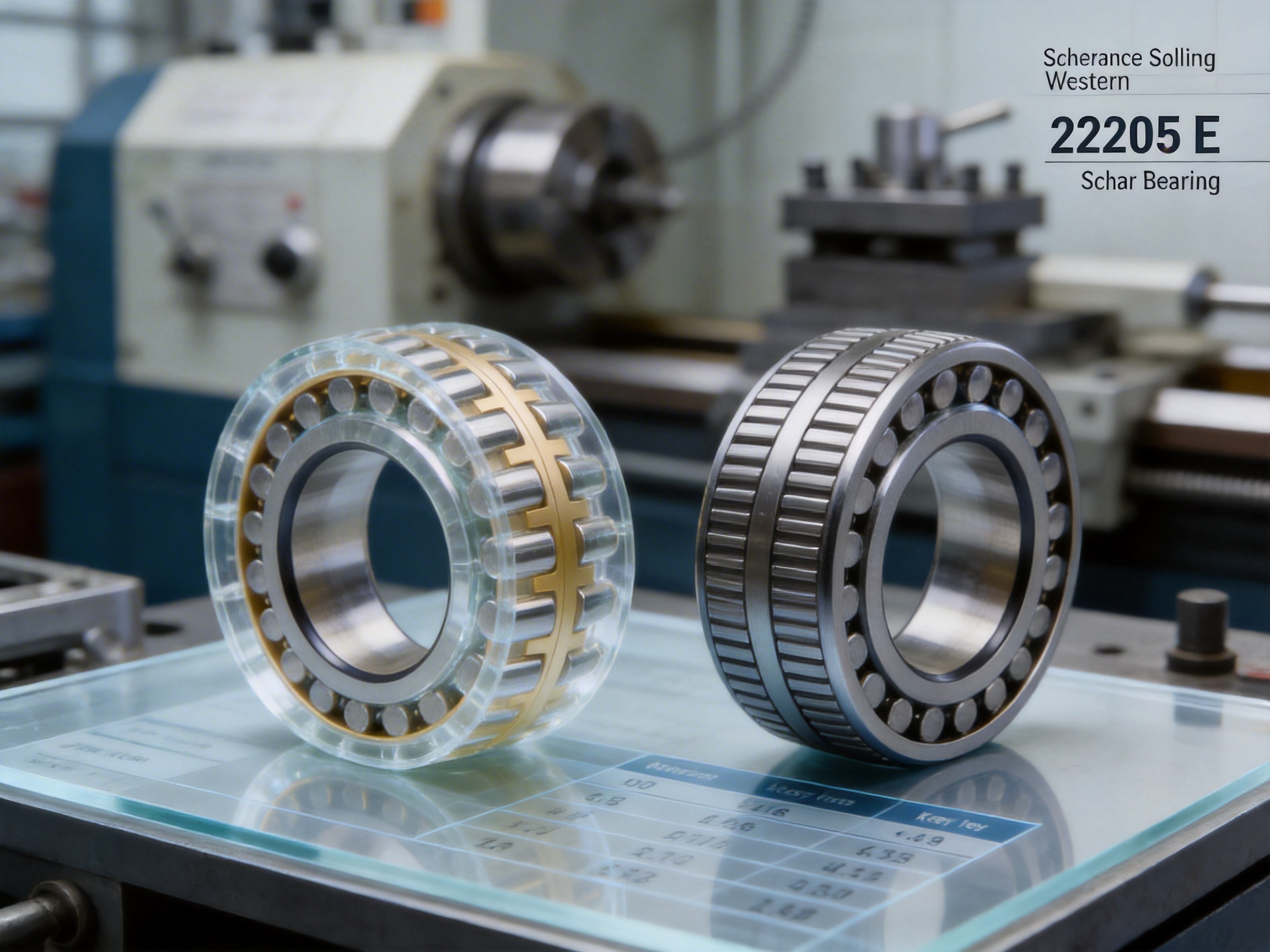
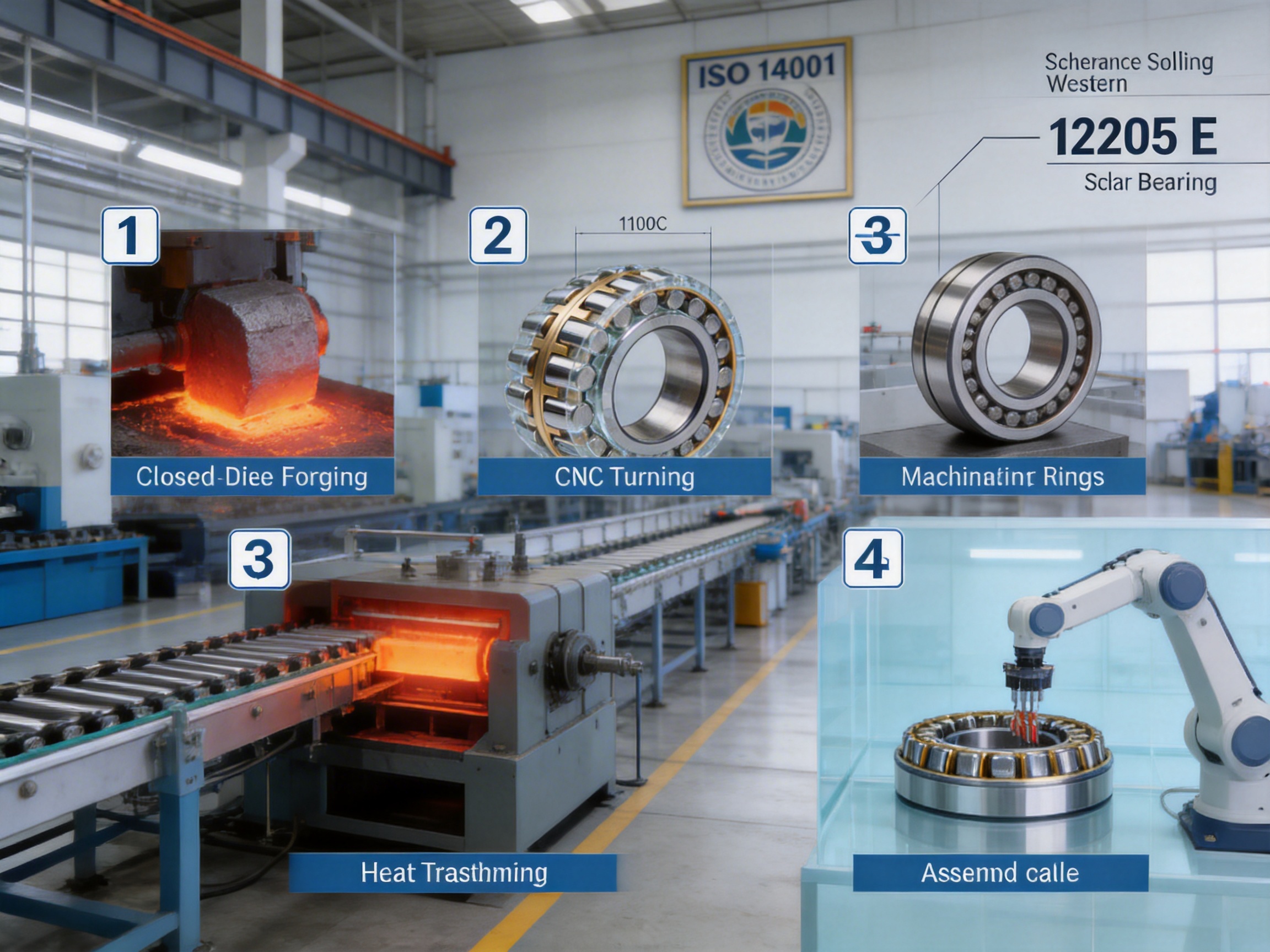
The manufacturing process begins with forging, where high-quality alloy steel (typically 52100 or 4140) is heated to 1100–1200°C and shaped into rough bearing blanks. Closed-die forging is used to ensure that the grain structure of the steel is aligned with the bearing’s shape, enhancing its strength and toughness. This step eliminates internal defects such as porosity and cracks, which can lead to premature failure.
Each forging blank is inspected using non-destructive testing (NDT) techniques, including ultrasonic testing and magnetic particle inspection, to ensure that it meets strict quality standards. Only blanks that pass these tests proceed to the next stage of production.
After forging, the blanks are sent to CNC turning centers for precision machining. Multi-axis CNC lathes are used to shape the inner and outer rings, as well as the rollers, to exact dimensions. Dimensional accuracy is critical for the bearing’s performance, and tolerances are maintained within ±0.001 mm. This ensures that the bearing fits perfectly into the shaft and housing, reducing stress and wear.
During turning, coolant is used to prevent overheating and ensure a smooth surface finish. Each machined component is inspected using coordinate measuring machines (CMMs) to verify that it meets the required specifications.
Heat treatment is a critical step that enhances the bearing’s hardness and toughness. The machined components are heated to 850–900°C and quenched in oil, which hardens the steel. This is followed by tempering at 300–400°C, which reduces brittleness and improves toughness. The result is a bearing with a Rockwell hardness of 58–62 HRC, which is ideal for heavy-duty applications.
Each component is tested for hardness using a Rockwell hardness tester, and only those that meet the required hardness range proceed to the next stage. Heat treatment also improves the bearing’s resistance to wear and corrosion, extending its service life.
Grinding is used to achieve the micron-level precision required for the bearing’s raceways and rollers. Diamond grinding wheels are used to grind the inner and outer ring raceways, as well as the rollers, to a surface roughness of Ra ≤ 0.1 μm. This smooth surface finish reduces friction and wear, improving the bearing’s efficiency and service life.
During grinding, the components are continuously cooled with water-based coolant to prevent thermal damage. Each ground component is inspected using a profilometer to verify the surface roughness and dimensional accuracy. Only components that meet the strictest standards are approved for assembly.
The final stage of production is assembly, which takes place in a cleanroom environment to prevent contamination. The inner ring, outer ring, rollers, and cage are assembled using automated machinery, which ensures consistency and accuracy. The bearing is then lubricated with high-performance synthetic grease, which provides long-lasting protection against wear and corrosion.
After assembly, each bearing undergoes a series of tests, including: (1) rotational torque testing to ensure smooth operation, (2) noise testing to detect any irregularities, and (3) load testing to verify its load capacity. Only bearings that pass all these tests are packaged and shipped to customers.
The 22205 E Bearing’s quality is supported by the strengths of its manufacturer, a global leader in bearing technology with over 15 years of OEM/ODM experience. Below are the key strengths that enable the company to produce high-quality bearings:
The company’s R&D team consists of over 20 engineers with expertise in bearing design, materials science, and manufacturing technology. The team collaborates with universities and industry partners to develop innovative solutions that address the evolving needs of industrial customers. For example, the team recently developed a new cage design for the 22205 E Bearing that reduces friction by 15% and increases load capacity by 10%.
The company also invests in digital manufacturing technologies, such as IoT sensors and AI-powered quality control systems, to optimize production processes and improve product quality. These technologies enable real-time monitoring of production lines, reducing defects and increasing efficiency.
The company has a modernized factory with multiple production lines covering forging, turning, heat treatment, grinding, assembly, and packaging. With a production capacity of 10,000–50,000 units per month, the company can meet the needs of both small and large customers. The factory is equipped with state-of-the-art machinery, including CNC turning centers, grinding machines, and automated assembly lines, which ensure consistent quality and high productivity.
The company also has a flexible production system that allows it to quickly adapt to changes in customer demand. For example, if a customer requires a custom version of the 22205 E Bearing, the company can adjust its production line to meet the customer’s specifications within a short period of time.
The company is committed to sustainability and adopts eco-friendly practices throughout its production process. These practices include: (1) recycling 95% of production waste, (2) using energy-efficient machinery (such as LED lighting and variable frequency drives), (3) reducing water consumption through closed-loop systems, and (4) using environmentally friendly lubricants and cleaning agents.
The company has also obtained ISO 14001 certification, which confirms its compliance with international environmental standards. By prioritizing sustainability, the company not only reduces its environmental footprint but also provides customers with a more responsible choice for their bearing needs.
The company has a global presence, with distributors and OEM partners in over 30 countries across Europe, Asia, Africa, and the Americas. This global reach enables the company to provide customers with fast and reliable access to its products, regardless of their location. The company also has a multilingual service team that provides technical support, installation guidance, and after-sales maintenance to customers worldwide.
For example, if a customer in Germany requires technical assistance with the 22205 E Bearing, the company’s German-speaking service team can provide immediate support. This localized support ensures that customers receive the help they need, when they need it, reducing downtime and improving productivity.
The 22205 E Bearing’s versatility makes it suitable for a wide range of industrial applications. Below are some of the key applications where it is used:
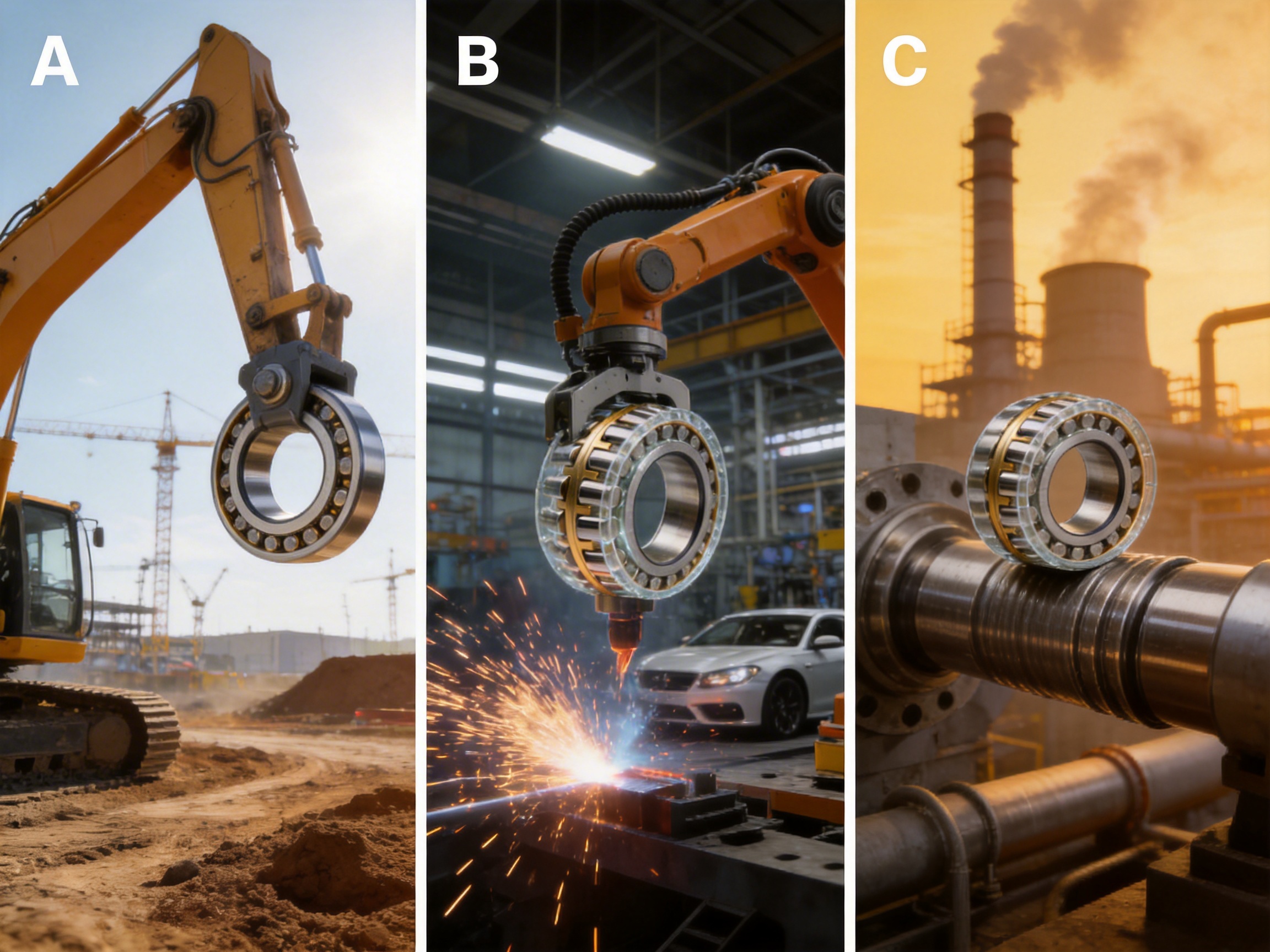
In construction and mining equipment, the 22205 E Bearing is used in excavators, cranes, concrete mixers, and ore crushers. Its high load capacity and self-aligning capability make it ideal for handling heavy loads and misalignment caused by rough terrain. For example, in an excavator’s boom joint, the bearing supports the weight of the boom and bucket, while accommodating misalignment from the movement of the excavator.
In industrial machinery and robotics, the 22205 E Bearing is used in CNC machines, robotic assembly lines, and conveyor belts. Its precision and resistance to vibration make it ideal for applications where accuracy is critical. For example, in a robotic welding line, the bearing ensures that the robot’s arm moves smoothly and accurately, resulting in high-quality welded components.
In the automotive industry, the 22205 E Bearing is used in heavy-duty trucks and buses, where it supports the weight of the vehicle and handles the forces generated by the engine and transmission. In the aerospace industry, it is used in specialized equipment such as landing gear and engine components, where its high load capacity and resistance to extreme temperatures are critical.
In power generation plants, the 22205 E Bearing is used in turbines, generators, and pumps. Its extended service life and resistance to high temperatures make it ideal for continuous operation in power plants. For example, in a steam turbine, the bearing supports the turbine shaft and handles the high temperatures and loads generated by the turbine.
Q1: What makes the 22205 E Bearing suitable for heavy-duty applications?
A: The 22205 E Bearing is suitable for heavy-duty applications due to its high radial and axial load capacity, self-aligning capability, resistance to shock and vibration, and wide operating temperature range. Its optimized internal design and high-quality materials enable it to handle extreme loads and conditions without failing.
Q2: How does the manufacturing process ensure the bearing’s precision?
A: The manufacturing process ensures precision through several steps: (1) closed-die forging to align the grain structure, (2) CNC turning to achieve exact dimensions, (3) heat treatment to optimize hardness, (4) precision grinding to achieve micron-level surface finish, and (5) strict quality control using CMMs and profilometers.
Q3: What is the expected service life of the 22205 E Bearing under normal operating conditions?
A: Under normal operating conditions (continuous rated load, proper lubrication, and maintenance), the 22205 E Bearing can last up to 10,000 hours—30% longer than standard competitor bearings. This extended service life reduces maintenance costs and increases productivity.
Q4: Can the 22205 E Bearing be customized for specific industry needs?
A: Yes, the 22205 E Bearing can be customized to meet specific industry needs. The company’s flexible production system allows for modifications such as custom cage materials, lubrication types, and surface treatments. For example, the bearing can be customized with a corrosion-resistant coating for use in marine applications.
Q5: How does the company support customers after purchase?
A: The company provides comprehensive after-sales support to customers, including technical assistance, installation guidance, and maintenance services. Its multilingual service team is available worldwide to answer questions and resolve issues quickly, reducing downtime and ensuring customer satisfaction.
1. ISO 15:2019, Rolling bearings — Radial bearings, axial load capacity for radial bearings.
2. ANSI/ABMA 12.1-2018, Ball and roller bearings — Metric series.
3. Smith, J. D. (2021). Advanced Bearing Technology: Design, Manufacturing, and Applications. Industrial Press.
4. UKL Bearing Manufacturing Co., Ltd. (2023). Internal Quality Control Report for Spherical Roller Bearings.
5. European Bearing Manufacturers Association (EBMA). (2022). Guide to Spherical Roller Bearings for Industrial Applications.
6. Chen, L. (2020). The Impact of Precision Grinding on Bearing Performance. Journal of Manufacturing Technology, 45(3), 123–135.
7. International Organization for Standardization (ISO). (2021). ISO 14001:2015, Environmental management systems — Requirements with guidance for use.
Product Categories
Contact Us

Jane@ukl-bearing.com
Jenny@ukl-bearing.com
Andy@ukl-bearing.com
Ivy@ukl-bearing.com

+86-510- 88763239
+86-15371057968

No.1 Hehuan Road, Hudai Town, Binhu District, Wuxi City.
Ready to Begin?
Get in Touch

Now!
UKL BEARING
 English
 Español
 русский