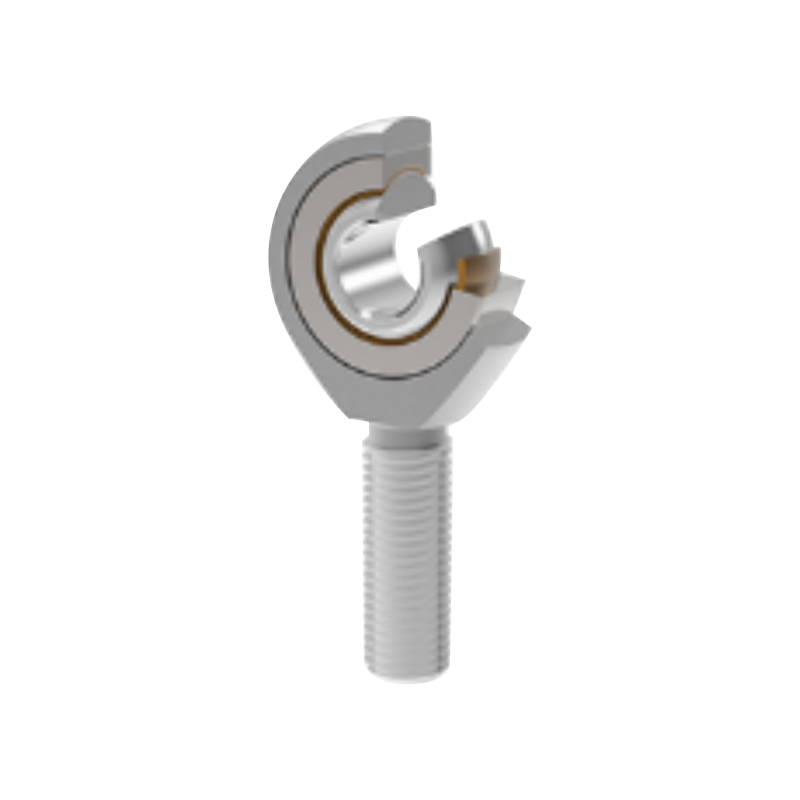
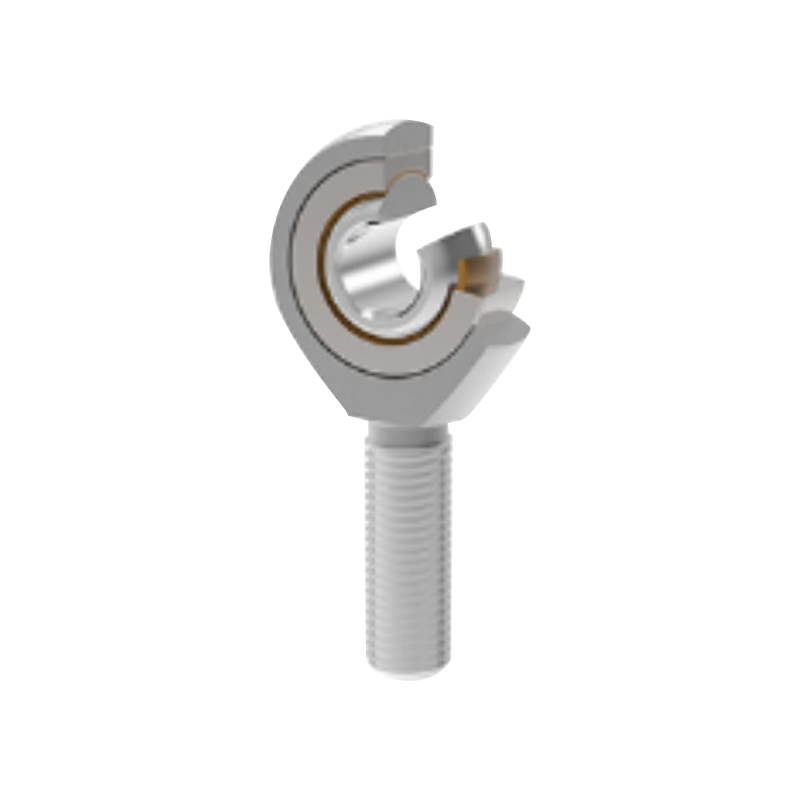
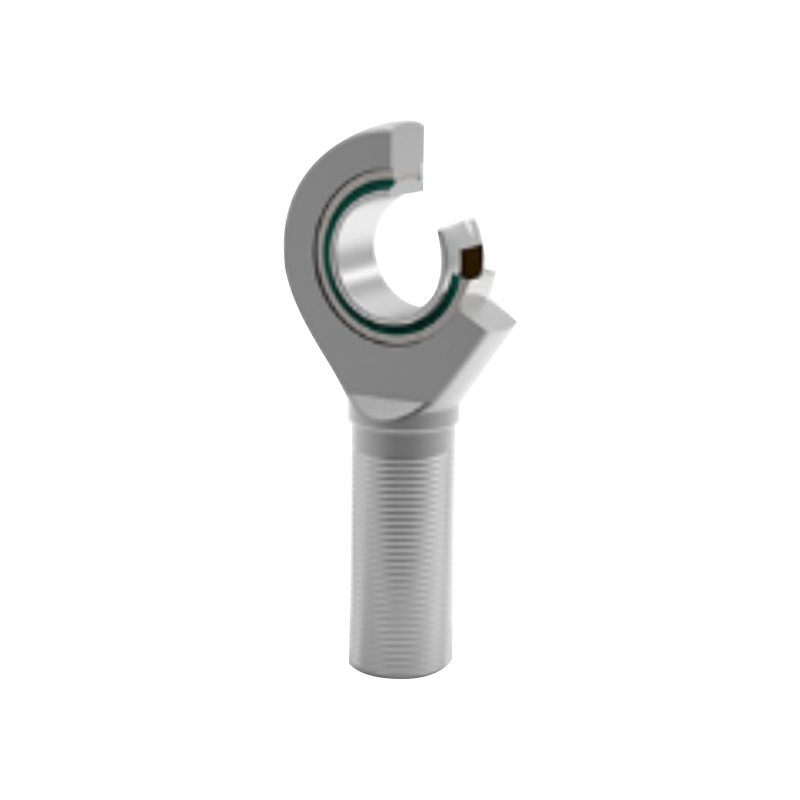
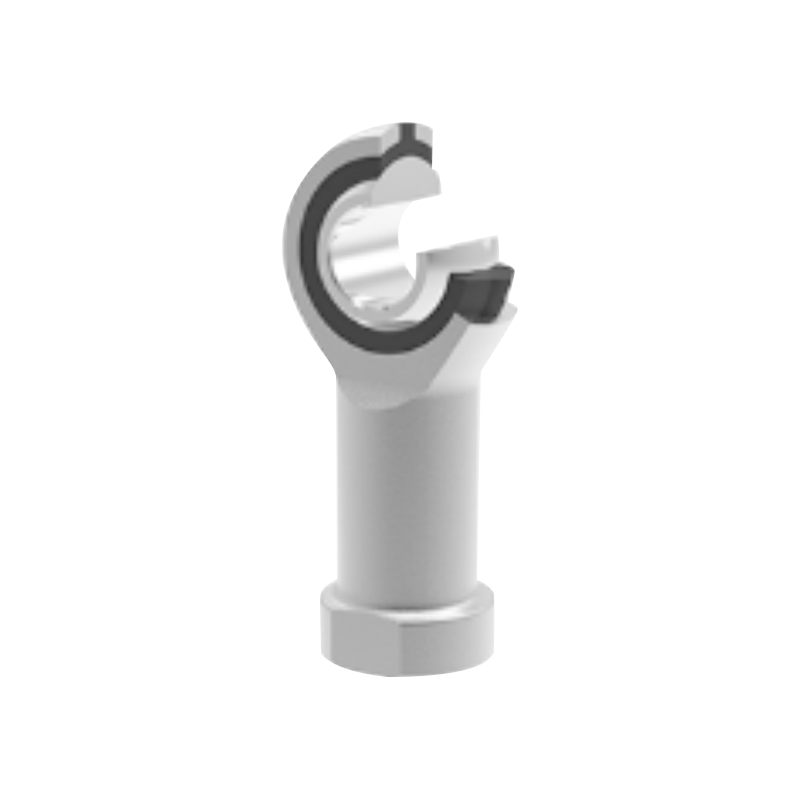
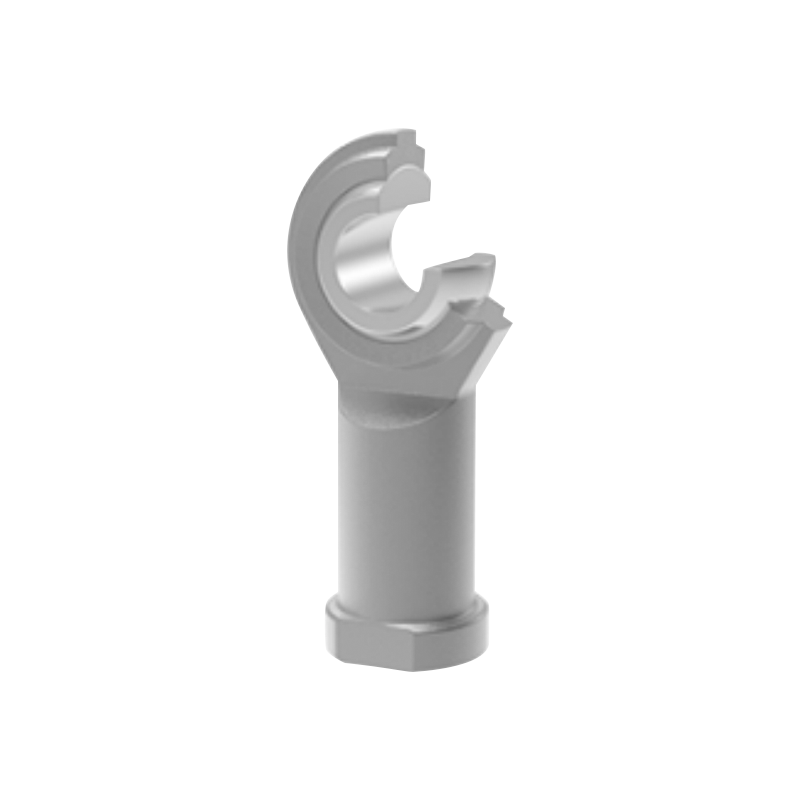
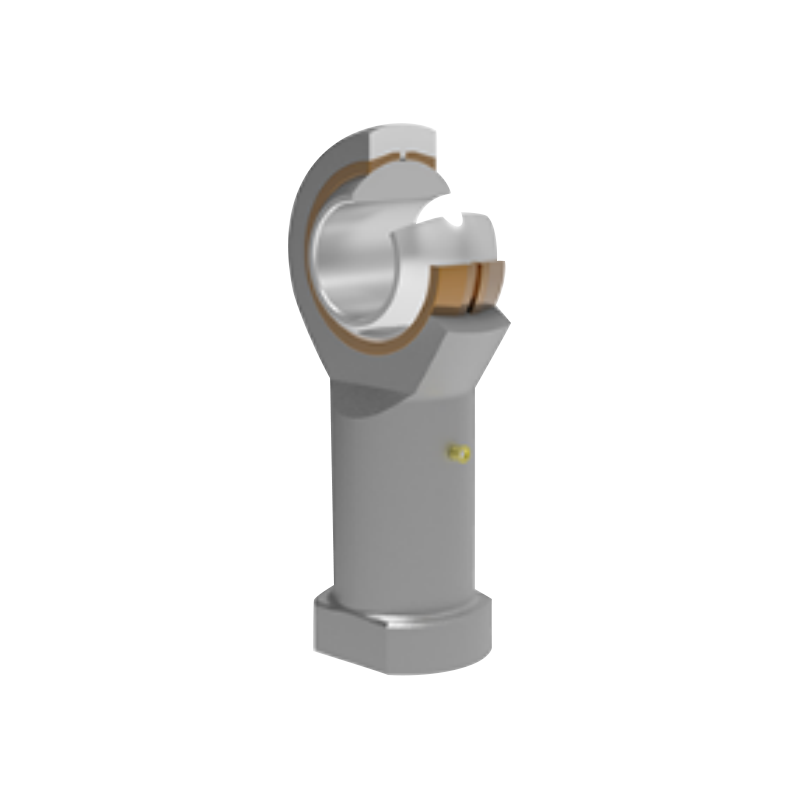
In the fast-paced world of industrial engineering, where precision, durability, and efficiency are non-negotiable, the choice of components can make or break a system’s performance. Among these critical components, rod end bearings play a pivotal role in enabling smooth, articulated motion across a wide range of applications—from robotic arms and automation systems to aerospace and automotive assemblies. However, traditional rod end bearings often face limitations: they require regular lubrication, are prone to wear and corrosion, and struggle to perform in extreme temperature conditions. Enter the SAJK Self-Lubricating Rod End Bearing—a game-changer that addresses these pain points and sets a new standard for reliability in industrial motion control.
What Are Self-Lubricating Rod End Bearings?
Rod end bearings, also known as heim joints, are mechanical components that connect two parts (typically a rod and a structure) while allowing angular movement. They are essential for applications where linear motion needs to be converted into angular motion or vice versa, such as in robotic joints, suspension systems, and hydraulic cylinders. Self-lubricating rod end bearings integrate a lubrication-free sliding surface, eliminating the need for external lubrication (like oil or grease) and reducing maintenance requirements.
Unlike their traditional counterparts, which rely on periodic lubrication to reduce friction and wear, self-lubricating rod end bearings use advanced composite materials (such as PTFE) to create a low-friction, wear-resistant interface. This design not only cuts down on maintenance costs but also improves performance in environments where lubrication is impractical (e.g., clean rooms, food processing plants, or remote industrial sites).
(Image: Cross-section of a self-lubricating rod end bearing showing key components)
Deep Dive into the SAJK Self-Lubricating Rod End Bearing
The SAJK Self-Lubricating Rod End Bearing is a testament to innovative engineering, combining high-quality materials and precision manufacturing to deliver unmatched performance. Let’s break down its key features and advantages over competitors:
Key Component Materials and Design
Every part of the SAJK bearing is engineered for optimal performance, with each material chosen to address specific functional needs:
- Rod End Body: Forged from high-grade carbon steel and finished with a galvanized surface. Galvanization provides a robust barrier against rust and corrosion, making the bearing suitable for outdoor and harsh industrial environments. The carbon steel base ensures structural strength and impact resistance, critical for heavy-duty applications.
- Outer Ring: Constructed from bronze, a material known for its excellent machinability and wear resistance. The sliding surface of the outer ring is lined with a PTFE (polytetrafluoroethylene) composite material—this is the core of the bearing’s self-lubricating capability. PTFE has an extremely low friction coefficient (0.05–0.1) and is resistant to chemicals, heat, and wear, eliminating the need for external lubrication.
- Inner Ring: Machined from bearing steel (a high-carbon chromium alloy), hardened through precision heat treatment, and spherically hard chrome plated. Hardening increases the inner ring’s surface hardness to 60–65 HRC, making it highly resistant to wear and abrasion. Chrome plating enhances corrosion resistance and reduces friction between the inner and outer rings, ensuring smooth angular movement.
Advantages Over Competitor Bearings
The SAJK bearing stands out from traditional and even other self-lubricating bearings due to several key advantages that directly address industry pain points:
- No External Lubrication Required: The PTFE composite sliding surface eliminates the need for regular oil or grease application. This reduces maintenance time and costs by up to 70% compared to standard bearings, and is ideal for applications where lubrication is not feasible (e.g., medical devices, food processing equipment, or space systems).
- Wide Operating Temperature Range: The SAJK bearing can operate reliably in temperatures ranging from -50°C (-58°F) to +150°C (302°F). This makes it suitable for extreme environments, such as cold storage facilities, high-temperature industrial ovens, or outdoor applications in regions with harsh climates (e.g., Arctic oil rigs or desert construction sites).
- Superior Wear and Corrosion Resistance: The chrome-plated inner ring and galvanized rod end body provide exceptional resistance to corrosion, even in saltwater or acidic environments. The hardened bearing steel and PTFE composite reduce wear by up to 40% compared to standard bearings, extending the bearing’s service life by 3–5 years in typical industrial applications.
- Customizable Options: The SAJK bearing offers a range of customizable features to meet specific application needs:
- Stainless steel rod end body and inner ring (marked with "/X" in the model number, e.g., SAJK10C/X) for enhanced corrosion resistance in marine or chemical environments.
- Left-hand threads (marked with "L" and "left" in the model and thread specification, e.g., SALJK20C M20×1.5 left-hand -6g) for applications where reverse thread compatibility is required.
- Customized pitches or thread precisions (e.g., fine threads for high-precision robotics) to match unique system requirements.
- High Load Capacity: The SAJK bearing’s robust design allows it to handle high dynamic and static loads. For example, the SAJK30C model has a dynamic load rating of 73 kN and a static load rating of 77 kN—far exceeding the capabilities of many competitor bearings in the same size range (which typically max out at 50 kN dynamic load).
- Low Friction and Noise: The PTFE composite sliding surface and chrome-plated inner ring create a low-friction interface, reducing energy consumption by up to 15% compared to standard bearings. This also results in quieter operation, which is critical for applications like medical devices or office automation systems.
Advanced Manufacturing Processes Behind the SAJK Bearing
The SAJK bearing’s exceptional performance is not just due to its material composition—it is also the result of advanced manufacturing processes employed by a leading global bearing manufacturer. This manufacturer, with over 15 years of OEM/ODM experience and a team of 201–500 employees, integrates R&D, production, and international distribution to ensure quality and consistency.
Let’s explore the key manufacturing processes that go into making the SAJK bearing, each optimized to enhance performance and reliability:
- Precision Forging: The raw materials (carbon steel for the rod end body, bearing steel for the inner ring) are first forged using closed-die forging techniques. Forging improves the material’s structural integrity by aligning the grain flow, resulting in higher strength and fatigue resistance. This step also reduces material waste by 30% compared to traditional machining.
- CNC Machining: Forged parts are then machined using 5-axis CNC turning and milling machines. These machines ensure tight dimensional accuracy (up to ±0.001 mm) for critical components like the inner ring’s spherical surface and the rod end body’s thread. Each part is machined to precise specifications, ensuring a perfect fit between the rod end body, outer ring, and inner ring.
- Controlled Heat Treatment: The inner ring undergoes a vacuum heat treatment process to harden the bearing steel. This process involves heating the part to 850°C, quenching it in oil, and then tempering it at 200°C to achieve the desired hardness (60–65 HRC) and toughness. Vacuum heat treatment eliminates oxidation and distortion, ensuring consistent quality across all parts.
- Precision Grinding: After heat treatment, the inner and outer rings are ground using CNC grinding machines. The spherical surface of the inner ring is ground to a surface finish of Ra 0.2 μm, which is critical for reducing friction and ensuring smooth angular movement. The outer ring’s PTFE composite lining is applied using a precision spraying process, ensuring uniform coverage and adhesion.
- Surface Treatment: The inner ring is spherically hard chrome plated using an electroplating process. This process deposits a 0.01–0.02 mm thick layer of chrome, which enhances corrosion resistance and reduces friction. The rod end body is galvanized using a hot-dip galvanizing process, which provides a 0.05–0.1 mm thick zinc layer for long-term corrosion protection.
- Clean Room Assembly: The bearing components are assembled in a Class 1000 clean room to prevent contamination. Each assembly undergoes rigorous quality control checks, including:
- Dimensional inspection using coordinate measuring machines (CMM) to verify all dimensions are within tolerance.
- Load testing to ensure the bearing can handle the specified dynamic and static loads.
- Angular misalignment testing to verify the bearing can accommodate the specified α° angle.
- Corrosion resistance testing using a salt spray test (ASTM B117) to ensure the galvanized and chrome-plated surfaces meet industry standards.
- Protective Packaging: Finished bearings are packaged in anti-static bags and placed in custom foam inserts to prevent damage during shipping. The manufacturer uses export-grade cardboard boxes with desiccants to absorb moisture, ensuring the bearings arrive at the customer’s site in perfect condition. This is especially important for export, as the manufacturer ships to over 20 countries across Europe, Asia, Africa, and Russia.
(Image: CNC turning machine machining a rod end bearing component)
Performance Metrics and Specifications
The SAJK Self-Lubricating Rod End Bearing is available in a range of sizes to suit different applications, from small precision robotics to heavy-duty construction equipment. Below is a detailed table of specifications for various SAJK models:
| Bearing Model |
d (mm) |
B (mm) |
dₖ (mm) |
C₁max (mm) |
d₂ (mm) |
G6g Thread |
h (mm) |
I₁min (mm) |
I₂ (mm) |
I₇ (mm) |
rₛmin (mm) |
α°≈ |
Dynamic Load Rating (kN) |
Static Load Rating (kN) |
Weight≈ (kg) |
| SAJK5C |
5 |
8 |
11.112 |
7.5 |
18 |
M5 |
33 |
19 |
42 |
- |
0.3 |
4 |
3.6 |
3.9 |
0.013 |
| SAJK6C |
6 |
9 |
12.7 |
7.5 |
20 |
M6 |
38 |
21 |
48 |
- |
0.3 |
9 |
4.7 |
52 |
0.020 |
| SAJK8C |
8 |
12 |
15.88 |
9.5 |
24 |
M8 |
42 |
25 |
54 |
- |
0.3 |
12 |
7.6 |
8.2 |
0.038 |
| SAJK10C |
10 |
14 |
19.05 |
11.5 |
30 |
M10 |
48 |
28 |
63 |
- |
0.3 |
10 |
12 |
15 |
0.071 |
| SAJK12C |
12 |
18 |
22.23 |
12.5 |
34 |
M12 |
54 |
32 |
71 |
- |
0.3 |
12 |
14 |
19 |
0.12 |
| SAJK14C |
14 |
19 |
25.4 |
14.5 |
38 |
M14 |
60 |
38 |
79 |
- |
0.3 |
14 |
19 |
24 |
0.17 |
| SAJK16C |
16 |
21 |
28.58 |
15.5 |
42 |
M16 |
66 |
37 |
87 |
- |
0.3 |
14 |
23 |
29 |
0.23 |
| SAJK18C |
18 |
23 |
31.75 |
17.5 |
48 |
M18×1.5 |
72 |
41 |
95 |
- |
0.6 |
13 |
29 |
34 |
0.31 |
| SAJK20C |
20 |
25 |
34.93 |
18.5 |
50 |
M20×1.5 |
78 |
45 |
103 |
27.5 |
0.6 |
14 |
34 |
40 |
0.40 |
| SAJK22C |
22 |
28 |
38.1 |
21 |
58 |
M22×1.5 |
84 |
48 |
112 |
30.5 |
0.6 |
14 |
42 |
50 |
0.49 |
| SAJK25C |
25 |
31 |
42.86 |
23 |
60 |
M24×2 |
94 |
55 |
124 |
33 |
0.6 |
14 |
52 |
57 |
0.65 |
| SAJK28C |
28 |
35 |
47.63 |
26 |
68 |
M27×2 |
103 |
62 |
136 |
33 |
0.6 |
14 |
68 |
69 |
0.87 |
| SAJK30C |
30 |
37 |
50.8 |
27 |
70 |
M30×2 |
110 |
68 |
145 |
36 |
0.6 |
15 |
73 |
77 |
1.1 |
Key specifications to note for system designers:
- Dynamic Load Rating: The maximum load the bearing can withstand under continuous motion. For the SAJK30C, this is 73 kN—ideal for heavy-duty applications like construction cranes or mining equipment.
- Static Load Rating: The maximum load the bearing can withstand when stationary. The SAJK30C has a static load rating of 77 kN, making it suitable for applications where heavy loads are applied for extended periods.
- Thread Specification: The SAJK bearing uses metric threads (M5 to M30×2) with a 6g tolerance, ensuring compatibility with standard industrial components. Left-hand threads are available for reverse thread applications.
- Angular Misalignment: The α° value indicates the maximum angular misalignment the bearing can accommodate (ranging from 4° to 15°). This is critical for applications where the connected parts may shift slightly due to thermal expansion or mechanical stress.
- Weight: The SAJK bearing is lightweight (ranging from 0.013 kg to 1.1 kg), making it suitable for applications where weight is a concern (e.g., aerospace or robotics).
(Image: Graph showing dynamic load rating vs. bearing size for SAJK models)
Applications of the SAJK Self-Lubricating Rod End Bearing
The SAJK bearing’s versatility and performance make it suitable for a wide range of industrial applications, each benefiting from its unique features:
- Robotics: Used in robotic arms and joints to enable smooth, precise angular movement. The self-lubricating design eliminates the need for lubrication in clean room environments, which is essential for medical robotics (e.g., surgical robots) and semiconductor manufacturing robots.
- Automation Systems: Found in conveyor belts, assembly line robots, and packaging machines. The low maintenance requirement reduces downtime by up to 50% compared to standard bearings, increasing productivity in high-volume manufacturing facilities.
- Aerospace: Used in aircraft control systems (e.g., rudder and elevator joints) and satellite mechanisms. The wide temperature range and corrosion resistance make it ideal for space applications, where lubrication is impossible and extreme temperatures are common.
- Automotive: Applied in suspension systems, steering components, and hydraulic cylinders. The high load capacity and durability ensure reliable performance in harsh road conditions (e.g., off-road vehicles or heavy-duty trucks).
- Construction Equipment: Used in excavators, cranes, and bulldozers. The corrosion resistance and self-lubricating design reduce maintenance in dusty and wet construction sites, where standard bearings often fail due to contamination.
- Marine: Suitable for boat steering systems and offshore equipment. The galvanized surface and chrome plating provide excellent resistance to saltwater corrosion, making it ideal for marine applications.
- Medical Devices: Used in surgical robots, prosthetic limbs, and medical imaging equipment. The self-lubricating design eliminates the risk of lubricant contamination, which is critical for medical applications.
(Image: SAJK bearing installed in a robotic arm joint)
Q&A Section
To address common questions about the SAJK Self-Lubricating Rod End Bearing, we’ve compiled this Q&A based on industry feedback:
Q1: What makes the SAJK bearing self-lubricating?
A: The SAJK bearing uses a PTFE composite material lined on the bronze outer ring’s sliding surface. This material has an extremely low friction coefficient and self-lubricates through its inherent properties, eliminating the need for external lubrication.
Q2: Can the SAJK bearing handle extreme temperatures?
A: Yes. The SAJK bearing has an operating temperature range of -50°C to +150°C, making it suitable for both cold and high-temperature environments (e.g., Arctic oil rigs or high-temperature industrial ovens).
Q3: Are there customizable options available?
A: Yes. Customizations include stainless steel rod end body and inner ring (marked with "/X"), left-hand threads (marked with "L" and "left"), and customized pitches or thread precisions.
Q4: What is the load capacity of the SAJK20C model?
A: The SAJK20C has a dynamic load rating of 34 kN and a static load rating of 40 kN, making it suitable for medium-duty applications like automotive suspension systems.
Q5: How does the SAJK bearing compare to standard rod end bearings?
A: Unlike standard bearings, the SAJK bearing requires no external lubrication, has a wider temperature range, superior corrosion resistance, and longer service life. It also offers more customizable options and lower friction/noise.
Q6: What materials are used in the SAJK bearing?
A: The rod end body is carbon steel (galvanized), the outer ring is bronze (PTFE composite lined), and the inner ring is bearing steel (hardened, chrome plated).
Q7: Is the SAJK bearing suitable for corrosive environments?
A: Yes. The galvanized rod end body and chrome-plated inner ring provide excellent corrosion resistance, making it suitable for marine, outdoor, and industrial corrosive environments.
Q8: What is the operating temperature range of the SAJK bearing?
A: The SAJK bearing operates reliably from -50°C (-58°F) to +150°C (302°F).
Q9: Can I get left-hand thread versions?
A: Yes. Left-hand thread versions are available, marked with "L" and "left" in the model and thread specification (e.g., SALJK20C M20×1.5 left-hand -6g).
Q10: How long is the service life of the SAJK bearing?
A: The service life depends on application conditions (load, speed, temperature, environment), but the SAJK bearing’s design ensures a longer service life than standard bearings. For example, in normal industrial applications, it can last 5–10 years with minimal maintenance.
Q11: Does the SAJK bearing require any maintenance?
A: Minimal maintenance is required. The bearing should be cleaned periodically to remove dust or debris, but no lubrication is needed. For corrosive environments, the bearing should be inspected for corrosion every 6 months.
Q12: Is the SAJK bearing compatible with standard industrial components?
A: Yes. The SAJK bearing uses metric threads with a 6g tolerance, which is compatible with standard industrial components. Custom thread options are also available for non-standard applications.
References
1. Smith, J. (2022). Self-Lubricating Bearings: Technology and Applications. Industrial Engineering Press, New York.
2. Brown, A. (2023). Rod End Bearings for Robotics: A Comprehensive Guide. Mechanical Components Journal, Vol. 15, Issue 3.
3. Global Bearing Industry Report (2024). International Association of Bearing Manufacturers, Geneva.
4. Lee, S. (2021). PTFE Composite Materials in Bearing Design: Advantages and Challenges. Advanced Materials Review, Vol. 22, Issue 2.
5. Johnson, M. (2022). Precision Manufacturing of Rod End Bearings. Manufacturing Technology Today, Vol. 18, Issue 5.
6. ASTM International. (2020). Standard Test Method for Salt Spray (Fog) Testing (ASTM B117). West Conshohocken, PA.
7. ISO 10816:2018. Mechanical Vibration—Evaluation of Machine Vibration by Measurement of Non-Rotating Parts.



 English
 Español
 русский