Content
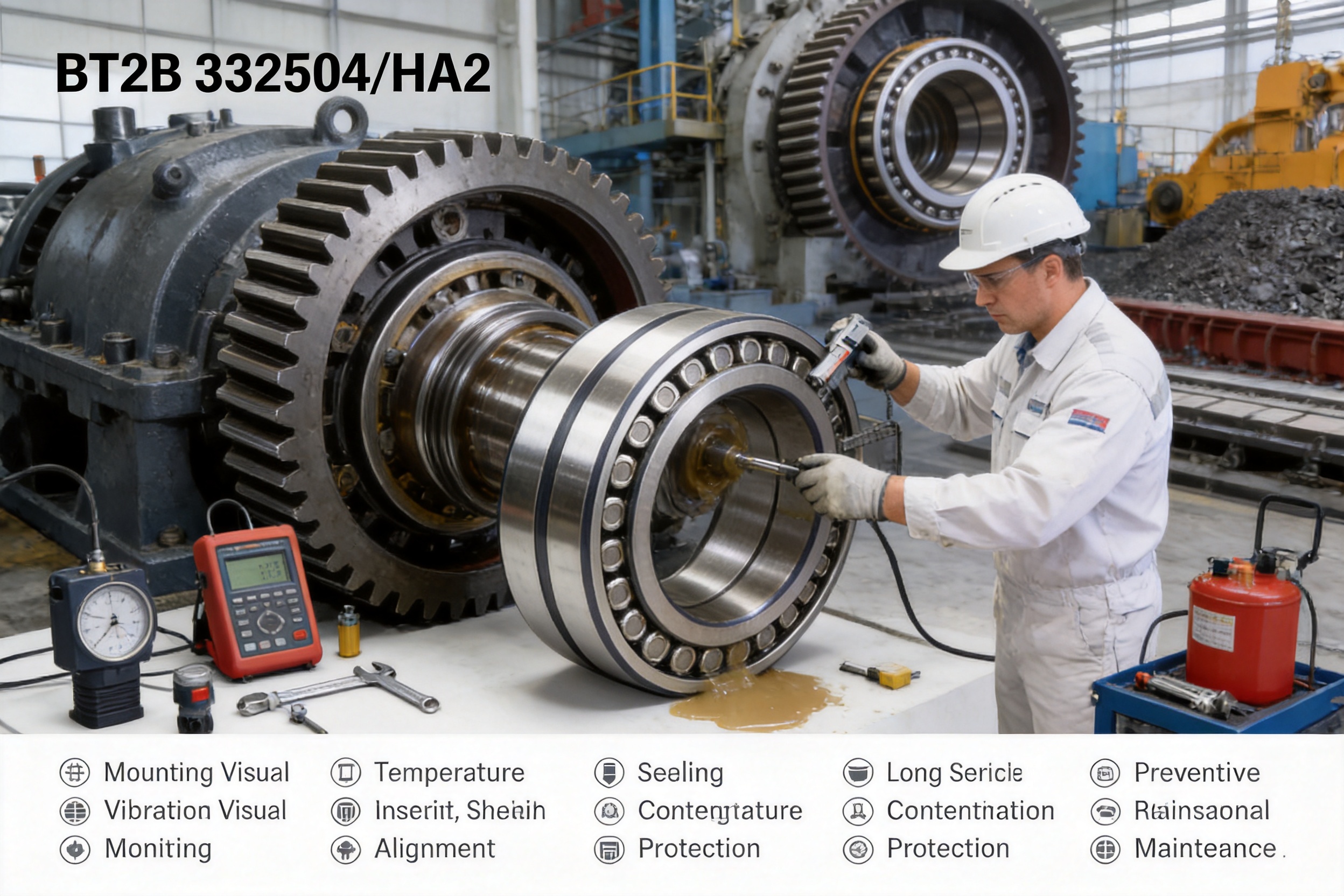
The BT2B 332504/HA2 is a double row tapered roller bearing developed for demanding industrial applications that require high load capacity, reliable guidance, strong rigidity, and long operating life. As a member of the tapered roller bearing family, it is designed to manage substantial radial loads together with axial loads acting in both directions. This capability makes it suitable for equipment in which ordinary single row bearings may not provide sufficient stiffness, durability, or operational stability.
Double row tapered roller bearings are widely used in gearboxes, rolling mills, tunnel boring machines, heavy-duty transmissions, industrial reducers, construction equipment, mining machinery, and other systems exposed to high mechanical loads. The BT2B 332504/HA2 combines the fundamental advantages of tapered raceway geometry with a two-row arrangement, creating a compact and powerful bearing solution for applications where performance, reliability, and service continuity are essential.
Manufactured by Ukl Bearing Manufacturing Co., Ltd., this bearing represents the company’s focus on precision engineering, controlled production, international quality standards, and application-oriented bearing development. The manufacturer integrates research and development, forging, turning, heat treatment, grinding, assembly, inspection, and packaging within its overall production system. This integrated approach helps maintain consistency from raw material preparation to finished product delivery.
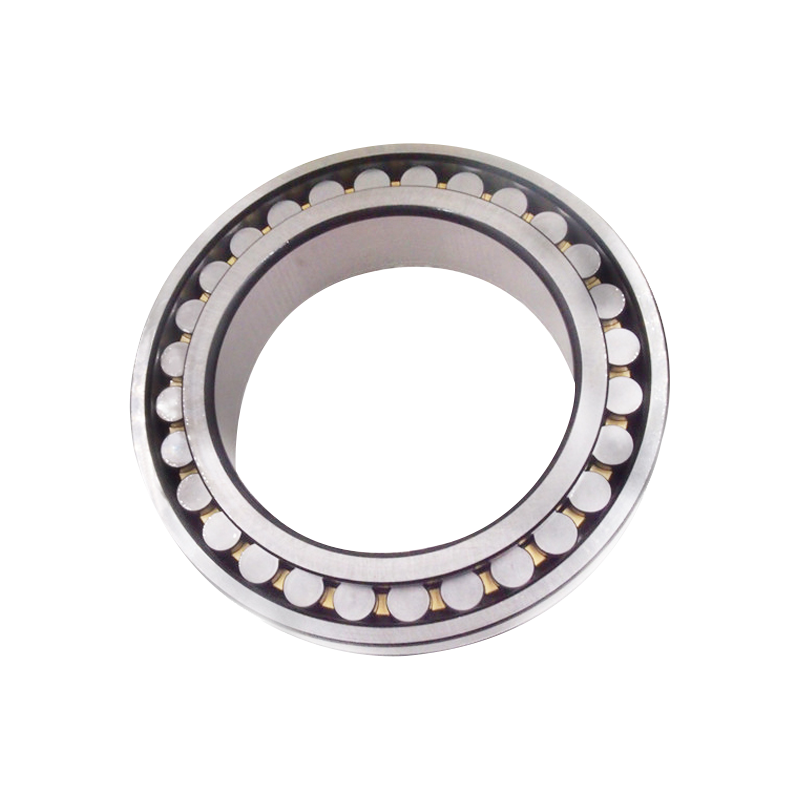
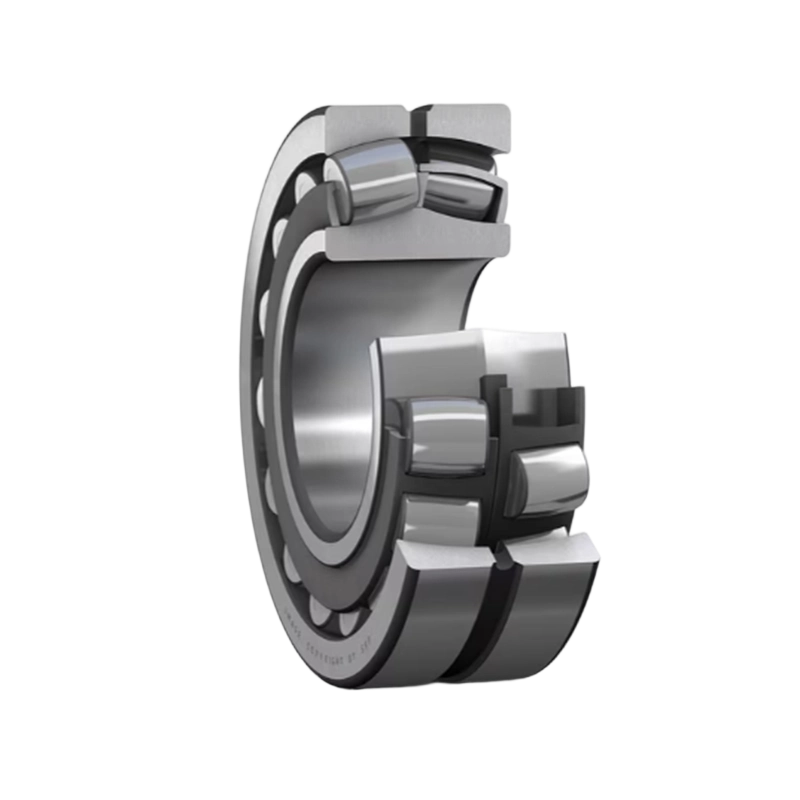
The BT2B 332504/HA2 belongs to the double row tapered roller bearing category. Its internal design includes two rows of tapered rollers arranged between specially shaped inner and outer raceways. Each roller has a conical profile, and the raceways are designed to guide the rollers while distributing loads across a broad contact area.
The tapered geometry allows the bearing to support combined loads. Radial loads act perpendicular to the shaft, while axial loads act parallel to the shaft. Because of the arrangement of the tapered rollers, the bearing can accommodate axial forces in both directions when correctly mounted and adjusted. This makes the design especially valuable in machines where load direction changes during operation or where reversing forces are expected.
The double row construction also increases the bearing’s ability to resist tilting moments and maintain shaft alignment. Compared with many single row alternatives, a double row bearing can offer greater rigidity within a similar radial envelope. This additional stiffness is important in gearboxes, rolling equipment, and other machines where shaft deflection can affect accuracy, vibration, noise, gear engagement, and component life.
The HA2 designation forms part of the complete bearing identification and relates to the specific configuration supplied by the manufacturer. Because bearing suffixes may identify internal clearances, cage arrangements, dimensional features, or other design characteristics, users should confirm the complete technical specification before installation. Application conditions, shaft and housing tolerances, lubrication, speed, and operating temperature must all be considered when selecting the correct bearing configuration.
A tapered roller bearing operates through rolling contact between the rollers and the raceways. As the shaft rotates, the rollers travel along the inner and outer raceways. The tapered form encourages the rollers to remain correctly positioned while transferring force from the rotating shaft to the stationary housing or from the housing to the shaft.
In a double row arrangement, two rows of rollers share the applied load. One row can react to axial forces in one direction, while the opposite row reacts to axial forces in the other direction. The combined structure enables the bearing to support bidirectional axial loads without requiring two separate single row bearings in many applications.
The effective contact angle is a key feature of tapered roller bearing design. A larger contact angle generally improves axial load capacity, while the roller diameter, roller length, number of rollers, raceway profile, and internal geometry influence radial load capacity and friction. The final design must balance load carrying ability, speed capability, heat generation, and expected service life.
Proper adjustment is important because tapered roller bearings are sensitive to excessive or insufficient internal clearance. Excessive clearance may permit shaft movement, increase vibration, and reduce rigidity. Insufficient clearance or excessive preload may generate heat, increase friction, and accelerate wear. For this reason, installation should follow the manufacturer’s technical recommendations and the equipment designer’s specified mounting method.
The two rows of rollers provide a large effective contact area for radial loading. This allows the BT2B 332504/HA2 to support heavy shaft and housing loads in applications such as industrial gearboxes, rolling mills, and heavy machinery. The load is distributed across multiple rollers rather than concentrated at a small number of contact points.
High radial capacity is particularly important in systems that experience shock loading, high torque transmission, or continuous operation under substantial mechanical stress. When the bearing is correctly selected, lubricated, and installed, its robust structure can help reduce premature fatigue and maintain stable rotation over extended operating periods.
A major advantage of the double row tapered arrangement is its ability to withstand axial forces in both directions. This is valuable in machinery where thrust changes during acceleration, deceleration, reversing, material handling, or process variation. A single row bearing normally has a more limited axial load direction and may require a paired arrangement to achieve comparable functionality.
By combining two tapered roller rows in one coordinated assembly, the BT2B 332504/HA2 can simplify bearing arrangements and help reduce the number of separate components required. This may contribute to easier housing design, more straightforward assembly, and improved control of axial positioning.
Rigidity affects the way a bearing system responds to external forces. A flexible bearing arrangement can permit unwanted shaft displacement, which may influence gear meshing, tool positioning, roller alignment, or machine accuracy. The double row structure provides strong resistance to displacement and tilting, helping the shaft remain properly supported during operation.
For gearboxes, improved rigidity can support stable gear contact and reduce the risk of uneven tooth loading. In rolling mills, it can help maintain the alignment of rolls under high process forces. In tunnel boring machines, it can contribute to dependable support of rotating assemblies subjected to changing loads and harsh working conditions.
Service life depends on numerous factors, including load, speed, lubrication, contamination, alignment, mounting, and operating temperature. Nevertheless, the design characteristics of a double row tapered roller bearing provide a strong foundation for long operating life. The broad contact area, balanced load distribution, and substantial internal support help reduce localized stress when the bearing is used within its intended operating range.
Long service life can lower maintenance frequency and reduce the likelihood of unplanned downtime. For industrial users, these benefits extend beyond the price of the bearing itself. Maintenance labor, replacement components, production interruption, and equipment access costs may all be reduced when the bearing system performs reliably.
Tapered roller bearings are designed to manage high loads, but careful manufacturing and internal geometry are necessary to control friction. Precision-ground raceways, accurately formed rollers, appropriate cage guidance, and consistent internal dimensions all contribute to smooth operation.
Compared with an improperly matched or poorly manufactured heavy-duty bearing arrangement, a precision double row tapered roller bearing can provide more stable friction behavior and better heat control. Lower friction supports energy efficiency, reduces operating temperature, and helps protect the lubricant and surrounding components.
When a double row bearing replaces two separate single row bearings, the overall arrangement may become more compact. The result can be valuable in machines with limited axial space or where designers want to reduce the number of mounting interfaces. A compact bearing solution may also simplify housing architecture and reduce the possibility of errors during assembly.
The suitability of a single double row bearing depends on the application’s load, speed, adjustment, and maintenance requirements. It is important not to assume that every two-bearing arrangement can be replaced directly. Engineers should verify the load rating, contact angle, internal clearance, axial positioning, lubrication method, and thermal behavior before making a substitution.
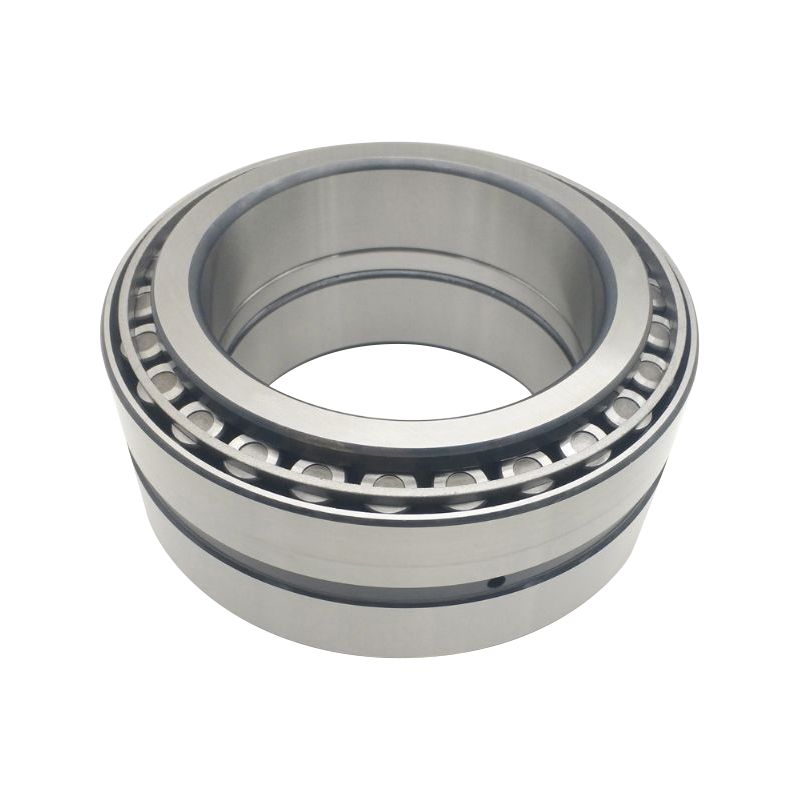
BT2B 332504/HA2 -Double Row Tapered Roller Bearings
The BT2B 332504/HA2 competes with several types of bearing arrangements, including single row tapered roller bearings, cylindrical roller bearings, deep groove ball bearings, angular contact ball bearings, and paired bearing combinations. Each bearing type has its own strengths, but the double row tapered design offers a particularly balanced solution for heavy combined loading.
A single row tapered roller bearing is effective for radial and one-directional axial loading. In many applications, two single row bearings must be installed in opposition to support axial loads in both directions. This arrangement can work well, but it requires additional components, more axial space, and careful adjustment between the two bearings.
The BT2B 332504/HA2 integrates two rows within one bearing assembly. This can simplify the bearing arrangement while delivering bidirectional axial capacity and improved rigidity. It may also reduce assembly time and minimize the number of interfaces at which installation errors could occur.
However, the most important comparison is not simply the number of rows. The bearing must be evaluated as a complete system. Load direction, shaft deflection, housing rigidity, mounting accuracy, and thermal expansion all influence whether a double row or paired single row configuration is more appropriate.
Cylindrical roller bearings are well known for high radial load capacity and, depending on their design, axial displacement accommodation. However, many cylindrical roller bearing configurations do not provide the same integrated bidirectional axial load support as a double row tapered roller bearing.
Where the machine requires strong axial location together with high radial capacity, the tapered design may offer a more suitable solution. The tapered contact geometry also provides strong resistance to tilting moments and can support stable shaft positioning under combined loading.
Ball bearings often provide excellent speed capability and low friction, but their load capacity may be limited in extremely heavy-duty applications. When machinery is subjected to substantial radial forces, impact loads, or high thrust, a tapered roller bearing may provide a more robust load-bearing structure.
The choice between ball and roller bearings should always consider speed, load, stiffness, temperature, lubrication, noise, and space. The BT2B 332504/HA2 is especially advantageous where load capacity and rigidity are more important than achieving the highest possible rotational speed.
Some machines use separate bearing types to manage radial and axial loads. This can provide design flexibility, but it may increase component count, housing complexity, alignment requirements, and maintenance effort. A double row tapered roller bearing can consolidate several functions within one coordinated assembly.
This integrated approach may improve reliability by reducing the number of bearing interfaces and simplifying load transfer. It can also help equipment designers create a more compact support arrangement. The final choice should be based on a detailed mechanical analysis rather than on component count alone.
Gearboxes generate significant radial and axial forces through gear engagement and torque transmission. Shaft alignment is critical because even small deviations may lead to uneven tooth contact, noise, vibration, and accelerated gear wear. A rigid double row tapered roller bearing can provide dependable support for shafts operating under combined loads.
In industrial reducers, conveyors, mining drives, and process machinery, the bearing may be exposed to shock loads, variable speeds, reversing loads, and extended operating cycles. Appropriate lubrication and effective sealing are essential to prevent contamination and control heat.
Rolling mill equipment operates under intense forces generated as material passes between rolls. The bearing system must tolerate heavy radial loads, substantial thrust, vibration, and process-related shock. Strong rigidity is also important because roll alignment influences product quality and equipment stability.
Double row tapered roller bearings can be used in demanding roll support and drive applications when the bearing arrangement, dimensions, load rating, and lubrication system are correctly matched to the mill design.
Tunnel boring machines operate in challenging environments where rotating assemblies encounter high loads, fluctuating forces, dust, moisture, vibration, and limited access for maintenance. Bearing failure can cause significant project delays and expensive repair operations.
The high capacity and strong axial support of a double row tapered roller bearing make this type of design relevant to heavy rotating structures within excavation and material transport systems. Proper protection from contamination and careful monitoring of temperature and vibration are particularly important in underground equipment.
Construction and mining machines often experience impact loading, uneven operating conditions, and high levels of contamination. Equipment such as crushers, material handling systems, heavy drives, and processing machinery requires bearings that can withstand severe mechanical demands.
The BT2B 332504/HA2 can support applications where robust load transfer and structural stiffness are essential. The actual suitability depends on the bearing’s rated capacity, machine speed, shaft size, housing design, and environmental protection.
Transmission systems in industrial vehicles, production equipment, and power machinery can generate simultaneous radial and axial loads. A double row tapered roller bearing can help maintain shaft position and manage changes in load direction during acceleration, deceleration, and torque reversal.
For these systems, designers should evaluate gear forces, shaft deflection, thermal growth, lubrication flow, and preload or clearance requirements. Correct bearing adjustment is essential for achieving the intended performance.
The performance of a precision bearing depends on the complete manufacturing chain. Raw material quality, forging accuracy, turning consistency, heat treatment, grinding precision, assembly control, and final inspection all influence the finished product. Ukl Bearing Manufacturing Co., Ltd. operates an integrated production system covering these major stages.
Bearing rings and rollers require materials with suitable fatigue strength, hardness, toughness, dimensional stability, and resistance to wear. Material selection must correspond to the expected load, speed, temperature, and operating environment.
Forging can improve the structural integrity of bearing components by forming the basic shape through controlled deformation. A well-managed forging process supports favorable material flow and reduces unnecessary machining allowance. Process control at this stage contributes to consistent component strength and dimensional stability.
After forging, turning operations establish the primary geometry of rings and other components. Accurate turning creates a stable foundation for heat treatment and subsequent grinding. Important features include bore dimensions, outside diameter, shoulder geometry, face alignment, and raceway preparation.
Modern production control helps maintain repeatability across batches. Consistent dimensions are important because even small variations can affect internal clearance, load distribution, assembly fit, and rotational behavior.
Heat treatment gives bearing components the hardness and structural properties needed to resist rolling contact fatigue and wear. The process must be carefully controlled to achieve the desired balance between surface hardness and core toughness.
Temperature, time, cooling conditions, and material composition all influence the final result. Controlled heat treatment can improve resistance to indentation, plastic deformation, and surface damage. It also supports dimensional stability during later grinding and assembly operations.
Grinding is one of the most important stages in bearing production. Raceways and roller surfaces must achieve accurate geometry, smooth surface finish, and controlled waviness. Precision grinding affects contact stress, friction, noise, vibration, and lubricant film behavior.
For a double row tapered roller bearing, the relationship between the two rows is especially important. Raceway geometry, roller dimensions, flange surfaces, and internal positioning must work together to distribute the load evenly. Advanced grinding and measurement procedures help maintain the required precision.
During assembly, rings, rollers, cages, and related components are brought together under controlled conditions. Cleanliness is essential because small particles can produce dents, scratches, or early fatigue damage.
Assembly technicians and production equipment must verify roller placement, cage operation, rotational smoothness, internal clearance, and other critical characteristics. Controlled assembly reduces variation and helps ensure that each bearing performs consistently in service.
Inspection may include dimensional verification, hardness testing, surface evaluation, noise and vibration testing, rotational torque measurement, clearance checks, and visual examination. The specific inspection plan depends on product design, customer requirements, and application risk.
Quality control should not be limited to the final product. Monitoring at each production stage allows potential problems to be identified before they affect later operations. This process-based approach supports more reliable output and improves traceability.
Bearings must be protected from corrosion, impact, dust, and moisture during storage and transportation. Proper preservation materials and packaging methods help maintain the product condition between final inspection and installation.
Clear identification and organized packaging also support inventory management, product traceability, and correct bearing selection at the customer’s facility. For international distribution, packaging must be suitable for extended transport and varied climatic conditions.
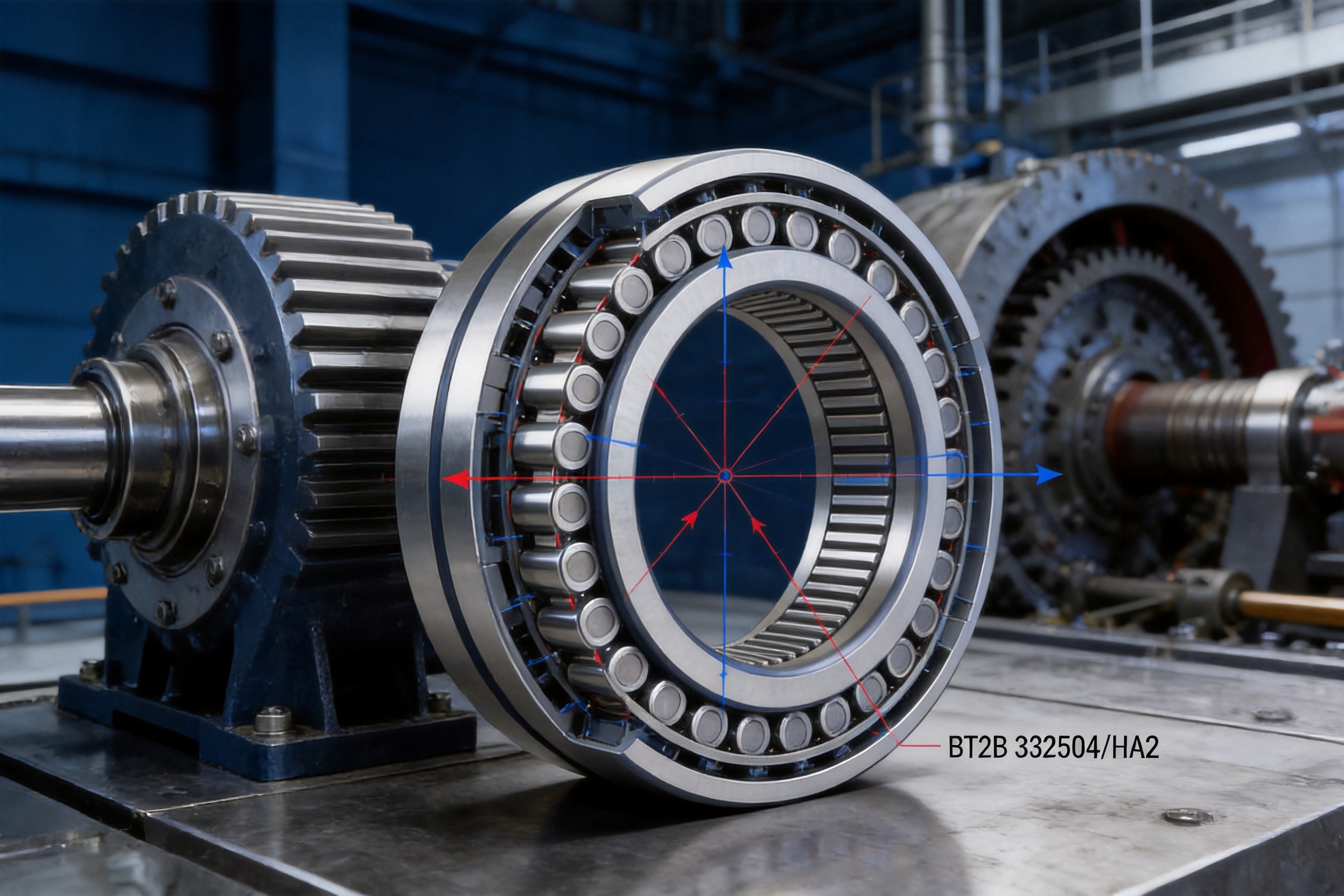
Ukl Bearing Manufacturing Co., Ltd. combines manufacturing with research and development. This is important because industrial bearing requirements are not identical across all sectors. A bearing for a robotic joint, a rolling mill, a gearbox, and a tunnel boring machine may require different internal geometry, materials, seals, lubrication methods, and dimensional tolerances.
The company’s engineering capabilities include the development of high-precision cross roller bearings, dual-direction thrust angular contact ball bearings, and other specialized products for CNC machines, robotics, intelligent automation, and industrial systems. This product diversity indicates an understanding of different load conditions and precision requirements.
Experience across multiple bearing categories can also support better application consultation. Engineers who work with cylindrical roller bearings, spherical roller bearings, angular contact ball bearings, mounted bearings, and tapered roller bearings can compare design alternatives and recommend a solution based on the complete operating profile.
Digital production control supports process consistency by organizing manufacturing information, monitoring key parameters, and improving communication between production and quality departments. When combined with practical engineering experience, digital control can help reduce variation and support repeatable product performance.
The manufacturer reports a production capacity of approximately 10,000 to 50,000 units per month. This range allows the company to serve both recurring industrial demand and project-based orders, subject to product type, specification, and production schedule.
Its factory includes multiple production lines covering forging, turning, heat treatment, grinding, assembly, and packaging. An integrated facility can provide several advantages over a fragmented supply chain. Production planning becomes more coordinated, quality information can be shared between stages, and engineering changes can be implemented with better control.
Vertical integration may also improve delivery reliability. When critical operations are managed within one manufacturing organization, the company has greater visibility into production status and can coordinate inspection, packaging, and shipment more efficiently.
Capacity alone does not determine product quality. The value of production scale comes from combining sufficient capacity with disciplined process control, trained personnel, equipment maintenance, inspection systems, and clear technical documentation. These factors are important when customers require repeat orders with stable performance.
Ukl Bearing Manufacturing Co., Ltd. serves customers in Europe, Asia, Africa, Russia, and other international markets. Its export experience includes customers and distributors in the United States, Italy, Germany, Poland, South Africa, Egypt, India, and additional regions.
International bearing supply requires more than manufacturing capability. Customers may need help with product identification, technical selection, packaging, documentation, delivery coordination, installation guidance, and after-sales support. A multilingual service team can improve communication and help reduce misunderstandings during technical discussions.
OEM and ODM support is valuable for customers with specialized requirements. These may include non-standard dimensions, customized internal clearance, alternative materials, special lubrication, different cage designs, corrosion protection, seals, packaging, or private labeling. Any customized design should be verified through engineering review, prototype evaluation, and appropriate testing before full production.
Application support is particularly important for double row tapered roller bearings because installation and operating conditions strongly affect performance. The manufacturer can help customers review load conditions, speed, lubrication, housing design, shaft fit, mounting procedures, and expected service life.
Before installation, confirm that the bearing identification matches the equipment drawing and purchase specification. Inspect the bearing packaging for damage and verify that the bearing is clean, properly preserved, and free from visible corrosion or impact marks.
The shaft and housing should be cleaned and measured before mounting. Dirt, burrs, raised metal, incorrect chamfers, and damaged shoulders can prevent proper seating. The shaft and housing fits must be appropriate for the direction and magnitude of the applied load.
Never apply mounting force through the rollers or cage. The force should be applied to the ring with the interference fit. Applying force through the rolling elements can create brinelling or raceway damage that may not be visible immediately but can lead to early vibration and fatigue.
Use suitable tools and controlled procedures for mounting. Hydraulic nuts, induction heaters, presses, or other approved methods may be used depending on the bearing size and equipment design. Heating should be controlled carefully; localized overheating can damage the material or remove protective lubricant.
After mounting, verify rotation, axial movement, endplay or preload, and any specified adjustment value. The bearing should rotate smoothly without abnormal noise or binding. If the bearing is part of a paired system or an adjusted assembly, the final setting should be checked after the components reach their operating position.
Lubrication separates contacting surfaces, reduces friction, carries away heat, protects against corrosion, and helps prevent wear. The correct lubricant depends on speed, load, temperature, contamination level, sealing arrangement, and relubrication interval.
Grease is commonly used where maintenance access is limited or where a sealed or semi-sealed arrangement is preferred. Oil lubrication may be suitable for high-speed, high-temperature, or continuously cooled systems. The selected lubricant must be compatible with the bearing materials, seals, cage, and operating conditions.
Over-lubrication can be as harmful as insufficient lubrication. Excess grease may increase churning, temperature, and friction. Insufficient lubricant may result in metal-to-metal contact, surface distress, overheating, and premature failure.
Maintenance teams should monitor temperature, vibration, noise, lubricant condition, and operating torque. A gradual change in any of these indicators may signal contamination, misalignment, inadequate lubrication, looseness, or developing fatigue damage.
Regular inspection should also include seals, housings, locking devices, lubrication lines, and adjacent gears or shafts. Bearing performance cannot be separated from the condition of the surrounding machine. Correcting the root cause of a failure is more effective than simply replacing the damaged bearing.
| Selection factor | Why it matters | Recommended review |
|---|---|---|
| Radial load | Determines the required roller contact capacity and fatigue life. | Calculate steady, fluctuating, and shock loads. |
| Axial load | Influences contact stress, adjustment, and bearing arrangement. | Confirm load direction and whether thrust reverses. |
| Rotational speed | Affects friction, heat generation, lubricant choice, and cage behavior. | Compare operating speed with the bearing’s permissible range. |
| Rigidity | Controls shaft displacement, gear alignment, and machine accuracy. | Evaluate shaft deflection and housing stiffness. |
| Internal clearance or preload | Influences heat, vibration, load distribution, and service life. | Follow the specified adjustment and measurement method. |
| Lubrication | Protects rolling contacts and controls operating temperature. | Select the lubricant and replenishment interval for the application. |
| Contamination | Dirt and moisture can cause indentation, corrosion, and early fatigue. | Review seals, filtration, storage, and maintenance practices. |
| Temperature | Changes material dimensions, lubricant performance, and clearance. | Consider normal, peak, and transient temperatures. |
| Mounting arrangement | Determines load transfer, axial location, and adjustment accuracy. | Confirm fits, shoulders, tools, and installation sequence. |
Selection should be based on the complete operating profile rather than on static load capacity alone. Engineers should consider fatigue life, static safety, speed, thermal conditions, contamination, misalignment, vibration, and maintenance access.
Many bearing failures are associated with installation, lubrication, contamination, or alignment rather than with the basic bearing design. Preventive measures can significantly improve the operating life of the BT2B 332504/HA2.
Incorrect mounting can produce raceway dents, ring distortion, looseness, or excessive preload. Clean tools, correct force application, accurate measurement, and trained personnel are therefore essential.
Contamination can enter through damaged seals, open housings, poor storage, or unclean lubrication equipment. Fine abrasive particles can polish or score surfaces, while larger particles can create indentations. Moisture can cause corrosion and lubricant deterioration.
Misalignment can concentrate load on one edge of the rollers or raceways. Although tapered roller bearings can tolerate some application-related variation, excessive misalignment may cause uneven contact, heat, vibration, and shortened life. Shaft and housing geometry should be checked during equipment overhaul.
Overloading may occur when actual operating conditions exceed the original design assumptions. Shock, impact, emergency stops, process jams, and unexpected thrust can all increase bearing stress. A safety margin should be included in the design, and unusual operating events should be reviewed during failure analysis.
Electrical damage may occur in equipment with electric motors, variable frequency drives, or poorly controlled grounding paths. When electrical current may pass through the bearing, suitable insulation or grounding measures should be considered by the equipment designer.
Modern bearing manufacturing must address both product performance and environmental responsibility. Ukl Bearing Manufacturing Co., Ltd. reports efforts to adopt environmentally responsible processes, promote material recycling, and optimize energy use.
Efficient production planning can reduce material waste, unnecessary transportation, and energy consumption. Recycling process materials and managing industrial fluids responsibly can also reduce environmental impact. The long service life of a well-manufactured bearing contributes to sustainability by reducing replacement frequency and associated resource consumption.
Durability is particularly important in heavy industry. A bearing that operates reliably for a longer period can reduce the demand for raw materials, packaging, transportation, maintenance labor, and disposal. Proper lubrication and preventive maintenance further support sustainable operation by improving energy efficiency and reducing avoidable failures.
The company also supports educational and technical training initiatives intended to foster engineering talent. Training contributes to sustainability by building skills in manufacturing, quality control, maintenance, and responsible industrial operation.
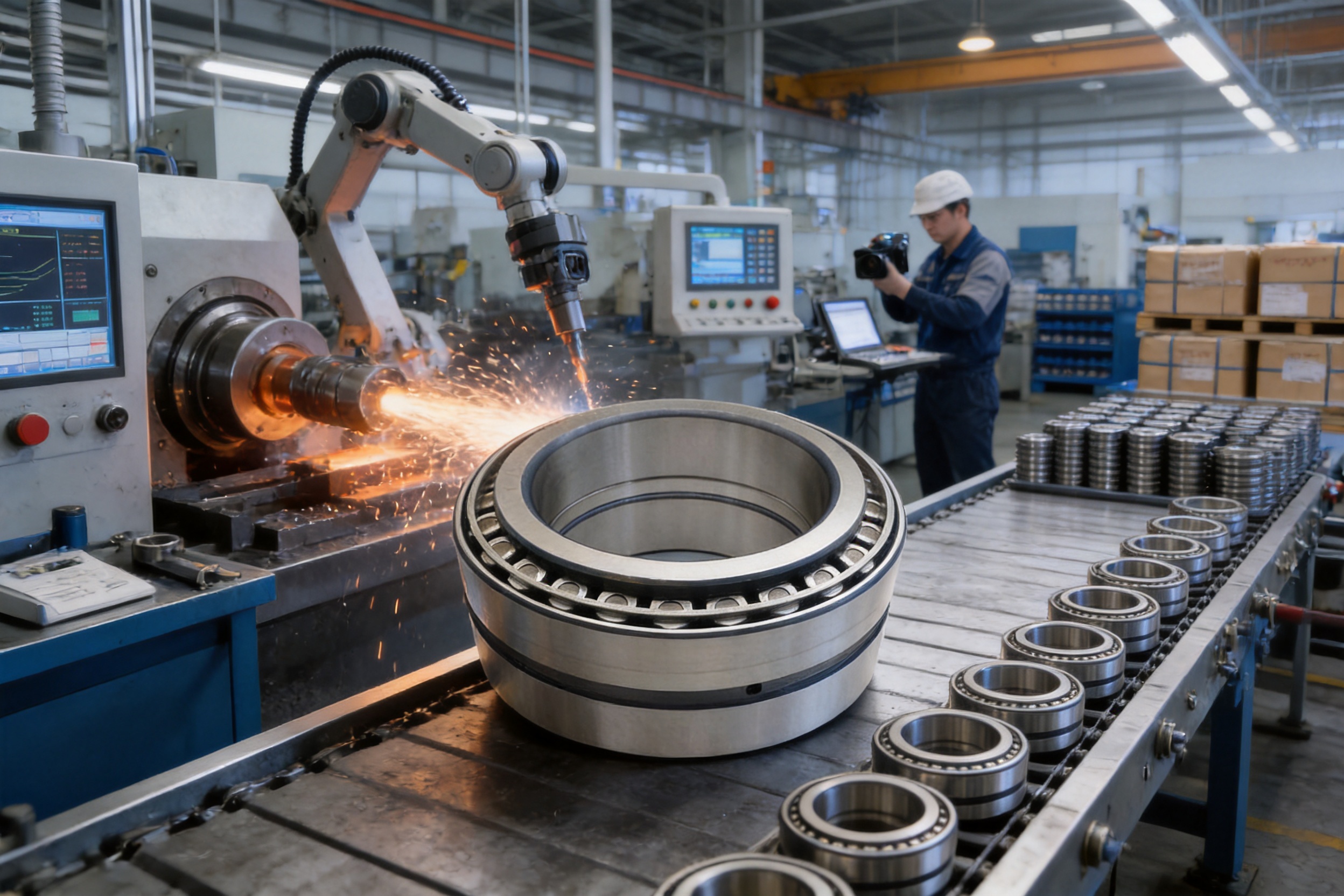
The BT2B 332504/HA2 offers a combination of features that are difficult to achieve with a simpler bearing arrangement. Its double row tapered roller design supports heavy radial loads, bidirectional axial loads, and strong resistance to tilting. This combination makes it suitable for machinery where stability and load capacity are more important than minimal friction at very high speed.
Its potential advantages over competing solutions include greater axial versatility than many single row bearings, more integrated support than separate radial and thrust arrangements, and stronger heavy-load capability than many ball bearing alternatives. The compact double row structure may also simplify equipment design and reduce assembly complexity.
These design advantages are supported by the manufacturer’s integrated production capabilities. Forging, turning, heat treatment, grinding, assembly, inspection, and packaging are coordinated within a complete manufacturing system. Research and development resources support product adaptation, while international service capabilities help customers with technical selection and after-sales requirements.
For the end user, the most important value is dependable machine operation. A bearing is not merely a replaceable component; it influences shaft alignment, gear performance, vibration, energy consumption, maintenance intervals, and total equipment productivity. Selecting a correctly engineered and consistently manufactured bearing can therefore have a significant effect on the entire machine.
The BT2B 332504/HA2 is a double row tapered roller bearing. It is designed to support substantial radial loads and axial loads acting in both directions.
Its principal advantage is the ability to combine high radial load capacity, bidirectional axial load support, and strong rigidity in one bearing arrangement. This can reduce the need for two separate single row bearings in some applications.
Typical applications include industrial gearboxes, rolling mills, tunnel boring machines, heavy-duty transmissions, construction equipment, mining machinery, and other systems exposed to combined loads and demanding operating conditions.
No. Replacement requires a detailed engineering review. The designer must compare dimensions, load ratings, speed, internal clearance, axial adjustment, lubrication, shaft and housing fits, and operating temperature.
Internal clearance affects load distribution, heat generation, vibration, and shaft movement. Excessive clearance can reduce rigidity, while insufficient clearance can create excessive preload and operating temperature.
The correct lubricant depends on speed, load, temperature, contamination, sealing, and maintenance conditions. Grease and oil may both be suitable in different applications, but the lubricant specification should be confirmed before operation.
Use correct mounting tools, maintain cleanliness, apply the proper lubricant, protect the bearing from contamination, control alignment, verify adjustment, and monitor temperature and vibration during service.
The manufacturer’s production system includes forging, turning, heat treatment, precision grinding, assembly, inspection, and packaging. Controlling these stages helps achieve consistent material properties, geometry, surface finish, and rotational performance.
As an OEM and ODM-oriented bearing manufacturer, the company can review customized requirements such as dimensions, internal design, lubrication, materials, packaging, and application conditions. Specific feasibility must be confirmed through technical evaluation.
Useful information includes bearing position, shaft and housing dimensions, radial and axial loads, rotational speed, load direction, temperature, lubricant, contamination level, operating cycle, mounting method, and available maintenance access.
The BT2B 332504/HA2 double row tapered roller bearing is engineered for industrial systems that require high capacity, strong rigidity, and reliable support for combined radial and axial loads. Its two-row tapered design provides bidirectional thrust capability and stable shaft guidance, making it a valuable option for gearboxes, rolling mills, tunnel boring machines, heavy transmissions, and other demanding equipment.
Compared with many competing arrangements, the bearing can offer a more integrated solution than paired single row bearings, greater heavy-load strength than many ball bearing designs, and stronger axial positioning than standard cylindrical roller bearing configurations. Its performance depends on correct selection, accurate mounting, suitable lubrication, effective contamination control, and appropriate maintenance.
Ukl Bearing Manufacturing Co., Ltd. strengthens this product offering through integrated manufacturing, research and development, international service, OEM/ODM experience, and a production system covering the major stages of bearing production. By combining precision engineering with responsible manufacturing and technical support, the company provides a practical foundation for customers seeking dependable industrial bearing solutions.
1. Harris, T. A., and Kotzalas, M. N., Rolling Bearing Analysis, Fundamental Concepts of Bearing Design.
2. SKF, Rolling Bearings Catalogue, Principles of Bearing Selection and Application.
3. Timken, Engineering Manual, Tapered Roller Bearing Design and Application Principles.
4. ISO 281, Rolling Bearings — Dynamic Load Ratings and Rating Life.
5. ISO 76, Rolling Bearings — Static Load Ratings.
6. ISO 492, Rolling Bearings — Radial Bearings — Geometrical Product Specifications and Tolerance Values.
7. ISO 15243, Rolling Bearings — Damage and Failures — Terms, Characteristics, and Causes.
8. Manufacturer technical information for double row tapered roller bearing applications, production, installation, lubrication, and maintenance.
Product Categories
Contact Us

Jane@ukl-bearing.com
Jenny@ukl-bearing.com
Andy@ukl-bearing.com
Ivy@ukl-bearing.com

+86-510- 88763239
+86-15371057968

No.1 Hehuan Road, Hudai Town, Binhu District, Wuxi City.
Ready to Begin?
Get in Touch

Now!
UKL BEARING
 English
 Español
 русский