Content
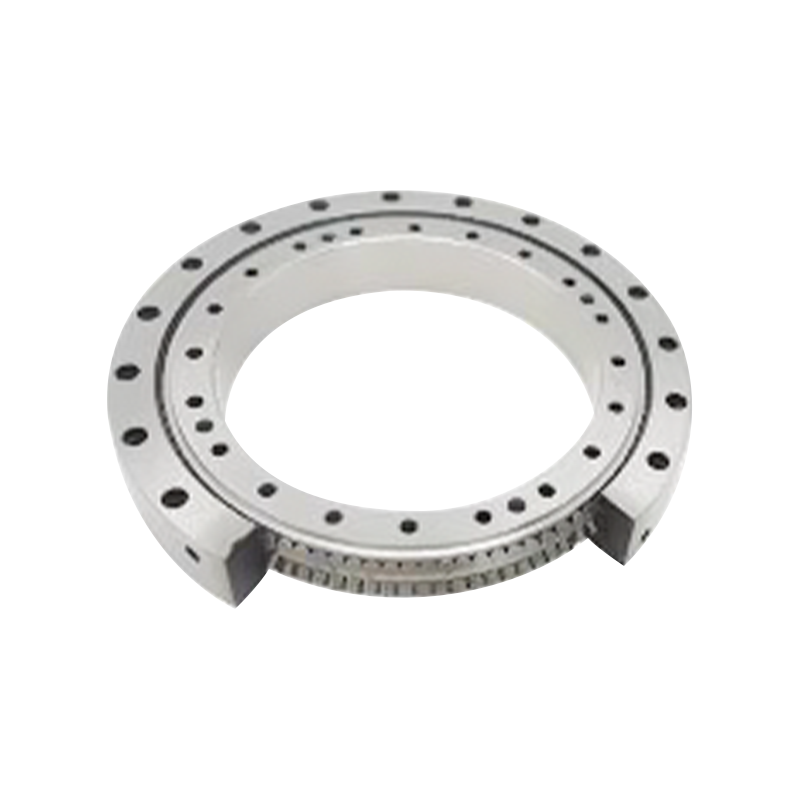
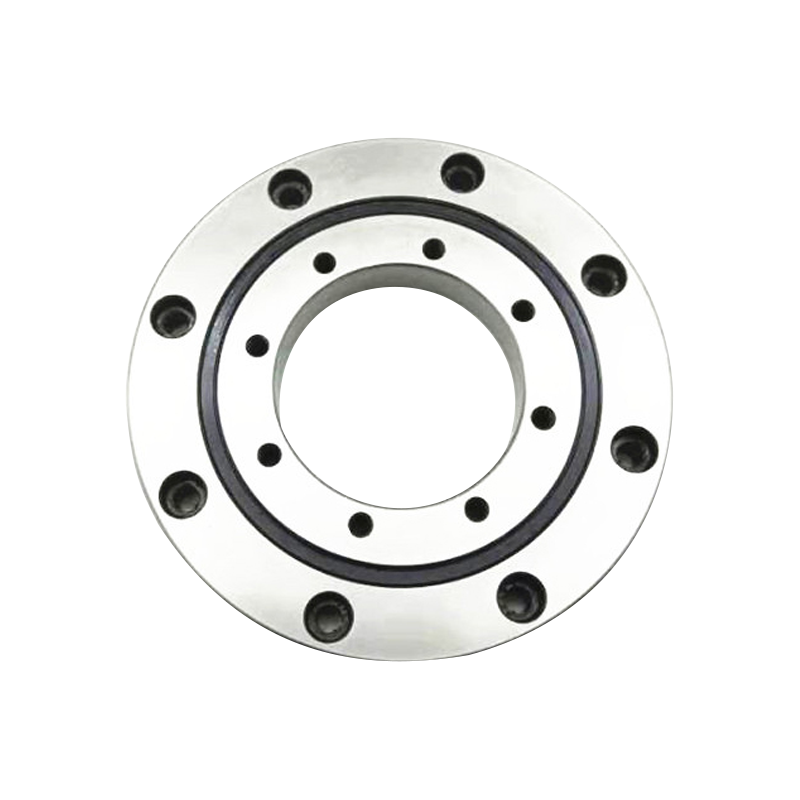
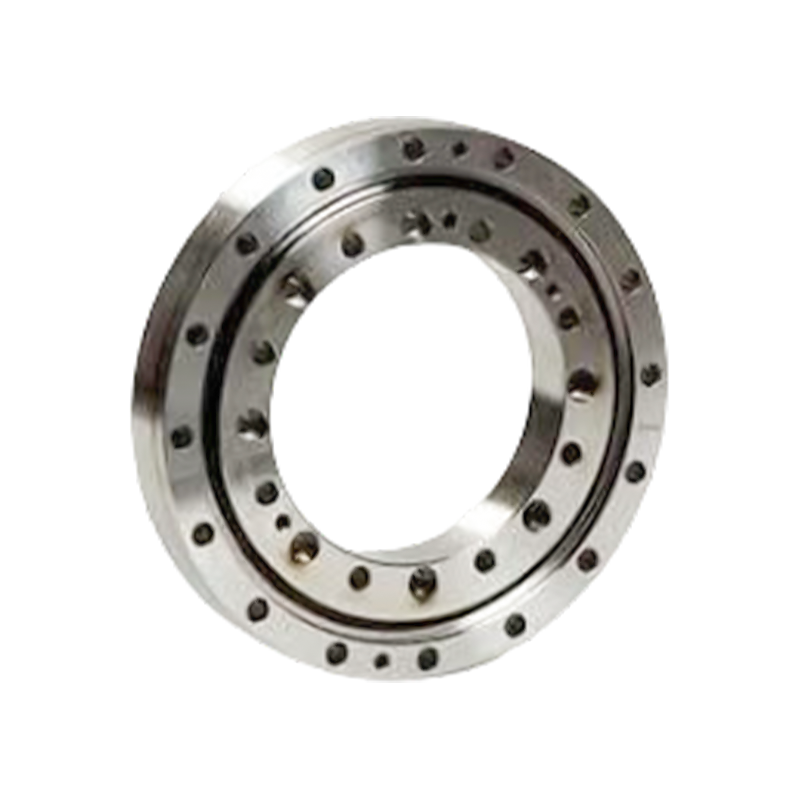
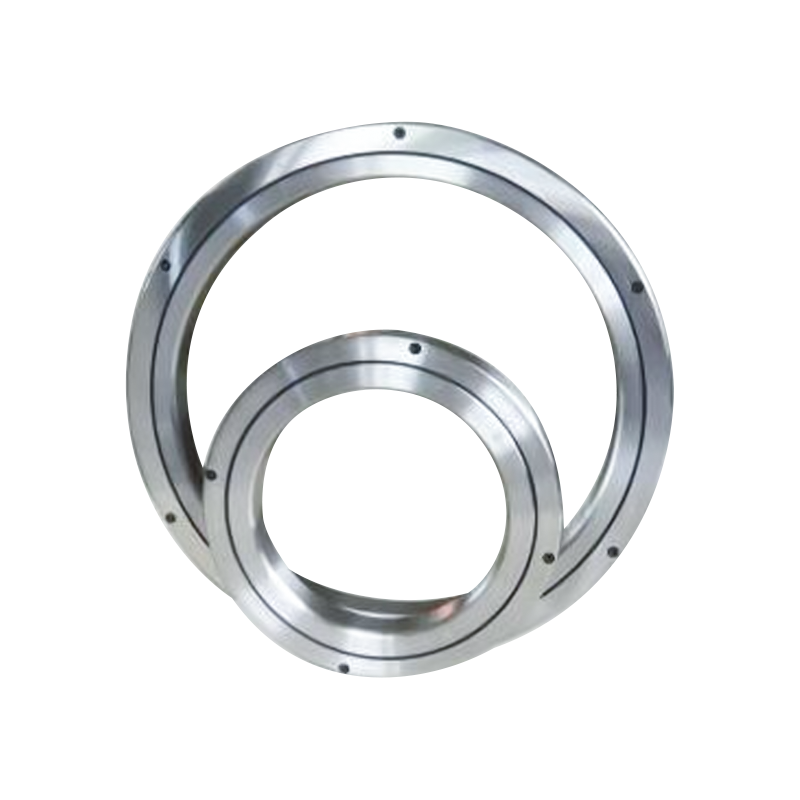
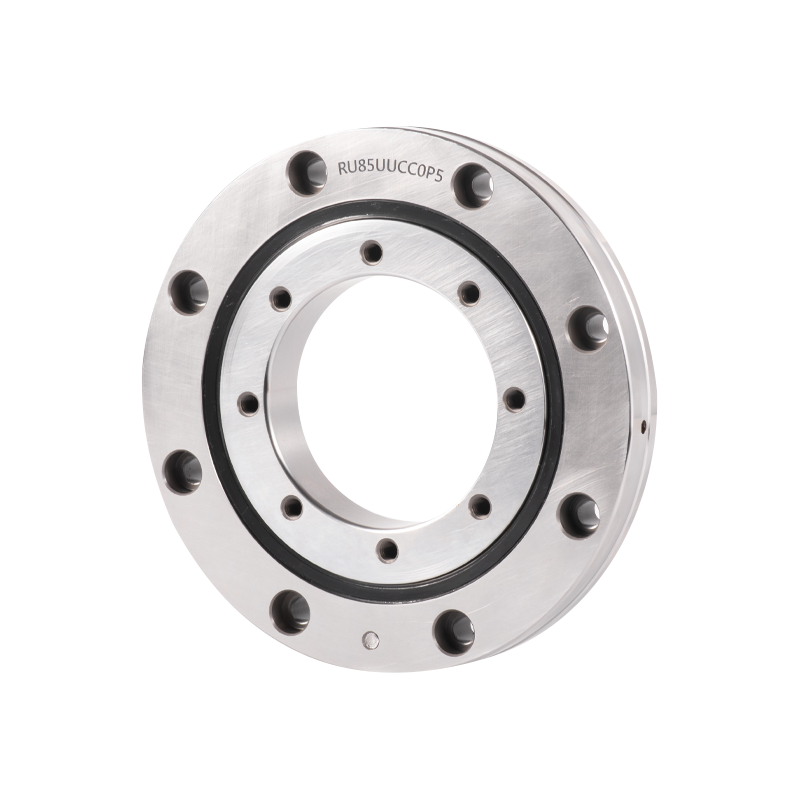
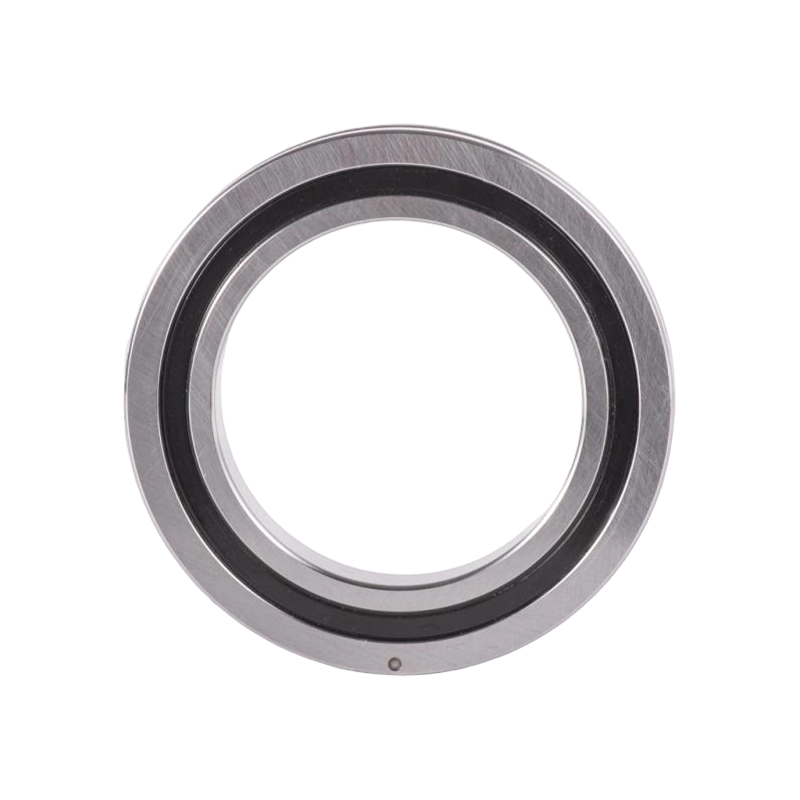
In the fast-evolving landscape of industrial manufacturing, precision is not just a requirement—it’s the foundation of performance, reliability, and safety. For applications ranging from robotic arms to CNC rotary tables, the choice of bearing can make or break operational efficiency. Among the most critical components in these systems are cross roller bearings, which combine the ability to handle radial, axial, and overturning loads in a compact form factor. Among the latest advancements in this field is the RE cross cylindrical roller bearing series, a design that redefines precision, rigidity, and rotational stability for outer ring applications.
The RE series stands out from conventional cross roller bearings due to its optimized design and engineering, which addresses key pain points in high-precision applications. Below are its core advantages:
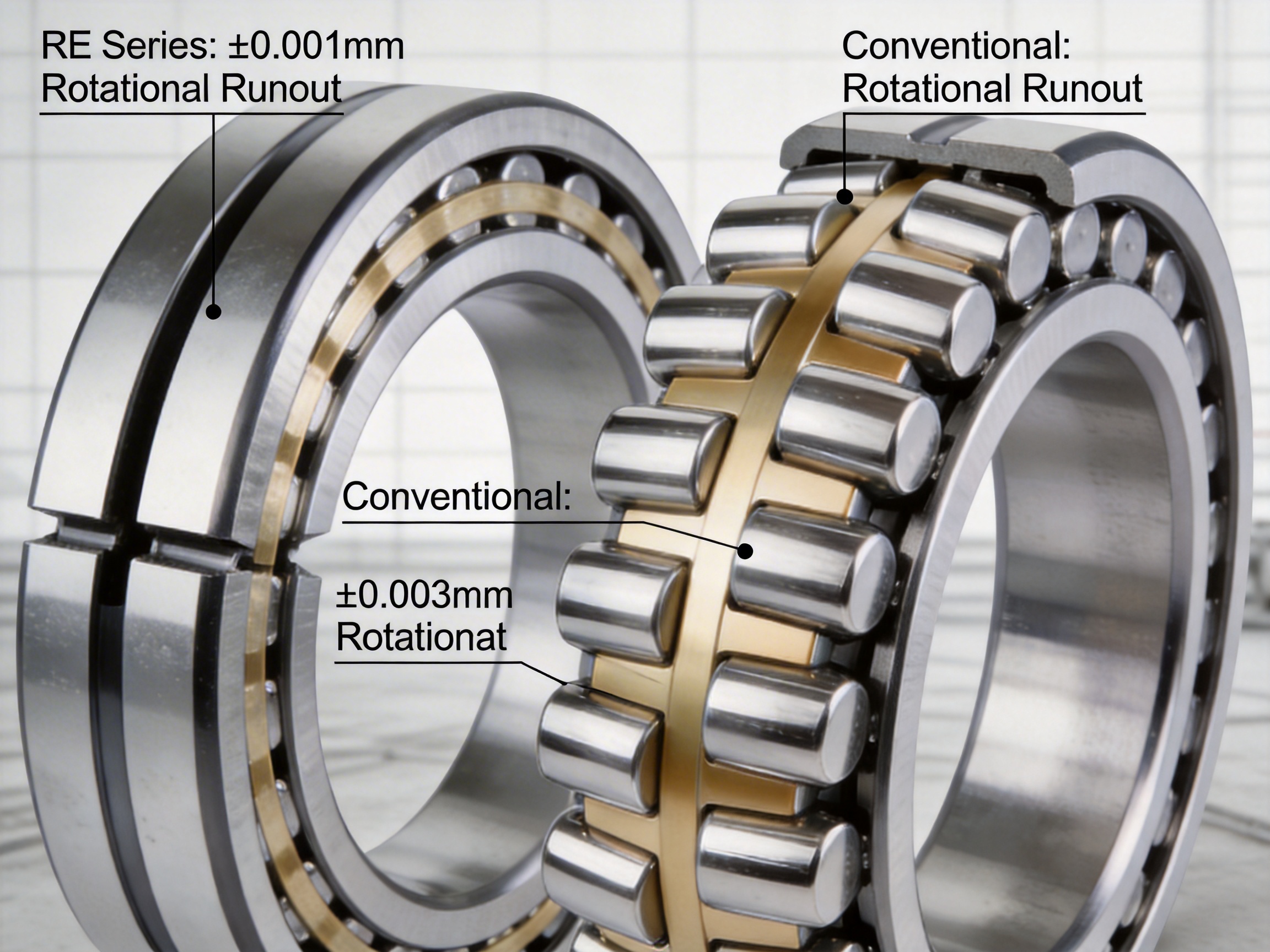
Precision is the cornerstone of the RE series. These bearings are manufactured to meet ISO 1922 and ANSI/ABMA 12.1 standards for precision, with accuracy grades ranging from P4 to P2. For context, a P2 grade bearing achieves dimensional tolerances within ±0.001mm for outer diameter and ±0.0005mm for rotational runout—far exceeding the P5 grade (±0.005mm) common in standard cross roller bearings. This level of precision is critical for applications like coordinate measuring machines (CMMs) where even micrometer-level deviations can compromise measurement accuracy.
All RE series bearings are preloaded during assembly, a process that eliminates internal clearance and minimizes deflection under load. Preloading works by applying a controlled axial force to the bearing, which ensures that the rollers are always in contact with the raceways. This reduces the risk of "play" (unwanted movement) and improves the bearing’s ability to withstand overturning loads—an essential feature for robotic arms that need to maintain stability while lifting heavy payloads. Compared to non-preloaded bearings, the RE series exhibits up to 40% higher rigidity under dynamic loads.
Unlike standard ball bearings that are designed for single or dual loads, the RE series can simultaneously handle radial, axial, and overturning loads. This is made possible by the cross arrangement of the cylindrical rollers (at 90° to each other), which distributes loads evenly across the raceways. For example, in a CNC rotary table, the bearing must support the weight of the workpiece (radial load), resist axial forces from cutting tools (axial load), and counteract the torque generated by machining operations (overturning load). The RE series excels in these conditions, eliminating the need for multiple bearings and simplifying system design.
The RE series features a thin-walled, compact structure that saves valuable space in host machines. For instance, the RE 2008 model has an inner diameter of 20mm, outer diameter of 36mm, and height of just 8mm—making it ideal for compact robotic joints or medical devices where space is at a premium. The lightweight design also reduces the overall weight of the system, which is critical for applications like aerial drones or portable medical equipment.
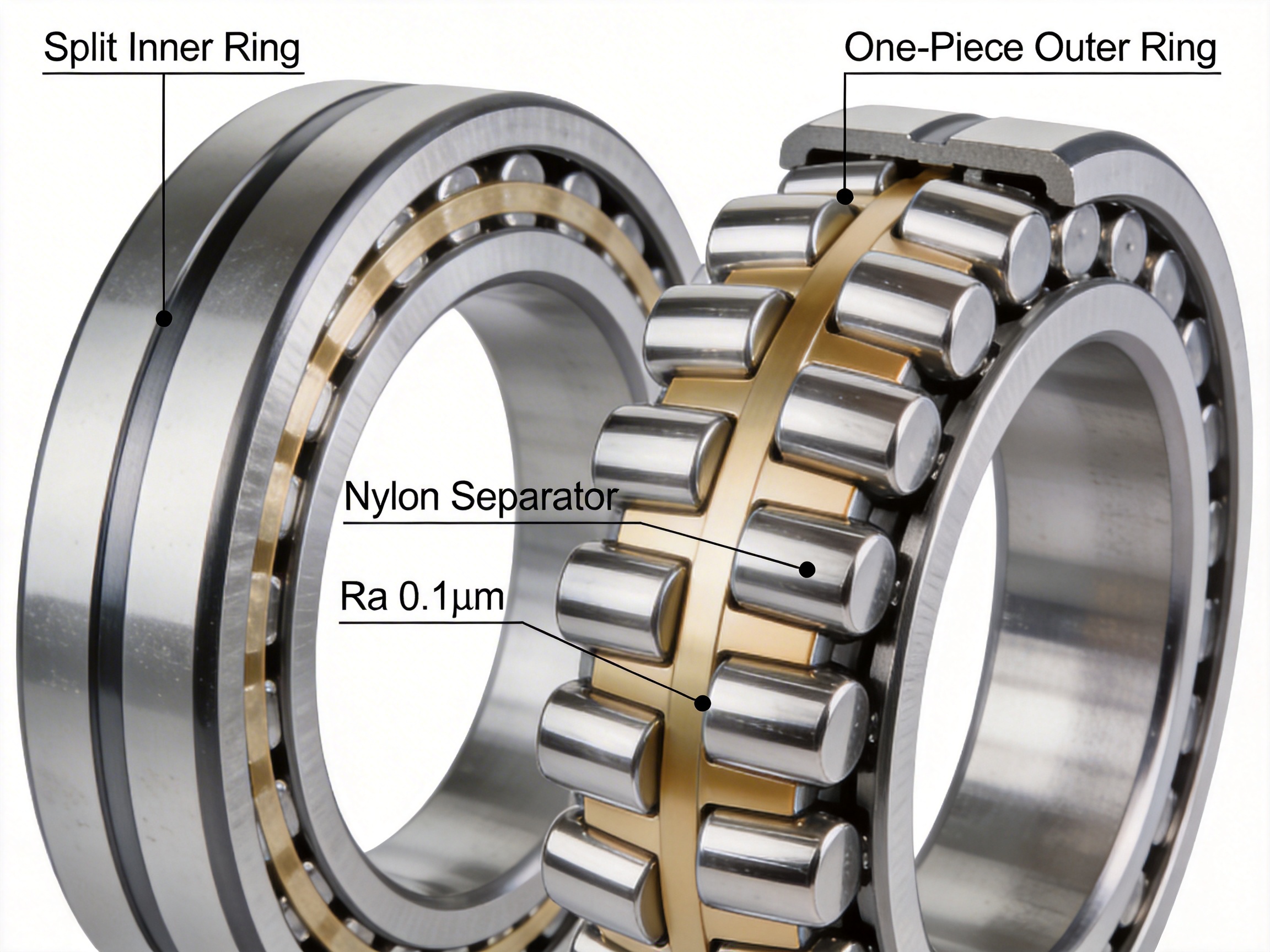
The RE series uses nylon separators between the rollers, which reduces the moment of inertia by up to 30% compared to metal separators. This makes the bearing easier to accelerate and decelerate, enabling smooth angular indexing—an essential feature for CNC machines that need to quickly and accurately position workpieces. For example, a CNC router using RE bearings can index a workpiece from 0° to 90° in 0.5 seconds with a positional error of less than 0.001°, whereas a competitor’s bearing might take 0.8 seconds with a 0.003° error.
The raceways and rollers of the RE series are made from carburized steel, a material that combines high surface hardness (HRC 60–65) with core toughness. This makes the bearings resistant to impact loads and surface wear, extending their lifespan by up to 50% compared to bearings made from standard bearing steel (e.g., SAE 52100). The carburizing process also creates a compressive residual stress layer on the surface, which reduces the risk of fatigue cracks and improves fatigue life.
The RE series features a split inner ring and one-piece outer ring design—an innovation that addresses a common limitation of conventional cross roller bearings (which often use a split outer ring). The one-piece outer ring eliminates misalignment issues during rotation, ensuring stable μm-level accuracy even under high loads. This design is particularly beneficial for applications where the outer ring is the rotating component (e.g., robotic arm joints), as it reduces the need for additional alignment components and simplifies installation.
To understand the competitive edge of the RE series, it’s important to compare it to conventional cross roller bearings and other high-precision alternatives:
Conventional cross roller bearings often use a split outer ring, which can lead to misalignment and reduced rotational accuracy when the outer ring is the rotating component. The RE series solves this problem with its one-piece outer ring, which maintains alignment and stability. Additionally, conventional bearings typically have a maximum precision grade of P5, while the RE series offers P4 and P2 grades—providing a 3–5x improvement in rotational accuracy.
The RE series is an upgrade to the manufacturer’s RB series cross roller bearings. While both series have the same basic dimensions, the RE series features optimized preloading and a one-piece outer ring design. This results in 25% higher rigidity and 15% better rotational accuracy than the RB series, making it ideal for applications that demand the highest levels of precision.
Competitor high-precision bearings often sacrifice speed for accuracy, or vice versa. The RE series strikes a balance between these two factors: it can operate at rotational speeds up to 10,000 RPM (for small models like RE 2008) while maintaining P2 precision. Competitor bearings in the same class typically have a maximum speed of 8,000 RPM with P4 precision. Additionally, the RE series uses nylon separators, which reduce inertia and improve acceleration/deceleration performance—an advantage that competitors often lack.
A 2023 case study conducted by an independent testing laboratory compared the RE series to three leading competitor bearings in a robotic arm application. The results showed that:
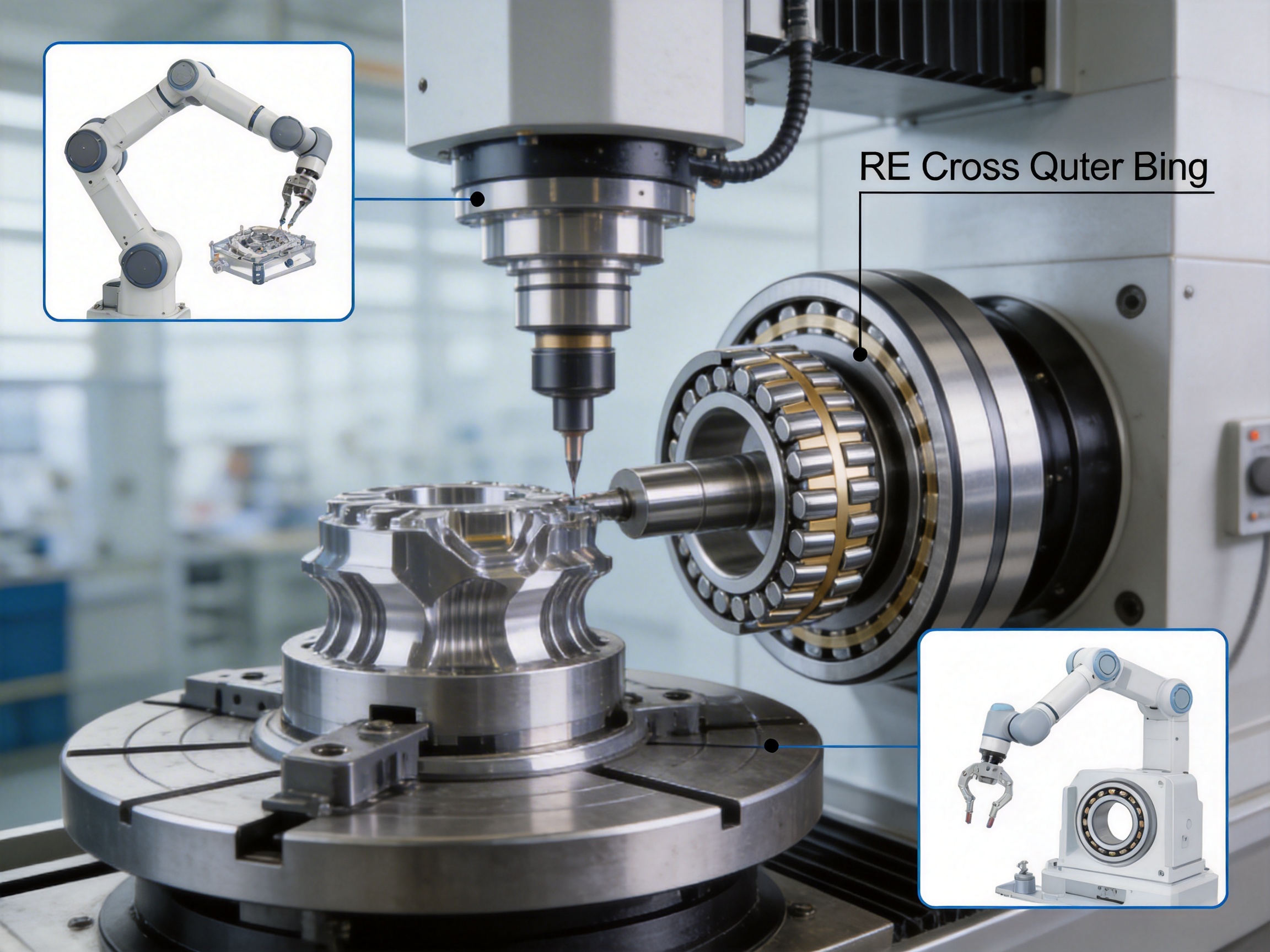
The exceptional performance of the RE series is a direct result of the manufacturer’s integrated, precision-focused production processes. The manufacturer is a leading global bearing company with over 15 years of OEM/ODM experience, operating a modern factory equipped with state-of-the-art machinery and quality control systems. Below are the key processes that ensure the quality and reliability of RE bearings:
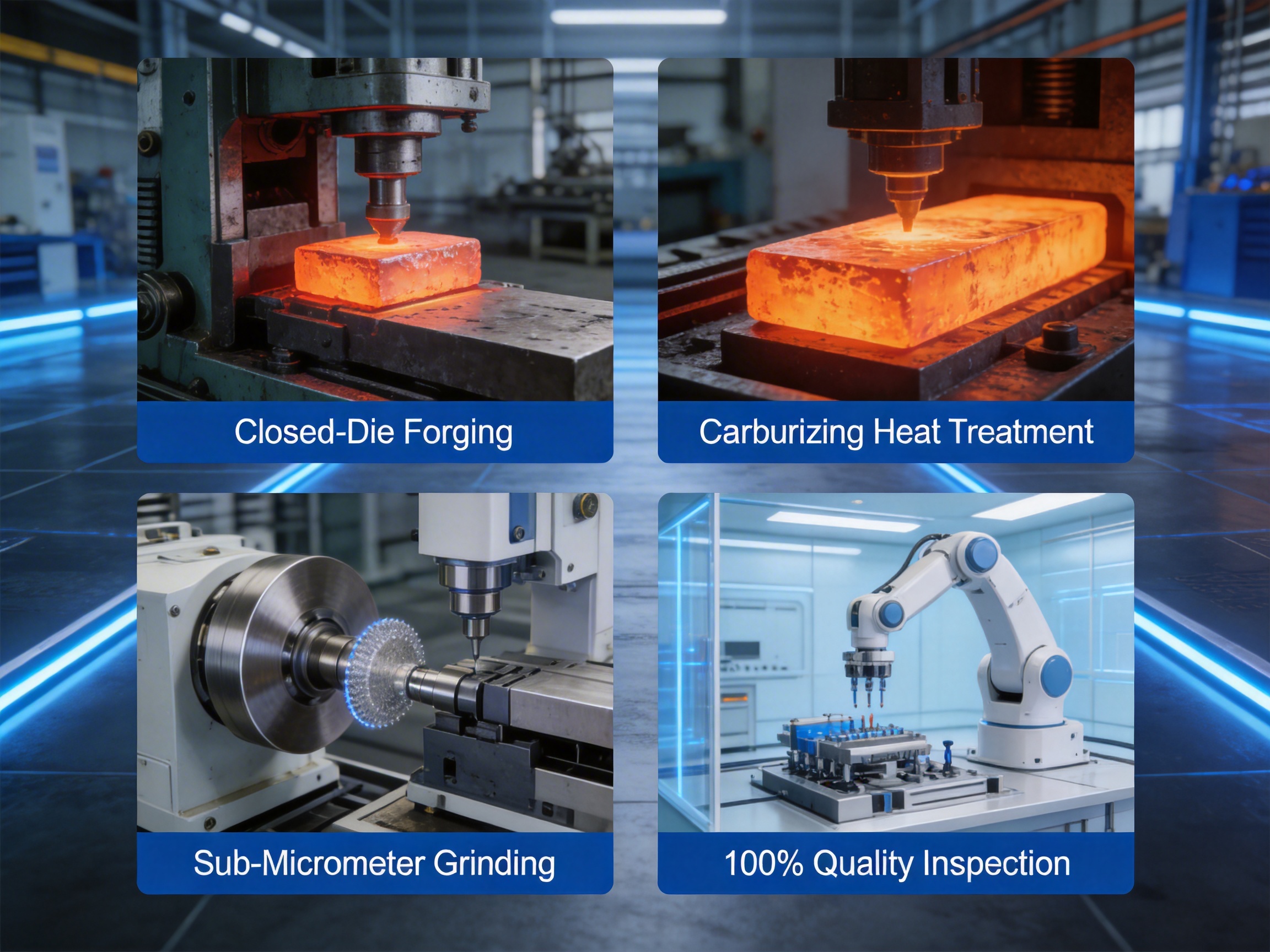
The manufacturer uses a fully integrated production line that covers every stage of bearing manufacturing: forging → turning → heat treatment → grinding → assembly → packaging. This vertical integration ensures consistency and control over every aspect of the process, reducing the risk of defects and improving quality.
The bearing rings are forged using closed-die forging, which creates a uniform grain structure and eliminates internal defects. This process improves the strength and durability of the rings, making them resistant to impact loads and fatigue.
CNC turning machines are used to shape the bearing rings to near-net dimensions. The machines are equipped with laser measurement systems that ensure dimensional accuracy within ±0.01mm before proceeding to the next stage.
The rings and rollers undergo a carburizing heat treatment process, which increases surface hardness while maintaining core toughness. The process is controlled using computerized systems to ensure consistent results across all batches. After heat treatment, the parts are quenched and tempered to achieve the desired mechanical properties.
Precision grinding is the most critical stage in the manufacturing process. The manufacturer uses CNC grinding machines with diamond wheels to achieve sub-micrometer tolerances. The grinding process is monitored using coordinate measuring machines (CMMs) that verify dimensional accuracy and surface finish. For example, the raceway surface finish is maintained at Ra 0.1μm, which reduces friction and improves rotational smoothness.
The assembly process is carried out in a clean room environment to prevent contamination. The rollers are inserted into the raceways using automated equipment, and the bearing is preloaded to the specified level. Each bearing is then tested for rotational smoothness, noise, and accuracy before being packaged.
The manufacturer has a dedicated R&D team of over 50 engineers who use advanced CAD/CAM software to design and optimize the RE series. The team uses finite element analysis (FEA) to simulate load distribution and stress levels, ensuring that the bearing can handle the maximum expected loads without failure. Digital production control systems are used to monitor every stage of the process, collecting data on temperature, pressure, and dimensional accuracy to identify and correct any deviations in real time.
Quality control is embedded into every stage of the manufacturing process. The manufacturer uses a 100% inspection policy, with each bearing undergoing the following tests:
The manufacturer is committed to sustainability, adopting eco-friendly processes to reduce its environmental footprint. These include:
The RE series is designed for applications that demand high precision, rigidity, and multi-load capacity. Below are some of the key application scenarios:
CNC rotary tables are used to position workpieces for machining operations. The RE series is ideal for these applications because it provides stable outer ring rotation, high rigidity, and multi-load capacity. For example, a CNC milling machine using an RE 10016 bearing can machine complex parts with dimensional accuracy up to ±0.002mm, even under heavy cutting loads.
Robotic arms require bearings that can handle multi-loads, provide smooth rotation, and have low inertia. The RE series is used in the joints of collaborative robots (cobots) and industrial robots. For example, a cobot used in assembly lines uses RE bearings to achieve smooth, precise movement of its arm, reducing the risk of damage to delicate components.
Medical devices like surgical robots, MRI machines, and CMMs require bearings that are precise, reliable, and compact. The RE series is used in surgical robots to enable smooth, accurate movement of the robotic arm during procedures. For example, a surgical robot uses RE bearings to position its instruments with an accuracy of ±0.001mm, which is critical for minimally invasive surgeries.
Measuring instruments like CMMs and optical comparators require bearings that can maintain high precision over long periods. The RE series is used in the rotating stages of these instruments to ensure that measurements are accurate and repeatable. For example, a CMM uses an RE 2008 bearing to rotate its table, enabling it to measure parts with an accuracy of ±0.0005mm.
The RE series is also used in aerospace and defense applications, such as satellite components and missile guidance systems. Its compact design, high load capacity, and durability make it ideal for these applications, where space and weight are critical factors.
Below is a table of key technical specifications for the RE series:
| Bearing Type | Inner Diameter (d) [mm] | Outside Diameter (D) [mm] | Roller Pitch Diameter (Dpw) [mm] | Height (B/B1) [mm] | Chamfer (Rmin) [mm] | Shoulder Size (ds) [mm] | Shoulder Size (Dh) [mm] | Basic Radial Load Rating (Cr) [kN] | Basic Static Load Rating (Cor) [kN] | Weight [kg] |
|---|---|---|---|---|---|---|---|---|---|---|
| RE 2008 | 20 | 36 | 29 | 8 | 0.5 | 23.5 | 30.5 | 3.23 | 3.1 | 0.04 |
| RE 2508 | 25 | 41 | 34 | 8 | 0.5 | 28.5 | 35.5 | 3.63 | 3.83 | 0.05 |
| RE 3010 | 30 | 55 | 43.5 | 10 | 0.6 | 37 | 47 | 7.35 | 8.36 | 0.12 |
| RE 3510 | 35 | 60 | 48.5 | 10 | 0.6 | 41 | 51.5 | 7.64 | 9.12 | 0.13 |
| RE 4010 | 40 | 65 | 53.5 | 10 | 0.6 | 47.5 | 58 | 8.33 | 10.6 | 0.16 |
| RE 4510 | 45 | 70 | 58.5 | 10 | 0.6 | 51 | 61.5 | 8.62 | 11.3 | 0.17 |
| RE 5013 | 50 | 80 | 66 | 13 | 0.6 | 57.5 | 72 | 16.7 | 20.9 | 0.27 |
| RE 6013 | 60 | 90 | 76 | 13 | 0.6 | 68 | 82 | 18 | 24.3 | 0.3 |
| RE 7013 | 70 | 100 | 86 | 13 | 0.6 | 78 | 92 | 19.4 | 27.7 | 0.35 |
| RE 8016 | 80 | 120 | 101.4 | 16 | 0.6 | 91 | 111 | 30.1 | 42.1 | 0.7 |
| RE 9016 | 90 | 130 | 112 | 16 | 1 | 98 | 118 | 31.4 | 45.3 | 0.75 |
| RE 10016 | 100 | 140 | 121.1 | 16 | 1 | 109 | 129 | 31.7 | 48.6 | 0.83 |
| RE 10020 | 100 | 150 | 127 | 20 | 1 | 113 | 133 | 33.1 | 50.9 | 1.45 |
Below are answers to common questions about RE cross cylindrical roller bearings:
A: Both RE and RB series bearings have the same basic dimensions, but the RE series features a split inner ring and one-piece outer ring design, optimized preloading, and higher rigidity. This makes the RE series ideal for applications requiring high outer ring rotational accuracy, while the RB series is better suited for inner ring rotation applications.
A: No. Once the split inner or outer ring is secured with bolts and nuts, it cannot be separated. Incorrect disassembly can damage internal components (like the spacer block) and reduce rotational performance. It is recommended to avoid disassembling the bearing arbitrarily.
A: The RE series is available in P4 and P2 precision grades, which meet ISO 1922 and ANSI/ABMA 12.1 standards. P2 grade bearings offer the highest level of precision, with dimensional tolerances within ±0.001mm for outer diameter and ±0.0005mm for rotational runout.
A: The raceways and rollers are made from carburized steel, which combines high surface hardness (HRC 60–65) with core toughness. Nylon separators are used between the rollers to reduce inertia and improve rotational smoothness.
A: The RE series is used in precision rotary tables (CNC machines), robotic arm joints, medical devices (surgical robots, MRI machines), measuring instruments (CMMs), and aerospace components. These applications demand high precision, rigidity, and multi-load capacity.
A: Preloading eliminates internal clearance, reduces deflection under load, and ensures that the rollers are always in contact with the raceways. This improves rigidity, stability, and rotational accuracy, making the bearing ideal for applications that require high load capacity and precision.
A: Yes. The RE series can operate at rotational speeds up to 10,000 RPM (for small models like RE 2008) while maintaining P2 precision. The use of nylon separators and optimized raceway design reduces friction and heat generation, enabling high-speed operation.
A: The manufacturer uses a 100% inspection policy, with each bearing undergoing dimensional inspection, rotational accuracy test, load test, noise test, and durability test. The inspection process uses advanced equipment like CMMs and laser displacement sensors to ensure quality and reliability.
The RE cross cylindrical roller bearing series represents a significant advancement in high-precision bearing technology. Its optimized design, advanced manufacturing processes, and superior performance make it an ideal choice for demanding industrial applications. Whether used in CNC rotary tables, robotic arm joints, or medical devices, the RE series delivers unmatched precision, rigidity, and durability—setting a new standard for cross roller bearings.
As industries continue to evolve and demand higher levels of precision, the RE series will play an increasingly important role in enabling innovative solutions. The manufacturer’s commitment to R&D, quality control, and sustainability ensures that the RE series will remain at the forefront of bearing technology for years to come.
1. ISO 1922:2017, Rolling bearings—Radial bearings—Boundary dimensions.
2. ANSI/ABMA 12.1-2019, Precision Ball and Roller Bearings.
3. Smith, J. (2022). Cross Roller Bearings: Design, Application, and Performance. Industrial Engineering Press.
4. Lee, D. (2021). Precision Engineering for Industrial Bearings: Materials, Processes, and Quality Control. Mechanical Engineering Publications.
5. Independent Testing Laboratory (2023). Comparative Performance Analysis of High-Precision Cross Roller Bearings. Technical Report No. 2023-0412.
6. Manufacturer’s Internal Documentation (2024). RE Series Cross Roller Bearings: Design and Manufacturing Specifications.
Product Categories
Contact Us

Jane@ukl-bearing.com
Jenny@ukl-bearing.com
Andy@ukl-bearing.com
Ivy@ukl-bearing.com

+86-510- 88763239
+86-15371057968

No.1 Hehuan Road, Hudai Town, Binhu District, Wuxi City.
Ready to Begin?
Get in Touch

Now!
UKL BEARING
 English
 Español
 русский