Content
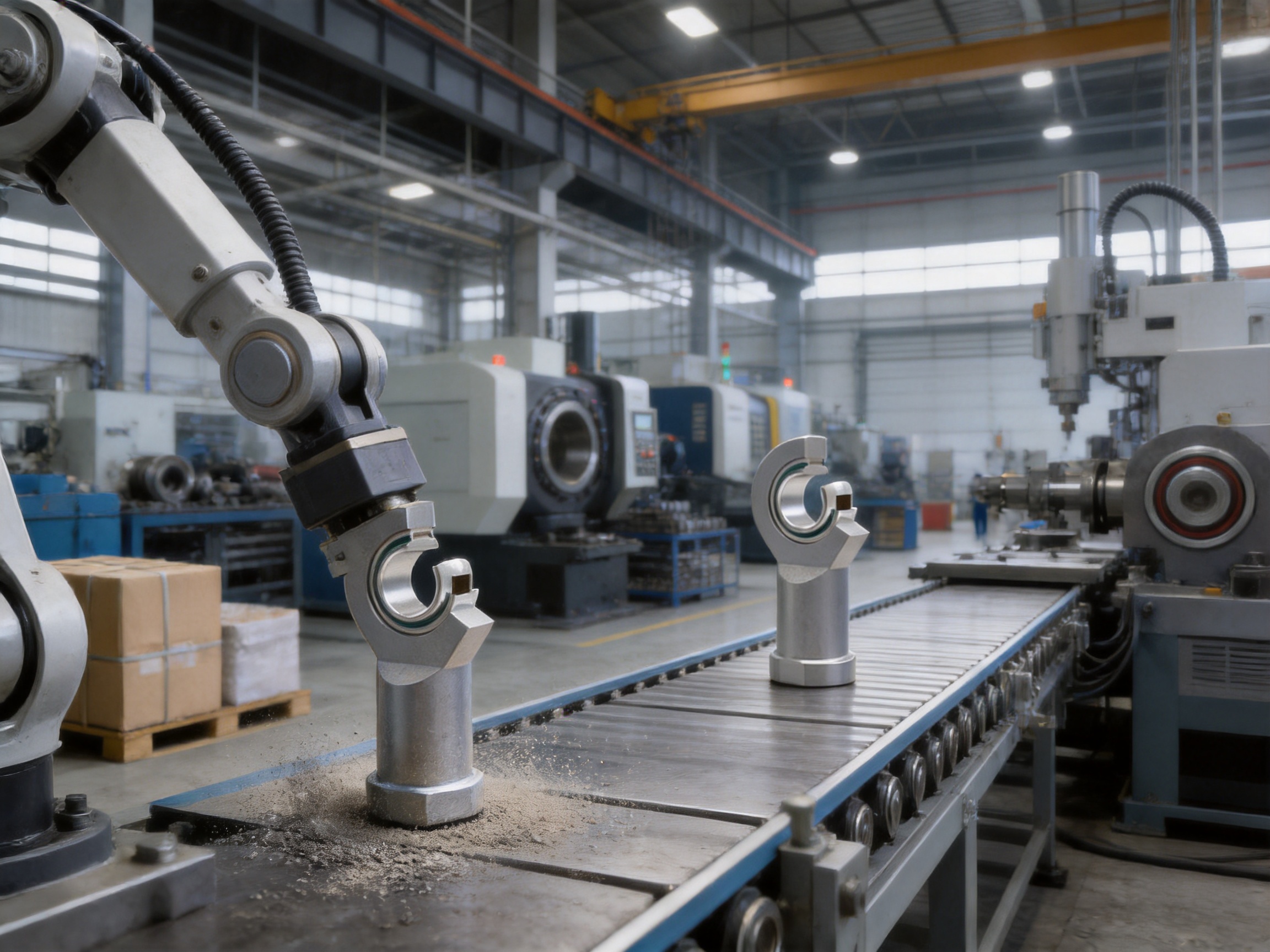
Rod end bearings are essential machine elements in mechanisms that require controlled articulation, misalignment compensation, and reliable transmission of radial or combined loads. They are commonly used in automation equipment, robotic joints, linkages, control systems, actuators, vehicle mechanisms, packaging machinery, agricultural equipment, and industrial production lines. In these applications, a rod end bearing must do more than simply connect two components. It must maintain accurate movement, withstand repeated oscillation, resist contamination, and perform consistently with minimal maintenance.
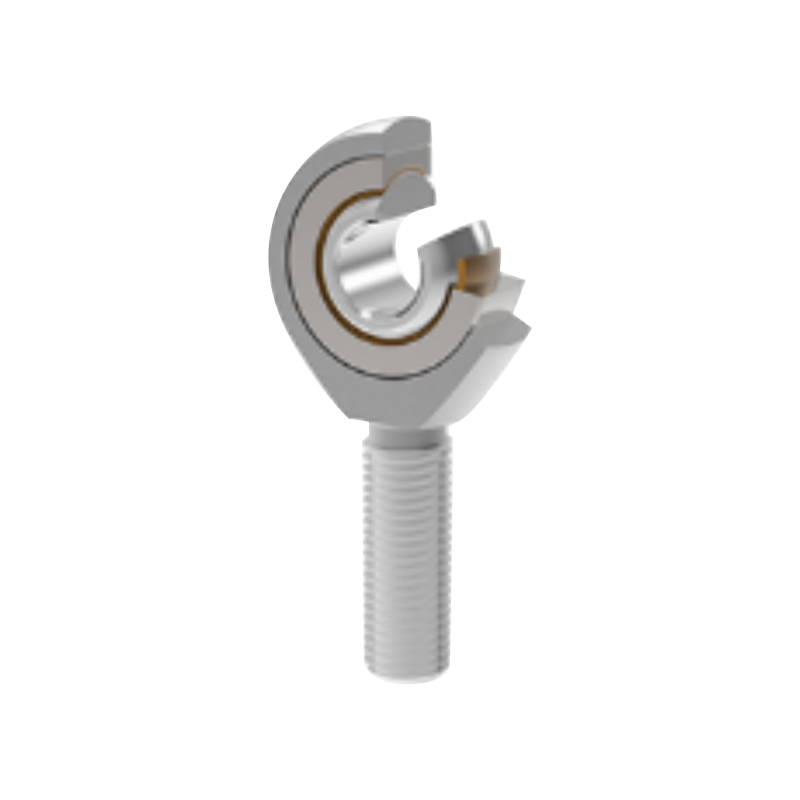
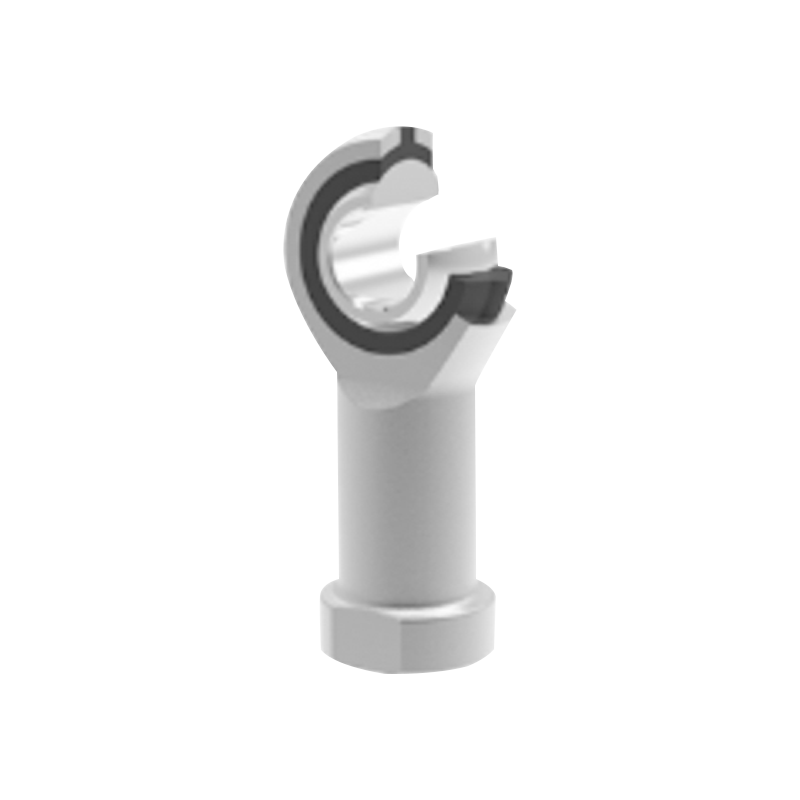
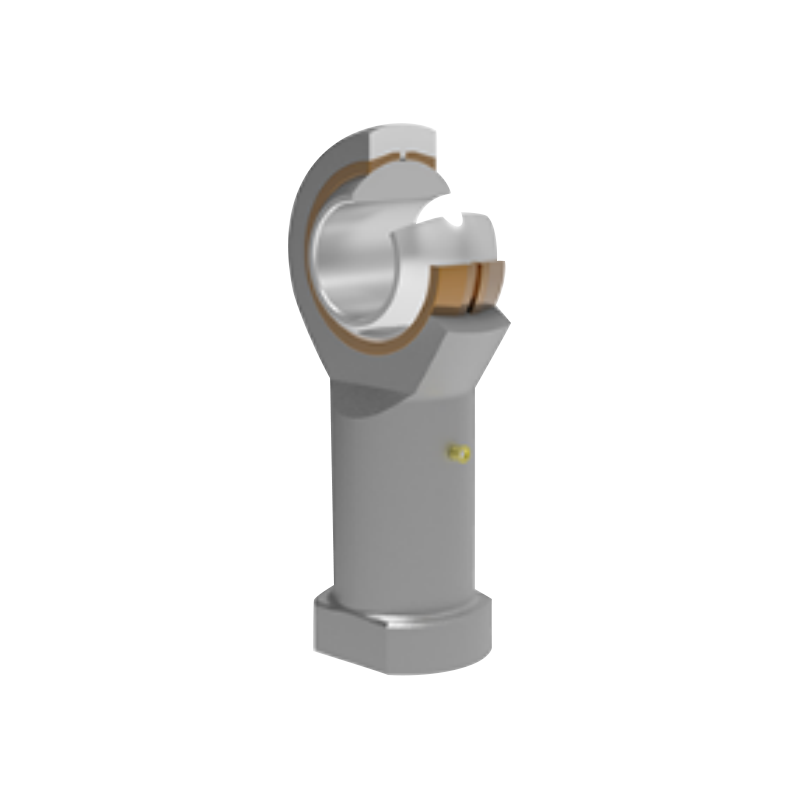
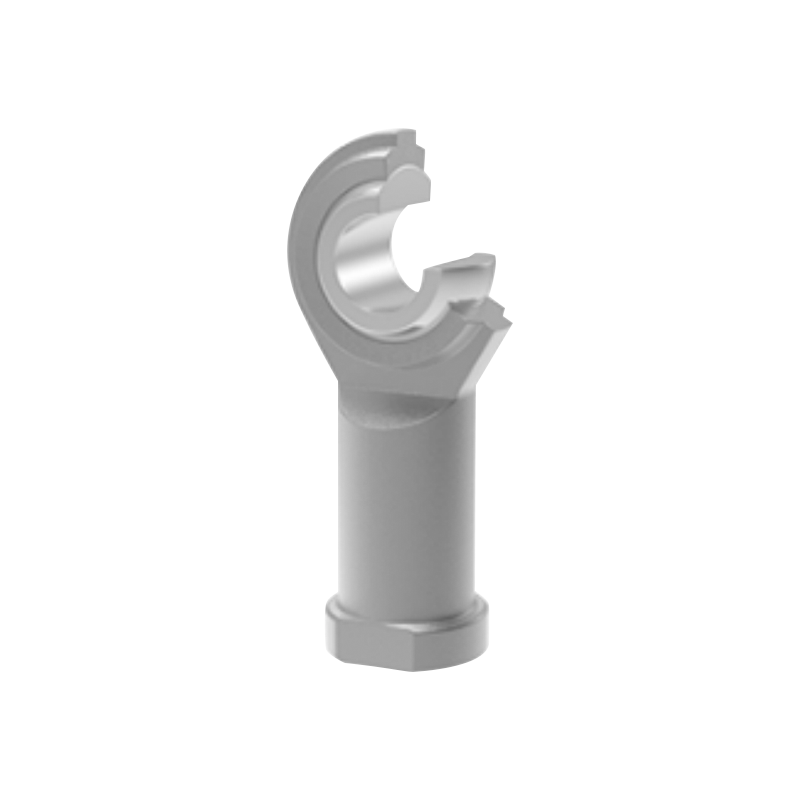
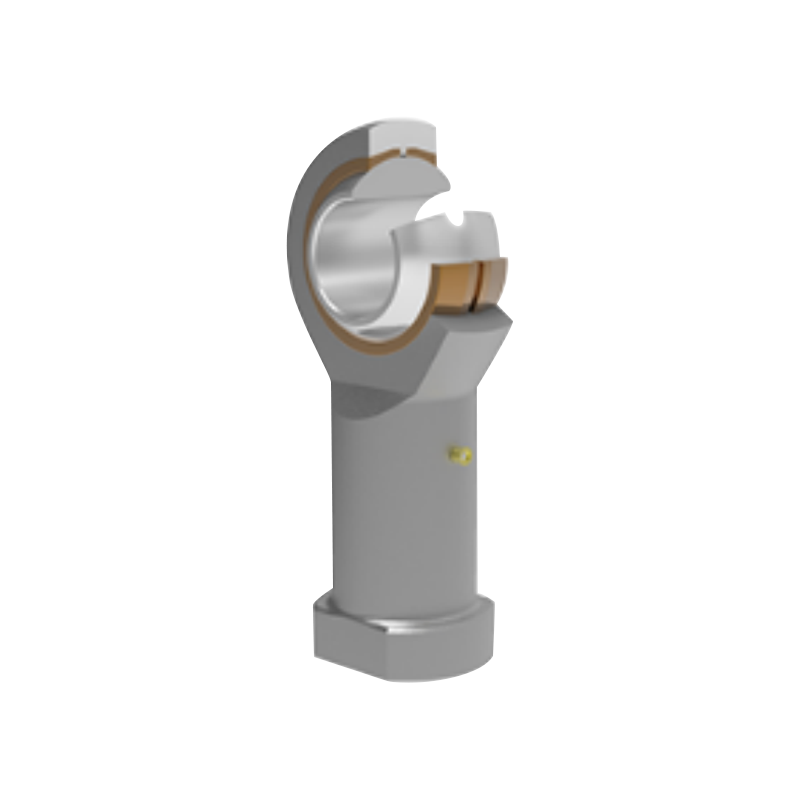
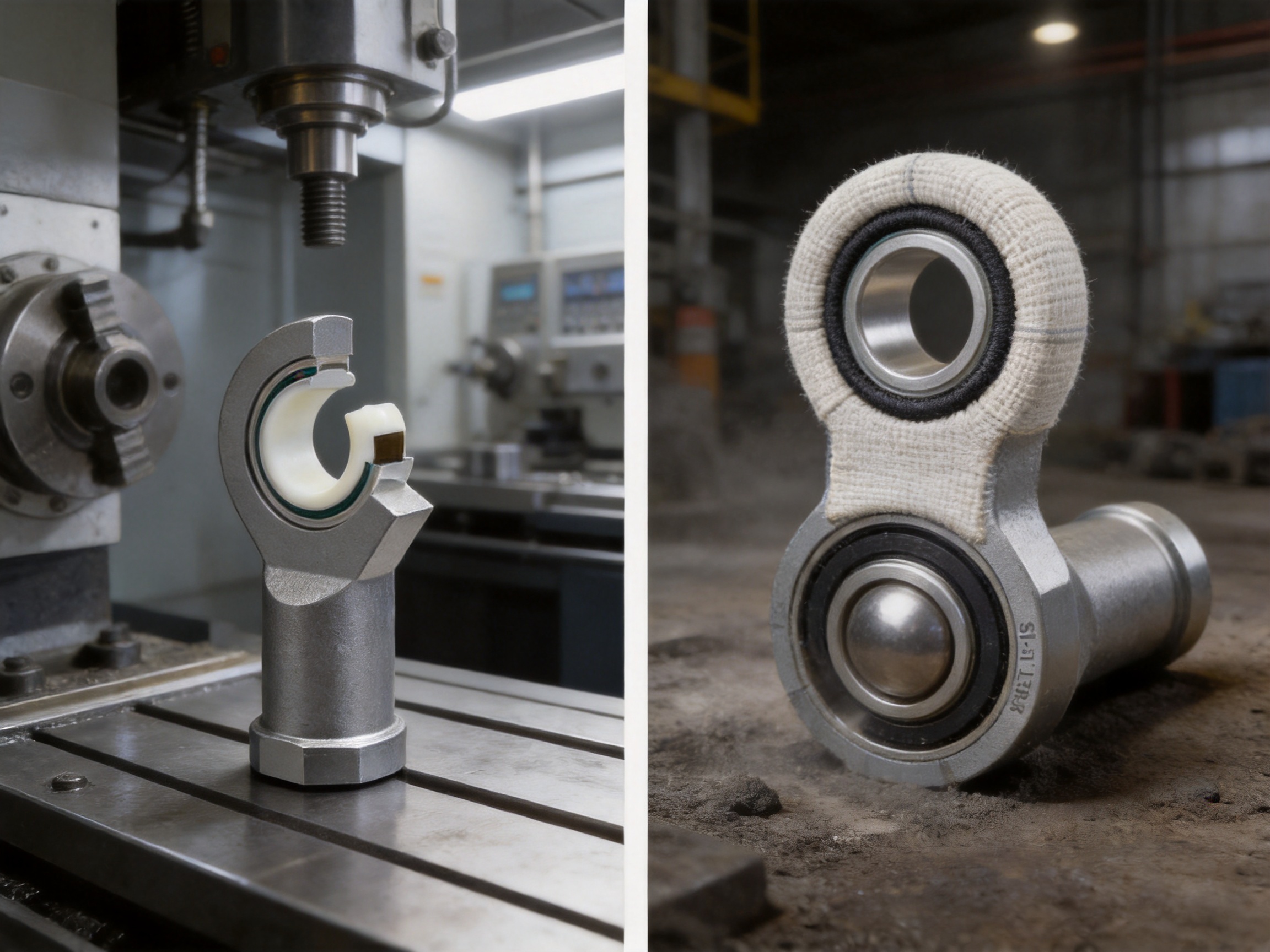
The SI maintenance-free rod end bearing is designed to address these requirements through an assembled construction that combines a galvanized carbon steel rod end body with a self-lubricating radial spherical plain bearing. Two principal configurations are available. The SI…C series uses a steel and PTFE composite sliding friction pair, while the SI…ETL 2RS series uses a steel and PTFE braided fabric sliding surface together with a closed-loop sealing arrangement. Both designs eliminate the need for routine external lubrication under suitable operating conditions.
This combination provides an important advantage over conventional lubricated rod ends. Traditional products may require grease fittings, scheduled lubrication, cleaning, and frequent inspection. In contrast, the SI series is designed to operate with reduced servicing requirements, helping equipment manufacturers simplify assembly and helping end users reduce downtime. The sealed SI…ETL 2RS version offers an additional layer of protection in dusty, humid, dirty, or otherwise demanding environments.
UKL Bearing Manufacturing Co., Ltd. develops and supplies these rod end bearings as part of a broader product portfolio that includes cross roller bearings, robot bearings, angular contact ball bearings, spherical roller bearings, cylindrical roller bearings, tapered roller bearings, Nilos rings, and mounted bearings. The company integrates product development, manufacturing, quality control, and international distribution to support standard and customized bearing requirements.
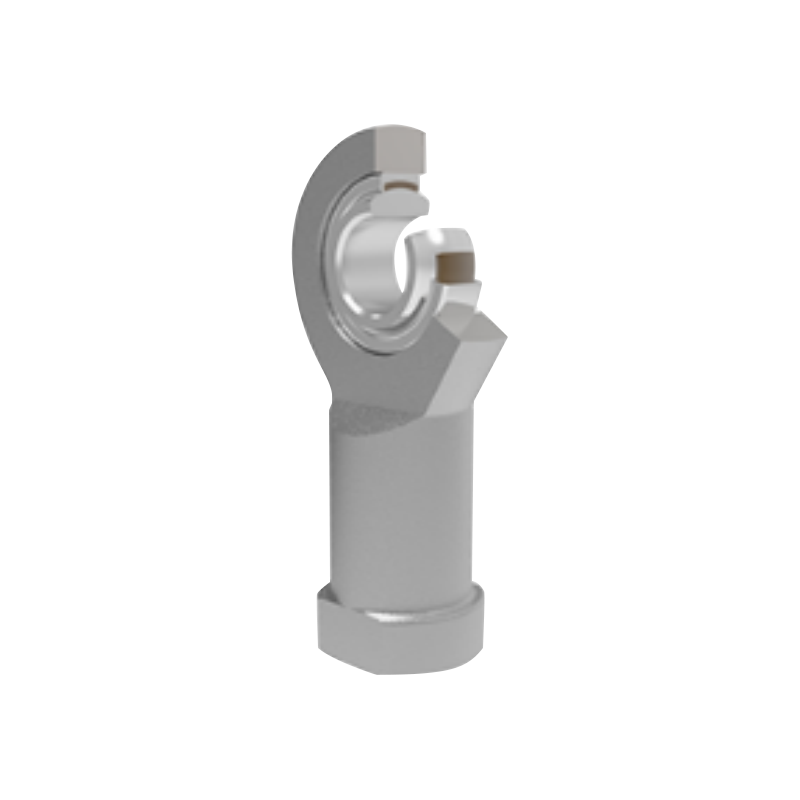
SI Maintenance-Free Rod End Bearing
A rod end bearing, also called a spherical rod end or spherical plain rod end, consists of a threaded rod end body containing a spherical plain bearing. The internal spherical bearing allows angular movement between the rod end and the mating shaft or bolt. This movement compensates for misalignment and permits oscillation in mechanical linkages.
The rod end body provides the external mounting interface. Depending on the design, the body may have a male or female thread, a right-hand or left-hand thread, and a specified thread pitch or precision class. The spherical bearing installed inside the body provides the internal sliding surface and determines much of the component’s friction behavior, load capacity, operating temperature range, and maintenance requirements.
In the SI maintenance-free design, the rod end body is made from galvanized carbon steel. Galvanizing helps improve resistance to atmospheric corrosion and provides a practical surface treatment for industrial equipment. The body is assembled with a self-lubricating radial spherical plain bearing. Because the sliding material is engineered to provide low-friction operation without continuous grease supply, the bearing can be installed in locations where lubrication is inconvenient or undesirable.
The design is particularly useful where the bearing performs oscillating rather than continuous rotary motion. Examples include control rods, actuator linkages, robotic arms, steering systems, valve mechanisms, and articulated supports. In such applications, the bearing may move through a small angular range many times per hour or minute. A maintenance-free sliding layer can reduce the need for regular grease application and can help prevent the accumulation of dirt around a lubrication point.
When a rod end bearing is installed, the mating pin or shaft passes through the spherical inner ring. The inner ring can rotate or oscillate within the bearing body while the rod end itself remains connected to a threaded rod, actuator, or structural member. The spherical geometry allows the bearing to accommodate angular displacement and limited misalignment without imposing excessive bending stress on the connected components.
The bearing should normally be loaded primarily in the radial direction. Axial loads, shock loads, edge loading, and excessive angular movement must be evaluated during application design. Correct alignment, suitable mounting tolerances, proper tightening, and adequate protection from impact are also necessary to achieve the expected service life.
The SI…C series uses a self-lubricating radial spherical plain bearing with a steel and PTFE composite sliding friction pair. PTFE, or polytetrafluoroethylene, is known for its low coefficient of friction and good resistance to many chemicals. In a properly designed composite bearing surface, PTFE supports smooth sliding and helps reduce the dependence on external grease.
The SI…C configuration is available in nominal bore sizes from approximately 5 mm to 30 mm in the supplied product range. It is suitable for applications that need compact dimensions, low maintenance, and stable articulation over a broad temperature range. The stated operating temperature range is approximately 50°C to +150°C, subject to the complete assembly, load, motion, environment, and installation conditions.
Compared with a conventional steel-on-steel rod end that depends on grease, the PTFE composite sliding pair can offer simpler installation and lower routine servicing requirements. It is especially attractive for mechanisms where a grease fitting would be difficult to access, where contamination from excess grease is unacceptable, or where regular maintenance would interrupt production.
The SI…ETL 2RS series combines a self-lubricating radial spherical plain bearing with a PTFE braided fabric sliding material and a closed-loop seal design. The seal helps prevent the entry of dust, moisture, abrasive particles, and other contaminants into the sliding interface. This feature makes the design suitable for harsher industrial environments than an unsealed arrangement.
The SI…ETL 2RS range covers larger nominal bore sizes, approximately 15 mm to 80 mm in the supplied information. The stated operating temperature range is approximately 30°C to +130°C. Actual limits depend on the environmental conditions, load, speed, oscillation angle, sealing arrangement, adjacent components, and the materials used in the mating assembly.
The PTFE braided fabric sliding layer is intended to maintain low-friction operation while resisting wear under oscillating movement. The closed-loop seal provides an additional barrier against contamination. Together, these features can help extend service intervals and improve operating stability in equipment exposed to dust, splashing water, outdoor conditions, metal particles, or production debris.
| Feature | SI…C | SI…ETL 2RS |
|---|---|---|
| Rod end body | Galvanized carbon steel | Galvanized carbon steel |
| Sliding friction pair | Steel/PTFE composite material | Steel/PTFE braided fabric |
| Lubrication requirement | Self-lubricating; no routine external lubrication required under suitable conditions | Self-lubricating; no routine external lubrication required under suitable conditions |
| Sealing arrangement | Standard self-lubricating configuration | Closed-loop 2RS sealing design |
| Approximate size range | 5 mm to 30 mm bore sizes | 15 mm to 80 mm bore sizes |
| Stated operating temperature range | Approximately 50°C to +150°C | Approximately 30°C to +130°C |
| Typical selection focus | Compact mechanisms, low friction, reduced maintenance | Contaminated or demanding environments requiring additional protection |
The two configurations are not intended to replace one another in every application. The SI…C series may be preferable when compactness, a higher stated upper temperature range, and a straightforward self-lubricating construction are priorities. The SI…ETL 2RS series may be preferable when contamination protection, a sealed structure, and larger load capacity are more important. Final selection should be based on load, motion, environment, mounting arrangement, and required service life.
The most direct advantage of a maintenance-free rod end bearing is the reduction in scheduled lubrication. Conventional rod ends with metal-to-metal sliding surfaces may require grease at intervals determined by the operating cycle and environment. If lubrication is neglected, friction can increase, wear can accelerate, and clearance can develop between the bearing surfaces.
The self-lubricating SI design incorporates a PTFE-based sliding interface that is intended to operate without continuous external grease. This can simplify maintenance planning and reduce the number of service points in a machine. For equipment with many articulated connections, the reduction can be significant. Fewer lubrication points mean fewer opportunities for incorrect lubricant selection, missed service intervals, over-greasing, or contamination caused by exposed grease.
Grease can attract dust, fibers, metal chips, and process residue. In clean production environments, excess lubricant may also create a contamination concern. Maintenance-free rod ends can be useful in packaging, electronics assembly, laboratory equipment, food-related machinery, and automated production cells where cleanliness is important.
The SI…ETL 2RS sealed configuration provides an additional advantage by enclosing the sliding area. It helps reduce the possibility that contaminants will reach the internal contact surfaces. The bearing is not a substitute for complete machine sealing or environmental protection, but it can support a cleaner and more controlled mechanical design.
Many modern machines are designed with compact frames, enclosed guards, and densely arranged actuators. A conventional grease fitting may be difficult to reach after installation. In some cases, an operator must remove a guard or stop the line to lubricate the bearing. The self-lubricating design avoids the need to position a grease fitting for routine access.
This flexibility can help designers place the rod end where the motion and load path require it rather than where a maintenance tool can reach it. It can also reduce the amount of clearance needed around the joint, supporting more compact equipment layouts.
PTFE-based sliding materials are selected for their low-friction characteristics. Low friction is valuable in actuator linkages and robotic mechanisms because it can reduce the force required to initiate movement and may improve the repeatability of small movements. It can also reduce parasitic loads on cylinders, motors, gearboxes, and connected structural components.
A low-friction rod end is particularly useful in systems that perform frequent small-angle oscillation. Such systems may not rotate continuously, but they can generate repeated sliding movement at the same contact area. The self-lubricating material is designed to support this operating mode without depending on a thick grease film that may be displaced during oscillation.
Industrial environments may expose bearings to airborne dust, humidity, washdown, vibration, abrasive particles, and temperature changes. The closed-loop seal of the SI…ETL 2RS version helps protect the sliding interface from external contamination. This can be a valuable distinction compared with an open or unsealed rod end.
Sealing also helps retain the integrity of the internal sliding assembly. Although no seal can prevent every form of damage, a sealed design gives equipment builders an additional method of controlling the environment around a moving joint. When combined with appropriate surface protection on the rod end body and proper installation, it can improve the reliability of the complete linkage.
The galvanized carbon steel rod end body provides a balance between mechanical strength, manufacturability, and corrosion resistance. Compared with untreated carbon steel, a galvanized surface is better suited to general industrial environments where the component may encounter humidity or occasional moisture.
The body also provides a stable threaded connection. Thread options are available for different pitches and precision requirements, allowing the rod end to be matched to the actuator, adjustment rod, clevis, or other mating component. For applications that require a left-hand thread, the model can be marked with “L” or “left” after the model number, according to the supplied specification.
Purchase price is only one part of the cost of a bearing. Labor, downtime, spare parts, machine access, lubricant consumption, and production interruption can all influence the total cost of ownership. A maintenance-free rod end may provide value by reducing recurring service work and extending the interval between planned inspections.
In automated equipment, the cost of an unexpected stoppage can exceed the cost of the bearing itself. A rod end that remains stable under repeated oscillation and does not require frequent lubrication can contribute to greater equipment availability. The actual economic benefit depends on the duty cycle and application, but the maintenance reduction is often especially valuable in machines with many rod end connections.
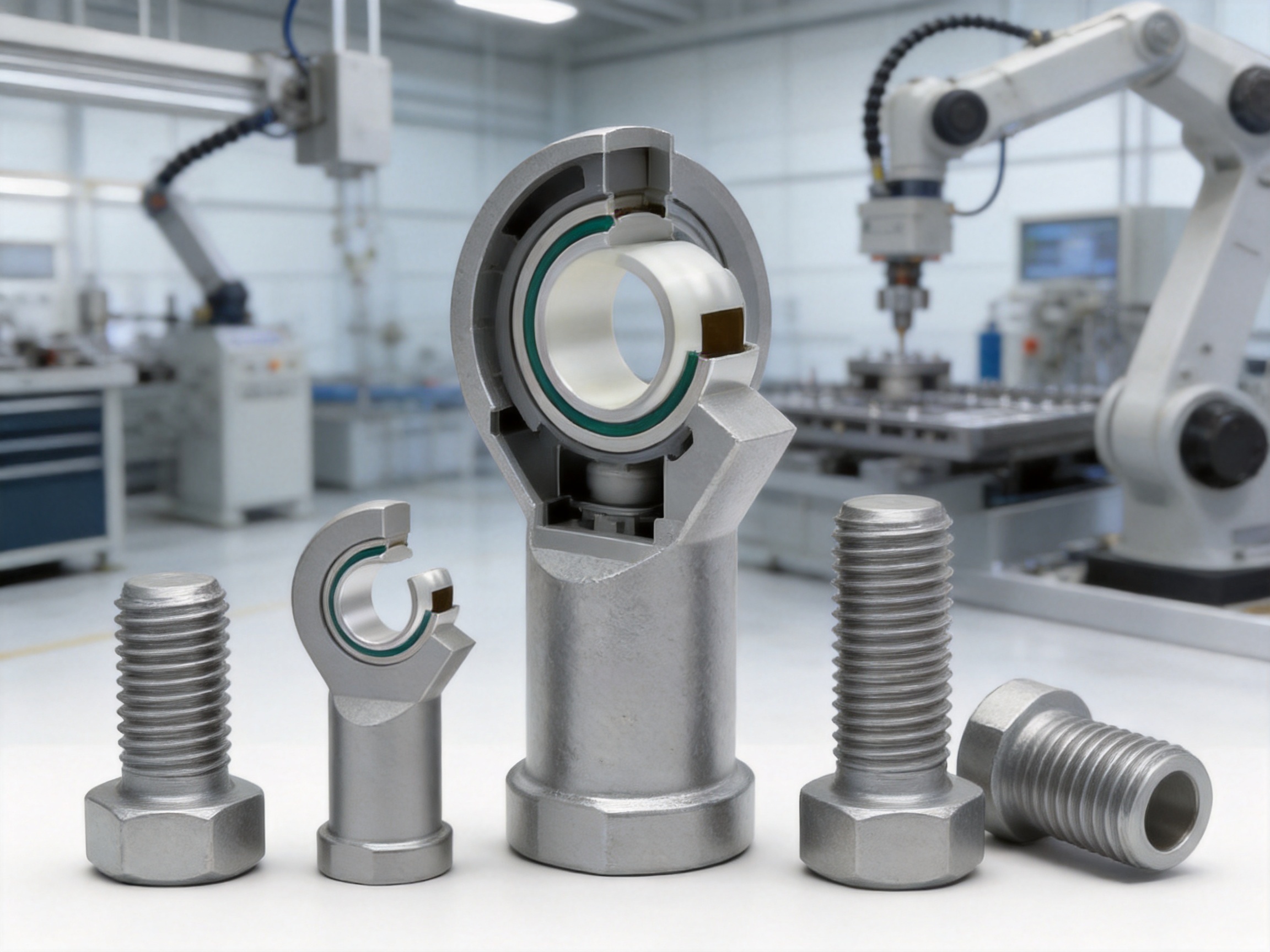
The rod end body is the load-carrying external structure that connects the spherical bearing to the rest of the machine. Its threaded section provides adjustment and attachment, while the bearing housing supports the spherical plain bearing. Galvanized carbon steel is used to provide a practical combination of strength, dimensional stability, and corrosion protection.
The body must be manufactured with accurate bore geometry and controlled thread dimensions. The spherical bearing must be securely assembled into the body while maintaining the required angular movement. Dimensional control is therefore important not only for the bearing itself but also for the body, threaded portion, bearing seat, and external reference surfaces.
The internal radial spherical plain bearing is designed to accommodate radial loading and angular movement. Unlike a rolling-element bearing, it does not use balls or rollers. Instead, movement takes place through sliding between the spherical inner and outer surfaces.
This construction is well suited to oscillating or pivoting motion. It can also tolerate a degree of misalignment that may be difficult to manage with a rigid rolling bearing arrangement. However, the bearing must not be overloaded or forced beyond its permitted angular range. The connected components should be aligned so that the rod end is not subjected to unnecessary bending or edge contact.
The SI…C model uses a steel/PTFE composite friction pair. The composite structure is intended to combine the load-supporting characteristics of steel with the low-friction properties of PTFE. The result is a sliding interface that can operate without regular external lubrication in suitable service conditions.
PTFE also has useful chemical resistance, although compatibility should always be assessed when the bearing is exposed to solvents, concentrated chemicals, high-temperature fluids, or unusual process substances. The temperature rating should be considered together with the load and motion, since frictional heating and environmental exposure can influence the actual operating limit.
The SI…ETL 2RS model uses PTFE braided fabric as its sliding friction material. Fabric-backed PTFE systems are commonly selected for their ability to support oscillating movement and distribute sliding contact across a durable, engineered layer. The material is integrated into a bearing construction intended for long-term operation with minimal external lubrication.
The braided fabric surface works together with the closed-loop seal. The seal limits the entry of abrasive particles and moisture, while the sliding material supports controlled movement. This combination is valuable in outdoor mechanisms, material-handling equipment, construction-related machinery, and industrial automation systems located near dust or process debris.
Rod end applications often require more than a standard bore size. Thread pitch, thread direction, thread precision, body dimensions, and connection length may all influence compatibility. The supplied product information states that rod end bearings with different pitches or thread precision requirements can be customized for special applications.
Left-hand thread versions can be identified by adding “L” or “left” after the model number. For example, the supplied marking format includes an example similar to SIL20C M20×1.5left-6H. The exact designation should be confirmed during technical communication and purchase-order review to prevent thread-direction errors.
Thread direction is particularly important in adjustable linkages. A right-hand thread at one end and a left-hand thread at the other can permit in-place length adjustment by rotating the connecting tube or shaft. If the wrong thread direction is supplied, installation may become impossible or the adjustment mechanism may not function as intended.
The following table summarizes representative data from the supplied product information. Values should be checked against the latest approved drawing and technical data sheet before final selection. Some source entries contain abbreviated or inconsistent model designations, so the manufacturer should confirm the exact model, thread, and rating for production orders.
| Model | Bore d (mm) | Width B (mm) | Thread designation | Dynamic load rating | Static load rating | Approximate weight |
|---|---|---|---|---|---|---|
| SI5C | 5 | 6 | M5 | 3.6 kN | 8.1 kN | 0.023 kg |
| SI8C | 8 | 8 | M8 | 5.8 kN | 12.9 kN | 0.040 kg |
| SI10C | 10 | 9 | M10 | 8.6 kN | 17.8 kN | 0.065 kg |
| SI12C | 12 | 10 | M12 | 11 kN | 24.5 kN | 0.108 kg |
| SI15C | 15 | 12 | M14 | 18 kN | 36 kN | 0.169 kg |
| SI17C | 17 | 14 | M16 | 22 kN | 45 kN | 0.235 kg |
| SI20C | 20 | 16 | M20×1.5 | 31 kN | 60 kN | 0.335 kg |
| SI25C | 25 | 20 | M24×2 | 51 kN | 85 kN | 0.665 kg |
| SI30C | 30 | 22 | M30×2 | 65 kN | 110 kN | 1.05 kg |
| SI35ETL 2RS | 35 | 25 | M36×3 | 140 kN | 146 kN | 1.50 kg |
| SI40ETL 2RS | 40 | 28 | M39×3 | 175 kN | 180 kN | 2.05 kg |
| SI50ETL 2RS | 50 | 35 | M45×3 | 275 kN | 290 kN | 3.48 kg |
| SI60ETL 2RS | 60 | 44 | M52×3 | 430 kN | 450 kN | 5.55 kg |
| SI70ETL 2RS | 70 | 49 | M58×4 | 550 kN | 610 kN | 8.72 kg |
| SI80ETL 2RS | 80 | 55 | M84×4 | 705 kN | 750 kN | 12.9 kg |
The dynamic and static load values in this table are representative of the provided data and should not be interpreted as universal allowable loads for every application. Load ratings may be affected by oscillation angle, frequency, speed, temperature, mounting condition, lubrication state, contamination, shock, and the direction of applied force. Engineering selection should use the manufacturer’s current drawings, rating definitions, and application calculations.
UKL Bearing Manufacturing Co., Ltd. operates as an integrated bearing manufacturer and trader with capabilities covering research and development, production, and international distribution. The company’s stated manufacturing processes include forging, turning, heat treatment, grinding, assembly, and packaging. Controlling these stages within an integrated system can improve process coordination and reduce the risks associated with fragmented supply chains.
For rod end bearings, process integration is valuable because the final product depends on the relationship between several components. The rod end body must have suitable mechanical strength and dimensional accuracy. The bearing surfaces must be produced and assembled consistently. Threads must match the required specifications. Seals must be installed without damage. Inspection and packaging must protect the finished product until installation.
Forging can be used to produce strong, efficient near-net-shape components with a favorable grain structure. For bearing-related parts, controlled material preparation provides a foundation for subsequent machining and heat treatment. The process must be matched to the selected carbon steel grade, component geometry, required strength, and production volume.
Consistent forging quality helps reduce internal defects and supports repeatable machining allowances. It also allows the manufacturing team to design the rod end body around the required load path rather than relying entirely on material removal from a larger billet.
Turning is used to create cylindrical surfaces, threaded sections, shoulders, and other rotational features. Rod end bodies require accurate thread dimensions and concentric bearing seats. Controlled turning operations help establish the geometry needed for assembly and proper connection to mating components.
In automated production, repeatable tooling, fixture design, cutting parameters, and in-process measurement are important for maintaining consistency. Thread inspection is especially important because the rod end may need to mate with a specific nut, actuator, shaft, or adjustment tube.
Heat treatment can improve the strength, hardness, wear resistance, and dimensional stability of steel components. The correct cycle depends on the material grade and required performance. Process control is essential because excessive hardness, insufficient hardness, distortion, or residual stress can negatively affect machining and service performance.
For a rod end bearing, the body must be strong enough to carry the applied load while maintaining reliable threads and a stable bearing seat. Heat treatment should therefore be coordinated with subsequent grinding, surface finishing, and dimensional inspection.
Grinding is used to achieve controlled surface geometry and finish on precision bearing components. The quality of the spherical surfaces and mating interfaces influences friction, motion smoothness, wear, and load distribution. Grinding parameters must be carefully managed to avoid overheating, unwanted residual stress, or surface defects.
Surface finishing is not limited to the internal bearing interface. External dimensions, reference surfaces, and thread-related features can also affect installation and alignment. A well-controlled finishing process supports interchangeability and helps ensure that the completed rod end meets the intended drawing requirements.
Assembly is a critical stage because the performance of a maintenance-free rod end depends on the interaction between the body, spherical plain bearing, sliding material, and seal. Components must be correctly oriented, pressed or fitted using suitable force, and inspected for damage.
For the SI…ETL 2RS configuration, the closed-loop seal must be assembled securely and evenly. A damaged, distorted, or incorrectly positioned seal can reduce contamination protection and affect movement. Assembly controls should therefore include visual inspection, dimensional checks, and functional movement checks.
Industrial customers increasingly require reliable traceability from raw material through finished product. UKL’s integrated manufacturing model supports coordination between production and quality functions. Typical quality activities for rod end bearings may include incoming material inspection, dimensional measurement, thread gauging, hardness verification, surface inspection, assembly checks, movement testing, and packaging verification.
Quality control should also distinguish between the requirements of the SI…C and SI…ETL 2RS series. The sliding material, sealing arrangement, operating temperature range, size range, and application focus are different. Product identification must clearly communicate the model and configuration so that the correct bearing is installed in the correct application.
The supplied company information states a production capacity of approximately 10,000 to 50,000 units per month and an organization of approximately 201 to 500 employees. These resources support both repeat production and the development of customized bearing solutions. The company also reports export experience serving customers in Europe, Asia, Africa, Russia, the United States, Italy, Germany, Poland, South Africa, Egypt, India, and other markets.
International supply capability is valuable for original equipment manufacturers and distributors that need consistent products across multiple regions. It also requires careful attention to packaging, documentation, model identification, technical communication, and after-sales support.
Robotic systems use articulated joints and linkage mechanisms that often perform repeated oscillating movement. A maintenance-free rod end can help reduce service requirements in robot tooling, grippers, linear actuator connections, and auxiliary mechanisms. The low-friction sliding interface may support smooth movement and reduce the force required from the actuator.
In robotic production cells, access to moving joints may be restricted by guarding and safety enclosures. A sealed rod end can help limit contamination from metal particles, dust, and lubricants used elsewhere in the machine. The selected model must still be evaluated for robot speed, oscillation angle, acceleration, shock, and duty cycle.
Machine tools often require accurate positioning and stable motion. Rod end bearings may be used in covers, tool-change linkages, clamping mechanisms, chip-management systems, and auxiliary actuators. The SI series can be considered where a compact pivot connection must operate with minimal maintenance.
Because machine tools may produce metal chips and cutting-fluid mist, the sealed SI…ETL 2RS version may be useful in exposed mechanisms. Designers should verify chemical compatibility with cutting fluids and cleaning agents, as well as the temperature and speed limits of the complete assembly.
Packaging machines commonly operate at high cycle rates. Their linkages may perform short, repetitive strokes over extended production periods. Maintenance-free rod ends can help reduce lubrication tasks and support cleaner operation around packaged products.
The ability to customize thread pitch and thread direction can also support machine adjustment. In a synchronized linkage, a left-hand and right-hand thread combination may allow length adjustment without fully removing the rod end. This can help reduce setup time during machine commissioning or format changes.
Conveyors, lifting systems, transfer units, and material-handling machines frequently include pivoting actuator connections. These mechanisms may operate in dusty warehouses, manufacturing plants, recycling facilities, or outdoor environments. The sealed configuration can provide an additional barrier against dust and moisture.
For high-load handling equipment, engineers should compare the dynamic and static load requirements with the published ratings and consider impact factors. A bearing that meets the nominal static load may still require a larger size if the mechanism experiences shock, vibration, or frequent reversals.
Agricultural machinery is often exposed to mud, dust, water, fertilizer, vibration, and seasonal temperature changes. These conditions make lubrication and contamination control important. A galvanized body and sealed self-lubricating internal construction can be advantageous where routine maintenance is difficult or where components are exposed to the weather.
Outdoor applications require careful attention to corrosion, water exposure, ultraviolet radiation, cleaning procedures, and temperature. The complete system should be designed so that water is not directed continuously into the seal or trapped around the thread.
Rod end bearings are used in steering, suspension, pedal, throttle, actuator, and control linkages. Their ability to accommodate angular movement makes them suitable for mechanisms where the connected parts do not remain perfectly aligned throughout the operating cycle.
Safety-critical applications require especially careful engineering validation. Load ratings, fatigue performance, thread engagement, locking arrangements, retention methods, and inspection intervals must be established according to the relevant industry requirements. A maintenance-free designation does not remove the need for periodic safety inspection.
Confirm the bearing series, bore size, thread direction, thread pitch, body dimensions, sealing configuration, and required load rating. Pay particular attention to left-hand thread markings. A bearing that appears dimensionally similar may still be unsuitable if the thread pitch or direction is incorrect.
The mating pin or shaft should be correctly aligned with the spherical bore. Misalignment that exceeds the bearing’s angular capability can create edge loading, increase friction, and accelerate wear. The rod end should not be forced into position by tightening the thread or mounting bolt.
Use the correct tightening method for the threaded connection and the mating fastener. Excessive tightening can distort the body or interfere with spherical movement, while insufficient tightening can allow the rod end to loosen during operation. Lock nuts, thread-locking methods, safety wire, or other retention systems should be selected according to the application.
Radial spherical plain bearings are primarily designed for radial loads. Axial forces may be present in some mechanisms, but they should be evaluated separately. If significant axial load, overturning moment, or combined loading is expected, the bearing arrangement should be reviewed by a qualified engineer.
During installation, prevent tools from damaging the seal or sliding surfaces. Do not strike the bearing directly with a hammer. Protect the thread from burrs and contamination, and ensure that the mating component is clean and correctly formed.
Although the bearing is designed to be maintenance-free in terms of routine external lubrication, it is not inspection-free. Operators should check for abnormal looseness, noise, corrosion, seal damage, thread damage, excessive friction, or visible deformation. Inspection intervals should be based on the machine’s duty cycle and safety requirements.
Selection begins with the bore diameter and the required connection geometry. The bore must match the mating pin or shaft while allowing the required fit and movement. The thread must match the connecting rod, actuator, or nut. The body dimensions must fit within the machine envelope without creating interference during articulation.
Next, determine the applied load. Separate the expected dynamic load from the maximum static or shock load. Consider the direction of the load, the number of cycles, the oscillation angle, the operating speed, and the duration of each movement. If the mechanism reverses frequently, the bearing may experience more demanding contact conditions than a mechanism with a single-direction load.
Environmental conditions determine whether the SI…C or SI…ETL 2RS configuration is more suitable. The SI…C version may be appropriate for compact, clean, or higher-temperature applications within its stated range. The sealed SI…ETL 2RS version may be preferable for contamination, moisture, or larger load requirements.
Temperature must be considered at the bearing interface, not only at the surrounding room. Friction, nearby heat sources, hot fluids, washdown, and sunlight can change the actual operating temperature. Chemical exposure should also be reviewed, particularly where the bearing contacts solvents, cleaning agents, process fluids, or corrosive substances.
Finally, confirm whether customization is required. Different thread pitches, thread precision requirements, and left-hand thread versions may be available. All custom requirements should be recorded clearly on drawings and purchase documents.
An integrated manufacturer can provide more than a catalog component. It can support the complete process from design review and material selection to production, inspection, packaging, and technical service. This is particularly important when a rod end bearing must be customized for a special thread, unusual installation space, or demanding environment.
UKL combines manufacturing and international distribution with research and development activities. Its stated R&D focus includes high-precision cross roller bearings, dual-direction thrust angular contact ball bearings, robot bearings, and other products for CNC machines, robotics, and intelligent automation. This broader engineering background is relevant to customers who require several bearing types within one machine or production program.
The company also states that it operates multiple production lines covering forging, turning, heat treatment, grinding, assembly, and packaging. This range of processes can help maintain coordination between component manufacturing and final assembly. It can also provide a foundation for supporting both standard products and OEM or ODM programs.
Technical support is another important consideration. Customers may need help interpreting load ratings, selecting between self-lubricating materials, confirming thread markings, reviewing drawings, or planning installation. A multilingual service team and international after-sales support can simplify communication for global equipment manufacturers and distributors.
Maintenance-free means that the bearing is designed to operate without routine external lubrication under suitable application conditions. It does not mean that the bearing is immune to overload, contamination, incorrect installation, or wear. Regular machine inspection remains important.
The SI…C series uses a steel/PTFE composite sliding friction pair and covers smaller nominal bore sizes in the supplied range. The SI…ETL 2RS series uses PTFE braided fabric and a closed-loop 2RS seal. It covers larger sizes and is designed to provide additional protection in contaminated or harsh environments.
These products are radial spherical plain rod end bearings and are commonly selected for oscillating, pivoting, or articulated motion. Continuous rotation may be possible in some conditions, but it must be confirmed through application engineering because speed, load, heat generation, and material wear can differ significantly from oscillating service.
No. Galvanizing improves general corrosion resistance but does not eliminate corrosion under all conditions. Salt spray, chemicals, standing water, damaged coating, and severe outdoor exposure may require additional protection or a different material. The complete assembly and installation environment should be evaluated.
Yes. The supplied information states that left-hand thread versions can be identified by adding “L” or “left” after the model number. The exact model designation, thread pitch, and precision class should be confirmed before ordering.
Customization is available for rod end bearings with different pitch or thread precision requirements, subject to technical review and production feasibility. Customers should provide a drawing or complete dimensional specification.
The published dynamic and static values are reference ratings for product selection. They are not automatically equal to the permitted load in every machine. Oscillation angle, frequency, speed, shock, temperature, mounting, alignment, and environmental contamination must all be considered.
The closed-loop seal is intended to reduce contamination entry, but the product should not automatically be treated as completely waterproof or suitable for permanent immersion. The actual sealing performance depends on installation, movement, pressure, temperature, and the surrounding equipment design.
Routine external lubrication is not required for the self-lubricating design and may not provide a benefit. Adding grease can attract abrasive particles or interfere with the intended sliding material. Any additional lubricant should be used only after compatibility and application guidance have been confirmed.
Check for looseness, unusual noise, visible wear, increased friction, seal damage, corrosion, thread damage, deformation, and abnormal movement. If any safety-related connection shows excessive play or damage, the machine should be stopped and the bearing replaced or evaluated according to the service procedure.
The SI maintenance-free rod end bearing is designed for equipment that requires reliable articulation, reduced maintenance, and controlled performance under repeated movement. Its galvanized carbon steel body provides a durable threaded connection, while the self-lubricating radial spherical plain bearing reduces the need for routine external grease.
The SI…C series offers a steel/PTFE composite sliding friction pair for compact applications and a stated operating range extending from approximately 50°C to +150°C. The SI…ETL 2RS series adds PTFE braided fabric and a closed-loop seal, making it a strong option for larger bearings and environments where dust, moisture, or industrial contamination is a concern.
Compared with conventional lubricated rod ends, these designs can reduce service points, improve accessibility in compact machinery, support cleaner operation, and lower the potential total cost of ownership. Their advantages are especially relevant in robotics, automation, CNC equipment, packaging machines, material-handling systems, agricultural machinery, and articulated control mechanisms.
The product’s value is reinforced by UKL Bearing Manufacturing Co., Ltd.’s stated integrated manufacturing capabilities, including forging, turning, heat treatment, grinding, assembly, packaging, research and development, and international technical support. By combining self-lubricating bearing technology with controlled manufacturing and customization options, the SI series provides a practical solution for modern industrial equipment manufacturers seeking dependable, low-maintenance mechanical connections.
1. UKL Bearing Manufacturing Co., Ltd., SI Maintenance-Free Rod End Bearing Product Information and Dimensional Data.
2. ISO 12240-1, Spherical Plain Bearings—Part 1: Radial Spherical Plain Bearings.
3. ISO 16269, Statistical Interpretation of Data—General Principles and Guidance.
4. ISO 9001, Quality Management Systems—Requirements.
5. ASTM B633, Standard Specification for Electrodeposited Coatings of Zinc on Iron and Steel.
6. Engineering Tribology references covering PTFE composite sliding materials, friction behavior, and wear mechanisms.
7. General machine design references covering spherical plain bearings, rod end selection, load calculation, alignment, and installation practice.
Product Categories
Contact Us

Jane@ukl-bearing.com
Jenny@ukl-bearing.com
Andy@ukl-bearing.com
Ivy@ukl-bearing.com

+86-510- 88763239
+86-15371057968

No.1 Hehuan Road, Hudai Town, Binhu District, Wuxi City.
Ready to Begin?
Get in Touch

Now!
UKL BEARING
 English
 Español
 русский