Content
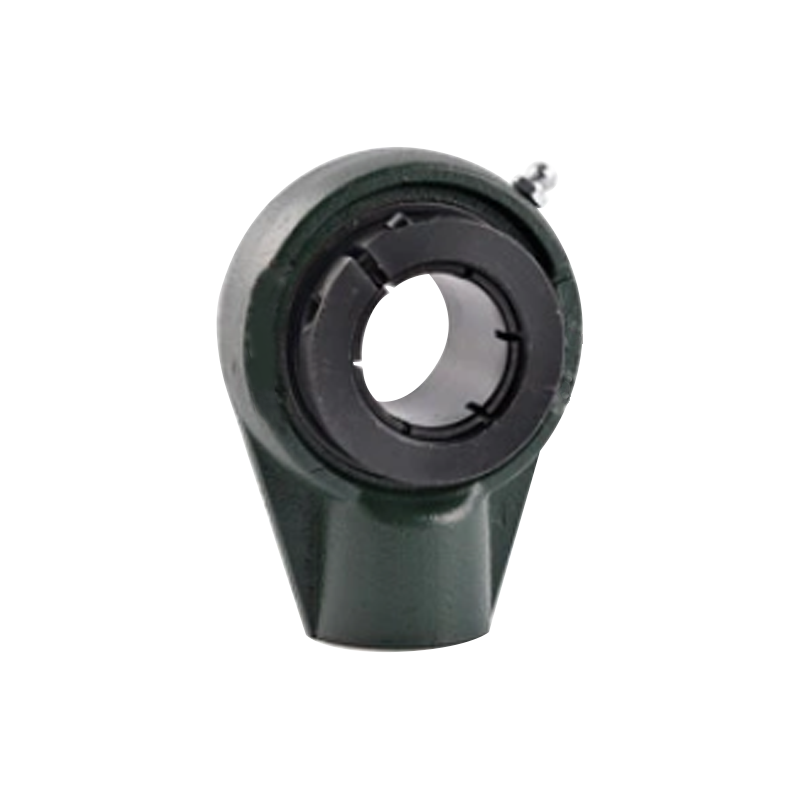
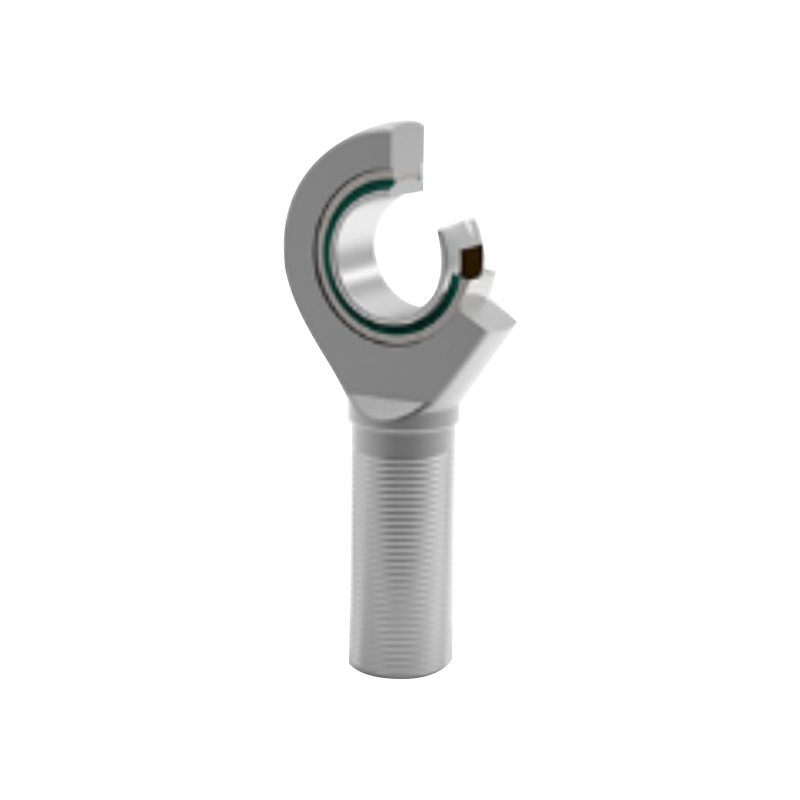
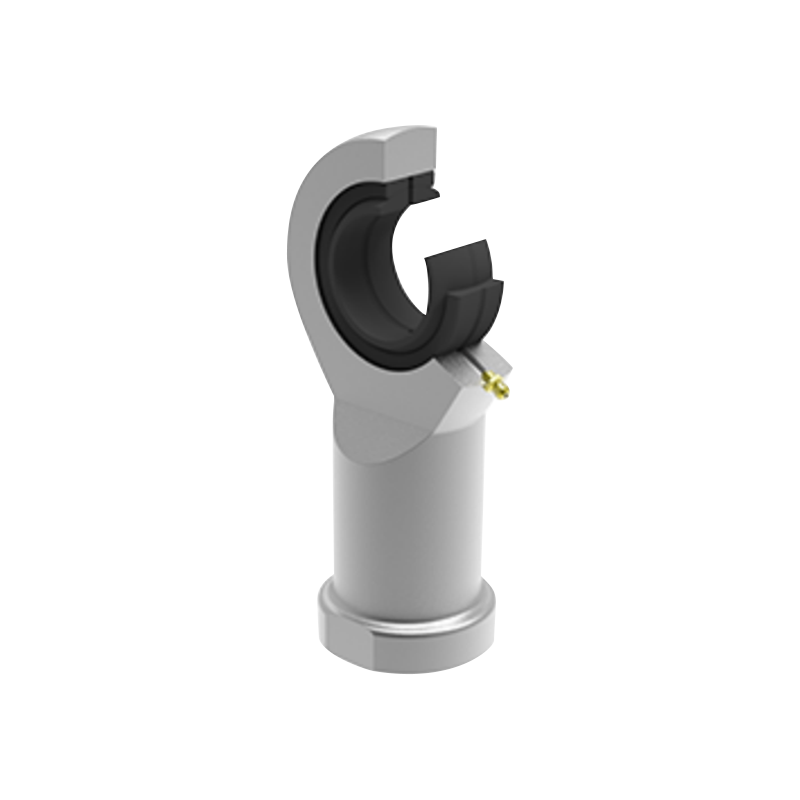
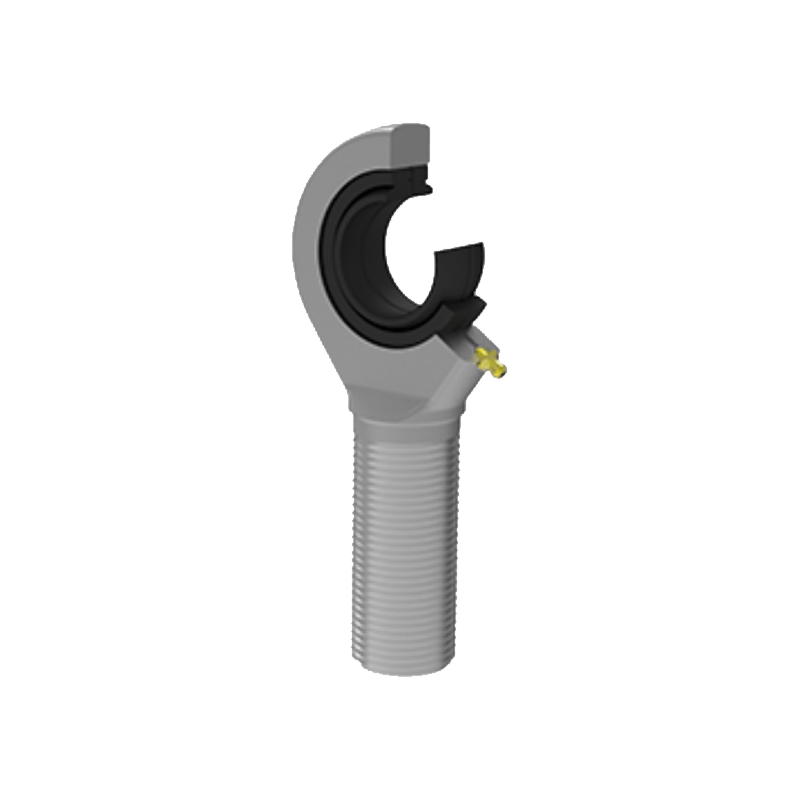
Hanger bearing units are specialized mounted bearing assemblies designed to support rotating shafts in suspended, overhead, or space-limited mechanical systems. They are widely used where a shaft must be carried from above rather than mounted on a flat base, making them valuable in conveying equipment, agricultural machinery, material handling systems, food processing lines, packaging machines, textile equipment, and many other industrial applications. By combining an insert ball bearing with a strong hanger-style housing, these units provide stable shaft support, simplified installation, and dependable operation under continuous working conditions.
The product family discussed in this article includes UCHA, UEHA, and UCHE hanger bearing units. These assemblies use high-quality insert bearings, commonly based on UC series bearing structures, and durable housings made from cast iron. The insert bearing shares the internal design principle of a deep groove ball bearing, but it is adapted for mounted unit service with a spherical outer surface and a wider inner ring. This structure allows the bearing to fit securely into the housing while compensating for minor alignment deviations that often occur during installation or operation.
Compared with ordinary bearing-and-bracket combinations, hanger bearing units offer a more integrated and practical solution. The housing, bearing, mounting interface, lubrication arrangement, and shaft locking structure are engineered to work together. This reduces assembly time, improves reliability, and helps users avoid mismatched components. For manufacturers and maintenance teams, the result is a product that is easier to install, easier to replace, and more predictable in performance.
Hanger bearing units are a type of mounted ball bearing unit. In the UCHA design, the unit generally consists of a UC chrome steel insert bearing and an HA cast iron housing. The UC insert bearing provides the rolling function, while the HA housing provides structural support and a connection point for suspended mounting. The result is a compact unit that can carry a rotating shaft while being attached to a threaded rod, bracket, or overhead frame.
The UC series insert bearing used in these units has a deep groove ball bearing-style internal structure. This design supports radial loads and can tolerate moderate axial loads in both directions. The insert bearing also features a spherical outer ring surface, allowing it to seat into the corresponding spherical bore of the housing. This self-aligning characteristic is one of the most important practical advantages of mounted bearing units, because it helps reduce stress caused by minor shaft or mounting errors.
The wider inner ring of the insert bearing also improves shaft support and simplifies locking. In many applications, the bearing is secured to the shaft by set screws or other locking features depending on the model. The extended inner ring gives a larger contact area with the shaft and contributes to stable running performance.
UCHA and UEHA units typically use hanger housings with pipe-thread style mounting dimensions such as G3/4, G1, G5/4, and G1-1/2 depending on the unit size. UCHE units use metric threaded mounting dimensions such as M16, M20, and M24. This gives customers flexibility when selecting a unit for international machinery designs, replacement projects, or OEM production.
In many machines, the shaft cannot always be supported by a conventional pillow block bearing on a horizontal surface. Some shafts run below a frame, along a suspended conveyor, through a processing tunnel, or between structures where floor or base mounting is not practical. A hanger bearing unit solves this problem by allowing the shaft support point to be suspended from above.
This layout can save space, simplify machine architecture, and improve accessibility. In conveyor systems, for example, hanger bearing units can support intermediate shaft sections without requiring large base plates or side brackets. In agricultural or bulk material equipment, suspended bearing supports can help keep the shaft aligned while allowing clearance beneath the machine. In production lines, hanger units can contribute to cleaner layouts and easier maintenance access.
The integrated housing also protects the bearing and helps maintain its position under load. Instead of designing a custom bracket and selecting a separate bearing, engineers can use a standardized hanger bearing unit with known dimensions, weight, and shaft compatibility. This reduces engineering uncertainty and improves spare parts management.
The strength of a hanger bearing unit begins with the combination of its bearing insert and housing. The UC insert bearing is typically made of chrome steel, a material widely used in bearing production because of its hardness, fatigue strength, wear resistance, and dimensional stability after heat treatment. Chrome steel bearing rings and rolling elements can withstand repeated rolling contact stress, making them suitable for continuous rotating service.
The housing is commonly made from cast iron. Cast iron is preferred for many mounted bearing housings because it offers a strong balance of compressive strength, vibration damping, machinability, and cost efficiency. It is robust enough for industrial environments and can absorb some operational vibration, helping protect the bearing from harsh working conditions.
The spherical fit between the bearing outer ring and the housing bore is a critical design feature. It allows the insert bearing to tilt slightly within the housing to accommodate mounting inaccuracies. In real machinery, shafts and frames are rarely perfectly aligned. Without this compensation, misalignment can create edge loading, heat, noise, and premature bearing failure. The hanger bearing unit’s self-aligning capability helps reduce these risks.
Another important detail is the wider inner ring of the insert bearing. A standard deep groove ball bearing is not always ideal for mounted housing use because it may not provide enough width for simple shaft locking. The insert bearing’s wider inner ring provides improved engagement and stability, especially in applications where installation must be quick and reliable.
The hanger bearing unit range includes several related series designed for different installation requirements. UCHA units are common hanger bearing units using UC insert bearings and HA cast iron housings. UEHA units are similar in general housing style but use a different insert bearing arrangement, often selected when an alternative locking or dimensional configuration is needed. UCHE units use a hanger-style housing with metric threaded mounting options, making them suitable for machinery designed around metric hardware.
UCHA models cover common metric shaft diameters such as 20 mm, 25 mm, 30 mm, 35 mm, 40 mm, 45 mm, 50 mm, 55 mm, 60 mm, and 65 mm. Inch bore variants are also available in many sizes, including examples such as 3/4 inch, 7/8 inch, 15/16 inch, 1 inch, 1-15/16 inch, and other fractional shaft options. UEHA models cover a similar dimensional range, while UCHE models include smaller shaft diameters beginning around 12 mm and extending through 50 mm in the listed range.
This broad selection helps users match the bearing unit to both shaft diameter and mounting structure. For OEM customers, the availability of many sizes reduces the need for custom brackets. For maintenance teams, standardized unit numbers make replacement simpler and reduce downtime.
| Series | Typical Shaft Range | Mounting Thread Style | Common Housing Material | Key Advantage |
| UCHA | 20 mm to 65 mm with inch variants | G thread sizes such as G3/4, G1, G5/4, G1-1/2 | Cast iron | Standard suspended shaft support with UC insert bearing |
| UEHA | 20 mm to 60 mm with inch variants | G thread sizes such as G3/4, G1, G5/4 | Cast iron | Alternative hanger unit configuration with similar housing dimensions |
| UCHE | 12 mm to 50 mm with inch variants | Metric thread sizes such as M16, M20, M24 | Cast iron | Metric mounting compatibility for compact machinery designs |
Dimensional flexibility is one of the strongest practical advantages of this product family. A hanger bearing unit must match not only the shaft diameter but also the available installation height, thread connection, housing width, and operating envelope. The listed UCHA series includes dimensions such as L, Ho, H, A, M, F, C, A1, B, and S, allowing engineers to confirm fit before purchase. These dimensions help define the unit’s vertical height, mounting relationship, bearing width, and locking area.
For example, smaller UCHA units such as UCHA204 are suitable for 20 mm shafts, while larger models such as UCHA212 and UCHA213 support 60 mm and 65 mm shafts. As shaft size increases, the housing dimensions, bearing width, and weight also increase. This scaling allows the unit to maintain mechanical strength and suitable load capacity for the intended shaft size.
UEHA units follow similar dimensional logic but may differ in bearing width and weight. UCHE units use metric mounting threads and offer compact models for smaller shafts, including UCHE201, UCHE202, UCHE203, and UCHE204. These smaller units are useful where space is limited and shaft loads are moderate.
Having both metric and inch shaft variants is especially important for global equipment markets. Many machines built in Europe or Asia use metric shafts, while machinery from North America may use inch shafting. A manufacturer that can supply both standards helps customers reduce redesign work and simplify international replacement sourcing.
Compared with a basic bearing mounted in a fabricated bracket, hanger bearing units provide a much more efficient and reliable solution. A fabricated bracket may vary in quality depending on welding, machining, and alignment accuracy. If the bracket bore is not correct or the shaft centerline is not aligned, the bearing can fail early. A standardized hanger bearing unit removes much of this uncertainty by combining a machined housing and an insert bearing designed to operate together.
Another advantage is installation speed. Instead of assembling multiple components separately, the user can mount the unit, insert the shaft, align the system, and secure the bearing to the shaft. This can significantly reduce labor time in both OEM assembly and maintenance repair.
Hanger bearing units also reduce spare parts complexity. Maintenance departments can stock complete units by model number rather than storing separate bearings, housings, brackets, fasteners, and adapters. When a unit requires replacement, the old assembly can be removed and replaced with a matching unit more quickly.
The self-aligning spherical outer ring is a major advantage over rigid bearing mounts. In many industrial machines, small alignment errors are unavoidable. A rigid bearing support can transfer those errors directly into the rolling elements, causing heat, vibration, and shorter life. The spherical interface in a hanger bearing unit helps accommodate these errors, improving operating reliability.
Cast iron housing strength is another important benefit. Low-quality competing products may use weak castings, inconsistent wall thickness, poor machining, or rough bearing seats. A well-manufactured cast iron housing provides stable geometry and better support under load. It also helps resist deformation that could otherwise affect bearing running accuracy.
Not all hanger bearing units are equal. Low-cost competing units may appear similar from the outside but can differ significantly in material quality, heat treatment, grinding precision, grease quality, sealing performance, and housing machining. These hidden differences often determine the real service life of the product.
A high-quality hanger bearing unit uses bearing rings that are properly forged, turned, heat treated, ground, and assembled. If heat treatment is inconsistent, the bearing raceways may be too soft or too brittle. If grinding accuracy is poor, the bearing may run with excessive noise, vibration, and heat. If assembly cleanliness is not controlled, contamination can enter the bearing before it even reaches the customer.
Housing quality is equally important. A poorly machined housing bore can prevent the insert bearing from seating correctly. If the spherical seat is inaccurate, the self-aligning function will be reduced. If the casting contains defects, cracks, or porosity, the unit may fail under load. Strong manufacturing control helps prevent these issues.
Another advantage is consistent dimensional data. Reliable suppliers provide clear model numbers, dimensions, shaft sizes, thread specifications, and weights. This helps engineers design with confidence. In contrast, low-grade alternatives may have inconsistent dimensions from batch to batch, forcing users to adjust installation methods or accept poor fit.
For buyers, the lowest purchase price is not always the lowest total cost. A bearing unit that fails early can cause downtime, shaft damage, product loss, labor costs, and emergency replacement expenses. A better-manufactured hanger bearing unit can reduce these risks and provide stronger long-term value.
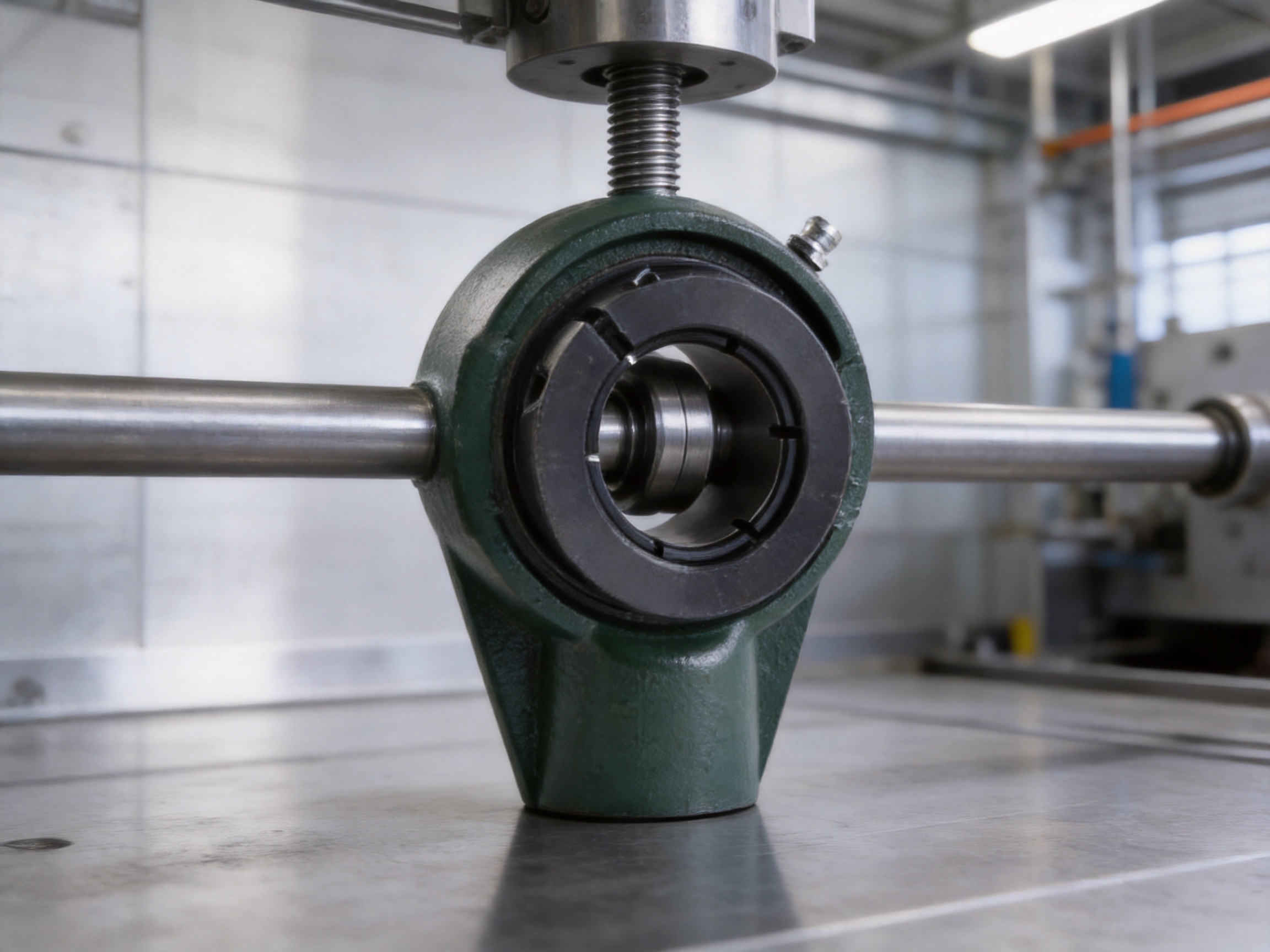
The performance of a hanger bearing unit depends heavily on manufacturing discipline. UKL Bearing Manufacturing Co., Ltd. integrates research and development, production, and international distribution, which gives it strong control over both product design and delivery quality. The company operates a modernized production system covering forging, turning, heat treatment, grinding, assembly, and packaging. Each process contributes to the final reliability of the product.
Forging helps create strong bearing ring blanks with improved internal material structure. Turning shapes the rings to near-final geometry and prepares them for heat treatment and finishing. Heat treatment gives the steel the hardness and fatigue resistance required for rolling contact operation. Grinding then creates the precise raceway geometry needed for smooth rotation, low noise, and stable performance.
Assembly is another critical step. Bearing components must be clean, accurately matched, correctly lubricated, and properly sealed. Even a precisely ground bearing can fail if contamination enters during assembly. Controlled assembly procedures help ensure that the insert bearing performs as intended after installation in the housing.
Packaging is also part of quality protection. Bearings are precision products, and corrosion or impact damage during transportation can reduce service life. Proper packaging protects the units during storage and international shipping, especially for customers in distant markets.
With a production capacity of 10,000 to 50,000 units per month, the company is able to support both regular industrial demand and OEM/ODM orders. This capacity is important for customers who require stable supply, batch consistency, and timely delivery. For distributors, reliable production capacity helps maintain inventory. For equipment manufacturers, it supports scheduled production planning.
Advanced manufacturing is not only about machinery; it is also about engineering knowledge. The company’s research and development team works on precision bearing technologies for applications such as CNC machines, robotics, intelligent automation systems, and industrial equipment. This engineering background supports the development and improvement of mounted bearing units as well.
For hanger bearing units, engineering capability is reflected in bearing geometry, housing fit, material selection, lubrication design, and dimensional consistency. The UC insert bearing must have suitable internal clearance, raceway finish, ball quality, cage reliability, and sealing arrangement. The housing must support the bearing without restricting its self-aligning function. The entire unit must be easy to mount and capable of stable operation in real working environments.
OEM and ODM experience is also valuable. Many customers need more than a standard catalog item. They may require special grease, different seals, customized packaging, private labeling, special clearance, corrosion-resistant treatment, or adjusted dimensional features. A manufacturer with export and OEM/ODM experience can communicate technical requirements clearly and convert them into practical production specifications.
More than 15 years of OEM/ODM export experience gives the company familiarity with international expectations. Customers in different regions often have different standards for documentation, inspection, packaging, and delivery. Experience across Europe, Asia, Africa, Russia, and other markets helps the company provide service that fits global industrial needs.
Quality control for hanger bearing units must cover both the bearing insert and the housing. For the insert bearing, key inspection items include ring hardness, raceway geometry, surface roughness, internal clearance, radial runout, noise level, vibration, seal fit, lubrication condition, and overall rotation smoothness. For the housing, inspection includes casting quality, bore geometry, threaded mounting dimensions, surface finish, and dimensional accuracy.
During production, process control helps detect problems early. For example, if turning dimensions deviate before heat treatment, later grinding allowances may become insufficient. If heat treatment temperature is not controlled, hardness may vary. If grinding wheels are not properly dressed, raceway finish may be affected. Each stage must be monitored to keep the finished unit consistent.
Final inspection confirms that the unit meets dimensional and functional requirements before shipment. A good hanger bearing unit should rotate smoothly, seat correctly in the housing, match the stated shaft diameter, and correspond to the model’s published dimensions. Consistent inspection reduces customer risk and helps maintain trust in repeated orders.
Quality also depends on traceability. Organized production records make it easier to review material batches, process conditions, inspection results, and shipment details. This is especially important for OEM customers who need stable quality across repeated production cycles.
One of the most important reasons to choose a hanger bearing unit is ease of installation. The integrated design reduces the number of components that must be aligned separately. The installer can attach the housing to the suspended mounting structure, position the shaft through the bearing, make alignment adjustments, and lock the bearing to the shaft.
The spherical outer ring helps compensate for small alignment deviations. However, this feature should not be used as a substitute for careful installation. Proper shaft straightness, correct mounting position, suitable tightening, and clean working conditions are still essential. The self-aligning function is best understood as protection against minor errors rather than a solution for severe misalignment.
The unit’s threaded mounting interface allows it to connect easily to rods, frames, or brackets. G-thread units are suitable for many common suspended installations, while metric-thread UCHE units fit machines designed around metric hardware. Engineers should select the thread style based on machine design, regional standards, and maintenance availability.
Before installation, users should confirm shaft diameter, unit number, housing dimensions, mounting thread, and expected load direction. After installation, the shaft should rotate freely without binding. Any abnormal noise, tightness, or heat during trial running should be investigated before full-load operation.
Proper maintenance can significantly extend the service life of hanger bearing units. Since these units often operate in dusty, humid, or material-handling environments, contamination control is important. Seals should be kept intact, and the area around the bearing should be inspected regularly. If the unit includes a lubrication fitting, relubrication should follow the operating conditions and grease compatibility requirements.
Over-lubrication should be avoided because excessive grease can increase operating temperature and attract contaminants. Under-lubrication is also harmful because it can lead to metal-to-metal contact, heat generation, and premature fatigue. The best lubrication interval depends on speed, load, temperature, moisture, dust, and duty cycle.
Regular inspection should include checking for abnormal noise, vibration, temperature rise, looseness, corrosion, seal damage, and shaft movement. If set screws or locking features are used, they should remain secure. If a unit operates in a harsh environment, inspection intervals should be shorter.
When replacement is needed, using the correct unit number is essential. A similar-looking unit may not have the same shaft bore, mounting thread, height, bearing width, or load capability. Standardized model data helps maintenance teams select the correct replacement and avoid installation problems.
Hanger bearing units are suitable for many types of equipment where suspended shaft support is required. In conveyor systems, they may support intermediate shafts, drive shafts, or rotating rollers. In agricultural machines, they can support shafts exposed to dust, vibration, and outdoor conditions. In packaging machinery, they can help maintain compact mechanical layouts. In textile machinery, they can support rotating elements where smooth operation is important.
Bulk material handling equipment also benefits from hanger bearing units. Shafts used in screw conveyors, elevators, and transfer systems may need support at intervals along the machine. A hanger bearing unit provides a practical way to support these shafts without creating bulky base structures.
Food and processing equipment may use mounted bearing units where cleanliness, accessibility, and compact layout matter. In such cases, material selection, sealing, lubrication, and maintenance procedures should be matched to the operating environment. For highly corrosive or washdown applications, special bearing materials or protective treatments may be required.
General industrial machinery also uses hanger bearing units in auxiliary drives, rotating supports, and custom mechanical assemblies. Their standardized dimensions make them useful for machine builders who want a proven support solution rather than designing a unique bearing mount for every project.
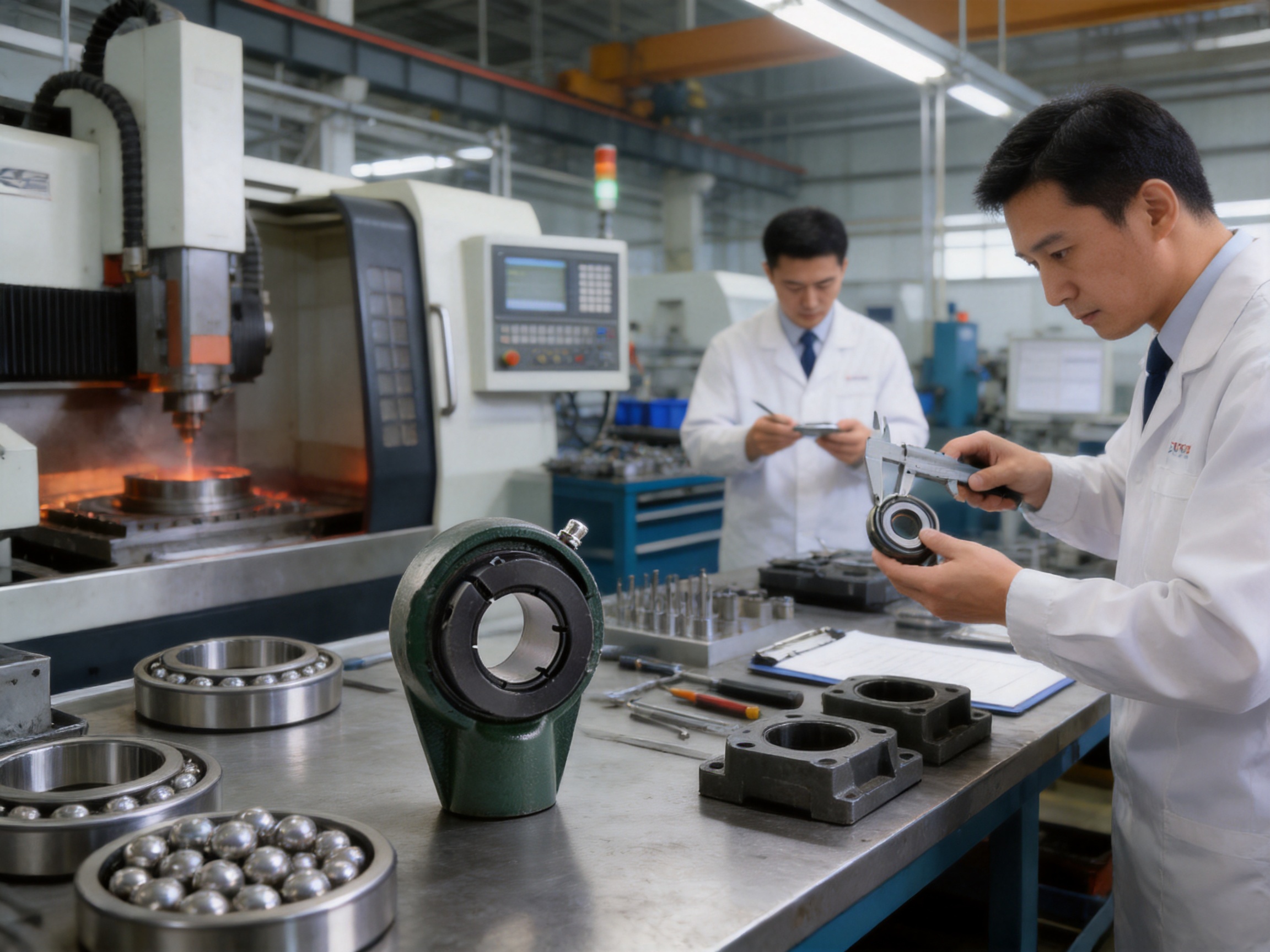
Choosing the correct hanger bearing unit requires a balance of shaft size, load, speed, mounting structure, environment, and maintenance expectations. The first step is confirming the shaft diameter. UCHA and UEHA series units cover many standard metric and inch shaft options, while UCHE units provide smaller metric-thread mounting solutions.
The second step is confirming mounting compatibility. If the machine uses G-thread suspended mounting, UCHA or UEHA units may be appropriate. If the machine uses metric threaded rods or brackets, UCHE units may be more suitable. The thread size must match the machine structure and provide adequate strength for the load.
The third step is considering load direction and magnitude. Hanger bearing units are generally designed for radial shaft support with limited axial load capacity depending on the insert bearing design. If axial loads are high, engineers should review bearing suitability carefully. For heavy shock loads, additional support or a different bearing arrangement may be required.
The fourth step is evaluating operating speed. Insert ball bearings are suitable for many moderate-speed applications, but speed limits depend on lubrication, seal type, load, shaft fit, and temperature. High-speed applications require careful review of bearing clearance, grease, and balance.
The fifth step is considering the environment. Dust, moisture, chemicals, high temperature, low temperature, and vibration all affect bearing life. In harsh environments, users may need enhanced sealing, special grease, corrosion-resistant treatment, or more frequent maintenance.
For OEM customers, hanger bearing units provide design consistency and production efficiency. A machine builder can specify a standard unit number and design the surrounding structure around known dimensions. This reduces engineering time and improves repeatability from one machine to the next.
For distributors, the broad model range supports inventory planning. Common models such as UCHA204, UCHA205, UCHA206, UCHA207, UCHA208, UCHA209, UCHA210, UCHA211, UCHA212, and UCHA213 cover many industrial shaft sizes. UEHA and UCHE units add further flexibility. A distributor can serve repair, maintenance, and OEM customers with a structured product range.
For end users, the benefit is reliable availability of replacement parts. When a bearing unit fails or reaches the end of its service life, downtime can be costly. Standardized units with clear model numbers and dimensions help reduce replacement delays.
The manufacturer’s export experience further supports international customers. Documentation, packaging, product labeling, and communication must be handled professionally when goods move across borders. A company with long-term international trade experience can reduce purchasing uncertainty and improve customer confidence.
The competitive value of a hanger bearing unit is created through the entire manufacturing chain. Forging improves the strength and internal structure of steel parts. Precision turning controls the shape before finishing. Heat treatment provides hardness and fatigue performance. Grinding determines raceway accuracy and running smoothness. Assembly controls cleanliness, grease, sealing, and final function. Packaging protects the product until it reaches the customer.
Many low-cost competitors focus mainly on external appearance and price. However, bearing performance is determined by details that are not visible at first glance. Raceways must be smooth and accurately shaped. Balls must be precisely graded. Cages must guide rolling elements reliably. Seals must protect grease and keep contaminants out. Housings must be machined correctly so the insert bearing can align as designed.
By managing production from material processing through final packing, the manufacturer can improve consistency and reduce dependence on uncontrolled outside processes. Integrated production also makes it easier to customize products for OEM requirements. If a customer needs a specific grease, clearance, packaging method, or inspection requirement, the production system can be adjusted more effectively.
Digital production control and inspection discipline also help maintain repeatability. In modern bearing manufacturing, stable quality depends on measuring, recording, and correcting process variables. This approach is especially important for export customers who expect every shipment to match previous orders.
Hanger bearing units are simple in appearance, but correct selection and installation still require technical understanding. A supplier with multilingual service capability can help customers identify suitable models, compare dimensions, review application conditions, and resolve installation questions. This is valuable for international buyers who need fast communication and practical engineering support.
The company serves customers in markets such as the United States, Italy, Germany, Poland, South Africa, Egypt, India, and other regions. Global distribution experience helps the supplier understand different machinery standards, purchasing habits, and after-sales expectations. It also supports long-term cooperation with distributors and OEM clients.
Technical support may include model selection, installation guidance, lubrication recommendations, failure analysis, and replacement suggestions. In many cases, early technical communication prevents later problems. For example, if a customer provides shaft diameter, load, speed, environment, and mounting structure details before ordering, the supplier can recommend a more suitable unit.
Modern manufacturing must balance performance, cost, and environmental responsibility. The company supports environmentally responsible processes, material recycling, and energy optimization. In bearing production, this can include efficient material use, controlled heat treatment energy consumption, responsible waste handling, and improved production planning to reduce scrap.
Longer-lasting bearing units also support sustainability. A product that operates reliably for a longer period reduces replacement frequency, transportation demand, machine downtime, and waste. Quality manufacturing therefore has both economic and environmental value.
Technical training and engineering education also contribute to responsible industry development. By supporting knowledge growth, manufacturers help improve installation practices, maintenance habits, and mechanical design quality across the supply chain. Better understanding leads to fewer failures and more efficient equipment operation.
Hanger bearing units are not intended to replace every mounted bearing type. Pillow block bearings are ideal for horizontal base mounting. Flange bearing units are suitable for vertical plate or frame mounting. Take-up units are used where shaft position must be adjusted for belt or chain tension. Hanger bearing units are best where the bearing support must be suspended from above.
This specialized mounting style is the key distinction. In the right application, a hanger bearing unit can reduce the need for complex brackets and make the machine layout cleaner. In the wrong application, another mounted bearing style may be more appropriate. Therefore, selection should always be based on machine structure and load direction.
Compared with pillow blocks, hanger units offer overhead mounting flexibility. Compared with custom welded supports, they offer standardized dimensions and easier replacement. Compared with separate bearing-and-housing assemblies, they offer integrated performance and reduced assembly time. These advantages make them especially attractive for machinery manufacturers seeking efficient, repeatable designs.
Industrial environments are rarely ideal. Shafts may be exposed to dust, vibration, temperature variation, moisture, and intermittent shock loads. Hanger bearing units must therefore provide more than basic rotation. They must maintain alignment, retain lubrication, protect against contamination, and support the shaft through repeated duty cycles.
The UC insert bearing’s deep groove-style internal design provides a proven rolling structure for many general-purpose applications. The chrome steel construction supports fatigue resistance. The wider inner ring supports secure shaft mounting. The spherical outer ring helps with alignment. The cast iron housing provides strong external support. Together, these features form a practical and reliable unit for suspended shaft applications.
Service life still depends on correct use. Excessive load, severe misalignment, contaminated lubrication, improper shaft fit, or incorrect installation can shorten bearing life. However, when selected and maintained properly, a well-manufactured hanger bearing unit can deliver dependable performance and reduce unplanned downtime.
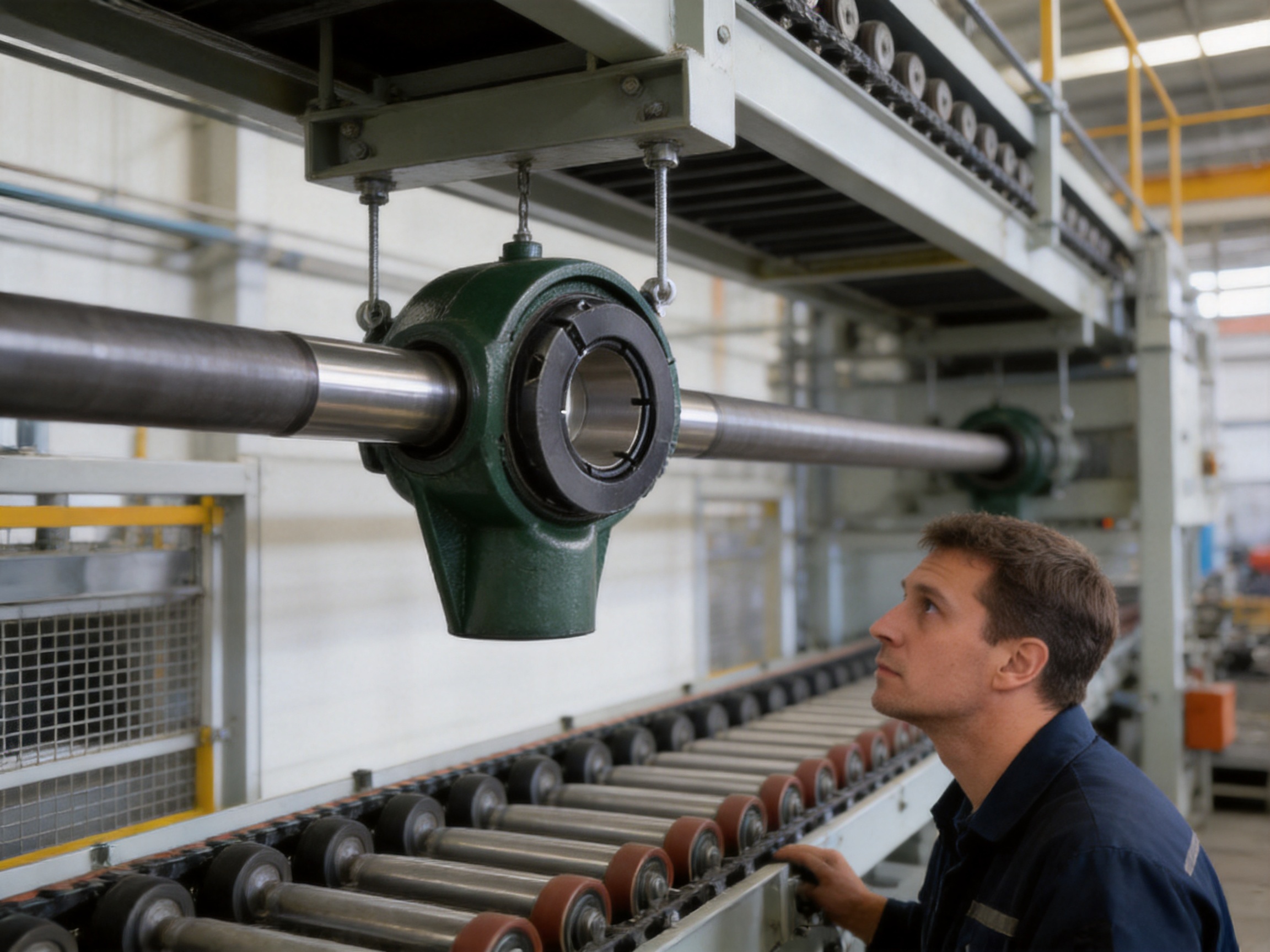
A hanger bearing unit is a mounted bearing assembly designed to support a rotating shaft from a suspended or overhead mounting point. It usually combines an insert bearing with a hanger-style housing.
Many models use UC series insert bearings. These have an internal structure similar to a deep groove ball bearing, but they feature a spherical outer surface and a wider inner ring for mounted unit use.
The spherical outer ring allows the bearing insert to align within the housing. This helps compensate for minor mounting or shaft alignment errors and reduces harmful stress on the bearing.
The insert bearing is commonly made from chrome steel, while the housing is commonly made from cast iron. This combination provides strength, wear resistance, and stable support.
UCHA units commonly use G-thread style suspended mounting, while UCHE units use metric threaded mounting such as M16, M20, or M24. Selection depends on the machine’s mounting design.
Yes. Many models are available with inch bore variants as well as metric shaft sizes, making them suitable for international machinery and replacement applications.
High-quality units offer better material control, heat treatment, grinding accuracy, housing machining, assembly cleanliness, and dimensional consistency. These factors improve reliability and reduce total operating cost.
Users should confirm shaft diameter, unit number, mounting thread, housing dimensions, load, speed, working environment, and maintenance requirements.
Maintenance should include regular checks for noise, vibration, temperature, looseness, seal condition, corrosion, and lubrication status. Relubrication should match the application conditions and grease type.
Process control ensures that forging, turning, heat treatment, grinding, assembly, and packaging are performed consistently. This directly affects bearing life, smooth operation, and customer confidence.
Hanger bearing units provide a reliable, practical, and efficient solution for suspended shaft support. By integrating a UC-style insert bearing with a strong hanger housing, these units simplify installation, improve alignment tolerance, and reduce the complexity of machine design. Their broad dimensional range, availability in metric and inch bore options, and compatibility with G-thread or metric-thread mounting systems make them suitable for a wide variety of industrial applications.
The product’s advantages become especially clear when compared with low-cost or improvised alternatives. Precision bearing steel, controlled heat treatment, accurate grinding, reliable housing machining, clean assembly, and strong packaging all contribute to longer service life and lower total cost. A well-made hanger bearing unit is not simply a commodity part; it is a critical support component that helps machinery run smoothly and reliably.
Behind the product is an advanced manufacturing system that integrates research, production, quality control, and global service. With capabilities in forging, turning, heat treatment, grinding, assembly, and packaging, as well as OEM/ODM export experience, the manufacturer can support both standard product supply and customized industrial requirements. For machine builders, distributors, and end users, this combination of product design and manufacturing strength provides dependable value.
As industries continue to demand efficient machinery, compact layouts, and reliable rotating systems, hanger bearing units will remain an important component in mounted bearing technology. Selecting a high-quality unit from a capable manufacturer helps reduce downtime, improve equipment reliability, and support long-term operating performance.
1. Harris, T. A., and Kotzalas, M. N. Rolling Bearing Analysis: Essential Concepts of Bearing Technology.
2. Brändlein, J., Eschmann, P., Hasbargen, L., and Weigand, K. Ball and Roller Bearings: Theory, Design and Application.
3. ISO 492. Rolling Bearings: Radial Bearings, Geometrical Product Specifications and Tolerance Values.
4. ISO 1132. Rolling Bearings: Tolerances, Definitions and Measurement Principles.
5. ISO 15243. Rolling Bearings: Damage and Failures, Terms, Characteristics and Causes.
6. Machinery’s Handbook. Bearing Selection, Fits, Lubrication, and Mounted Unit Design Principles.
Product Categories
Contact Us

Jane@ukl-bearing.com
Jenny@ukl-bearing.com
Andy@ukl-bearing.com
Ivy@ukl-bearing.com

+86-510- 88763239
+86-15371057968

No.1 Hehuan Road, Hudai Town, Binhu District, Wuxi City.
Ready to Begin?
Get in Touch

Now!
UKL BEARING
 English
 Español
 русский