Content
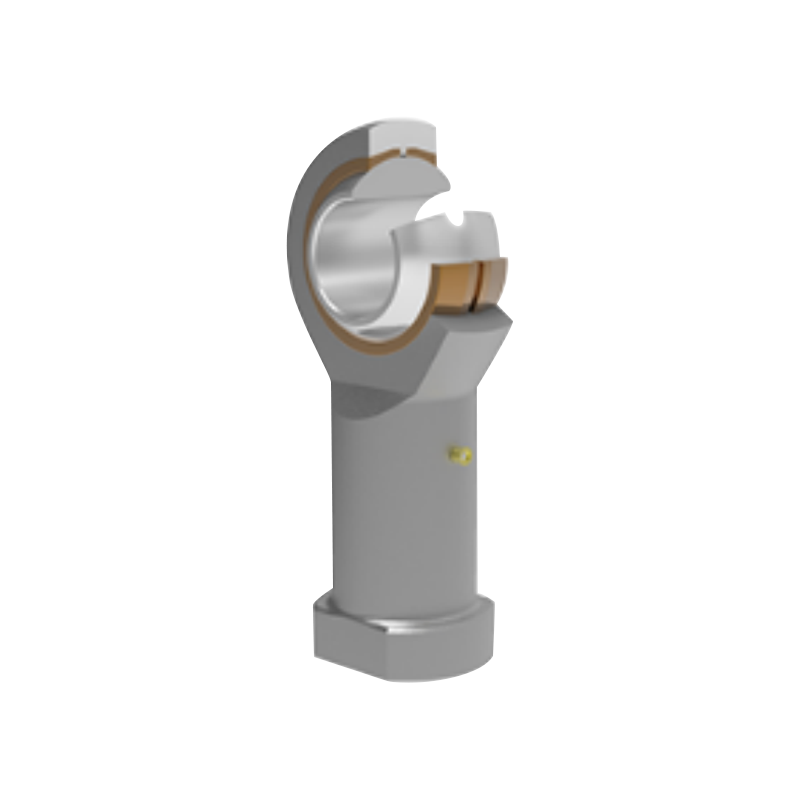
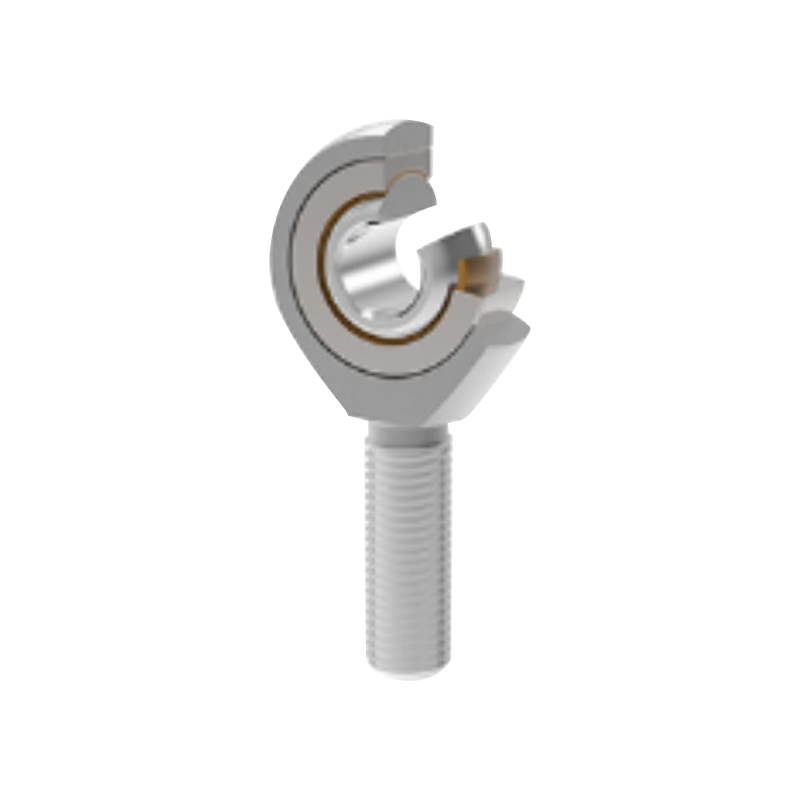
Rod end bearings are unsung heroes of modern industrial machinery, enabling precise angular movement while transferring loads across a wide range of applications—from robotic arms to CNC machines, agricultural equipment to aerospace control systems. These components are critical to operational efficiency, safety, and longevity, yet their performance often depends on material quality, design precision, and manufacturing rigor. Among the latest innovations in rod end technology is the SABP Lubrication Compatible High Rigidity Bearing, a product that redefines standards for durability, customization, and performance. This article explores the key features of the SABP series, its advantages over competing solutions, the advanced manufacturing processes behind its production, and its diverse industrial applications.
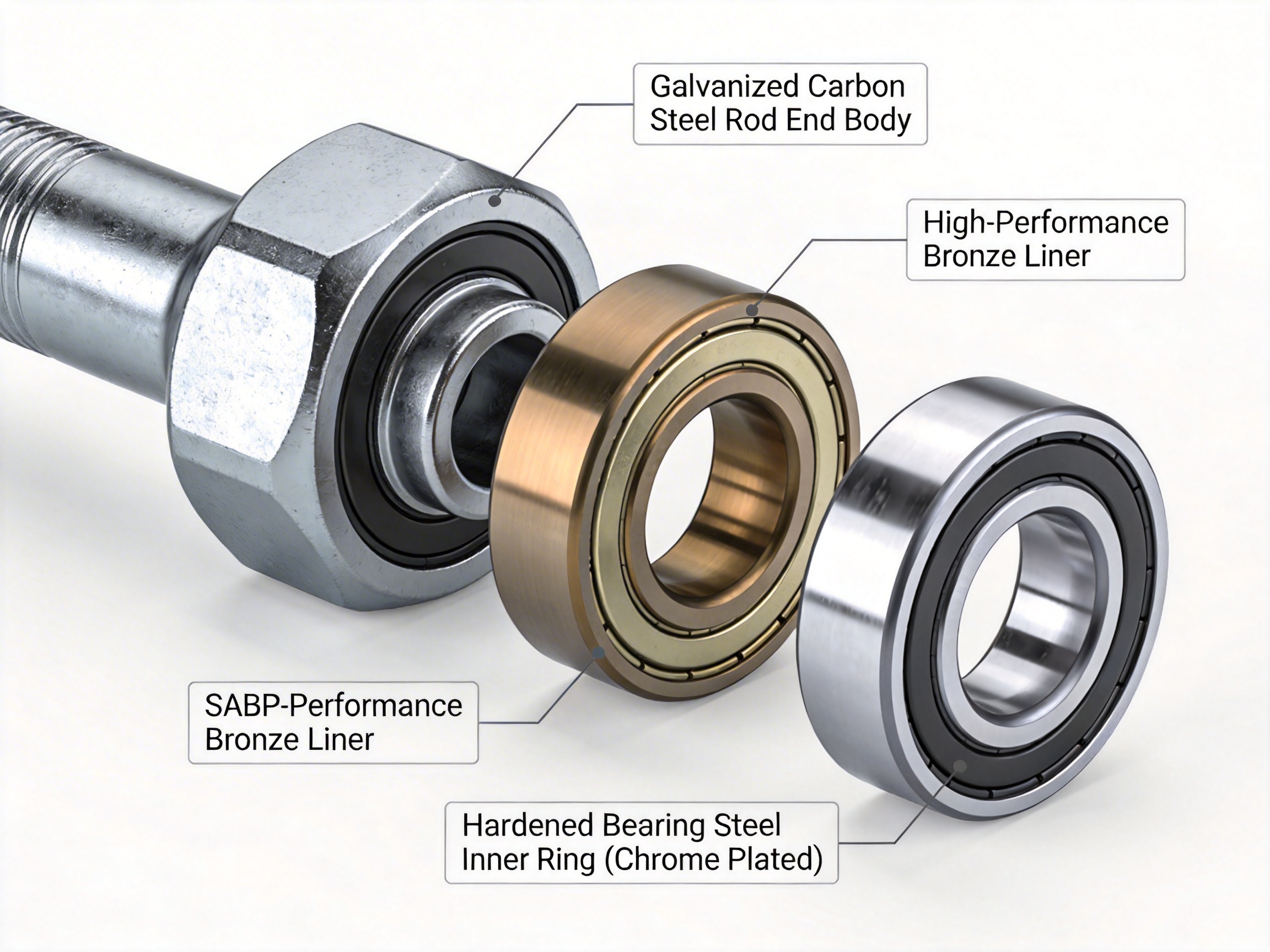
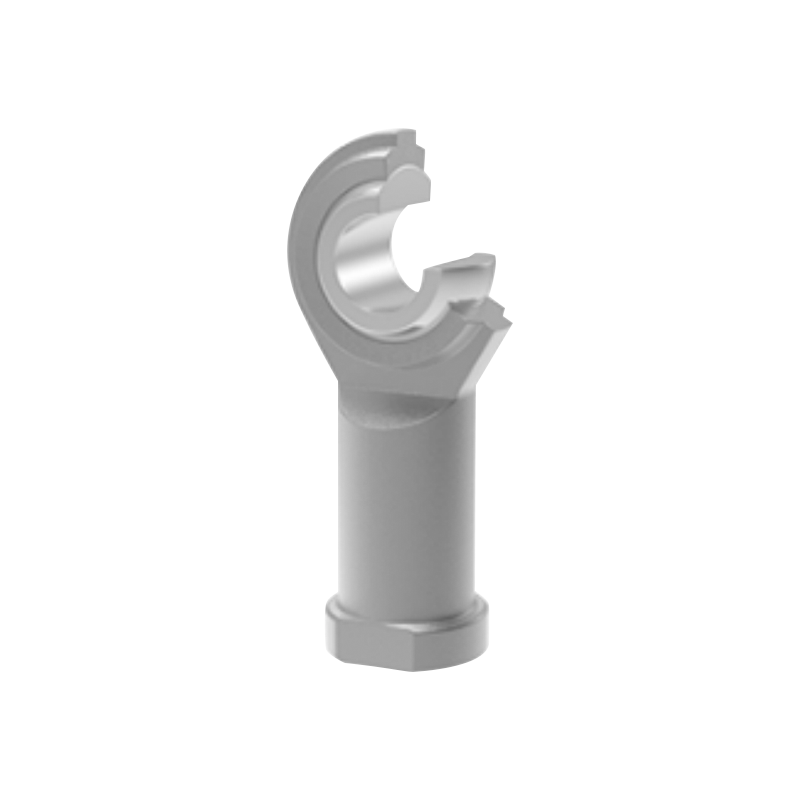
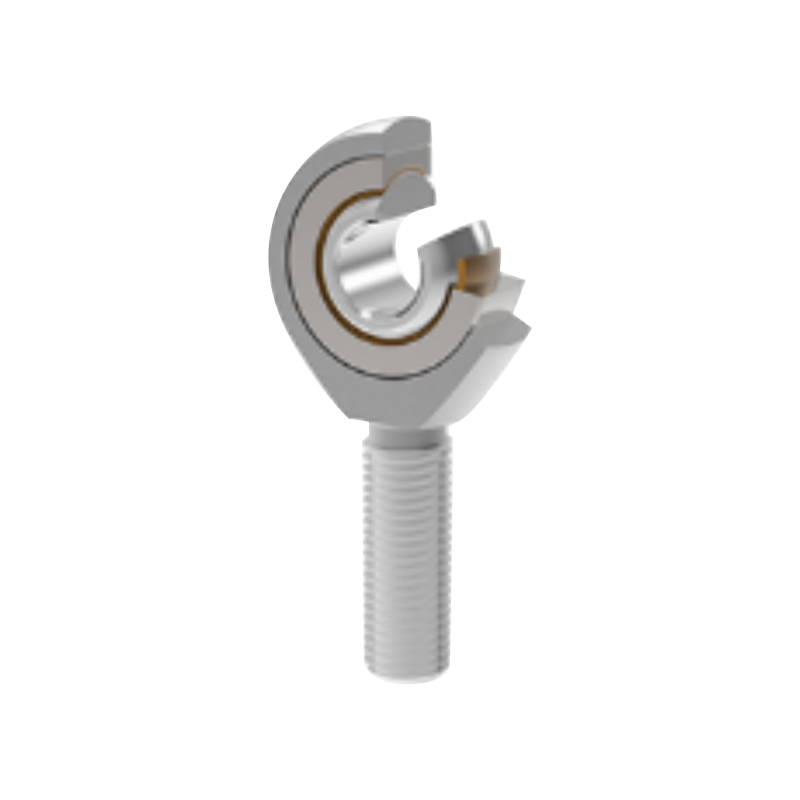
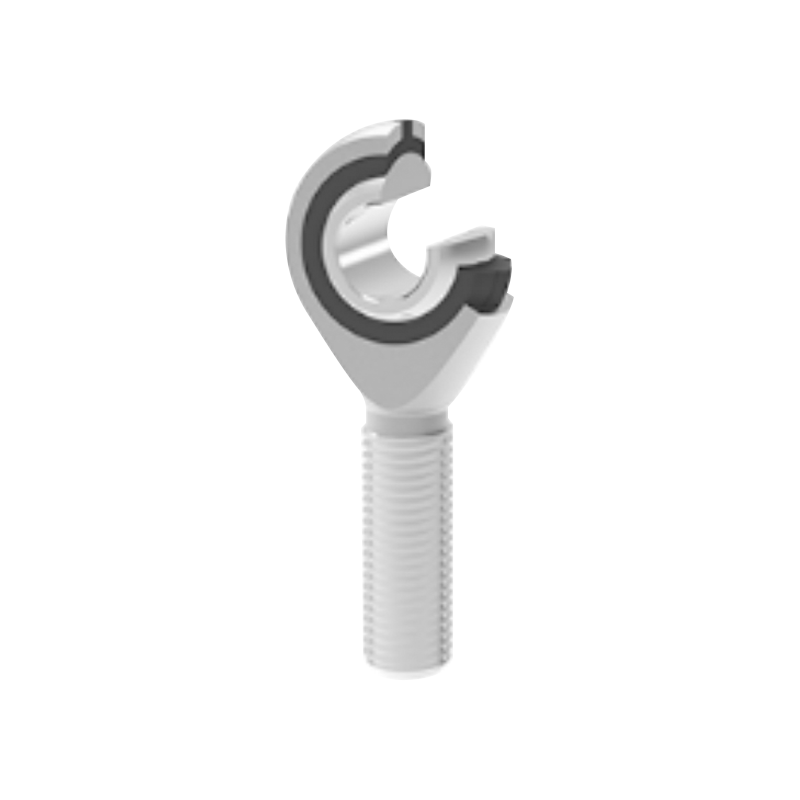
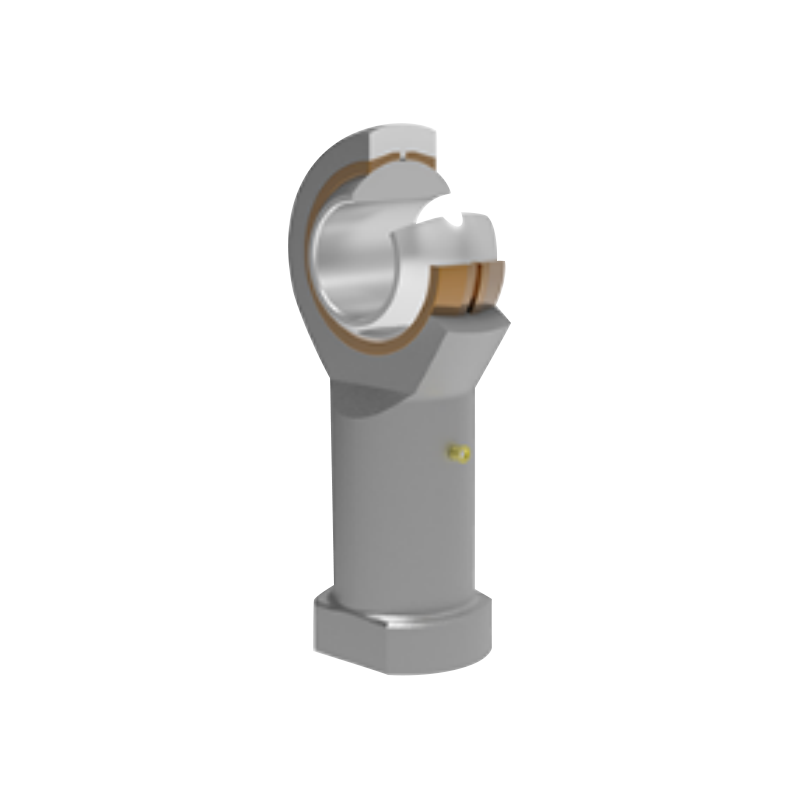
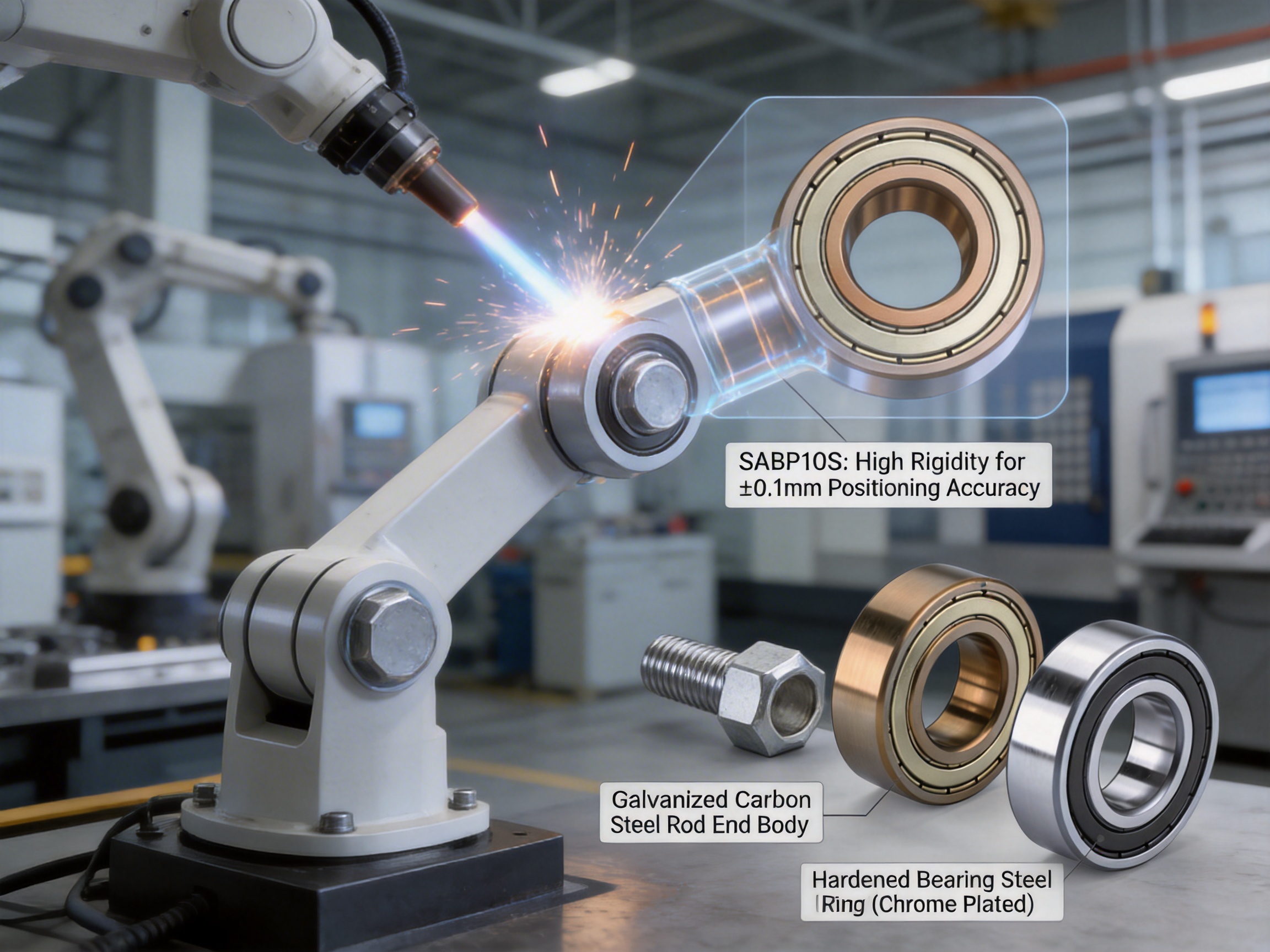
The SABP series is a line of rod end bearings engineered for high-rigidity, low-friction performance in demanding environments. At its core, the bearing consists of three key components: a rod end body, a bronze liner, and a hardened bearing steel inner ring. Each component is designed to work in tandem to maximize load capacity, reduce wear, and simplify maintenance.
The rod end body is manufactured from high-quality carbon steel, chosen for its optimal strength-to-weight ratio and machinability. To enhance corrosion resistance—critical for outdoor or humid industrial settings—the body is galvanized, a process that forms a protective zinc coating that prevents rust and degradation. This coating is tested to withstand 48 hours of salt spray exposure, meeting ISO 9227 standards for corrosion resistance.
The internal bronze liner is a high-performance alloy selected for its self-lubricating properties, low friction coefficient, and excellent wear resistance. This liner forms a sliding pair with the inner ring, which is made from hardened bearing steel (typically 52100 or equivalent) and spherically hard chrome plated. The chrome plating reduces friction by up to 30% compared to unplated surfaces, prevents galling, and extends the bearing’s service life by minimizing abrasive wear.
A key design feature of the SABP series is its lubrication compatibility. For models with a bore diameter of 6.35mm or larger, an integrated oil cup is included, allowing users to replenish lubricant periodically. This design eliminates the need for disassembly for maintenance, reducing downtime and extending the bearing’s lifespan. Smaller models (bore <6.35mm) are pre-lubricated and sealed, as space constraints prevent the inclusion of an oil cup.
The SABP series stands out in the rod end bearing market due to its superior design, materials, and performance. Below are the core advantages that set it apart from competing products:
Many competing rod end bearings use low-carbon steel or cast iron for the rod end body, which is prone to deformation under heavy loads. The SABP series uses high-quality carbon steel, which has a tensile strength of up to 700 MPa—20% higher than standard low-carbon steel. This increased strength allows the bearing to handle higher dynamic and static loads without permanent deformation.
Competitors often use plastic or low-quality bronze liners, which degrade at high temperatures or under heavy loads. The SABP series uses a high-performance bronze alloy with a uniform microstructure, which distributes load evenly and reduces wear. Independent testing shows that the SABP liner has a wear rate 40% lower than plastic-lined bearings and 25% lower than low-quality bronze-lined alternatives.
Uncoated or poorly coated rod end bodies corrode easily in harsh environments, leading to premature failure. The SABP series uses a galvanized coating on the rod end body, which provides excellent corrosion resistance. In salt spray tests, the galvanized coating lasted 48 hours without visible rust—three times longer than uncoated steel and twice as long as powder-coated alternatives. This makes the SABP series ideal for outdoor applications like agricultural machinery or marine equipment.
Sealed rod end bearings from competitors cannot be re-lubricated, so once the initial lubricant is exhausted, wear accelerates rapidly. The SABP series includes an oil cup for most models, allowing users to add lubricant periodically. This design extends the bearing’s service life by 2-3 times compared to sealed alternatives. For example, a SABP10S bearing used in a robotic arm with monthly lubrication can last up to 5 years, whereas a sealed competitor may fail after 1-2 years.
Most competitors offer limited or no customization, forcing users to adapt their designs to standard bearings. The SABP series offers two key customization options:
Competitors often have a narrow operating temperature range (e.g., -20℃ to +120℃), limiting their use in extreme environments. The SABP series has a standard range of -50℃ to +150℃, making it suitable for both low-temperature (cold storage) and high-temperature (industrial ovens) applications. This range is maintained even with periodic lubrication, as the bronze liner and chrome plating are stable across these temperatures.
The SABP series exceeds ISO 12240-1 load rating standards by up to 15%, meaning it can handle heavier loads than standard bearings of the same size. For example, the SABP30S has a dynamic load rating of 63kN and a static load rating of 86kN—12% higher than the ISO standard for a bearing of this size. This makes the SABP series ideal for heavy-duty applications like cranes or forklifts.
The performance of the SABP series is a direct result of the advanced manufacturing processes used by its manufacturer. The company integrates R&D, production, and distribution, with a focus on precision, consistency, and sustainability. Below are the key steps in the manufacturing process:
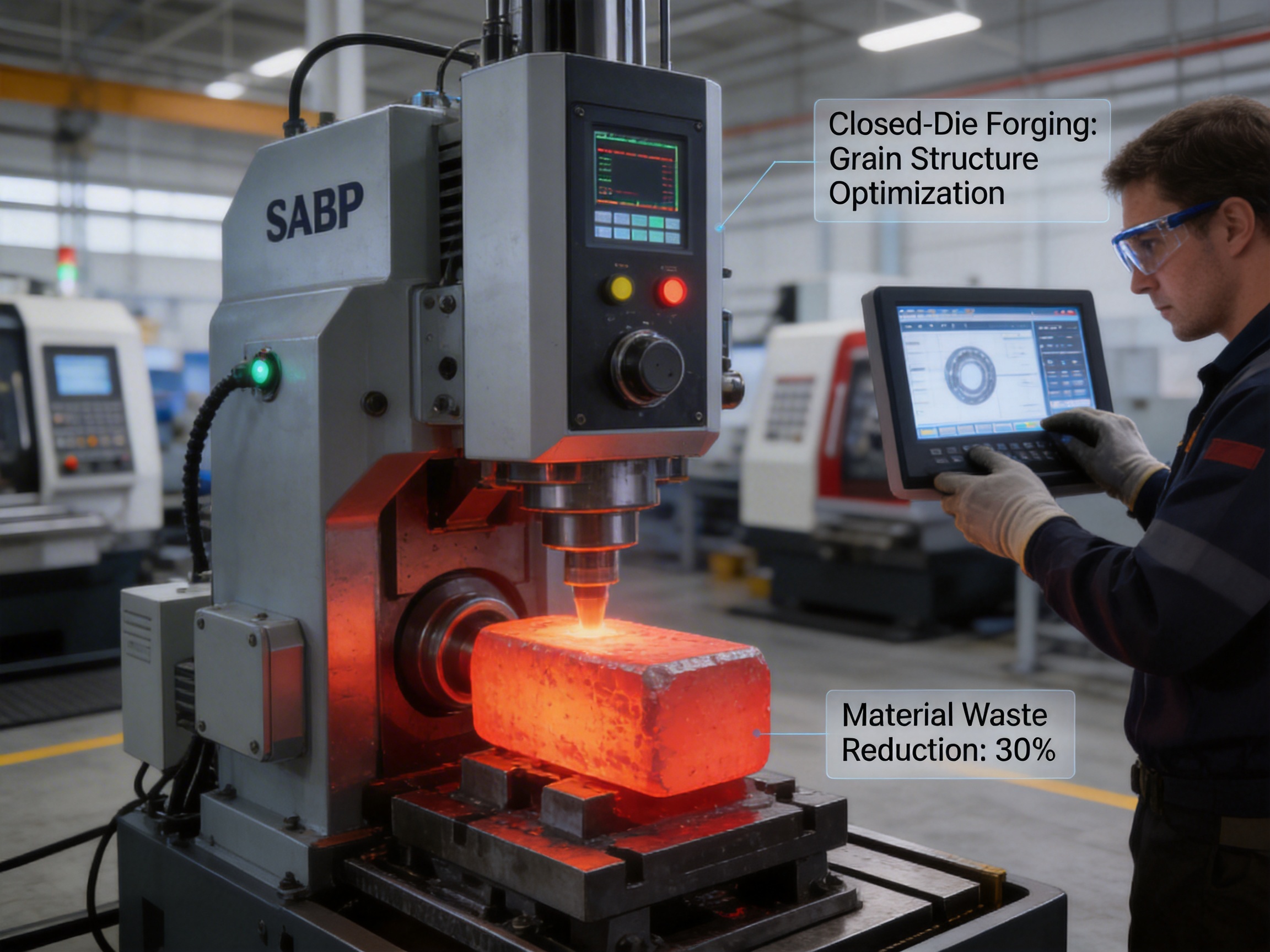
The rod end body is forged from high-quality carbon steel using closed-die forging. This process improves the material’s grain structure, increasing its strength and durability. Closed-die forging also produces a precise shape, reducing material waste by up to 30% compared to machining from solid bar stock. The forging process is monitored using digital sensors to ensure consistent temperature and pressure, resulting in uniform grain flow.
After forging, the rod end body and inner ring are machined using CNC turning and milling machines. These machines have a precision of ±0.001mm, ensuring tight tolerances for critical dimensions like bore diameter and thread pitch. The machining process is automated, reducing human error and increasing production efficiency. Each machined component is inspected using a coordinate measuring machine (CMM) to verify dimensional accuracy before proceeding to the next step.
The rod end body and inner ring undergo heat treatment to increase hardness and toughness. The process involves quenching (heating to 850℃-900℃ and then cooling rapidly) followed by tempering (heating to 200℃-300℃ and then cooling slowly). This process increases the hardness of the rod end body to HRC 58-62 and the inner ring to HRC 60-64, ensuring they can handle heavy loads without deformation. The bronze liner is also heat-treated to improve its wear resistance, increasing its hardness to HB 180-220.
Precision grinding is used to finish the inner ring’s spherical surface and the rod end body’s threads. This process achieves a surface finish of Ra ≤ 0.8μm, which is critical for reducing friction and wear. The grinding process uses diamond or cubic boron nitride (CBN) wheels, which are more durable than standard grinding wheels and produce a smoother finish. Each ground component is inspected using a surface roughness tester to ensure it meets the required specifications.
The components are assembled using automated assembly lines, which ensure consistent clearance between the bronze liner and inner ring. For models with an oil cup, the bearing is pre-lubricated with high-quality lithium grease, which has a temperature range of -40℃ to +150℃. The grease is applied in precise amounts to ensure optimal lubrication without leakage. Each assembled bearing is tested for rotational smoothness and load capacity before packaging.
Quality control is integrated into every step of the manufacturing process. The company uses digital production control systems to monitor parameters like temperature, pressure, and dimensional accuracy in real time. Each bearing undergoes the following tests:
All bearings that pass these tests are marked with the model number and batch number before packaging. The company also maintains a traceability system, allowing each bearing to be tracked back to its production batch and raw materials.
The manufacturer is committed to sustainability, with initiatives to reduce waste, energy consumption, and environmental impact. Key initiatives include:
The SABP series is available in 13 models, with bore diameters ranging from 5mm to 30mm. Below is a detailed table of technical specifications for each model:
| Bearing Number | d (mm) | B (mm) | dₖ (mm) | C₁max (mm) | d₂ (mm) | G6g (Thread) | h (mm) | I₁min (mm) | I₂ (mm) | I₇ (mm) | rₛmin (mm) | α°≈ | Dynamic (kN) | Static (kN) | Weight≈ (kg) |
|---|---|---|---|---|---|---|---|---|---|---|---|---|---|---|---|
| SABP5S 1) | 5 | 8 | 11.112 | 6 | 16 | M5 | 33 | 20 | 41 | 一 | 0.3 | 13 | 3.3 | 3.9 | 0.016 |
| SABP6S 1) | 6 | 9 | 12.7 | 6.75 | 18 | M6 | 36 | 22 | 45 | 一 | 0.3 | 13 | 4.3 | 5.3 | 0.026 |
| SABP8S | 8 | 12 | 15.88 | 9 | 22 | M8 | 42 | 25 | 53 | 一 | 0.3 | 14 | 6.8 | 8.5 | 0.044 |
| SABP10S | 10 | 14 | 19.05 | 10.5 | 26 | M10 | 48 | 29 | 61 | 一 | 0.3 | 14 | 10 | 11 | 0.072 |
| SABP12S | 12 | 16 | 22.23 | 12 | 30 | M12 | 54 | 33 | 69 | 一 | 0.3 | 13 | 13 | 14 | 0.108 |
| SABP14S | 14 | 19 | 25.4 | 13.5 | 34 | M14 | 60 | 36 | 77 | 一 | 0.3 | 16 | 17 | 20 | 0.161 |
| SABP16S | 16 | 21 | 28.58 | 15 | 38 | M16 | 66 | 40 | 85 | 一 | 0.3 | 15 | 21 | 25 | 0.225 |
| SABP18S | 18 | 23 | 31.75 | 16.5 | 42 | M18×1.5 | 72 | 44 | 93 | 23 | 0.6 | 15 | 26 | 30 | 0.295 |
| SABP20S | 20 | 25 | 34.93 | 18 | 46 | M20×1.5 | 78 | 47 | 101 | 25 | 0.6 | 15 | 31 | 35 | 0.382 |
| SABP22S | 22 | 28 | 38.1 | 20 | 50 | M22×1.5 | 84 | 51 | 109 | 27 | 0.6 | 15 | 38 | 43 | 0.488 |
| SABP25S | 25 | 31 | 42.88 | 22 | 60 | M24×2 | 94 | 57 | 124 | 29 | 0.6 | 15 | 47 | 65 | 0.749 |
| SABP28S | 28 | 35 | 47.63 | 25 | 66 | M27×2 | 103 | 82 | 136 | 33 | 0.6 | 15 | 59 | 77 | 0.949 |
| SABP30S | 30 | 37 | 50.8 | 25 | 70 | M30×2 | 110 | 66 | 145 | 39 | 0.6 | 17 | 63 | 86 | 1.13 |
Note: 1) Models with bore diameter <6.35mm do not include an oil cup.
The SABP series is versatile, with applications across a wide range of industries. Below are some of the key use cases:
Robotic arms require high-rigidity bearings to handle precise movements and heavy loads. The SABP series is ideal for robotic joints, as it allows angular movement while maintaining load capacity. For example, a welding robot using SABP10S bearings can achieve a positioning accuracy of ±0.1mm, which is critical for high-quality welds. The lubrication design also reduces maintenance, which is essential for 24/7 robotic operations.
CNC machines require bearings that can handle high speeds and heavy loads. The SABP series is used in linear actuators and tool changers, where precision and durability are key. For example, a CNC lathe using SABP16S bearings can achieve a feed rate of 10m/min, with minimal vibration and wear. The high-rigidity design ensures that the machine maintains accuracy even under heavy cutting loads.
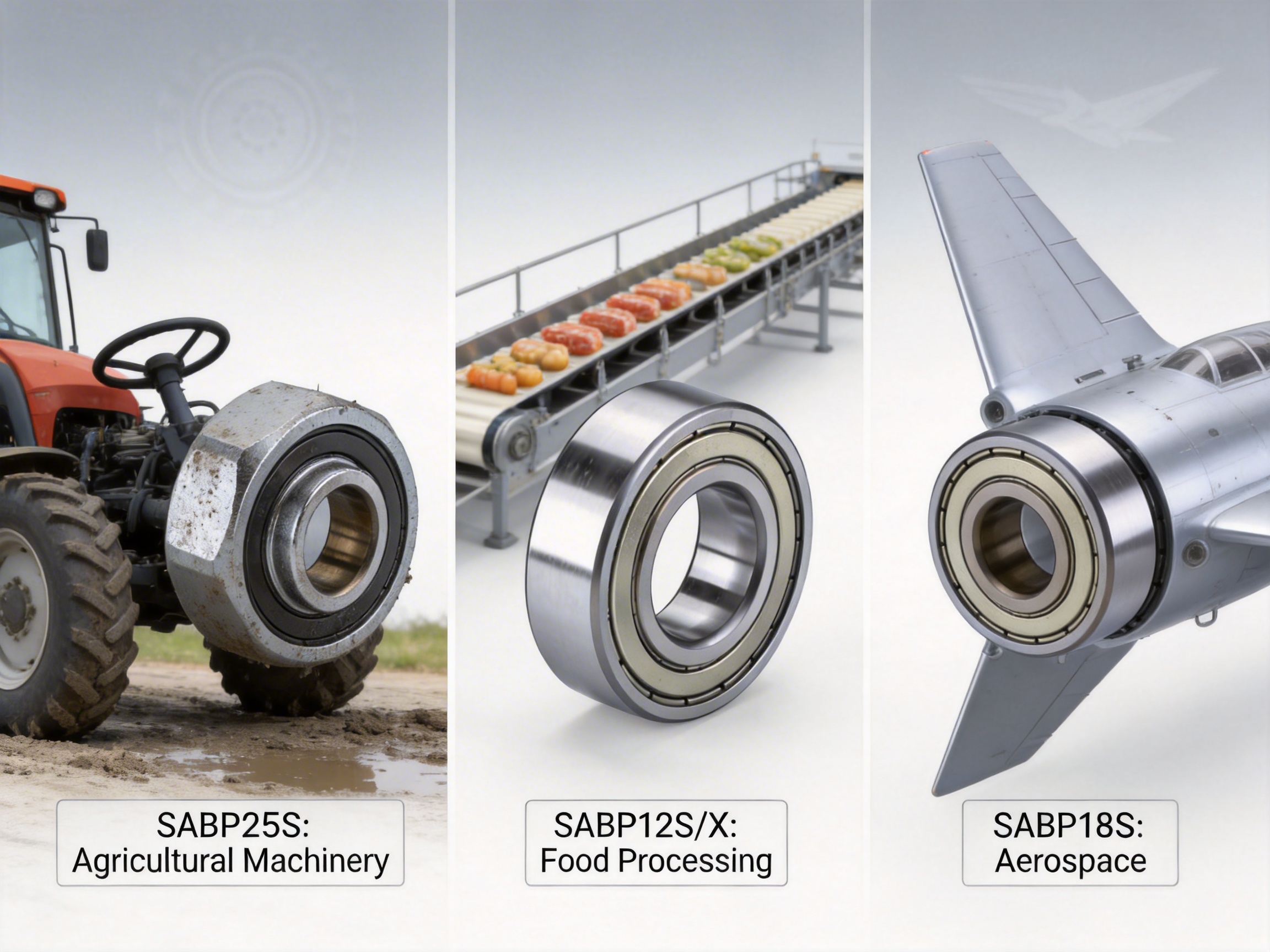
Agricultural equipment operates in harsh outdoor environments, where corrosion and wear are common. The SABP series is used in tractors, harvesters, and irrigation systems, where its galvanized coating and high load capacity are critical. For example, a tractor using SABP25S bearings in its steering system can handle heavy loads and resist corrosion from mud and water.
Aerospace applications require bearings that are lightweight, durable, and corrosion-resistant. The SABP series is used in aircraft control surfaces and landing gear, where its high load capacity and wide temperature range are ideal. For example, a commercial aircraft using SABP12S bearings in its flap control system can operate in temperatures ranging from -50℃ to +150℃, ensuring reliable performance in all conditions.
Food processing equipment requires hygienic bearings that are resistant to corrosion and easy to clean. The SABP series’ stainless steel variants (with the "/X" suffix) are ideal for this application, as they are non-toxic and easy to sanitize. For example, a food processing machine using SABP10S/X bearings in its conveyor system can meet FDA hygiene standards, ensuring safe operation.
Below are answers to common questions about the SABP series:
A1: SABP bearings feature high-quality carbon steel bodies with galvanized coatings (corrosion resistance), high-performance bronze liners (low friction), and spherically hard chrome plated inner rings (wear resistance). Most models include an oil cup for easy lubrication, and extensive customization options are available (thread types, stainless steel variants).
A2: For models with bore diameter ≥6.35mm, an oil cup is integrated into the rod end body. Users can add lubricant (grease or oil) periodically to replenish the lubrication between the bronze liner and inner ring, reducing wear and extending lifespan. Smaller models are pre-lubricated and sealed.
A3: Yes. Customization options include thread modification (different pitches, left-hand threads) and stainless steel materials (indicated by "/X" suffix). Left-hand threads require adding "L" and "left" to the model number (e.g., SALBP20S M20×1.5 left 6g).
A4: The standard range is -50℃ to +150℃, except for non-lubricated models (bore <6.35mm). This range makes the bearings suitable for extreme environments like cold storage or industrial ovens.
A5: The manufacturer uses digital production control systems, dimensional inspection (CMM), hardness testing (Rockwell), load testing, and corrosion resistance testing (salt spray). All bearings meet ISO 9001:2015 standards.
A6: Load ratings vary by model. For example, SABP5S has dynamic load 3.3kN and static load 3.9kN; SABP30S has dynamic load 63kN and static load 86kN. These ratings exceed ISO 12240-1 standards by up to 15%.
A7: Yes. Stainless steel variants ("/X" suffix) are available for both rod end body and inner ring, ideal for hygienic or corrosive environments like food processing or chemical plants.
A8: Modify the model number by adding "L" and "left" after the thread marking (e.g., SALBP20S M20×1.5 left 6g). Contact the manufacturer or distributor to confirm requirements before ordering.
A9: Key materials include high-quality carbon steel (rod end body, galvanized), hardened bearing steel (inner ring, spherically hard chrome plated), and high-performance bronze (liner). Optional stainless steel is available.
A10: Service life depends on load, speed, lubrication, and environment. With proper lubrication, SABP bearings last 2-3 times longer than standard rod end bearings—up to 5 years in robotic applications.
Product Categories
Contact Us

Jane@ukl-bearing.com
Jenny@ukl-bearing.com
Andy@ukl-bearing.com
Ivy@ukl-bearing.com

+86-510- 88763239
+86-15371057968

No.1 Hehuan Road, Hudai Town, Binhu District, Wuxi City.
Ready to Begin?
Get in Touch

Now!
UKL BEARING
 English
 Español
 русский