Content
In the realm of industrial machinery, precision, durability, and efficiency are non-negotiable—especially when it comes to components that enable rotational movement. Cross roller bearings, a specialized type of rolling-element bearing, have emerged as a cornerstone in applications requiring high load capacity, compact design, and precise rotation. Among the leading innovations in this space is the XU High Torque Cross Roller Bearing series, which redefines performance standards by addressing key limitations of conventional cross roller bearings. This article explores the core advantages of the XU series, the advanced manufacturing processes that underpin its quality, its diverse applications, and how it outperforms competitors in critical metrics. Additionally, a Q&A section addresses common queries about the product, and references to industry standards and research support the insights presented.
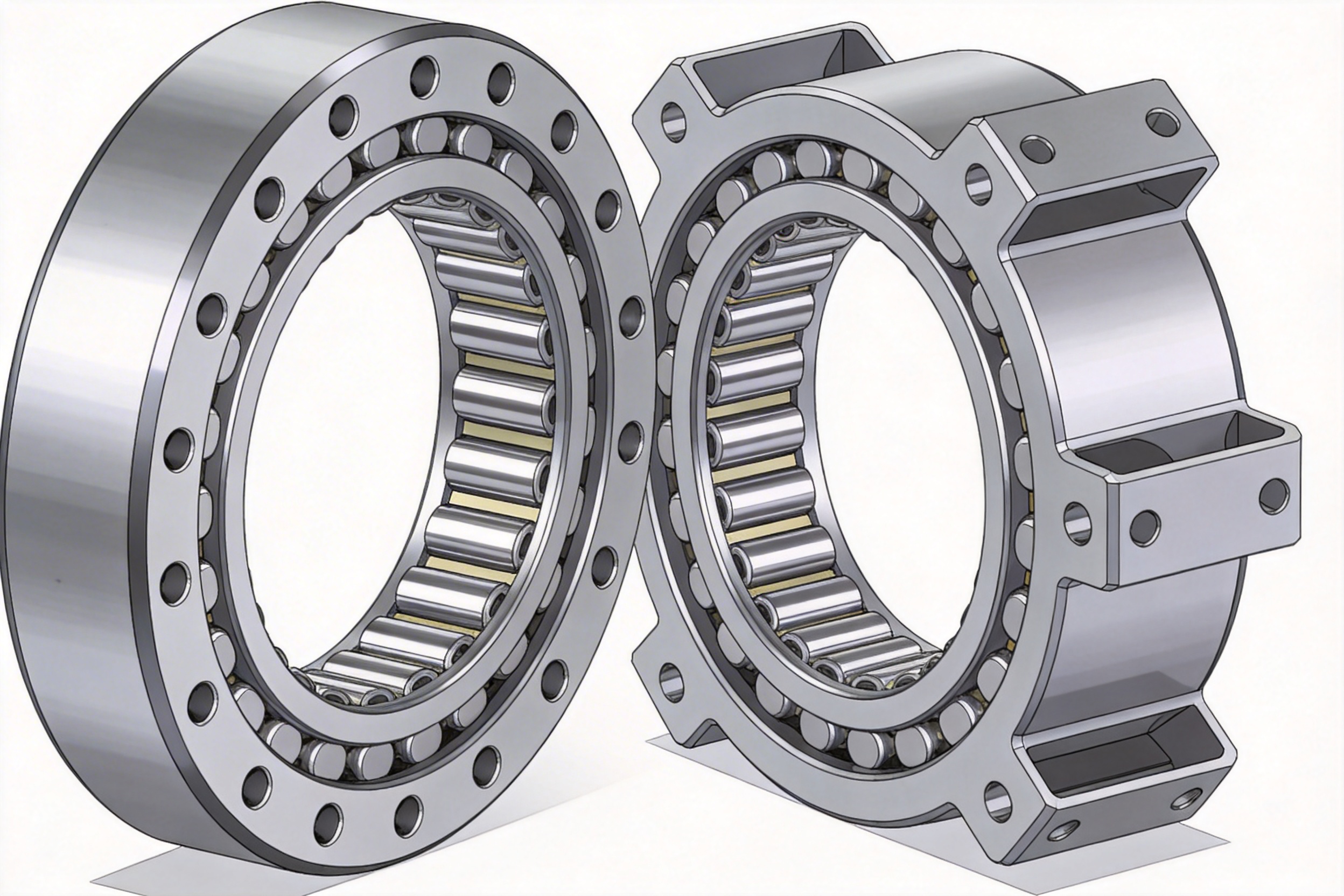
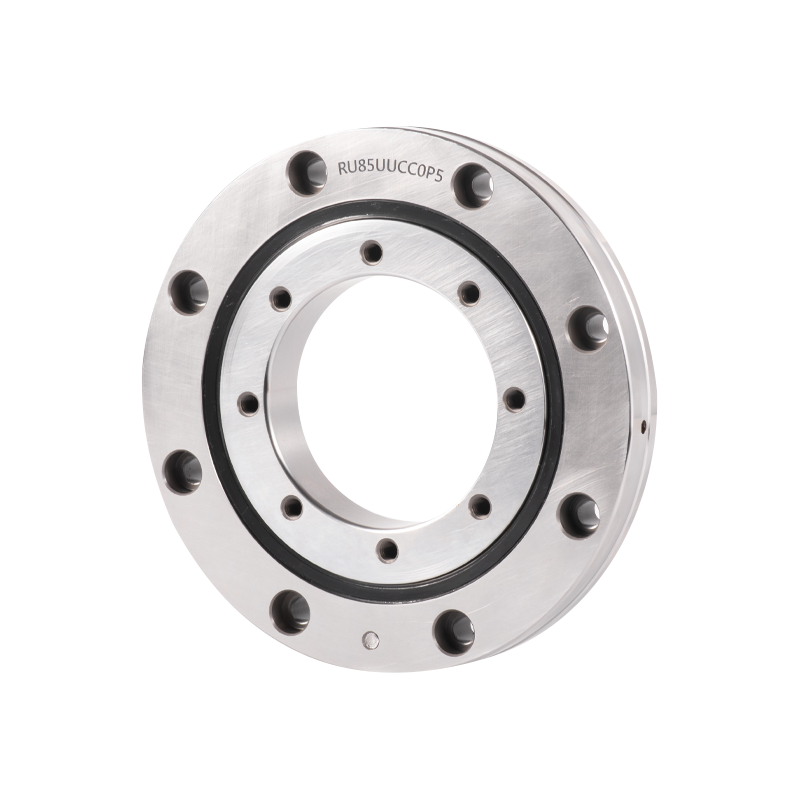
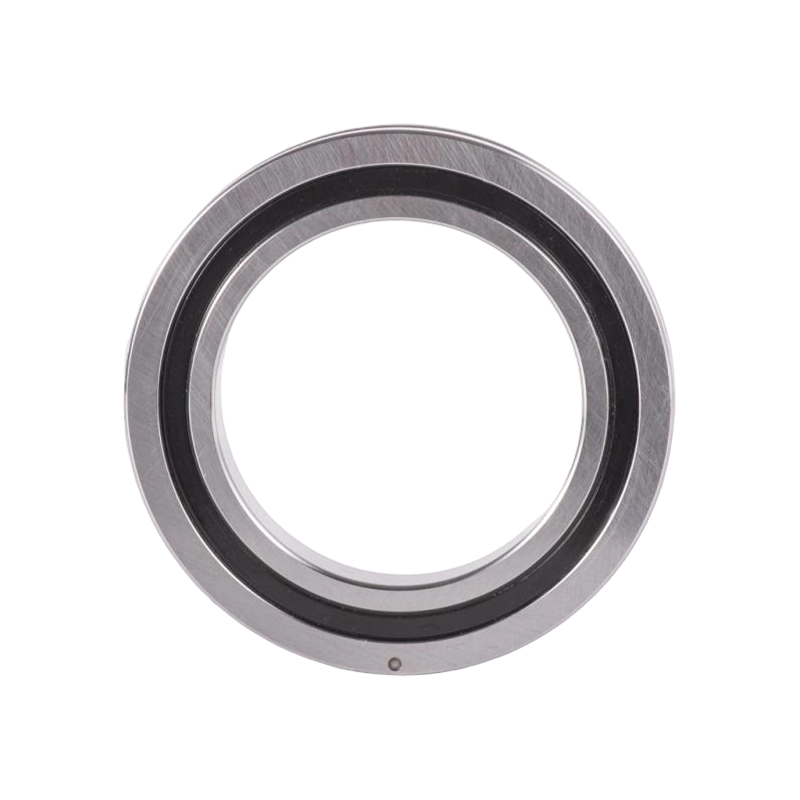
The XU High Torque Cross Roller Bearing series is engineered to solve real-world challenges faced by manufacturers and engineers in high-precision industries. Its unique design features translate into tangible benefits that set it apart from conventional bearings.
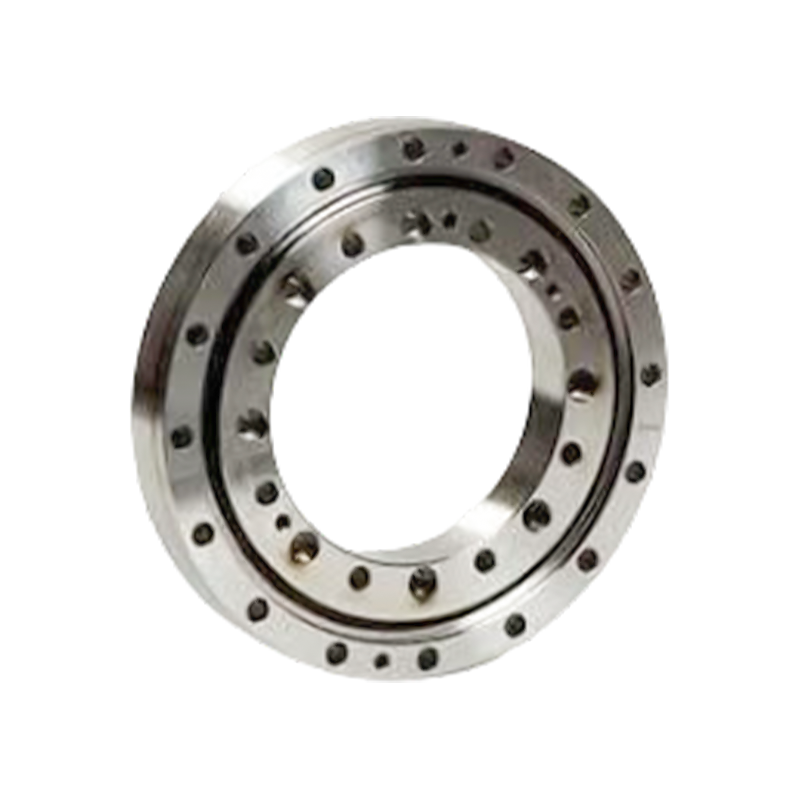
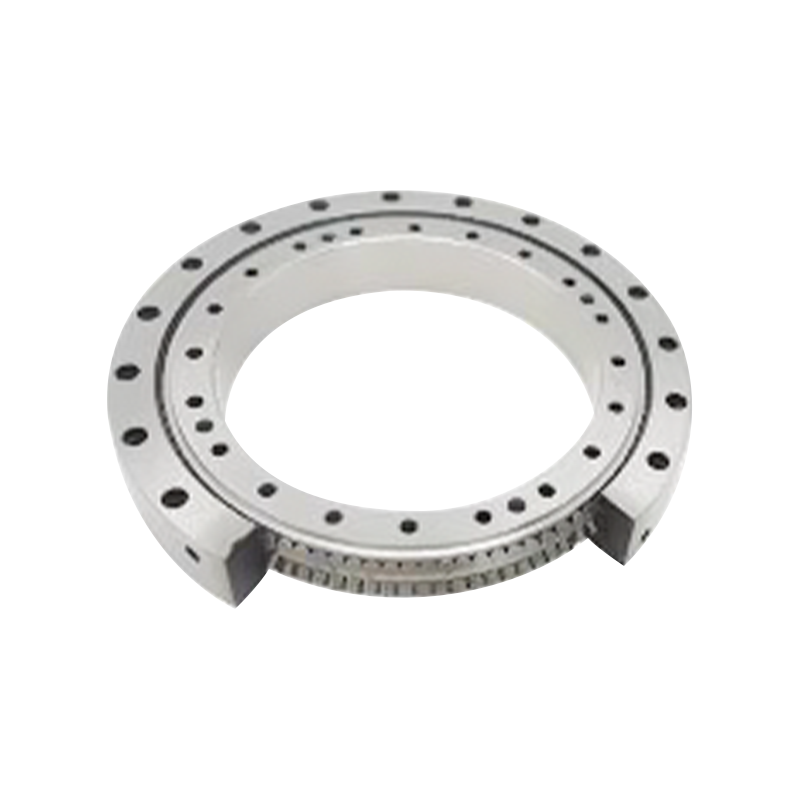
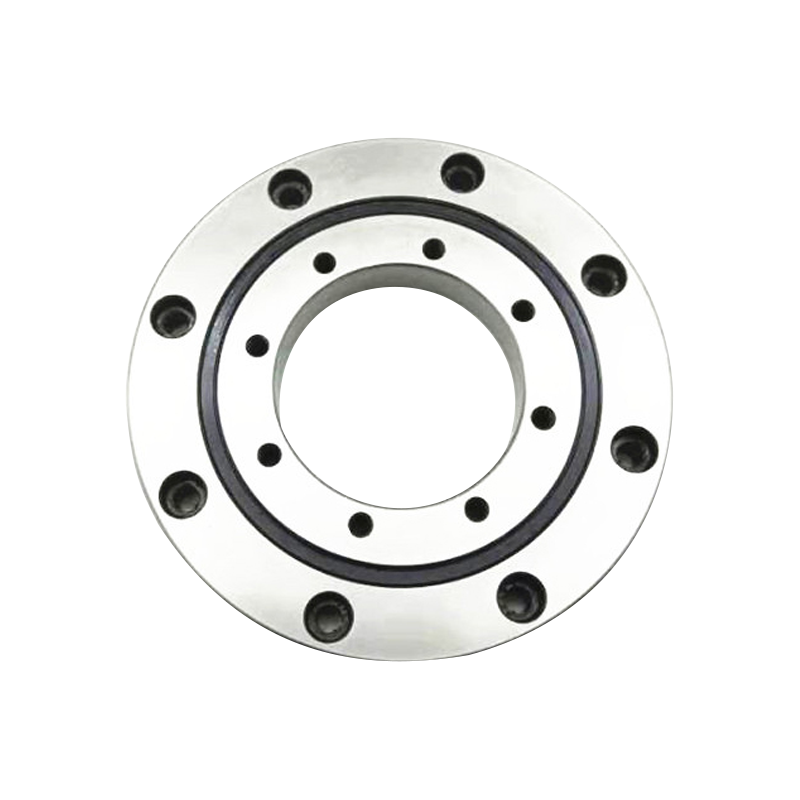
One of the most significant advantages of the XU series is its pre-machined mounting holes—both on the inner and outer rings. Conventional cross roller bearings often require additional fixed flanges or support seats to be installed, which adds to the overall cost, increases assembly time, and introduces potential points of failure (e.g., misalignment between the bearing and mounting components). The XU series eliminates these extra parts entirely: the pre-machined holes allow direct mounting to the machine structure, simplifying installation and reducing the number of components in the system.
This feature not only streamlines the manufacturing process for end-users but also enhances the bearing’s performance. By removing the need for intermediate mounting parts, the XU bearing maintains a more rigid connection to the machine, reducing vibration and improving rotational accuracy. For industries like CNC machining, where even minor misalignments can lead to substandard parts, this is a critical benefit.
The XU series uses an integrated inner and outer ring structure, which is a departure from the split-ring designs common in some cross roller bearings. Split rings, while sometimes used for easier assembly, can introduce gaps or uneven stress distribution that compromise performance. The integrated structure of the XU bearing ensures uniform load distribution across the rollers, which in turn enhances rigidity and load capacity.
Another key benefit of this integrated design is its resistance to installation-induced performance changes. Conventional bearings may experience shifts in preload or alignment during installation, which can degrade accuracy over time. The XU series’ integrated structure minimizes these effects, ensuring that the bearing’s performance remains consistent from installation through its entire service life. This stability is particularly valuable in applications like industrial robots, where repeated rotational cycles demand long-term reliability.
Precision is the backbone of the XU series. Unlike many conventional cross roller bearings that are limited to lower precision grades (e.g., P5 or P6), the XU series is available in P4 and P2 grades—among the highest precision standards in the bearing industry. These grades are defined by strict tolerances for dimensional accuracy and rotational runout, ensuring that the bearing operates with minimal error.
For example, a P2 grade bearing has a radial runout of less than 1 micrometer, making it ideal for applications like optical measurement equipment or high-precision CNC rotary tables. The XU series’ ability to meet these stringent standards is a testament to its advanced manufacturing processes and quality control measures.
Cross roller bearings are designed to handle multiple types of loads—axial (thrust), radial, and overturning (moment) loads—simultaneously. The XU series takes this capability to the next level with its optimized roller arrangement and integrated structure. Each roller in the XU bearing is positioned at a 90-degree angle to the adjacent roller, which allows the bearing to distribute loads evenly across all rollers.
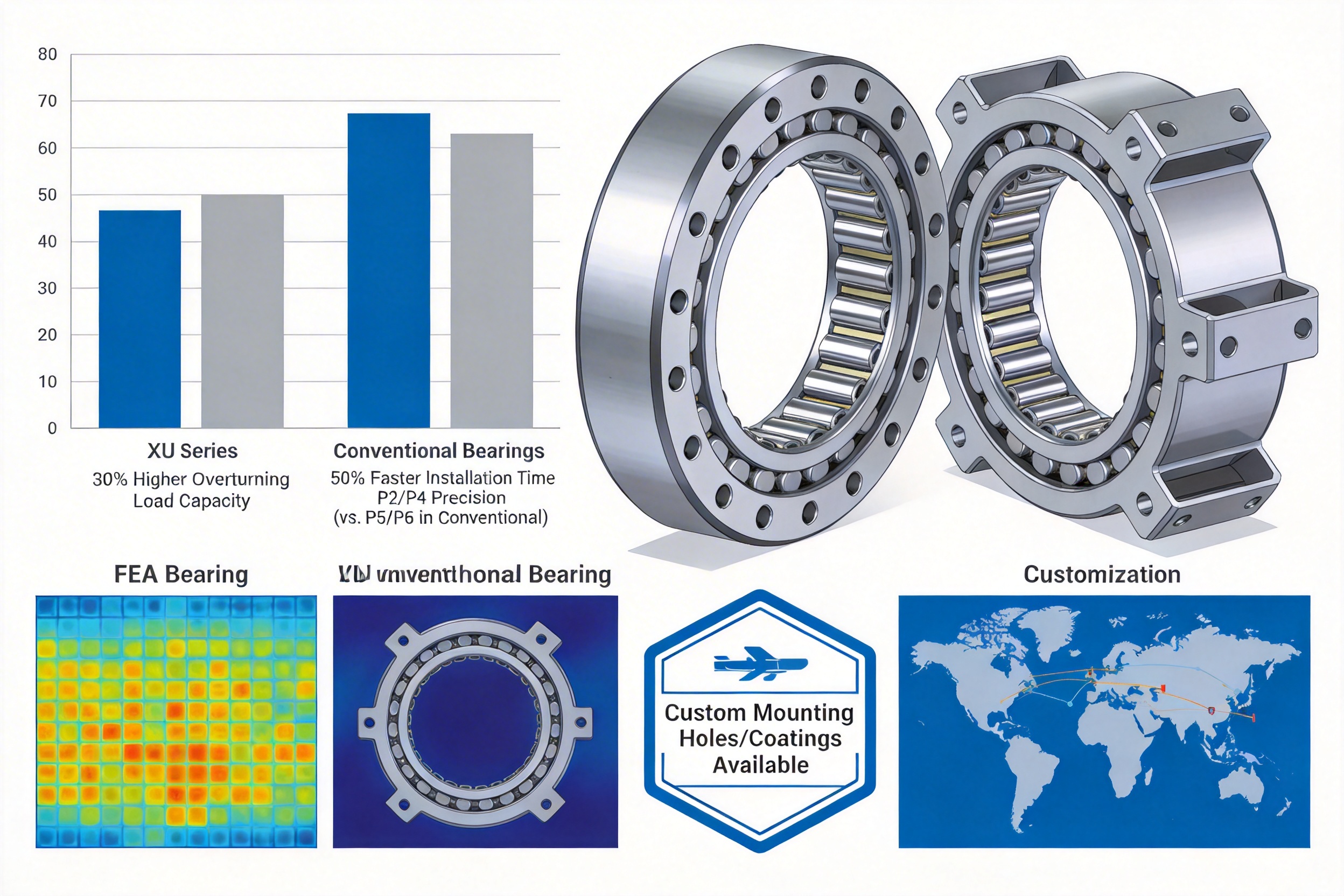
This design results in a significantly higher load capacity compared to conventional bearings of the same size. For instance, an XU series bearing can withstand up to 30% more overturning load than a standard cross roller bearing of equivalent dimensions. This is particularly important in applications like heavy-duty CNC vertical lathes, where the bearing must support both the weight of the workpiece and the cutting forces.
In today’s industrial landscape, space is a premium—especially in compact equipment like collaborative robots or小型 CNC machines. The XU series’ compact design allows it to deliver high performance without occupying excessive space. Its integrated structure and optimized dimensions mean that it can replace larger, bulkier bearings in many applications, freeing up space for other components or enabling the design of more compact machinery.
For example, in a collaborative robot joint, the XU bearing’s compact size allows engineers to design a slimmer, more maneuverable joint while maintaining the required load capacity and precision. This is a key advantage for manufacturers looking to create innovative, space-efficient products.
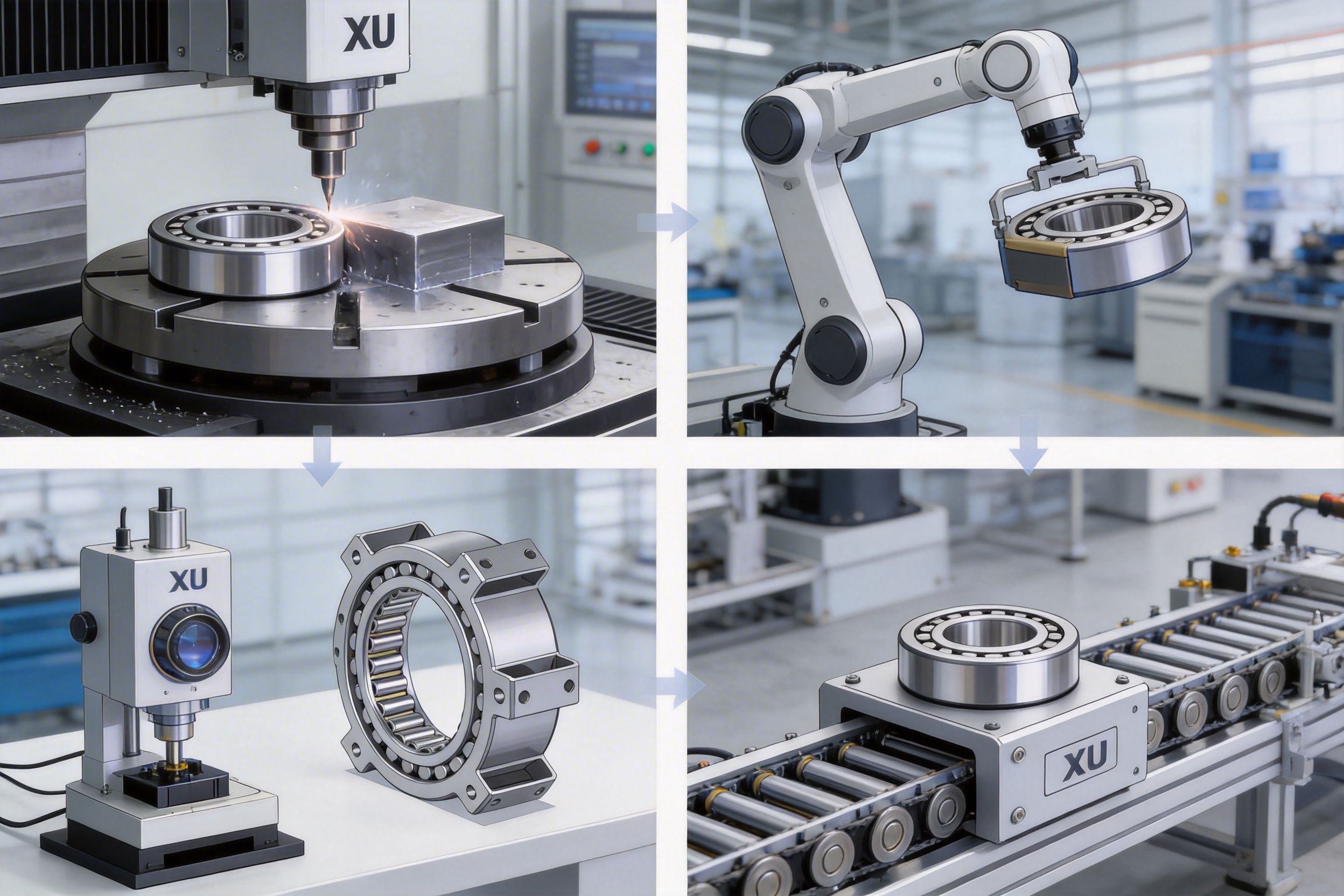
The superior performance of the XU series is not accidental—it is the result of a rigorous, integrated manufacturing process that combines cutting-edge technology, skilled craftsmanship, and strict quality control. The company behind the XU series (a leading bearing manufacturer with over 15 years of OEM/ODM experience) operates a modern factory equipped with state-of-the-art production lines covering every stage of bearing manufacturing.
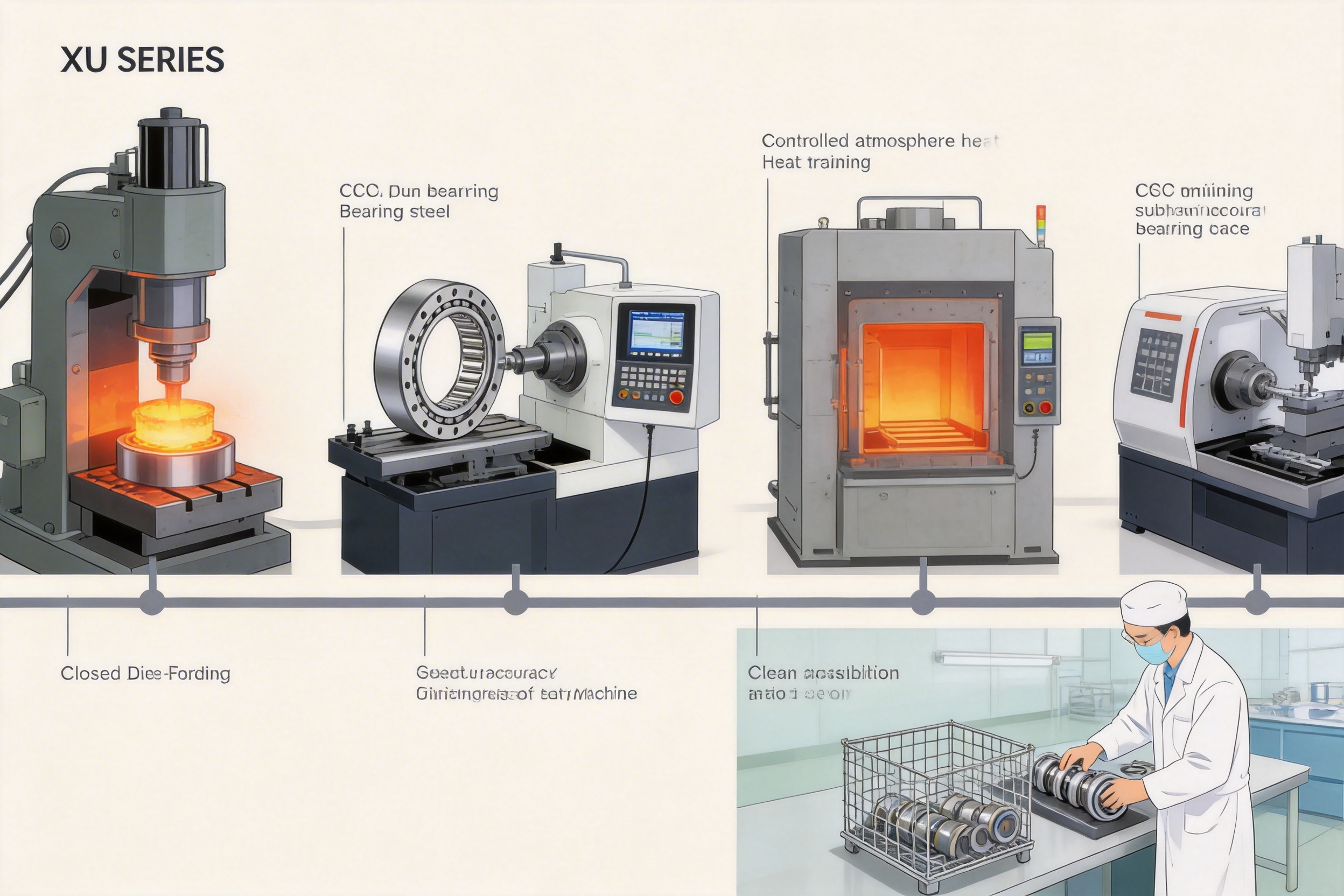
The XU series is manufactured through a fully integrated process that ensures consistency and quality at every step. Here’s a breakdown of the key stages:
Forging: The process begins with closed-die forging of high-quality bearing steel (e.g., GCr15 or equivalent). Forging is critical for improving the steel’s grain structure, which enhances its strength and wear resistance. The closed-die forging process ensures that the bearing rings have uniform density and minimal internal defects, which are essential for long-term performance.
Turning: After forging, the bearing rings undergo precision turning using CNC lathes. This step shapes the rings to their exact dimensions, with tolerances as tight as 0.01 mm. The turning process also prepares the surfaces for subsequent grinding operations.
Heat Treatment: Heat treatment is a key step in enhancing the bearing’s hardness and durability. The company uses controlled atmosphere hardening, which involves heating the bearing rings to a specific temperature (around 850°C) and then quenching them in a controlled environment to avoid oxidation and distortion. This process ensures that the rings have a consistent hardness of HRC 60-65, which is optimal for bearing applications.
Grinding: Grinding is the most critical step for achieving the high precision of the XU series. The company uses CNC grinding machines with sub-micron accuracy to finish the bearing races and rollers. This step ensures that the dimensional tolerances meet the P4 and P2 precision grades. The grinding process is followed by super-finishing, which improves the surface finish of the races and rollers, reducing friction and wear.
Assembly: The assembly process is carried out in a cleanroom environment to prevent contamination. The rollers are precisely positioned in the bearing cage, and the inner and outer rings are assembled with the correct preload. Preloading is a key step that ensures the bearing operates without play, which is essential for precision applications.
Packaging: Finally, the bearings are packaged in anti-corrosion materials to prevent rust during storage and transportation. Each bearing is labeled with its model number, precision grade, and other relevant information for traceability.
The company invests heavily in research and development to continuously improve the XU series and develop new solutions for its customers. Its dedicated R&D team uses advanced tools like finite element analysis (FEA) to simulate the performance of the bearing under different load conditions, allowing engineers to optimize the design for maximum efficiency and durability.
For example, FEA simulations have helped the team refine the roller profile to reduce stress concentrations, which extends the bearing’s service life. The team also works closely with customers to develop customized bearings for specific applications—such as bearings with modified mounting holes or special coatings for harsh environments.
Quality control is embedded in every stage of the manufacturing process. The company uses a range of testing equipment to ensure that each bearing meets the required standards: - Dimensional Inspection: Coordinate measuring machines (CMMs) are used to verify the dimensions of the bearing rings and rollers, ensuring that they meet the tight tolerances for P4 and P2 grades. - Surface Finish Testing: Profilometers measure the surface finish of the races and rollers to ensure low friction and wear. - Load Testing: Dynamometers test the bearing’s load capacity and rigidity under simulated operating conditions. - Rotational Accuracy Testing: Specialized equipment measures the bearing’s rotational runout to confirm that it meets the precision grade requirements.
All bearings are subjected to a final inspection before shipping, and the company maintains a comprehensive quality management system that is ISO 9001 certified. This ensures that every XU bearing delivered to customers meets the highest standards of quality and performance.
The XU series includes a wide range of models to suit different application requirements. Each model is defined by its dimensions, weight, and performance characteristics. Below is a table of key specifications for selected XU series bearings:
| Bearing NO. | Drawing Number | Weight (kg) | Da (mm) | di (mm) | Di (mm) | da (mm) | H (mm) | h (mm) | T (mm) |
|---|---|---|---|---|---|---|---|---|---|
| XU050077 | 1 | 1 | 112 | 40 | 77.5 | 74 | 22 | 21 | - |
| XU060094 | 1 | 2 | 140 | 57 | 94.6 | 93.4 | 26 | 25 | - |
| XU080120 | 3 | 4 | 170 | 69 | 120.6 | 119.4 | 30 | - | - |
| XU120179 | 5 | 7 | 234 | 124.5 | 180±0.2 | 178±0.2 | 35 | 30 | 5 |
| XU160260 | 5 | 16 | 329 | 191 | 261 | 259 | 46 | 41 | 7 |
| XU300515 | 5 | 115 | 646 | 384 | 516 | 514 | 86 | 79 | 12 |
Note: Some dimensions marked with "-" indicate that the parameter is not applicable for that model. For full specifications, refer to the product catalog.
The XU series’ combination of precision, load capacity, and compact design makes it suitable for a wide range of industrial applications. Key sectors include:
CNC Machine Tools: CNC machine tools require high-precision bearings to ensure accurate machining of parts. The XU series is used in CNC rotary tables, vertical lathes, and milling machines, where it provides the stability and accuracy needed for complex machining operations.
Industrial Robots: Industrial robots rely on bearings for smooth, precise movement in their joints and rotating parts. The XU series’ ability to handle axial, radial, and overturning loads makes it ideal for robot arms, where each joint must support the weight of the arm and the payload.
Precision Equipment: Applications like testing instruments, medical machines, and IC manufacturing equipment demand the highest levels of precision. The XU series’ P2 and P4 grades make it a perfect fit for these applications, where even minor errors can lead to incorrect results or product defects.
Automation Systems: As industrial automation continues to grow, the need for reliable, high-performance bearings increases. The XU series is used in automated assembly lines, conveyor systems, and other automation equipment, where it ensures consistent performance over long periods of use.
The XU series stands out from conventional cross roller bearings and competitors’ products in several key areas:
Unlike many competitors’ bearings that require additional flanges or support seats, the XU series’ pre-machined holes allow direct mounting. This reduces installation time by up to 50% and eliminates the cost of extra components. For manufacturers, this translates into lower production costs and faster time-to-market for their products.
The XU series’ P4 and P2 precision grades are higher than those of many competitors, which typically offer only P5 or P6 grades. Additionally, the integrated inner/outer ring structure provides greater rigidity than split-ring designs, allowing the bearing to handle higher loads without deformation. This results in longer service life and more consistent performance.
The company’s strong R&D capabilities allow it to customize XU bearings for specific applications. Competitors often offer only standard models, but the XU series can be modified with special coatings, modified mounting holes, or other features to meet unique customer requirements. This flexibility is a major advantage for manufacturers with specialized needs.
The company has a global supply chain that ensures timely delivery of XU bearings to customers around the world. With over 15 years of export experience, it serves markets in Europe, Asia, Africa, and Russia. Competitors may struggle with supply chain disruptions or long lead times, but the XU series’ reliable supply chain ensures that customers receive their orders on time.
Below are answers to common questions about the XU High Torque Cross Roller Bearing series:
A1: The main differences include: (1) Pre-machined mounting holes that eliminate the need for extra flanges or support seats; (2) An integrated inner/outer ring structure that improves rigidity and performance consistency; (3) Higher precision grades (P4 and P2) compared to standard bearings; (4) A compact design that saves space in machinery.
A2: Yes, the XU series is designed to support both inner and outer ring rotation. This flexibility makes it suitable for a wide range of applications where either the inner or outer ring needs to rotate.
A3: The XU series is available in P4 and P2 precision grades, which are among the highest in the bearing industry. These grades ensure minimal rotational runout and dimensional accuracy.
A4: The manufacturing process uses state-of-the-art equipment and strict quality control measures at every stage. Key steps include closed-die forging for uniform grain structure, controlled atmosphere hardening for consistent hardness, precision grinding for high accuracy, and final inspection using CMMs and other testing equipment. The company is ISO 9001 certified, which further ensures quality consistency.
A5: XU bearings are ideal for industries that require high precision and load capacity, including CNC machine tools, industrial robots, precision equipment (testing instruments, medical machines, IC manufacturing), and automation systems.
A6: Yes, the company’s R&D team can customize XU bearings to meet specific customer requirements. This includes modifying mounting holes, adding special coatings, or adjusting dimensions to fit unique applications.
A7: Lead times vary depending on the model and quantity. Standard models typically have a lead time of 2-4 weeks, while customized models may take 4-6 weeks. The company works closely with customers to ensure timely delivery.
A8: The company is committed to environmental sustainability. It uses environmentally responsible processes, promotes material recycling, and optimizes energy usage to reduce its environmental footprint. Additionally, it supports educational and technical training initiatives to foster future engineering talent.
1. ISO 3030:2019, Rolling bearings—Radial bearings, thrust bearings—Boundary dimensions.
2. ANSI/ABMA 12.1-2021, Ball and roller bearings—Radial bearings, metric series.
3. Industrial Bearings Institute. (2022). Cross Roller Bearings: Design and Application Guide. Chicago, IL: Industrial Bearings Institute.
4. Global Bearing Market Research Report. (2023). Precision Bearings for Industrial Automation: Market Trends and Forecasts. New York, NY: Market Insights Inc.
5. ASM International. (2021). Heat Treatment of Bearing Steels: Principles and Practices. Materials Park, OH: ASM International.
6. European Bearing Manufacturers Association (EBMA). (2022). Quality Standards for Precision Bearings. Brussels, Belgium: EBMA.
Product Categories
Contact Us

Jane@ukl-bearing.com
Jenny@ukl-bearing.com
Andy@ukl-bearing.com
Ivy@ukl-bearing.com

+86-510- 88763239
+86-15371057968

No.1 Hehuan Road, Hudai Town, Binhu District, Wuxi City.
Ready to Begin?
Get in Touch

Now!
UKL BEARING
 English
 Español
 русский