Content
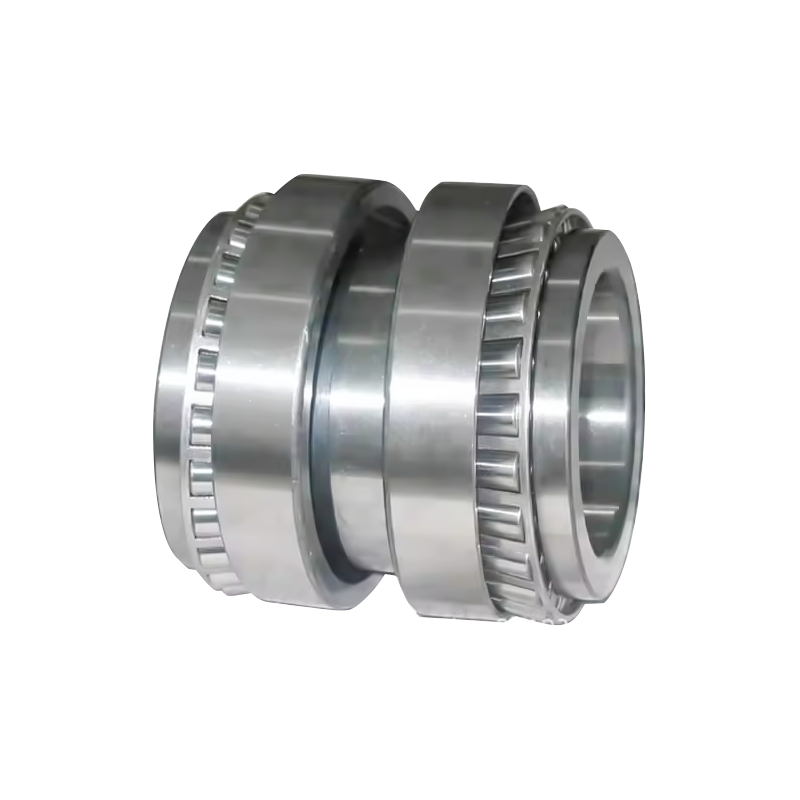
In demanding industrial systems, bearings are not simply supporting components; they are critical elements that determine stability, service life, load capacity, energy efficiency, and operational reliability. The BT2B 332504/HA2 double row tapered roller bearing is engineered for applications where heavy radial loads and axial loads from both directions must be managed simultaneously. It is especially suitable for gearboxes, rolling mills, tunnel boring machines, heavy machinery, material handling equipment, and other installations where high rigidity and dependable alignment are essential.
This article explains the structure, performance advantages, application value, manufacturing strengths, and selection considerations of the BT2B 332504/HA2 double row tapered roller bearing. It also highlights how advanced bearing manufacturing processes, strict quality control, and engineering service capabilities help deliver a product that performs reliably in harsh working environments.
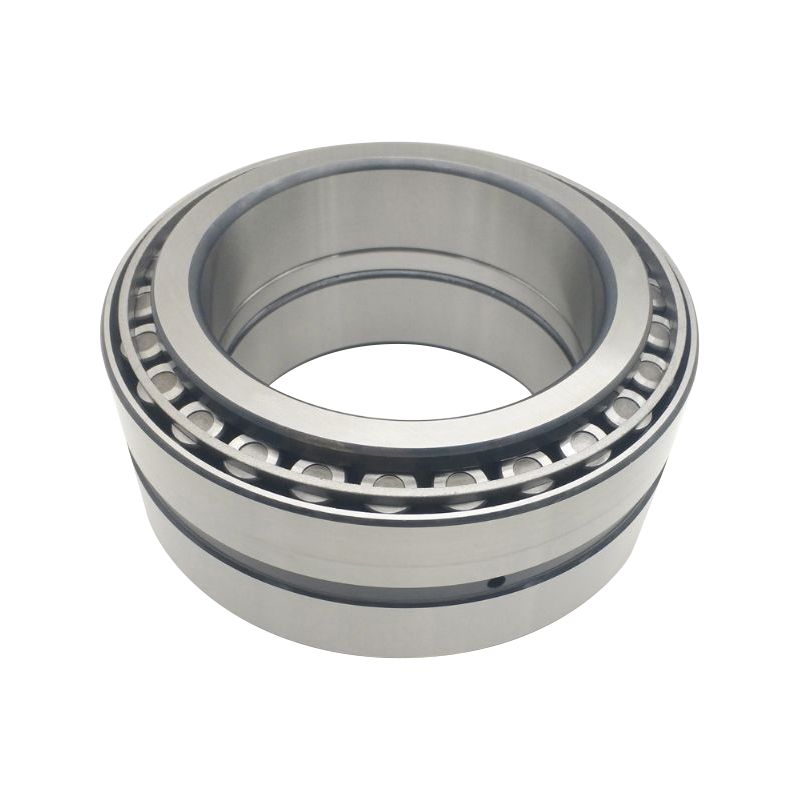
BT2B 332504/HA2 -Double Row Tapered Roller Bearings
A tapered roller bearing uses tapered rollers arranged between an inner ring and an outer ring. The contact surfaces of the rollers and raceways are designed so that the projected lines converge at a common point on the bearing axis. This geometry allows the bearing to support combined loads, including radial loads and axial loads. When two rows of tapered rollers are integrated into one bearing assembly, the result is a double row tapered roller bearing with much higher load-carrying capacity and greater rigidity than many single row configurations.
The BT2B 332504/HA2 belongs to this heavy-duty bearing family. It is developed to provide stable performance under complex operating conditions where loads can change direction, intensity, and angle. In industrial machines such as gear reducers, rolling stands, conveyors, crushers, boring equipment, and metallurgical systems, the bearing must maintain precise shaft support even when exposed to vibration, shock load, heat, contamination, and continuous operation.
Compared with a single row tapered roller bearing, a double row tapered design offers the advantage of handling axial loads in both directions without requiring two separate bearing units. This can simplify machine design, improve compactness, increase stiffness, and reduce assembly complexity. For customers seeking higher performance from a limited installation space, this bearing type is a strong engineering choice.
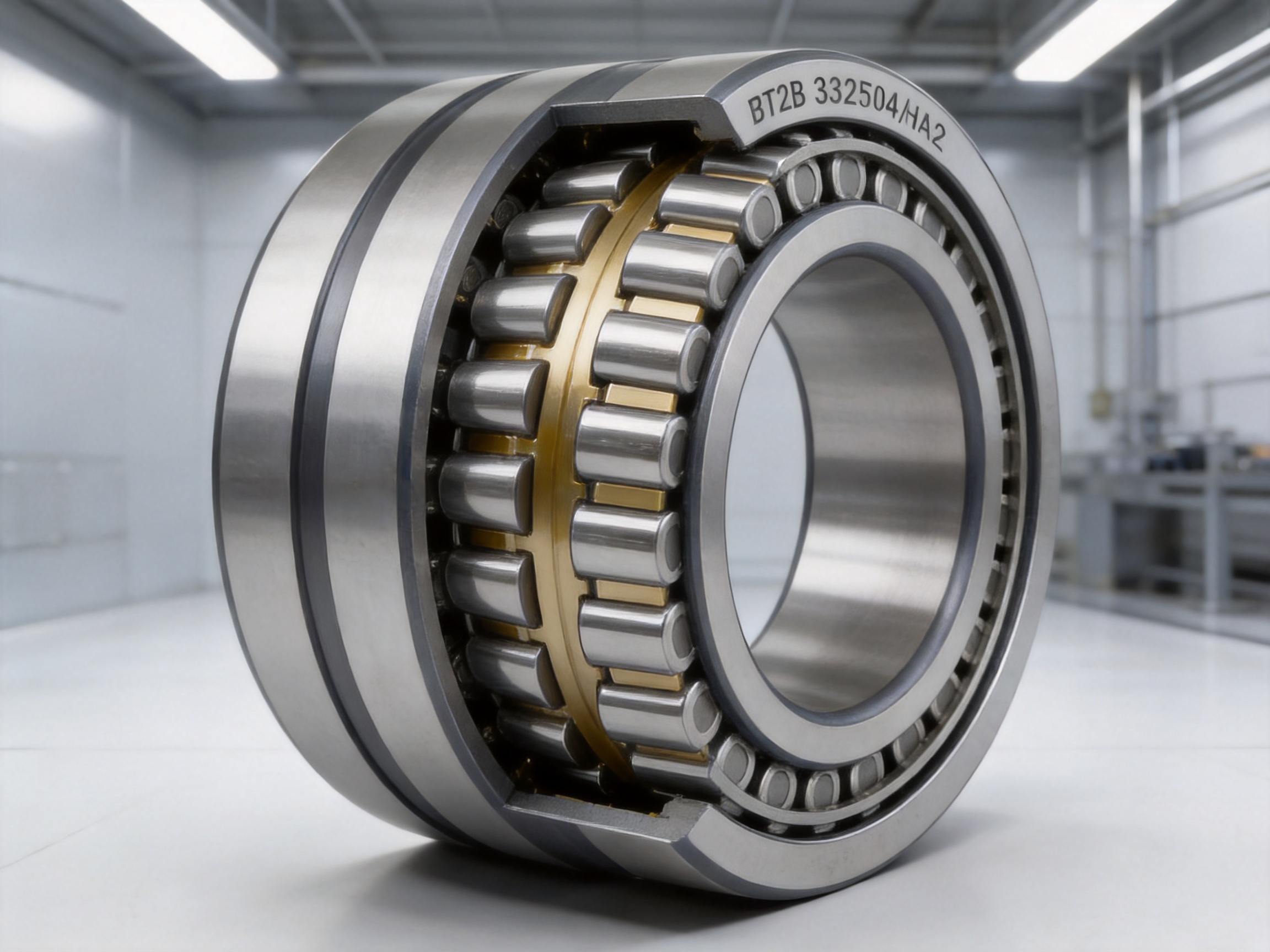
The BT2B 332504/HA2 double row tapered roller bearing is designed around two sets of tapered rollers arranged to work together. The rollers transmit load through line contact rather than point contact, which gives tapered roller bearings a significant advantage in heavy-load service. The bearing’s geometry distributes stress efficiently across raceways and rollers, helping reduce localized stress concentration.
The double row configuration strengthens the bearing’s ability to resist tilting moments and maintain shaft position. This is particularly important in gearboxes and heavy industrial machines, where misalignment or insufficient rigidity can lead to vibration, gear tooth damage, lubrication failure, and premature bearing wear. A rigid bearing arrangement helps maintain stable meshing, smooth torque transmission, and predictable machine behavior.
In operation, radial forces are carried by both rows of tapered rollers, while axial forces can be supported from either direction. The bearing’s internal geometry and preload or clearance setting determine how loads are shared, how heat is generated, and how smoothly the bearing runs. A precisely manufactured double row tapered roller bearing can reduce friction, improve rotational accuracy, and extend maintenance intervals.
The BT2B 332504/HA2 is designed for users who require more than a general-purpose bearing. Its value lies in its combination of load capacity, rigidity, durability, and stable performance under demanding industrial conditions. These characteristics make it especially useful for equipment where downtime is costly and maintenance access is difficult.
One of its primary advantages is high radial load capacity. The tapered roller design offers strong line-contact support, enabling the bearing to carry substantial radial forces generated by heavy shafts, gears, rollers, and cutting or pressing mechanisms. For machines operating under continuous high load, this capacity is essential.
Another major advantage is bidirectional axial load support. Many machines generate thrust forces in both directions depending on operating cycle, rotation direction, process load, or external impact. A double row tapered roller bearing can accommodate these changing axial forces with greater stability than a single row design used alone.
High rigidity is also a defining feature. The double row structure improves resistance to shaft deflection and tilting. In gearboxes, rigidity helps preserve gear alignment; in rolling mills, it supports roll stability; in tunnel boring machines, it contributes to reliable cutting head motion and load distribution.
The product also offers longer service life when properly selected, installed, lubricated, and maintained. By distributing load over two rows and using optimized raceway geometry, the bearing can reduce stress per contact area and delay fatigue. This improves reliability and reduces total cost of ownership.
Lower friction compared with less optimized bearing arrangements is another practical benefit. When bearing geometry, surface finish, heat treatment, and lubrication are properly controlled, internal friction can be reduced, leading to lower heat generation, improved efficiency, and more stable operation at working speed.
When compared with many competing bearing options, the BT2B 332504/HA2 double row tapered roller bearing offers a strong balance of strength, compactness, and operational stability. In heavy machinery, engineers often compare double row tapered roller bearings with single row tapered roller bearings, spherical roller bearings, cylindrical roller bearings, or paired bearing arrangements. Each type has strengths, but the double row tapered roller bearing is often preferred when combined radial and axial loads must be handled in a compact, rigid design.
Compared with two separate single row tapered roller bearings, a double row bearing can reduce installation complexity. A matched double row assembly may provide more consistent internal geometry and more controlled load distribution. This helps reduce the risk of incorrect mounting, uneven preload, or axial clearance errors during assembly.
Compared with spherical roller bearings, double row tapered roller bearings generally provide higher axial load capability and better axial positioning. Spherical roller bearings are excellent for misalignment tolerance and heavy radial load, but they may not deliver the same level of axial rigidity required in certain gear or roll-supporting applications. Where precise axial positioning is important, tapered roller geometry offers a meaningful advantage.
Compared with cylindrical roller bearings, double row tapered roller bearings offer stronger combined-load performance. Cylindrical roller bearings are outstanding for radial loads and high speeds, but many designs have limited axial load capacity. If a machine must resist thrust in both directions, a tapered roller solution can reduce the need for extra thrust bearings.
Compared with lower-cost standard bearings from less controlled production environments, the BT2B 332504/HA2 benefits from attention to precision machining, controlled heat treatment, grinding quality, assembly consistency, and technical support. In heavy-duty equipment, the lowest purchase price rarely equals the lowest operating cost. A bearing that lasts longer, runs cooler, and reduces unplanned downtime can provide far greater value over its life cycle.
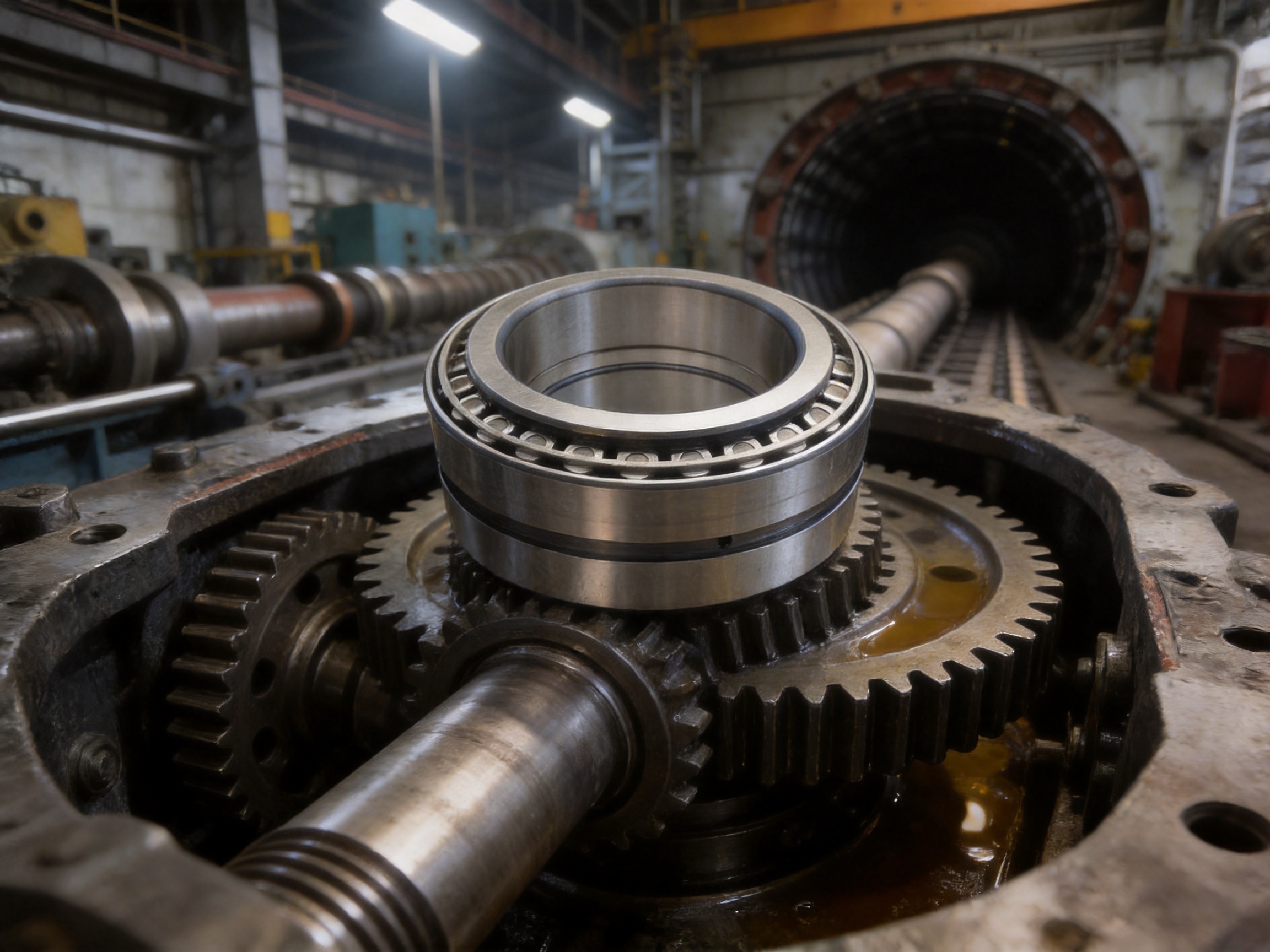
Gearboxes are among the most important applications for double row tapered roller bearings. A gearbox converts speed and torque through precisely meshed gears. The shafts inside the gearbox experience radial loads from gear contact and axial loads generated by helical gears, bevel gears, or dynamic process forces. If bearings cannot support these loads with enough stiffness, gear alignment may suffer.
The BT2B 332504/HA2 provides the rigidity needed to maintain shaft position. This helps protect gear teeth from uneven contact patterns, edge loading, excessive noise, and abnormal vibration. In industrial gearboxes used in cement plants, mining equipment, cranes, conveyors, marine equipment, wind-related auxiliary systems, and steel processing lines, stable bearing support directly influences the reliability of the entire drivetrain.
Another benefit in gearbox applications is thermal stability. A bearing with optimized geometry and good surface finish can operate with reduced friction, helping limit temperature rise. Lower operating temperature supports lubricant life, reduces oxidation, and helps preserve seals and nearby components. The result is a gearbox that can run more predictably for longer periods.
Rolling mills impose some of the most punishing loads in industrial production. Bearings used in rolling mill equipment must withstand heavy radial forces, shock loading, contamination risks, water exposure, and temperature variation. They must support rolls accurately so that metal thickness, surface quality, and production consistency are maintained.
The BT2B 332504/HA2 double row tapered roller bearing is suitable for these environments because of its large load capacity and strong rigidity. The double row structure helps resist roll deflection and supports stable rotation under heavy rolling pressure. When bearing stiffness is high, the mill can maintain better dimensional control and reduce vibration marks or process instability.
In rolling mill service, durability is closely connected to material quality, heat treatment, raceway finish, lubrication condition, and sealing strategy. A well-manufactured double row tapered roller bearing can help reduce downtime caused by premature fatigue, raceway pitting, or roller damage. For production lines where downtime can be extremely expensive, bearing reliability is a direct economic advantage.
Tunnel boring machines and heavy construction equipment operate in abrasive, high-load, and often unpredictable conditions. Bearings may be exposed to vibration, shock, dust, moisture, and difficult maintenance schedules. A bearing used in these systems must not only be strong but also stable and consistent over long service periods.
The BT2B 332504/HA2 can provide the combined load support required for rotating mechanisms, drive components, and load-bearing shafts in heavy equipment. Its ability to handle axial forces in both directions is important when machines encounter changing geological resistance, uneven cutting loads, or reversing forces. The double row tapered configuration supports reliable motion even when load direction varies.
For tunnel boring and heavy construction applications, another important advantage is maintenance efficiency. A compact double row bearing arrangement can simplify equipment design and may reduce the number of separate bearing components required. Fewer components can mean fewer interfaces, fewer alignment challenges, and fewer potential failure points.
The BT2B 332504/HA2 double row tapered roller bearing is suitable for a wide range of industries where machinery must work under high load and high reliability requirements. These include metallurgy, mining, power transmission, heavy transport, oil and gas equipment, marine machinery, construction equipment, industrial reducers, and large mechanical drive systems.
In mining machinery, bearings must resist shock and contamination while supporting heavy rotating parts. In conveyor systems, bearings must provide reliable long-term service with minimal maintenance. In crushers and grinders, they must handle impact loads and vibration. In industrial reducers, they must support gear shafts precisely. In steel processing equipment, they must endure severe loads and operating cycles.
The bearing’s versatility comes from its combined-load capability. Instead of selecting separate radial and thrust bearings, engineers can often use a double row tapered roller bearing to manage both types of load. This can improve compactness and reduce the complexity of machine assemblies.
| Feature | BT2B 332504/HA2 Double Row Tapered Roller Bearing | Common Competing Solution | Practical Benefit |
|---|---|---|---|
| Load Direction | Supports heavy radial loads and axial loads in both directions | Single row bearings may require paired installation | More compact and simplified design |
| Rigidity | High stiffness due to double row tapered geometry | Some alternatives provide lower axial positioning accuracy | Improved shaft and gear alignment |
| Service Life | Optimized load distribution and controlled manufacturing support long life | Lower-grade bearings may suffer early fatigue | Reduced downtime and maintenance cost |
| Assembly | Integrated double row design supports controlled installation | Multiple separate bearings can increase mounting errors | Greater assembly consistency |
| Friction and Heat | Precision raceway finishing helps reduce friction | Poor surface finish can increase heat generation | Improved lubricant life and operating stability |
| Industrial Suitability | Gearboxes, rolling mills, tunnel boring machines, heavy machinery | General bearings may be unsuitable for severe conditions | Higher reliability in demanding environments |
A bearing’s performance begins long before it reaches the machine. It depends on steel quality, forging control, turning accuracy, heat treatment stability, grinding precision, assembly cleanliness, and final inspection. Ukl Bearing Manufacturing Co.,Ltd integrates production and international distribution, supporting customers with a modern manufacturing system and strong engineering capability.
The company’s production process covers major stages including forging, turning, heat treatment, grinding, assembly, and packaging. This integrated approach allows better control over product consistency. Each process contributes to the final bearing’s fatigue life, dimensional accuracy, surface integrity, and operational reliability.
Forging is a critical early stage. Proper forging refines the material structure and prepares the bearing rings for machining. Good forging control helps reduce internal defects and supports improved fatigue resistance. In heavy-duty tapered roller bearings, material integrity is especially important because raceways and rollers are subjected to repeated high contact stress.
Turning shapes the rings and prepares surfaces for heat treatment and grinding. Accurate turning reduces material variation and helps ensure efficient finishing. Heat treatment then transforms the steel structure to achieve the required hardness, strength, wear resistance, and dimensional stability. A carefully controlled heat treatment process is essential because insufficient hardness can lead to wear, while excessive brittleness may increase risk under shock load.
Grinding gives the bearing its final precision. Raceway geometry, roundness, surface finish, and dimensional tolerance are all refined during grinding. For a double row tapered roller bearing, grinding accuracy directly affects load distribution, vibration, friction, noise, and heat generation. Even small deviations can lead to uneven contact stress, so precision finishing is a competitive advantage.
Assembly must be carried out with strict cleanliness and dimensional control. Rollers, cages, rings, and internal geometry must match the required clearance or preload characteristics. A reliable assembly process helps the bearing perform predictably after installation. Packaging then protects the bearing from corrosion, contamination, and damage during transport and storage.
Modern industrial customers need not only good products but also stable supply. Ukl Bearing Manufacturing Co.,Ltd has developed production capacity suited to global industrial demand, with monthly output capability reaching significant volume levels. This production strength helps support OEM clients, distributors, maintenance teams, and project-based procurement needs.
Consistency is particularly important for OEM and ODM cooperation. When bearings are used in production machinery, customers need parts that meet the same standards batch after batch. Variations in internal clearance, geometry, hardness, or finish can create installation and performance problems. A structured manufacturing system helps maintain repeatability.
The company’s manufacturing environment includes multiple production lines and process controls that support reliability from raw material to finished product. Digital production control, precision design, and continuous process improvement strengthen the ability to produce high-performance bearings for industrial automation, robotics, CNC machinery, and heavy equipment.
Although the BT2B 332504/HA2 is a heavy-duty tapered roller bearing, the company’s broader technical experience in high-precision cross roller bearings, dual-direction thrust angular contact ball bearings, robot bearings, spherical roller bearings, cylindrical roller bearings, mounted bearings, rod end bearings, and related bearing components contributes to comprehensive engineering knowledge. This broad product foundation supports better problem-solving for customers with complex mechanical systems.
Heavy-duty bearings often fail not because the design concept is wrong, but because small quality variations accumulate into major performance problems. A raceway that is not properly finished can increase friction. A roller with poor geometry can create stress concentration. A heat treatment inconsistency can reduce fatigue life. Contamination during assembly can damage raceways after installation. Quality control is therefore essential.
For the BT2B 332504/HA2 double row tapered roller bearing, important quality characteristics include dimensional accuracy, raceway profile, roller profile, hardness, microstructure, surface roughness, roundness, internal clearance, cage integrity, and cleanliness. Each of these factors affects how the bearing carries load and how long it lasts.
Dimensional accuracy ensures that the bearing fits correctly with shaft and housing. Correct fit prevents creep, excessive looseness, overheating, and assembly stress. Raceway and roller profiles determine contact pattern and load distribution. Proper profiles help reduce edge stress and improve fatigue life.
Hardness and microstructure determine resistance to wear and fatigue. Surface roughness affects friction and lubrication film formation. Cleanliness protects the bearing from early damage. A strong inspection system confirms that the bearing is ready for demanding operation before it leaves the factory.
Industrial bearing supply is not only a matter of shipping parts. Customers often need assistance with selection, installation, lubrication, maintenance planning, failure analysis, and replacement strategy. A bearing manufacturer with engineering service capability can help customers reduce risk and improve equipment performance.
Ukl Bearing Manufacturing Co.,Ltd supports customers through technical response, installation guidance, and after-sales service. The company has experience serving customers in regions including the United States, Italy, Germany, Poland, South Africa, Egypt, India, and other markets. This international experience helps the company understand different application requirements, industry standards, and customer expectations.
For a product such as the BT2B 332504/HA2, technical communication is particularly valuable. Correct bearing choice depends on load magnitude, load direction, speed, lubrication method, operating temperature, contamination level, mounting arrangement, shaft and housing tolerances, and maintenance conditions. Engineering support helps ensure that the bearing is not only high quality but also properly matched to the application.
Installation guidance is equally important. A high-performance bearing can still fail early if installed incorrectly. Problems such as excessive force during mounting, contamination, poor alignment, improper clearance, insufficient lubrication, or incorrect fit can damage the bearing before operation begins. Technical support helps users avoid these mistakes.
Material quality is one of the foundations of bearing performance. Double row tapered roller bearings must withstand repeated high contact stress, so the steel must offer strength, hardness, toughness, and fatigue resistance. Proper material selection helps the bearing resist cracking, pitting, spalling, deformation, and wear.
Heat treatment gives bearing steel its final working properties. The process must be carefully controlled to achieve the proper hardness and microstructure while preserving dimensional stability. If heat treatment is inconsistent, some areas may be too soft and wear quickly, while others may become too brittle and crack under shock. Controlled heat treatment supports uniform performance throughout the bearing rings and rolling elements.
In heavy-duty service, heat treatment also contributes to resistance against surface-originated fatigue. The contact between rollers and raceways creates repeated stress cycles. Over time, poor material structure may initiate fatigue damage. A well-treated bearing delays this process and improves reliability.
The BT2B 332504/HA2 benefits from manufacturing attention to these fundamentals. By controlling material preparation, heat treatment, and finishing, the bearing is positioned to perform reliably in high-load applications where ordinary bearings may not provide sufficient life.
Precision grinding is one of the most important manufacturing stages for a tapered roller bearing. The geometry of raceways and rollers determines how load is distributed. If contact is uneven, stress may concentrate near the roller ends or raceway edges, leading to early fatigue. Correct profile design and accurate grinding help distribute load more evenly.
Surface finish affects friction, lubrication, noise, vibration, and temperature. A smoother surface supports the formation of a stable lubricant film and reduces metal-to-metal contact. In heavy-duty applications, lubrication film stability is critical because loads are high and operating conditions can be severe.
Grinding also affects bearing running accuracy. Poor roundness or waviness can create vibration and noise. In gearboxes, vibration can influence gear mesh and produce additional stress. In rolling mills, vibration can affect product quality. In heavy machinery, vibration can loosen components and reduce service life. Precision manufacturing helps reduce these risks.
The advantage of a well-ground double row tapered roller bearing is not always visible from the outside, but it becomes clear during operation. Lower temperature, smoother rotation, reduced vibration, and longer service intervals all reflect the value of precision finishing.
The internal geometry of a double row tapered roller bearing is a key factor in performance. Roller length, roller diameter, taper angle, raceway profile, contact angle, cage design, and internal clearance all influence how the bearing behaves under load. Optimized geometry helps balance load capacity, friction, rigidity, and service life.
The BT2B 332504/HA2 is designed for heavy combined loads. Its double row layout provides the ability to handle radial load and axial thrust from either direction. This geometry makes it suitable for machines where shaft forces are complex and cannot be supported reliably by simple radial bearings.
Load distribution is especially important under shock or variable load. If one row carries too much load or if contact is concentrated unevenly, fatigue life can be reduced. Precision manufacturing and careful assembly help ensure that both rows perform as intended. Proper installation in the machine then completes the load path from shaft to bearing to housing.
Lubrication is essential for the long-term performance of the BT2B 332504/HA2 double row tapered roller bearing. Lubricant reduces friction, separates rolling surfaces, removes heat, protects against corrosion, and helps flush away small particles. Without proper lubrication, even a high-quality bearing can fail prematurely.
The correct lubricant depends on operating speed, load, temperature, environment, sealing system, and maintenance schedule. Grease lubrication may be suitable for many applications where simplicity and sealing are important. Oil lubrication may be preferred in high-speed, high-temperature, or heavily loaded systems where heat removal is required. In gearboxes, the bearing may share oil with gears, making lubricant cleanliness and viscosity especially important.
Lubricant contamination is a major cause of bearing damage. Dust, metal particles, water, and chemical contamination can damage raceways and rollers. Therefore, sealing, filtration, storage, and maintenance practices matter. In harsh environments such as mining, construction, and rolling mills, contamination control can significantly extend bearing life.
Lubrication interval should be based on actual operating conditions rather than generic assumptions. Heavy load, high temperature, water exposure, vibration, or contamination may require more frequent inspection and maintenance. Technical consultation can help determine the proper lubrication strategy.
Correct installation is essential for achieving the expected performance of the BT2B 332504/HA2. Before installation, the bearing, shaft, housing, tools, and workspace should be clean. Any dirt or metal particle can become a source of raceway damage. The bearing should remain protected until it is ready to be mounted.
Shaft and housing dimensions should be checked against the required tolerances. Incorrect fit can cause excessive internal clearance, overheating, ring creep, or stress concentration. The mounting method should apply force only to the ring being fitted. Applying force through rolling elements can cause brinelling or internal damage before the machine is even started.
Alignment must be controlled carefully. Although tapered roller bearings are strong, improper alignment can create uneven load distribution. The bearing should be seated correctly, and any required axial clearance or preload should be set according to engineering requirements. Excessive preload may increase heat and reduce life, while excessive clearance may reduce stiffness and cause vibration.
After installation, the machine should be run under controlled conditions while monitoring noise, vibration, and temperature. Early inspection can identify problems before they become serious. A stable temperature trend and smooth running sound are good indicators of proper installation.
Maintenance planning helps maximize bearing service life. For heavy-duty equipment, bearing failure can cause expensive downtime, damage adjacent components, and disrupt production schedules. A preventive maintenance strategy should include lubrication checks, temperature monitoring, vibration analysis, seal inspection, and periodic review of operating conditions.
Common warning signs of bearing problems include abnormal noise, increased vibration, rising temperature, lubricant discoloration, metal particles in lubricant, and changes in machine performance. If these signs are detected early, corrective action may prevent catastrophic failure.
Failure prevention also requires attention to the surrounding system. Bearings often fail due to external causes such as misalignment, overload, poor lubrication, contamination, incorrect mounting, shaft deflection, housing deformation, or electrical damage. A good bearing can only perform fully when the machine system supports proper operation.
For the BT2B 332504/HA2, maintenance teams should pay special attention to load conditions, lubrication cleanliness, and temperature. Because the bearing is designed for heavy combined loads, unexpected overload or poor lubricant film can accelerate fatigue. Regular monitoring supports safe and reliable operation.
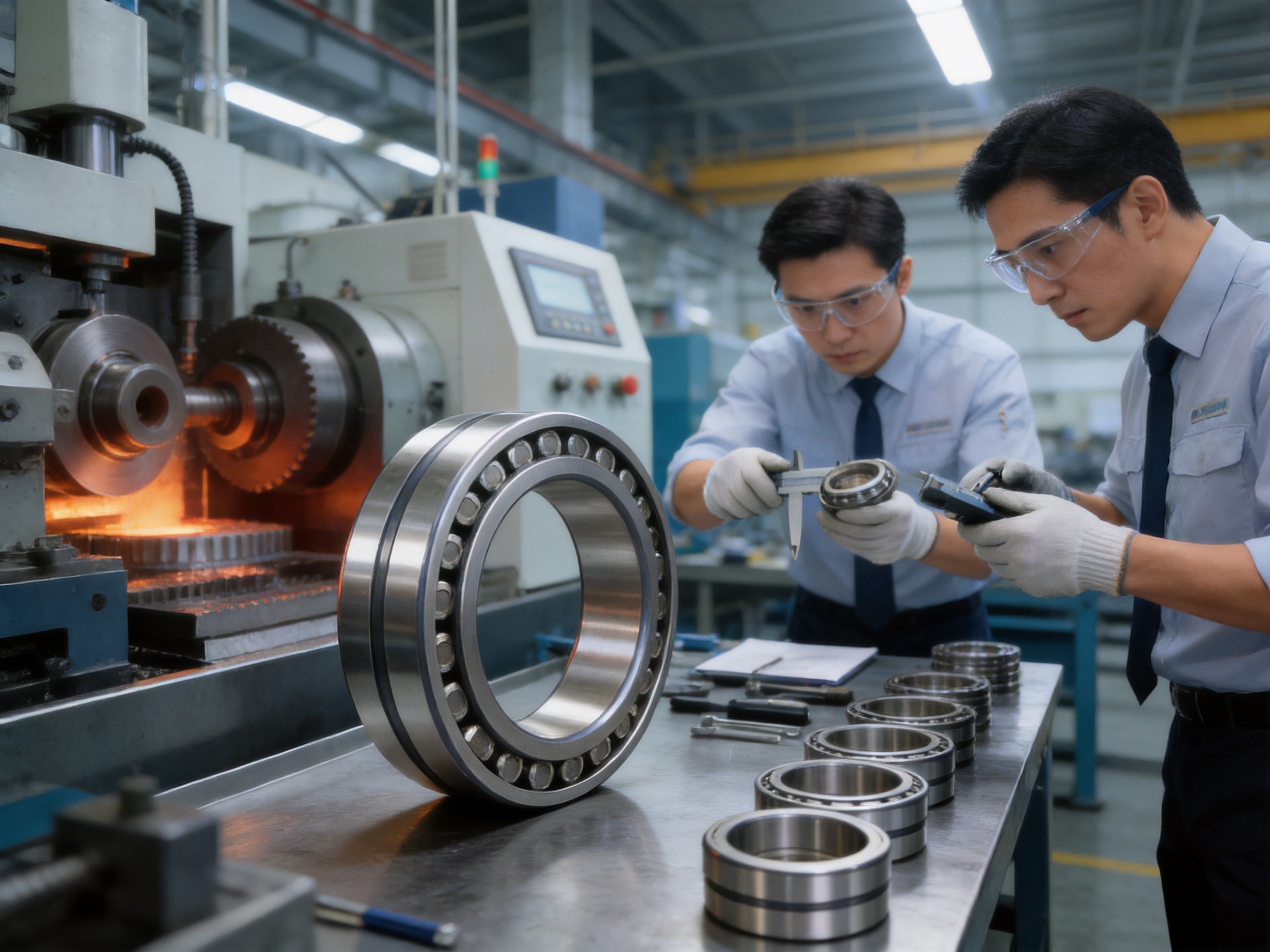
Choosing a bearing supplier is a strategic decision for industrial users. The right supplier can reduce downtime, improve machine performance, and support long-term cost control. The wrong supplier can create hidden costs through inconsistent quality, poor fit, short service life, and lack of technical support.
Ukl Bearing Manufacturing Co.,Ltd combines manufacturing capability, engineering knowledge, export experience, and customer service. Established with a commitment to precision, durability, and trust, the company serves global industries through integrated R&D, production, and distribution. Its experience in OEM and ODM cooperation allows it to support customers with both standard and customized bearing needs.
The company’s production system covers forging, turning, heat treatment, grinding, assembly, and packaging. This integrated process gives customers confidence that critical manufacturing stages are controlled. The company also emphasizes high-precision products used in CNC machines, robotics, intelligent automation systems, and heavy industrial equipment, reflecting a broad technical foundation.
For customers selecting the BT2B 332504/HA2, this manufacturing strength means more than simply receiving a bearing. It means access to technical communication, product consistency, and a supplier capable of understanding demanding applications. In global industrial procurement, these advantages can be as important as the bearing itself.
Modern manufacturing must consider not only performance and cost but also environmental responsibility. Bearing production involves material processing, heat treatment, machining, grinding, cleaning, and packaging. Responsible manufacturers work to reduce waste, improve energy efficiency, recycle materials, and optimize production processes.
Ukl Bearing Manufacturing Co.,Ltd recognizes sustainability as a long-term commitment. By adopting environmentally responsible processes, promoting material recycling, and optimizing energy use, the company supports more sustainable industrial production. These efforts are increasingly important for customers who must meet environmental goals within their own supply chains.
Sustainability also relates to product life. A durable bearing that lasts longer reduces replacement frequency, material consumption, logistics impact, and maintenance waste. By improving service life and reliability, high-quality bearings contribute to more efficient and responsible machine operation.
Many industrial applications require more than catalog parts. Machines may have unique load conditions, installation spaces, operating environments, or maintenance requirements. OEM and ODM capability enables a bearing manufacturer to adapt products or production support to specific customer needs.
With extensive export experience and integrated manufacturing resources, Ukl Bearing Manufacturing Co.,Ltd can support custom bearing requirements. For double row tapered roller bearings, customization may involve material selection, clearance settings, cage design, surface treatment, sealing considerations, dimensional adjustments, or packaging requirements. Engineering communication helps define the most suitable solution.
OEM customers often require stable quality, traceability, delivery coordination, and technical documentation. A manufacturer with organized production and service systems can support these requirements more effectively. For maintenance and replacement markets, the ability to identify equivalent or improved bearing solutions is also valuable.
The purchase cost of a bearing is only one part of its total economic value. In heavy-duty machinery, the larger costs are often downtime, labor, lost production, damaged components, lubricant replacement, and emergency repairs. A bearing that costs slightly less but fails early may become far more expensive than a higher-quality product.
The BT2B 332504/HA2 provides value through high load capacity, long service potential, bidirectional axial support, and robust rigidity. These characteristics help reduce maintenance frequency and improve machine availability. For gearboxes, rolling mills, and tunnel boring machines, improved availability can have major financial impact.
Total cost of ownership should include expected service life, maintenance interval, energy efficiency, reliability, technical support, and replacement risk. A precision-manufactured double row tapered roller bearing can contribute to lower life-cycle cost when compared with lower-grade alternatives that require more frequent replacement or cause unplanned shutdowns.
Before selecting the BT2B 332504/HA2 or any double row tapered roller bearing, engineers and buyers should confirm several key application conditions. Load magnitude and direction are the first considerations. The bearing must be suitable for both radial and axial loads, including peak loads and shock loads.
Speed and temperature must also be reviewed. Higher speeds and temperatures influence lubrication choice, clearance settings, and heat management. The operating environment should be considered, especially if dust, water, chemicals, vibration, or impact are present.
Shaft and housing tolerances are critical. Even the best bearing cannot perform correctly if installed in an unsuitable seat. Lubrication method, sealing arrangement, maintenance access, and expected service interval should also be defined.
Finally, buyers should consider supplier capability. Manufacturing quality, technical support, delivery reliability, and after-sales service all affect the success of the bearing in real operation. Working with a capable manufacturer helps reduce selection risk and improves long-term equipment performance.
The main advantage is its ability to support heavy radial loads and axial loads from both directions while providing high rigidity. This makes it suitable for demanding machines such as gearboxes, rolling mills, and tunnel boring equipment.
A single row tapered roller bearing usually supports axial load primarily in one direction and may need to be paired with another bearing for bidirectional thrust. A double row tapered roller bearing integrates two rows, providing stronger combined-load capacity and more compact installation.
High rigidity helps maintain shaft alignment, reduce vibration, and protect connected components such as gears, rolls, and drive systems. In heavy machinery, insufficient rigidity can lead to uneven loading, noise, wear, and premature failure.
Common industries include metallurgy, mining, gearbox manufacturing, rolling mills, tunnel construction, heavy equipment, material handling, marine machinery, and industrial power transmission.
Key processes include forging, turning, heat treatment, precision grinding, assembly, and inspection. Heat treatment affects hardness and fatigue resistance, while grinding determines raceway geometry, surface finish, and running accuracy.
Yes. Proper lubrication, contamination control, correct installation, temperature monitoring, and vibration analysis can significantly improve bearing life. Many bearing failures are caused by external conditions rather than the bearing design itself.
Engineering support helps ensure that the bearing matches the actual application conditions. It also helps users avoid installation errors, lubrication mistakes, and incorrect fit selection, all of which can shorten bearing life.
It can be suitable for many shock-load applications because of its robust tapered roller design and high load capacity. However, the final selection should be based on actual load data, speed, lubrication, mounting arrangement, and operating environment.
The BT2B 332504/HA2 double row tapered roller bearing is a high-value solution for machines that require heavy radial load capacity, bidirectional axial load support, high rigidity, and reliable long-term operation. Its double row tapered design makes it especially useful in gearboxes, rolling mills, tunnel boring machines, and other severe industrial applications where ordinary bearing arrangements may not provide sufficient stiffness or service life.
Its advantages over competing solutions include compact combined-load support, improved axial positioning, strong rigidity, reduced assembly complexity, and potential for longer service life. When manufactured with controlled forging, turning, heat treatment, precision grinding, clean assembly, and strict inspection, the bearing becomes a dependable component for critical industrial systems.
Ukl Bearing Manufacturing Co.,Ltd strengthens the value of this product through integrated manufacturing, R&D capability, global service experience, OEM/ODM support, and responsible production practices. For engineers, equipment manufacturers, distributors, and maintenance professionals seeking a robust double row tapered roller bearing, the BT2B 332504/HA2 offers a practical combination of strength, precision, and reliability.
Harris, T. A., and Kotzalas, M. N. Rolling Bearing Analysis: Essential Concepts of Bearing Technology. CRC Press.
Hamrock, B. J., Schmid, S. R., and Jacobson, B. O. Fundamentals of Machine Elements. McGraw-Hill.
ISO 281. Rolling Bearings: Dynamic Load Ratings and Rating Life. International Organization for Standardization.
ISO 355. Rolling Bearings: Tapered Roller Bearings Boundary Dimensions and Series Designations. International Organization for Standardization.
Brändlein, J., Eschmann, P., Hasbargen, L., and Weigand, K. Ball and Roller Bearings: Theory, Design and Application. Wiley.
Product Categories
Contact Us

Jane@ukl-bearing.com
Jenny@ukl-bearing.com
Andy@ukl-bearing.com
Ivy@ukl-bearing.com

+86-510- 88763239
+86-15371057968

No.1 Hehuan Road, Hudai Town, Binhu District, Wuxi City.
Ready to Begin?
Get in Touch

Now!
UKL BEARING
 English
 Español
 русский