Content
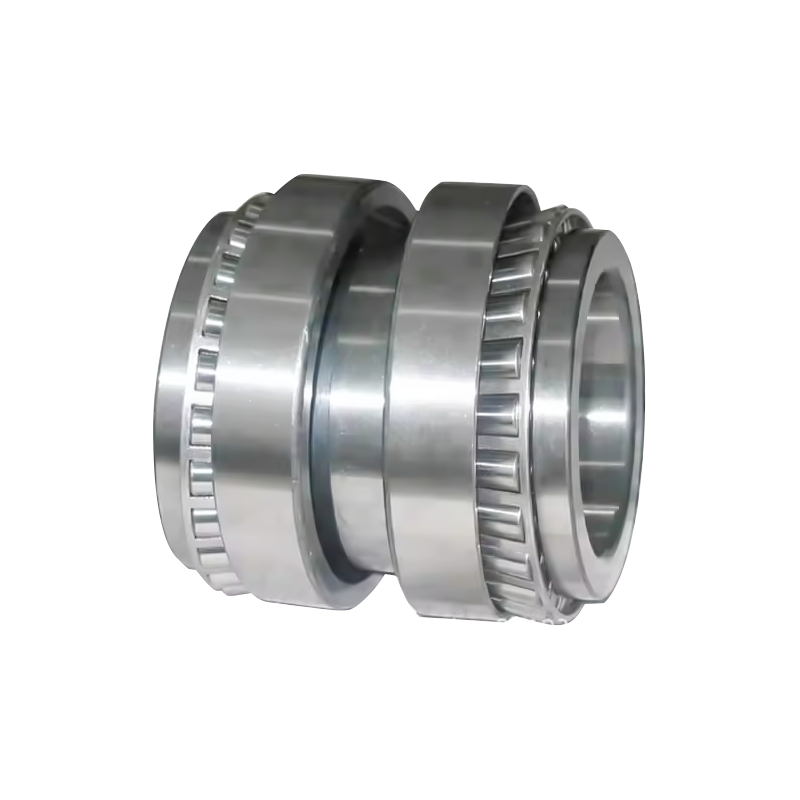
In demanding industrial machinery, bearing performance determines whether a system runs smoothly, safely, and economically over time. The BT2B 332504/HA2 double row tapered roller bearing is designed for applications where heavy radial loads, bidirectional axial loads, high rigidity, and durable service life are required at the same time. As a specialized tapered roller bearing, it offers a compact and powerful solution for gearboxes, rolling mills, tunnel boring machines, heavy transmission systems, and other equipment operating under severe load conditions.
This article explains the structure, operating advantages, application value, manufacturing process, quality control philosophy, and service strengths behind the BT2B 332504/HA2 double row tapered roller bearing. It also highlights the capabilities of Ukl Bearing Manufacturing Co., Ltd, a China-based bearing manufacturing company integrating research and development, production, international distribution, OEM/ODM service, and technical support.
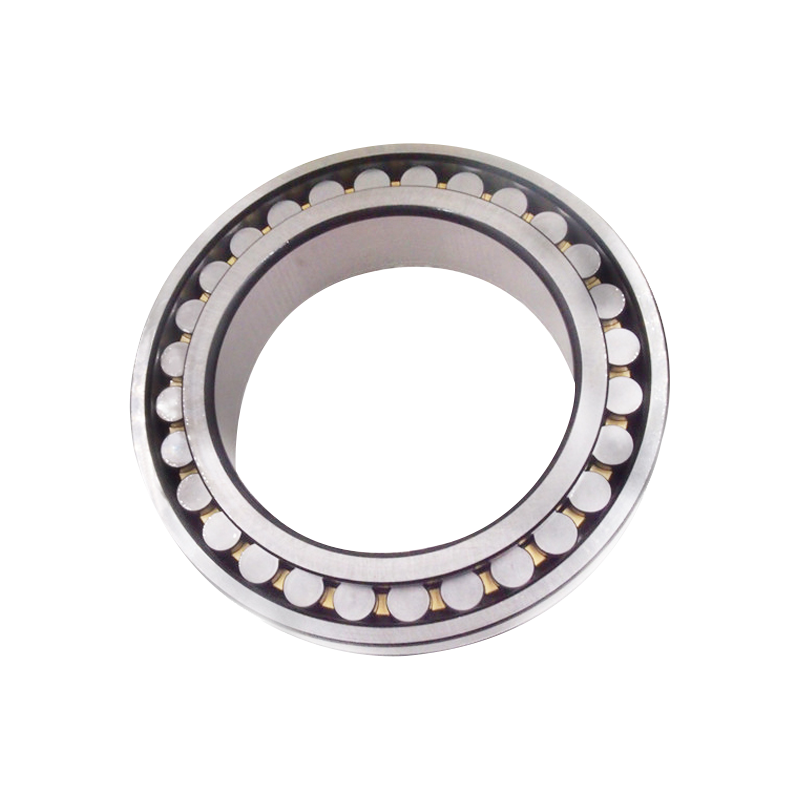
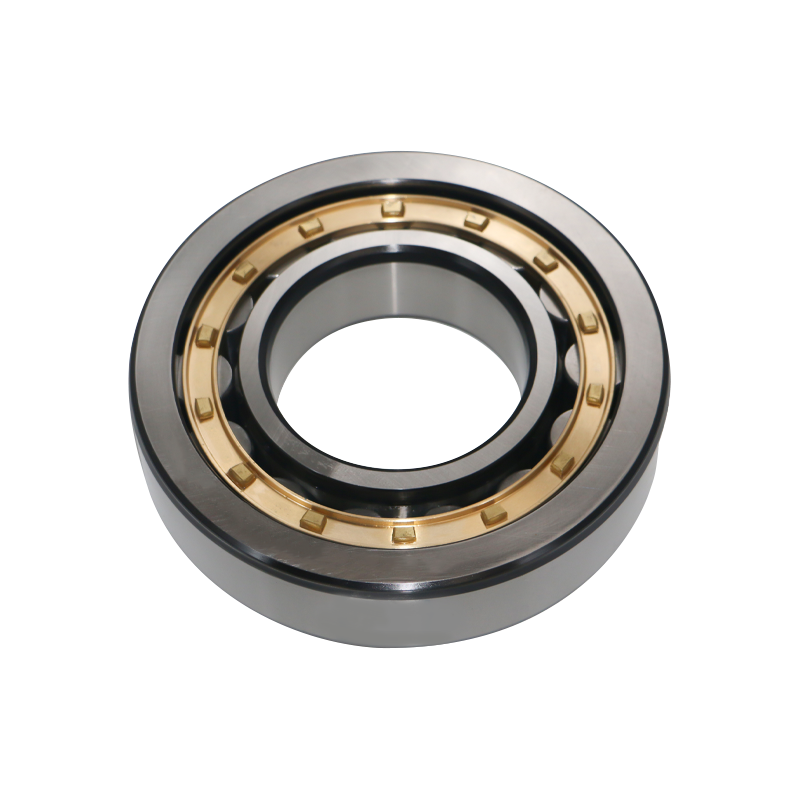
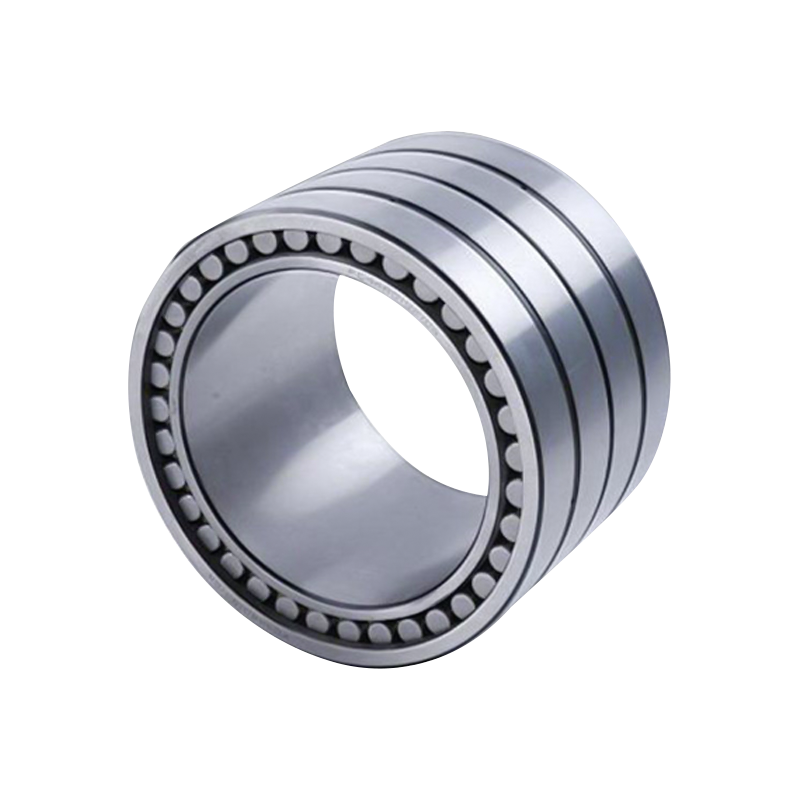
BT2B 332504/HA2 -Double Row Tapered Roller Bearings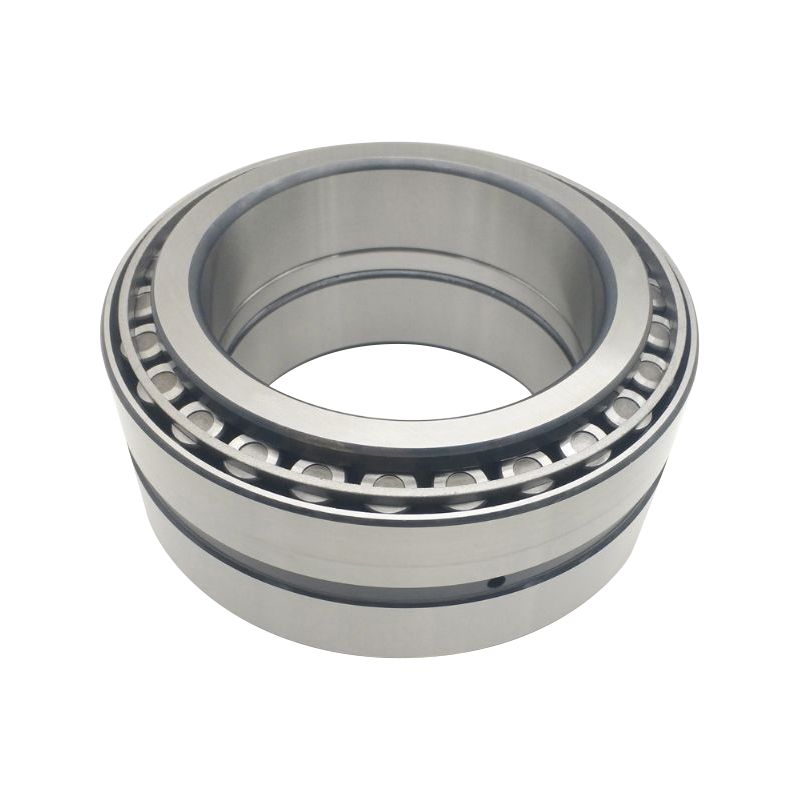
The BT2B 332504/HA2 belongs to the category of double row tapered roller bearings. Unlike standard single row tapered roller bearings, which are generally designed to accommodate radial loads and axial loads in one direction, double row tapered roller bearings are engineered to handle heavy radial loads and axial forces from both directions. This makes them particularly valuable in equipment where shaft deflection, load reversal, vibration, shock, and continuous operation are common.
The defining characteristic of a tapered roller bearing is the geometry of its rolling elements. The rollers are shaped as truncated cones and run between matching tapered raceways. This geometry allows the bearing to transfer combined radial and axial loads efficiently. In a double row configuration, two sets of tapered rollers are arranged to provide a more stable support system, improving stiffness and increasing load capacity while reducing the need for multiple separate bearings.
For heavy-duty equipment designers, the BT2B 332504/HA2 provides a practical way to simplify bearing arrangements. Instead of using two single row bearings that require careful alignment, spacing, and preload adjustment, a double row tapered roller bearing can offer integrated support in a single unit. This helps reduce assembly complexity, improve system reliability, and optimize the use of installation space.
In applications such as industrial gearboxes, rolling mills, mining equipment, and tunnel boring machines, bearings often operate under fluctuating loads and harsh environments. A bearing must resist not only static and dynamic loads but also misalignment tendencies, vibration, lubrication challenges, and thermal variations. The BT2B 332504/HA2 is developed to provide high rigidity, stable rotation, and dependable performance under these demanding conditions.
The primary advantage of the BT2B 332504/HA2 is its ability to support combined loads. Heavy machinery rarely applies a single clean load direction to a bearing. Gear mesh forces, rolling pressure, cutting resistance, and transmission torque often create complex load patterns. The double row tapered roller design allows the bearing to carry heavy radial loads while also controlling axial movement in both directions.
Another important advantage is rigidity. In industrial machinery, stiffness is critical for maintaining precise gear alignment, stable shaft positioning, and consistent process quality. If a bearing arrangement allows excessive deflection, gears may wear unevenly, rolls may lose profile accuracy, and vibration may increase. By using two rows of tapered rollers, the bearing provides a wider support zone and greater resistance to tilting moments compared with many single row alternatives.
The product also supports longer service life when properly selected, installed, and lubricated. A bearing that distributes load effectively across optimized rolling contact surfaces experiences lower localized stress. This can reduce fatigue risk and extend operating life. In applications where downtime is costly, bearing life is not just a technical specification; it is a direct factor in production efficiency and maintenance cost control.
Lower friction is another advantage compared with poorly matched or incorrectly adjusted bearing arrangements. When two separate bearings are used, incorrect preload or misalignment may generate heat, raise energy consumption, and accelerate wear. A precision-manufactured double row bearing can help achieve more predictable internal geometry and smoother operation, especially when supported by accurate machining and controlled assembly processes.
Compared with a typical single row tapered roller bearing, the BT2B 332504/HA2 offers bidirectional axial load support. A single row bearing usually handles axial load mainly in one direction and often requires a paired bearing to complete the arrangement. The double row structure reduces the need for additional components and provides a more compact solution.
Compared with paired single row bearings, a double row unit can reduce assembly time. Paired arrangements often require precise distance rings, preload setting, axial clearance control, and careful mounting procedures. These steps are important but can introduce human error. A double row tapered roller bearing can simplify the structure and improve repeatability, especially in batch production of machinery.
Compared with spherical roller bearings, double row tapered roller bearings may offer better axial positioning in certain applications. Spherical roller bearings are excellent for accommodating misalignment and heavy radial loads, but they may not always provide the same axial rigidity as tapered roller arrangements. When shaft positioning and axial stability are critical, a double row tapered roller bearing can be the preferred solution.
Compared with cylindrical roller bearings, the BT2B 332504/HA2 provides stronger combined load capability. Cylindrical roller bearings are highly effective for radial loads and high-speed applications, but their axial load capability depends on design type. In many heavy-duty transmission systems, the ability to manage axial forces without adding separate thrust bearings is a major benefit.
Compared with some competitor products that may focus only on standard dimensions or cost-driven production, this bearing emphasizes precision engineering, controlled manufacturing, and application suitability. The combination of load capacity, stiffness, and integrated support gives equipment manufacturers a practical advantage when designing machines for long service intervals and severe operating conditions.
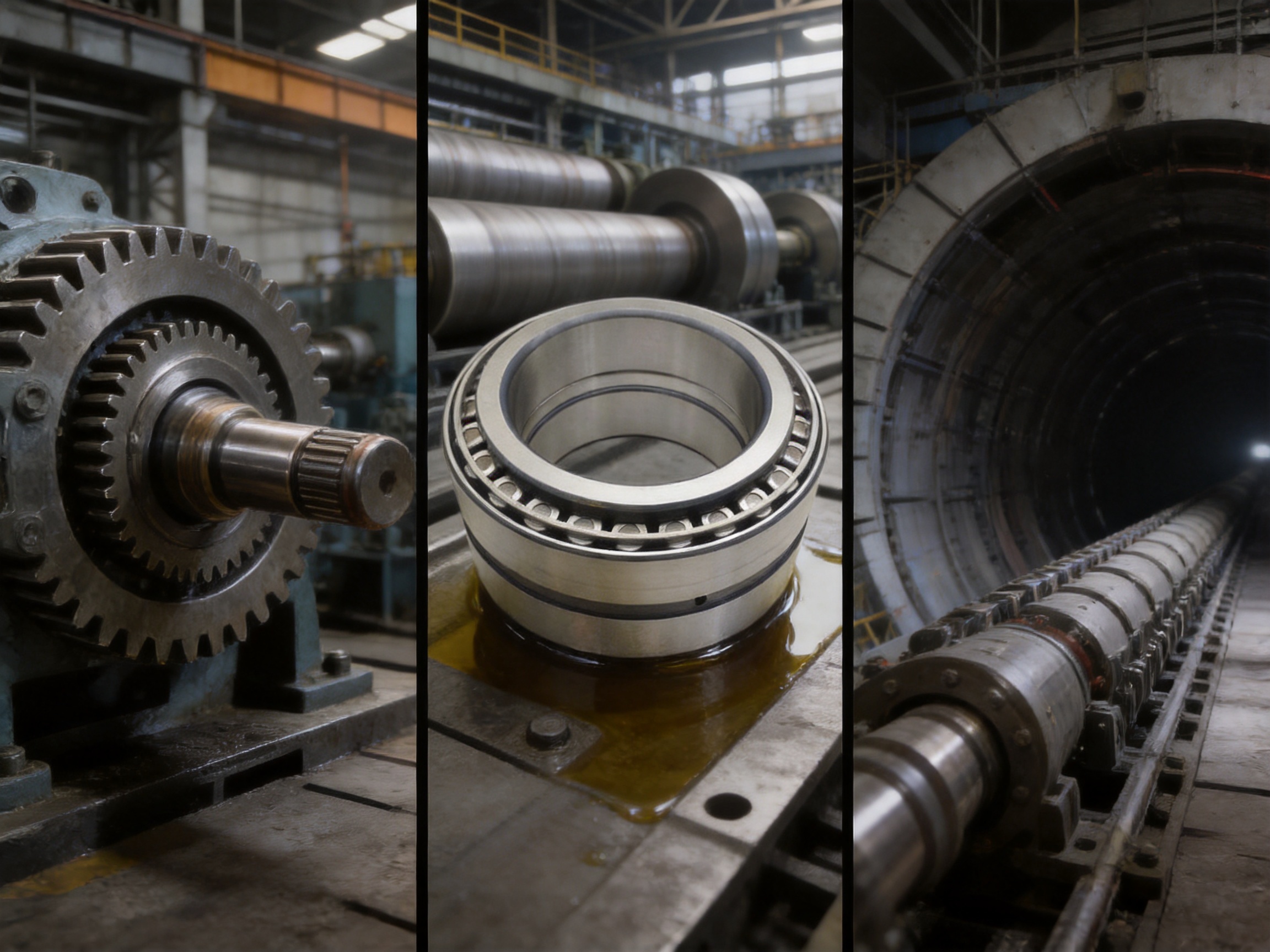
The BT2B 332504/HA2 is suitable for many heavy-duty applications where combined loads and high reliability are required. One common field is industrial gearboxes. Gearboxes generate radial forces from torque transmission and axial forces from helical gear engagement. A bearing with high stiffness and bidirectional axial capacity helps maintain gear mesh accuracy, reducing noise, wear, and heat.
Rolling mills are another important application. In steel and metal processing, roll neck bearings face extremely high radial loads, impact loads, and contamination risks. A double row tapered roller bearing can provide the load capacity and rigidity needed to keep rolls stable under heavy pressure. Stable roll operation contributes to product accuracy and surface quality.
Tunnel boring machines place bearings under some of the most demanding mechanical conditions in construction equipment. Loads can vary dramatically as cutting heads encounter rock, soil, and mixed ground. Bearings must resist shock, torque, and axial thrust while continuing to operate reliably. Double row tapered roller bearings can contribute to the robustness of drive and support systems in such machines.
Heavy conveyors, mining crushers, marine equipment, paper machinery, cement production lines, and wind-related auxiliary equipment may also benefit from this bearing type. Wherever machinery requires compact support for radial and axial loads, the BT2B 332504/HA2 can be evaluated as part of the bearing solution.
In robotics and intelligent automation systems, different bearing categories may be selected depending on the motion requirements. While cross roller bearings and angular contact bearings are often used in precision robotic joints, heavy-duty automation drives may require tapered roller bearings when torque and axial load are significant. The broad product capability of Ukl Bearing Manufacturing Co., Ltd allows customers to receive bearing recommendations across multiple categories, including cross roller bearings, robot bearings, angular contact ball bearings, rod end bearings, spherical roller bearings, cylindrical roller bearings, tapered roller bearings, Nilos rings, and mounted bearings.
Gearboxes require bearing systems that maintain shaft alignment under load. Even small deflections can influence gear tooth contact patterns. Poor contact can increase noise, vibration, and wear. A double row tapered roller bearing provides a robust supporting point that can resist combined forces and improve shaft stability.
The BT2B 332504/HA2 is especially valuable in gearboxes where axial forces alternate or where bidirectional thrust must be absorbed without changing the bearing arrangement. In helical gear systems, axial load direction may depend on rotation direction, gear orientation, and operating condition. A bidirectional bearing support solution reduces design uncertainty.
For gearbox manufacturers, bearing simplification can also improve production efficiency. Fewer components may mean fewer tolerance stack-up problems, simpler inventory planning, and faster assembly. If the bearing unit can provide stable performance with correct installation and lubrication, the gearbox can achieve better reliability with reduced maintenance requirements.
In large industrial gearboxes, replacement and downtime costs can be substantial. Selecting a bearing with high load capacity and long service potential is a strategic decision. The BT2B 332504/HA2 supports this goal by combining strong radial capacity, axial control, and structural rigidity in one bearing design.
Rolling mill environments challenge bearings with heavy rolling forces, heat, water, scale, shock loads, and continuous duty cycles. Bearings used in roll supports must maintain performance even when lubrication conditions are difficult and loads fluctuate sharply. The double row tapered roller design is well suited to these conditions because it provides high capacity within a compact space.
In rolling operations, rigidity affects product quality. If the roll support is unstable, strip thickness, shape, and surface consistency may suffer. By increasing bearing stiffness, the BT2B 332504/HA2 can help maintain roll positioning and reduce unwanted movement during operation.
Another benefit is axial load management. Rolling mills may experience thrust loads due to roll alignment, material movement, or process conditions. A bidirectional axial load bearing can help stabilize the system and reduce the need for additional thrust control components.
Maintenance teams in rolling mills value bearings that are durable, predictable, and supported by reliable manufacturing quality. A bearing failure in a rolling line can cause major production loss. Therefore, selecting a bearing from a manufacturer with controlled heat treatment, precision grinding, and strict inspection processes is essential.
Tunnel boring machines operate under extremely high mechanical loads. The cutting process generates large thrust forces, torque loads, vibration, and shock. Components must be designed for continuous operation in challenging environments, often far from easy maintenance access.
Double row tapered roller bearings are useful in support systems where both radial and axial forces must be managed. Their tapered geometry allows efficient load transfer, while the double row structure increases stability. In tunnel boring machine auxiliary drives, gearboxes, and heavy rotating assemblies, this combination can improve equipment reliability.
The BT2B 332504/HA2 provides a strong option for machine builders seeking a bearing that can withstand heavy combined loads while helping control shaft movement. When properly sealed, lubricated, and protected against contamination, it can contribute to dependable performance in underground construction conditions.
For tunnel boring equipment, supplier reliability is also crucial. Projects often require responsive technical support, stable delivery, and consistent product quality. Ukl Bearing Manufacturing Co., Ltd supports global customers with international distribution experience, multilingual service, and technical communication for installation and maintenance.
| Feature | BT2B 332504/HA2 Double Row Tapered Roller Bearing | Typical Single Row Tapered Roller Bearing | Common Alternative Bearing Arrangement |
|---|---|---|---|
| Radial load capacity | High capacity for heavy-duty industrial systems | Good, but usually lower in a single unit | Depends on selected bearing type and arrangement |
| Axial load direction | Supports axial loads in both directions | Generally supports axial load mainly in one direction | May require additional thrust support |
| Rigidity | High stiffness due to double row tapered roller structure | Moderate to high depending on pairing and preload | May vary significantly by design |
| Assembly complexity | Integrated double row design can simplify installation | Often requires pairing for bidirectional support | Can require multiple bearings and spacers |
| Space efficiency | Compact solution for combined loads | May need additional bearing space | Often larger when thrust support is added |
| Best suited applications | Gearboxes, rolling mills, tunnel boring machines, heavy transmission systems | General machinery, paired bearing supports | Application-specific systems with separate radial and axial bearings |
The performance of a bearing depends not only on design but also on manufacturing control. Ukl Bearing Manufacturing Co., Ltd operates as an integrated manufacturer and trader with a modernized production system. The company’s production processes include forging, turning, heat treatment, grinding, assembly, and packaging. Each stage affects the final bearing’s precision, durability, and consistency.
Forging provides the basic material form and internal grain structure required for bearing rings. Good forging practice helps improve material density and mechanical strength. In high-load bearings such as the BT2B 332504/HA2, material integrity is essential because rolling contact stress can be severe.
Turning shapes the bearing rings before heat treatment and grinding. Accurate turning reduces machining allowance variation and prepares the components for later precision processing. Stable turning quality contributes to better dimensional control and reduces the risk of distortion during heat treatment.
Heat treatment is one of the most critical stages in bearing manufacturing. The bearing steel must achieve suitable hardness, toughness, and fatigue resistance. Poor heat treatment can cause premature cracking, deformation, or inadequate wear resistance. A controlled heat treatment process ensures that the bearing rings and rollers can withstand repeated stress cycles.
Grinding creates the final raceway geometry and surface finish. For tapered roller bearings, raceway accuracy directly affects load distribution, friction, vibration, and service life. Precision grinding helps ensure that the rollers contact the raceways correctly, reducing stress concentration and improving smoothness of rotation.
Assembly requires clean conditions, accurate component matching, and careful control of internal clearance or preload characteristics. A bearing may contain high-quality parts, but improper assembly can reduce performance. Ukl emphasizes consistency in assembly so that each product meets required operational expectations.
Packaging protects the bearing from corrosion, contamination, and transport damage. For export customers, packaging is not a secondary concern. Bearings may travel long distances through different climates and handling conditions. Proper anti-rust treatment and protective packaging help preserve product quality until installation.
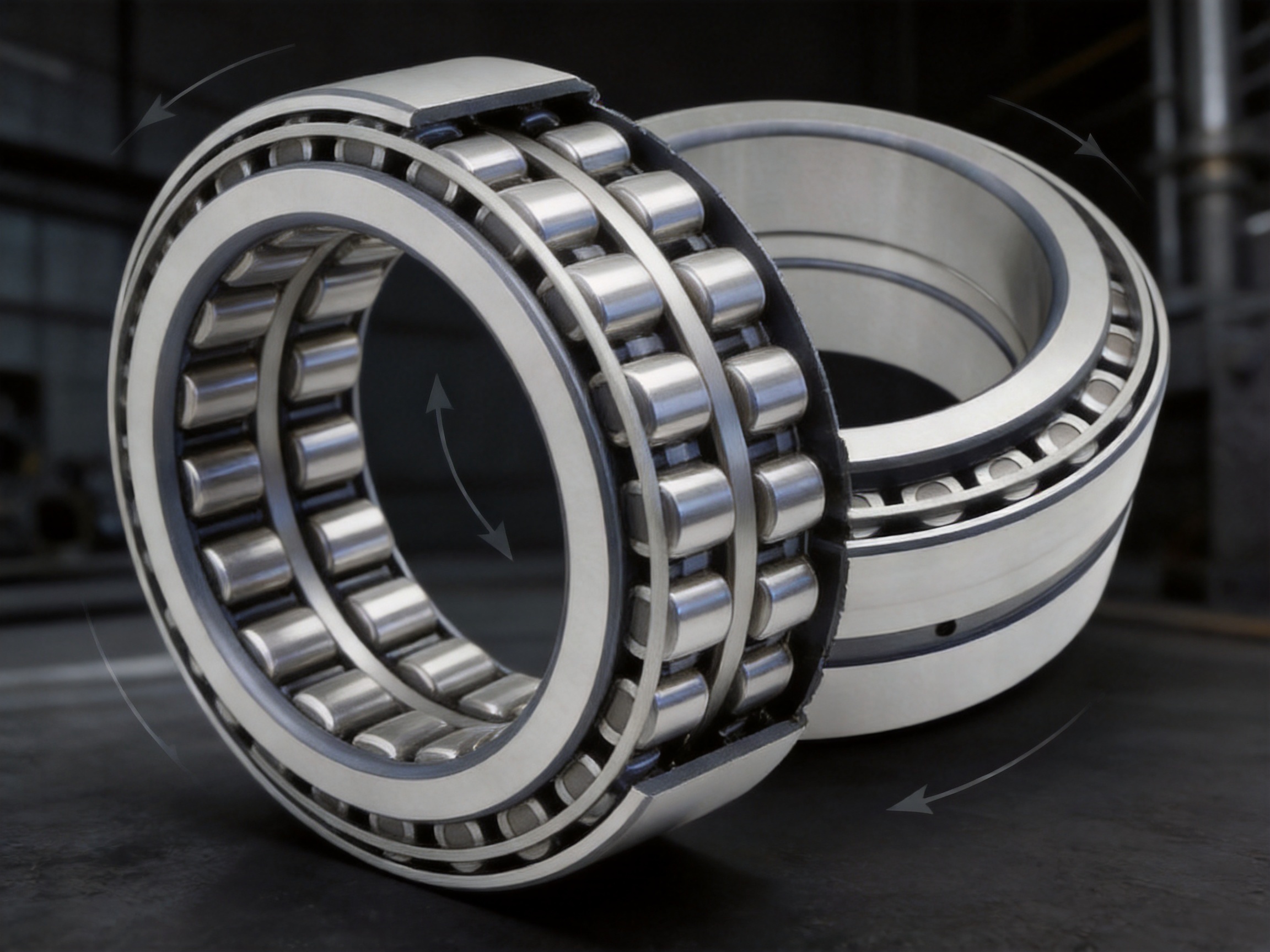
Modern bearing users expect more than basic manufacturing. They need traceable quality, stable batches, and products that meet international performance expectations. Ukl Bearing Manufacturing Co., Ltd invests in precision design and digital production control to improve consistency from raw material to final inspection.
Digital control helps reduce variation in process parameters. In bearing manufacturing, small deviations in hardness, roundness, taper angle, surface roughness, or dimensional accuracy can influence performance. By monitoring production data, the manufacturer can identify trends, correct deviations, and maintain stable quality.
Precision engineering is especially important for double row tapered roller bearings because the internal geometry must distribute load evenly between rows. If geometry is inaccurate, one row may carry excessive load, leading to increased heat and premature fatigue. Proper design and production control help maintain balanced load sharing and smooth operation.
The company’s R&D team develops high-precision products for CNC machines, robotics, intelligent automation systems, and heavy industrial applications. This research background supports the development of tapered roller bearings that meet demanding mechanical requirements. Experience with high-accuracy products, such as cross roller bearings and angular contact ball bearings, also strengthens the company’s understanding of precision rotation technology.
For customers, this means the BT2B 332504/HA2 is not treated as a simple commodity part. It is manufactured within a broader engineering system that focuses on accuracy, durability, and application suitability.
Bearing life begins with material selection. High-load tapered roller bearings require steel with excellent cleanliness, fatigue resistance, and hardenability. In rolling contact applications, microscopic inclusions or material defects can become the starting point for fatigue cracks. Therefore, material quality is fundamental.
The manufacturing process must preserve and enhance material properties. Forging improves structure, heat treatment develops hardness and strength, and grinding creates accurate surfaces for rolling contact. When these steps are well controlled, the bearing can resist pitting, wear, and deformation more effectively.
For the BT2B 332504/HA2, material performance is closely linked to application success. In gearboxes, rolling mills, and tunnel boring machines, the bearing may operate under heavy load for extended periods. The steel must withstand millions of stress cycles without premature fatigue. Proper hardness must be balanced with toughness, because overly brittle components can crack under shock loads, while insufficient hardness can accelerate wear.
Surface finish is also part of material performance. A smooth raceway reduces friction and helps maintain lubricant film stability. Tapered rollers and raceways must be manufactured to interact with minimal sliding and balanced contact pressure. High-quality grinding and finishing are therefore essential for longer life and lower operating temperature.
The efficiency of a double row tapered roller bearing depends on how well it distributes load across the rollers. The internal geometry includes roller profile, raceway angle, contact length, guide surfaces, and clearance characteristics. Each factor influences how the bearing responds to load.
In heavy-duty applications, perfect load distribution is difficult because real machinery includes shaft deflection, housing deformation, temperature gradients, and variable operating conditions. A strong bearing design must tolerate these practical challenges. The double row arrangement helps by providing a wider support base and better moment resistance.
Compared with lower-grade alternatives, a precision-manufactured bearing can maintain more accurate roller alignment and raceway contact. This reduces edge stress, heat generation, and fatigue risk. In the BT2B 332504/HA2, the double row tapered structure is intended to support stability under complex load conditions.
When equipment builders compare bearing options, they should not look only at nominal load ratings. They should consider internal geometry, manufacturing consistency, supplier expertise, and application support. A bearing with good catalog values but poor production consistency may fail to deliver expected life in real equipment.
Lubrication is essential for all rolling bearings, especially heavy-duty tapered roller bearings. Lubricant separates rolling and sliding surfaces, reduces friction, removes heat, prevents corrosion, and carries away contaminants. Without correct lubrication, even a high-quality bearing can fail prematurely.
The BT2B 332504/HA2 should be used with lubrication suitable for load, speed, temperature, contamination level, and maintenance interval. Industrial gearboxes often use oil lubrication, while some heavy machinery may use grease depending on design. Rolling mills may require special lubrication systems to handle water, scale, and high load conditions.
Lubricant viscosity must be appropriate. If viscosity is too low, the film may be insufficient under heavy load. If viscosity is too high, friction and heat may increase. Additives may be needed for extreme pressure conditions, corrosion protection, or high-temperature operation.
Cleanliness is equally important. Contaminants such as metal particles, dust, water, and process debris can damage raceways and rollers. Sealing arrangements, filtration, and regular maintenance help protect bearing surfaces. Ukl can provide technical communication to support customers in selecting and maintaining suitable bearing arrangements.
Correct installation is a major factor in bearing performance. A double row tapered roller bearing should be handled carefully to avoid impact damage, contamination, and corrosion. Bearing surfaces are precision-ground and should not be struck directly with hard tools.
Before installation, the shaft and housing should be inspected for dimensional accuracy, roundness, surface finish, and cleanliness. Improper fits can cause creeping, excessive internal stress, poor alignment, or heat generation. Correct mounting tools and methods should be used to apply force to the proper ring and avoid transmitting installation load through rolling elements.
Alignment is also important. Although the double row design provides high rigidity, it should not be forced to compensate for poor housing accuracy or shaft errors. Excessive misalignment may cause uneven load distribution and reduce bearing life.
After installation, the machinery should be run under controlled conditions where possible. Temperature, vibration, noise, and lubricant behavior should be monitored. Abnormal conditions during initial operation may indicate incorrect installation, contamination, insufficient lubrication, or unexpected load conditions.
For global customers, technical guidance and after-sales communication can reduce installation risk. Ukl’s multilingual service team provides rapid technical response, installation guidance, and maintenance support for customers in different regions.
Quality control in bearing manufacturing must be systematic. It should include incoming material inspection, process inspection, heat treatment verification, dimensional measurement, surface roughness testing, hardness testing, assembly inspection, and final packaging checks. Each stage reduces risk and improves consistency.
For a product such as the BT2B 332504/HA2, dimensional accuracy is critical. The tapered raceway angle, roller dimensions, ring geometry, and internal assembly relationship all affect performance. Precision inspection helps ensure that the bearing meets design requirements.
Surface quality is also inspected because bearing fatigue often begins at or near the contact surface. Scratches, burns, dents, or grinding defects can become failure points. Careful process control and inspection help prevent such problems.
Heat treatment inspection verifies that the components have proper hardness and structural characteristics. If heat treatment is inconsistent, the bearing may show unpredictable life. Ukl’s controlled production flow supports stable heat treatment quality across production batches.
Final inspection confirms that the assembled bearing rotates properly, meets dimensional standards, and is ready for packaging. For export shipments, packaging inspection ensures that the bearing is protected during transportation and storage.
Many industrial customers require more than a standard product. They may need modified dimensions, special clearance, different materials, custom packaging, application-specific documentation, or technical support for equipment design. Ukl Bearing Manufacturing Co., Ltd has more than 15 years of OEM/ODM export experience, allowing it to support customized bearing requirements for international clients.
OEM support is valuable for machinery manufacturers who need reliable bearings under their own equipment specifications. Consistent supply, stable quality, and responsive communication are essential in this relationship. ODM capability is important when customers need development assistance or product adaptation for specific application conditions.
The BT2B 332504/HA2 can be supplied as part of a broader tapered roller bearing solution. If an application requires related bearing types, Ukl can also support cross roller bearings, robot bearings, angular contact ball bearings, rod end bearings, spherical roller bearings, cylindrical roller bearings, Nilos rings, and mounted bearings. This wide product scope allows customers to consolidate sourcing and technical communication.
The company’s monthly production capacity of 10,000 to 50,000 units supports both small-batch customization and larger production demand. This capacity helps customers manage project schedules, maintenance planning, and spare parts inventory.
Ukl Bearing Manufacturing Co., Ltd exports bearings to the United States, Italy, Germany, Poland, South Africa, Egypt, India, and other regions. This international experience is important because different markets have different expectations for documentation, communication, packaging, quality consistency, and delivery reliability.
Export customers often need clear product identification, anti-rust protection, durable packaging, and responsive communication. Bearings may be used in critical machinery where delays or quality issues can interrupt production. A supplier with export experience understands the importance of stable logistics and after-sales support.
The company’s location in Wuxi City, Jiangsu Province, China, provides access to an industrial supply chain and manufacturing resources. Its address is No. 1, He Huan Road, Huai Dai Town, Binhu District, Wuxi City. Customers can communicate through the company’s service channels, including telephone and email contacts provided for sales and technical support.
International buyers also value suppliers that understand both manufacturing and trading. As an integrated manufacturer and trader, Ukl can combine production control with flexible customer service. This is helpful for distributors, OEMs, and end users requiring technical coordination and commercial support.
Industrial manufacturing must consider environmental responsibility. Ukl treats sustainability as a long-term commitment by adopting environmentally responsible processes, promoting material recycling, and optimizing energy usage. In bearing production, responsible material management and energy efficiency can reduce environmental impact while supporting stable manufacturing quality.
Material recycling is relevant because bearing production includes metal processing stages such as forging, turning, and grinding. Efficient handling of metal scrap and process materials helps reduce waste. Energy optimization is also important in heat treatment and machining operations, where power consumption can be significant.
Sustainable manufacturing is not separate from quality. Efficient processes, controlled production, and reduced waste often contribute to more stable output. A clean, organized, and disciplined manufacturing environment supports both environmental goals and product reliability.
Beyond production, Ukl supports educational and technical training initiatives. This reflects a broader commitment to engineering talent development. In advanced manufacturing industries, skilled technicians and engineers are essential for maintaining quality and innovation.
Customers selecting the BT2B 332504/HA2 from Ukl Bearing Manufacturing Co., Ltd receive more than a bearing. They receive a product supported by manufacturing capability, engineering knowledge, export experience, and service awareness. In heavy-duty applications, this complete support system can be as important as the bearing itself.
The product’s advantages include high radial load capacity, bidirectional axial load support, high rigidity, long service potential, compact structure, and suitability for severe industrial environments. These qualities make it competitive against standard single row bearings, separate paired arrangements, and alternative bearing types that may not provide the same combination of load capacity and axial stability.
The company’s advantages include integrated production, R&D capability, digital production control, multiple production lines, OEM/ODM experience, global exports, multilingual service, and commitment to sustainability. These strengths help ensure that customers receive consistent products and practical support.
For machinery manufacturers, distributors, and maintenance teams, supplier selection should consider reliability, communication, and technical depth. A lower-cost bearing without process control may create hidden costs through downtime, replacement labor, damaged equipment, and production loss. A carefully manufactured bearing from a capable supplier can improve total value over its service life.
End users care about machine uptime, maintenance cost, safety, and production quality. The BT2B 332504/HA2 supports these goals by providing stable operation in heavy-load conditions. Its double row tapered roller structure helps manage combined forces, reducing the risk of axial instability and excessive shaft movement.
In a gearbox, the bearing can help maintain gear alignment, reducing noise and wear. In a rolling mill, it can support roll stability and process consistency. In a tunnel boring machine, it can contribute to robust operation under shock and thrust loads. In other heavy machinery, it can simplify the support structure and improve reliability.
Maintenance teams benefit from predictable bearing behavior. When a bearing is manufactured consistently and installed correctly, inspection and replacement planning become easier. Reduced unexpected failure helps lower emergency downtime and improves safety.
Purchasing teams benefit from a supplier capable of stable production and international delivery. Engineering teams benefit from technical communication and the ability to discuss custom requirements. Together, these benefits make the product a strong choice for industrial bearing applications.
To achieve the best performance from the BT2B 332504/HA2, users should follow good maintenance practices. First, lubrication should be monitored regularly. Oil or grease condition provides valuable information about bearing health. Changes in color, viscosity, contamination level, or particle content may indicate operating problems.
Second, temperature should be tracked. A gradual increase in bearing temperature may suggest lubrication degradation, overload, misalignment, or internal damage. Sudden temperature rise requires immediate attention.
Third, vibration monitoring can help detect early bearing damage. Spalling, imbalance, misalignment, or looseness can produce vibration signatures before catastrophic failure occurs. Predictive maintenance programs can use vibration data to plan bearing replacement at the right time.
Fourth, sealing and contamination control should not be neglected. Heavy machinery often operates in dusty, wet, or dirty environments. Contaminants can quickly reduce bearing life. Effective seals, filtration, and clean handling procedures are essential.
Fifth, storage conditions should be controlled. Bearings should be stored in dry, clean areas with original protective packaging intact. Corrosion before installation can compromise performance. Proper storage is especially important for spare parts kept for long periods.
Engineers evaluating the BT2B 332504/HA2 should consider load magnitude, load direction, speed, lubrication method, shaft and housing fits, operating temperature, contamination risk, and required service life. Bearing selection should be based on both calculation and practical operating experience.
Load ratings are important, but real-world conditions can differ from theoretical assumptions. Shock loads, vibration, misalignment, and thermal expansion should be included in the evaluation. In heavy-duty systems, safety factors may be required to account for uncertain loads.
Housing stiffness is another key factor. A high-quality bearing cannot perform properly if the housing deforms excessively. Shaft rigidity also affects load distribution. The bearing, shaft, housing, lubrication, seals, and mounting method must work as a complete system.
Engineers should also consider maintenance access. If the bearing is installed in a difficult location, longer service life and improved protection become even more important. The compact integrated design of a double row tapered roller bearing can help simplify machine layout and maintenance planning.
Ukl Bearing Manufacturing Co., Ltd provides support for international bearing customers through sales, technical communication, and after-sales service. The company can be contacted by phone at +86-510-88763239 and through mobile support at +86-15371057968. Email communication is available through Jane@ukl-bearing.com, Jenny@ukl-bearing.com, Andy@ukl-bearing.com, and Ivy@ukl-bearing.com.
For customers evaluating the BT2B 332504/HA2, it is useful to provide application details such as load data, speed, operating temperature, lubrication method, shaft and housing dimensions, expected service life, and environmental conditions. With this information, the supplier can better support product selection and technical discussion.
Clear communication improves project success. Bearing performance depends on matching the product to the application. By working with a manufacturer that understands production, customization, and global service, customers can reduce selection risk and improve machinery reliability.
The BT2B 332504/HA2 is a double row tapered roller bearing used in heavy-duty applications requiring high radial load capacity, bidirectional axial load support, and strong rigidity. Typical applications include gearboxes, rolling mills, tunnel boring machines, heavy transmission systems, mining equipment, and other industrial machinery.
A single row tapered roller bearing generally supports radial loads and axial loads mainly in one direction. A double row tapered roller bearing contains two rows of tapered rollers, allowing it to support heavy radial loads and axial loads in both directions. It also provides greater rigidity and can simplify machine design by reducing the need for paired bearing arrangements.
Rigidity helps maintain shaft position, gear alignment, roll stability, and accurate machine operation. If a bearing support is not stiff enough, machinery may experience vibration, uneven wear, noise, reduced accuracy, and shorter component life. The double row tapered design improves stiffness and resistance to tilting forces.
The bearing offers a strong combination of heavy radial load capacity, bidirectional axial load capability, compact structure, high stiffness, and long service potential. Compared with ordinary single row bearings or lower-grade alternatives, it can reduce assembly complexity, improve shaft stability, and provide better suitability for severe industrial conditions when properly selected and installed.
The bearing is supported by a complete manufacturing flow that includes forging, turning, heat treatment, grinding, assembly, and packaging. These processes help ensure material strength, dimensional accuracy, surface quality, hardness, correct internal geometry, and protection during shipment.
Yes. Ukl Bearing Manufacturing Co., Ltd has OEM/ODM export experience and can discuss customized requirements such as special specifications, application-oriented adjustments, packaging, and technical documentation. Customers should provide detailed application conditions for accurate support.
Customers should provide load conditions, speed, shaft and housing dimensions, lubrication method, operating temperature, environmental contamination level, service life expectations, and installation conditions. This information helps the manufacturer recommend a suitable bearing solution.
Users can extend service life by selecting the correct bearing, ensuring accurate installation, using proper lubrication, preventing contamination, monitoring temperature and vibration, maintaining correct shaft and housing fits, and storing spare bearings in clean and dry conditions.
The BT2B 332504/HA2 double row tapered roller bearing is a powerful solution for industrial applications requiring combined load capacity, high rigidity, compact design, and dependable operation. Its double row tapered roller structure enables it to support heavy radial loads and axial loads from both directions, making it especially suitable for gearboxes, rolling mills, tunnel boring machines, and other heavy-duty systems.
Its value is not limited to geometry alone. The performance of this bearing is strengthened by advanced manufacturing processes, precision grinding, controlled heat treatment, digital production control, and careful assembly. Ukl Bearing Manufacturing Co., Ltd brings together R&D capability, OEM/ODM export experience, modernized production lines, global distribution, and responsive technical service to support customers worldwide.
For equipment manufacturers and maintenance professionals, choosing the right bearing can reduce downtime, improve machine stability, and lower long-term operating costs. The BT2B 332504/HA2 offers a competitive advantage by combining strength, stiffness, and practical installation benefits in one integrated bearing solution.
1. Harris, T. A., and Kotzalas, M. N. Rolling Bearing Analysis: Essential Concepts of Bearing Technology. CRC Press.
2. Brändlein, J., Eschmann, P., Hasbargen, L., and Weigand, K. Ball and Roller Bearings: Theory, Design and Application. Wiley.
3. ISO 281. Rolling Bearings: Dynamic Load Ratings and Rating Life. International Organization for Standardization.
4. ISO 355. Rolling Bearings: Tapered Roller Bearings Boundary Dimensions and Series Designations. International Organization for Standardization.
5. Neale, M. J. The Tribology Handbook. Butterworth-Heinemann.
6. Hamrock, B. J., Schmid, S. R., and Jacobson, B. O. Fundamentals of Fluid Film Lubrication. CRC Press.
Product Categories
Contact Us

Jane@ukl-bearing.com
Jenny@ukl-bearing.com
Andy@ukl-bearing.com
Ivy@ukl-bearing.com

+86-510- 88763239
+86-15371057968

No.1 Hehuan Road, Hudai Town, Binhu District, Wuxi City.
Ready to Begin?
Get in Touch

Now!
UKL BEARING
 English
 Español
 русский