Content
In modern mechanical systems, a bearing is rarely evaluated by rolling elements alone. Its performance depends on a complete working environment that includes lubrication, shaft and housing alignment, surface finish, mounting accuracy, temperature control, and sealing. Among the many sealing solutions available, the Nilos Ring is a compact metal seal designed to protect rolling bearings from contamination and lubricant loss while occupying minimal axial space. It is widely used in applications where a simple rubber seal may not deliver sufficient durability, where operating conditions demand dimensional stability, or where customers prefer a robust metallic protection system integrated directly with the bearing arrangement.
A Nilos Ring is not merely an accessory. It is a precision-formed metal sealing component that supports bearing life by creating an effective barrier at the bearing side face. In machinery exposed to dust, chips, moisture, grease migration, or general industrial contamination, the ring helps maintain lubricant cleanliness and protects the bearing raceway from premature wear. Because bearing failures are often caused by contamination rather than fatigue alone, a high-quality metal sealing ring can become a decisive factor in reducing maintenance frequency, improving machine availability, and lowering total operating cost.
UKL Bearing Manufacturing Co., Ltd supplies Nilos Ring products as part of a broad bearing and bearing-accessory portfolio that also includes cross roller bearings, robot bearings, angular contact ball bearings, rod end bearings, spherical roller bearings, cylindrical roller bearings, tapered roller bearings, and mounted bearings. With integrated manufacturing capabilities and long OEM/ODM export experience, the company supports customers who require dependable sealing rings, custom bearing solutions, and application-oriented technical service for demanding industrial environments.
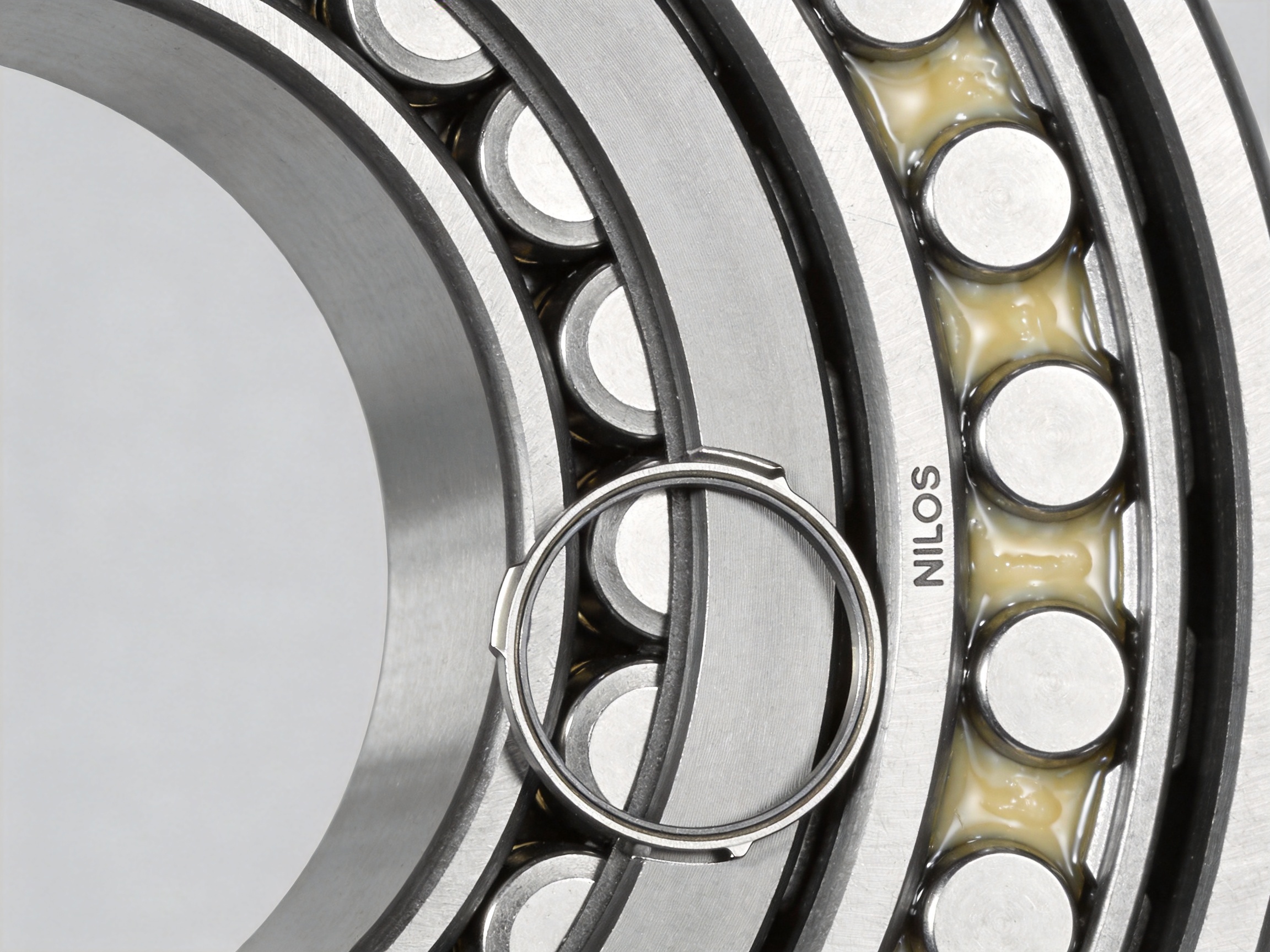
The basic purpose of a Nilos Ring is to seal the internal space of a rolling bearing against external contamination and to help retain grease inside the bearing area. Unlike many elastomer seals that rely on flexible rubber lips, a Nilos Ring is typically made of thin steel and shaped to match the bearing geometry. When mounted correctly, the ring forms a close protective interface near the bearing inner or outer ring, depending on the design. This structure can provide efficient protection while preserving a compact design envelope.
In many bearing arrangements, space is limited. Designers may not have enough axial room for bulky sealing devices, labyrinth structures, or external seal housings. The Nilos Ring solves this challenge by providing a low-profile metal sealing concept that fits directly next to the bearing. This makes it especially valuable in gearboxes, electric motors, agricultural machinery, conveyor systems, construction equipment, pumps, woodworking machinery, and many other assemblies where reliable bearing protection must be achieved without redesigning the entire machine.
The ring works by reducing the pathway through which particles or moisture can reach the rolling elements. In grease-lubricated bearings, it also helps reduce grease escape. The improvement may appear simple, but its impact is substantial. Clean grease maintains its viscosity, additives, and film-forming capacity for a longer period. Rolling elements experience less abrasive wear. Raceways remain smoother. Cage movement becomes more stable. Temperature rise may be reduced because contamination-related friction is controlled. For the end user, this means longer bearing service life and fewer unplanned shutdowns.
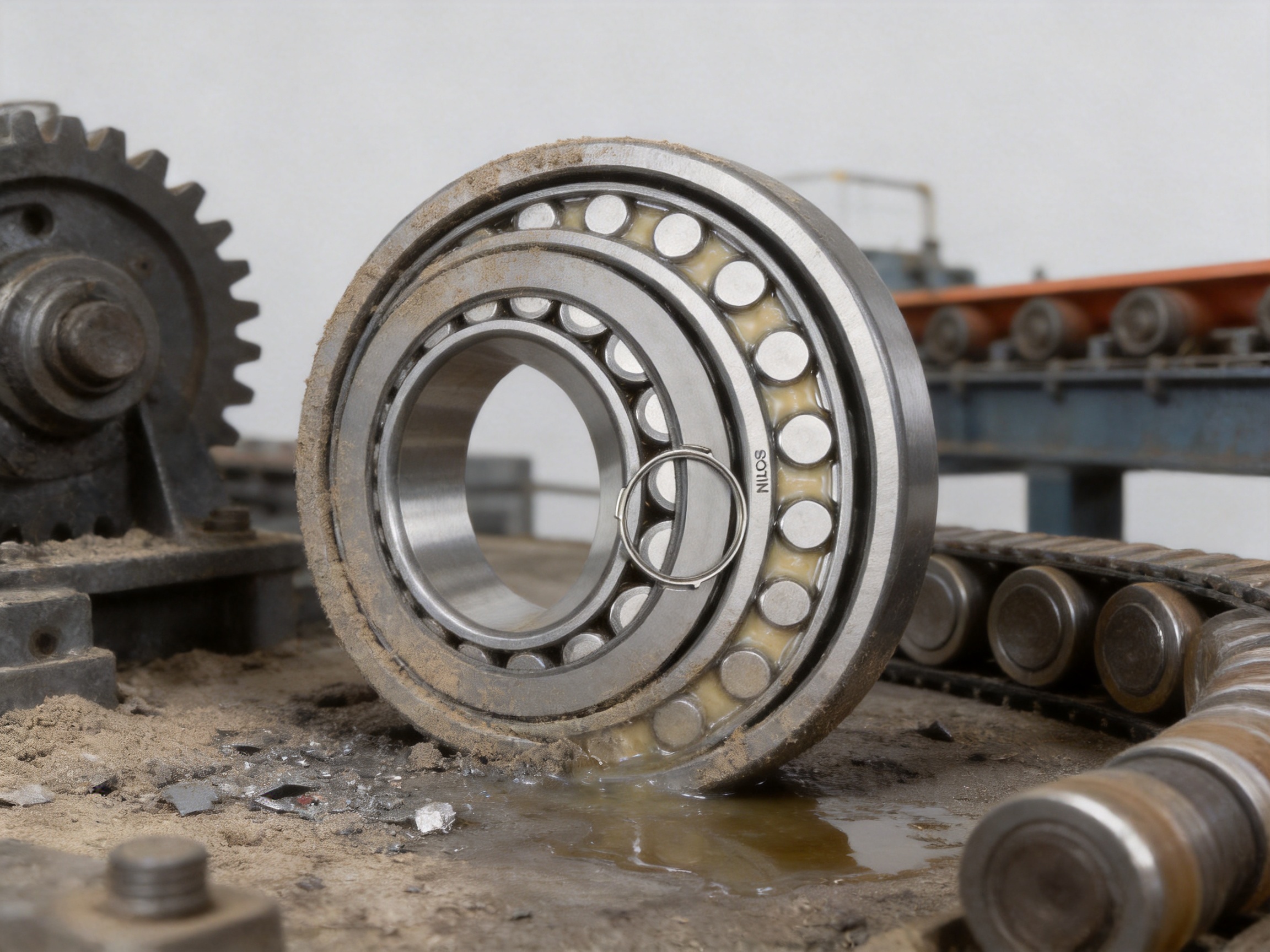
Industrial machines often operate in environments that are far from clean. Dust from cement plants, wood particles in sawmills, metal chips from machining centers, sand in agricultural equipment, and moisture in outdoor installations can all enter a bearing if the sealing system is insufficient. Once contamination reaches the raceway, it can cause indentations, abrasive scratches, lubricant degradation, corrosion, vibration, and noise. A bearing that should last thousands of operating hours may fail much earlier if sealing is neglected.
A metal sealing ring offers several benefits in these situations. Metal has strong dimensional stability and can withstand contact with many industrial lubricants. It is less likely to harden, crack, or deform in the same way as some rubber materials under harsh conditions. It is also well suited for applications where the seal must be compact, mechanically stable, and resistant to installation pressure. While no single seal type is ideal for every condition, Nilos Rings provide a practical and cost-effective method for protecting many standard bearing arrangements.
The metal construction also supports predictable geometry. Because the ring shape is formed according to bearing dimensions, consistency of curvature, lip profile, flatness, and thickness is important. These details affect mounting behavior and sealing efficiency. A poorly manufactured ring may distort, rub excessively, or fail to protect the bearing side face. Therefore, supplier capability is critical. Customers should evaluate not only the price of the ring but also the manufacturing process, quality control system, material selection, and technical support behind the product.
Nilos Rings compete with a variety of sealing approaches, including rubber contact seals, felt seals, external labyrinth seals, shielded bearings, and customized housing seals. Each method has its own strengths, but Nilos Rings offer a combination of advantages that can make them especially attractive in industrial bearing arrangements.
One of the clearest advantages is compactness. A Nilos Ring can be installed directly beside the bearing, helping designers maintain short shaft lengths and narrow housing designs. This is useful when machines must be smaller, lighter, or more economical. Compared with external seal housings, a Nilos Ring can reduce the number of parts and simplify assembly. For OEM manufacturers, such space savings may support more efficient machine layouts and lower material consumption.
Metal seals are valued for their mechanical strength. In environments where dust, vibration, temperature variation, and installation stress are present, a well-formed steel ring can remain stable and functional. Unlike some polymer-based seals, the metal ring is less sensitive to swelling caused by certain lubricants. It also avoids problems associated with rubber aging in applications where long storage periods or variable operating conditions are expected.
The primary reason for using a Nilos Ring is bearing protection. By covering the bearing side and creating a controlled sealing interface, the ring reduces the chance that contaminants will enter the bearing. Even small particles can shorten bearing life, especially in high-load or oscillating applications. A metal sealing ring helps preserve lubricant cleanliness and improves the reliability of the entire bearing system.
Some sealing systems are effective but expensive or complicated to install. Nilos Rings offer a practical balance between performance and cost. When selected and mounted correctly, they can extend bearing service life without requiring a major redesign. Lower maintenance frequency, fewer replacement bearings, and reduced downtime can make the sealing ring a small component with a large economic effect.
Nilos Rings can be designed for many common rolling bearing types, including deep groove ball bearings, cylindrical roller bearings, tapered roller bearings, and other standard arrangements. This compatibility allows OEMs and maintenance engineers to improve sealing performance without abandoning established bearing designs. For distributors, broad compatibility also makes inventory planning easier.
The performance of a Nilos Ring depends on precision manufacturing. Because the product is thin, shaped, and dimension-sensitive, even small process variations can influence installation and sealing results. UKL Bearing Manufacturing Co., Ltd operates as an integrated manufacturer and trader with production capabilities that support bearing components and related precision products. The company combines R&D, production, and international distribution to provide customers with stable quality and responsive service.
With a modernized factory in Wuxi City, China, the company has multiple production lines covering forging, turning, heat treatment, grinding, assembly, and packaging. Although the exact process for a metal sealing ring differs from that of a full rolling bearing, the manufacturing culture is the same: material control, forming accuracy, dimensional inspection, surface quality, and packaging protection must be managed carefully. This integrated industrial background allows the company to understand how sealing rings interact with bearings, shafts, housings, and lubrication systems.
The company’s production capacity of 10,000 to 50,000 units per month supports both regular demand and project-based orders. For international customers, stable monthly capacity is important because bearing accessories often need to match production schedules. A machine builder may require rings, bearings, and related components to arrive together. A distributor may need consistent supply for many sizes. A maintenance company may require urgent replenishment. Manufacturing capacity, inventory coordination, and export experience all contribute to a smoother procurement process.
UKL has more than 15 years of OEM/ODM export experience and serves customers in regions such as the United States, Italy, Germany, Poland, South Africa, Egypt, India, and other industrial markets. This global exposure gives the company practical knowledge of different technical expectations, packaging requirements, documentation preferences, and application environments. A sealing ring used in European agricultural equipment may face different conditions from one used in an Asian conveyor system or an African mining-related installation. International experience helps the supplier respond with appropriate recommendations.
A high-quality Nilos Ring begins with suitable material. The steel must offer the correct balance of formability, elasticity, surface quality, and strength. Material thickness should be consistent because variation can affect forming behavior and final fit. Surface defects, burrs, or uneven edges can reduce performance or complicate assembly. Therefore, incoming material inspection is an important first step.
Forming precision is equally critical. The ring profile must correspond to the bearing type and size. If the shape is too loose, sealing efficiency may be reduced. If it is too tight or distorted, it may create unwanted friction or be difficult to install. Controlled tooling, stable forming parameters, and periodic dimensional checks help maintain repeatability. For mass production, repeatability is not optional; every ring in a shipment must perform consistently.
Edge finishing is another major quality point. Thin metal components can develop sharp edges or burrs after stamping or forming. Burr control protects assemblers, prevents damage to adjacent bearing surfaces, and supports smooth seating. Depending on the design, surface treatment or anti-corrosion protection may also be required. Packaging must prevent deformation during transport because the ring’s geometry is essential to its function.
Inspection should cover dimensions, profile shape, surface condition, and batch traceability. For OEM projects, additional checks may include fit verification with matching bearings, customer-specific sampling, and documentation. UKL’s broader bearing manufacturing experience supports this quality discipline. The company understands that bearing-related products must be measured with precision and delivered with consistency.
| Sealing Option | Main Strength | Possible Limitation | Best Application Fit |
|---|---|---|---|
| Nilos Ring | Compact metal design, good contamination protection, cost-effective bearing-side sealing | Requires correct selection and mounting; not a universal substitute for all heavy-duty external seals | Grease-lubricated rolling bearings in compact industrial assemblies |
| Rubber Contact Seal | Flexible sealing lip and strong contact sealing ability | Can age, harden, swell, or wear depending on temperature, speed, and lubricant | Moderate-speed applications requiring elastic contact sealing |
| Labyrinth Seal | Low friction and good protection when designed with multiple paths | Often needs more space and more complex housing design | High-speed or large equipment with room for dedicated seal geometry |
| Metal Shield | Simple non-contact protection and low friction | May provide limited sealing against fine dust or grease leakage | Clean or moderately protected environments |
| Felt Seal | Traditional, economical, and lubricant-retaining | May require maintenance and may not suit all modern high-precision applications | Low to moderate-speed equipment with traditional housing designs |
Nilos Rings are useful wherever bearing contamination control matters and space is limited. Their value is especially clear in machinery where downtime is costly and replacement access is inconvenient. While the ring itself is relatively small, it can contribute significantly to reliability across many industries.
Gearboxes are common applications for bearing sealing rings. Gear oil, grease, metal wear particles, and external dust can all influence bearing life. In some gearbox arrangements, a Nilos Ring can help separate the bearing from contaminated zones or retain grease near the bearing. This supports smoother rotation and reduces the risk of abrasive wear.
Electric motors depend on stable bearing performance to maintain low noise, low vibration, and efficient rotation. Contamination may cause vibration and shorten bearing life. A compact metal sealing ring can help protect the bearing without increasing motor size. For OEM motor producers, this is a practical way to improve product reliability.
Agricultural machines operate in dust, mud, moisture, and impact conditions. Construction machinery faces abrasive particles and heavy vibration. Bearing protection is essential in these fields because maintenance may occur far from a workshop. Nilos Rings can contribute to durable bearing arrangements in rollers, wheels, gear units, and auxiliary mechanisms.
Conveyors often run continuously in dusty environments. Bearing failure can stop an entire production line. A sealing ring that reduces dust entry and grease loss helps maintain equipment uptime. For mining, packaging, food-related auxiliary systems, and logistics machinery, improved bearing protection can reduce maintenance planning pressure.
Machine tools require precision, and automation equipment requires predictable operation. While high-precision systems may use specialized sealing concepts, compact metal rings can still play a role in auxiliary units, support rollers, drive assemblies, and protective bearing arrangements. UKL’s R&D experience in precision bearings, including cross roller bearings and angular contact ball bearings, helps the company understand the relationship between sealing, accuracy, and long-term stability.
A major advantage of sourcing from a bearing-focused manufacturer is technical integration. A supplier that only sells sealing rings may understand the component, but a supplier that also manufactures and distributes bearings can help customers consider the full bearing arrangement. UKL’s product categories include cross roller bearings, robot bearings, angular contact ball bearings, rod end bearings, spherical roller bearings, cylindrical roller bearings, tapered roller bearings, mounted bearings, and Nilos Rings. This broad portfolio allows the company to support complete solutions rather than isolated components.
For example, a customer selecting tapered roller bearings for a gearbox may also need suitable metal sealing rings to protect grease and prevent particle entry. A customer using cylindrical roller bearings in a heavy-duty drive may require advice on axial space, mounting order, and sealing compatibility. A robot equipment customer may prioritize compactness and low weight. A mounted bearing customer may prioritize easy replacement and reliable contamination control. In each case, the sealing ring is part of a larger engineering decision.
Because UKL works with OEM and ODM customers, it can support size matching, packaging customization, labeling, batch planning, and technical communication. For wholesale metal seal buyers, this flexibility is important. Industrial customers often require repeat orders in multiple dimensions, and they expect consistent supply. A manufacturer with production capacity, export knowledge, and technical service can reduce procurement risk.
Precision is not achieved by final inspection alone. It is built into every stage of production. UKL’s manufacturing system includes several process stages that reflect a disciplined industrial approach: forging, turning, heat treatment, grinding, assembly, and packaging for bearing production, alongside precision forming and inspection concepts for sealing rings. These processes show the company’s ability to manage metallic components from raw material transformation to finished product delivery.
Forging supports material strength and controlled blank quality for bearing components. Turning creates accurate geometries. Heat treatment improves hardness, wear resistance, and fatigue performance. Grinding establishes final dimensional precision and surface finish. Assembly requires clean conditions, careful handling, and process discipline. Packaging protects the final product against corrosion and transport damage. Although a Nilos Ring has its own manufacturing route, it benefits from the same company-wide understanding of metal behavior, tolerance management, and bearing operating requirements.
The company also emphasizes R&D. Its dedicated team works on high-precision cross roller bearings, dual-direction thrust angular contact ball bearings, and products used in CNC machines, robotics, and intelligent automation systems. This R&D foundation matters even for a product like the Nilos Ring because sealing efficiency depends on accurate interaction with bearing geometry. A supplier familiar with precision bearing applications is better positioned to understand the consequences of small dimensional deviations.
Digital production control and precision design support consistency. In international supply chains, customers need confidence that the first order and the tenth order will match. Repeatability depends on tooling maintenance, inspection routines, trained operators, traceable batches, and controlled packaging. UKL’s manufacturing orientation is built around these requirements.
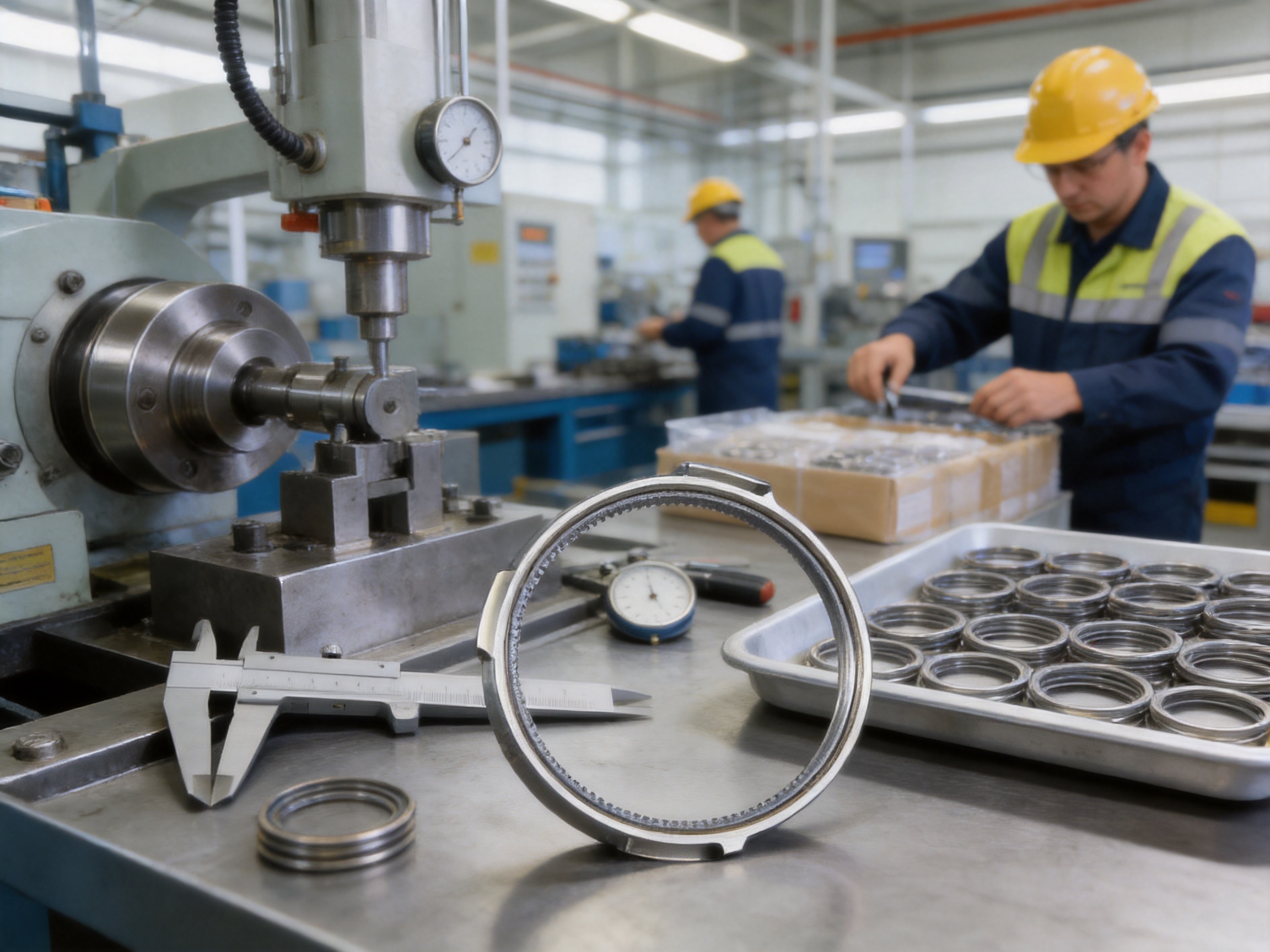
Bearing life is often calculated using load, speed, lubrication, and fatigue theory, but real service life can be much shorter if contamination is present. Hard particles can indent raceways. Soft particles can mix with grease and increase friction. Water can cause corrosion and lubricant breakdown. Metal chips can create severe damage quickly. The Nilos Ring addresses these practical failure mechanisms by strengthening the boundary between the bearing interior and the external environment.
In grease-lubricated systems, lubricant retention is a major benefit. Grease performs several functions: it reduces friction, separates surfaces, protects against corrosion, and carries additives to contact zones. If grease escapes, the bearing may run with insufficient lubrication. If contaminants enter, the grease becomes abrasive. The sealing ring supports a cleaner and more stable grease environment.
Reduced contamination also helps control noise and vibration. Bearing noise often increases when raceways are damaged or lubricant is polluted. In equipment such as electric motors, conveyors, and precision auxiliary drives, noise may indicate developing failure. By protecting the bearing earlier in its life, the ring helps maintain smoother operation for longer periods.
Another advantage is maintenance predictability. A bearing that operates in a cleaner environment is less likely to fail unexpectedly. Maintenance teams can plan lubrication, inspection, and replacement intervals more confidently. For manufacturing plants, this can improve production planning. For OEM equipment builders, it can improve customer satisfaction and reduce warranty concerns.
Choosing the correct Nilos Ring requires attention to bearing type, bearing size, shaft and housing arrangement, speed, lubrication method, contamination level, and mounting sequence. The ring must match the bearing geometry. Customers should not select a ring by approximate dimension only. A small mismatch may reduce sealing effectiveness or complicate assembly.
Operating speed is also relevant. Any sealing interface can generate friction if improperly selected or installed. Engineers should consider whether the application requires contact or near-contact sealing behavior and whether the ring design is appropriate for the rotational conditions. Temperature should also be reviewed, especially in equipment where heat is generated by load, speed, or surrounding processes.
Lubrication type matters. Nilos Rings are commonly associated with grease-lubricated bearings, but the exact application must be evaluated. If oil circulation, high-speed operation, or aggressive chemical exposure is present, additional engineering review may be needed. Customers should provide application details to the supplier whenever possible.
Installation accuracy is essential. The ring should be mounted without deformation. Tools should apply pressure evenly, and the ring should not be bent, dented, or forced into position. Bearing seats, shaft shoulders, and housing surfaces should be clean. Misalignment or improper seating can reduce sealing performance. Suppliers can support customers with mounting recommendations based on the bearing arrangement.
A precision metal sealing ring can be damaged if packaging is careless. Because the ring is thin and shaped, it must be protected from bending, surface scratches, moisture, and corrosion during transport. Export shipments may travel through changing climates and long logistics routes. Proper packaging is therefore part of product quality, not a separate afterthought.
UKL’s experience exporting to the United States, Italy, Germany, Poland, South Africa, Egypt, India, and other markets supports practical packaging and documentation standards. International customers may require neutral packaging, customized labels, batch identification, protective oil, anti-rust paper, cartons, pallets, or other shipping solutions. A supplier familiar with OEM/ODM export procedures can help avoid delays and product damage.
The company’s multilingual service team also supports technical response, installation guidance, and after-sales maintenance. For industrial buyers, communication speed matters. If a customer has a question about size selection, order planning, or application compatibility, timely support can prevent mistakes. In global sourcing, service capability is often as important as production capability.
Sustainability is increasingly important in industrial purchasing. Bearings and sealing components contribute to sustainability not only through their manufacturing process but also through the longer service life they can provide. When a Nilos Ring helps extend bearing life, it reduces the frequency of bearing replacement, lubricant waste, machine downtime, and emergency shipping. Longer component life supports resource efficiency.
UKL takes sustainability as a long-term commitment. The company adopts environmentally responsible processes, promotes material recycling, and optimizes energy usage to reduce its environmental footprint. These efforts align with the needs of global customers who are evaluating suppliers not only by price and delivery time but also by responsible manufacturing practices.
Technical training and educational support are also part of a sustainable industrial future. By supporting engineering talent and promoting better understanding of bearing technology, manufacturers help reduce misuse, improve maintenance, and extend equipment life. Better knowledge leads to better application decisions, and better decisions reduce waste.
When buying Nilos Rings, customers can choose between general hardware suppliers, trading companies, and specialized bearing manufacturing companies. A specialized bearing company offers several advantages. It understands bearing geometry, common failure modes, lubrication behavior, and application conditions. It can connect the sealing ring to the complete bearing system rather than treating it as a generic metal part.
UKL Bearing Manufacturing Co., Ltd combines manufacturing capability, R&D focus, export experience, and a broad product range. Established in 2020 and supported by more than 15 years of OEM/ODM export experience, the company has developed into a reliable partner for industries across Europe, Asia, Africa, Russia, and other regions. With 201 to 500 employees and modern production systems, it can support both volume orders and customized projects.
The company’s location at No. 1, He Huan Road, Huai Dai Town, Binhu District, Wuxi City places it in one of China’s important industrial regions. Access to manufacturing resources, technical personnel, logistics networks, and supplier ecosystems supports efficient production and export operations. For customers seeking a China bearing factory or a wholesale metal seals company, these capabilities provide practical value.
In addition to Nilos Ring products, the company’s bearing categories allow buyers to consolidate sourcing. Purchasing bearings and sealing rings from a technically aligned supplier can simplify communication and improve compatibility. For OEM customers, this may reduce development time. For distributors, it may expand product offerings. For maintenance teams, it may improve replacement reliability.
The global market for bearing accessories is competitive. Customers compare price, delivery, size range, quality consistency, communication, and technical support. UKL’s advantage lies in the combination of manufacturing depth and customer-oriented flexibility. The company is not limited to a single product category; it supports multiple bearing types and precision components, which strengthens its understanding of real application needs.
Another competitive advantage is OEM/ODM capability. Many customers require more than standard catalog items. They may need special packaging, specific dimensional checks, private labeling, customized documentation, or product development cooperation. A supplier with OEM/ODM experience can adapt to these requirements while maintaining production discipline.
Quality consistency is also a key differentiator. Low-cost sealing rings that vary from batch to batch may create hidden costs during assembly and maintenance. If rings are distorted, mismatched, or poorly finished, customers may face installation delays or bearing failures. A reliable supplier reduces these risks through process control and inspection.
Finally, global service matters. Industrial customers may operate in different time zones and technical cultures. UKL’s multilingual service team provides rapid technical response and after-sales support. This helps customers resolve issues quickly and maintain confidence in long-term cooperation.
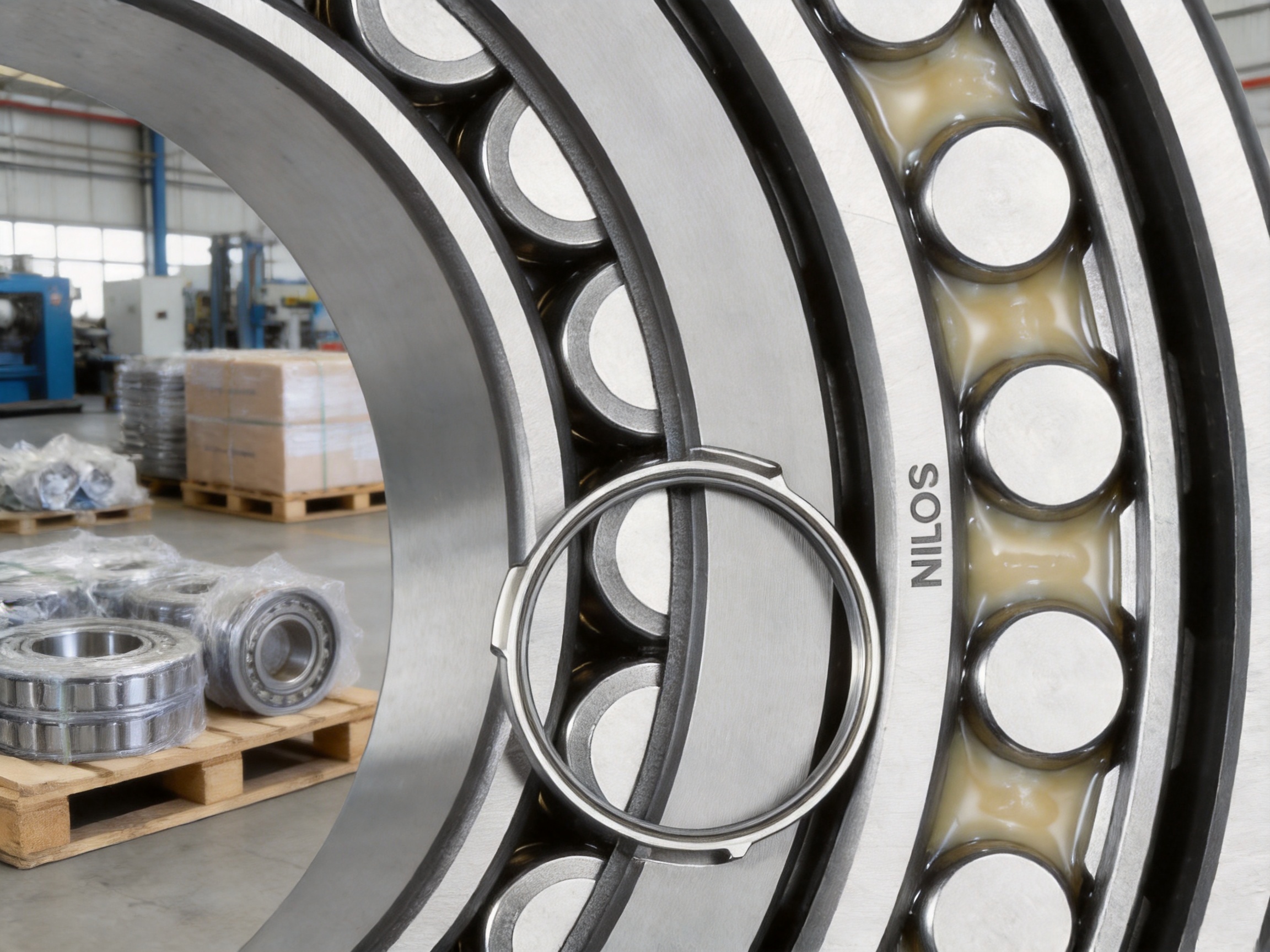
Although detailed mounting procedures depend on the exact ring type and bearing arrangement, several general principles apply. First, confirm that the ring matches the bearing designation and installation position. Second, inspect the ring before installation to ensure that it is not bent, dented, or corroded. Third, clean the shaft, housing, bearing, and surrounding components. Dirt trapped during assembly can defeat the purpose of sealing.
During installation, avoid applying uneven force. Thin metal rings can deform if pressed at one point. Use suitable tools that support the ring evenly. Do not strike the ring directly with a hard tool. After mounting, verify that the bearing rotates as expected and that the ring is seated correctly. If unusual friction, noise, or resistance is detected, stop and inspect the assembly.
Lubrication should be applied according to the bearing and machine requirements. Overfilling or underfilling grease can create problems. A sealing ring helps retain grease, but it does not replace proper lubrication planning. Maintenance teams should monitor operating temperature, noise, vibration, and grease condition during service.
A Nilos Ring is used to protect rolling bearings from contamination and to help retain lubricant. It is mounted near the bearing side face and acts as a compact metal sealing solution in many industrial applications.
It depends on the application. A metal sealing ring offers compactness, mechanical stability, and good compatibility with many industrial environments. Rubber seals may provide flexible contact sealing, but they can be affected by aging, temperature, lubricant compatibility, and wear. The best choice depends on speed, contamination level, space, and operating conditions.
Yes. Nilos Rings can be designed for many common rolling bearing types, including ball bearings and roller bearings. Correct size selection is essential, and customers should match the ring to the bearing designation and application layout.
They may not always require complex tools, but installation must be controlled. The ring should be pressed evenly and protected from deformation. For production assembly, suitable pressing tools are recommended to ensure repeatable results.
Common causes include incorrect size selection, poor installation, ring deformation, excessive speed for the seal design, misalignment, severe contamination beyond the seal’s capability, and inadequate lubrication. Supplier guidance and proper mounting can reduce these risks.
A bearing manufacturing company understands how the sealing ring interacts with the bearing, shaft, housing, and lubricant. This technical understanding supports better selection, improved compatibility, and more reliable long-term supply.
Yes. UKL Bearing Manufacturing Co., Ltd supports wholesale supply and OEM/ODM cooperation, including product matching, packaging customization, batch planning, and export service for international customers.
By reducing contamination entry and lubricant loss, the rings help extend bearing service life. Longer bearing life can reduce replacement frequency, labor cost, unplanned downtime, and related production losses.
The Nilos Ring is a small but strategically important component in bearing protection. Its compact metal design helps solve common industrial problems: contamination entry, grease loss, limited installation space, and premature bearing wear. Compared with many conventional sealing solutions, it offers a valuable balance of durability, economy, and design efficiency. For machine builders, distributors, and maintenance teams, the right metal sealing ring can improve reliability without requiring major structural changes.
Product performance depends on correct selection, precision manufacturing, careful installation, and consistent quality control. This is where supplier strength becomes essential. UKL Bearing Manufacturing Co., Ltd brings together manufacturing capability, R&D experience, broad bearing knowledge, monthly production capacity, global export service, and OEM/ODM flexibility. Its modern production lines, technical team, and international service approach allow it to support customers who require dependable Nilos Ring products and complete bearing-related solutions.
In a competitive industrial market, reliable operation is built from details. A bearing may carry the load, but the sealing system protects the conditions that allow the bearing to perform. By choosing high-quality Nilos Rings from a specialized bearing manufacturing partner, customers can strengthen equipment reliability, extend maintenance intervals, and build more durable mechanical systems for global applications.
Harris, T. A., and Kotzalas, M. N. Rolling Bearing Analysis. CRC Press.
Brändlein, J., Eschmann, P., Hasbargen, L., and Weigand, K. Ball and Roller Bearings: Theory, Design and Application. Wiley.
ISO 281. Rolling Bearings: Dynamic Load Ratings and Rating Life. International Organization for Standardization.
ISO 15243. Rolling Bearings: Damage and Failures: Terms, Characteristics and Causes. International Organization for Standardization.
Neale, M. J. The Tribology Handbook. Butterworth-Heinemann.
Hamrock, B. J., Schmid, S. R., and Jacobson, B. O. Fundamentals of Fluid Film Lubrication. CRC Press.
Product Categories
Contact Us

Jane@ukl-bearing.com
Jenny@ukl-bearing.com
Andy@ukl-bearing.com
Ivy@ukl-bearing.com

+86-510- 88763239
+86-15371057968

No.1 Hehuan Road, Hudai Town, Binhu District, Wuxi City.
Ready to Begin?
Get in Touch

Now!
UKL BEARING
 English
 Español
 русский