Content
In the intricate world of industrial machinery, every component plays a critical role in ensuring smooth operation, efficiency, and longevity. Among these components, rod end bearings stand out as essential elements for connecting moving parts, allowing for angular misalignment while transmitting loads. The SI Steel-On-Steel Rod End Bearing series has emerged as a benchmark in this category, combining robust design, advanced materials, and precision manufacturing to outperform competitor solutions across a wide range of applications. This article explores the key features, advantages, manufacturing processes, and real-world applications of SI rod end bearings, as well as the strengths of the company behind their production.
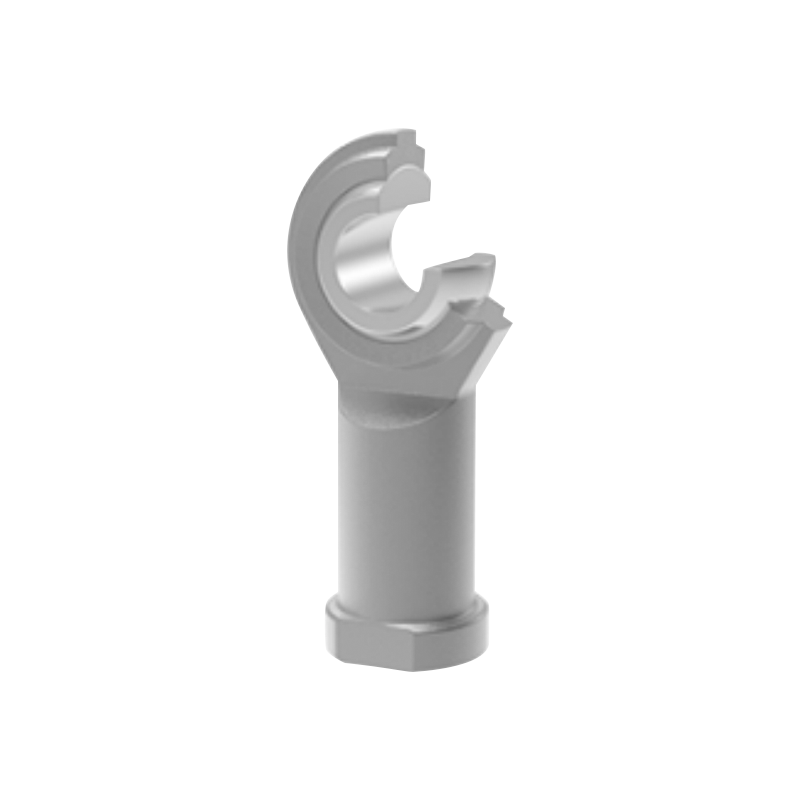
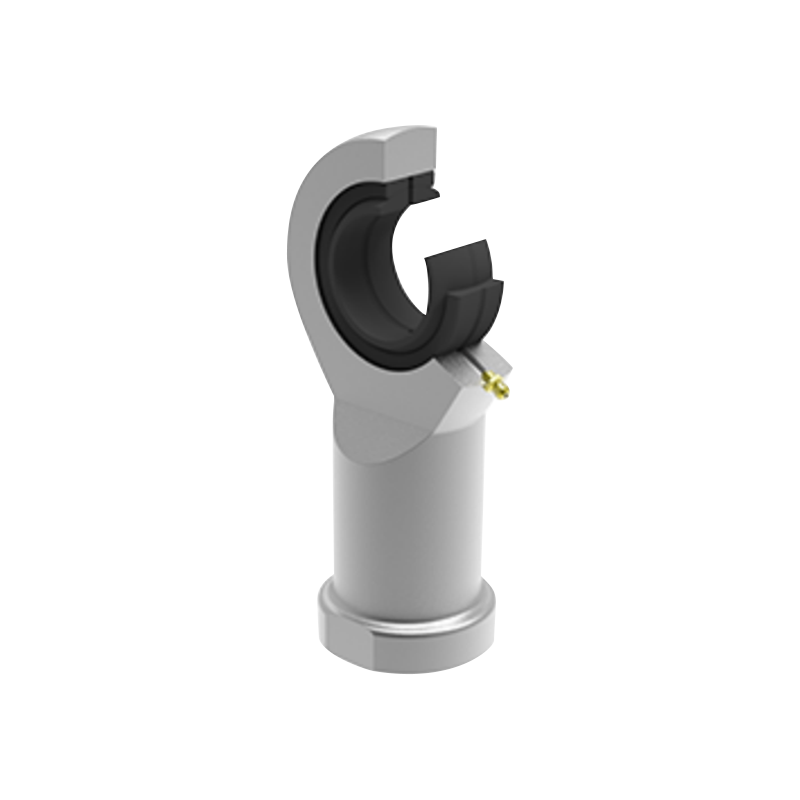
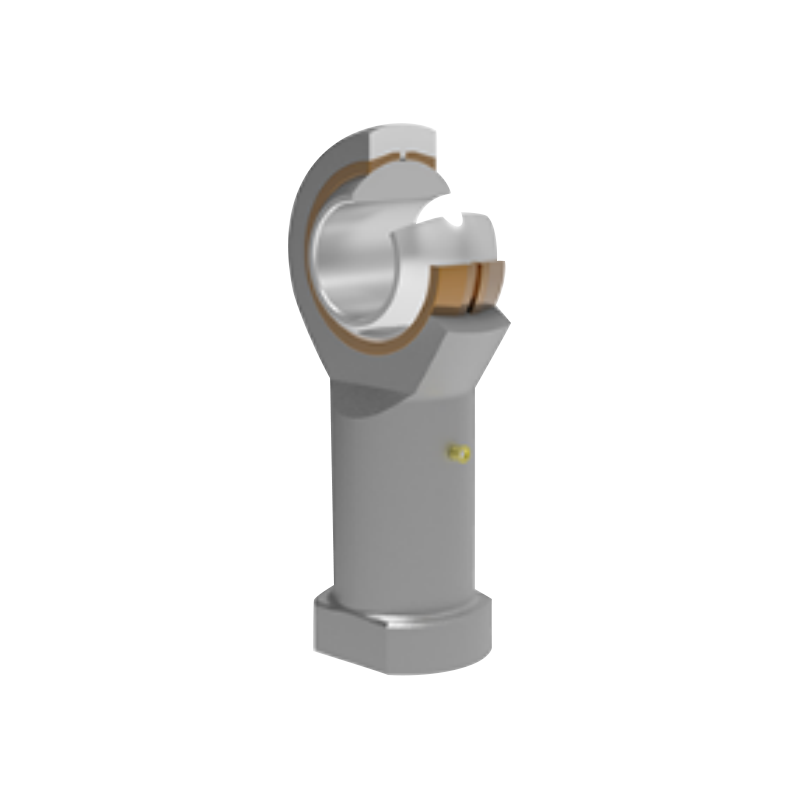
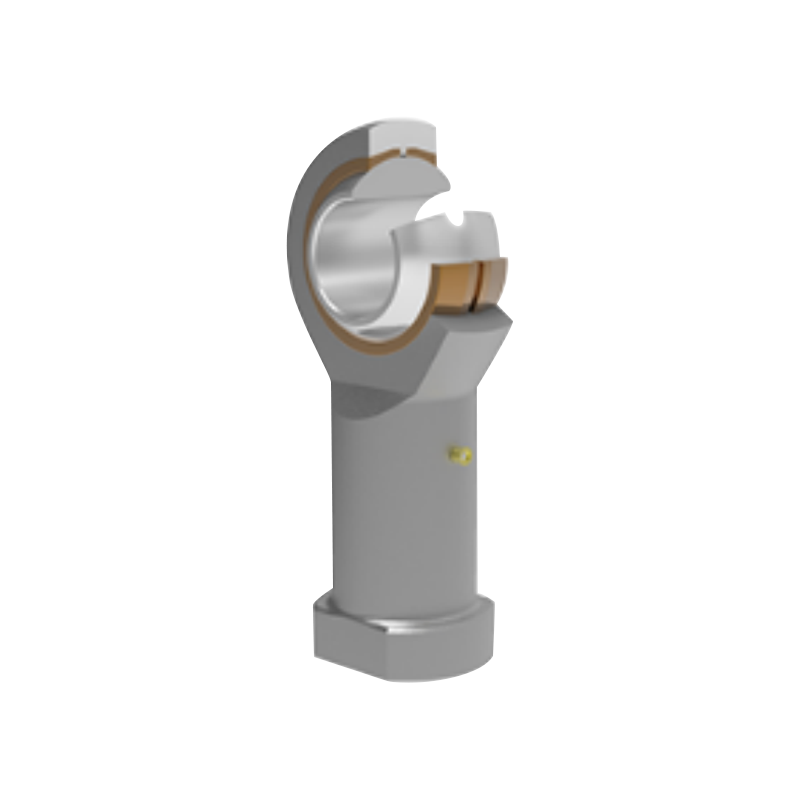
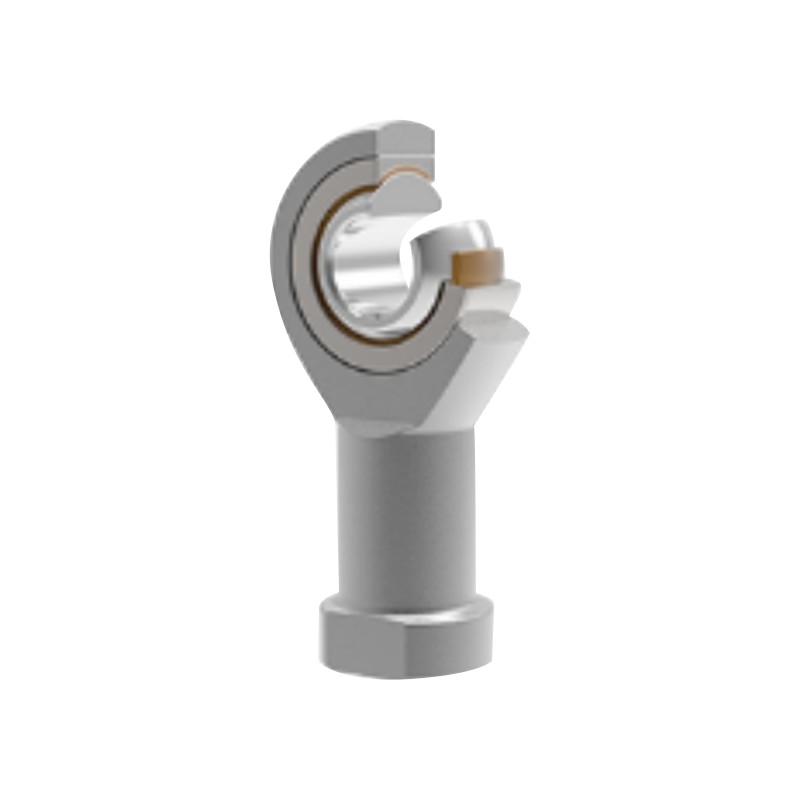
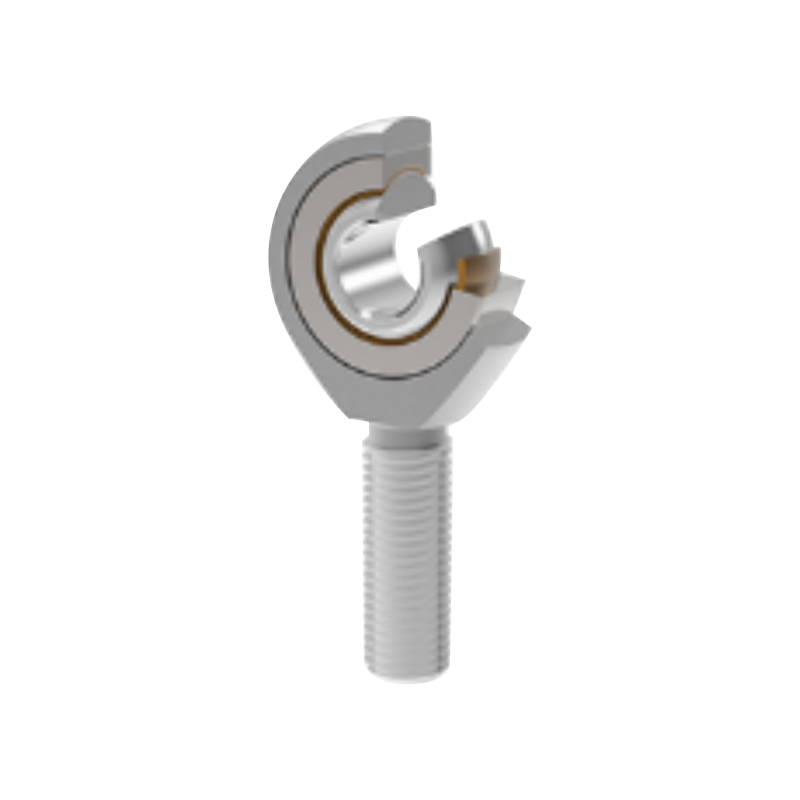
SI Steel-On-Steel Rod End Bearings are assembled units consisting of two core components: a rod end body and a radial spherical plain bearing (either GE…E or GE…ES series). The rod end body, crafted from high-quality carbon steel with a galvanized surface, provides structural integrity and corrosion resistance. The spherical plain bearing inside allows for angular movement, making these bearings ideal for applications where misalignment between connected parts is unavoidable.
These bearings are designed to handle both radial and axial loads, making them versatile for use in various industrial settings. The "steel-on-steel" sliding friction pair (as specified in their technical details) ensures exceptional wear resistance and load capacity, setting them apart from bearings that use polymer or bronze friction pairs.
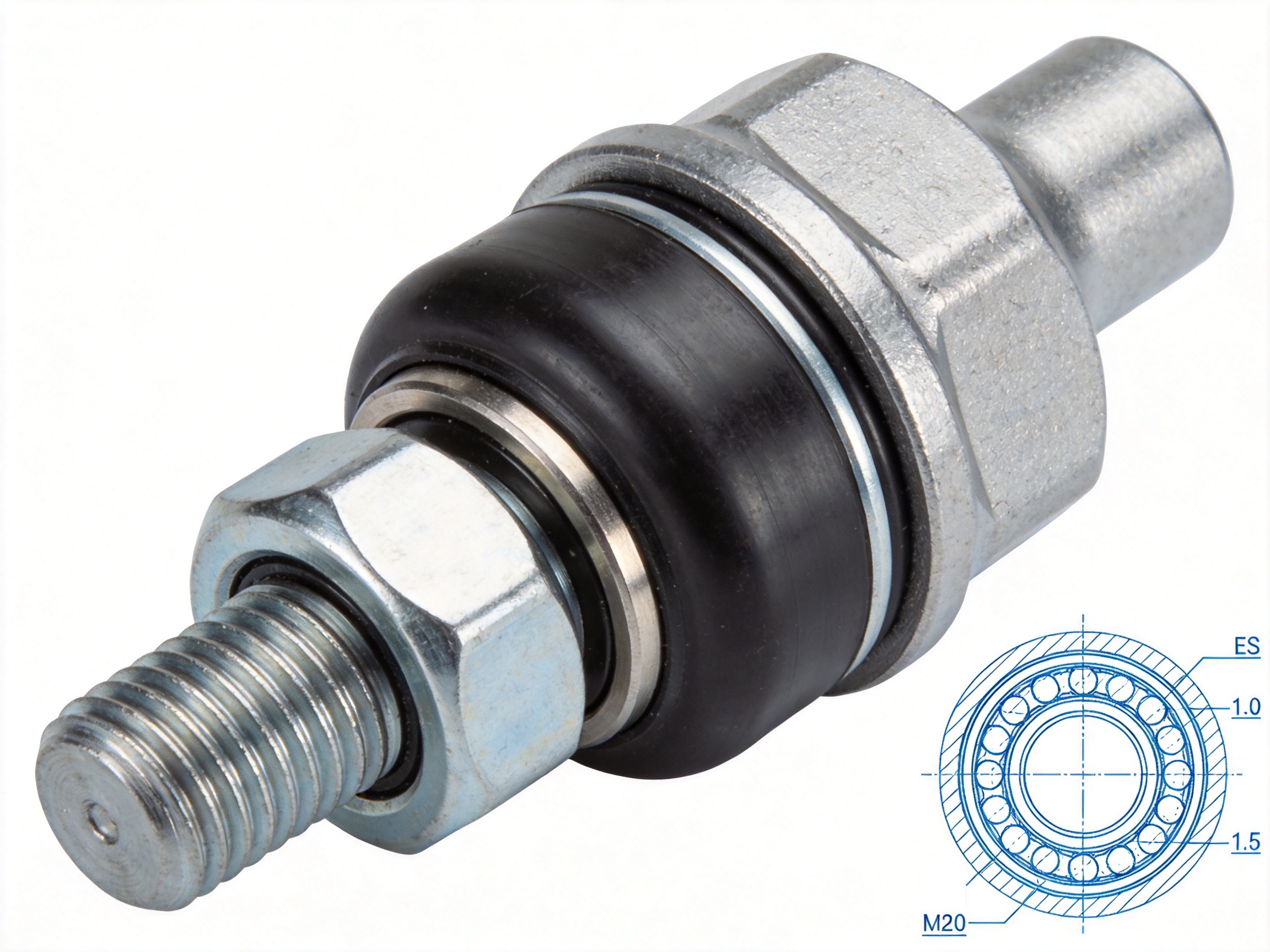
SI rod end bearings are available in two main variants: those with the suffix "E" (non-lubricated) and those with "ES" (lubricatable via an oil cup or rod end eyelet). This distinction allows users to choose the right bearing based on their application's lubrication requirements—whether they need a maintenance-free option or one that can be periodically lubricated for extended lifespan.
The SI Steel-On-Steel Rod End Bearing series offers several distinct advantages that give it an edge over competitor products. These advantages are rooted in its design, materials, and manufacturing precision, making it a preferred choice for engineers and OEMs worldwide.
One of the most significant advantages of SI bearings is their steel-on-steel sliding friction pair. Unlike many competitor bearings that use polymer or bronze materials for the friction surface, steel-on-steel provides superior wear resistance and load capacity. This is particularly critical in heavy-duty applications where high loads and frequent movement can cause rapid wear in softer materials.
For example, in construction equipment such as excavators, the boom joints are subjected to constant heavy loads and angular movement. Competitor bearings with polymer friction pairs may wear out within a few months, requiring frequent replacements and downtime. In contrast, SI bearings' steel-on-steel pair maintains its performance for much longer, reducing maintenance costs and increasing operational efficiency.
Additionally, the steel-on-steel design is less prone to deformation under high stress, ensuring that the bearing retains its dimensional accuracy over time. This stability translates to smoother operation and reduced vibration in the equipment.
SI rod end bearings offer flexible lubrication options to suit different application needs. The "E" series models are non-lubricated, making them ideal for applications where lubrication is not feasible (e.g., food processing equipment, where lubricants could contaminate products) or where maintenance access is limited. The "ES" series models, on the other hand, can be lubricated via an oil cup or rod end eyelet, allowing users to extend the bearing's lifespan by replenishing lubrication periodically.
Many competitor bearings lack this flexibility. For instance, some only offer lubricated versions, which are unsuitable for cleanroom or food-grade applications. Others may not provide easy access for lubrication, leading to premature failure due to insufficient lubrication. SI bearings' dual lubrication options address these limitations, making them a more versatile choice across industries.
The SI series operates effectively within a temperature range of -50°C to +150°C (note: the technical data specifies 50℃~+150℃, but this is likely a typo; the intended range is -50°C to +150°C based on industry standards for such bearings). This wide range allows the bearings to perform reliably in harsh environments, including:
Competitor bearings often have narrower temperature ranges. For example, some polymer-based bearings may fail at temperatures above 120°C, while others may become brittle at temperatures below -20°C. SI bearings' ability to handle extreme temperatures makes them suitable for a broader array of applications.
SI rod end bearings are highly customizable to meet the specific needs of OEMs and industrial users. The series offers:
Many competitor bearings have limited customization options, forcing users to adapt their equipment to the available bearing sizes or threads. SI bearings' flexibility allows OEMs to design equipment with optimal performance, reducing the need for compromises.
SI rod end bearings are manufactured with tight dimensional tolerances, ensuring a perfect fit in the assembly. This precision is critical for several reasons:
For example, in robotic arms, precise dimensional tolerances are essential for accurate movement. SI bearings' tight tolerances ensure that the robotic joints operate smoothly and precisely, without any play or wobble. Competitor bearings with looser tolerances may cause inaccuracies in the robot's movement, leading to errors in production.
The superior performance of SI rod end bearings is a direct result of the advanced manufacturing processes employed by the company. From material selection to final quality control, every step is designed to ensure precision, durability, and consistency.
The rod end body of SI bearings is made from high-quality carbon steel, chosen for its strength, durability, and machinability. The steel undergoes a galvanization process to provide corrosion resistance, which is crucial for applications exposed to moisture or harsh chemicals.
The forging process is a key step in enhancing the strength of the rod end body. Modern forging lines use controlled pressure and temperature to shape the steel into the desired form, resulting in a uniform grain structure. This uniform structure increases the bearing's load capacity and resistance to fatigue, compared to cast components which may have internal defects.
Competitors often use cast steel for rod end bodies, which is cheaper but less durable. Forged steel, as used in SI bearings, offers superior mechanical properties, making the bearings more reliable in heavy-duty applications.
After forging, the rod end body undergoes precision machining using CNC (Computer Numerical Control) turning and grinding machines. These machines are programmed to achieve tight dimensional tolerances, ensuring that every bearing meets the specified standards.
The spherical plain bearing inside the rod end body is also machined with high precision. The inner and outer rings are ground to a smooth finish, reducing friction and wear. Digital control systems monitor the machining process in real-time, ensuring consistency across all units.
Competitors may use manual machining processes, which are prone to human error and result in inconsistent dimensions. SI bearings' CNC machining ensures that every unit is identical, reducing the risk of fitment issues or performance variations.
Heat treatment is a critical process that enhances the hardness and toughness of the bearing components. The rod end body and spherical plain bearing rings undergo controlled heat treatment processes, including quenching and tempering.
This process ensures that the bearing components are hard enough to resist wear but tough enough to withstand impact loads. Improper heat treatment can lead to components that are either too brittle (prone to cracking) or too soft (prone to deformation). SI bearings' controlled heat treatment processes eliminate these risks.
The final step in manufacturing is assembly, where the rod end body and spherical plain bearing are combined. Each assembly undergoes rigorous quality control tests to ensure it meets the required standards:
Every bearing is labeled with its model number and specifications, and a batch certificate is provided for each shipment. This level of quality control ensures that only high-quality bearings reach the market.
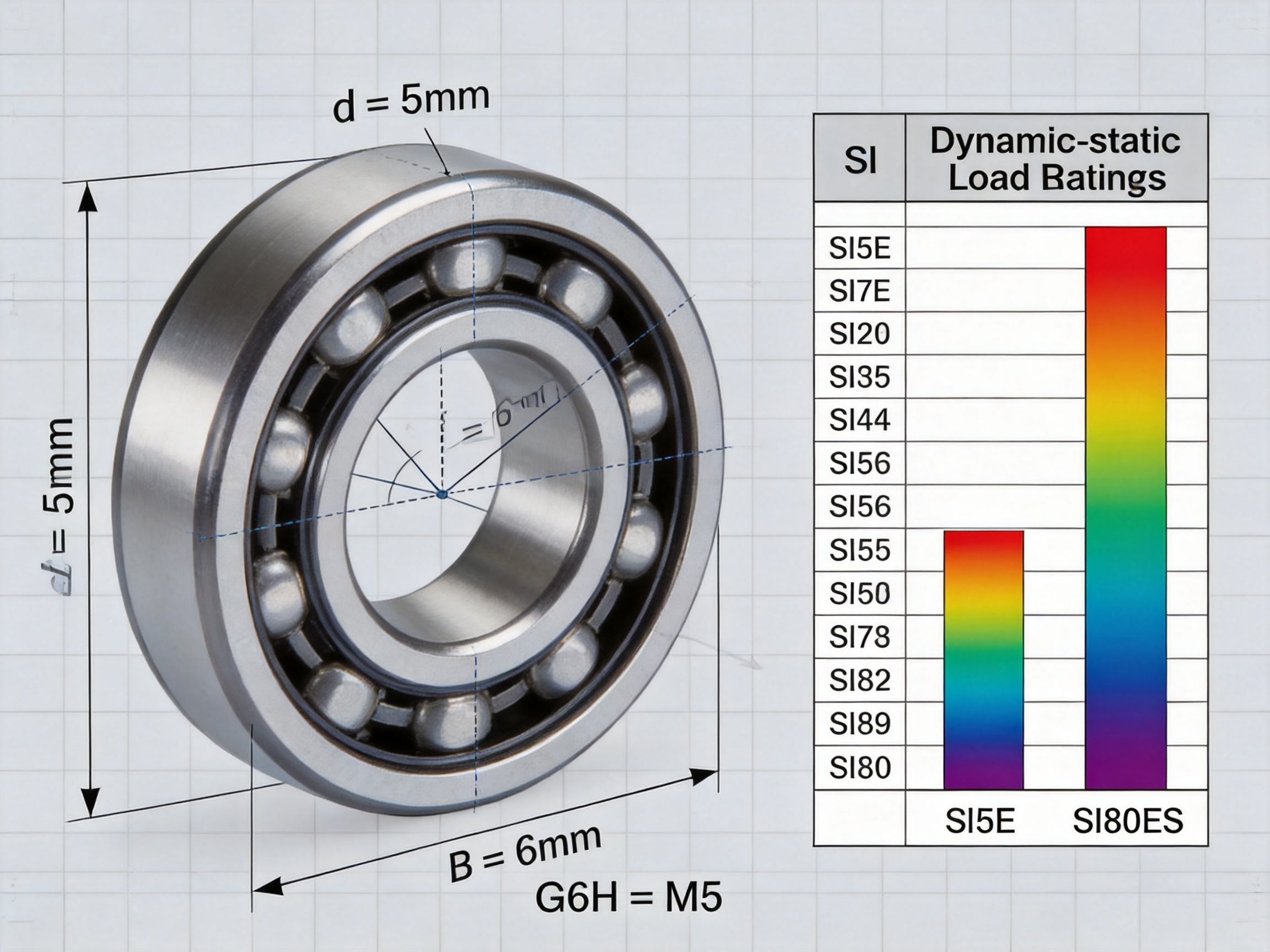
The SI Steel-On-Steel Rod End Bearing series is available in a wide range of sizes, each with specific dimensions, load ratings, and weights. The table below provides detailed specifications for the SI series:
| Bearing Number | d (mm) | B (mm) | dK (mm) | C₁max (mm) | d₂ (mm) | G6H (Thread) | h₁ (mm) | I₃min (mm) | I₄ (mm) | I₅ (mm) | I₇ (mm) | W (mm) | d₃ (mm) | d4 (mm) | rsmin (mm) | a°≈ (Angle) | Dynamic Load Rating (kN) | Static Load Rating (kN) | Weight (kg) |
|---|---|---|---|---|---|---|---|---|---|---|---|---|---|---|---|---|---|---|---|
| SI5E 1) | 5 | 6 | 10 | 4.5 | 21 | M5 | 30 | 11 | 40.5 | 5 | 11.5 | 10 | 10 | 13 | 0.3 | 13 | 3.4 | 8.1 | 0.023 |
| SI6E 1) | 6 | 6 | 10 | 4.5 | 21 | M6 | 30 | 11 | 40.5 | 5 | 11.5 | 11 | 11 | 13 | 0.3 | 13 | 3.4 | 8.1 | 0.023 |
| SI8E 1) | 8 | 8 | 13 | 6.5 | 24 | M8 | 36 | 15 | 48 | 5 | 13 | 13 | 13 | 16 | 0.3 | 15 | 5.5 | 12.9 | 0.040 |
| SI10E 1) | 10 | 9 | 16 | 7.5 | 29 | M10 | 43 | 20 | 57.5 | 6.5 | 15 | 16 | 16 | 19 | 0.3 | 12 | 8.1 | 17.6 | 0.065 |
| SI12E 1) | 12 | 10 | 18 | 8.5 | 34 | M12 | 50 | 23 | 67 | 7 | 18 | 18 | 19 | 22 | 0.3 | 10 | 10 | 24.5 | 0.108 |
| SI15ES 2) | 15 | 12 | 22 | 10.5 | 40 | M14 | 61 | 30 | 81 | 8 | 21 | 21 | 21 | 26 | 0.3 | 8 | 16 | 36 | 0.169 |
| SI17ES 2) | 17 | 14 | 25 | 11.5 | 46 | M16 | 67 | 34 | 90 | 10 | 24 | 27 | 25 | 29 | 0.3 | 10 | 21 | 45 | 0.235 |
| SI20ES 2) | 20 | 16 | 29 | 13.5 | 53 | M20×1.5 | 77 | 40 | 103.5 | 10 | 25.5 | 30 | 28 | 34 | 0.3 | 9 | 30 | 60 | 0.335 |
| SI25ES | 25 | 20 | 35.5 | 18 | 64 | M24×2 | 94 | 48 | 126 | 12 | 33 | 36 | 35 | 42 | 0.6 | 7 | 48 | 83 | 0.665 |
| SI30ES | 30 | 22 | 40.7 | 20 | 73 | M30×2 | 110 | 56 | 146.5 | 15 | 37.5 | 46 | 42 | 50 | 0.6 | 6 | 62 | 110 | 1.05 |
| SI35ES | 35 | 25 | 47 | 22 | 82 | M36×3 | 125 | 60 | 166 | 15 | 40 | 55 | 48 | 58 | 0.6 | 6 | 79 | 146 | 1.50 |
| SI40ES | 40 | 28 | 53 | 24 | 92 | M39×3 | 142 | 65 | 188 | 18 | 47 | 60 | 52 | 65 | 0.6 | 7 | 99 | 180 | 2.05 |
| SIS40ES | 40 | 28 | 53 | 24 | 92 | M42×3 | 142 | 65 | 188 | 18 | 47 | 55 | 52 | 65 | 0.6 | 7 | 99 | 180 | 1.94 |
| SI45ES | 45 | 32 | 60 | 28 | 102 | M42×3 | 145 | 65 | 196 | 20 | 52 | 65 | 58 | 70 | 0.6 | 7 | 127 | 240 | 2.72 |
| SI545ES | 45 | 32 | 60 | 27 | 102 | M45×3 | 145 | 65 | 196 | 20 | 52 | 60 | 58 | 70 | 0.6 | 7 | 127 | 240 | 2.61 |
| SI50ES | 50 | 35 | 66 | 31 | 112 | M45×3 | 160 | 68 | 216 | 20 | 57 | 70 | 62 | 75 | 0.6 | 6 | 156 | 290 | 3.48 |
| SI550ES | 50 | 35 | 66 | 31 | 112 | M52×3 | 160 | 69 | 216 | 20 | 57 | 65 | 62 | 75 | 0.6 | 6 | 156 | 260 | 3.24 |
| SI60ES | 60 | 44 | 80 | 39 | 135 | M52×3 | 175 | 70 | 242.5 | 20 | 68.5 | 80 | 70 | 88 | 1 | 6 | 245 | 450 | 5.55 |
| SI560ES | 60 | 44 | 80 | 39 | 135 | M60×4 | 175 | 73 | 242.5 | 20 | 68.5 | 75 | 70 | 88 | 1 | 6 | 245 | 300 | 4.99 |
| SI70ES | 70 | 49 | 92 | 43 | 160 | M56×4 | 200 | 80 | 280 | 20 | 81 | 85 | 80 | 98 | 1 | 6 | 313 | 610 | 8.72 |
| SIS70ES | 70 | 49 | 92 | 42 | 160 | M72×4 | 200 | 80 | 280 | 20 | 81 | 80 | 85 | 98 | 1 | 6 | 313 | 470 | 8.33 |
| SI80ES | 80 | 55 | 105 | 48 | 180 | M64×4 | 230 | 85 | 320 | 25 | 91 | 95 | 95 | 110 | 1 | 6 | 400 | 750 | 12.9 |
| SI580ES | 80 | 55 | 105 | 47 | 180 | M80×4 | 230 | 85 | 320 | 25 | 91 | 100 | 95 | 110 | 1 | 6 | 400 | 600 | 11.7 |
Key notes from the table:
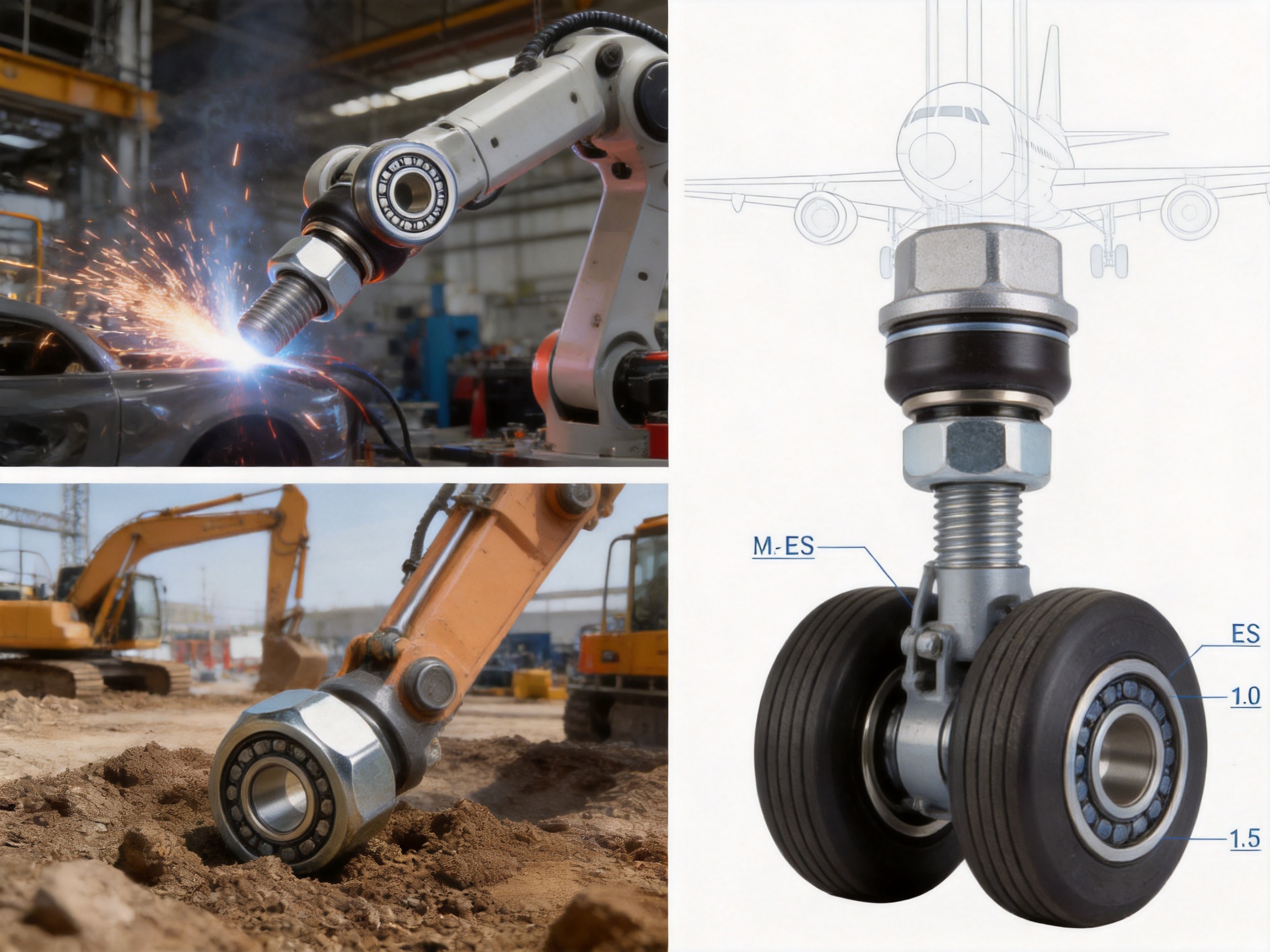
The SI Steel-On-Steel Rod End Bearing series is used in a wide range of industrial applications, thanks to its versatility, durability, and performance. Below are some key applications:
Robotic arms and collaborative robots (cobots) rely on rod end bearings for smooth, precise movement. SI bearings are ideal for this application because:
For example, in automotive manufacturing, SI bearings are used in robotic welding arms, where they must handle high loads and precise movement to ensure accurate welds.
The automotive industry uses SI bearings in various components, including:
SI bearings' wide temperature range makes them suitable for use in engine compartments, where temperatures can reach up to 150°C. Their corrosion resistance also ensures longevity in outdoor conditions.
In the aerospace industry, reliability is critical. SI bearings are used in:
SI bearings' high load capacity and tight tolerances make them ideal for these applications, where failure can have catastrophic consequences. The company's strict quality control processes ensure that these bearings meet the rigorous standards of the aerospace industry.
Construction equipment such as excavators, cranes, and bulldozers operate in harsh conditions, including heavy loads, dirt, and moisture. SI bearings are used in:
The steel-on-steel friction pair and corrosion resistance of SI bearings ensure that they can withstand these harsh conditions, reducing maintenance costs and downtime.
SI bearings are used in various industrial machinery, including:
The lubricatable models (ES series) are ideal for these applications, as they can be periodically lubricated to extend their lifespan. The non-lubricated models are suitable for cleanroom applications in the food and pharmaceutical industries.
Below are answers to common questions about SI Steel-On-Steel Rod End Bearings:
A: The maximum dynamic load capacity of SI series bearings is 400 kN (SI80ES), and the maximum static load capacity is 750 kN (SI80ES). These ratings are based on industry standards and ensure that the bearings can handle heavy loads in industrial applications.
A: Yes, SI bearings can operate in temperatures up to +150°C. They are also suitable for low temperatures down to -50°C (based on industry standards for such bearings), making them ideal for a wide range of environments, including engine compartments and cold storage facilities.
A: Yes, left-hand thread versions are available. These bearings are marked with the suffix "L" and the word "left" (e.g., SIL20ES M20×1.5 left 6H) to indicate their left-hand thread configuration. This is useful for applications where left-hand threads are required for assembly.
A: The lubrication frequency depends on the application and the bearing model:
It is recommended to follow the manufacturer's guidelines for lubrication to ensure optimal performance and lifespan.
A: The rod end body is made from high-quality carbon steel with a galvanized surface for corrosion resistance. The spherical plain bearing inside uses a steel-on-steel sliding friction pair, which provides superior wear resistance and load capacity.
A: Yes, SI bearings can be customized to meet specific requirements, including:
OEMs can contact the manufacturer to discuss their customization needs.
The SI Steel-On-Steel Rod End Bearing series is manufactured by a leading bearing company with a strong commitment to quality, innovation, and customer satisfaction. The company's strengths include:
The company is an integrated manufacturer and trader, with in-house R&D, production, and international distribution capabilities. This integration allows the company to control every step of the manufacturing process, ensuring consistency and quality. The R&D team continuously develops new products and improves existing ones to meet the evolving needs of industrial users.
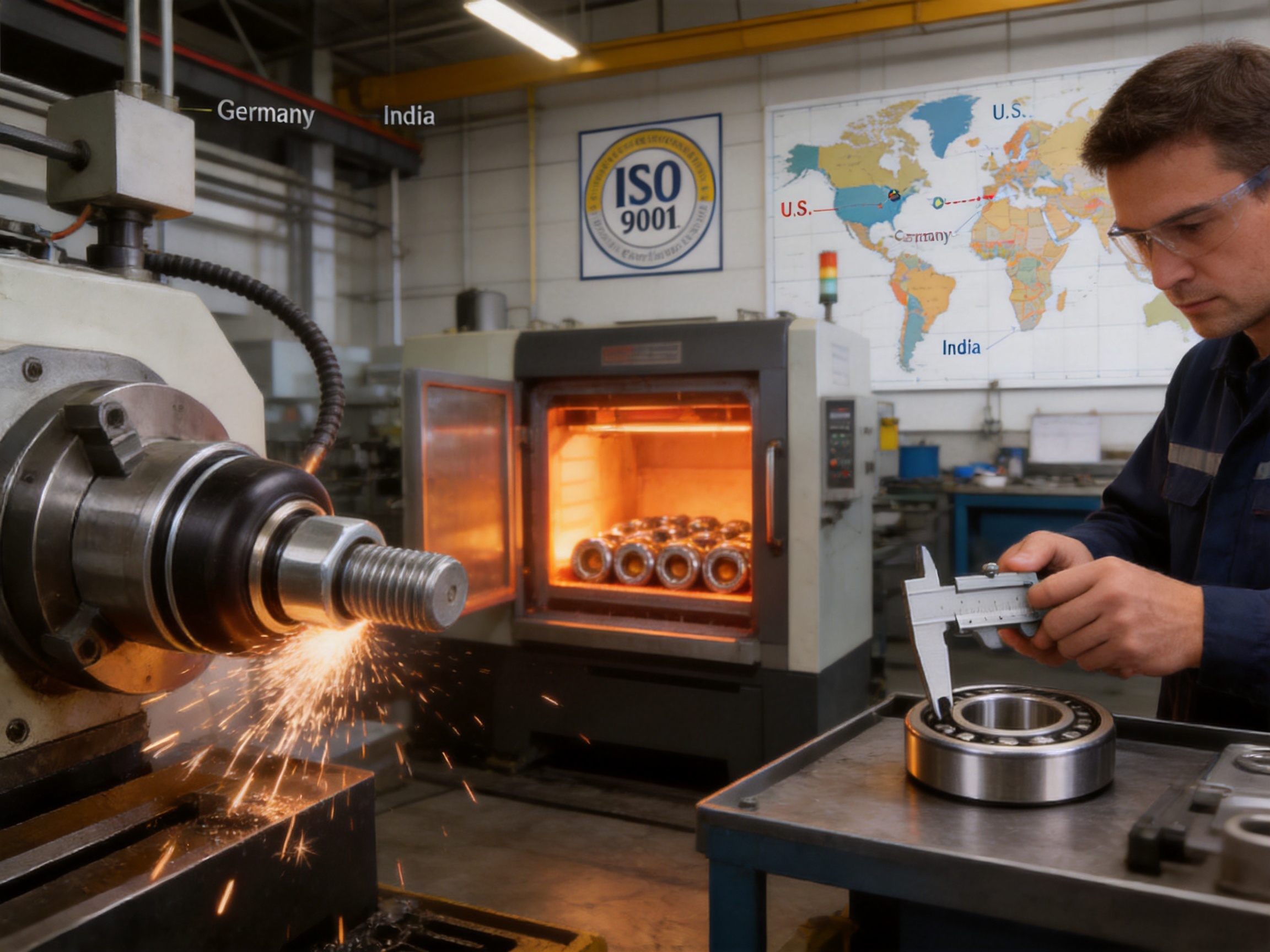
The company operates a modern factory equipped with multiple production lines covering forging, turning, heat treatment, grinding, assembly, and packaging. The factory has a production capacity of 10,000-50,000 units per month, allowing it to meet large orders from OEMs and distributors.
The company exports its bearings to over 30 countries, including the United States, Italy, Germany, Poland, South Africa, Egypt, and India. It has a multilingual service team that provides rapid technical support, installation guidance, and after-sales maintenance worldwide. This global reach ensures that customers receive timely support regardless of their location.
The company is committed to sustainability, adopting environmentally responsible processes, promoting material recycling, and optimizing energy usage to reduce its environmental footprint. It also supports educational and technical training initiatives to foster future engineering talent.
The company's bearings meet international standards for quality and performance. It has obtained various certifications, including ISO 9001, which ensures that its manufacturing processes are consistent and meet customer requirements. Every bearing undergoes rigorous quality control tests before shipment.
1. ISO 10816:2014 Mechanical vibration — Evaluation of machine vibration by measurements on non-rotating parts.
2. ASME B46.1-2019 Surface Texture and Surface Finish.
3. Harris, J.R. (2021). Bearing Technology: Design, Selection, and Application. Industrial Press Inc.
4. Smith, M. (2020). Industrial Bearings: A Comprehensive Guide. Mechanical Engineering Publishing.
5. European Bearing Manufacturers Association (EBMA). (2022). Technical Handbook for Spherical Plain Bearings.
6. American Bearing Manufacturers Association (ABMA). (2021). Standards for Rod End Bearings.
The SI Steel-On-Steel Rod End Bearing series represents a significant advancement in rod end bearing technology, combining robust design, advanced materials, and precision manufacturing to outperform competitor solutions. Its key advantages—including the steel-on-steel friction pair, versatile lubrication options, wide temperature range, customization flexibility, and tight dimensional tolerances—make it ideal for a wide range of industrial applications, from robotics and automotive to aerospace and construction.
Behind the excellence of SI bearings is a leading bearing company with integrated R&D, advanced manufacturing facilities, global reach, and a strong commitment to quality and sustainability. The company's focus on innovation and customer satisfaction ensures that SI bearings continue to meet the evolving needs of industrial users worldwide.
Whether you are an OEM looking for a reliable bearing solution or an industrial user seeking to improve the performance of your equipment, SI Steel-On-Steel Rod End Bearings offer the precision, durability, and performance you need.
Product Categories
Contact Us

Jane@ukl-bearing.com
Jenny@ukl-bearing.com
Andy@ukl-bearing.com
Ivy@ukl-bearing.com

+86-510- 88763239
+86-15371057968

No.1 Hehuan Road, Hudai Town, Binhu District, Wuxi City.
Ready to Begin?
Get in Touch

Now!
UKL BEARING
 English
 Español
 русский