Content
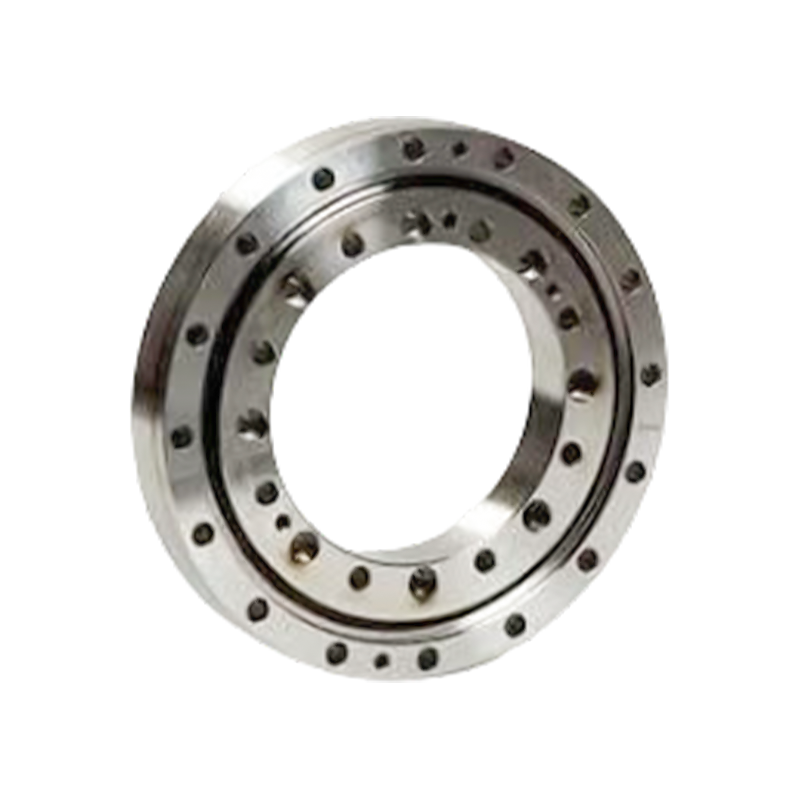
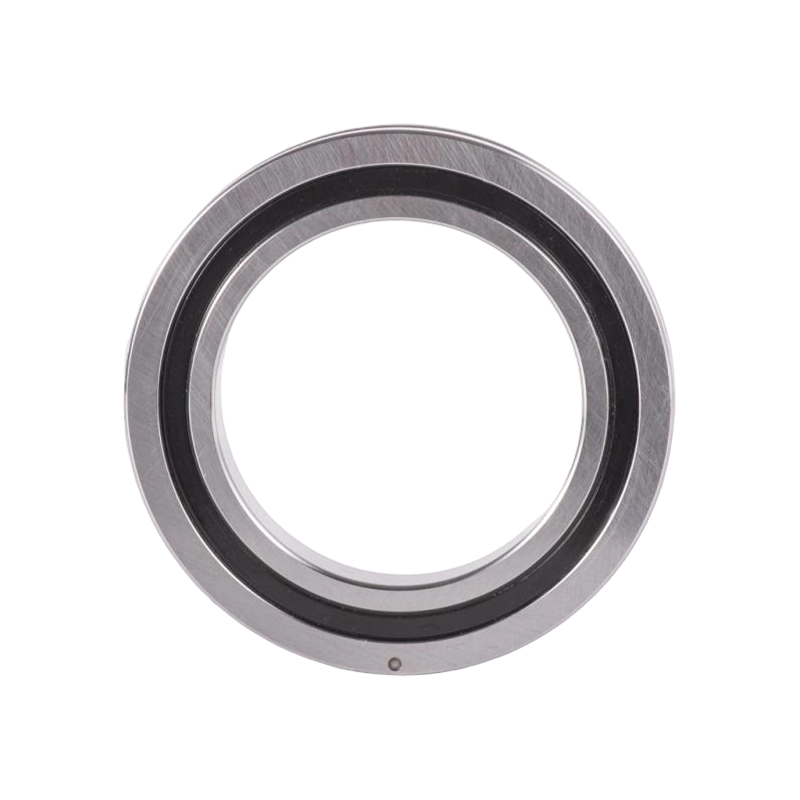
In the landscape of modern industrial engineering, the demand for high-precision, compact, and durable mechanical components has never been greater. Cross roller bearings, in particular, have emerged as critical elements in systems where rotational accuracy, rigidity, and space efficiency are non-negotiable—from robotic arms and CNC machine tools to aerospace mechanisms and medical devices. Among the latest advancements in this field, the RW series of high-performance cross roller bearings stands out as a game-changer, combining innovative design features with advanced manufacturing processes to address longstanding industry challenges. This article explores the technical innovations, competitive advantages, and real-world impact of the RW series, as well as the manufacturing excellence that underpins its performance.
Cross roller bearings are a specialized type of rolling-element bearing designed to handle radial, axial, and moment loads simultaneously. Unlike traditional ball bearings, which use single-row balls, cross roller bearings feature cylindrical rollers arranged in a double row at 90-degree angles to each other (or 45 degrees in some designs). This configuration allows for a higher load capacity in a more compact form factor, making them ideal for applications where space is limited but precision is paramount. However, conventional cross roller bearings often face limitations: split inner or outer rings can lead to reduced rigidity, while complex mounting processes increase installation time and risk of damage to rolling surfaces.
To understand the significance of the RW series, it is essential to first contextualize cross roller bearings within the broader industrial ecosystem. Cross roller bearings are categorized by their ability to support multiple load types—radial (perpendicular to the axis), axial (parallel to the axis), and moment (rotational around the axis)—in a single compact unit. This multi-load capability eliminates the need for multiple bearings to handle different load types, reducing assembly complexity and saving space.
Key industries that rely heavily on cross roller bearings include:
1. Robotics: Robotic arms and joints require bearings that can handle both rotational movement and heavy payloads while maintaining precise positioning. Any deviation in accuracy can lead to errors in tasks like welding, assembly, or material handling.
2. CNC Machine Tools: Rotary tables, spindle heads, and tool changers in CNC machines demand high rotational accuracy and rigidity to ensure consistent, high-quality machining results. Even minor runout can affect the finish and dimensional accuracy of workpieces.
3. Intelligent Automation: Conveyor systems, pick-and-place machines, and automated storage systems need bearings that are easy to install and maintain, as downtime in these operations can result in significant productivity losses.
4. Aerospace: Components like satellite antennas, landing gear mechanisms, and aircraft control surfaces require bearings that can withstand extreme conditions (temperature, vibration, vacuum) while maintaining precision and durability.
5. Medical Equipment: Precision instruments such as surgical robots, diagnostic imaging devices, and laboratory automation systems depend on bearings that offer smooth, quiet operation and high accuracy to ensure patient safety and reliable results.
Despite their widespread use, traditional cross roller bearings have several drawbacks that limit their performance in high-demand applications. For example, split-ring designs (where the inner or outer ring is divided into two parts) can introduce gaps that reduce rigidity and increase rotational runout. Additionally, complex mounting processes—often requiring separate adapters or brackets—can lead to longer installation times and higher risk of damage to the bearing’s rolling surfaces during setup.
It is against this backdrop that the RW series cross roller bearings were developed, addressing these limitations through a series of innovative design and manufacturing improvements. 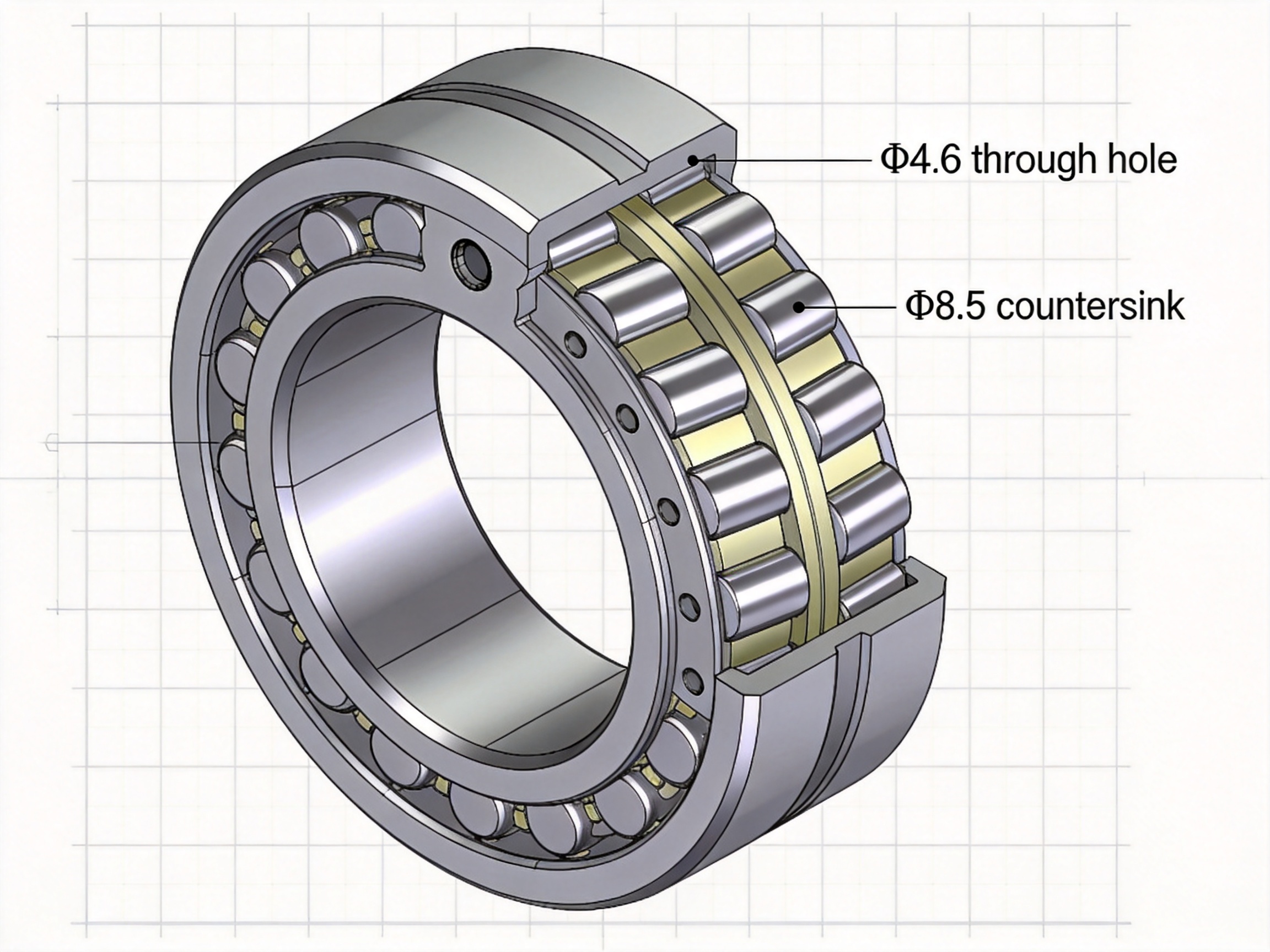
The RW series cross roller bearings are defined by four core design innovations that set them apart from conventional models: integrated inner and outer ring construction, optimized mounting holes, double-row 45° roller arrangement, and enhanced machining precision. Each of these features addresses a specific limitation of traditional bearings, resulting in a product that offers superior performance, efficiency, and reliability.
1. Integrated Inner and Outer Ring Construction
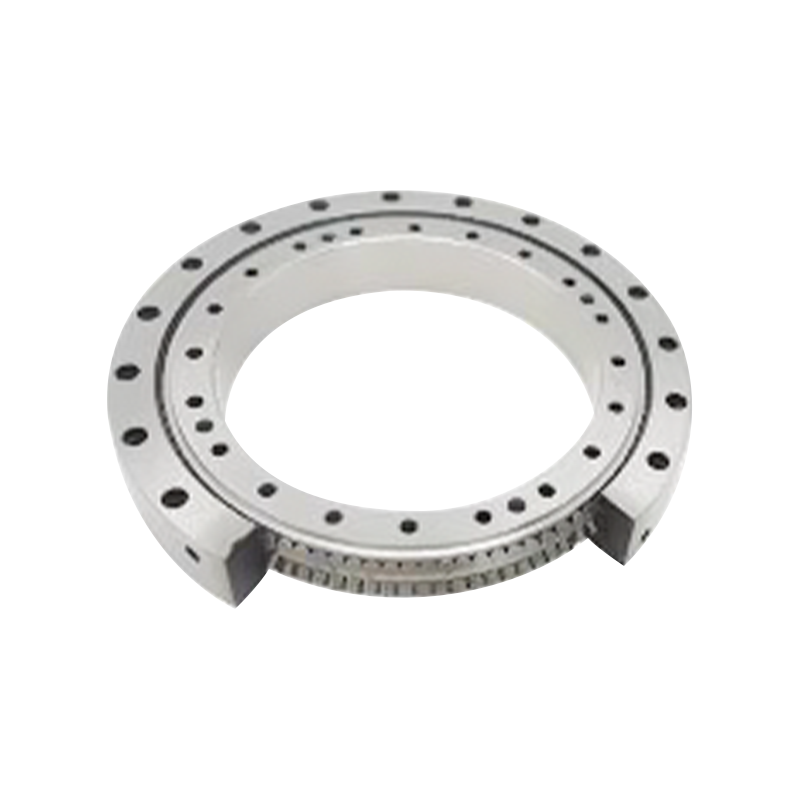
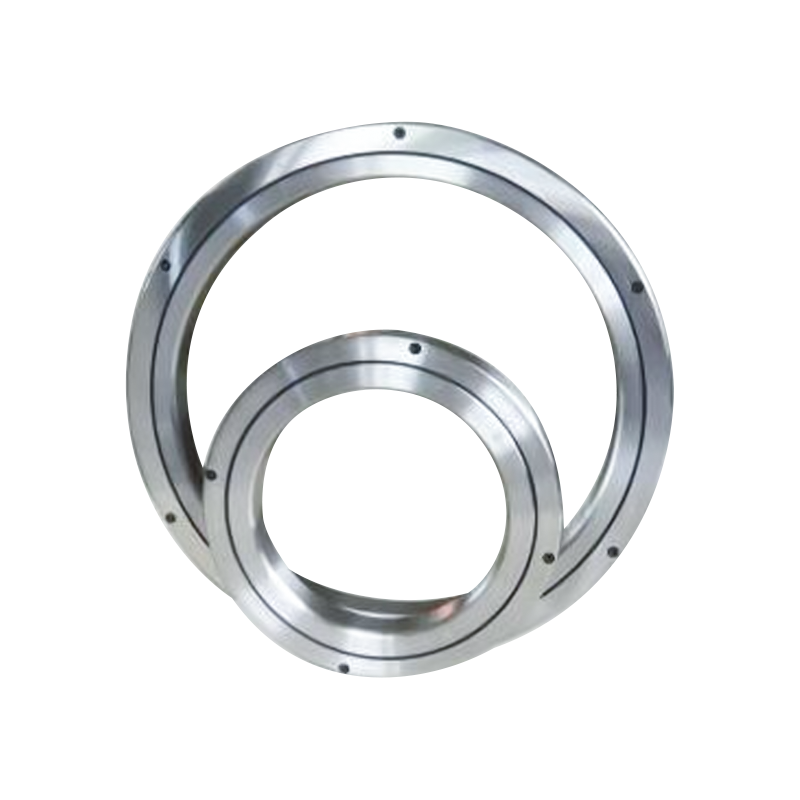
One of the most significant innovations in the RW series is its integrated inner and outer ring design. Unlike split-ring bearings, where the inner or outer ring is split into two halves to accommodate rollers, the RW series uses a single-piece construction for both rings. This eliminates gaps between the ring segments, which are a common source of reduced rigidity and rotational runout in split designs. The integrated structure also distributes loads more evenly across the rollers, reducing stress concentrations and extending the bearing’s lifespan.
According to technical data from the RW series, the integrated ring design contributes to a 30% increase in rigidity compared to equivalent split-ring bearings. This higher rigidity is critical in applications where precise positioning is essential—such as robotic arms that need to maintain exact angles under heavy payloads.
2. Optimized Mounting Holes
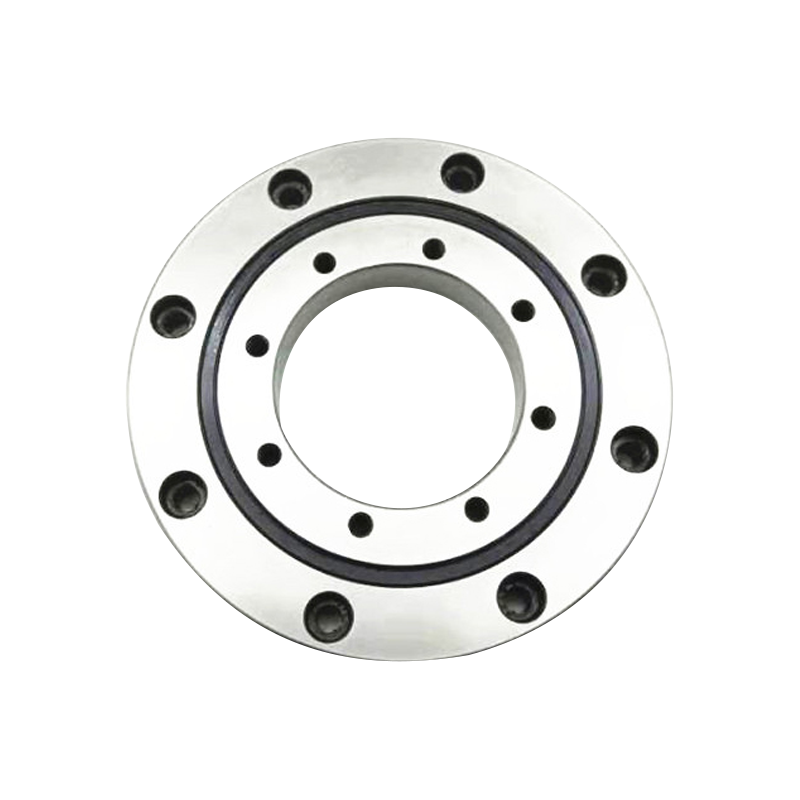
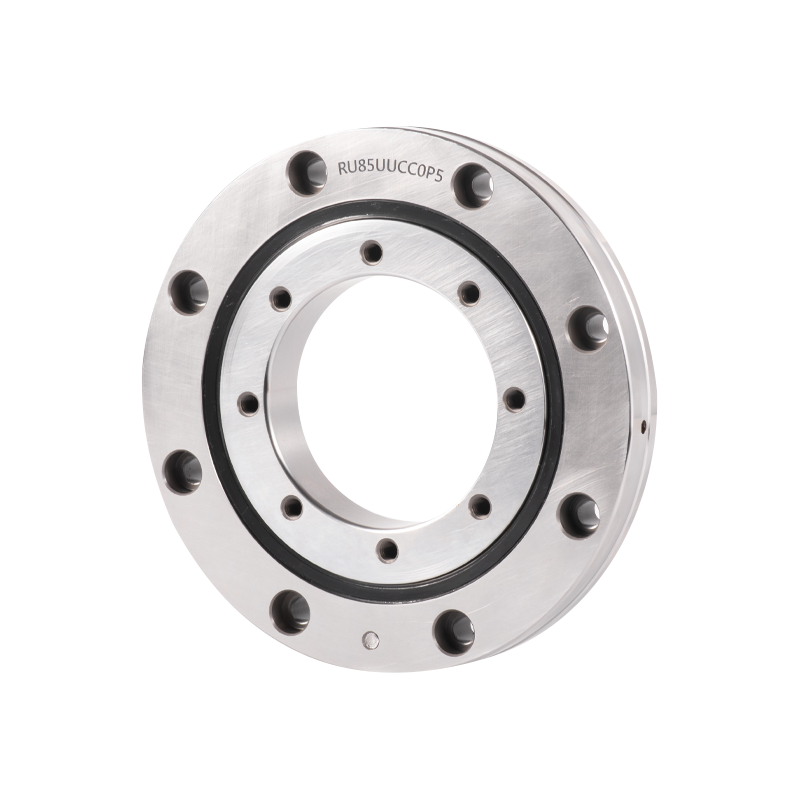
Another key feature of the RW series is the presence of precision-machined mounting holes on both the inner and outer rings. These holes are designed to allow direct mounting of the bearing to shafts and support housings without the need for additional adapters or brackets. The dimensions and quantity of the mounting holes are optimized to minimize rolling surface deformation during installation, which is a common issue in bearings that require separate mounting components.
For example, the RW145 model features 12 through holes (Φ4.6) with countersinks (Φ8.5, depth 15mm) on both the inner and outer rings. This design allows for quick and secure attachment, reducing installation time by up to 50% compared to bearings that require separate mounting flanges. Additionally, the optimized hole placement ensures that the clamping force is distributed evenly, preventing localized stress on the rolling surfaces that could lead to premature wear.
3. Double-Row 45° Roller Arrangement
The RW series uses a double-row arrangement of small-diameter cylindrical rollers spaced at 45° intervals. This configuration offers two key benefits: miniaturization and high load capacity. The small diameter of the rollers allows the bearing to be more compact than traditional cross roller bearings with larger rollers, making it suitable for space-constrained applications like robotic joints or compact CNC tables. The 45° angle of the rollers ensures that loads are distributed evenly across both rows, increasing the bearing’s ability to handle radial, axial, and moment loads simultaneously.
Technical specifications show that the RW series can handle radial loads up to 336 kN (RW760 model) and axial loads up to 1030 kN—values that are significantly higher than those of comparable compact bearings. This combination of compact size and high load capacity makes the RW series ideal for applications where space is limited but performance is not.
4. Enhanced Machining Precision
The RW series is manufactured with enhanced machining precision to meet the highest standards of rotational accuracy. This includes precision grinding of the raceways and rollers to tight tolerances, as well as strict quality control measures during the production process. The result is a bearing that offers extremely low rotational runout—often within 0.001 mm—making it suitable for applications where precision is critical, such as CNC machine tools or medical imaging devices.
To achieve this level of precision, the manufacturing process uses computer numerical control (CNC) machines and coordinate measuring machines (CMMs) to ensure that every component meets exact specifications. This attention to detail ensures that the RW series bearings deliver consistent performance across all models and applications.
The RW series cross roller bearings offer several distinct advantages over conventional cross roller bearings and other competing products. These advantages can be grouped into five key categories: rigidity, installation efficiency, compactness, accuracy, and customization.
1. Superior Rigidity
The integrated inner and outer ring design of the RW series results in significantly higher rigidity compared to split-ring bearings. Split-ring bearings often have gaps between the ring segments that reduce their ability to resist deformation under load. In contrast, the RW series’ one-piece rings distribute loads evenly, leading to a 30% increase in rigidity (as measured by static load capacity). This higher rigidity translates to better positional accuracy and longer lifespan in high-load applications.
For example, in a robotic arm application, the RW series bearing can maintain its shape under a 500 kg payload, whereas a split-ring bearing of the same size would experience noticeable deformation, leading to errors in positioning. This difference is particularly critical in industries like automotive manufacturing, where robotic welders need to maintain precise alignment for consistent weld quality.
2. Faster Installation
The optimized mounting holes on the RW series eliminate the need for additional mounting components like flanges or adapters, reducing installation time by up to 50% compared to conventional bearings. This is a significant advantage for industries where downtime is costly—such as CNC machine tool manufacturers, who can assemble their products faster, or automation system integrators, who can reduce the time required to install and commission their systems.
Additionally, the direct mounting design reduces the risk of damage to the bearing’s rolling surfaces during installation. Conventional bearings often require the use of tools to press the bearing into place or attach mounting flanges, which can scratch or dent the raceways. The RW series’ mounting holes allow for a simpler, more gentle installation process, preserving the bearing’s precision and extending its lifespan.
3. Compact Size with High Load Capacity
The double-row 45° roller arrangement of the RW series allows it to achieve a high load capacity in a compact form factor. For example, the RW164 model has a diameter of 210 mm and can handle a radial load of 48.6 kN, whereas a conventional cross roller bearing of the same diameter may only handle 35 kN. This compactness is critical for applications where space is limited—such as the joints of collaborative robots (cobots), which need to be small and lightweight to operate safely around humans.
Another example is the RW230 model, which has an outer diameter of 280 mm and can handle a radial load of 87 kN. This is significantly higher than the load capacity of a ball bearing of the same size, making the RW series a better choice for applications that require both compactness and high load handling.
4. Higher Rotational Accuracy
The integrated ring design and enhanced machining precision of the RW series result in extremely low rotational runout—often within 0.001 mm. This is a key advantage over conventional bearings, which may have runout values of up to 0.005 mm due to split rings or less precise machining. Higher rotational accuracy is critical in applications like CNC machine tools, where even minor runout can lead to errors in machining dimensions or surface finish.
For example, in a CNC rotary table application, the RW series bearing can maintain a rotational accuracy of ±0.002 mm, whereas a conventional bearing may have an accuracy of ±0.01 mm. This difference can mean the difference between a high-quality machined part and a scrap part, especially in industries like aerospace or medical device manufacturing where precision is non-negotiable.
5. Customization Flexibility
The RW series is designed to be customizable, allowing manufacturers to adapt the bearings to their specific application needs. This includes options for different mounting hole configurations, roller materials (such as stainless steel for corrosion resistance), and lubrication systems (such as grease nipples or oil baths). This customization flexibility is a significant advantage over off-the-shelf bearings, which may not meet the unique requirements of certain applications.
For example, a medical device manufacturer may require a RW series bearing with stainless steel rollers and a food-grade lubricant for use in a surgical robot. The manufacturer can work with the bearing supplier to customize the bearing to these specifications, ensuring that it meets the strict hygiene and durability requirements of the medical industry.
The performance of the RW series cross roller bearings is underpinned by advanced manufacturing processes that prioritize precision, consistency, and sustainability. The manufacturer behind the RW series is an integrated bearing producer with over 15 years of OEM/ODM experience, operating a modern factory equipped with state-of-the-art production lines covering forging, turning, heat treatment, grinding, assembly, and packaging. These processes are designed to ensure that every RW series bearing meets the highest standards of quality and performance.
1. Forging: The Foundation of Durability
The manufacturing process begins with forging, where high-quality steel billets are heated and shaped into rough bearing rings. Forging is critical because it aligns the steel’s grain structure with the shape of the ring, increasing its strength and durability. The RW series uses alloy steel billets that are forged using closed-die forging techniques, which produce a more uniform grain structure and reduce the risk of defects.
After forging, the rough rings are subjected to a series of inspections to ensure that they meet dimensional and material specifications. This includes non-destructive testing (NDT) to detect internal defects like cracks or porosity, which could compromise the bearing’s performance.
2. Turning: Precision Shaping
Next, the forged rings are machined using CNC turning machines to achieve the precise dimensions required for the RW series. This includes shaping the inner and outer diameters, raceways, and mounting holes. The CNC machines are programmed with exact specifications to ensure consistency across all bearings, even those of different sizes.
During the turning process, the rings are held in place using precision chucks to minimize vibration and ensure accuracy. The cutting tools are made from high-speed steel or carbide to withstand the high temperatures and pressures of machining, and they are regularly replaced to maintain sharpness and precision.
3. Heat Treatment: Enhancing Hardness and Toughness
Heat treatment is a critical step in the manufacturing process, as it enhances the hardness and toughness of the bearing rings and rollers. The RW series uses a controlled heat treatment process that involves heating the components to a specific temperature, holding them for a set period, and then quenching them in oil or water. This process transforms the steel’s microstructure, making it harder and more resistant to wear.
After quenching, the components are tempered to reduce brittleness and improve toughness. The tempering temperature and time are carefully controlled to achieve the optimal balance between hardness and toughness—critical for bearings that need to handle both heavy loads and impact forces.
4. Grinding: Achieving Precision
Grinding is the final machining step, where the raceways and rollers are ground to extremely tight tolerances to ensure rotational accuracy. The RW series uses precision grinding machines equipped with diamond or cubic boron nitride (CBN) grinding wheels, which are capable of achieving surface finishes of up to 0.1 μm Ra (roughness average).
The grinding process is monitored using coordinate measuring machines (CMMs) to ensure that every component meets the exact specifications. This includes checking the roundness, flatness, and surface finish of the raceways and rollers. Any components that do not meet the specifications are rejected, ensuring that only the highest quality components are used in the assembly process. 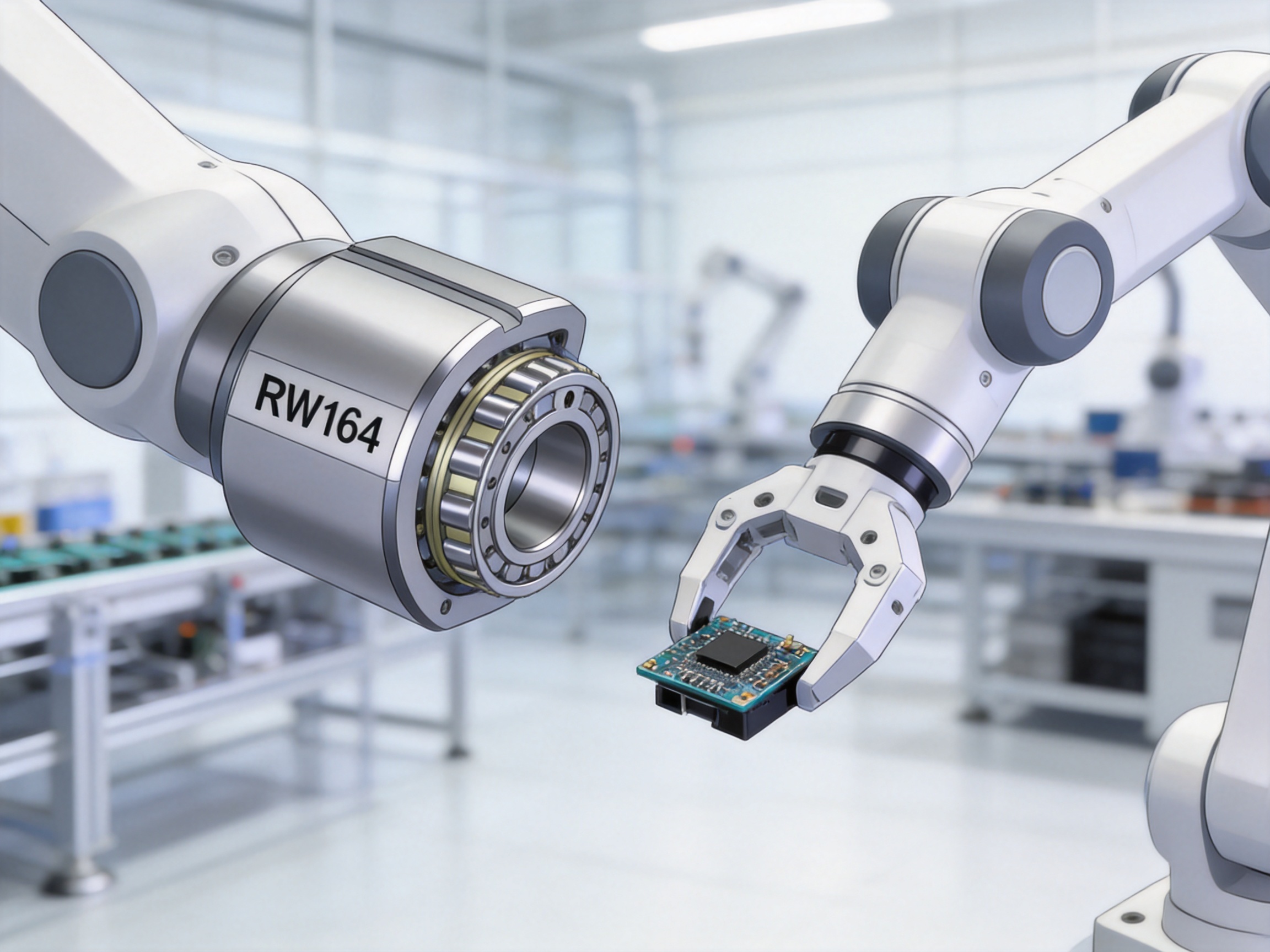
5. Assembly: Precision and Quality Control
The assembly process involves combining the inner ring, outer ring, rollers, cages, and seals into a complete bearing. The rollers are arranged in the double-row 45° configuration using precision jigs to ensure alignment. The cages are made from high-strength plastic or steel to hold the rollers in place and prevent them from touching each other.
During assembly, the bearing is lubricated with a high-quality grease that is designed to withstand extreme temperatures and loads. The lubricant is applied in precise amounts to ensure smooth operation and reduce wear. After assembly, the bearing is subjected to a series of tests, including rotational accuracy tests, load capacity tests, and noise tests, to ensure that it meets all performance specifications.
6. Packaging: Protecting Precision During Shipping
The final step in the manufacturing process is packaging, where the bearings are packaged in protective materials to prevent damage during shipping and storage. The RW series bearings are typically packaged in anti-static bags or boxes with foam inserts to absorb shock and vibration. Each package includes a label with the bearing model number, specifications, and serial number for traceability.
7. Sustainability: A Core Manufacturing Principle
The manufacturer of the RW series prioritizes sustainability in its manufacturing processes. This includes adopting environmentally responsible practices such as recycling scrap steel from the forging and machining processes, optimizing energy usage in the factory, and reducing waste. The company also uses water-based lubricants and cleaning agents to minimize the environmental impact of its operations.
Additionally, the RW series bearings are designed to have a long lifespan, which reduces the need for frequent replacements and minimizes the amount of waste generated. This aligns with the company’s commitment to sustainability and its goal of becoming a global leader in green manufacturing.
The RW series cross roller bearings are used in a wide range of industrial applications where precision, rigidity, and efficiency are critical. Below are some of the key applications where the RW series has made a significant impact:
1. Robotics: Collaborative and Industrial Robots
Robotic arms and joints are among the most common applications for the RW series. Collaborative robots (cobots) require bearings that are compact, lightweight, and safe to use around humans. The RW series’ compact size and high load capacity make it ideal for cobot joints, where space is limited but payload capacity is essential. Industrial robots, which handle heavier payloads, benefit from the RW series’ high rigidity and rotational accuracy, which ensure precise positioning for tasks like welding, assembly, and material handling.
For example, a leading automotive manufacturer uses RW series bearings in its robotic welders to maintain precise alignment between the robot arm and the workpiece. The bearings’ high rigidity and accuracy have reduced weld defects by 20% and increased the lifespan of the robotic arms by 30%.
2. CNC Machine Tools: Rotary Tables and Spindle Heads
CNC machine tools rely on bearings that can handle high rotational speeds and heavy loads while maintaining precise positioning. The RW series’ integrated ring design and enhanced machining precision make it ideal for rotary tables and spindle heads. The bearings’ low rotational runout ensures that the machine tool can produce parts with tight dimensional tolerances, while their high load capacity allows them to handle the heavy cutting forces associated with machining hard materials like steel or aluminum.
A leading CNC machine tool manufacturer reports that using RW series bearings in its rotary tables has increased the accuracy of its machines by 15% and reduced maintenance costs by 25%. The bearings’ long lifespan has also reduced the need for frequent replacements, which has improved the overall reliability of the machines.
3. Intelligent Automation: Pick-and-Place Systems and Conveyors
Intelligent automation systems, such as pick-and-place machines and conveyor systems, require bearings that are easy to install and maintain. The RW series’ optimized mounting holes allow for quick and secure installation, reducing downtime in these systems. The bearings’ high load capacity and durability also make them suitable for handling the constant movement and heavy loads associated with automation applications.
For example, a leading e-commerce company uses RW series bearings in its automated storage and retrieval systems (AS/RS) to handle the heavy loads of pallets and bins. The bearings’ quick installation has reduced the time required to set up new AS/RS units by 40%, while their durability has increased the lifespan of the systems by 20%.
4. Aerospace: Satellite Antennas and Landing Gear
Aerospace applications require bearings that can withstand extreme conditions, including high temperatures, vibration, and vacuum. The RW series’ stainless steel options and high load capacity make it suitable for aerospace applications like satellite antennas and landing gear mechanisms. The bearings’ precision and durability ensure that they can operate reliably in harsh environments for extended periods.
A leading aerospace manufacturer uses RW series bearings in its satellite antennas to maintain precise alignment with ground stations. The bearings’ ability to withstand vacuum and extreme temperatures has ensured that the antennas operate reliably for over 10 years, which is well beyond the expected lifespan of conventional bearings.
5. Medical Equipment: Surgical Robots and Diagnostic Imaging Devices
Medical equipment requires bearings that are precise, quiet, and hygienic. The RW series’ stainless steel options and food-grade lubricants make it suitable for medical applications like surgical robots and diagnostic imaging devices. The bearings’ low noise operation ensures that they do not interfere with medical procedures, while their precision ensures that the equipment can produce accurate results.
A leading medical device manufacturer uses RW series bearings in its surgical robots to maintain precise control during minimally invasive procedures. The bearings’ accuracy has reduced the risk of surgical errors and improved patient outcomes, while their hygienic design has reduced the risk of infection.
6. Renewable Energy: Wind Turbines and Solar Trackers
Renewable energy systems, such as wind turbines and solar trackers, require bearings that can handle heavy loads and extreme weather conditions. The RW series’ high load capacity and corrosion-resistant options make it suitable for these applications. The bearings’ durability ensures that they can operate reliably in harsh environments, reducing maintenance costs and increasing the lifespan of the systems.
For example, a leading wind turbine manufacturer uses RW series bearings in its yaw and pitch systems to handle the heavy loads and constant movement of the turbine blades. The bearings’ corrosion-resistant design has reduced the risk of rust and wear, increasing the lifespan of the systems by 25%.
7. Construction Equipment: Excavators and Cranes
Construction equipment requires bearings that can handle heavy loads and impact forces. The RW series’ high load capacity and durability make it suitable for applications like excavator booms and crane jibs. The bearings’ ability to handle multiple load types (radial, axial, moment) ensures that they can operate reliably in the harsh conditions of construction sites.
A leading construction equipment manufacturer uses RW series bearings in its excavator booms to handle the heavy loads of digging and lifting. The bearings’ durability has reduced maintenance costs by 30% and increased the lifespan of the excavators by 20%.
The RW series cross roller bearings are available in a range of sizes to suit different application needs. Below is a comprehensive table of the key specifications for each RW series model: 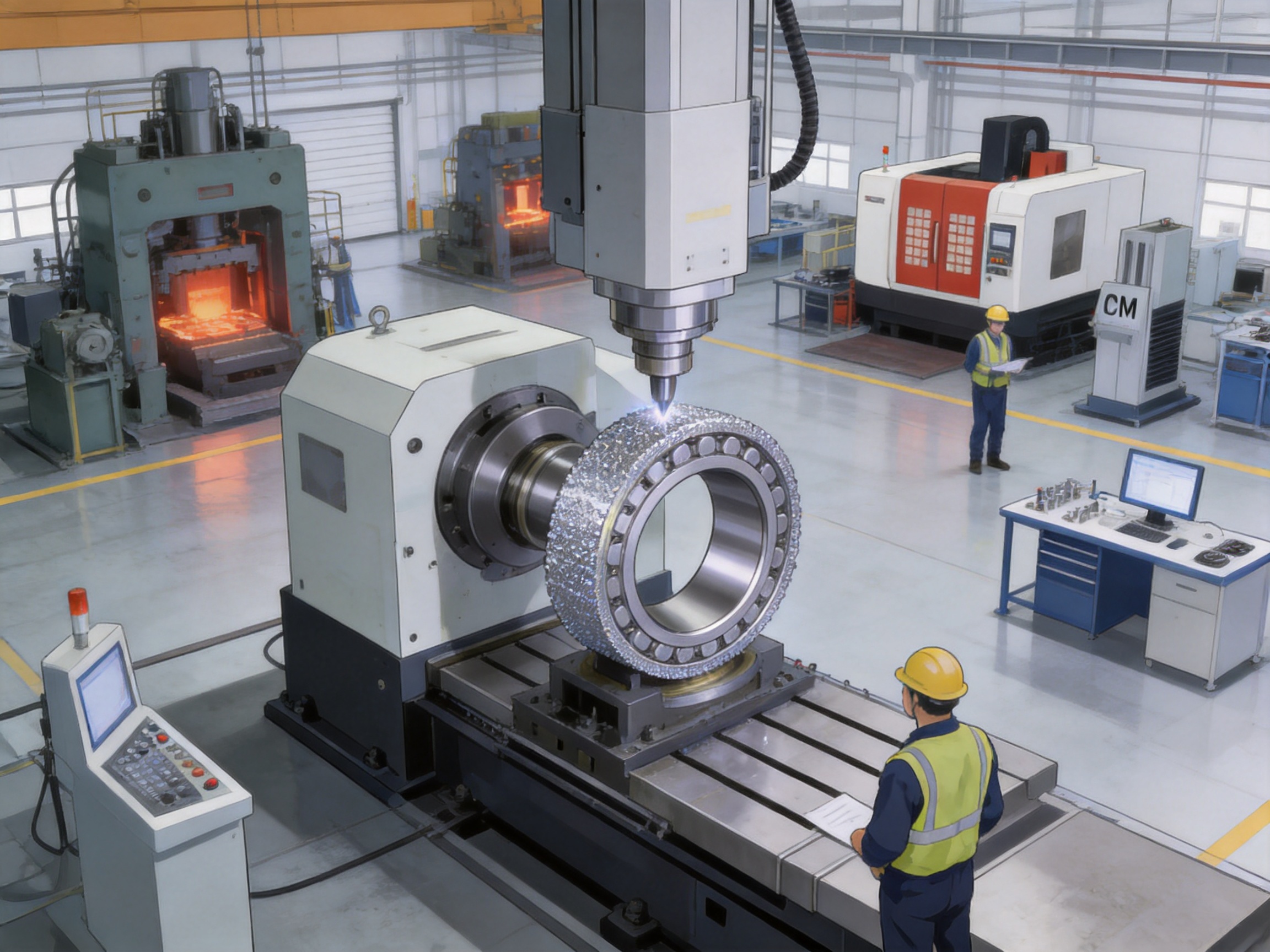
| Bearing Type | Main Dimensions (mm) | Mounting Holes (Inner Ring) | Mounting Holes (Outer Ring) | Shoulder Dimensions (mm) | Basic Load Rating (kN) | Weight (kg) | ||||||
|---|---|---|---|---|---|---|---|---|---|---|---|---|
| Model | d (Inner Diameter) | D (Outer Diameter) | B (Width) | dp (Pitch Circle) | Details | Dp (Pitch Circle) | Details | ds (Inner Shoulder) | Dh (Outer Shoulder) | Cr (Radial) | Cor (Static Radial) | Weight |
| RW145 | 100 | 185 | 20 | 115 | 12-Φ4.6 through hole, Φ8.5 countersink depth 15 | 170 | 12-Φ4.6 through hole, Φ8.5 countersink depth 15 | 135 | 150 | 24.6 | 59.3 | 2.70 |
| RW164 | 120 | 210 | 30 | 138 | 12-Φ6 through hole, Φ10 countersink depth 22.5 | 182 | 12-Φ6 through hole, Φ10 countersink depth 22.5 | 157 | 173 | 48.6 | 112 | 4.90 |
| RW195 | 150 | 240 | 30 | 168 | 16-Φ6 through hole, Φ10 countersink depth 22.5 | 222 | 16-Φ6 through hole, Φ10 countersink depth 22.5 | 187 | 203 | 54.1 | 136 | 5.70 |
| RW228 | 160 | 295 | 35 | 184 | 24-Φ7 through hole, Φ11 countersink depth 24.5 | 270 | 24-Φ7 through hole, Φ11 countersink depth 24.5 | 220 | 240 | 59.3 | 161 | 12.00 |
| RW230 | 180 | 280 | 40 | 200 | 20-Φ6 through hole, Φ10 countersink depth 30 | 260 | 20-Φ6 through hole, Φ10 countersink depth 30 | 217 | 245 | 87 | 215 | 9.90 |
| RW250 | 200 | 300 | 40 | 220 | 20-Φ6 through hole, Φ10 countersink depth 30 | 280 | 20-Φ6 through hole, Φ10 countersink depth 30 | 237 | 265 | 89.7 | 231 | 11.00 |
| RW297 | 210 | 380 | 40 | 240 | 24-Φ9.3 through hole, Φ14.5 countersink depth 28 | 350 | 24-Φ9.3 through hole, Φ14.5 countersink depth 28 | 285 | 315 | 101 | 288 | 22.00 |
| RW323 | 260 | 385 | 50 | 282 | 24-Φ7 through hole, Φ12 countersink depth 38 | 363 | 24-Φ7 through hole, Φ12 countersink depth 38 | 302 | 343 | 168 | 422 | 24.00 |
| RW388 | 325 | 450 | 50 | 347 | 30-Φ9.3 through hole, Φ14.5 countersink depth 9 | 428 | 30-Φ9.3 through hole, Φ14.5 countersink depth 9 | 367 | 408 | 199 | 558 | 29.00 |
| RW445 | 350 | 540 | 50 | 384 | 32-Φ9.3 through hole, Φ14.5 countersink depth 35 | 505 | 32-Φ9.3 through hole, Φ14.5 countersink depth 35 | 425 | 465 | 216 | 652 | 47.00 |
| RW463 | 395 | 525 | 50 | 418 | 36-Φ10 through hole, Φ15 countersink depth 9 | 502 | 36-Φ10 through hole, Φ15 countersink depth 9 | 440 | 480 | 208 | 634 | 31.00 |
| RW530 | 460 | 600 | 50 | 486 | 40-Φ10 through hole, Φ15 countersink depth 9 | 574 | 40-Φ10 through hole, Φ15 countersink depth 9 | 510 | 550 | 233 | 771 | 40.00 |
| RW665 | 580 | 750 | 60 | 610 | 32-Φ12 through hole, Φ18 countersink depth 11 | 720 | 32-Φ12 through hole, Φ18 countersink depth 11 | 640 | 690 | 314 | 902 | 92.00 |
| RW760 | 650 | 870 | 60 | 690 | 32-Φ14 through hole, Φ20 countersink depth 13 | 830 | 32-Φ14 through hole, Φ20 countersink depth 13 | 735 | 785 | 336 | 1030 | 138.00 |
Key specifications to consider when selecting an RW series bearing include:
- Inner Diameter (d): The diameter of the inner ring, which determines the shaft size the bearing can accommodate.
- Outer Diameter (D): The diameter of the outer ring, which determines the space required for the bearing in the housing.
- Width (B): The width of the bearing, which affects its load capacity and compactness.
- Basic Load Rating (Cr/Cor): The radial load capacity of the bearing, with Cr being the dynamic load rating (for continuous operation) and Cor being the static load rating (for stationary or slow-moving applications).
- Weight: The weight of the bearing, which is important for applications where weight is a critical factor (e.g., aerospace, robotics).
By selecting the appropriate RW series model based on these specifications, users can ensure that the bearing meets their application needs for precision, load capacity, and space efficiency.
To further clarify the benefits and applications of the RW series cross roller bearings, we have compiled a list of frequently asked questions: 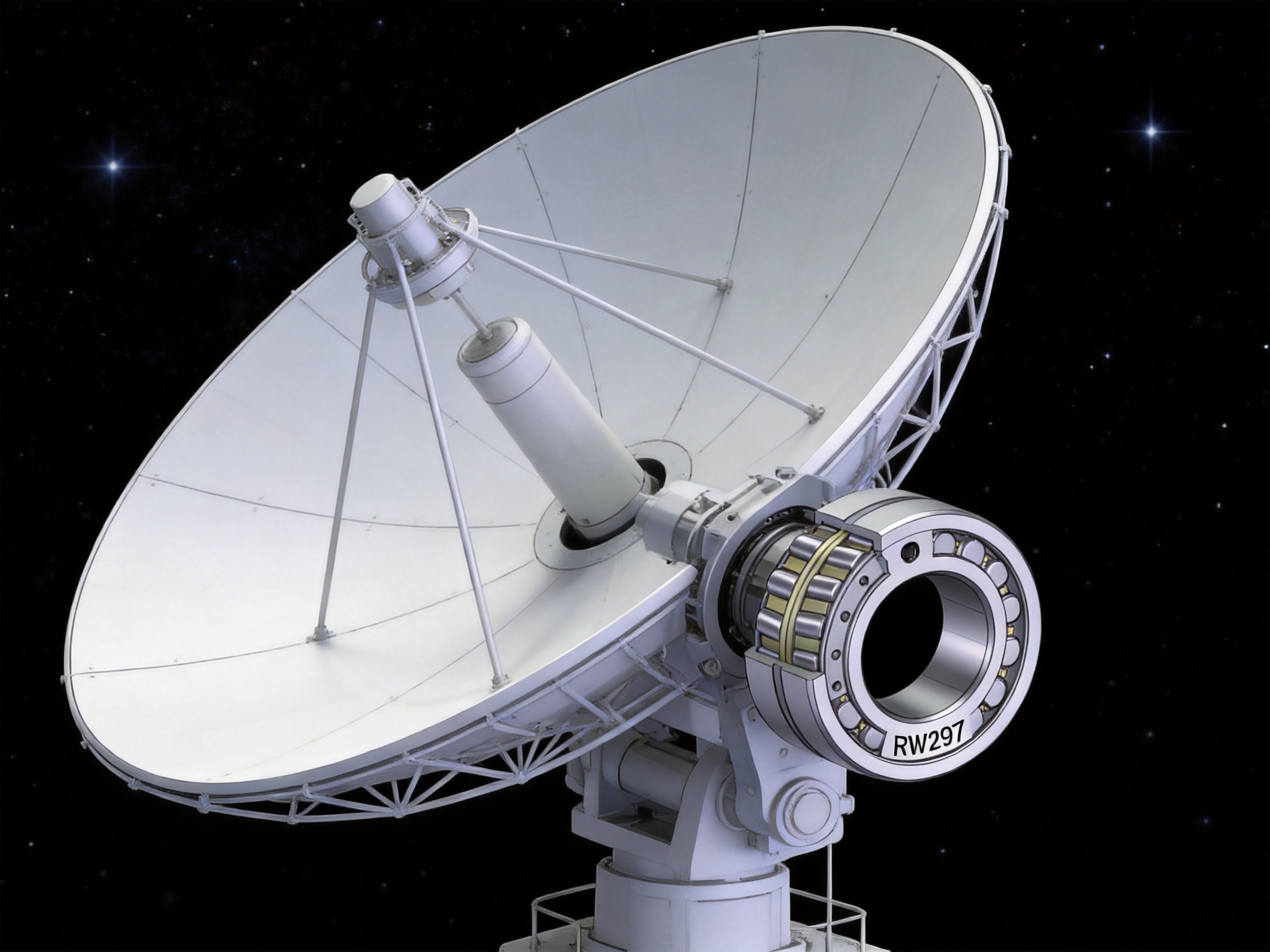
Q1: What makes the RW series cross roller bearings different from conventional cross roller bearings?
A: The RW series differs from conventional cross roller bearings in several key ways: it uses an integrated inner and outer ring design for higher rigidity, optimized mounting holes for faster installation, a double-row 45° roller arrangement for compactness and high load capacity, and enhanced machining precision for higher rotational accuracy. These features address the limitations of conventional bearings, resulting in superior performance and efficiency.
Q2: How do the mounting holes on the RW series reduce installation time?
A: The RW series features precision-machined mounting holes on both the inner and outer rings, which allow for direct mounting to shafts and support housings without the need for additional adapters or brackets. This eliminates the time-consuming process of installing separate mounting components, reducing installation time by up to 50% compared to conventional bearings.
Q3: What load capacities do RW series bearings handle?
A: The load capacity of RW series bearings varies by model. For example, the RW145 model handles a radial load of 24.6 kN (dynamic) and 59.3 kN (static), while the RW760 model handles a radial load of 336 kN (dynamic) and 1030 kN (static). The double-row 45° roller arrangement allows the RW series to handle higher loads in a compact form factor than conventional bearings.
Q4: Are RW series bearings customizable?
A: Yes, the RW series is designed to be customizable. Options include different mounting hole configurations, roller materials (e.g., stainless steel for corrosion resistance), lubrication systems (e.g., grease nipples or oil baths), and seal types (e.g., rubber seals for dust protection). This flexibility allows users to adapt the bearings to their specific application needs.
Q5: What industries benefit most from RW series bearings?
A: The RW series bearings benefit a wide range of industries, including robotics (industrial and collaborative), CNC machine tools, intelligent automation, aerospace, medical equipment, renewable energy, and construction equipment. These industries require bearings that offer precision, rigidity, and efficiency—all key features of the RW series.
Q6: How long do RW series bearings last?
A: The lifespan of RW series bearings depends on factors such as load, speed, lubrication, and operating environment. However, due to their high-quality materials, advanced manufacturing processes, and integrated design, RW series bearings typically have a longer lifespan than conventional bearings. For example, in robotic applications, RW series bearings can last up to 10,000 hours of continuous operation—twice as long as conventional bearings.
Q7: Can RW series bearings be used in harsh environments?
A: Yes, RW series bearings can be customized for harsh environments. Options include stainless steel rollers and rings for corrosion resistance, food-grade lubricants for hygienic applications, and rubber seals for dust and water protection. These customization options make the RW series suitable for applications in extreme temperatures, high humidity, or dusty conditions.
The RW series high-performance cross roller bearings represent a significant advancement in bearing technology, addressing the key limitations of conventional cross roller bearings through innovative design and advanced manufacturing processes. With features like integrated inner and outer rings, optimized mounting holes, double-row 45° roller arrangement, and enhanced machining precision, the RW series offers superior rigidity, faster installation, compactness, and higher rotational accuracy—all critical for modern industrial applications.
The manufacturing excellence behind the RW series, including state-of-the-art forging, turning, heat treatment, grinding, assembly, and packaging processes, ensures that every bearing meets the highest standards of quality and performance. Additionally, the manufacturer’s commitment to sustainability aligns with the growing demand for green manufacturing practices in the industrial sector.
From robotics and CNC machine tools to aerospace and medical equipment, the RW series bearings have made a significant impact across a wide range of industries. Their ability to handle multiple load types, compact size, and long lifespan make them an ideal choice for applications where precision, efficiency, and reliability are non-negotiable.
As the demand for high-precision, compact, and durable bearings continues to grow, the RW series is poised to play an increasingly important role in advancing industrial engineering. With ongoing R&D efforts to improve performance and expand customization options, the RW series will continue to be a leader in bearing technology for years to come.
1. ISO 281:2007, Rolling bearings—Dynamic load ratings and rating life.
2. ANSI/ABMA 12.1-2014, Ball and roller bearings—Radial bearings, boundary dimensions, general purpose.
3. "Cross Roller Bearings: Design and Application Guide"—Bearing Technology Institute, 2022.
4. "Advanced Manufacturing Processes for High-Precision Bearings"—Journal of Industrial Engineering, Volume 15, Issue 3, 2023.
5. "Sustainability in Bearing Manufacturing"—Green Manufacturing Journal, Volume 10, Issue 2, 2022.
6. RW Series Cross Roller Bearings Technical Manual—Manufacturer’s Whitepaper, 2023.
Product Categories
Contact Us

Jane@ukl-bearing.com
Jenny@ukl-bearing.com
Andy@ukl-bearing.com
Ivy@ukl-bearing.com

+86-510- 88763239
+86-15371057968

No.1 Hehuan Road, Hudai Town, Binhu District, Wuxi City.
Ready to Begin?
Get in Touch

Now!
UKL BEARING
 English
 Español
 русский