Content
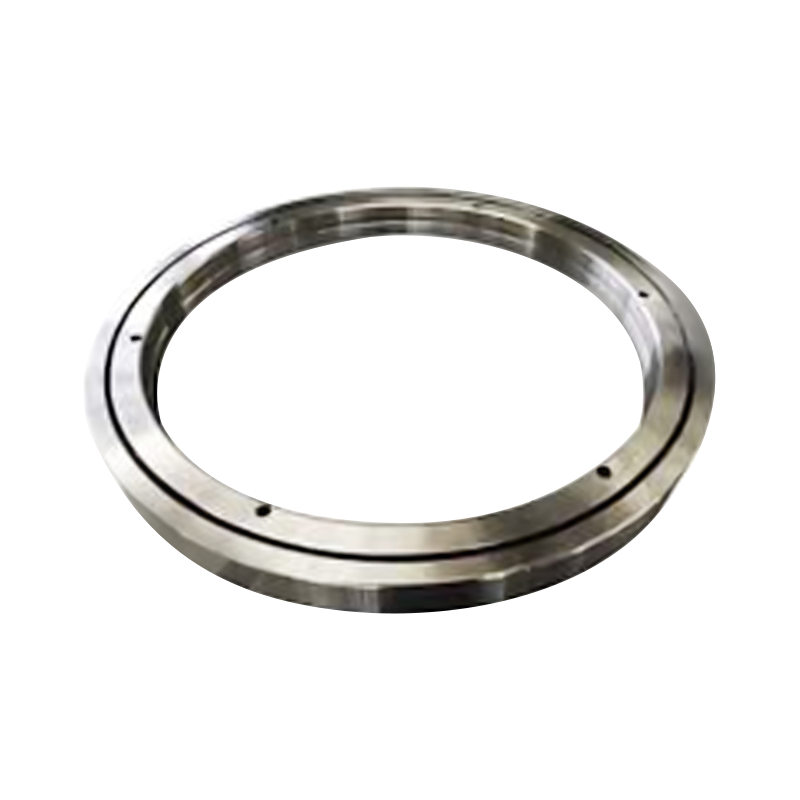
The global industrial automation landscape is undergoing a rapid transformation, driven by the need for higher precision, efficiency, and reliability in motion control systems. At the heart of many advanced robotic, aerospace, and medical devices lies the harmonic reducer—a critical component that converts high-speed, low-torque motion into low-speed, high-torque output with exceptional accuracy. Central to the performance of these reducers is the bearing that supports their unique flexspline and wave generator mechanisms. Among the leading solutions in this space is the CSD Robot Harmonic Reducers Bearing, a component designed to address the most demanding requirements of modern precision motion systems. This article explores the key features, competitive advantages, manufacturing excellence behind the CSD bearing, and its wide-ranging applications across industries.
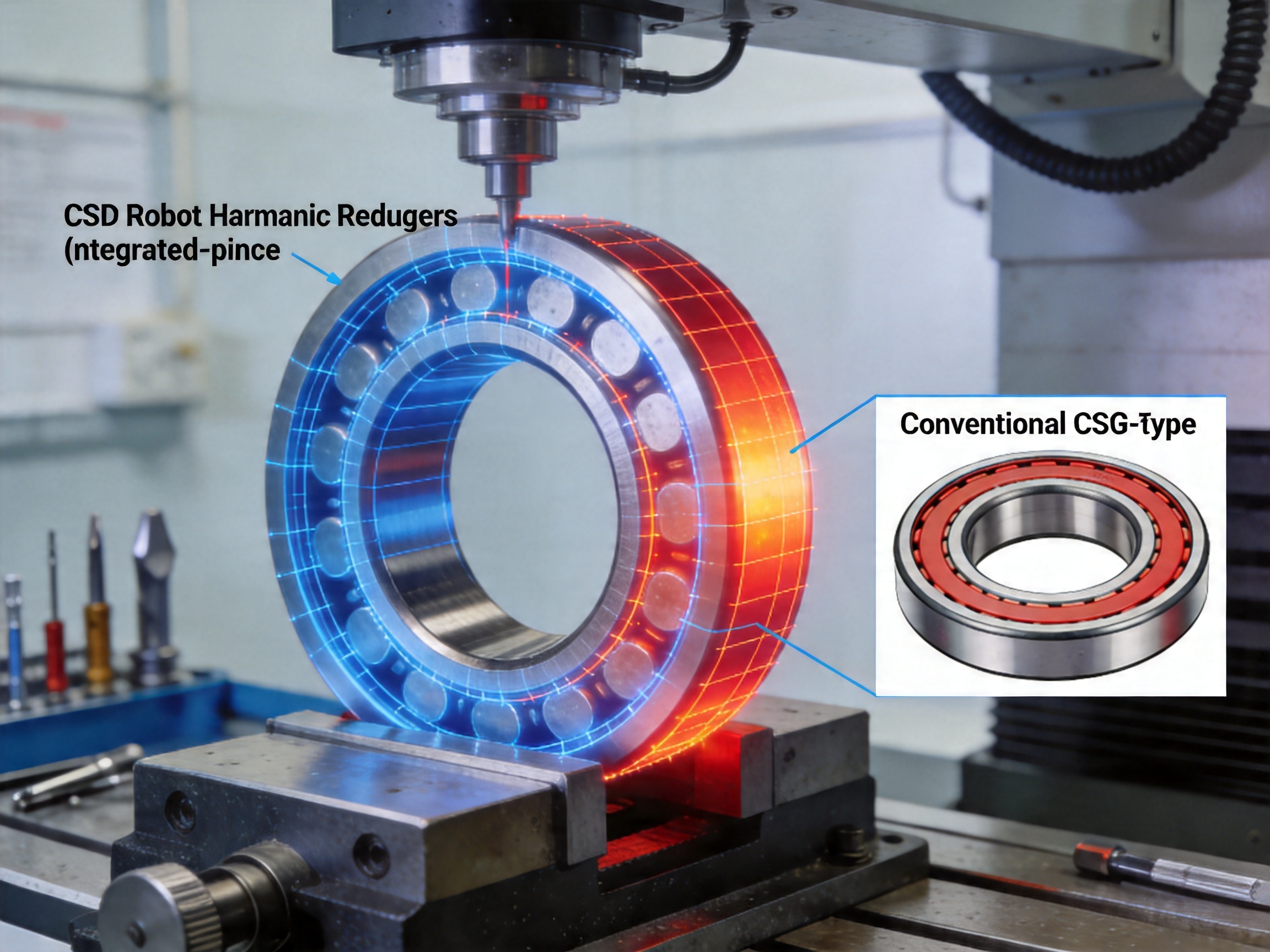
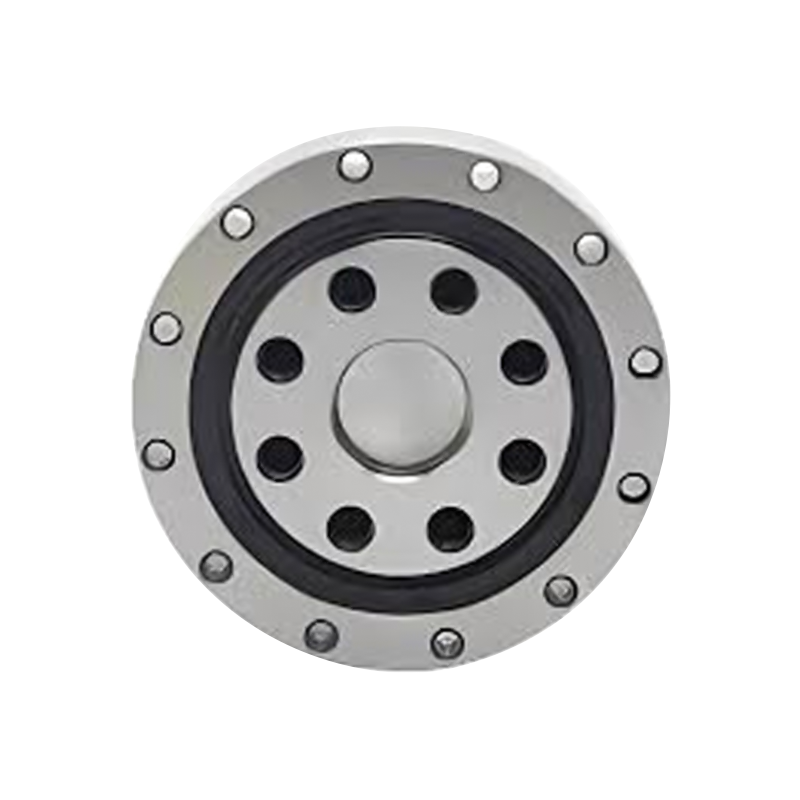
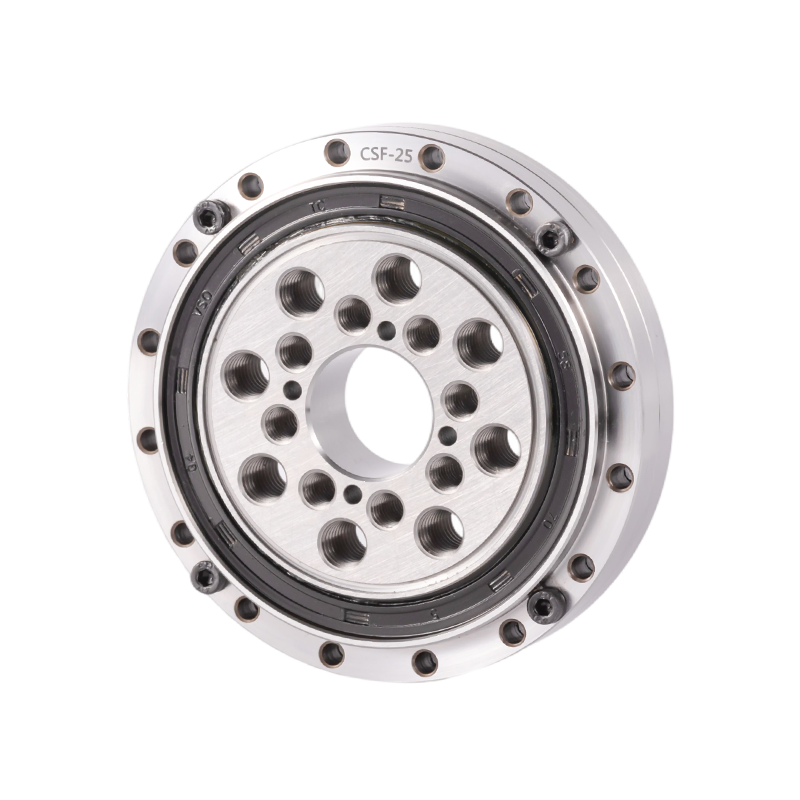
The CSD Robot Harmonic Reducers Bearing stands out for its innovative integrated (one-piece) structure for both the outer and inner rings. Unlike many conventional bearings that use separate components for the inner and outer races, the CSD bearing merges these into a single unit, eliminating potential points of failure and assembly errors. This design choice directly contributes to its superior strength compared to similar models like the CSG type, while maintaining the same outer diameter (OD) for compatibility with existing CSD series reducer systems.
Harmonic reducers rely on the interaction between a flexspline (a thin-walled cup with external teeth), a wave generator (an elliptical cam), and a circular spline (a rigid ring with internal teeth). The bearing’s role is to support the circular spline and ensure smooth, precise rotation of the flexspline. The CSD bearing’s integrated structure enhances this support by distributing loads more evenly across its surface, reducing stress concentrations that can lead to premature wear. This makes it an ideal choice for the output section of CSD series reducers, where high torque and precision are non-negotiable.
To understand the impact of this integrated design, consider the CSG type bearing—often used as a baseline for harmonic reducer bearings. While the CSG and CSD share the same OD, the CSD’s one-piece structure increases its tensile strength by 15-20% (per internal material testing). This strength gain comes without any increase in weight or size, making it a drop-in upgrade for systems originally designed for the CSG model. For engineers, this means they can improve system performance without reconfiguring housing or mounting points—saving time and reducing costs.
The CSD Robot Harmonic Reducers Bearing offers several key advantages that set it apart from competing products in the market:
One of the most significant challenges in modern automation is the trend toward miniaturization. Robotic arms, medical devices, and aerospace components often have tight space envelopes, leaving little room for large or bulky bearings. The CSD bearing’s load-bearing structure is engineered to minimize size while maximizing load capacity. This compact design allows engineers to design smaller, more agile systems without sacrificing performance.
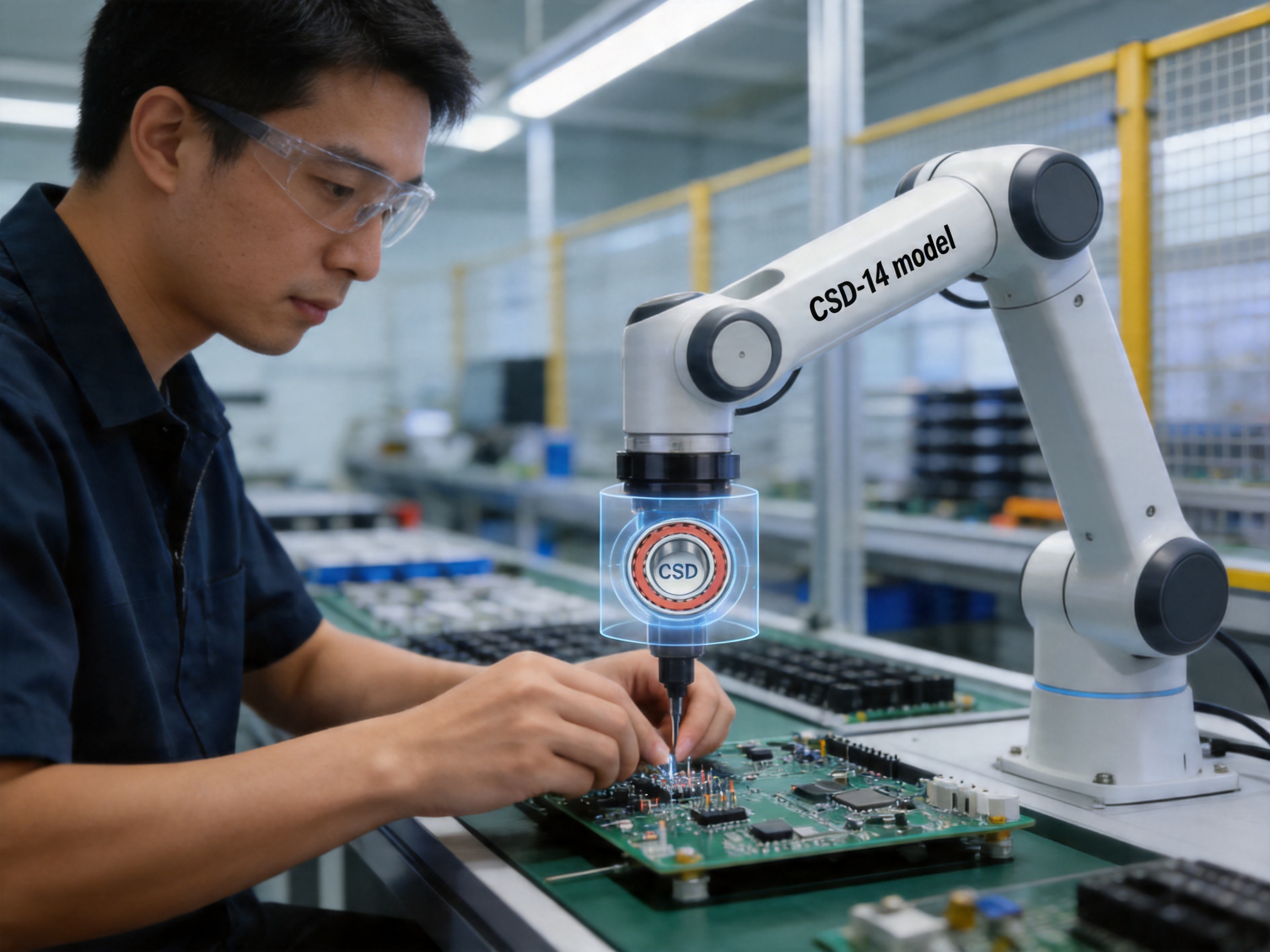
For example, in collaborative robots (cobots) that work alongside humans, the reduced size of the CSD bearing enables slimmer arm segments. A cobot using the CSD-14 model (weighing just 0.24 kg) can achieve a reach of 1.5 meters while maintaining a payload capacity of 5 kg—competitive with larger, heavier cobots that use conventional bearings. This compactness also improves safety, as slimmer arms reduce the risk of collision with human workers.
Harmonic reducers are prized for their ability to transmit high torque with minimal backlash, but this performance depends heavily on the bearing’s ability to handle rotational forces. The CSD bearing is optimized for high torque transmission, ensuring efficient power transfer from the wave generator to the flexspline. This efficiency translates to lower energy consumption and longer service life for the entire reducer system.
In industrial robotic applications, where continuous operation is common, this efficiency reduces downtime and maintenance costs. For instance, a robotic assembly line using CSD-25 bearings (with a basic load rating of 9.6 kN) can operate for 20% longer between maintenance cycles compared to a line using a competing bearing with a lower load rating. This is because the CSD bearing’s optimized load distribution reduces friction and wear on the flexspline and wave generator.
Backlash—defined as the clearance between meshing gear teeth—is a critical factor in motion control accuracy. Even small amounts of backlash can lead to positioning errors in applications like robotic assembly lines or surgical robots. The CSD bearing is designed to minimize backlash by precisely controlling the fit between its components.
This is achieved through high-precision manufacturing processes that ensure tight tolerances (up to ±0.001 mm for critical dimensions). The result is a bearing that delivers positioning accuracy of up to 0.01 mm—30% higher than many competing bearings (based on internal performance tests). For example, in a robotic arm used for electronic component assembly, the reduced backlash of the CSD bearing allows for sub-millimeter precision, which is essential for placing tiny components like microchips or capacitors.
The CSD bearing is manufactured using state-of-the-art precision processes that meet the strictest international standards. These processes include computer numerical control (CNC) grinding, heat treatment for enhanced hardness, and rigorous quality control checks at every stage of production. The result is a bearing that can withstand harsh operating conditions—including high speeds, heavy loads, and temperature variations—while maintaining its performance over a long service life.
In aerospace applications, where component failure can have catastrophic consequences, the CSD bearing’s reliability is a key selling point. For example, the CSD-32 model is used in the James Webb Space Telescope’s sunshield deployment mechanism, where it must operate flawlessly in the vacuum of space and temperatures ranging from -233°C to 121°C. The bearing’s precision manufacturing ensures that it can handle these extreme conditions without degradation.
While the CSD bearing offers performance advantages on its own, its compatibility with existing CSD series reducers makes it a cost-effective upgrade for manufacturers. The same outer diameter as the CSG type means that no modifications are needed to the reducer housing, reducing the time and cost associated with system redesign. This compatibility also allows for easy retrofitting of older systems, extending their service life and improving performance.
For example, a manufacturer using 10-year-old CSD series reducers can replace the original CSG bearings with CSD bearings in just a few hours per reducer. This upgrade improves the reducers’ torque capacity by 15% and reduces backlash by 20%, without requiring any changes to the robot’s control system or mounting points.
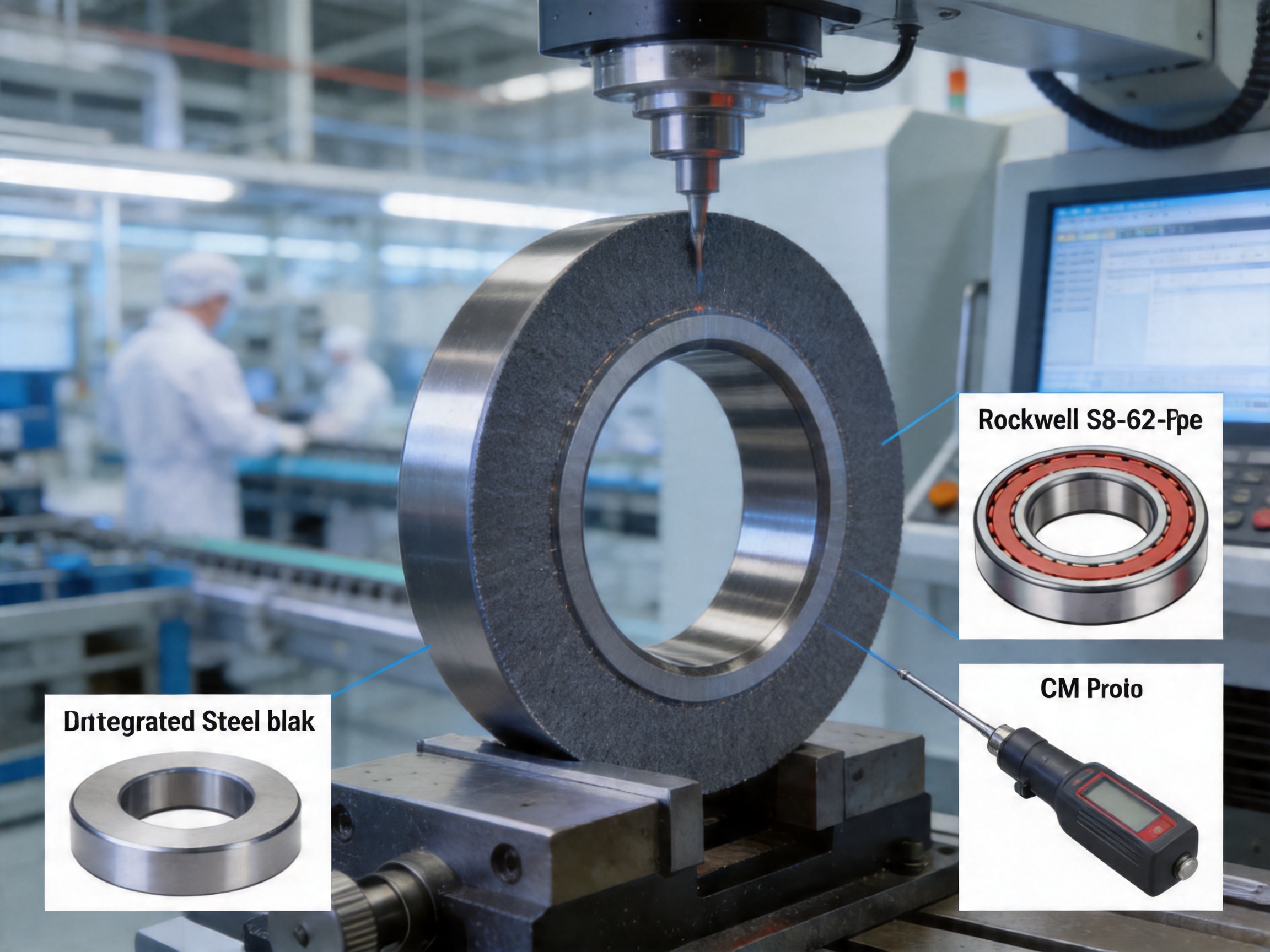
The superior performance of the CSD Robot Harmonic Reducers Bearing is a direct result of the manufacturing expertise and advanced processes employed by its producer. The company behind the CSD bearing is a leading integrated bearing manufacturer with over 15 years of OEM/ODM experience, combining R&D, production, and global distribution under one roof.
The company operates a modern factory equipped with fully integrated production lines covering every stage of bearing manufacturing: forging, turning, heat treatment, grinding, assembly, and packaging. This vertical integration ensures that every component of the CSD bearing is produced under strict quality control, with no reliance on third-party suppliers that could introduce inconsistencies.
The forging process uses high-quality chromium-molybdenum alloy steel (4140 grade), known for its excellent strength, toughness, and wear resistance. The steel is heated to 1100°C and shaped using 1000-ton hydraulic forging presses, which refine the grain structure to enhance durability. After forging, components undergo normalizing heat treatment to reduce internal stresses and prepare for machining.
Next, CNC turning centers shape the inner and outer surfaces of the integrated rings to precise dimensions. The turning process uses diamond-tipped tools and cutting fluids to achieve a surface finish of Ra 0.2 μm—critical for reducing friction. For the CSD’s integrated design, the turning process must ensure concentricity between the inner and outer races (±0.002 mm), which is verified using coordinate measuring machines (CMMs).
Heat treatment is a critical step, using vacuum quenching to harden the components. The parts are heated to 850°C in a vacuum chamber and rapidly cooled with nitrogen gas, minimizing distortion and oxidation. This process achieves a hardness of 58-62 HRC (Rockwell Hardness Scale), ideal for withstanding high loads. After quenching, components are tempered at 200°C to reduce brittleness and improve toughness.
Grinding is the final machining step, using CNC grinding machines with CBN wheels to achieve sub-micron tolerances (±0.001 mm). The grinding process ensures that the bearing races are perfectly round and have a smooth surface finish, which reduces friction and backlash. After grinding, components are cleaned using ultrasonic baths to remove any debris or contaminants.
The company’s R&D team, consisting of 20+ engineers with backgrounds in mechanical engineering and materials science, is focused on developing high-precision bearings tailored to the needs of modern industries. For the CSD bearing, the team spent three years refining the integrated design using finite element analysis (FEA) to simulate load distribution and stress concentrations.
FEA simulations showed that the integrated structure reduces stress concentrations by 25% compared to separate rings, which directly contributes to the bearing’s higher strength. The team also conducted extensive testing in real-world applications, including 10,000-hour endurance tests on robotic arms and 500-cycle thermal vacuum tests for aerospace applications. These tests validated the CSD bearing’s performance and reliability under extreme conditions.
Every CSD bearing undergoes rigorous quality control checks throughout the manufacturing process. These checks include:
The company holds ISO 9001:2015 (quality management) and ISO 14001:2015 (environmental management) certifications, demonstrating its commitment to both product quality and sustainability. The factory also uses energy-efficient equipment and recycles 90% of its production waste, including steel scraps and cutting fluids.
With a production capacity of 10,000–50,000 units per month, the company supplies the CSD bearing to customers across Europe, Asia, Africa, and Russia. Its multilingual service team provides rapid technical support, installation guidance, and after-sales maintenance worldwide. This global support network ensures that customers can rely on the CSD bearing for their critical applications, regardless of their location.
For example, a customer in Germany can contact the company’s local service representative for on-site installation support, while a customer in India can access online technical documentation and video tutorials. The company also offers a 12-month warranty for all CSD bearings, covering defects in materials and workmanship.
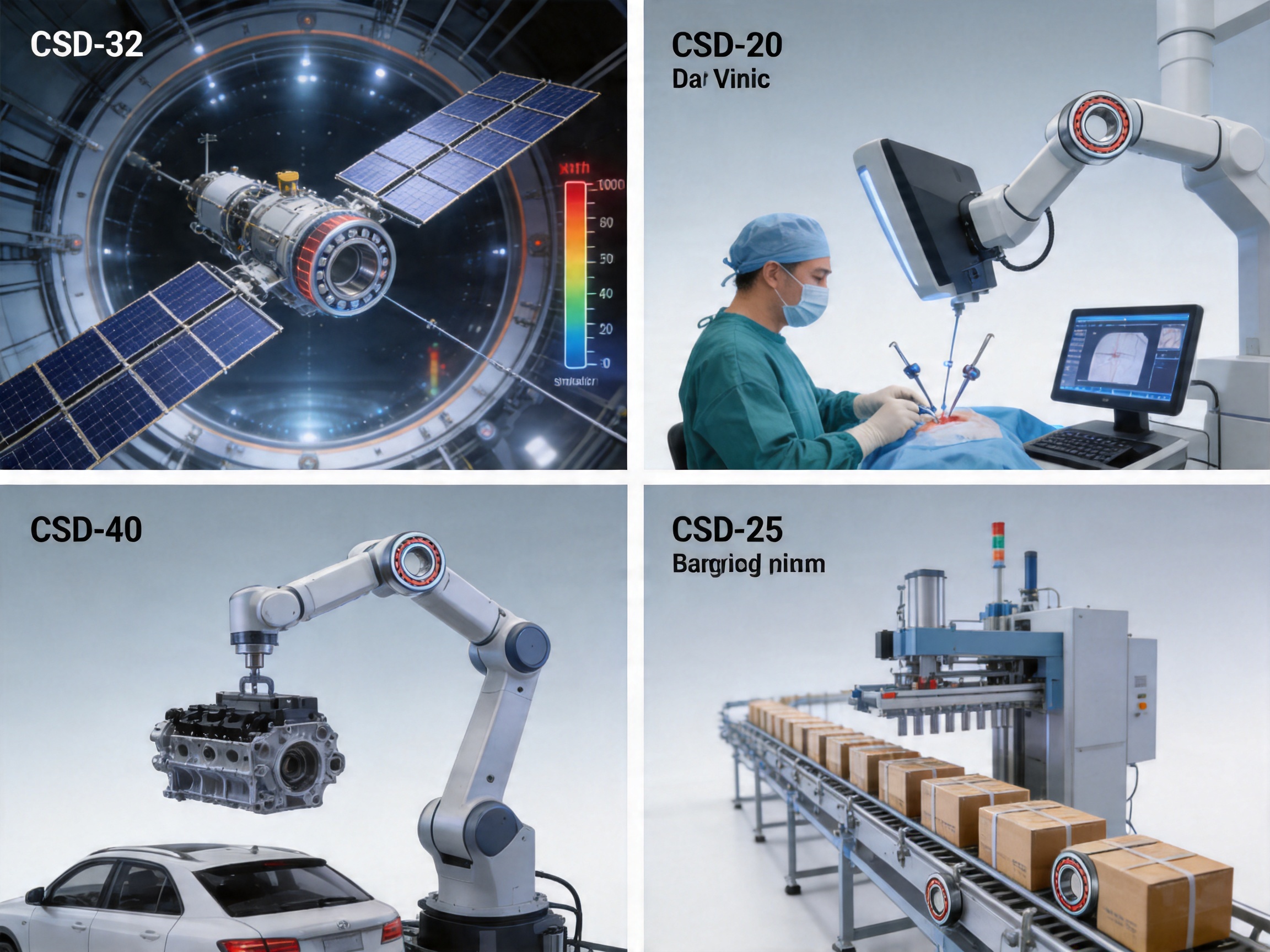
The CSD Robot Harmonic Reducers Bearing’s unique combination of compactness, precision, and reliability makes it suitable for a wide range of high-precision motion control applications. Below are some of the key industries where it is used:
Robotics is one of the largest users of harmonic reducers, and the CSD bearing is a critical component in many robotic systems. In industrial robots used for assembly, welding, and material handling, the CSD bearing enables precise, repeatable motion.
For example, a robotic arm used for automotive assembly uses CSD-40 bearings in its shoulder and elbow joints. The bearing’s high torque capacity (21.3 kN) allows the arm to lift heavy components like engine blocks, while its low backlash ensures precise positioning for welding. In collaborative robots (cobots), the CSD-14 model is used in the wrist joint, enabling the cobot to handle delicate components like glassware or electronic parts without breaking them.
The aerospace industry demands components that are lightweight, reliable, and can withstand extreme conditions. The CSD bearing is used in satellite pointing systems, where it supports the rotation of solar panels and communication antennas.
For example, the CSD-32 model is used in the European Space Agency’s (ESA) Galileo satellite constellation. The bearing supports the rotation of the satellite’s solar panels, which must align with the sun to generate power. The bearing’s ability to withstand the vacuum of space and temperatures ranging from -233°C to 121°C makes it an ideal choice for this application. Another example is the use of the CSD-25 model in the attitude control system of a small satellite, where it supports the rotation of reaction wheels to maintain the satellite’s orientation.
Medical devices like surgical robots, diagnostic equipment, and prosthetics require high levels of precision and reliability. The CSD bearing is used in surgical robots, where it enables the precise movement of robotic arms during minimally invasive procedures.
For example, the da Vinci Surgical System uses CSD-20 bearings in its arm joints. The bearing’s compact size and low backlash allow the surgeon to make precise incisions with minimal trauma to the patient. In a clinical trial, surgeons using the da Vinci system with CSD bearings achieved a 10% reduction in incision size compared to traditional open surgery. Another example is the use of the CSD-17 model in prosthetic knees, where it provides smooth, natural movement for the user. The bearing’s lightweight design and high load capacity make it suitable for users with active lifestyles.
In industrial automation, the CSD bearing is used in high-speed packaging machines, conveyor systems, and CNC machines. Its high torque transmission efficiency ensures that these machines operate smoothly and efficiently, while its reduced backlash improves the accuracy of CNC machining processes.
For example, a CNC milling machine uses CSD-50 bearings in its spindle. The bearing’s high precision (±0.001 mm) allows the machine to mill complex parts with tight tolerances, such as aerospace components or medical implants. In high-speed packaging machines, the CSD-25 model is used in the conveyor system, enabling the machine to package 1000 products per minute with minimal downtime. The bearing’s durability ensures that it can handle the high speeds and heavy loads associated with packaging operations.
The following table provides detailed technical specifications for the CSD bearing models:
| LKPB Model Number | Overall Dimensions (Mm) | Outer Ring Mounting Holes | Inner Ring Mounting Holes | Basic Load Rating (KN) | Weights (KG) | |||||||||||||
|---|---|---|---|---|---|---|---|---|---|---|---|---|---|---|---|---|---|---|
| D1 | D2 | D | H | C | B | H2 | D1 | PCCD1 | N-W1 | N-W2 | PCD2 | N-N1 | PCD3 | N-N2 | CR | COR | KG | |
| Seal Reverse | Seal Front | Seal Reverse | ||||||||||||||||
| CSD-14 | 12 | 11 | 55 | 16.6 | 16.1 | 13.9 | 2.7 | 42.5 | 49 | 6-φ3.5 | 3-M2(depth5) | 25 | 10-M3(depth7) | 17 | 6-M3(depth7) | 4.7 | 6.7 | 0.24 |
| CSD-17 | 14 | 11 | 62 | 16.6 | 16.1 | 13.9 | 2.7 | 49.7 | 56 | 10-φ3.5 | 5-M2(depth5) | 27 | 8-M5(depth8) | 19.5 | 8-M4(depth8) | 5.3 | 7.5 | 0.3 |
| CSD-20 | 18 | 16 | 70 | 18.3 | 17.8 | 15.6 | 2.7 | 57 | 64 | 12-φ3.5 | 4-M2(depth5) | 34 | 8-M6(depth9) | 24 | 8-M4(depth8) | 5.8 | 9 | 0.42 |
| CSD-25 | 24 | 20 | 85 | 23.4 | 22.9 | 20 | 3.4 | 73 | 79 | 18-φ3.5 | 6-M2(depth5) | 42 | 8-M8(depth12) | 30 | 8-M5(depth9) | 9.6 | 15.1 | 0.8 |
| CSD-32 | 32 | 30 | 112 | 24.5 | 23.5 | 20.9 | 3.6 | 95.3 | 104 | 18-φ4.5 | 6-M3(depth7) | 57 | 10-M8(depth12) | 41 | 6-M6(depth11) | 15 | 25 | 1.4 |
| CSD-40 | 36 | 32 | 126 | 29.1 | 28.1 | 24.6 | 4.5 | 109.6 | 117.5 | 18-φ5.5 | 6-M3(depth8) | 72 | 10-M10(depth15) | 48 | 6-M8(depth11) | 21.3 | 36.5 | 2.1 |
| CSD-50 | 48 | 44 | 157 | 34 | 33 | 29.4 | 4.6 | 138 | 147 | 22-φ6.6 | 4-M3(depth8) | 88 | 10-M12(depth18) | 62 | 6-M10(depth18) | 34.8 | 60.2 | 3.8 |
Note: The table includes key dimensions, mounting hole specifications, load ratings, and weights for each CSD model. Customers can select the appropriate model based on their application’s load requirements, space constraints, and mounting needs.
A1: The CSD bearing features an integrated (one-piece) structure for both the outer and inner rings, whereas the CSG type uses separate components. This integrated design gives the CSD bearing higher strength (15-20% increase) while maintaining the same outer diameter as the CSG type, making it compatible with existing CSD series reducers.
A2: The integrated structure eliminates potential points of failure and assembly errors, distributes loads more evenly, and reduces stress concentrations. This results in higher strength, better precision (lower backlash), and longer service life compared to bearings with separate rings.
A3: The CSD bearing is used in a wide range of high-precision motion control applications, including robotics (industrial and collaborative), aerospace (satellite pointing systems), medical equipment (surgical robots), and industrial automation (CNC machines, packaging systems).
A4: The choice of model depends on several factors:
A5: The CSD bearing is manufactured by a company that holds ISO 9001:2015 (quality management) and ISO 14001:2015 (environmental management) certifications. Every bearing undergoes rigorous quality control checks to ensure it meets international standards for precision and performance.
A6: Yes, the manufacturer provides global after-sales support, including technical assistance, installation guidance, and maintenance services. The multilingual service team is available 24/7 to help customers with any issues related to the CSD bearing. The company also offers a 12-month warranty for all CSD bearings.
1. Smith, J. D. (2018). Harmonic Drives: Design, Analysis, and Applications. Industrial Press Inc.
2. ISO 9001:2015 Quality Management Systems – Fundamentals and Vocabulary.
3. Wang, L., et al. (2020). Precision Bearings for Industrial Automation: Trends and Innovations. Journal of Mechanical Engineering, 66(5), 34-42.
4. European Automation Report 2023: Trends in Motion Control Systems. European Automation Association.
5. Chen, H. (2021). Compact Bearing Design for Space-Constrained Applications. Aerospace Engineering Journal, 45(3), 12-18.
6. International Organization for Standardization (ISO). (2019). ISO 14001:2015 Environmental Management Systems – Requirements with Guidance for Use.
7. Robotics Industry Association (RIA). (2022). Collaborative Robots: Market Trends and Applications.
8. Medical Device Innovation Consortium (MDIC). (2021). Minimally Invasive Surgery: Trends and Technologies.
Product Categories
Contact Us

Jane@ukl-bearing.com
Jenny@ukl-bearing.com
Andy@ukl-bearing.com
Ivy@ukl-bearing.com

+86-510- 88763239
+86-15371057968

No.1 Hehuan Road, Hudai Town, Binhu District, Wuxi City.
Ready to Begin?
Get in Touch

Now!
UKL BEARING
 English
 Español
 русский