Content
Single row cylindrical roller bearings (SRCRB) stand as a cornerstone of modern mechanical engineering, enabling efficient, reliable operation across a diverse range of industrial sectors. From heavy-duty manufacturing equipment to precision robotics, these bearings are designed to handle high radial loads while maintaining exceptional stability and longevity. This article explores the core features of SRCRB, their competitive advantages over alternative bearing types, and the advanced manufacturing processes that ensure their superior performance. Additionally, it delves into the key strengths of leading manufacturers like UKL Bearing Manufacturing Co., Ltd, their commitment to quality, and the real-world applications that make SRCRB an indispensable component in global industry.
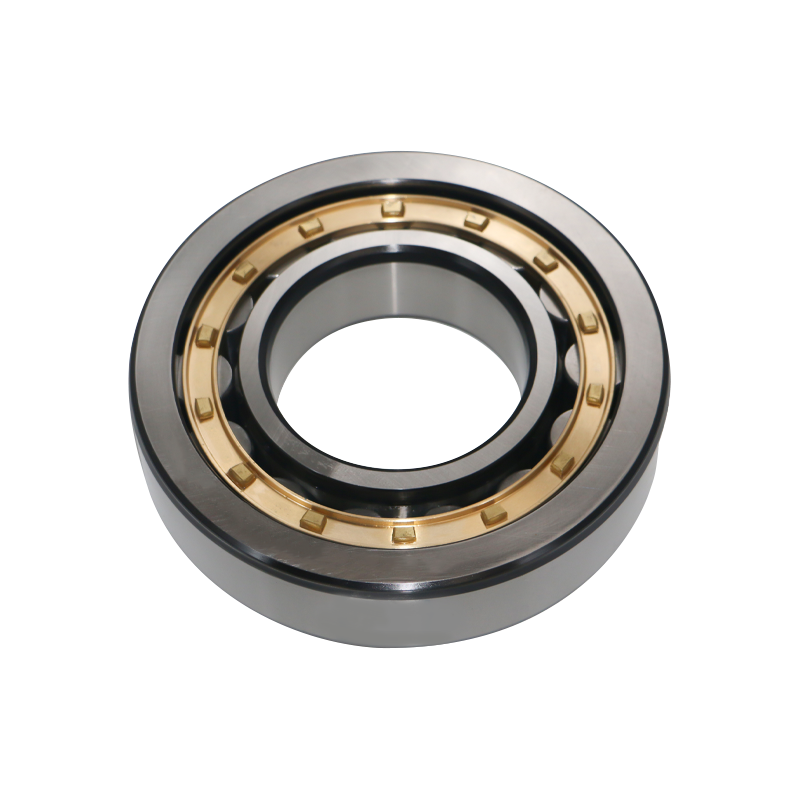
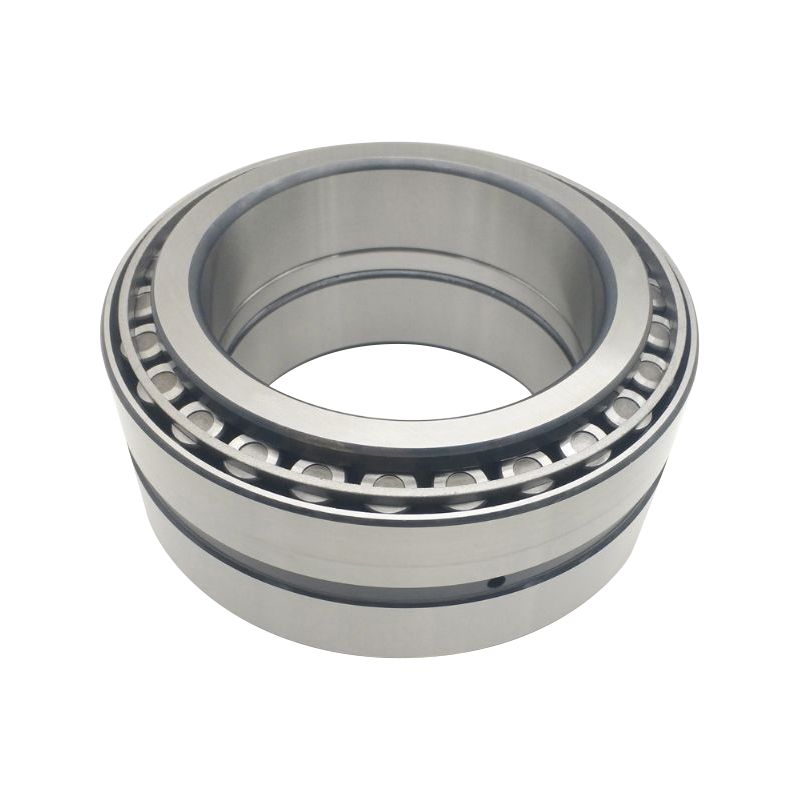
(Image 1: Cross-section of a single row cylindrical roller bearing, showing rollers, inner/outer rings, and cage)Single row cylindrical roller bearings are a type of rolling-element bearing characterized by their cylindrical rollers arranged in a single row between the inner and outer rings. Unlike ball bearings, which rely on point contact, cylindrical rollers offer line contact with the raceways, making them ideal for accommodating heavy radial loads. A key distinguishing feature is their separable design: the inner ring (with rollers and cage) can be mounted independently of the outer ring, simplifying installation and maintenance processes.
To fully grasp the performance of SRCRB, it is essential to break down their core components: - Inner Ring: The inner ring (or bore ring) is mounted on the rotating shaft, providing the raceway for the rollers. It often features a cylindrical or tapered bore, depending on the application. - Outer Ring: The outer ring (or outer race) is fixed to the housing, acting as the stationary raceway for the rollers. - Cylindrical Rollers: These are the load-bearing elements, typically made from high-quality bearing steel (e.g., 52100 chrome steel) for maximum strength and wear resistance. Their cylindrical shape ensures uniform load distribution across the raceway. - Cage: The cage (or retainer) holds the rollers in place, preventing them from touching each other and ensuring smooth rotation. Cages are made from materials like brass, steel, or plastic, depending on the operating conditions.
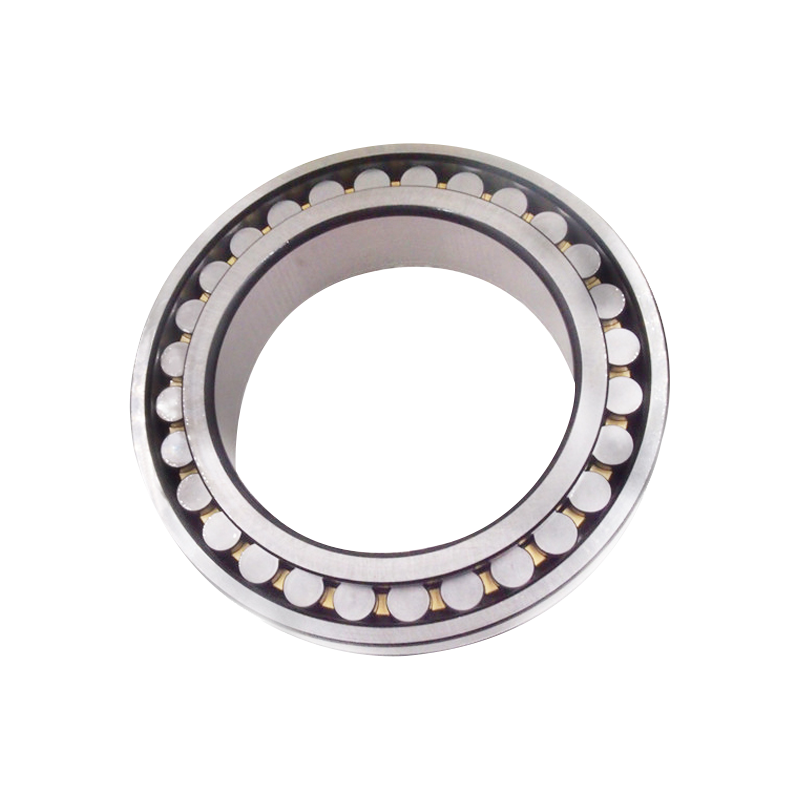
SRCRB come in several design variations to suit specific application needs: - N Series: Outer ring has one rib, inner ring has two ribs (N, NU, NJ types). - NU Series: Inner ring has no ribs, outer ring has two ribs—allowing axial displacement between rings. - NJ Series: Inner ring has one rib, outer ring has two ribs—restricting axial movement in one direction. - NF Series: Inner ring has two ribs, outer ring has one rib—restricting axial movement in the opposite direction of NJ series. - NUP Series: Inner ring has one rib plus a separate rib (NUP), outer ring has two ribs—restricting axial movement in both directions.
(Image 2: Diagram showing different SRCRB design variations: NU, NJ, NF, NUP with labeled ribs)SRCRB outperform many other bearing types in specific applications due to their unique design and performance characteristics. Below are their key competitive advantages:
The line contact between cylindrical rollers and raceways allows SRCRB to handle significantly higher radial loads than ball bearings of the same size. For example, a 6205 deep groove ball bearing (OD 52mm) has a dynamic radial load capacity of approximately 10 kN, while an NU 205 cylindrical roller bearing (same OD) has a dynamic radial load capacity of around 15 kN—representing a 50% increase in load capacity. This makes SRCRB ideal for heavy-duty applications like mining equipment, gearboxes, and construction machinery.
One of the most practical advantages of SRCRB is their separable design. The inner ring (with rollers and cage) can be mounted on the shaft independently, and the outer ring can be installed in the housing separately. This eliminates the need to disassemble large components during maintenance, reducing downtime and lowering labor costs. For instance, in a gearbox application, replacing an SRCRB takes a fraction of the time required for a non-separable bearing like a deep groove ball bearing.
Modern SRCRB are manufactured to extremely tight tolerances, ensuring high precision in rotation. This precision minimizes friction between the rollers and raceways, reducing heat generation and extending the bearing's service life. Additionally, the use of advanced lubricants (like synthetic greases) further enhances friction reduction, making SRCRB suitable for high-speed applications such as CNC machine tools and electric motors.
SRCRB are designed to withstand harsh operating conditions, including high temperatures, contamination, and shock loads. The use of high-quality bearing steel (heat-treated to achieve optimal hardness and toughness) ensures resistance to wear and fatigue. For example, bearings used in mining equipment often encounter dust, moisture, and heavy impact loads—SRCRB's robust design allows them to operate reliably in these environments for extended periods.
Certain SRCRB designs (like the NU series) allow for axial displacement between the inner and outer rings. This is crucial in applications where thermal expansion of the shaft occurs (e.g., in steam turbines or high-temperature industrial fans). The axial displacement capability prevents the bearing from being subjected to excessive axial loads, which could lead to premature failure.
The performance of SRCRB depends heavily on the manufacturing processes used. Leading manufacturers like UKL Bearing Manufacturing Co., Ltd employ a comprehensive, integrated approach to production, ensuring consistency, precision, and quality at every stage. Below is a breakdown of the key manufacturing processes:
Forging is the first step in producing bearing rings. This process involves heating the raw material (bearing steel) to a high temperature (around 1100°C) and then shaping it using a computer-controlled forging press. Forging improves the mechanical properties of the steel by aligning the grain structure, increasing strength, and reducing internal defects. UKL’s forging lines use closed-die forging to ensure uniform shape and size, minimizing material waste and enhancing product consistency.
After forging, the bearing rings undergo turning—a machining process that shapes the inner and outer diameters, raceways, and other critical surfaces. UKL uses CNC turning machines with multi-axis capabilities to achieve tight tolerances (often within ±5 microns) and smooth surface finishes. This step is essential for ensuring that the rollers fit perfectly in the raceways, reducing friction and maximizing load capacity.
Heat treatment is a critical process that transforms the mechanical properties of the bearing steel. UKL’s process involves three key steps: - Austenitizing: Heating the rings and rollers to 850-900°C to convert the steel’s structure to austenite. - Quenching: Rapidly cooling the steel in oil to harden the surface (achieving HRC 58-62). - Tempering: Heating the steel to 180-220°C to reduce brittleness and improve toughness. This process ensures that the bearings have the ideal balance of hardness (for wear resistance) and toughness (for impact resistance).
Grinding is the final machining step, where the raceways and other critical surfaces are finished to extremely high precision. UKL uses ultra-precision grinding machines with diamond or cubic boron nitride (CBN) wheels to achieve surface finishes of Ra 0.1-0.2 μm and dimensional tolerances of ±1 μm. This level of precision ensures that the rollers rotate smoothly, minimizing noise and vibration—critical for applications like precision robotics and CNC machines.
Assembly involves combining the inner ring, rollers, cage, and outer ring. UKL uses automated assembly lines to ensure consistency and reduce human error. Each bearing is lubricated with a high-quality grease (selected based on the application’s operating conditions) and sealed to prevent contamination. After assembly, bearings undergo rigorous quality control tests: - Dimensional Checks: Using coordinate measuring machines (CMMs) to verify dimensions. - Vibration Analysis: Detecting irregularities that indicate wear or damage. - Load Testing: Ensuring the bearing can handle the rated load capacity. - Lubrication Verification: Checking for proper grease distribution.
Packaging is designed to protect the bearings during transportation and storage. Anti-corrosion coatings and moisture-resistant packaging materials are used to prevent rust and damage, ensuring that the bearings reach the customer in perfect condition.
(Image 3: Automated assembly line for SRCRB, showing robots handling components and quality control stations)Leading manufacturers like UKL Bearing Manufacturing Co., Ltd combine advanced manufacturing processes with a commitment to innovation, quality, and customer service. Below are the core strengths that set them apart:
UKL operates as an integrated enterprise, with in-house R&D teams, production facilities, and global distribution networks. This integration allows them to control every aspect of the bearing’s lifecycle—from design to delivery—ensuring consistency and responsiveness to customer needs. For example, UKL can quickly adapt a bearing’s design to meet a customer’s custom requirements (e.g., higher load capacity or resistance to extreme temperatures) thanks to its in-house R&D capabilities.
UKL has the capacity to produce 10,000-50,000 SRCRB units per month—enough to supply customers across Europe, Asia, Africa, and Russia. This scale allows them to offer competitive pricing while maintaining high quality standards. The company’s modernized factory is equipped with multiple production lines covering forging, turning, heat treatment, grinding, assembly, and packaging—ensuring consistency and excellence in every process.
UKL takes sustainability as a long-term commitment. They adopt environmentally responsible practices, such as: - Using recycled materials in non-critical components. - Optimizing energy usage in production lines (e.g., using energy-efficient machinery and LED lighting). - Reducing waste through lean manufacturing processes (e.g., 5S methodology). - Implementing recycling programs for lubricants and packaging materials. Beyond production, UKL supports educational and technical training initiatives to foster future engineering talent.
UKL has a global presence, with distributors and OEM partners in multiple continents. This allows them to provide local support to customers, including technical assistance, installation guidance, and after-sales maintenance. The company’s multilingual service team ensures that customers can communicate effectively, regardless of their location. UKL’s bearings are exported to the United States, Italy, Germany, Poland, South Africa, Egypt, India, and other regions.
UKL offers custom SRCRB solutions to meet specific customer requirements. This includes: - Modifying the bearing’s design (e.g., changing the cage material or adding double seals). - Adjusting the load capacity or speed rating. - Using special materials (e.g., stainless steel for corrosion resistance or ceramic rollers for high-speed applications). - Developing bearings for niche applications (e.g., high-temperature or vacuum environments).
SRCRB are used in a wide range of industrial applications, thanks to their versatility and performance. Below are some key examples:
CNC machine tools require high-precision bearings to ensure accurate cutting and machining. UKL’s SRCRB are used in the spindle assemblies of CNC mills and lathes, where they handle the radial loads generated by the cutting tools. Their high precision and low friction contribute to smooth operation and high-quality finished products. For example, UKL’s NJ series bearings are used in the spindle of a German CNC mill, providing reliable performance for over 5 years.
Robotic arms and automated assembly lines rely on SRCRB for their precision and durability. These bearings are used in the joints of robotic arms, where they must withstand repeated cycles of rotation and load changes. UKL’s custom SRCRB (with brass cages for high-temperature resistance) are used in the joints of a Japanese industrial robot, ensuring smooth operation in automated production lines.
Mining and construction equipment (e.g., excavators, crushers, and conveyor belts) operate in harsh environments with heavy loads and contamination. UKL’s SRCRB (with double seals and high-load capacity) are used in the swing motors of excavators, where they handle both radial and axial loads. For example, UKL’s NUP series bearings are used in a Chinese excavator, operating reliably in dusty mining sites for over 3 years.
Gearboxes and transmissions in industrial machinery (e.g., wind turbines, automotive transmissions) use SRCRB to handle the radial loads generated by the gears. UKL’s separable SRCRB make it easy to replace bearings during gearbox maintenance, reducing downtime and costs. For example, UKL’s NU series bearings are used in the gearbox of a wind turbine in Germany, providing reliable performance for over 10 years.
Electric motors and generators require bearings that can handle high speeds and radial loads. UKL’s SRCRB (with low-friction grease) are used in the rotor shafts of these devices, contributing to efficient operation. For example, UKL’s NJ series bearings are used in a large industrial generator in India, operating at 3000 RPM with minimal heat generation.
Below are answers to common questions about single row cylindrical roller bearings:
A1: The key difference lies in their load capacity and contact type. Deep groove ball bearings use point contact between balls and raceways, making them suitable for light to medium radial and axial loads. Single row cylindrical roller bearings use line contact, allowing them to handle significantly higher radial loads (up to 50% more than ball bearings of the same size) but with limited axial load capacity (depending on the design).
A2: Yes, but only to a limited extent. Designs like the NJ and NUP series have ribs that restrict axial movement in one or both directions, allowing them to handle small axial loads (up to 10-15% of the radial load capacity). However, for applications requiring high axial load capacity, combined bearings (e.g., angular contact ball bearings) or thrust bearings are more suitable.
A3: The choice of lubricant depends on the operating conditions: - Grease: Ideal for most applications, as it provides long-lasting lubrication and protection against contamination. Synthetic greases (e.g., polyurea) are preferred for high-temperature (up to 200°C) or high-speed applications. - Oil: Used for high-speed applications where grease may not provide sufficient cooling. Oil lubrication also allows for better heat dissipation. - Special Lubricants: For extreme conditions (e.g., vacuum, high radiation), special lubricants like solid lubricants (graphite, molybdenum disulfide) may be used.
A4: The service life depends on several factors, including load, speed, lubrication, and operating temperature. Under ideal conditions (proper lubrication, no contamination, moderate loads), a high-quality SRCRB can last for thousands of hours—often 5-10 years in industrial applications. Leading manufacturers provide L10 life ratings (the life at which 90% of bearings will still be operational) to help customers estimate service life. For example, UKL’s NU 205 bearing has an L10 life of 10,000 hours at 15 kN radial load and 3000 RPM.
A5: Regular maintenance is essential to ensure long service life: - Lubrication: Check and replenish lubricant at regular intervals (as recommended by the manufacturer). For example, UKL recommends replenishing grease every 5000 hours for industrial applications. - Cleanliness: Keep the bearing and surrounding area clean to prevent contamination (dust, moisture) from entering the bearing. Use air blowers or solvent cleaning to remove debris. - Vibration Analysis: Use vibration sensors to monitor bearing condition—unusual vibration (above 0.5 mm/s) may indicate wear or damage. - Temperature Monitoring: Excessive temperature (above 120°C for standard bearings) may indicate lubrication issues or overloading. Use infrared thermometers to check temperature regularly.
| Bearing Type | Radial Load Capacity | Axial Load Capacity | Speed Rating | Separable Design | Typical Applications |
|---|---|---|---|---|---|
| Single Row Cylindrical Roller Bearing (SRCRB) | High (Line Contact) | Limited (Depends on Design) | Medium to High | Yes | Gearboxes, Mining Equipment, CNC Machines |
| Deep Groove Ball Bearing | Medium (Point Contact) | Moderate (Dual Direction) | High | No | Electric Motors, Fans, Small Machinery |
| Angular Contact Ball Bearing | Medium (Point Contact) | High (Dual Direction) | High | No | Automotive Transmissions, Robotics |
| Spherical Roller Bearing | Very High (Line Contact) | High (Dual Direction) | Low to Medium | No | Heavy-Duty Mining Equipment, Paper Mills |
Single row cylindrical roller bearings continue to evolve, driven by advancements in manufacturing technology and the growing demand for high-performance, reliable bearings in industrial applications. Leading manufacturers like UKL are investing in R&D to develop new materials (e.g., silicon carbide ceramic rollers for high-speed applications) and designs (e.g., self-lubricating bearings with solid lubricants) that further enhance performance and durability. Additionally, the focus on sustainability is leading to the development of eco-friendly lubricants and production processes that reduce the environmental footprint of bearing manufacturing.
As industries like automation, robotics, and renewable energy continue to grow, the demand for SRCRB will only increase. These bearings will play a critical role in enabling efficient, reliable operation across a wide range of sectors, from heavy-duty manufacturing to precision engineering. For businesses looking to optimize their operations, choosing high-quality SRCRB from a reputable manufacturer like UKL is essential to ensure long-term performance and cost-effectiveness.
1. ISO 15:2017, Rolling bearings—Radial bearings, boundary dimensions.
2. SKF Group, "Rolling Bearing Basics: Cylindrical Roller Bearings", 2022.
3. Timken Company, "Cylindrical Roller Bearings: Design and Application Guide", 2021.
4. International Bearing Industry Association (IBIA), "Global Bearing Market Report 2023", 2023.
5. Zhang, L., et al., "Advances in Cylindrical Roller Bearing Manufacturing Technology", Journal of Mechanical Engineering, Vol. 69, No. 12, 2022.
6. UKL Bearing Manufacturing Co., Ltd, "Product Catalog: Single Row Cylindrical Roller Bearings", 2023.
Product Categories
Contact Us

Jane@ukl-bearing.com
Jenny@ukl-bearing.com
Andy@ukl-bearing.com
Ivy@ukl-bearing.com

+86-510- 88763239
+86-15371057968

No.1 Hehuan Road, Hudai Town, Binhu District, Wuxi City.
Ready to Begin?
Get in Touch

Now!
UKL BEARING
 English
 Español
 русский