Content
In modern automation, robotics, medical equipment, aerospace positioning systems, radar platforms, and precision machine tools, motion accuracy is no longer a desirable feature; it is a core performance requirement. As equipment becomes smaller, faster, and more intelligent, the mechanical components inside the drive system must provide higher rigidity, greater torque capacity, stable rotation, compact installation, and long service life. The CSF G High Rigidity Reducer Bearing is designed for this demanding environment, especially for harmonic reducer systems that require exceptional positioning accuracy and reliable load support in limited installation space.
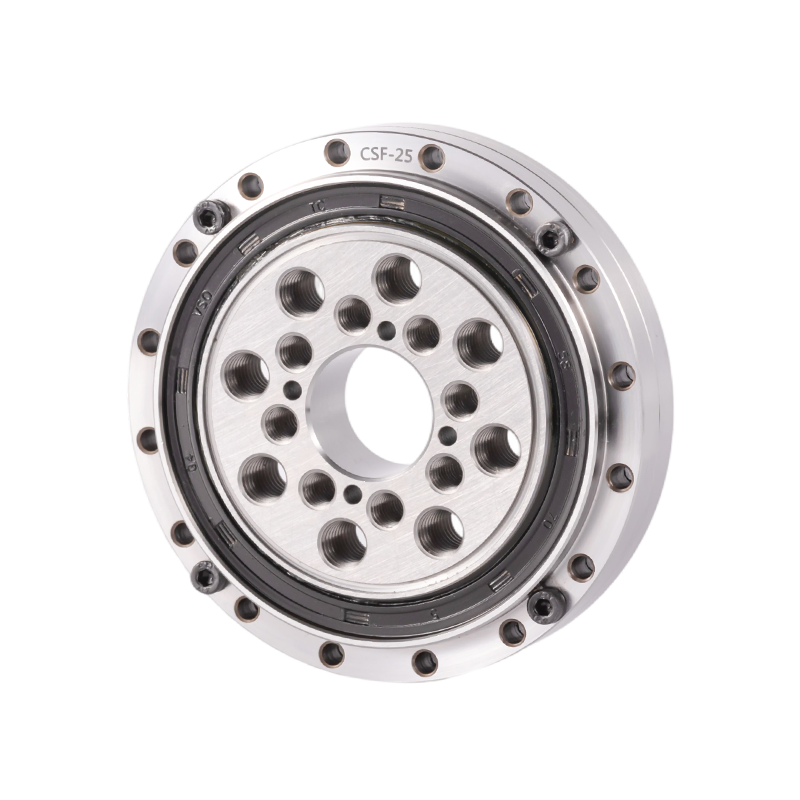
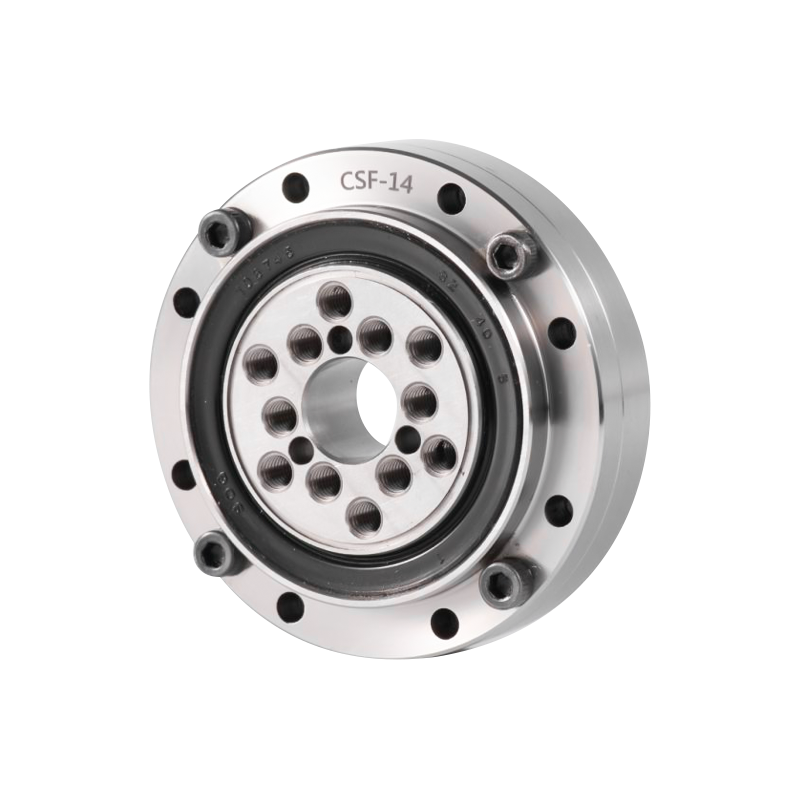
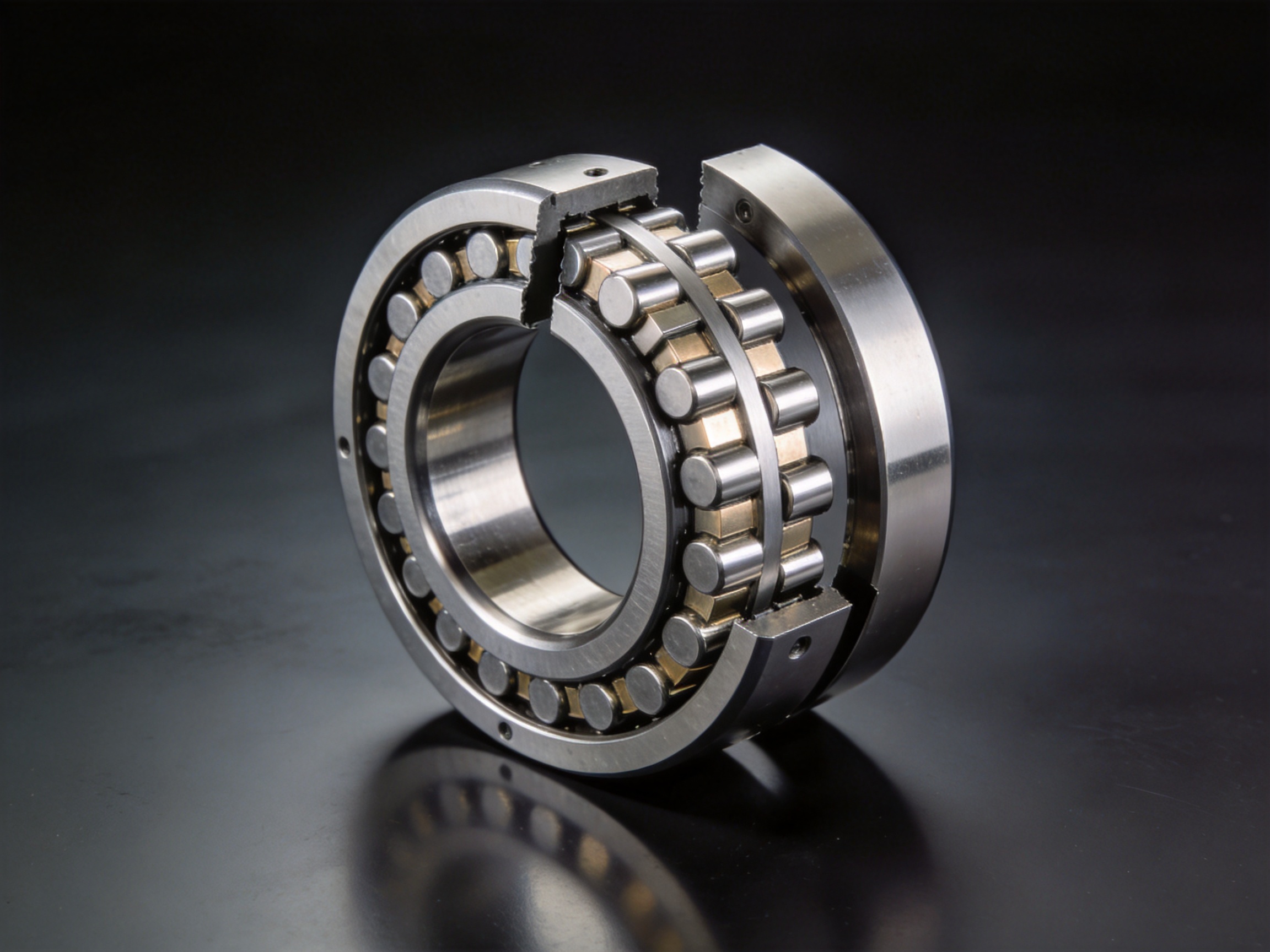
This bearing belongs to the cross roller bearing category and is engineered for high-rigidity reducer applications. Its structure features an integral inner ring and a two-piece outer ring, a configuration that simplifies assembly while providing excellent rotational accuracy and strong load-bearing performance. Unlike conventional bearing arrangements that may require additional flanges, housings, or complex mounting structures, this series can be installed efficiently into compatible reducer systems, helping manufacturers save assembly time, reduce component count, and improve overall equipment reliability.
UKL Bearing Manufacturing Co., Ltd. produces this bearing with a strong focus on precision manufacturing, material control, heat treatment, grinding accuracy, and application-oriented engineering. The company integrates research and development, production, and international distribution, serving customers in robotics, CNC machinery, intelligent automation, medical technology, aerospace-related equipment, and industrial precision systems. With modern production lines covering forging, turning, heat treatment, grinding, assembly, and packaging, the company provides a complete manufacturing chain that supports consistent quality and customized bearing solutions.
A reducer bearing is not simply a passive component inside a transmission system. It directly affects stiffness, positioning precision, vibration behavior, torque transmission stability, and service life. In robotic joints, for example, the bearing must withstand radial loads, axial loads, overturning moments, and repeated acceleration and deceleration while maintaining accurate rotation. Even a small amount of deformation or clearance can cause positioning error, vibration, noise, and reduced repeatability.
Harmonic reducers are widely used in robot arms, collaborative robots, medical robots, and compact automation equipment because they provide high reduction ratios, compact structure, and zero-backlash motion characteristics. However, the performance of a harmonic reducer depends heavily on the rigidity and precision of its bearing support system. If the bearing cannot maintain stable geometry under load, the reducer may lose accuracy, generate heat, or suffer premature wear. A high-rigidity reducer bearing is therefore essential for achieving stable and repeatable motion.
The CSF G High Rigidity Reducer Bearing is designed to meet these needs through its compact cross roller structure and optimized ring design. Crossed rollers allow the bearing to support loads from multiple directions in a single compact unit. The alternating roller arrangement enables high rigidity and high moment load capacity, which are essential for reducer output sections and precision rotary mechanisms. This makes the bearing suitable for applications where a conventional deep groove ball bearing or standard angular contact bearing arrangement may not provide enough stiffness or combined load capacity.
The structural design of this series is one of its strongest advantages. The bearing uses an integral inner ring and a two-piece outer ring. This construction is particularly suitable for reducer applications because it supports accurate mounting, stable rotation, and efficient assembly. The integral inner ring improves structural continuity and helps maintain raceway accuracy under load. The two-piece outer ring allows easier installation and preload adjustment in the reducer assembly, supporting precise integration with harmonic reducer components.
One important advantage of this design is that it eliminates the need for additional flanges and bearing housings in many installations. In conventional systems, designers often need to add support structures around the bearing, increasing size, weight, assembly complexity, and machining cost. By using a bearing configuration optimized for direct installation, equipment manufacturers can simplify mechanical design and reduce the number of parts in the reducer unit.
This design also supports compact equipment architecture. In robot joints, every millimeter of space matters. A smaller bearing arrangement can reduce the size of the joint housing, improve robot flexibility, and reduce moving mass. Lower moving mass improves acceleration performance, reduces energy consumption, and helps extend the service life of the drive system. For medical and aerospace applications, compactness is equally important because equipment must combine high precision with limited space and strict weight requirements.
The bearing is especially suitable for CSF G harmonic reducer applications. These reducers require high torque transmission and precise positioning in compact motion systems. By matching the bearing structure to the reducer design, the bearing can provide strong support for the output mechanism while maintaining smooth and stable rotation. This helps ensure that the reducer performs consistently in demanding duty cycles.
The performance of a precision bearing begins with material quality. This bearing series uses GCr15 bearing steel, a widely recognized high-carbon chromium bearing steel known for its hardness, wear resistance, fatigue strength, and dimensional stability after proper heat treatment. For reducer bearings operating under high load and repeated motion, material fatigue resistance is critical. The raceways and rolling elements are constantly exposed to contact stress, and inferior materials can lead to pitting, spalling, deformation, or early failure.
GCr15 bearing steel provides the foundation for long service life in high-speed and high-load environments. Its chemical composition allows it to achieve high hardness after quenching while retaining the toughness needed to resist cracking and impact-related damage. For precision reducer bearings, the material must also respond predictably to heat treatment, because uneven hardness or dimensional distortion can reduce rotational accuracy.
UKL Bearing Manufacturing Co., Ltd. emphasizes controlled material selection as part of its manufacturing philosophy. Material consistency supports stable processing in turning, heat treatment, and grinding. It also helps ensure that each bearing meets the required standards for rigidity, precision, and durability. For customers in robotics, CNC machinery, medical equipment, and automation, consistent material performance is essential because bearing failure can cause costly downtime and affect the reliability of the entire system.
Heat treatment is one of the most important processes in bearing manufacturing. The CSF G High Rigidity Reducer Bearing uses different heat treatment strategies for the outer ring and inner ring to optimize performance. The outer ring uses an integral quenching process to enhance structural strength and improve durability. Integral quenching helps the outer ring achieve uniform hardness and strength throughout the component, supporting stable operation under complex load conditions.
The inner ring uses high-frequency quenching, especially to improve the hardness and wear resistance of the raceway contact area. This is important because the raceway is where the rollers repeatedly transmit load. Higher raceway hardness improves resistance to wear, indentation, and surface fatigue. At the same time, controlled high-frequency quenching helps maintain a balance between hardened surface performance and core toughness.
The combination of integral quenching for the outer ring and high-frequency quenching for the inner ring reflects an application-specific manufacturing strategy. Rather than applying a single generic process to all components, the bearing is engineered according to the functional requirements of each ring. This approach helps improve the life, rigidity, and operational stability of the finished bearing.
Advanced heat treatment also supports dimensional accuracy. In precision reducer bearings, any distortion after heat treatment can affect raceway geometry, preload, rotational accuracy, and mounting precision. The company’s integrated production process allows heat treatment to be coordinated with subsequent grinding and inspection operations, ensuring that the final bearing geometry meets the requirements of high-precision applications.
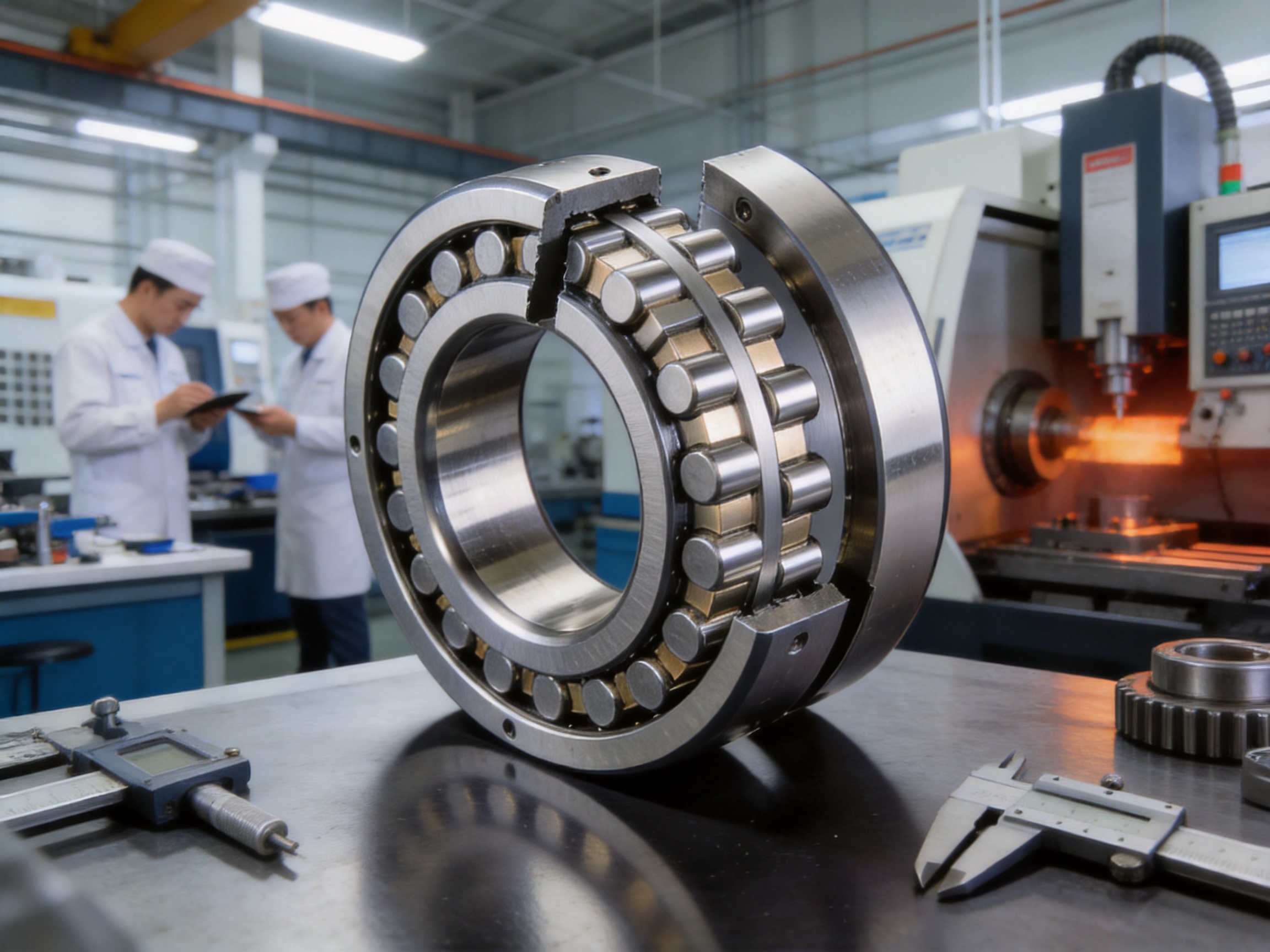
UKL Bearing Manufacturing Co., Ltd. operates a modernized factory equipped with multiple production lines covering forging, turning, heat treatment, grinding, assembly, and packaging. This integrated manufacturing structure allows the company to control key production stages internally and maintain consistency from raw material preparation to final shipment. For high-rigidity reducer bearings, this level of process control is especially important because small deviations in raceway geometry, ring flatness, or mounting hole accuracy can affect reducer performance.
The manufacturing process begins with material preparation and forging. Proper forging improves material density and grain flow, contributing to mechanical strength and fatigue resistance. After forging, turning operations create the basic geometry of the rings, including outer diameter, inner diameter, thickness, and mounting features. Turning accuracy provides the foundation for later grinding precision.
Heat treatment follows, giving the bearing rings the necessary hardness and strength. As discussed earlier, the outer ring and inner ring receive processes suited to their functional roles. After heat treatment, grinding is performed to achieve precision dimensions, raceway form, and surface finish. Grinding quality directly affects noise, vibration, rotational accuracy, and load distribution. In high-precision bearings, raceway roughness and geometric accuracy determine whether the rolling elements can move smoothly under preload.
Assembly is another critical stage. The rollers must be accurately arranged, the ring components must be aligned, and the internal clearance or preload must be controlled. In cross roller bearings, the alternating roller orientation enables multi-directional load capacity, but it also requires careful assembly to avoid uneven load distribution. A well-assembled bearing provides smooth rotation, stable rigidity, and predictable performance under combined loads.
Final inspection and packaging complete the process. Precision bearings require protection from contamination, impact, and corrosion during storage and transportation. Proper packaging helps ensure that the product arrives ready for installation. For international customers, export packaging and consistent documentation are important aspects of supply reliability.
The CSF G High Rigidity Reducer Bearing offers several advantages over conventional bearing arrangements used in reducer systems. First, it provides high rigidity in a compact structure. Traditional solutions may require multiple bearings arranged together to support radial, axial, and moment loads. This increases space requirements and assembly complexity. A cross roller reducer bearing can support complex loads within a single compact unit, reducing the overall size of the mechanism.
Second, the integral inner ring and two-piece outer ring design improve installation efficiency. Competitor products or standard bearing arrangements may require additional housings, flanges, spacers, or adjustment procedures. The optimized structure of this series reduces the need for extra components and allows faster assembly into compatible reducer systems. For manufacturers producing robots, rotary tables, or precision equipment in volume, shorter assembly time can reduce production cost and improve output consistency.
Third, the bearing provides high torque capacity and high load resistance. Reducer output sections often experience large torque, especially in robotic joints and indexing equipment. A bearing with insufficient moment rigidity may deform under load, leading to angular error or vibration. The cross roller configuration helps distribute load efficiently and maintain stable geometry during operation.
Fourth, the product offers high positioning and rotational accuracy. Precision reducer systems are expected to move to exact positions repeatedly. Bearing runout, internal clearance, and deformation all influence final system accuracy. Through precision manufacturing and optimized design, the bearing supports accurate motion control, making it suitable for demanding applications such as surgical robots, radar positioning systems, precision rotary tables, and machine tools.
Fifth, the bearing is small and lightweight compared with many equivalent multi-bearing arrangements. Compactness is a major advantage in robotics and medical equipment. A smaller, lighter bearing system can reduce inertia and improve dynamic response. It can also help equipment designers create slimmer, more efficient machines.
Sixth, the bearing is manufactured with attention to durability. GCr15 bearing steel, controlled heat treatment, precision grinding, and careful assembly all contribute to wear resistance and stable service life. In many applications, reliability is more valuable than initial component cost. A bearing that maintains performance over time can reduce maintenance frequency, improve machine uptime, and lower total cost of ownership.
The bearing’s key technical features can be summarized as high torque capacity, high rigidity, high positioning accuracy, high rotational accuracy, high efficiency, high stability, compact size, and lightweight construction. These features are not independent; they reinforce each other. A rigid bearing improves positioning accuracy. Accurate raceways reduce vibration and improve efficiency. Compact construction reduces installation complexity and supports lighter equipment design.
High torque capacity is essential in reducer systems because torque output can be large even when motor input is relatively small. The bearing must support the mechanical forces generated by the reducer while preserving alignment. If the bearing loses rigidity, torque transmission may become less stable and cause uneven wear.
High positioning accuracy is important in robotic and automation systems where repeated movement to the same point is required. In welding robots, inspection machines, medical robots, and indexing tables, positioning error can reduce product quality or compromise operational safety. The bearing supports accurate rotation by maintaining stable geometry and minimizing unwanted movement.
High efficiency and stability are achieved through optimized design and precision manufacturing. Smooth rolling contact reduces friction and heat generation. Stable internal geometry reduces vibration and noise. These properties are especially important in continuous operation or high-duty-cycle equipment.
Small size and light weight make the bearing suitable for compact precision mechanisms. This is particularly valuable in robot joints, where a heavy component at the end of an arm increases inertia and reduces control responsiveness. By reducing size and mass while maintaining rigidity, the bearing helps improve overall system performance.
The CSF G High Rigidity Reducer Bearing series includes multiple sizes to support different reducer models and load requirements. The following table summarizes the available bearing types and main dimensional data based on the provided product information. The data can assist engineers in preliminary selection, although final selection should also consider load conditions, operating speed, mounting accuracy, lubrication, and environmental factors.
| Bearing Type | Outer Diameter D mm | Inner Dimension d mm | C mm | H mm | B mm | dm PCD / Hole | dn PCD / Thread | dl PCD / Thread | Weight kg |
| CSF(G)-14 | 55 | 11 | 16 | 16.5 | 13.5 | 49 / 8-φ3.5 | 23 / 6-M4 | 17 / 6-M4 | 0.15 |
| CSF(G)-17 | 62 | 10 | 16 | 16.5 | 13.5 | 56 / 10-φ3.5 | 27 / 6-M5 | 19 / 6-M5 | 0.24 |
| CSF(G)-20 | 70 | 14 | 16 | 16.5 | 13.5 | 64 / 12-φ3.5 | 32 / 8-M6 | 24 / 8-M5 | 0.30 |
| CSF(G)-25 | 85 | 20 | 18 | 18.5 | 16.5 | 79 / 16-φ3.5 | 42 / 8-M8 | 30 / 8-M6 | 0.45 |
| CSF(G)-32 | 112 | 26 | 21.5 | 22.5 | 19 | 104 / 16-φ4.5 | 55 / 8-M10 | 40 / 8-M8 | 0.90 |
| CSF(G)-40 | 126 | 24/32 | 22.5 | 24 | 21.5 | 117 / 20-φ5 | 68 / 8-M10 | 50 / 8-M10 | 1.30 |
| CSF(G)-50 | 157 | 32/40 | 30 | 31 | 28 | 147 / 16-φ5.5 | 84 / 8-M14 | 60 / 8-M14 | 2.80 |
| CSF(G)-65 | 210 | 44/52 | 37 | 39 | 35 | 198 / 20-φ6.5 | 110 / 8-M16 | 80 / 8-M16 | 7.90 |
This dimensional range supports applications from compact robotic joints to larger precision rotary mechanisms. The lower-weight sizes are suitable for small robots, compact medical devices, and lightweight automation modules. Larger sizes are suitable for equipment that requires higher torque transmission, larger moment load capacity, and stronger structural support.
Robotic systems are one of the most important application areas for high-rigidity reducer bearings. In a robot joint, the reducer bearing supports the output section and directly affects the robot’s motion accuracy. Industrial robots, collaborative robots, service robots, and specialized medical robots all require precise, repeatable, and stable joint movement. The bearing must resist combined loads while allowing smooth rotation under changing speed and torque conditions.
In welding robots, the joint bearing must support repeated acceleration and deceleration while maintaining positioning accuracy. A loss of rigidity can cause torch positioning error, poor weld quality, or inconsistent production results. In collaborative robots, smooth motion and compact design are especially important because the robot operates near people and must deliver controlled, safe movement. A high-precision reducer bearing contributes to smoother motion and better control response.
In humanoid robots and advanced automation platforms, the demand for compact high-torque joints is increasing. These systems need bearings that can combine small size with strong load capacity. The CSF G High Rigidity Reducer Bearing is suitable for such designs because it supports high rigidity in a compact form. Its simplified mounting structure also helps reduce joint complexity, an important advantage when many joints must be assembled in a single machine.
Medical equipment requires high accuracy, reliability, cleanliness, and stable operation. Surgical robots, diagnostic systems, imaging equipment, and precision positioning devices often rely on compact rotary mechanisms that must move smoothly and accurately. In surgical robots, the motion system must respond precisely to control commands. Any unwanted play, vibration, or error in the joint can affect operational accuracy.
The high positioning accuracy and rigidity of the CSF G High Rigidity Reducer Bearing make it suitable for medical robot joints and compact positioning systems. The bearing’s ability to support combined loads in a small space helps medical device designers create compact mechanisms without sacrificing stability. Smooth rotation and controlled preload can also reduce vibration, contributing to better system performance.
Reliability is particularly important in medical applications. Equipment must operate consistently over long service periods and often under strict maintenance schedules. A bearing made from high-quality GCr15 steel and processed through controlled heat treatment and precision grinding offers the durability needed for such environments. Although final medical equipment validation depends on the complete device design, the bearing provides a strong mechanical foundation for precise motion.
Aerospace-related equipment and high-precision positioning systems demand components that can deliver stability, low weight, and accurate motion. Positioning platforms, optical instruments, tracking systems, and specialized test equipment may operate under conditions where vibration and deformation must be minimized. Bearings used in these systems must maintain accuracy under load and often need to fit into compact structures.
The high rigidity and lightweight design of this reducer bearing support such requirements. In aerospace equipment, reducing weight can be as important as increasing strength. A compact cross roller bearing can replace more complex bearing arrangements and help reduce overall system mass. At the same time, its moment rigidity helps maintain alignment and angular precision.
Applications such as communication radar, weather radar, large radio telescopes, and optical telescopes require accurate and stable rotation. The bearing must support large structures or precision platforms while enabling controlled movement. High rotational accuracy helps maintain pointing precision, while rigidity helps resist deflection from external forces. For these systems, a bearing with stable performance over time contributes directly to measurement accuracy and operational reliability.
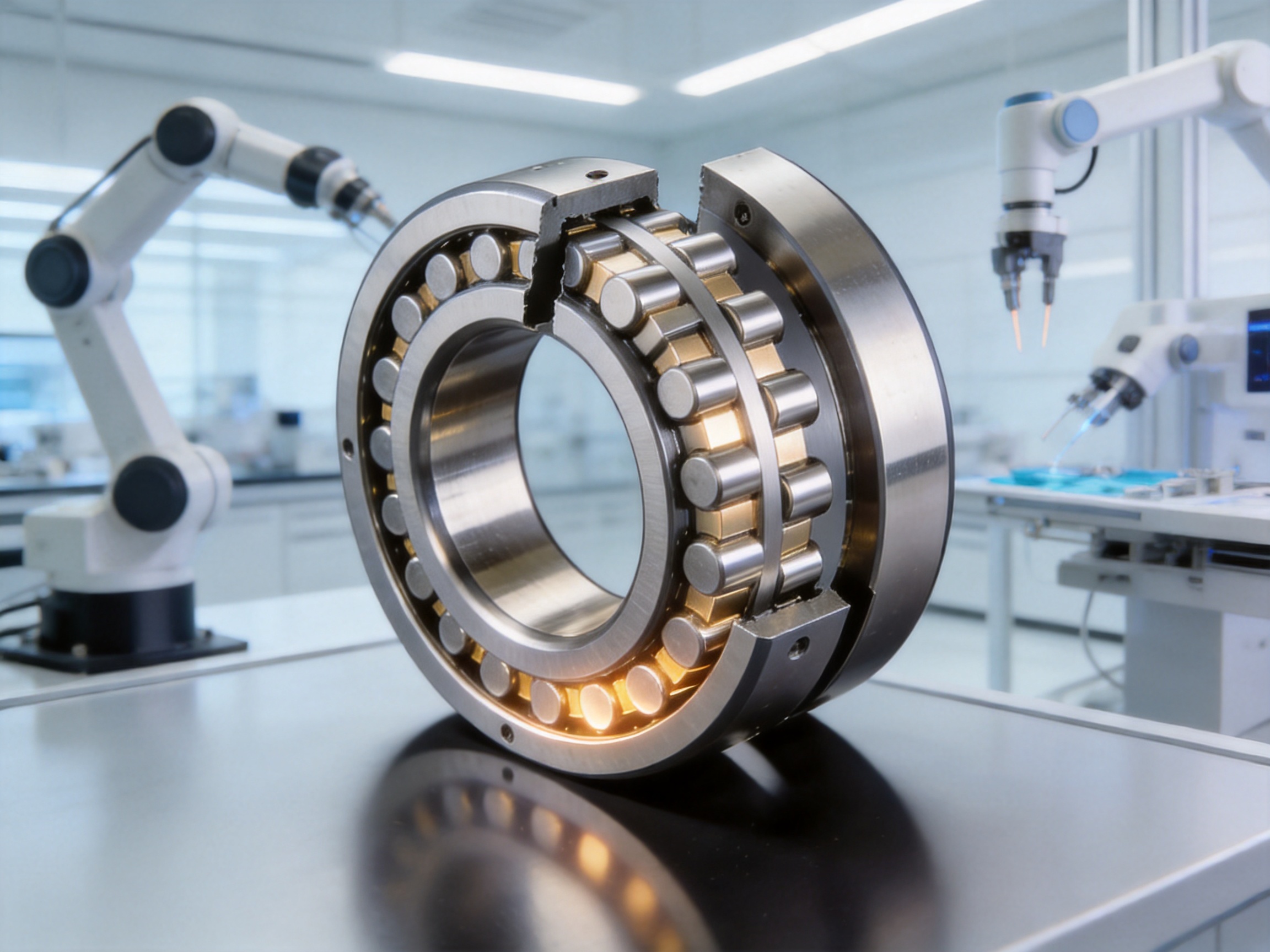
Precision rotary indexing tables and machine tools require bearings that can support accurate rotational positioning under machining loads. In CNC equipment, rotary axes must maintain stiffness while cutting forces act on the workpiece and fixture. If the bearing deforms, machining accuracy can be affected. Surface finish, dimensional accuracy, and repeatability all depend partly on the stability of the rotary support system.
The CSF G High Rigidity Reducer Bearing can be used in precision rotary tables, indexing mechanisms, and testing instruments where high rigidity and rotational accuracy are required. Its cross roller design provides strong moment load capacity, making it suitable for rotary platforms that experience off-center loads. The compact structure also supports machine tool designs where space is limited.
In precision testing instruments, smooth and accurate motion is essential for reliable measurement. Bearing runout, vibration, or uneven friction can introduce measurement error. By using precision grinding and controlled assembly, the bearing supports stable movement and improved repeatability. This makes it suitable for advanced inspection systems and laboratory equipment requiring precise rotational control.
One of the practical advantages of the bearing is easier installation. Because the product structure eliminates the need for certain flanges and bearing housings in suitable reducer designs, equipment manufacturers can simplify the assembly process. Fewer parts mean fewer tolerance stack-up issues, fewer fastening points, and fewer opportunities for assembly error.
Design flexibility is another important benefit. Engineers developing compact automation systems often need to balance load capacity, stiffness, available space, and cost. A bearing that combines multiple support functions in one compact unit gives designers more freedom. It can help reduce housing size, shorten the axial length of the mechanism, and simplify the reducer output structure.
For volume production, simplified installation can also improve manufacturing efficiency. When each robot joint or reducer assembly requires less adjustment, production becomes more consistent. Assembly workers can follow a more standardized process, and quality control becomes easier. This advantage is especially valuable for OEM clients producing large quantities of automation equipment.
In many reducer applications, competitors may use separate angular contact bearings, tapered roller bearings, or custom housing-supported bearing arrangements. These solutions can be effective, but they often require more axial space, more components, and more careful adjustment. They may also increase the risk of misalignment if the surrounding housing is not machined with sufficient accuracy.
Compared with such arrangements, the CSF G High Rigidity Reducer Bearing provides a more integrated solution. Its cross roller structure supports radial, axial, and moment loads in a compact bearing. This reduces the need to combine multiple bearing types. The integrated inner ring and split outer ring design support direct mounting and precise reducer integration.
Another competitive advantage is the company’s complete process control. Some suppliers may rely heavily on outsourced processing, which can make quality consistency harder to manage. UKL Bearing Manufacturing Co., Ltd. integrates multiple production stages, including forging, turning, heat treatment, grinding, assembly, and packaging. This allows better coordination between processes and supports stable product quality.
The company also has experience in OEM and ODM export projects, giving it the ability to support custom requirements for international customers. This is important because reducer bearing applications can vary by equipment type, load profile, installation method, and accuracy requirement. A supplier that understands both manufacturing and application engineering can provide more practical support than a supplier offering only standard catalog products.
UKL Bearing Manufacturing Co., Ltd. has developed as an integrated manufacturer and trader with a focus on precision bearings and engineering services. The company has over 15 years of OEM and ODM export experience and supports customers across Europe, Asia, Africa, Russia, and other markets. Its products are exported to regions including the United States, Italy, Germany, Poland, South Africa, Egypt, and India.
The company’s monthly production capacity ranges from 10,000 to 50,000 units, depending on product type and production schedule. This capacity allows it to serve both standard orders and customized projects. For industrial customers, stable production capacity is important because bearing supply interruptions can delay equipment manufacturing. A dependable bearing partner helps maintain production continuity.
The company’s factory includes multiple production lines for major bearing manufacturing processes. This integrated structure supports process traceability and quality management. By controlling key operations internally, the company can respond more quickly to technical requirements, production adjustments, and quality feedback. This is particularly valuable for precision bearings where each process affects final performance.
Technology is central to the company’s competitiveness. Its R&D team develops high-precision cross roller bearings, dual-direction thrust angular contact ball bearings, and other products used in CNC machines, robotics, and intelligent automation systems. Digital production control and precision design methods help ensure that products meet international standards for accuracy and performance.
Advanced bearing applications require more than manufacturing capability. They require engineering knowledge, application understanding, and technical communication. UKL Bearing Manufacturing Co., Ltd. provides support for bearing selection, installation guidance, and after-sales service. Its multilingual service team supports international customers with rapid technical response, helping reduce communication barriers in global projects.
R&D capability is especially important for cross roller bearings and reducer bearings because these products often operate in complex load conditions. Engineers must consider raceway geometry, preload, roller arrangement, mounting stiffness, lubrication, heat generation, and service environment. A small design change can influence rigidity, friction, and life. By maintaining a dedicated R&D team, the company can improve existing products and develop solutions for emerging automation technologies.
OEM and ODM experience also means the company can work with equipment manufacturers during the product development stage. Instead of simply supplying a standard bearing after the design is complete, it can help customers evaluate whether a bearing size, structure, or material process is appropriate for the application. This collaborative approach can reduce design risk and shorten development cycles.
For precision equipment manufacturers, the true value of a bearing is not measured only by purchase price. It is measured by accuracy retention, service life, installation efficiency, downtime reduction, and customer satisfaction. A low-quality bearing may reduce initial cost but can lead to expensive failures, maintenance, warranty claims, and performance problems. In high-end robotics or medical equipment, reliability is essential.
The CSF G High Rigidity Reducer Bearing is designed to provide long-term value through durable materials, optimized heat treatment, precision manufacturing, and application-oriented structure. Its high rigidity supports stable motion over time. Its wear-resistant raceways help maintain accuracy. Its compact installation reduces mechanical complexity. These advantages contribute to lower total system cost and improved equipment performance.
Reliability also depends on proper selection and installation. Engineers should evaluate load magnitude, load direction, duty cycle, operating speed, lubrication method, temperature, contamination exposure, and mounting accuracy. A high-quality bearing must be paired with a suitable design environment to achieve its full performance potential. The company’s technical support can help customers make informed decisions during selection and installation.
Modern manufacturing must consider environmental responsibility as well as product performance. UKL Bearing Manufacturing Co., Ltd. treats sustainability as a long-term commitment. The company adopts environmentally responsible processes, promotes material recycling, and optimizes energy usage to reduce its environmental footprint. In bearing manufacturing, responsible material use and energy-efficient production can contribute to more sustainable industrial supply chains.
Precision bearings also support sustainability indirectly by improving machine efficiency and service life. A bearing that reduces friction, maintains accuracy, and lasts longer can help reduce energy consumption and replacement frequency. In automation systems, efficient motion components contribute to lower operating energy and more reliable production. Long service life also reduces waste generated by premature component replacement.
The company also supports educational and technical training initiatives to foster future engineering talent. This reflects a broader commitment to industrial development and technical progress. As intelligent manufacturing expands globally, skilled engineers and technicians will be essential for designing, producing, and maintaining advanced motion systems.
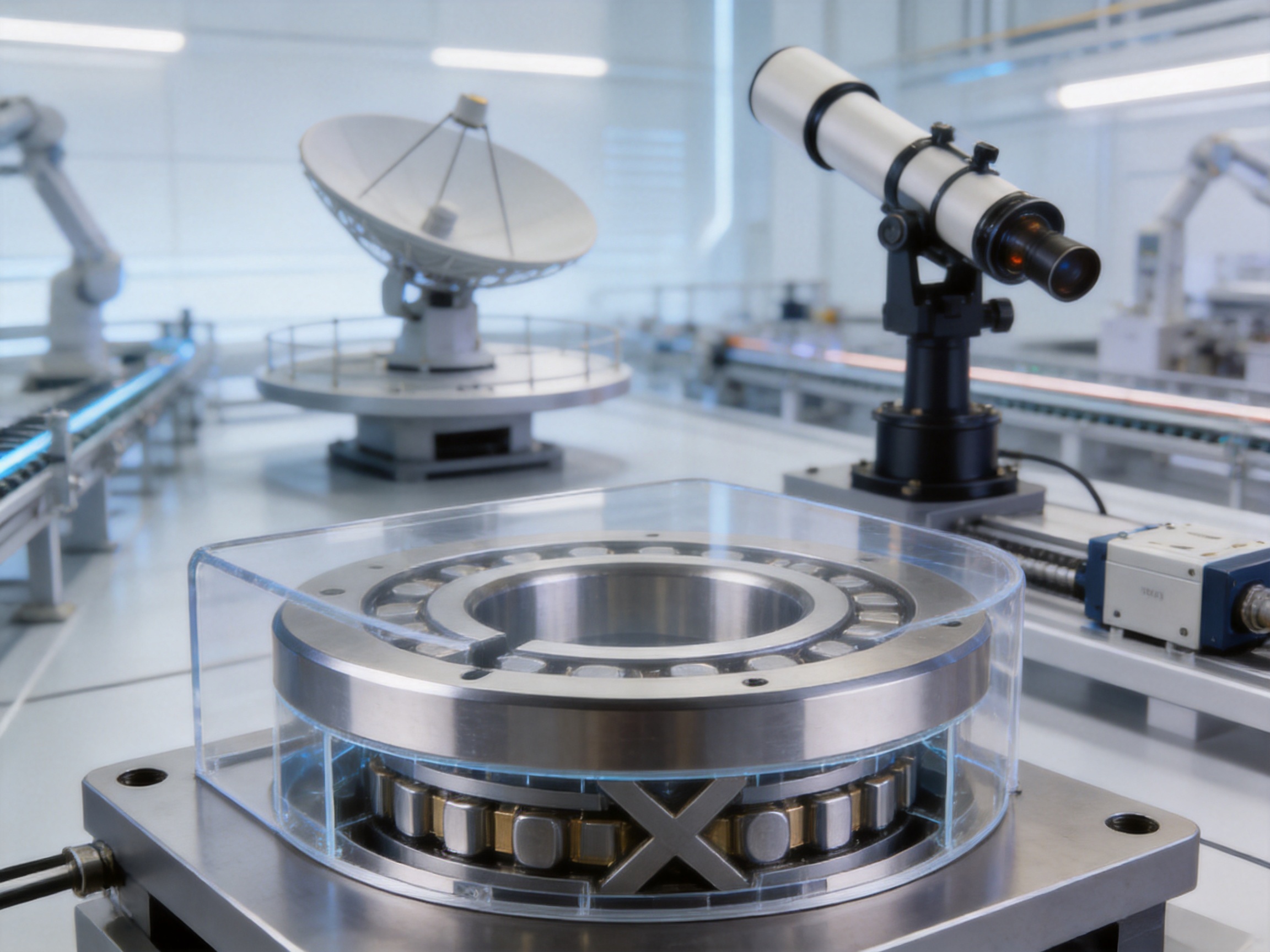
When selecting a high-rigidity reducer bearing, engineers should begin by identifying the application requirements. These include maximum radial load, axial load, overturning moment, torque, rotational speed, positioning accuracy, stiffness requirement, available installation space, temperature range, and expected service life. The selected bearing must meet both static and dynamic load conditions while maintaining the required accuracy.
Mounting accuracy is critical. Even a high-precision bearing can perform poorly if the surrounding components are not machined accurately. Housing flatness, mounting surface perpendicularity, bolt hole accuracy, and shaft alignment all influence final performance. The bearing should be installed according to appropriate torque and sequence recommendations to avoid distortion.
Lubrication is another key factor. Proper lubrication reduces friction, wear, heat, and noise. The lubrication method should match the operating speed, load, temperature, and maintenance plan. In some applications, grease lubrication may be suitable, while others may require special lubrication arrangements. Contamination control is also essential because particles can damage raceways and reduce service life.
Preload and clearance should be carefully managed. Cross roller bearings often require controlled preload to achieve rigidity and eliminate play. However, excessive preload can increase friction and heat generation. Proper installation and adjustment help balance rigidity with smooth operation.
Finally, engineers should consider supplier capability. A bearing for a precision reducer is not a simple commodity part. Supplier experience, manufacturing control, technical support, customization ability, and export reliability all affect project success. A supplier with integrated production and application knowledge can provide more value than a supplier focused only on price.
Automation technology is moving toward higher precision, smaller size, greater intelligence, and more flexible deployment. Robots are being used not only in large factories but also in laboratories, hospitals, logistics centers, food processing facilities, and service environments. These new applications require compact, reliable, and accurate motion components. High-rigidity reducer bearings are at the center of this development.
The CSF G High Rigidity Reducer Bearing aligns well with these trends. Its compact cross roller structure supports smaller robot joints and precision modules. Its high torque capacity supports powerful motion in limited space. Its high rotational accuracy supports advanced control systems. Its simplified installation supports efficient manufacturing. Its durable material and heat treatment support long-term reliability.
As intelligent manufacturing expands, customers increasingly expect mechanical components to integrate smoothly into digital production systems. Bearings must offer predictable performance, consistent quality, and stable supply. UKL Bearing Manufacturing Co., Ltd. supports this requirement through precision design, digital production control, R&D capability, and international service experience.
In the future, demand for high-precision reducer bearings will continue to grow in robotics, medical systems, aerospace positioning, optical equipment, radar systems, and advanced machine tools. Products that combine rigidity, precision, compactness, and manufacturability will have a strong advantage. This bearing series is positioned to serve those evolving markets.
It is mainly used in precision reducer systems, especially harmonic reducers for robot joints, rotating components, medical equipment, aerospace positioning systems, radar platforms, precision rotary tables, machine tools, testing instruments, optical telescopes, and other high-accuracy motion mechanisms.
The bearing uses a cross roller structure with an integral inner ring and a two-piece outer ring. This design provides high rigidity, strong combined load capacity, high rotational accuracy, and simplified installation. Ordinary bearings may require multiple units or extra housings to achieve similar support performance.
The integral inner ring improves structural continuity and helps maintain raceway accuracy under load. This supports stable rotation, high rigidity, and accurate positioning in reducer applications.
The two-piece outer ring supports easier installation and integration into reducer systems. It helps simplify assembly while allowing the bearing to maintain accurate geometry and stable performance.
The bearing uses GCr15 bearing steel, which provides excellent hardness, wear resistance, fatigue strength, and durability after proper heat treatment. This material is suitable for high-load and high-speed bearing applications.
The outer ring uses an integral quenching process to enhance strength and durability. The inner ring uses high-frequency quenching to improve raceway hardness and wear resistance, supporting longer service life and stable operation.
It provides high rigidity and high positioning accuracy, which help robot joints maintain precise movement under torque and load. Its compact size also supports smaller and lighter robot joint designs.
Yes. Because it can support radial, axial, and moment loads in a compact unit, it can reduce the need for multiple separate bearings and additional support structures. This helps designers create smaller and lighter mechanisms.
UKL Bearing Manufacturing Co., Ltd. offers integrated production covering forging, turning, heat treatment, grinding, assembly, and packaging. The company also provides R&D support, OEM and ODM experience, international export capability, technical response, and customized bearing services.
Yes. It is designed for applications requiring high rotational accuracy, high rigidity, compact size, and stable performance. Suitable equipment includes precision machine tools, rotary indexing tables, medical robots, radar systems, and optical positioning devices.
The CSF G High Rigidity Reducer Bearing is a precision bearing solution designed for demanding reducer applications where rigidity, accuracy, compactness, and reliability are essential. Its integral inner ring and two-piece outer ring structure simplify installation and improve mechanical stability. Its cross roller design provides strong combined load capacity and high moment rigidity. Its GCr15 bearing steel, specialized heat treatment, precision grinding, and controlled assembly support long service life and consistent performance.
Compared with conventional bearing arrangements, this bearing offers clear advantages in compact design, installation efficiency, torque capacity, positioning accuracy, and structural rigidity. These benefits are particularly valuable in robot joints, medical equipment, aerospace positioning systems, radar platforms, precision machine tools, and advanced automation systems. As industries continue moving toward smarter, smaller, and more accurate motion systems, high-rigidity reducer bearings will play an increasingly important role.
UKL Bearing Manufacturing Co., Ltd. strengthens the product’s value through integrated manufacturing capability, R&D expertise, international service experience, and a commitment to precision engineering. With modern production lines and a focus on quality control, the company is positioned to support global customers seeking reliable bearing solutions for high-performance equipment. For manufacturers developing the next generation of robotics and precision machinery, this bearing series offers a strong foundation for accurate, stable, and efficient motion.
Harris, T. A., and Kotzalas, M. N. Rolling Bearing Analysis: Essential Concepts of Bearing Technology. CRC Press.
Brändlein, J., Eschmann, P., Hasbargen, L., and Weigand, K. Ball and Roller Bearings: Theory, Design and Application. Wiley.
ISO 281. Rolling Bearings: Dynamic Load Ratings and Rating Life. International Organization for Standardization.
ISO 492. Rolling Bearings: Radial Bearings: Geometrical Product Specifications and Tolerance Values. International Organization for Standardization.
Japanese Industrial Standards Committee. Rolling Bearings: General Technical Standards and Precision Bearing Application Guidelines.
Precision Motion Control Engineering Handbook. Industrial Automation and Robotics Bearing Applications.
Product Categories
Contact Us

Jane@ukl-bearing.com
Jenny@ukl-bearing.com
Andy@ukl-bearing.com
Ivy@ukl-bearing.com

+86-510- 88763239
+86-15371057968

No.1 Hehuan Road, Hudai Town, Binhu District, Wuxi City.
Ready to Begin?
Get in Touch

Now!
UKL BEARING
 English
 Español
 русский