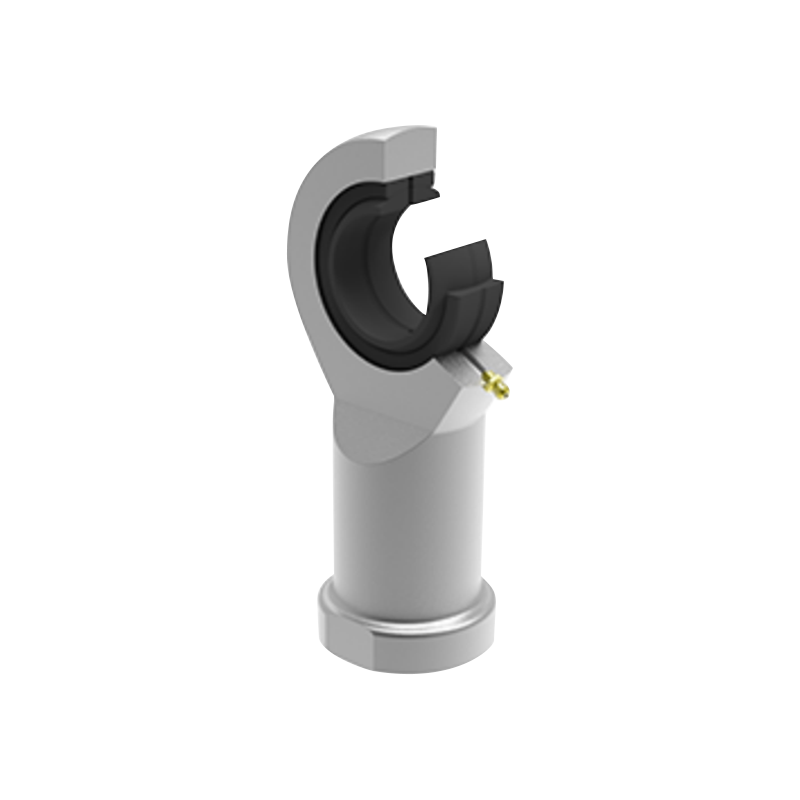
Content
In modern mechanical equipment, a rod end bearing is often a small component carrying a large responsibility. It connects moving parts, compensates for angular misalignment, transmits radial and combined loads, and helps equipment remain stable under repeated motion. The SABP lubrication-compatible high-rigidity rod end bearing is designed for applications that require reliable articulation, strong structural support, and maintainable performance in demanding operating environments.
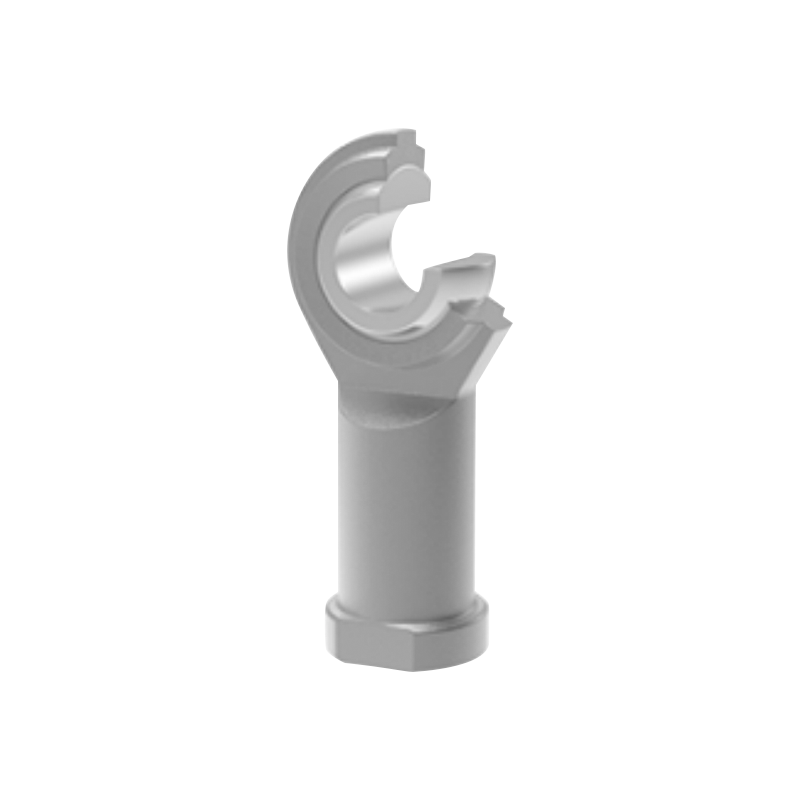
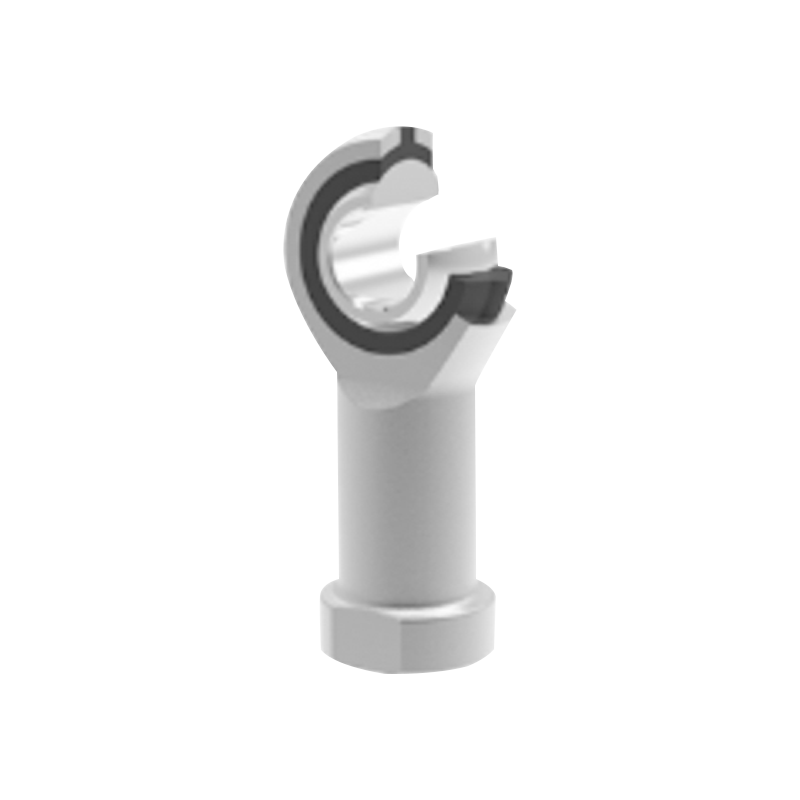
This bearing belongs to the rod end bearing category and uses a steel/bronze sliding friction pair. Its construction combines a galvanized high-quality carbon steel rod end body, an internal high-performance bronze liner, and a hardened bearing steel inner ring with a spherically hard chrome-plated surface. The result is a durable, rigid, and serviceable bearing solution suitable for mechanical linkages, automation systems, industrial equipment, agricultural machinery, packaging machines, and many other motion assemblies where stable oscillating or tilting movement is required.
Compared with ordinary rod ends that may rely on simpler materials, limited surface treatment, or lower manufacturing consistency, this product emphasizes rigidity, lubrication compatibility, wear resistance, and customization flexibility. For buyers and engineers, these advantages can translate into longer service life, lower maintenance uncertainty, better fit with special assemblies, and improved confidence in continuous production equipment.
SABP Lubrication Compatible High Rigidity Bearing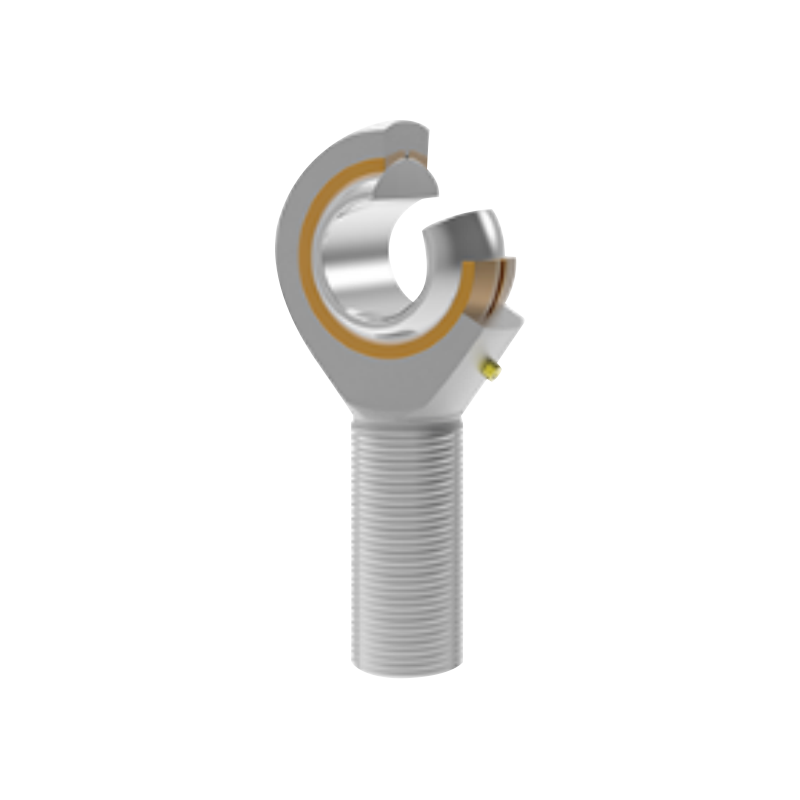
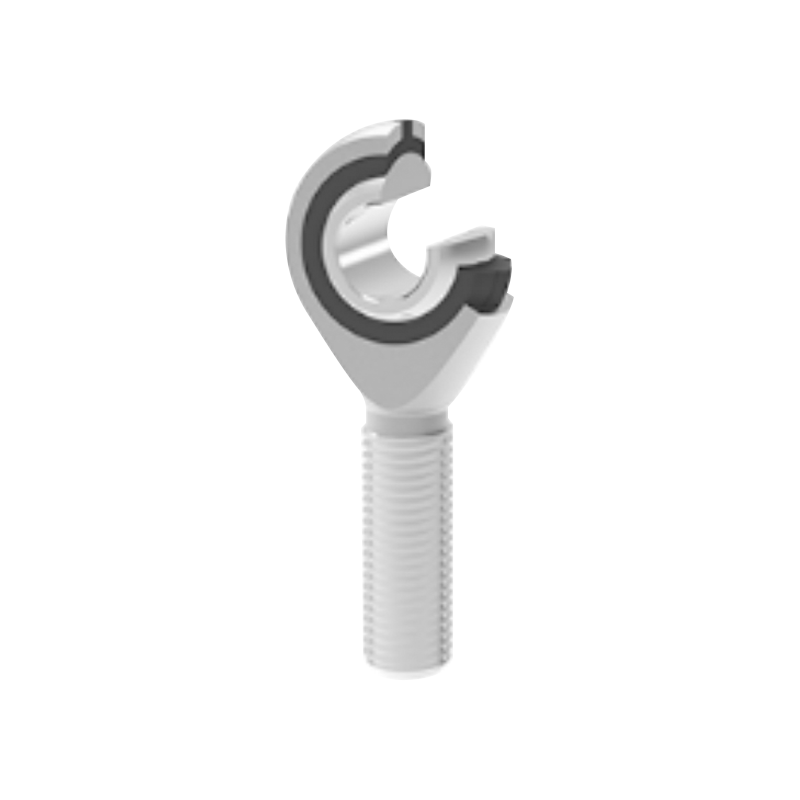
The SABP lubrication-compatible high-rigidity rod end bearing is a male-threaded rod end bearing series with nominal bore sizes from 5 mm to 30 mm. It is intended for assemblies where a shaft, pin, or bolt must pivot relative to a threaded connecting rod or bracket. The bearing accommodates angular motion while allowing the designer to transmit force through a compact and mechanically efficient connection.
The product’s sliding friction pair is steel/bronze. The inner ring is made of hardened bearing steel and receives a spherical hard chrome-plated surface. This spherical surface works against the bronze liner inside the rod end body. The bronze liner contributes favorable sliding characteristics and load-bearing capability, while the hard chrome surface provides high hardness, improved wear resistance, and a smooth mating surface.
The rod end body is made of high-quality carbon steel, and its galvanized surface helps improve resistance to environmental corrosion. In many real-world applications, rod ends are exposed to moisture, airborne dust, splash, handling damage, and periodic cleaning. Galvanizing is not a substitute for full stainless construction in aggressive corrosive media, but it provides a practical protective layer for general industrial use.
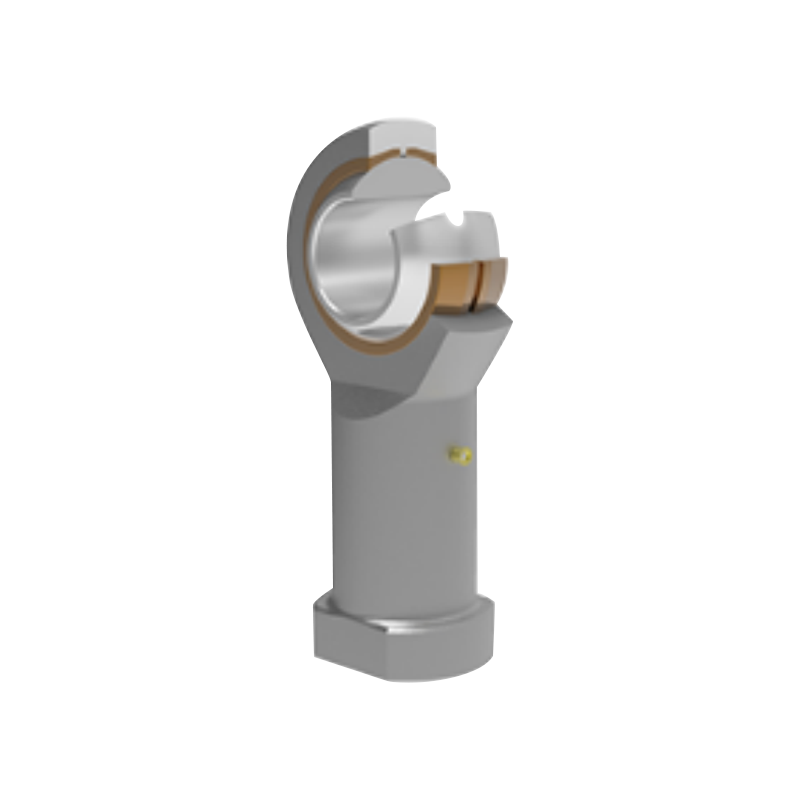
Except for smaller bore sizes below 6.35 mm, the series is equipped with an oil cup for lubrication. This feature is important because lubrication-compatible rod ends can be maintained during service. When correctly lubricated, the sliding pair can reduce friction, disperse heat, flush away fine contaminants, and maintain more predictable motion over time.
Not every rod end bearing is designed with the same maintenance philosophy. Some rod ends use self-lubricating liners and are intended for low-maintenance operation. Others, such as this steel/bronze design, are built to accept lubrication and benefit from periodic maintenance. For high-load, dirty, or repetitive-motion applications, lubrication compatibility can be a major advantage.
Lubrication provides a protective film between the hard chrome-plated spherical inner ring and the bronze liner. This film helps reduce direct metal-to-metal contact, which can slow wear and maintain smoother movement. In applications with oscillating motion, where the bearing does not complete full rotations, lubricant distribution can be challenging. An oil cup makes it easier to introduce lubricant directly into the contact area.
The ability to lubricate also gives maintenance teams more control. If equipment operates in dusty, wet, or high-duty-cycle conditions, lubrication intervals can be adjusted according to actual operating conditions. This flexibility is valuable for factories, mobile equipment, and mechanical systems that cannot tolerate unexpected play, seizure, or premature wear.
Compared with low-cost rod ends without lubrication access, a lubrication-compatible design offers a practical route to longer usable life. It allows the operator to support the bearing after installation rather than simply replacing it when friction increases. For many industrial customers, this serviceability is one of the most important differences between a commodity rod end and a higher-performance engineering component.
The rod end body must support threaded connection forces, house the sliding contact pair, and resist deformation under load. By using high-quality carbon steel, the bearing body provides the mechanical strength necessary for rigid linkage applications. Carbon steel is widely used for rod end housings because it offers a strong balance of strength, machinability, fatigue performance, and cost efficiency.
Rigidity is especially important when the bearing is installed in control rods, steering-style linkages, automation arms, or tension-compression mechanisms. If the rod end body deforms excessively, alignment accuracy can suffer and stress may concentrate at the thread or housing eye. A rigid body helps maintain geometry and gives the assembly a more predictable mechanical response.
The galvanized surface treatment helps protect the carbon steel body from oxidation in general environments. Rod ends often work outside sealed housings, so surface protection matters. Galvanizing improves the product’s ability to withstand storage, transportation, handling, and operation in ordinary industrial atmospheres.
For customers comparing rod end bearings, surface protection is a visible and practical quality indicator. A well-finished galvanized body helps reduce early rust formation and supports a cleaner appearance in assembled equipment. This is useful for machinery manufacturers that ship equipment internationally or store spare parts for long periods before use.
The internal bronze liner forms one half of the sliding friction pair. Bronze has long been valued in bearing applications because of its good sliding behavior, load capacity, compatibility with lubrication, and resistance to galling. In a steel/bronze pair, the bronze component works as the more conformable surface, supporting smooth movement against the hardened steel inner ring.
The bronze liner can accommodate micro-scale contact variations and helps distribute load over the spherical surface. When lubricant is present, bronze can operate with reduced friction and improved wear characteristics. This is a key advantage for applications involving repetitive oscillation, moderate speed, or combined radial and axial loading.
The inner ring is made of hardened bearing steel, which provides high surface hardness and structural integrity. Bearing steel is selected because it can maintain dimensional stability and resist contact stress under repeated loading. In a rod end bearing, the inner ring must carry load through the bore while articulating relative to the housing.
A hardened inner ring supports longer service life because it resists indentation, surface fatigue, and wear. This is especially important when the bearing is installed with a pin or shaft that sees frequent load reversals. A softer inner ring could wear quickly, increase clearance, and compromise linkage accuracy.
The spherical hard chrome-plated surface of the inner ring is a major performance feature. Hard chrome plating improves surface hardness and wear resistance while creating a smooth sliding surface. When paired with the bronze liner and proper lubrication, the hard chrome surface helps the bearing maintain stable articulation over repeated movement cycles.
In competitive comparisons, this feature can be especially valuable. Some lower-grade rod ends may use less durable surface treatments or inconsistent finishing, leading to higher friction, shorter life, or accelerated liner wear. A carefully finished hard chrome spherical surface improves the bearing’s ability to deliver smooth motion and dependable contact behavior.
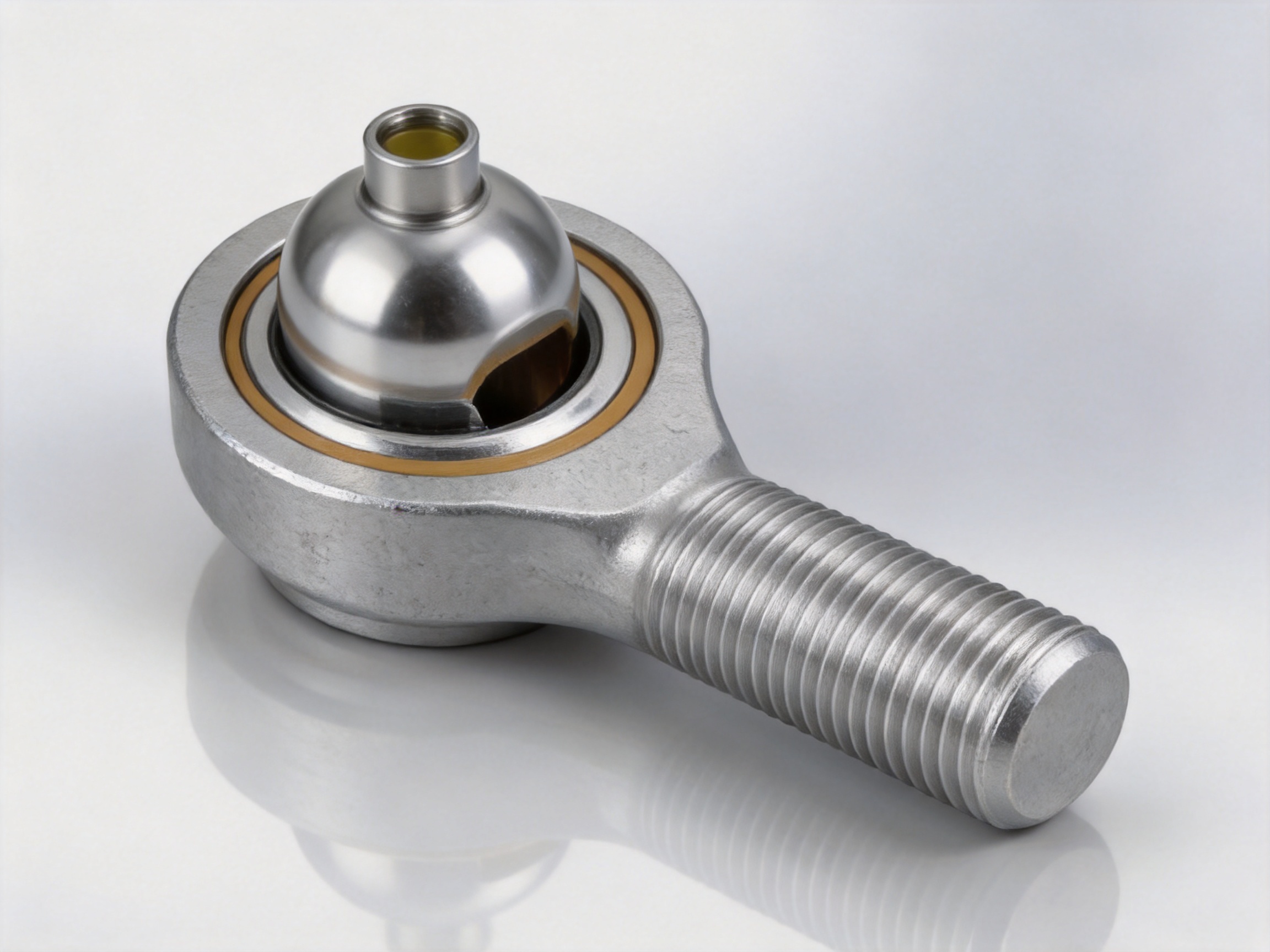
The SABP series covers bore diameters from 5 mm to 30 mm, allowing engineers to select a size that matches the pin diameter, load demand, and available mounting space. The series includes both compact sizes for light linkages and larger models for heavier mechanical assemblies.
The operating temperature range is specified as 50°C to +150°C, with a note that exceptions apply to models that cannot be lubricated. In practical selection, temperature capability should always be considered together with lubricant type, duty cycle, exposure conditions, and required service life. For applications approaching the upper temperature limit, lubricant stability and relubrication frequency become especially important.
The following table summarizes representative specification data from the SABP series. Engineers should confirm final values according to the required model, thread type, mounting arrangement, and application conditions.
| Model | Bore d mm | Thread | Approx. Dynamic Load kN | Approx. Static Load kN | Approx. Weight kg |
| SABP5S | 5 | M5 | 3.3 | 3.9 | 0.016 |
| SABP8S | 8 | M8 | 6.8 | 8.5 | 0.044 |
| SABP12S | 12 | M12 | 13 | 14 | 0.108 |
| SABP16S | 16 | M16 | 21 | 25 | 0.225 |
| SABP20S | 20 | M20×1.5 | 31 | 35 | 0.382 |
| SABP25S | 25 | M24×2 | 47 | 65 | 0.749 |
| SABP30S | 30 | M30×2 | 63 | 86 | 1.13 |
The series also provides angular movement capability, with approximate angular values varying by size. This angular freedom helps the bearing compensate for misalignment between connected components. In real equipment, perfect alignment is difficult to maintain because of fabrication tolerances, frame deflection, installation variation, and thermal expansion. A rod end bearing with suitable angular capacity can reduce stress concentration and improve linkage function.
One of the most important advantages of this product is its high-rigidity structure. The carbon steel rod end body, hardened inner ring, and well-supported bronze liner create a robust mechanical unit. High rigidity is valuable because it helps preserve linkage accuracy under load. In a production machine, a flexible or poorly fitted rod end can contribute to vibration, inconsistent movement, and accelerated wear of adjacent components.
Compared with lightweight or low-cost rod ends that may compromise wall thickness, material quality, or machining accuracy, a high-rigidity bearing provides more dependable performance. This can be especially important in equipment where motion repeatability affects product quality, such as automated fixtures, conveyors, packaging lines, robotic peripherals, and industrial adjustment mechanisms.
The oil cup on applicable sizes gives this product a service advantage over sealed-for-life or non-lubricated designs in harsh environments. While self-lubricating bearings are useful in clean and moderate-load applications, they may not always be ideal for high-load, contaminated, or long-service industrial conditions. A lubricated steel/bronze rod end can be maintained according to the actual operating environment.
For maintenance departments, the ability to relubricate means that performance can be restored or sustained during scheduled service. This helps reduce unplanned downtime. Instead of waiting for friction, noise, or looseness to become severe, operators can implement preventive lubrication intervals and inspect the rod end as part of routine maintenance.
The steel/bronze sliding pair is a proven bearing combination. The hardened and hard chrome-plated steel inner ring offers a strong, wear-resistant surface, while the bronze liner provides a compatible sliding surface. This pairing performs well when lubrication is present and is suitable for oscillating motion where rolling elements may not be practical.
Compared with rod ends using lower-grade liners or untreated mating surfaces, this product provides a more durable sliding interface. Wear resistance is not simply a matter of material hardness; it depends on the whole contact system, including surface finish, geometry, lubricant, load, speed, contamination, and temperature. By combining bronze with a hardened chrome-plated spherical surface, the bearing is engineered for reliable friction behavior.
Industrial equipment often requires more than a standard catalog part. Thread pitch, thread precision, direction, and material selection can affect whether a bearing fits correctly and performs safely. This series offers thread customization, including different pitches and special thread precision. Left-hand thread versions are available by adding the appropriate left-hand thread designation after the model number and thread marking.
Stainless steel customization is also available. When indicated by the suffix X after the model number, both the rod end body and inner ring can be produced in stainless steel. This option is useful for environments where improved corrosion resistance is required, such as food-related equipment, washdown machinery, outdoor mechanisms, marine-adjacent applications, or chemical-exposure settings.
Many competitors sell only standard thread and material options, which forces equipment designers to modify surrounding components or accept compromises. Customization allows the bearing to match the design rather than forcing the design to adapt to the bearing. This can reduce assembly complexity, improve interchangeability, and support OEM projects.
Rod end bearings are widely used wherever a linkage must transmit load while allowing angular displacement. The SABP lubrication-compatible high-rigidity rod end bearing can serve in many types of equipment, provided that the size, load rating, lubrication method, and environmental conditions are properly selected.
Although high-precision robots often use specialized bearings in their main joints, rod end bearings are frequently found in peripheral automation systems, grippers, adjustment rods, pneumatic actuator linkages, guarding mechanisms, fixture clamps, and transfer devices. In these systems, repeatable motion and stable alignment are important.
The high rigidity of the SABP design supports accurate movement, while the angular articulation helps compensate for small installation deviations. Lubrication compatibility is also useful in factories where equipment runs many cycles per day. Proper relubrication can help keep automated motion smooth and reduce the risk of sudden stiffness.
Production lines use rod ends in conveyors, packaging equipment, printing machines, textile machinery, material handling systems, and adjustment mechanisms. These applications often involve repetitive cycles, vibration, dust, and varying loads. A serviceable steel/bronze rod end provides a practical solution because it combines strength with maintainability.
When production equipment operates continuously, replacing small linkage components can still create costly downtime. A bearing that can be lubricated and inspected during planned maintenance helps factories control operating costs. The galvanized carbon steel body also supports durability during daily industrial exposure.
Agricultural and construction machinery may experience dirt, moisture, shock loads, and imperfect alignment. Rod end bearings are commonly used in control linkages, hydraulic cylinder ends, steering-related connections, leveling systems, and adjustable arms. In these conditions, lubrication compatibility is a major advantage because fresh lubricant can help flush contaminants and maintain movement.
For severe outdoor use, engineers should evaluate whether the standard galvanized carbon steel version is sufficient or whether stainless steel customization is preferable. Proper sealing, lubrication selection, and maintenance intervals should also be considered.
Laboratory machines, test rigs, and adjustable fixtures often require precisely positioned linkages that can tolerate angular movement. The SABP rod end bearing’s dimensional range and thread customization options make it suitable for customized mechanical assemblies. The bearing’s rigidity helps keep test setups stable, while the sliding pair can accommodate slow oscillating movement.
For test equipment, repeatability can be more important than speed. A well-made rod end helps reduce unwanted play and supports consistent force direction. This is especially relevant for fatigue testing fixtures, actuator test benches, and alignment-sensitive measurement equipment.
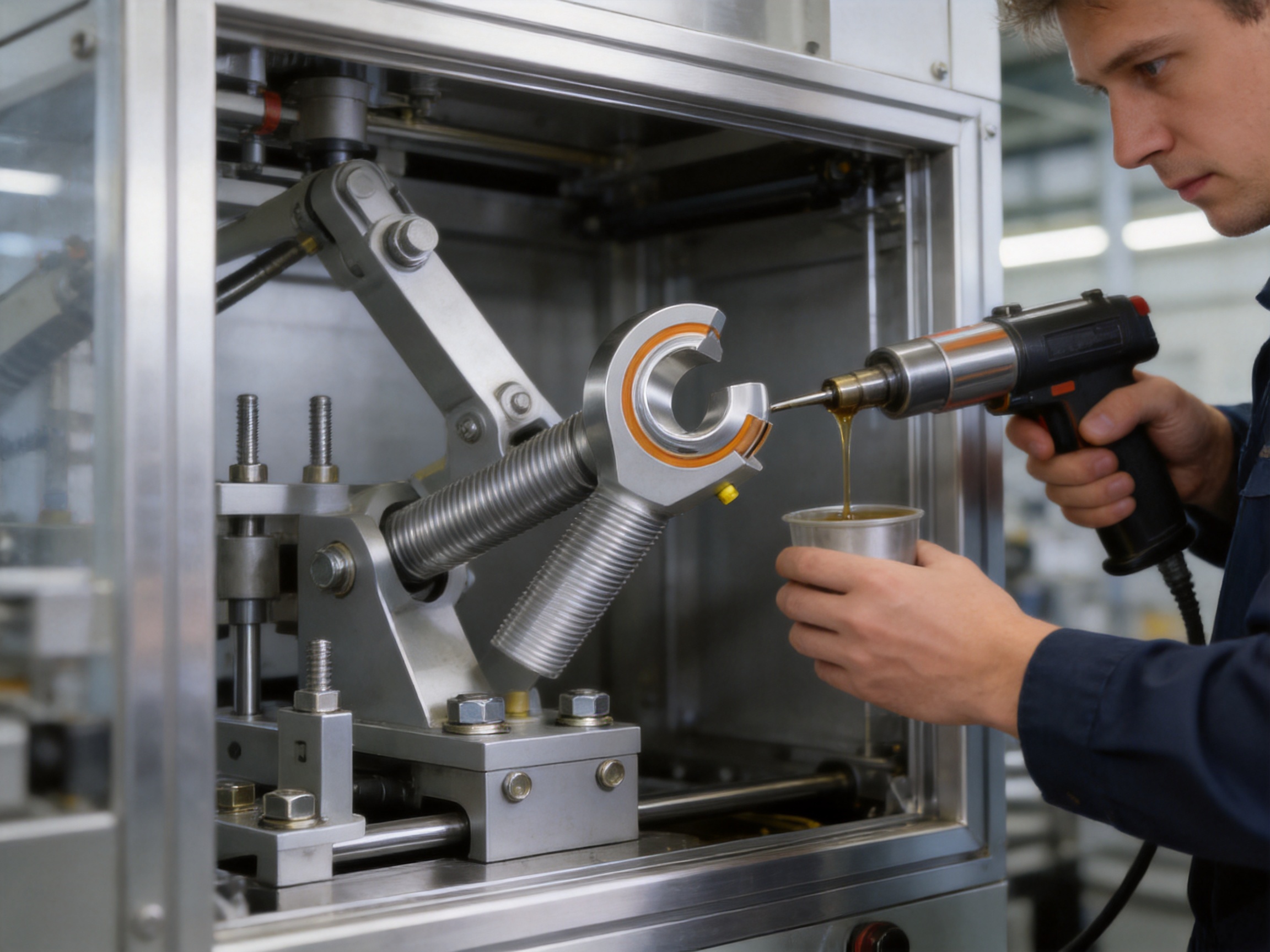
A rod end bearing may appear simple from the outside, but its performance depends on many manufacturing details. Material selection, forging quality, turning accuracy, heat treatment, grinding, surface finishing, assembly, inspection, and packaging all influence the final product. UKL Bearing Manufacturing Co., Ltd. integrates research and development, production, and international distribution to support consistent product quality.
The company operates with modern production lines covering forging, turning, heat treatment, grinding, assembly, and packaging. These processes are essential for bearing production because each step builds the foundation for the next. A strong forged or machined body must be dimensionally stable before surface treatment. The inner ring must be hardened properly before grinding and finishing. The bronze liner must be fitted with correct geometry to support smooth articulation.
Forging and material preparation are the first steps in creating a reliable bearing component. Proper material preparation helps ensure that the rod end body has the strength needed to handle mechanical loads. In bearing manufacturing, inconsistent material quality can lead to cracking, deformation, or unpredictable fatigue behavior.
By controlling the early stages of production, the manufacturer can reduce hidden defects and improve batch consistency. This is important for OEM customers who require stable quality across repeated orders. A bearing installed in one machine must perform the same way as a bearing installed in the next machine.
Turning defines many of the rod end’s key dimensions, including thread geometry, housing features, and bore-related surfaces. Precision turning is important because inaccurate threads can cause poor assembly fit, uneven load distribution, or premature loosening. Accurate housing geometry is also necessary for correct liner installation and inner ring articulation.
Compared with suppliers that rely on loose machining control, a manufacturer with dedicated turning capability can better maintain dimensional repeatability. This is particularly valuable for custom thread pitches or special thread precision requirements.
The hardened bearing steel inner ring must receive controlled heat treatment to achieve the required hardness and mechanical properties. Heat treatment affects wear resistance, fatigue strength, and dimensional stability. If the inner ring is under-hardened, it may wear quickly. If it is over-hardened or improperly treated, it may become brittle or distort.
Advanced heat treatment control contributes directly to bearing reliability. It ensures that the inner ring can resist contact stress while maintaining the spherical geometry needed for smooth motion. For rod end bearings, heat treatment quality is one of the hidden factors that separates high-performance products from low-cost alternatives.
Grinding and finishing are critical because the sliding contact depends on surface quality. The spherical surface of the inner ring must be smooth and geometrically accurate. A rough or irregular surface can increase friction, accelerate liner wear, and create inconsistent movement.
Hard chrome plating further enhances the surface, but plating quality must be supported by good base preparation and finishing. The final spherical surface should support stable contact with the bronze liner and allow lubricant to function effectively. In practical terms, this means smoother movement, lower friction variation, and better service life.
Assembly is more than placing components together. The bronze liner, inner ring, housing, and lubrication features must be integrated with attention to clearance, movement, and consistency. Too much clearance can lead to looseness and vibration. Too little clearance can create stiffness, heat, or seizure risk. Proper assembly helps maintain the correct balance between free articulation and load support.
Inspection verifies that the bearing meets dimensional and functional expectations before shipment. For customers, inspection consistency reduces incoming quality risk. When bearings are used in machinery manufacturing, poor incoming quality can delay assembly lines, increase rework, and damage customer confidence.
UKL Bearing Manufacturing Co., Ltd. has built its competitiveness on bearing technology, engineering service, and precision manufacturing. Its R&D team develops high-precision products for fields such as CNC machines, robotics, and intelligent automation systems. This broader technical background supports the development and production of rod end bearings as well.
A company that understands precision bearings can apply disciplined engineering principles to sliding rod end bearings. These principles include load analysis, material compatibility, heat treatment control, surface finishing, tolerance management, and application-specific selection. The result is not merely a catalog product but a bearing solution designed with industrial use in mind.
For OEM and ODM customers, engineering support can be as important as product supply. Customers may need guidance on model selection, thread customization, stainless steel options, lubrication intervals, mounting conditions, or replacement planning. A multilingual service team and global export experience make communication easier for buyers in different regions.
The company operates as an integrated manufacturer and trader with extensive OEM and ODM export experience. Its bearings are exported to markets including the United States, Italy, Germany, Poland, South Africa, Egypt, India, and other regions. This international experience matters because different markets may have different expectations for documentation, packaging, consistency, and technical communication.
With a production capacity of 10,000 to 50,000 units per month, the manufacturer can support both regular industrial orders and project-based supply. For customers who build machinery in batches, stable production capacity helps maintain delivery schedules. For distributors, reliable monthly output supports inventory planning and market response.
OEM and ODM support is particularly valuable for rod end bearings because small design details can affect compatibility. Thread direction, thread pitch, thread precision, material, surface treatment, and marking can be aligned with customer requirements. This reduces the need for customers to source from multiple suppliers or modify parts after delivery.
When selecting a rod end bearing, engineers often compare several product types: low-cost standard steel rod ends, maintenance-free lined rod ends, stainless steel rod ends, and heavy-duty lubricated rod ends. Each has its place. The SABP lubrication-compatible high-rigidity bearing stands out by combining a strong steel housing, bronze liner, hardened chrome-plated inner ring, and serviceable lubrication design.
Compared with basic low-cost rod ends, it offers better material design and sliding pair durability. The bronze liner and hard chrome-plated inner ring provide a more robust contact system than many economy alternatives. The galvanized body also improves surface protection for general industrial environments.
Compared with maintenance-free rod ends, it offers the advantage of relubrication. Maintenance-free bearings can be convenient where access is difficult or contamination is low. However, in dirty or high-load applications, the ability to introduce fresh lubricant can extend practical service life and improve reliability. The correct choice depends on the application, but a lubrication-compatible steel/bronze rod end gives maintenance teams more active control.
Compared with stainless-only alternatives, the standard galvanized carbon steel version can be more cost-effective for general use while still offering stainless customization when required. This flexibility lets buyers choose the correct balance of corrosion resistance, strength, and cost.
Compared with suppliers that offer limited customization, this product line supports thread customization and stainless material options. That flexibility is especially valuable for machinery manufacturers who need consistent fitting across specialized assemblies.
Correct bearing selection requires more than matching the bore diameter. Engineers should evaluate load direction, dynamic load, static load, angular movement, thread engagement, lubrication access, environmental exposure, temperature, vibration, and maintenance capability.
The bore size should match the pin or shaft, but the designer must also verify that the selected bearing’s dynamic and static load ratings are suitable. Dynamic load relates to operation under movement, while static load relates to load when movement is absent or very limited. Safety factors should be applied according to application severity, shock loading, duty cycle, and reliability requirements.
Thread selection is also important. The thread must match the connecting rod or mating component, and sufficient thread engagement should be provided. For left-hand thread assemblies, the correct left-hand designation must be specified. Special thread precision or pitch should be communicated clearly during ordering.
Lubrication access should be considered during installation. If the bearing has an oil cup, the surrounding structure should allow maintenance personnel to reach it. A lubrication-compatible bearing loses part of its advantage if the oil cup is blocked after installation. Designers should also choose lubricant according to temperature, speed, load, and contamination conditions.
Environmental conditions influence material choice. For general industrial environments, galvanized carbon steel may be suitable. For applications involving frequent washdown, corrosive fluids, salt exposure, or outdoor long-term use, stainless steel customization may be worth evaluating.
Installation should begin with inspection. The bearing should be checked for visible damage, contamination, thread condition, and free articulation. The mating pin or shaft should be clean, correctly sized, and free from burrs. Mis-sized pins can cause excessive clearance or difficult assembly.
During installation, avoid hammering directly on the bearing surfaces. Excessive impact can damage the inner ring, liner, or thread. The bearing should be tightened according to the requirements of the assembly, and the thread engagement should be sufficient to support the load. Locking devices, jam nuts, or other retention methods should be used where required by the design.
Alignment should be checked after installation. Although rod end bearings can compensate for angular misalignment, they should not be used to correct severe design errors or force components into unnatural positions. Excessive permanent misalignment can reduce angular travel, increase edge loading, and shorten service life.
For lubricated sizes, apply suitable lubricant at installation and according to a planned maintenance schedule. The schedule should be based on operating hours, load, motion frequency, temperature, and contamination. In dusty or wet conditions, shorter intervals may be necessary. During maintenance, check for increasing clearance, abnormal noise, corrosion, stiffness, or visible wear.
Replacement should be planned before failure becomes severe. A worn rod end can affect connected components and create safety risks. Monitoring movement quality and clearance allows maintenance teams to replace bearings during scheduled downtime instead of reacting to emergency breakdowns.
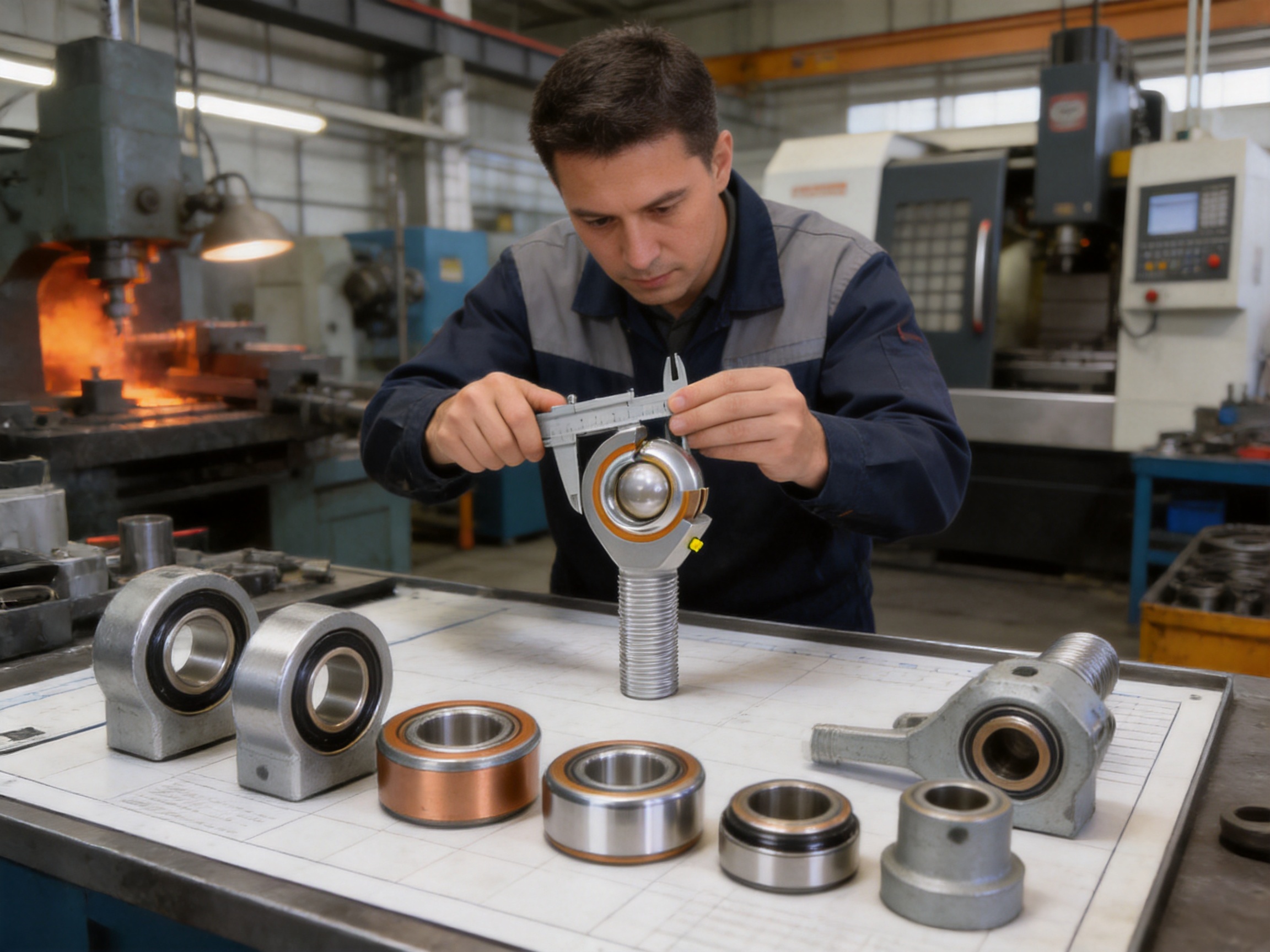
Industrial buyers increasingly evaluate suppliers not only by unit price but also by total value. A bearing that lasts longer, fits correctly, arrives consistently, and receives technical support can reduce the real cost of ownership. The SABP lubrication-compatible high-rigidity rod end bearing reflects this value-oriented approach.
The manufacturer’s production system supports consistent quality through controlled processes from forging to packaging. Its R&D capability supports product improvement and technical problem solving. Its export experience supports communication with global buyers. Its customization options help customers solve real assembly challenges rather than forcing one-size-fits-all solutions.
Sustainability is also part of modern manufacturing responsibility. The company promotes environmentally responsible processes, material recycling, and energy optimization to reduce environmental impact. In bearing production, sustainability is not only about environmental commitment; it is also linked to durability. A longer-lasting, maintainable bearing can help reduce replacement frequency and waste.
Its main purpose is to connect mechanical components while allowing angular movement and transmitting load. It is suitable for linkages, actuator connections, adjustment rods, automation equipment, and industrial machinery where controlled articulation is required.
The product uses a steel/bronze sliding friction pair. The hardened bearing steel inner ring with a hard chrome-plated spherical surface works against a high-performance bronze liner inside the rod end body.
The bronze liner provides a durable sliding surface with good load support and lubrication compatibility. When paired with the hard chrome-plated spherical inner ring, it helps reduce wear and maintain smooth articulation.
Models with bore diameters below 6.35 mm are exceptions. Other sizes are equipped with an oil cup for lubrication, allowing maintenance teams to introduce lubricant during service.
Lubrication compatibility allows the bearing to be maintained during operation. Proper lubrication can reduce friction, limit wear, help remove contaminants, and support longer service life in demanding environments.
The standard rod end body is made of high-quality carbon steel with a galvanized surface. This provides strength, rigidity, and improved resistance to general environmental corrosion.
Yes. Thread customization is available for different pitches and special thread precision. Left-hand thread versions can also be specified. Stainless steel material options are available by using the X designation after the model number.
Stainless steel should be considered for corrosive environments, frequent washdown areas, outdoor exposure, marine-adjacent applications, or machinery where enhanced corrosion resistance is required.
It offers stronger material design, a serviceable lubrication structure, a bronze liner, a hardened hard chrome-plated inner ring, and customization options. These features support better durability and reliability than many economy-grade alternatives.
Engineers should consider bore size, load ratings, thread size and pitch, angular movement, lubrication access, operating temperature, environmental conditions, duty cycle, and required safety factors.
The SABP lubrication-compatible high-rigidity rod end bearing is a practical and durable solution for mechanical linkages that require strength, angular movement, wear resistance, and maintainability. Its high-quality carbon steel body, galvanized surface, bronze liner, hardened bearing steel inner ring, and hard chrome-plated spherical surface work together to provide stable performance in demanding motion applications.
Its competitive value lies not in a single feature but in the combination of serviceable lubrication, rigid construction, proven steel/bronze sliding technology, dimensional range, and customization flexibility. For equipment manufacturers, maintenance teams, and industrial buyers, these features can help improve reliability, reduce replacement uncertainty, and support better long-term operating value.
Behind the product is a manufacturing system that integrates R&D, production, inspection, international distribution, and engineering support. With capabilities covering forging, turning, heat treatment, grinding, assembly, and packaging, UKL Bearing Manufacturing Co., Ltd. provides not only a bearing product but also the production strength and technical service required by global industrial customers.
1. Harris, T. A., and Kotzalas, M. N. Rolling Bearing Analysis: Essential Concepts of Bearing Technology. CRC Press.
2. Neale, M. J. The Tribology Handbook. Butterworth-Heinemann.
3. Brändlein, J., Eschmann, P., Hasbargen, L., and Weigand, K. Ball and Roller Bearings: Theory, Design and Application. Wiley.
4. Shigley, J. E., Mischke, C. R., and Budynas, R. G. Mechanical Engineering Design. McGraw-Hill.
5. ISO 12240 Series. Spherical Plain Bearings: Technical Specifications and Dimensional Standards.
6. ASM International. ASM Handbook: Friction, Lubrication, and Wear Technology.
Product Categories
Contact Us

Jane@ukl-bearing.com
Jenny@ukl-bearing.com
Andy@ukl-bearing.com
Ivy@ukl-bearing.com

+86-510- 88763239
+86-15371057968

No.1 Hehuan Road, Hudai Town, Binhu District, Wuxi City.
Ready to Begin?
Get in Touch

Now!
UKL BEARING
 English
 Español
 русский