Content
Take up bearing units are essential mounted bearing assemblies designed for applications where shaft position must be adjusted, tension must be maintained, and reliable rotation must be supported under practical operating loads. In conveyors, agricultural machinery, packaging systems, textile equipment, processing lines, and many industrial drive arrangements, a bearing cannot always be fixed in one rigid position. Belts stretch, chains wear, loads vary, and installation conditions change. A take up bearing unit solves these challenges by combining a sliding or adjustable T-type housing with an insert bearing, allowing operators to fine-tune shaft alignment and tension while maintaining stable support.
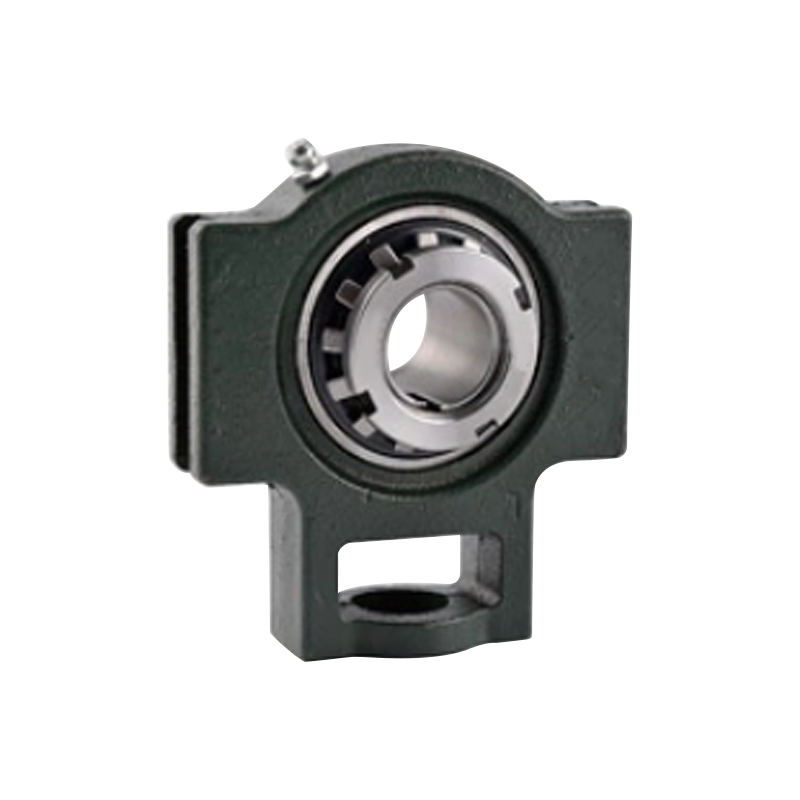
As a product category within mounted bearings, take up bearing units provide a strong balance of convenience, serviceability, load capacity, and installation flexibility. They are widely used where continuous operation and easy maintenance are equally important. The product family includes standard-load, medium-load, heavy-load, and wide-groove configurations, allowing buyers and engineers to select the correct unit for operating speed, load intensity, environmental exposure, and mounting structure. Common models include T200 standard load units, TX medium load units, T300 heavy load units, and ST200 wide groove type units.
Compared with many conventional bearing arrangements, a take up bearing unit offers a more integrated solution. Instead of separately purchasing a housing, bearing, sealing arrangement, lubrication method, and adjustment mechanism, users receive a matched mounted bearing assembly. This reduces design complexity, lowers installation time, and improves equipment maintainability. A well-manufactured take up unit also protects the insert bearing, supports correct alignment, and helps prevent premature failure caused by vibration, contamination, misalignment, or uneven belt tension.
UKL Bearing Manufacturing Co., Ltd. provides take up bearing units built around practical industrial needs and advanced bearing manufacturing capability. With production processes covering forging, turning, heat treatment, grinding, assembly, and packaging, the company emphasizes dimensional accuracy, dependable material selection, and consistent quality control. Its mounted bearing products are supported by experience in OEM and ODM exports, engineering service, and international distribution. For buyers seeking an adjustable bearing unit with stable performance, material options, and manufacturing reliability, these take up bearing units offer a competitive solution.
A take up bearing unit is a mounted bearing assembly composed primarily of an insert bearing and a take up housing. The housing normally has a T-type or guided shape that allows it to slide along a frame, slot, or take up structure. This movement enables users to adjust shaft position and maintain tension in belts, chains, or conveying elements. The insert bearing supports shaft rotation, while the housing provides strength, alignment, and mounting convenience.
The most important feature of this product is adjustability. In many mechanical systems, shaft position cannot remain permanently fixed because the driven component may stretch, wear, or shift during operation. For example, conveyor belts gradually elongate after repeated loading cycles. Chains may become loose. Processing equipment may require periodic alignment correction. A take up bearing unit allows maintenance teams to restore proper tension without dismantling the entire machine.
The product is also considered a practical alternative to complex custom bearing housings. A take up unit is standardized enough for easy replacement, yet adaptable enough for many applications. Engineers can select housing materials, bearing materials, locking methods, sealing options, and load ratings according to specific working conditions. This combination of standardization and flexibility makes the product valuable across multiple industries.
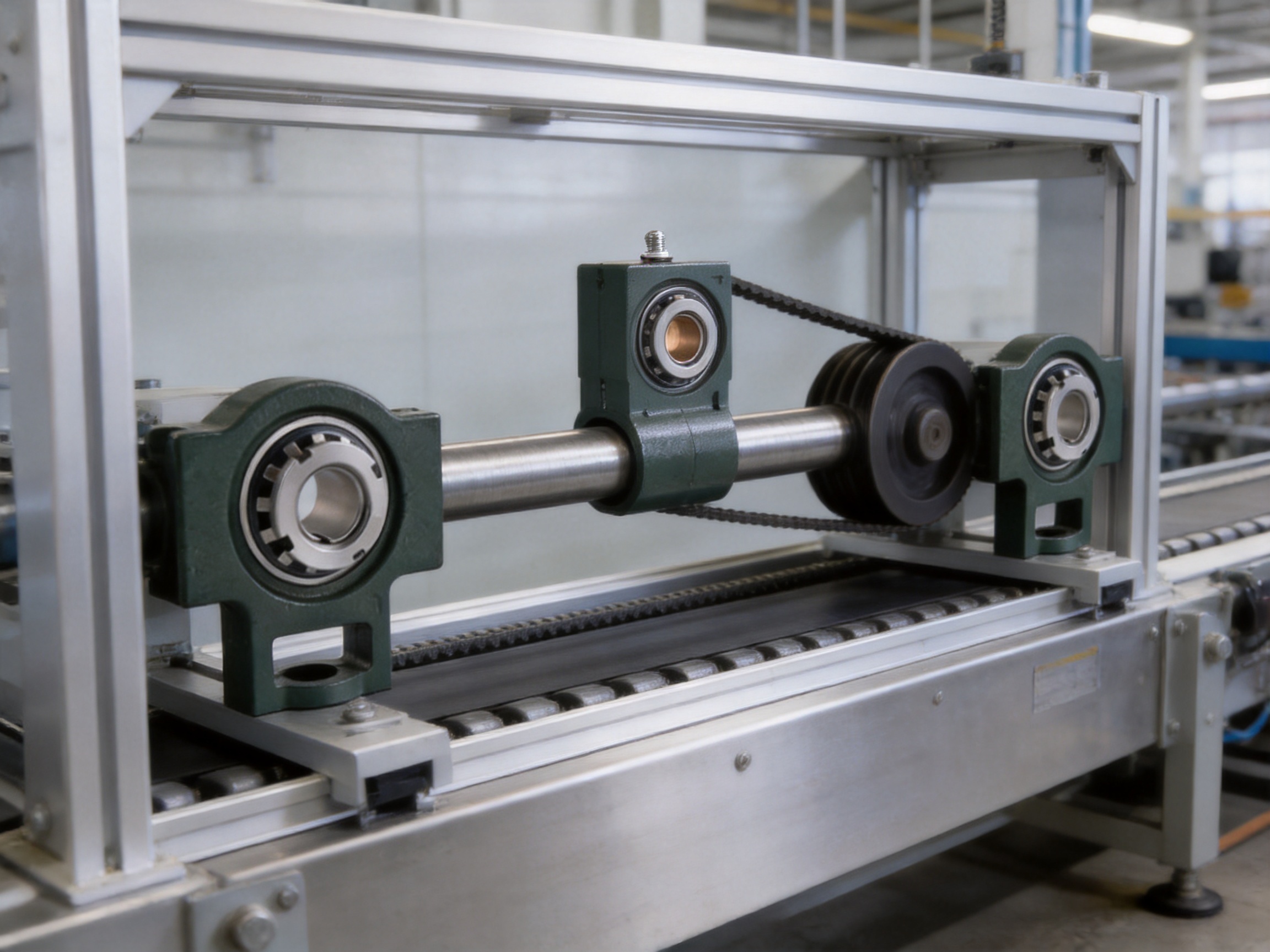
In a typical installation, two take up units are mounted opposite each other to support a shaft. The position of each unit is adjusted evenly so that the shaft remains square and properly aligned. When correctly installed, the units provide smooth rotation, controlled belt or chain tension, and improved reliability of the complete mechanical system.
The take up bearing unit range includes several model families designed for different operating requirements. T200 units are commonly used for standard load applications. They are suitable for general machinery where loads are moderate and operating conditions are not extreme. TX units provide medium load capability and are selected when the application requires stronger support than a standard unit but does not require a full heavy-duty design. T300 units are designed for heavy load applications, offering stronger housings and more robust support for demanding environments. ST200 units are wide groove type units, useful where additional installation compatibility or guiding requirements are needed.
The housing may be manufactured from cast iron, ductile iron, plastic, or stainless steel. Cast iron is the mainstream choice for many industrial applications because it offers a strong combination of rigidity, vibration damping, cost efficiency, and machinability. Ductile iron provides improved toughness and impact resistance, making it valuable where shock loading may occur. Plastic housings are often chosen for washdown, food processing, or light-duty corrosive environments where weight reduction and corrosion resistance are desirable. Stainless steel housings are preferred in chemical, food, beverage, pharmaceutical, or other hygienic environments where corrosion resistance and cleanability are important.
The insert bearing may be made from chrome steel or stainless steel. Chrome steel is widely used because it provides excellent hardness, fatigue resistance, and rolling contact performance for general industrial use. Stainless steel is selected for corrosion-prone environments, washdown service, or applications where cleanliness and material resistance are critical. By combining housing and bearing materials properly, the take up unit can be optimized for cost, durability, hygiene, or environmental resistance.
This product’s flexibility is one of its major advantages over less adaptable competitors. Some suppliers provide only limited housing materials or standard insert options, requiring buyers to compromise when application conditions are unusual. A broader selection of material combinations allows the bearing unit to be better matched to temperature, moisture, chemical exposure, load, and maintenance expectations.
The first major benefit is tension control. In belt and chain-driven machinery, correct tension improves power transmission, reduces slippage, lowers vibration, and extends the life of connected components. Excessive tension can overload bearings and shafts, while insufficient tension can cause slipping, jumping, uneven wear, and production instability. A take up unit allows tension to be adjusted accurately and repeatedly.
The second benefit is simplified installation. Because the insert bearing and housing are assembled as a unit, installation requires fewer separate components and less alignment work than some traditional bearing arrangements. The mounting structure guides the housing movement, and the shaft can be secured through the insert bearing. This reduces assembly time for machine builders and maintenance personnel.
The third benefit is maintenance convenience. When a bearing unit is accessible and adjustable, routine servicing becomes easier. Lubrication, inspection, belt tension correction, and replacement can be performed with reduced downtime. For factories where production continuity matters, this convenience translates into measurable value.
The fourth benefit is improved operational stability. A quality take up bearing unit provides rigid support, correct shaft guidance, and reliable insert bearing performance. Good housing geometry helps distribute load properly, while precision bearing components reduce friction and heat generation. Together, these factors support smoother running and longer service life.
The fifth benefit is application versatility. Take up bearing units can be found in conveyors, grain handling systems, mining support equipment, textile machines, food machinery, packaging systems, logistics equipment, woodworking machines, and many types of processing lines. With proper material selection, the same basic product concept can serve dry industrial environments, wet washdown areas, outdoor equipment, and corrosive production zones.
Choosing the correct material combination is essential for maximizing take up bearing performance. A cast iron housing with a chrome steel insert bearing is widely used because it provides dependable strength and economical performance in standard industrial conditions. This combination is suitable for conveyors, agricultural machinery, general processing equipment, and many warehouse or manufacturing systems where corrosion is not the main concern.
When impact loading or heavier duty operation is expected, ductile iron may be preferred. Ductile iron contains graphite in a nodular form, giving it better toughness than ordinary gray cast iron. This helps the housing resist cracking or failure under shock, vibration, and high mechanical stress. For mining-related conveying, heavy agricultural equipment, or robust processing systems, ductile iron housings can provide an additional safety margin.
Plastic housings are useful in environments where corrosion resistance, low weight, and sanitation are important. Although plastic housings are generally not intended for the same load intensity as heavy cast or ductile iron designs, they perform well in selected food processing, chemical handling, and packaging applications. Their resistance to many forms of moisture-related corrosion can reduce maintenance demands in washdown zones.
Stainless steel housings and stainless steel insert bearings are usually selected when the working environment includes water, chemical cleaning agents, salt exposure, or hygiene requirements. Food production facilities, beverage lines, pharmaceutical equipment, and chemical plants frequently require stainless designs because standard carbon or chrome steel components may corrode rapidly. Stainless steel helps preserve appearance, cleanability, and function.
Material selection must also consider shaft size, speed, load direction, operating temperature, lubrication method, contamination exposure, and cleaning procedures. A bearing unit exposed to dust may require strong sealing and periodic relubrication. A unit used in wet service may require corrosion-resistant material and food-grade lubricant. A high-load conveyor may require a stronger housing and appropriate insert bearing internal design. By assessing these factors, users can select the most suitable unit instead of relying on a generic replacement.
| Model Type | Typical Load Level | Main Features | Common Applications | Recommended Material Choices |
|---|---|---|---|---|
| T200 | Standard load | Balanced design for general service, economical, easy to install, suitable for common mounted bearing arrangements. | Light to medium conveyors, packaging machinery, textile equipment, general factory systems. | Cast iron housing with chrome steel insert bearing for standard use; stainless option for wet environments. |
| TX | Medium load | Stronger than standard units, designed for applications requiring enhanced load support and stable adjustment. | Material handling lines, agricultural equipment, medium-duty processing machines. | Cast iron or ductile iron housing with chrome steel insert bearing; stainless for corrosion resistance. |
| T300 | Heavy load | Robust structure for demanding loads, improved support strength, suitable for harsher mechanical conditions. | Heavy conveyors, mining support systems, bulk handling, heavy processing equipment. | Ductile iron or heavy cast iron housing with high-quality chrome steel insert bearing. |
| ST200 | Standard load with wide groove design | Wide groove type construction for specific mounting compatibility and guided adjustment requirements. | Special conveyor frames, equipment requiring wider guide engagement, custom machine layouts. | Cast iron or stainless steel depending on environment and sanitation requirements. |
One advantage of these take up bearing units is the comprehensive product structure. Many low-cost alternatives focus only on price and may use inconsistent housing dimensions, lower-grade materials, or insufficient surface finishing. A take up unit is not merely a metal housing with a bearing inside; it is a working mechanical assembly that must maintain alignment, resist load, and survive repeated adjustment. Better manufacturing control results in smoother installation, improved fit, and more predictable service life.
Another advantage is material flexibility. Competitors that offer only cast iron housings may not adequately serve food, chemical, or washdown applications. Suppliers that focus only on stainless designs may not offer the most economical solution for general industrial users. A product range covering cast iron, ductile iron, plastic, and stainless steel allows customers to choose according to actual operating needs rather than accepting a one-size-fits-all solution.
A further advantage is the integration of advanced manufacturing processes. When a manufacturer controls forging, turning, heat treatment, grinding, assembly, and packaging, it can manage quality from raw material preparation to finished product shipment. This reduces dependence on inconsistent external processing and helps maintain repeatability. Bearing performance is highly sensitive to dimensional accuracy, hardness, surface roughness, and assembly cleanliness. Process control directly affects operating life.
The insert bearing quality is also important. Some competitors may use bearings with poor raceway grinding, unstable heat treatment, or inadequate sealing. These shortcomings may not be visible during installation, but they can lead to noise, heat, lubricant leakage, corrosion, or premature failure. A well-produced insert bearing uses suitable steel, controlled hardness, accurate raceway geometry, and appropriate sealing to maintain smooth rotation.
Packaging and logistics also matter. Mounted bearing units can be damaged by corrosion, impact, or contamination before they ever reach the user. Proper packaging preserves the product during export transportation, storage, and handling. For international customers, a supplier with export experience understands moisture protection, labeling, batch control, and documentation requirements. This contributes to a more reliable purchasing experience.
UKL Bearing Manufacturing Co., Ltd. operates as an integrated manufacturer and trader with production capability and international service experience. The company’s manufacturing system covers multiple stages, including forging, turning, heat treatment, grinding, assembly, and packaging. This process chain is critical because bearing quality depends on the cumulative accuracy and discipline of every stage.
Forging or material preparation helps create a strong foundation for bearing rings and related components. A stable metal structure supports fatigue resistance and helps ensure that the bearing can withstand repeated rolling contact stress. Turning gives the components their basic dimensional form, preparing them for heat treatment and precision finishing. Accurate turning reduces material waste and improves downstream consistency.
Heat treatment is one of the most important stages in bearing manufacturing. The correct heat treatment process gives bearing steel the hardness and microstructure required for rolling fatigue resistance. If hardness is too low, the bearing may wear rapidly or deform under load. If heat treatment is poorly controlled, internal stress or brittleness may reduce life. Consistent heat treatment supports durability and reliability.
Grinding provides final dimensional accuracy and surface quality. Bearing raceways must be smooth and geometrically precise to reduce friction, noise, and localized stress concentration. Poor grinding can cause vibration, heat, and early fatigue. Advanced grinding control improves rotation smoothness and supports stable bearing performance in mounted units.
Assembly requires cleanliness, correct component matching, proper sealing, and lubricant control. Even a well-machined bearing can fail if assembly introduces contamination or incorrect clearance. Mounted bearing units also require correct fit between the insert bearing and housing. Proper assembly ensures that the final product is ready for installation and reliable operation.
Packaging protects the finished product from moisture, dust, and handling damage. For exported bearing units, packaging quality is particularly important because products may travel long distances through changing climates. Professional packaging helps customers receive products in usable condition, reducing storage-related quality problems.
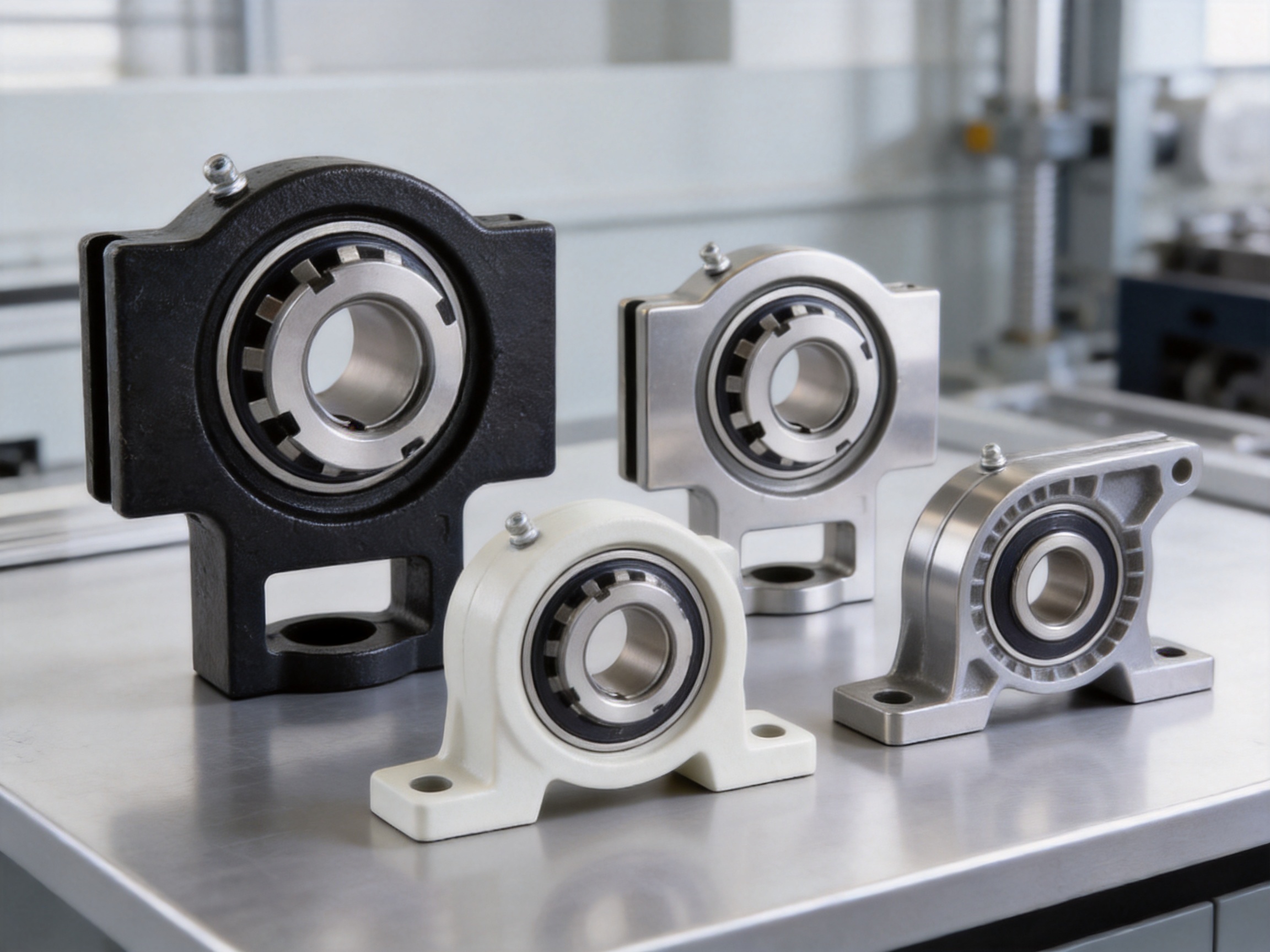
Quality control for take up bearing units begins with material verification. Steel quality, housing material, and dimensional standards must be checked before production proceeds. A bearing is a precision mechanical element, and small defects can become major failures after repeated operation. Material consistency helps ensure that each product batch performs predictably.
Dimensional inspection is necessary for both housing and insert bearing components. The housing must slide correctly in the intended take up frame, hold the insert bearing securely, and maintain shaft position under load. If the housing dimensions are inaccurate, installation may become difficult or alignment may be compromised. The insert bearing must maintain correct bore size, outer diameter, raceway geometry, and internal clearance.
Surface finish inspection is also important. Raceway roughness affects friction, noise, heat, and fatigue life. Housing surface quality affects corrosion resistance, appearance, and fit. Protective coatings or stainless surfaces must be suitable for the expected environment. When customers use take up units in visible machinery or hygienic areas, finishing quality becomes even more important.
Functional testing may include rotation checks, noise evaluation, fit confirmation, and visual inspection. A unit should rotate smoothly without abnormal roughness. Seals should be properly seated. Lubricant should be present in correct quantity and type. The housing and bearing should be free from cracks, burrs, heavy scratches, or contamination.
Traceability supports responsible manufacturing. Batch control allows the manufacturer to identify material sources, production dates, inspection records, and shipment details. This is especially valuable for OEM customers who require repeatable quality and documentation. When technical issues arise, traceability helps identify root causes and implement improvements.
Modern bearing applications are becoming more demanding. Automation, intelligent manufacturing, robotics, CNC equipment, and high-speed production systems require bearings with greater precision, better durability, and improved application matching. Although take up bearing units are often used in practical industrial machinery, the same engineering discipline that supports high-precision bearing development also improves mounted bearing quality.
A dedicated research and development team contributes by optimizing internal geometry, material selection, lubrication methods, sealing performance, and housing design. Even small design improvements can reduce friction, improve contamination resistance, or simplify installation. For customers, this means fewer equipment interruptions and lower maintenance costs.
R&D capability is also important for customization. OEM and ODM customers may require special shaft sizes, housing materials, sealing arrangements, lubrication specifications, surface treatments, or packaging requirements. A manufacturer with engineering support can evaluate these needs and develop practical solutions rather than simply offering catalog products.
For example, a food processing customer may need stainless steel take up units with corrosion-resistant inserts and lubricant suitable for hygienic environments. A heavy conveyor manufacturer may need ductile iron housings and robust chrome steel insert bearings. A packaging machine builder may need compact units with smooth appearance and consistent dimensions for automated assembly. Engineering support helps convert these requirements into stable products.
Conveyor systems are among the most common applications for take up bearing units. In a conveyor, belt tension must be maintained to prevent slipping and to ensure smooth material movement. Over time, belts stretch due to load, temperature, and repeated operation. Without an adjustment mechanism, the conveyor may lose efficiency or require more complex maintenance. Take up units provide a practical solution by allowing shaft position to be adjusted and belt tension restored.
In light-duty conveyors, T200 units often provide sufficient support. These systems may be used in packaging, warehousing, assembly lines, or general material movement. The bearing unit must run smoothly, remain easy to adjust, and provide economical service. Cast iron housings with chrome steel insert bearings are commonly suitable.
In medium-duty conveyors, TX units may be selected to handle higher loads or more continuous operation. Agricultural conveyors, logistics equipment, and processing lines may place higher stress on bearing supports. Medium-load take up units help improve reliability while remaining cost-effective.
Heavy-duty conveyors, including bulk material handling and mining-related systems, may require T300 units. These applications may involve high radial loads, shock, dust, vibration, and long operating hours. A stronger housing and high-quality insert bearing are necessary to prevent failure. Ductile iron or heavy cast iron housings can provide added strength.
For conveyors in food, beverage, or chemical production, stainless steel or plastic take up units may be preferred. These environments often require frequent cleaning and resistance to moisture or chemicals. Corrosion-resistant materials reduce contamination risk and maintenance burden.
Food and chemical industries present special challenges for mounted bearings. Equipment may be exposed to water, steam, cleaning chemicals, acids, salts, or product residues. Standard cast iron and chrome steel components may corrode if they are not protected or if the environment is severe. In these cases, stainless steel and plastic take up bearing units provide important advantages.
Stainless steel housings resist corrosion and are easier to clean than many painted or coated surfaces. Stainless insert bearings further improve durability where moisture reaches the bearing area. In hygienic production, cleanability and corrosion resistance help support equipment reliability and product safety.
Plastic housings can also be valuable in selected hygienic applications. They are lightweight, corrosion resistant, and suitable for certain washdown environments. When used within appropriate load and temperature limits, plastic housed take up units can reduce corrosion-related replacement costs.
Chemical processing facilities may require careful compatibility review. Different chemicals affect metals, plastics, seals, and lubricants in different ways. A proper bearing selection should consider concentration, temperature, exposure duration, cleaning frequency, and load requirements. The availability of different material options helps users select a unit that matches the environment more accurately.
Correct installation is essential to obtain the full benefits of a take up bearing unit. Before installation, the mounting frame should be inspected to ensure that guide surfaces are clean, straight, and free from burrs or deformation. The unit should slide smoothly without excessive looseness. The shaft should be checked for correct diameter, surface finish, straightness, and cleanliness.
When two take up units support the same shaft, they should be adjusted evenly. Uneven adjustment can twist the shaft, create misalignment, increase bearing load, and shorten service life. Maintenance personnel should measure and verify both sides rather than relying only on visual judgment. Proper alignment reduces vibration and helps the bearing operate smoothly.
The shaft locking method should be applied according to the specific insert bearing design. Set screws, eccentric locking collars, or adapter-style arrangements must be tightened properly. Under-tightening may allow shaft slip, while over-tightening may damage components. Proper torque and sequence improve reliability.
Lubrication should be selected according to speed, load, temperature, and environment. Some units may be supplied pre-lubricated, but relubrication intervals depend on operating conditions. Dusty, wet, hot, or high-load environments generally require more frequent maintenance. Excessive lubrication can also cause heat or seal damage, so correct quantity matters.
After installation, the equipment should be run at low speed or under light load if possible. Operators should observe noise, vibration, temperature, and tracking. Early detection of misalignment or tension problems can prevent later failure. A short inspection after initial operation is good practice.
Take up bearing units are designed for practical maintenance, but service life still depends on operating discipline. Regular inspection should include checking bearing noise, housing condition, shaft locking, lubrication, belt or chain tension, and signs of contamination. Any unusual heat, vibration, looseness, or discoloration should be investigated promptly.
Lubrication is one of the most important maintenance factors. Grease reduces friction, protects surfaces, helps seal out contamination, and carries away some heat. However, grease can degrade due to temperature, contamination, oxidation, or mechanical working. Relubrication intervals should be established based on actual conditions rather than fixed assumptions.
Contamination control is equally important. Dust, water, chemicals, and abrasive particles can enter the bearing if seals are damaged or if the environment is severe. Contamination may cause raceway wear, corrosion, noise, and early fatigue. In dirty environments, stronger sealing, protective guards, and regular cleaning may be necessary.
Correct tension maintenance also protects the bearing. A take up unit allows adjustment, but excessive tension is a common mistake. Over-tightened belts or chains increase radial load on the bearing, raise operating temperature, and may damage shafts or pulleys. Proper tension should follow equipment guidelines and be checked periodically.
Replacement should be planned when signs of fatigue, corrosion, excessive clearance, or seal failure appear. Waiting until catastrophic failure may damage shafts, frames, belts, and other components. Because take up units are relatively easy to replace compared with custom housings, preventive replacement can reduce unplanned downtime.
A reliable bearing supplier must combine product quality with stable supply capability. UKL Bearing Manufacturing Co., Ltd. has production capacity in the range of 10,000 to 50,000 units per month, supporting both regular orders and larger procurement programs. This capacity is important for distributors, OEM manufacturers, and maintenance supply networks that require predictable delivery.
The company has experience serving markets across Europe, Asia, Africa, Russia, and other regions, with exports to countries including the United States, Italy, Germany, Poland, South Africa, Egypt, and India. International experience helps a manufacturer understand packaging requirements, documentation, batch consistency, and customer expectations in different industrial markets.
With over 15 years of OEM and ODM export experience, the company can support customers who need private-label supply, customized product specifications, or long-term production cooperation. For mounted bearing units, this may include housing material selection, bearing insert options, special packaging, labeling, documentation, and application-based recommendations.
Manufacturing strength is not only about equipment; it is also about people and systems. With a team of 201 to 500 employees, the company can support production, inspection, engineering, sales, and after-sales service. A multilingual service team provides technical response, installation guidance, and maintenance support for global customers. This service capability differentiates the supplier from competitors that only sell catalog items without application support.
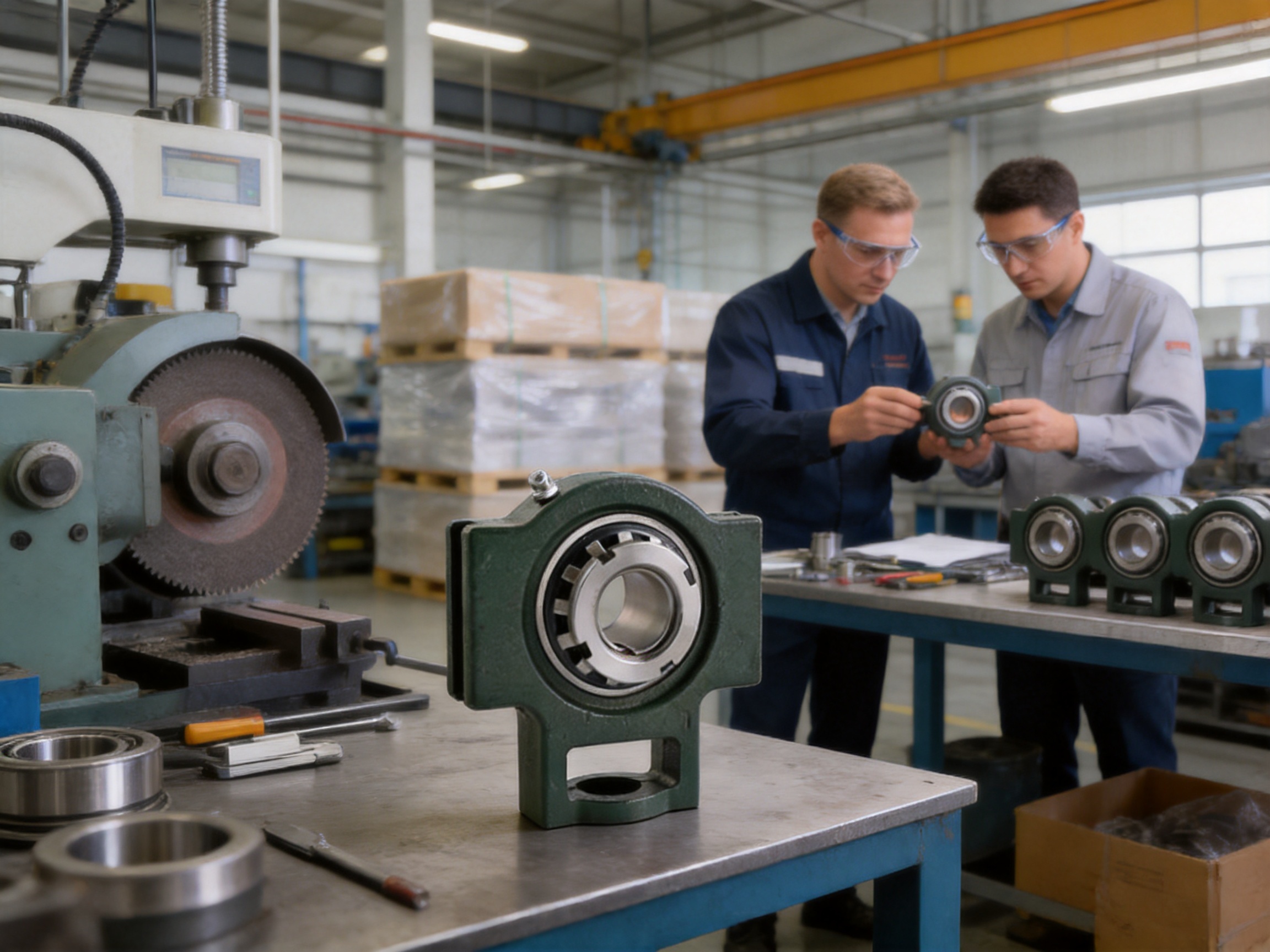
Industrial buyers increasingly consider sustainability when selecting suppliers. Bearing manufacturing consumes materials and energy, and responsible production practices help reduce environmental impact. UKL Bearing Manufacturing Co., Ltd. emphasizes environmentally responsible processes, material recycling, and energy optimization. These efforts support long-term industrial development and align with the expectations of modern global customers.
Sustainability in bearing production can include efficient material utilization, recycling of metal waste, improved heat treatment energy management, responsible lubricant handling, and optimized packaging. While bearing performance remains the primary requirement, environmental responsibility adds value by supporting cleaner production and more efficient resource use.
Durable products also contribute to sustainability. A bearing unit that lasts longer reduces replacement frequency, waste, emergency transportation, and machine downtime. Reliable mounted bearings help equipment operate efficiently, reducing energy loss from friction, misalignment, or poor maintenance. In this way, precision manufacturing and environmental responsibility are connected.
Purchasing decisions for take up bearing units should not be based only on the lowest initial price. A low-cost unit that fails early can cause far greater costs through downtime, labor, damaged components, lost production, and emergency replacement. Quality bearing units provide value through longer service life, easier installation, reduced maintenance, and more stable operation.
High-quality take up units are especially valuable for OEM machine builders. When a machine is delivered to an end user, the mounted bearing unit becomes part of the machine’s reputation. If the bearing fails prematurely, the equipment builder may face warranty claims and customer dissatisfaction. Selecting reliable bearing units helps protect machine quality and brand reputation.
Distributors also benefit from consistent quality. Products with stable dimensions, proper packaging, and dependable performance reduce complaints and returns. A wide range of model and material options allows distributors to serve more customer segments, from general industrial maintenance to food processing and heavy conveying.
End users benefit from lower total cost of ownership. A take up bearing unit that installs quickly, adjusts smoothly, runs quietly, and survives its intended environment reduces maintenance workload and helps production remain stable. In continuous-operation facilities, this reliability is often more important than a small difference in purchase price.
The main purpose is to support a rotating shaft while allowing its position to be adjusted. This adjustment is commonly used to maintain correct belt or chain tension in conveyors and other driven machinery.
T200 standard load units are commonly used for general industrial applications where loads are moderate and the environment is not unusually harsh. They offer a practical balance of cost, strength, and ease of use.
A T300 unit should be considered for heavy conveyors, bulk handling equipment, mining-related systems, or machinery exposed to higher loads, shock, vibration, or demanding operation.
Stainless steel and plastic units provide better corrosion resistance than ordinary cast iron designs. They are suitable for wet, washdown, hygienic, or chemically exposed environments when selected according to load and compatibility requirements.
A cast iron housing paired with a chrome steel insert bearing is a mainstream configuration for general industrial service because it provides strength, durability, and economical performance.
Fixed mounted bearings support a shaft in a set position, while take up bearing units allow adjustment. This makes take up units more suitable for systems where belt or chain tension must be corrected over time.
Important processes include forging or material preparation, turning, heat treatment, precision grinding, clean assembly, lubrication control, inspection, and protective packaging. Each stage affects durability and performance.
Service life can be extended through correct installation, proper alignment, appropriate tension, regular lubrication, contamination control, timely inspection, and selection of the correct housing and bearing material for the operating environment.
Take up bearing units are practical, adjustable, and reliable mounted bearing solutions for machinery that requires tension control and shaft support. Their ability to slide or adjust within a mounting frame makes them indispensable in conveyors, processing lines, agricultural machinery, packaging systems, food equipment, chemical production, and many other applications. With models such as T200, TX, T300, and ST200, users can select suitable units for standard, medium, heavy, or wide groove requirements.
The advantages of a well-manufactured take up bearing unit include easier installation, improved maintenance convenience, stable shaft support, better tension control, and broad material adaptability. Compared with lower-quality competitor products, units manufactured with controlled processes and proper materials offer better reliability, more consistent fit, and lower total operating cost.
UKL Bearing Manufacturing Co., Ltd. strengthens these product advantages through integrated manufacturing, advanced process control, R&D capability, OEM and ODM export experience, and international service support. From material selection to grinding, assembly, packaging, and technical assistance, the company provides a complete approach to bearing supply. For buyers seeking mounted bearing units that combine durability, adjustability, application flexibility, and manufacturing credibility, take up bearing units represent a dependable and efficient solution.
Harris, T. A., and Kotzalas, M. N. Rolling Bearing Analysis: Essential Concepts of Bearing Technology. CRC Press.
Hamrock, B. J., Schmid, S. R., and Jacobson, B. O. Fundamentals of Machine Elements. McGraw-Hill Education.
Neale, M. J. The Tribology Handbook. Butterworth-Heinemann.
ISO 492. Rolling Bearings: Radial Bearings, Geometrical Product Specifications and Tolerance Values. International Organization for Standardization.
ISO 15243. Rolling Bearings: Damage and Failures, Terms, Characteristics and Causes. International Organization for Standardization.
Brändlein, J., Eschmann, P., Hasbargen, L., and Weigand, K. Ball and Roller Bearings: Theory, Design and Application. Wiley.
Product Categories
Contact Us

Jane@ukl-bearing.com
Jenny@ukl-bearing.com
Andy@ukl-bearing.com
Ivy@ukl-bearing.com

+86-510- 88763239
+86-15371057968

No.1 Hehuan Road, Hudai Town, Binhu District, Wuxi City.
Ready to Begin?
Get in Touch

Now!
UKL BEARING
 English
 Español
 русский