Content
Bearings are the unsung heroes of modern industrial systems, enabling smooth, precise, and reliable motion in everything from robotic arms to medical devices. Among the diverse range of bearings available, crossed roller bearings stand out for their ability to handle multi-directional loads, but traditional designs often face limitations in rigidity, compactness, and ease of installation. Enter the RU Series Crossed Roller Bearings—an advanced solution that redefines performance standards for precision applications. This article explores the design, advantages, manufacturing processes, and real-world applications of RU Series bearings, highlighting how they outperform competitors and meet the demands of today’s most sophisticated industries.
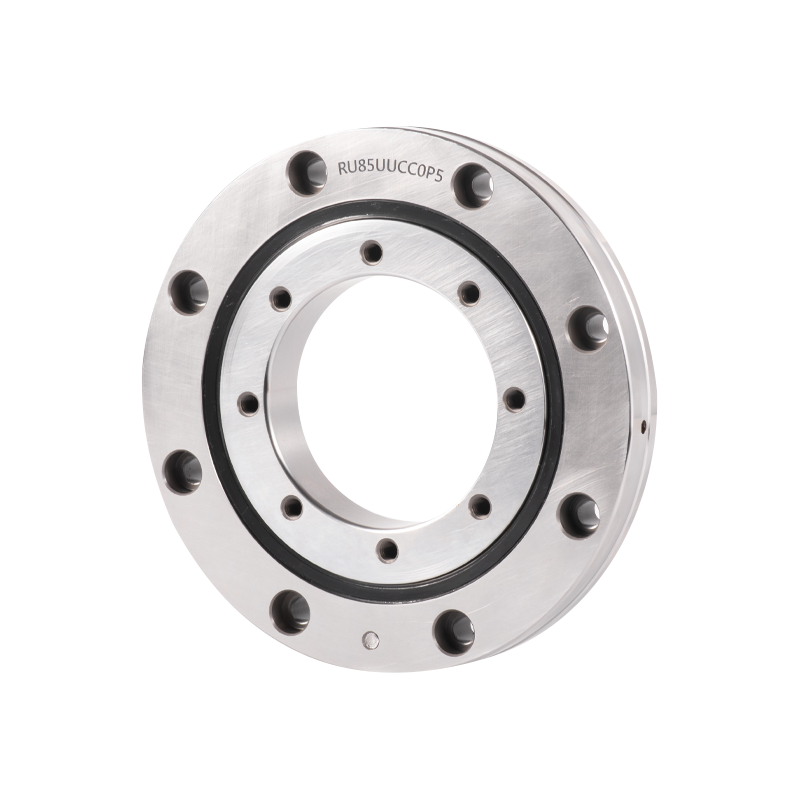
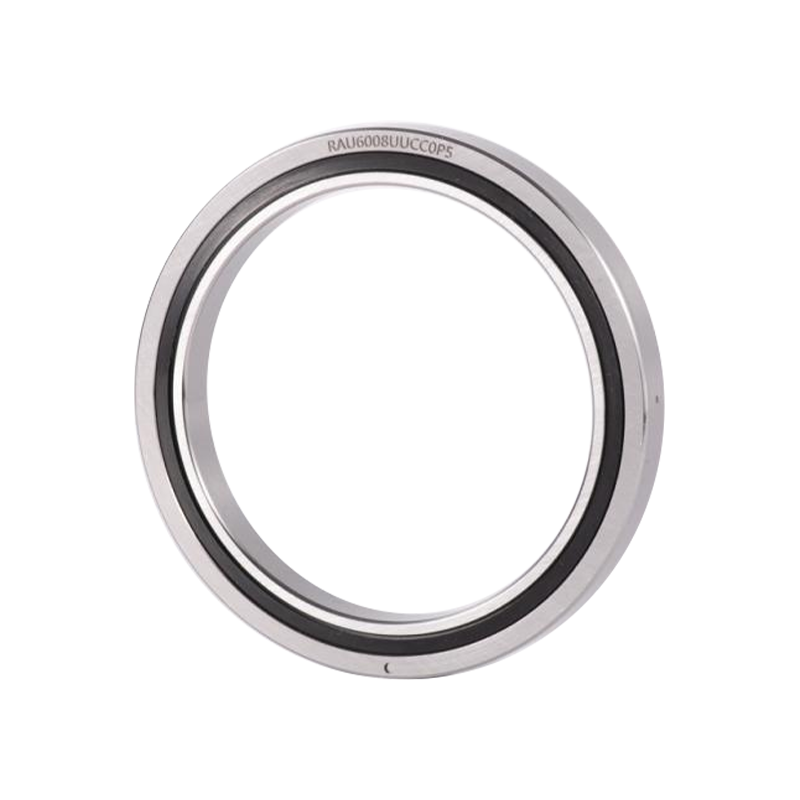
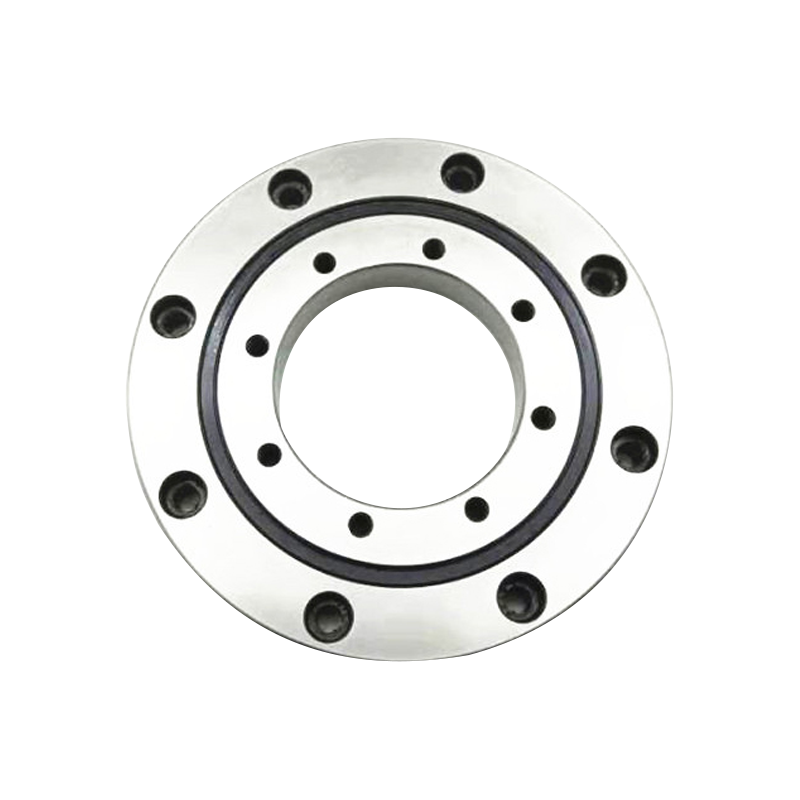
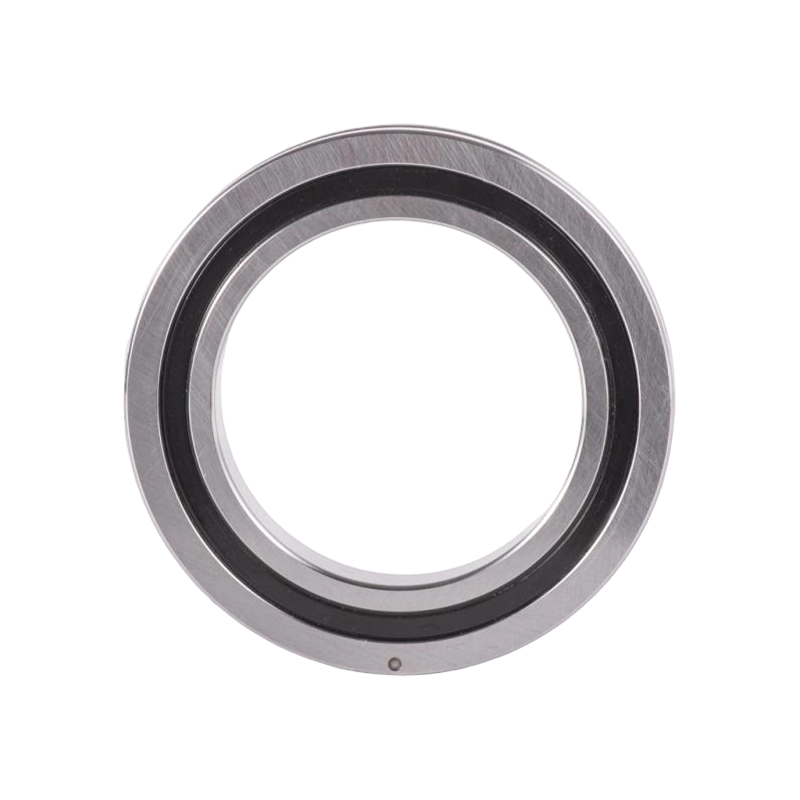
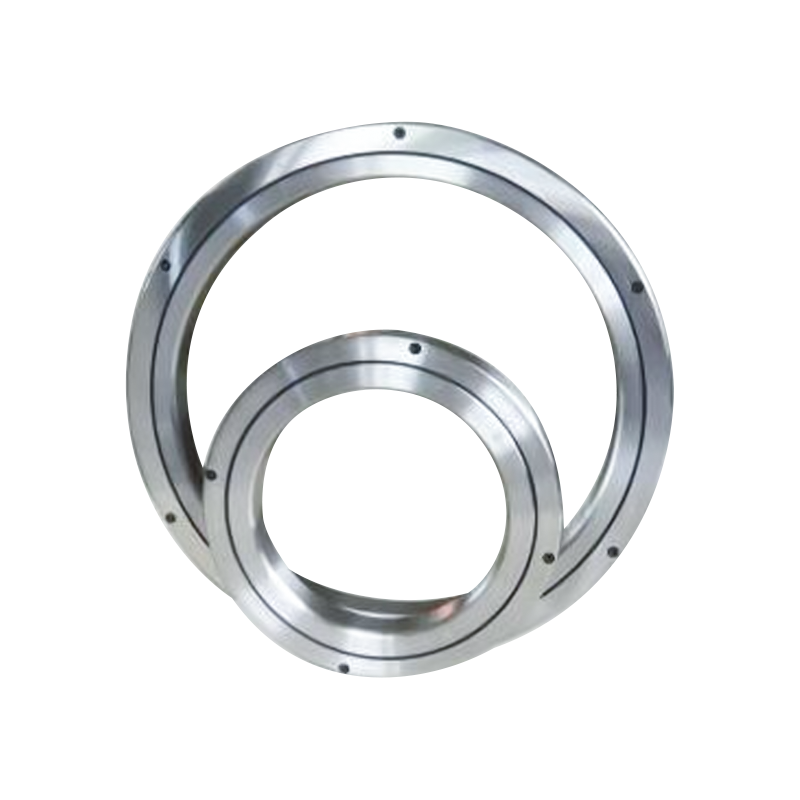
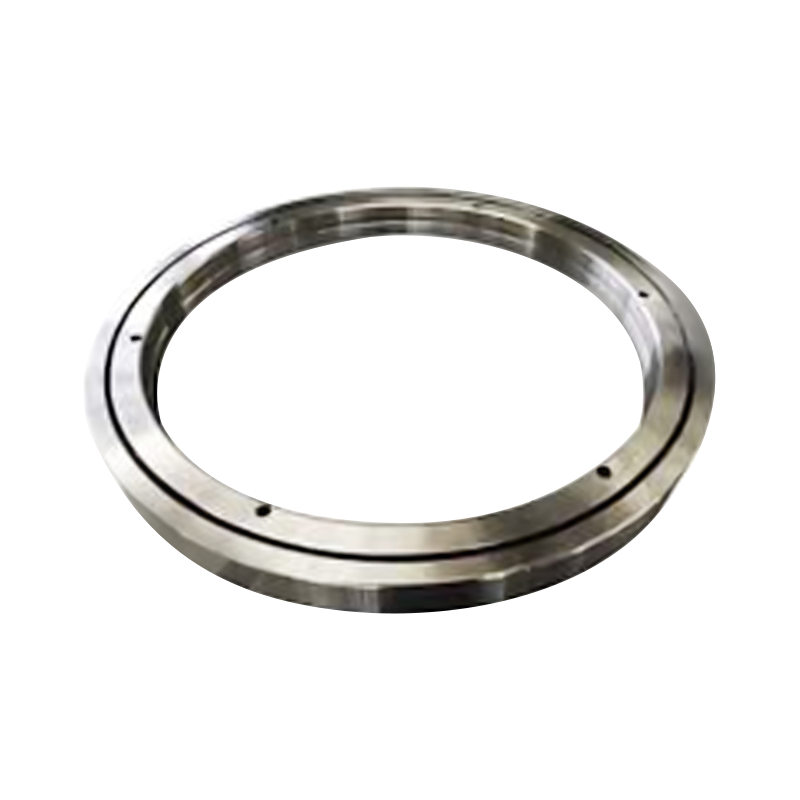
RU Series Crossed Roller Bearings are high-precision components designed to accommodate radial, axial, and torque loads simultaneously. Unlike standard crossed roller bearings, which may require separate components for different load types, RU Series bearings integrate inner and outer rings with mounting holes, eliminating the need for additional fixing flanges or support seats. This integrated design simplifies installation while ensuring minimal impact on rotational performance.
The RU Series’ performance stems from several key design innovations:
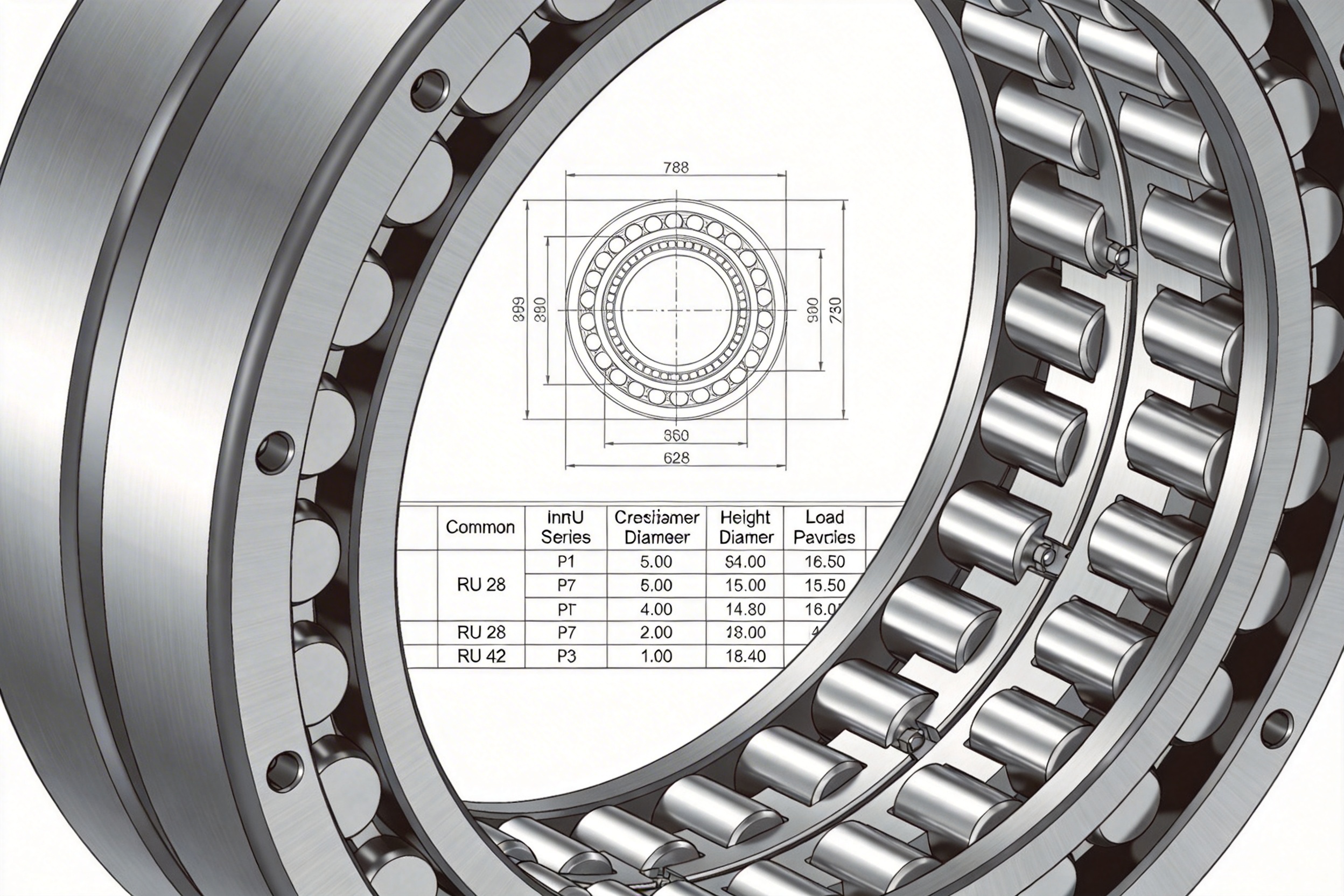
The RU Series includes a range of models tailored to different application requirements, with variations in dimensions, load ratings, and weight. Below is a detailed specification table for common RU Series models:
| Bearing Type | Inner Diameter (d) [mm] | Outside Diameter (D) [mm] | Roller Pitch Diameter (Dpw) [mm] | Height (B) [mm] | Chamfer (Rmin) [mm] | Shoulder Size (ds) [mm] | Shoulder Size (Dh) [mm] | Basic Radial Load Rating (Cr) [kN] | Basic Axial Load Rating (Cor) [kN] | Weight [kg] |
|---|---|---|---|---|---|---|---|---|---|---|
| RU 28 | 10 | 52 | 28 | 8 | 0.3 | 24 | 29.5 | 2.9 | 2.4 | 0.12 |
| RU 42 | 20 | 70 | 41.5 | 12 | 0.6 | 37 | 47 | 7.35 | 8.35 | 0.29 |
| RU 66 | 35 | 95 | 66 | 15 | 0.6 | 59 | 74 | 17.5 | 22.3 | 0.62 |
| RU 85(G) RU85X | 55 | 120 | 85 | 15 | 0.6 | 79 | 93 | 20.3 | 29.5 | 1 |
| RU 124(G) RU 124X | 80 | 165 | 124 | 22 | 1 | 114 | 134 | 33.1 | 50.9 | 2.6 |
| RU 148(G) RU 148X | 90 | 210 | 147.5 | 25 | 1.5 | 133 | 162 | 49.1 | 76.8 | 4.9 |
| RU 178(G) RU 178X | 115 | 240 | 178 | 28 | 1.5 | 161 | 195 | 80.3 | 135 | 6.8 |
| RU 228(G) RU 228X | 160 | 295 | 227.5 | 35 | 2 | 208 | 246 | 104 | 173 | 11.4 |
| RU 297(G) RU 297X | 210 | 380 | 297.5 | 40 | 2.5 | 272 | 320 | 156 | 281 | 21.3 |
| RU 445(G) RU 445X | 350 | 540 | 445.4 | 45 | 2.5 | 417 | 473 | 222 | 473 | 35.4 |
The RU Series Crossed Roller Bearings address critical limitations of traditional bearings, offering a range of advantages that make them ideal for high-precision applications:
Traditional bearings often require separate components to handle radial, axial, and torque loads. For example, a radial ball bearing may handle radial loads, while a thrust bearing handles axial loads—requiring two separate bearings and increasing assembly complexity. The RU Series, however, uses cross-arranged rollers in 90° V-grooves to distribute all three load types uniformly. This reduces the number of components needed, saving space and lowering overall system costs.
Rigidity is a key factor in applications where positional accuracy is critical (e.g., robotic arms, machining centers). The RU Series exhibits 3 to 4 times higher rigidity than traditional crossed roller bearings. This is achieved through optimized roller spacing, precision-machined raceways, and the use of high-quality steel. Additionally, the ultra-thin design of RU Series bearings (approaching physical limits) allows them to fit into compact spaces without sacrificing performance.
Traditional crossed roller bearings often use plate retainers, which can cause roller tilting and mutual friction—leading to higher torque and potential jamming. The RU Series uses precision spacers between rollers, which prevent tilting and reduce friction. This results in smooth, low-torque rotation, even at high speeds. For example, in a robotic elbow joint, this translates to precise, fluid movements and reduced energy consumption.
The split ring design of RU Series bearings allows for precise adjustment of bearing clearance. This feature supports preloading, which eliminates play and enhances rigidity. Even under operational loads, the preloaded design maintains high rotational accuracy. For instance, in a precision machining center’s rotary table, preloading ensures that the table remains stable and accurate during cutting operations.
RU Series bearings are pre-assembled at the factory, with the split ring, rollers, and spacers fixed together to prevent separation during transportation or handling. This eliminates the need for on-site assembly of individual components, reducing installation time by up to 50% compared to traditional bearings. Additionally, the integrated mounting holes allow for direct attachment to equipment without extra flanges or support seats.
To illustrate the RU Series’ advantages, consider a comparison with a standard crossed roller bearing (SRB) in a robotic waist joint application:
The RU Series’ performance is made possible by the advanced manufacturing processes of Ukl Bearing Manufacturing Co., Ltd—a leading bearing manufacturer with over 15 years of OEM/ODM experience. The company integrates R&D, production, and international distribution, ensuring consistency and excellence in every bearing.
Ukl’s dedicated R&D team uses cutting-edge digital tools (CAD/CAM, FEA) to design RU Series bearings. FEA simulations are used to optimize roller spacing, raceway geometry, and load distribution—ensuring maximum performance before production begins. Digital production control systems monitor every step of the manufacturing process, from forging to assembly, to maintain tight tolerances and consistent quality.
The RU Series uses high-quality GCr15 steel (a chromium alloy steel known for its hardness and wear resistance). The forging process is precision-controlled to ensure uniform grain structure, which enhances the bearing’s strength and durability. After forging, the bearings undergo vacuum quenching and tempering—processes that achieve a hardness of HRC 60-65 with minimal distortion. This ensures that the raceways and rollers maintain their shape under heavy loads.
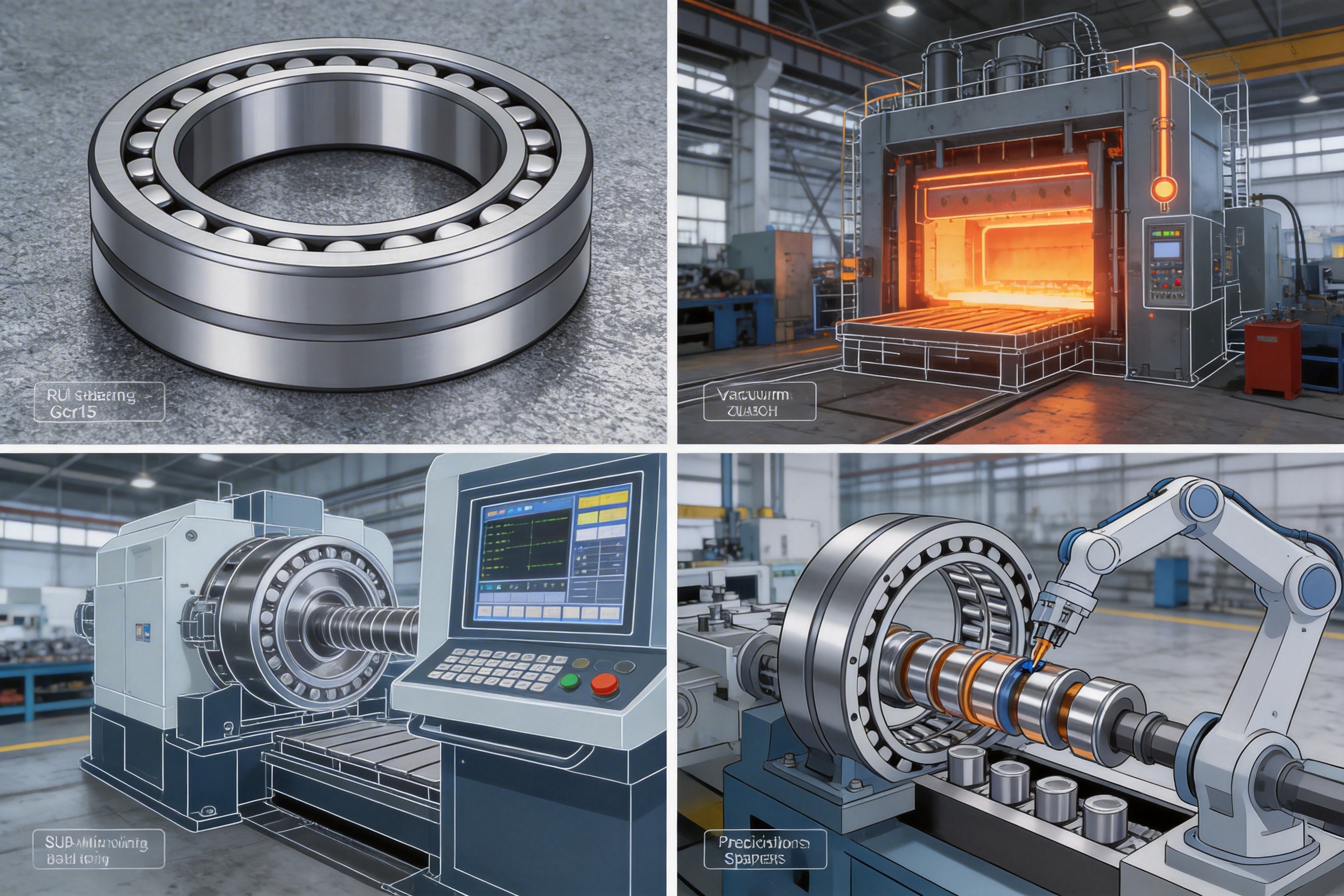
Grinding is a critical step in achieving the high precision of RU Series bearings. Ukl uses sub-micron level grinding machines to finish the raceways and rollers, ensuring dimensional accuracy up to P2 grade (the highest precision class for bearings). The assembly process is automated, with precision spacers inserted between rollers to prevent tilting. Each bearing is pre-lubricated with high-performance grease (if required) and tested for rotational smoothness before packaging.
Ukl implements rigorous quality assurance protocols to ensure that every RU Series bearing meets international standards (ISO 15642, ISO 281, ABMA). Testing includes:
The RU Series’ combination of precision, rigidity, and compactness makes it ideal for a wide range of industrial applications where performance is non-negotiable:
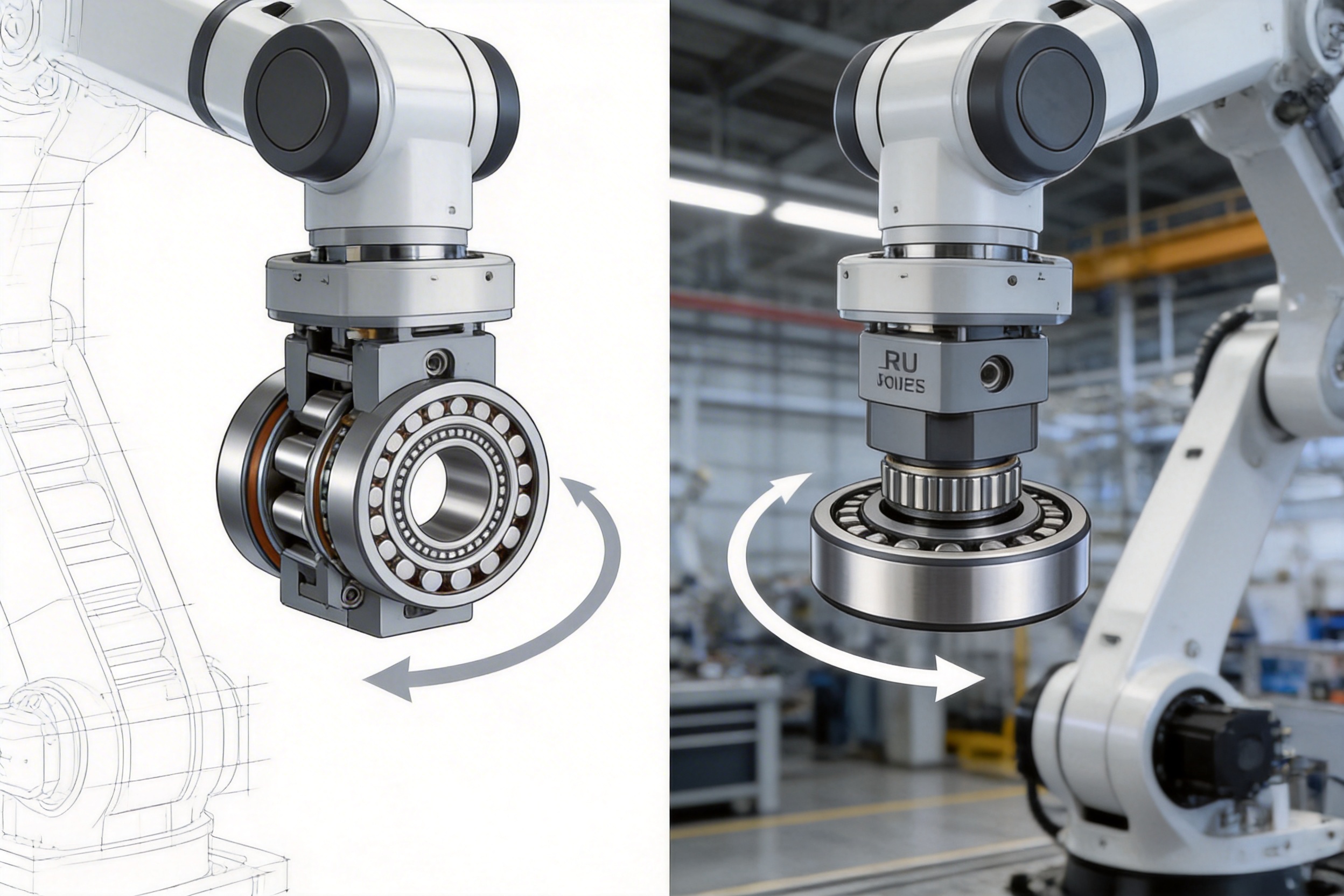
Industrial robots require high rigidity, smooth rotation, and precise positioning. RU Series bearings are used in critical joints such as the waist, elbow, and wrist:
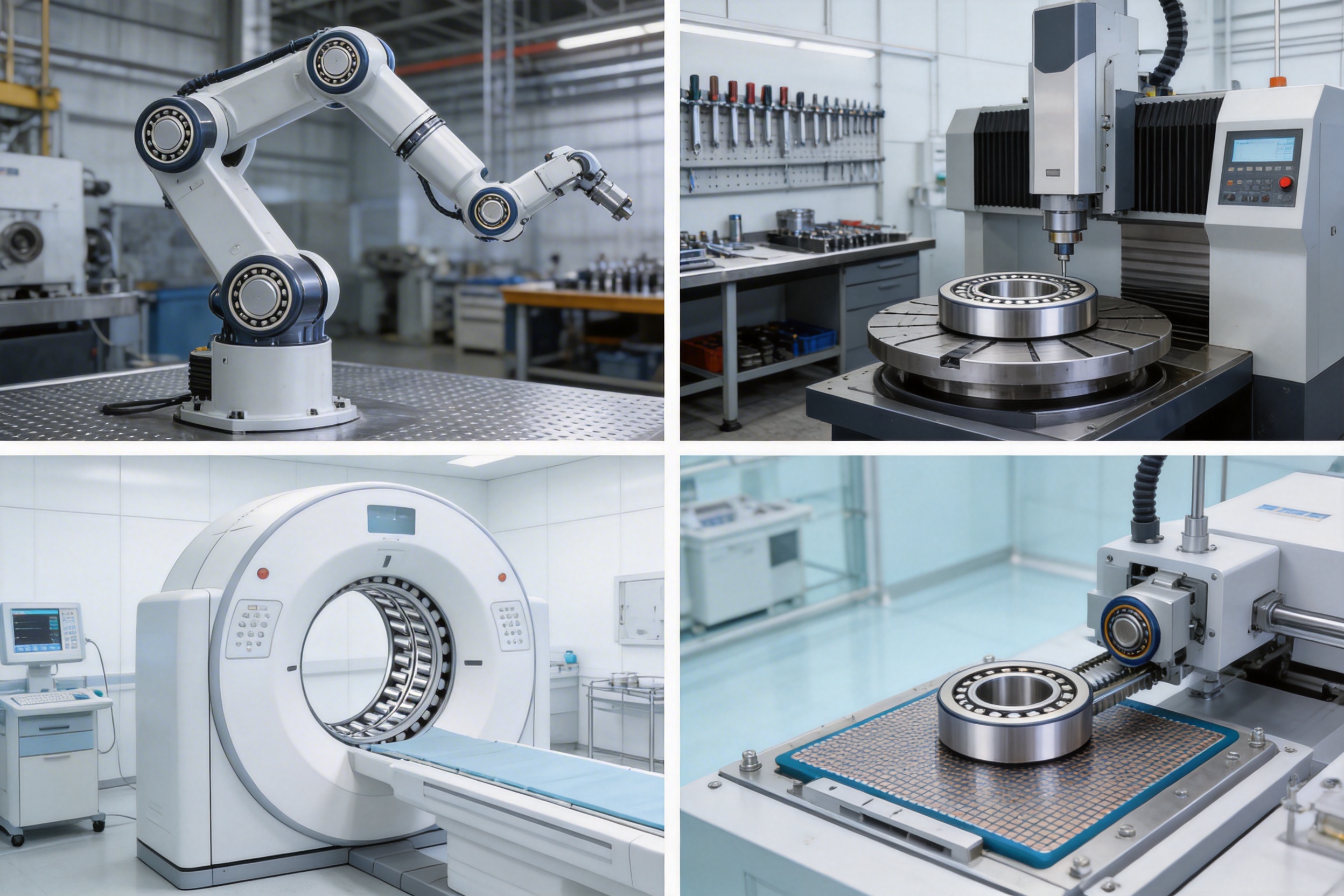
Precision machine tools (e.g., machining centers, grinding machines) require high positional accuracy. RU Series bearings are used in rotary tables and indexing plates:
Medical devices (e.g., CT scanners, surgical robots) demand extreme precision and reliability:
Precision measurement tools (e.g., optical platforms, coordinate measuring machines) require zero play and high accuracy:
Defense and aerospace applications (e.g., radar antennas, satellite communication devices) require bearings that can withstand extreme conditions:
Semiconductor manufacturing (e.g., IC production, wafer processing) requires ultra-precision bearings:
Below are answers to common questions about RU Series Crossed Roller Bearings:
A1: RU series bearings differ from standard crossed roller bearings in several key ways: (1) Integrated inner/outer rings with mounting holes eliminate the need for extra flanges; (2) Precision spacers between rollers prevent tilting and reduce torque; (3) Split ring design allows for clearance adjustment and preloading; (4) 3-4x higher rigidity than standard models. These features make RU series bearings more versatile, efficient, and reliable for high-precision applications.
A2: Yes. The RU series’ integrated design with mounting holes allows for both inner and outer ring rotation. For example, in a robotic waist joint, the outer ring can be fixed to the robot base, while the inner ring rotates with the robot body— or vice versa. This versatility expands the bearing’s application range across various industrial systems.
A3: The split ring design allows users to adjust bearing clearance and apply preload. Preloading eliminates play, enhances rigidity, and maintains high rotational accuracy under operational loads. For instance, in a precision machining center’s rotary table, preloading ensures that the table remains stable during cutting operations, resulting in tighter tolerances and higher-quality parts.
A4: RU series bearings are manufactured to meet or exceed international quality standards, including ISO 15642 (Crossed Roller Bearings), ISO 281 (Dynamic Load Ratings and Rating Life), and ABMA (American Bearing Manufacturers Association) standards. Each bearing undergoes rigorous testing for dimensional accuracy, vibration levels, load capacity, and durability to ensure compliance.
A5: Yes. Ukl Bearing Manufacturing Co., Ltd offers customization options for RU series bearings to meet specific application requirements. This includes adjusting dimensions (inner/outer diameter, height), modifying load ratings, and adapting to unique mounting configurations. The company’s R&D team works closely with clients to design custom solutions that address specific operational challenges.
A6: Ukl uses digital production control systems to monitor every step of the manufacturing process. From forging to assembly, real-time data is collected and analyzed to maintain tight tolerances and consistent quality. Additionally, 100% inspection of each bearing ensures that only products meeting the highest standards are shipped to clients.
1. ISO 15642:2019, Rolling bearings—Crossed roller bearings—Dimensions and boundary dimensions.
2. ISO 281:2007, Rolling bearings—Dynamic load ratings and rating life.
3. Smith, J. D. (2021). Precision Bearings for Industrial Automation: Design, Manufacturing, and Applications. Industrial Press.
4. American Bearing Manufacturers Association (ABMA). (2022). Bearing Selection Guide for Robotics and Precision Machinery. Washington, DC: ABMA.
5. Lee, S. H. (2020). Advanced Bearing Technologies for High-Precision Industrial Systems. Springer-Verlag.
Product Categories
Contact Us

Jane@ukl-bearing.com
Jenny@ukl-bearing.com
Andy@ukl-bearing.com
Ivy@ukl-bearing.com

+86-510- 88763239
+86-15371057968

No.1 Hehuan Road, Hudai Town, Binhu District, Wuxi City.
Ready to Begin?
Get in Touch

Now!
UKL BEARING
 English
 Español
 русский