Content
Modern motion systems depend on compact components that can tolerate misalignment, transfer load, and continue working when maintenance access is limited. The maintenance-free rod end bearing described here is designed for exactly that purpose. It combines a zinc-plated carbon steel rod end body with a self-lubricating radial spherical plain bearing, creating a robust articulated joint for mechanical linkages, automation equipment, construction mechanisms, agricultural machines, packaging systems, and many other applications where oscillating or tilting motion must remain stable over a long service life.
This article focuses on the SI series maintenance-free rod end bearing, including the SI…C and SI…ETL 2RS structures. The product belongs to the rod end bearing category and is engineered around two important objectives: reducing the need for lubrication and improving reliability under demanding operating conditions. Instead of relying on regular grease replenishment, the bearing uses self-lubricating sliding materials such as steel/PTFE composite material or steel/PTFE braided fabric. These sliding pairs help minimize friction, reduce maintenance labor, and support long-term operation where conventional lubricated rod ends may require more frequent attention.
For manufacturers, equipment designers, maintenance engineers, and purchasing teams, a rod end bearing is not merely a catalog part. It is a decision about uptime, safety, operating cost, and mechanical precision. A low-quality rod end can introduce clearance growth, inconsistent movement, corrosion problems, or premature failure. A properly manufactured maintenance-free rod end bearing, by contrast, can help protect linkages, maintain alignment, and reduce total ownership cost. The following sections explain the structure, advantages, model range, manufacturing strengths, selection factors, application scenarios, and technical value of this product.
SI Maintenance-Free Rod End Bearing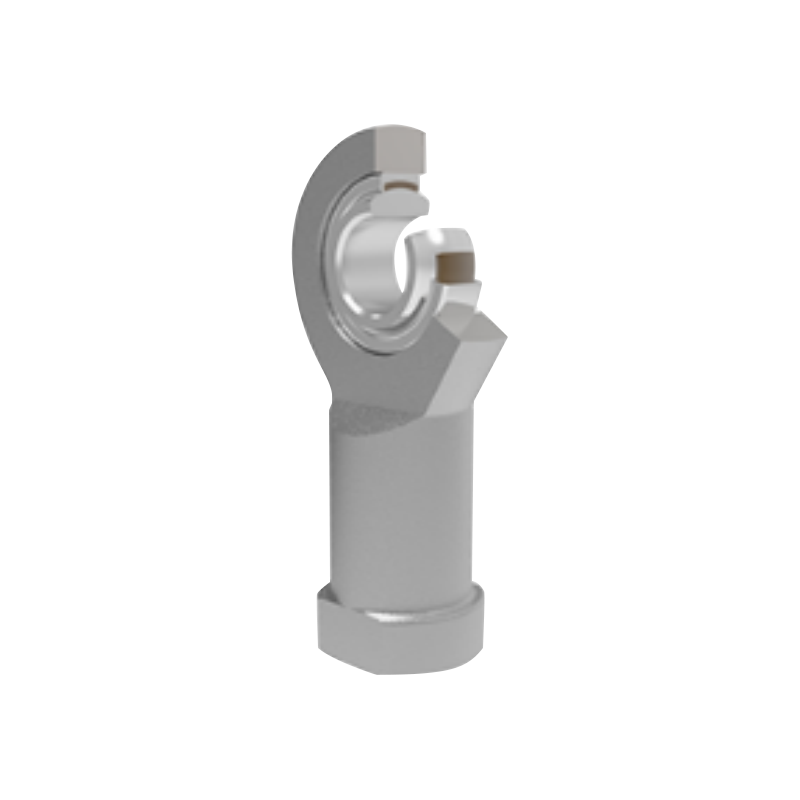
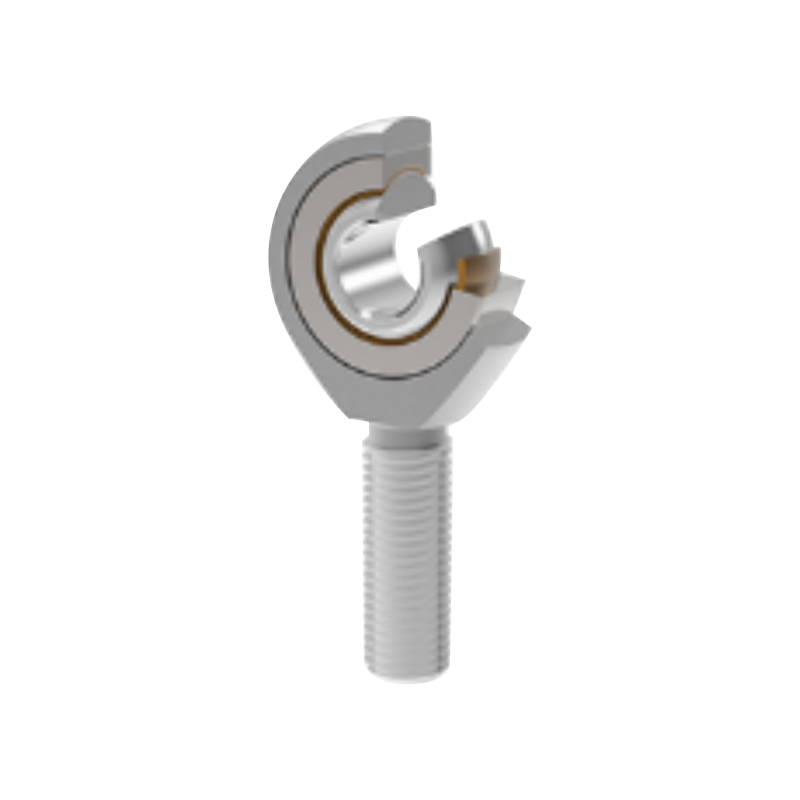
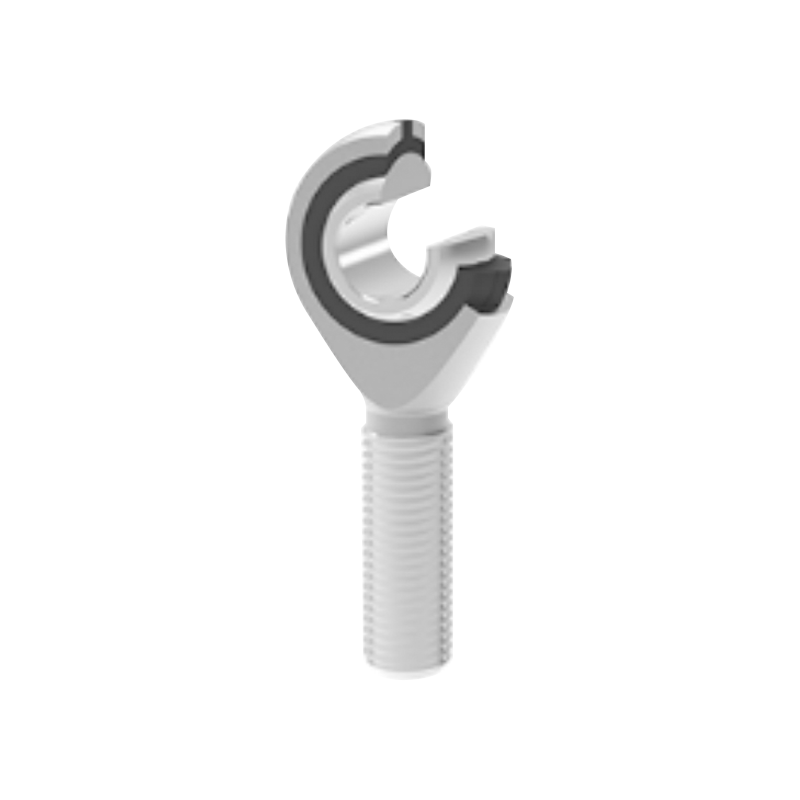
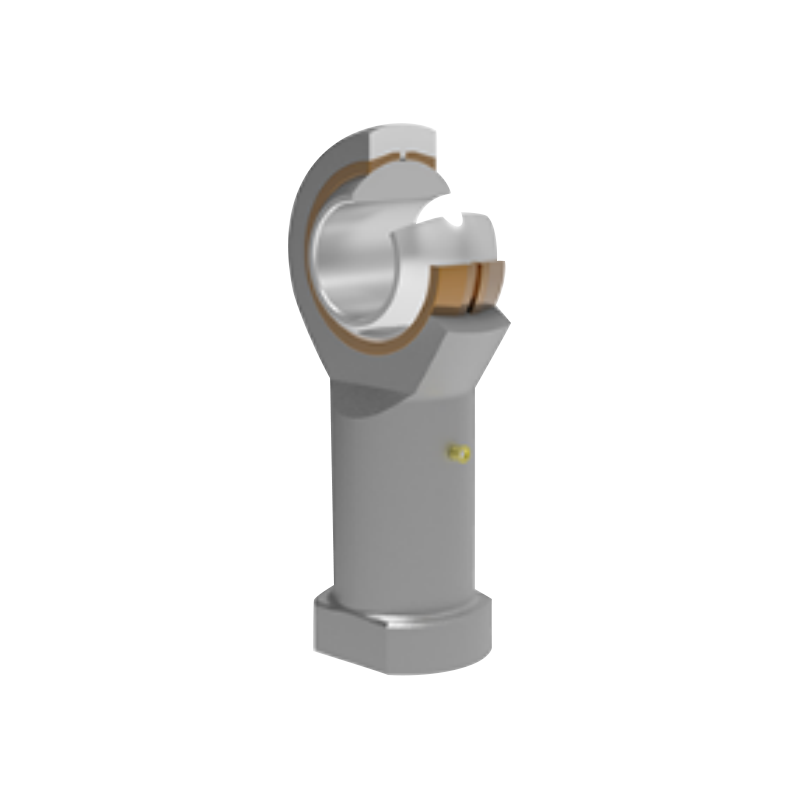
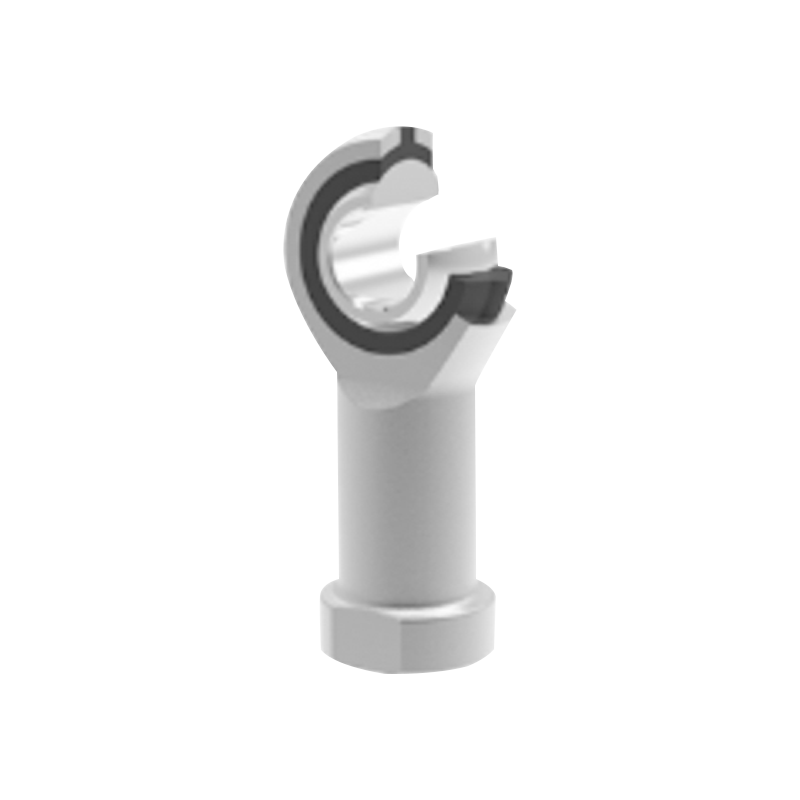
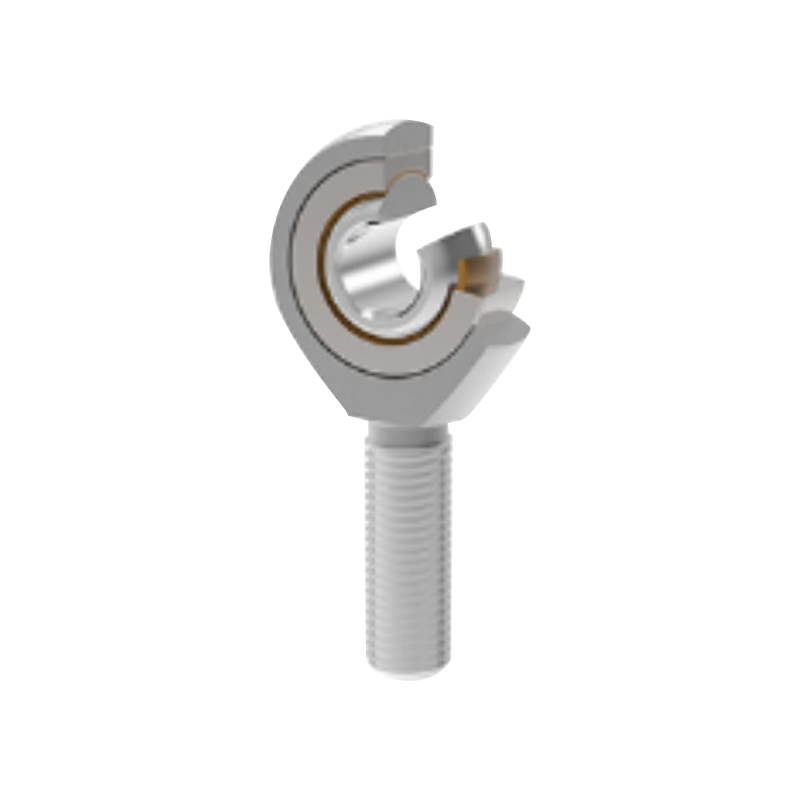
The maintenance-free rod end bearing is assembled from two main functional elements: a rod end housing and a spherical plain bearing insert. The rod end housing provides the threaded connection to the mechanical linkage, while the spherical plain bearing insert allows angular displacement and oscillating motion. This construction enables the component to transfer radial loads while accommodating shaft misalignment, deflection, installation tolerance, and movement between connected parts.
The SI…C type is assembled from a galvanized carbon steel rod end body and a self-lubricating radial spherical plain bearing of the GE…C type. Its sliding friction pair is based on steel and PTFE composite material. This configuration is suitable for users who require a maintenance-free joint in general industrial environments and who value dependable movement without external lubrication. It is offered in a dimensional range from size 5 to size 30, making it suitable for compact mechanisms and medium-duty linkage designs.
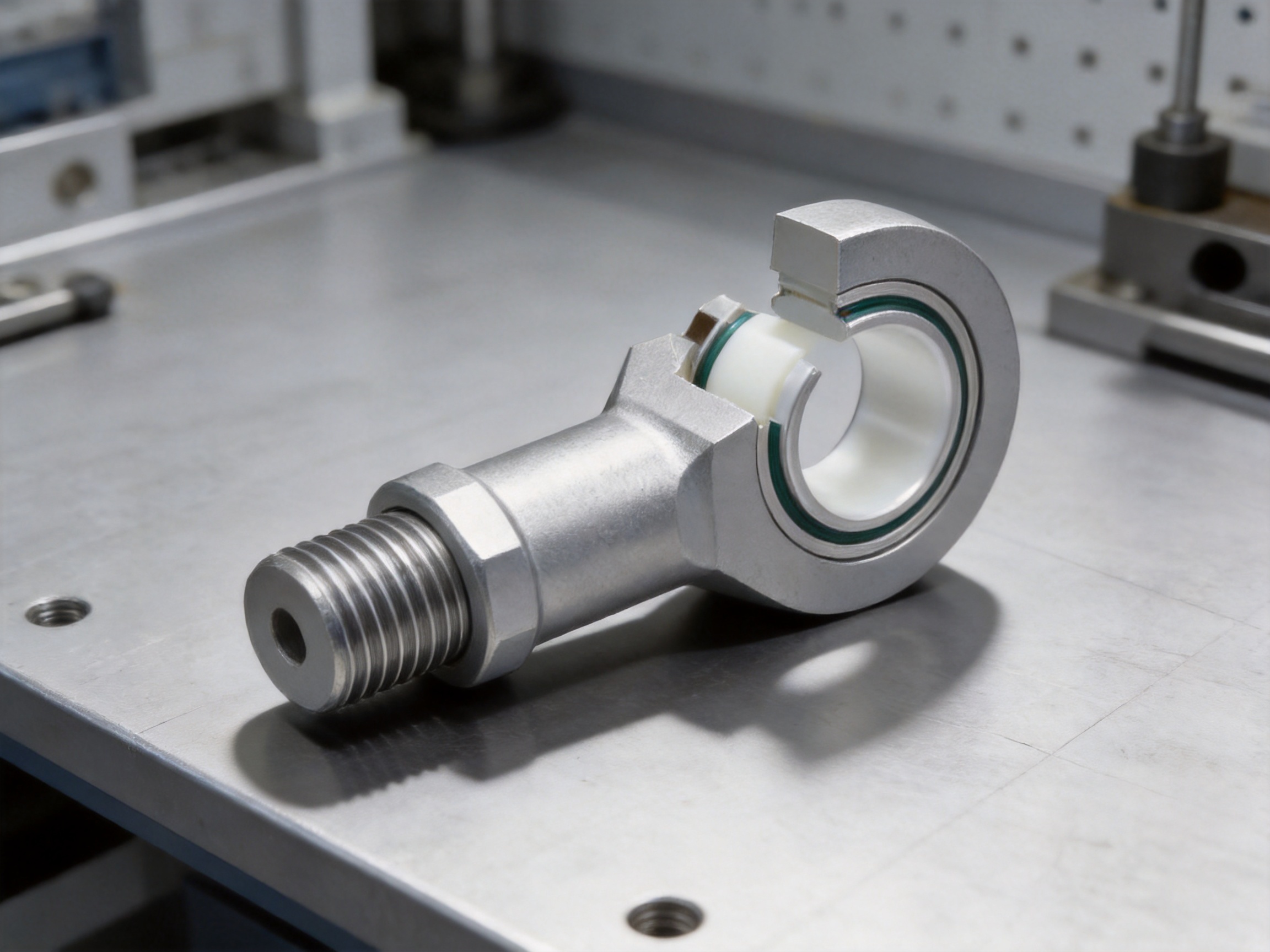
The SI…ETL 2RS type is assembled from a galvanized carbon steel rod end body and a self-lubricating radial spherical plain bearing of the GE…ET 2RS type. The 2RS designation indicates a sealed design, helping prevent contaminants from entering the bearing interface. Its sliding friction pair uses steel and PTFE braided fabric, giving the bearing excellent dry-running properties and stronger suitability for harsh environments. This range extends from size 15 to size 80, covering medium to large rod end requirements where higher loads, larger thread dimensions, and more rugged construction may be necessary.
The maintenance-free concept is especially important because rod end bearings are often installed in places where relubrication is inconvenient. Linkage joints may be hidden behind guards, located inside moving equipment, exposed to dust, or mounted in positions that require downtime to access. A bearing that operates without external lubrication simplifies the service plan and supports more predictable maintenance schedules. It also reduces the risk of incorrect lubrication, contamination from grease, and environmental issues caused by lubricant leakage.
The product’s value begins with its assembled construction. The rod end body supplies mechanical strength and an external or internal threaded interface, while the spherical plain bearing insert provides the sliding contact. This combination allows designers to integrate a pivoting joint directly into a linkage without needing a separate housing, bushing, and mounting block. The compact design saves space and simplifies machine assembly.
The galvanized carbon steel rod end body offers a balance of strength, machinability, and corrosion resistance. Zinc plating helps protect the external housing surface against atmospheric corrosion and handling damage. In many industrial installations, rod ends are exposed to humidity, dust, cleaning fluids, or outdoor environments. While no plating can replace proper material selection for highly corrosive conditions, a galvanized body provides an important layer of protection compared with untreated steel components.
The spherical plain bearing insert supports angular movement. Unlike a rigid bushing, a spherical plain bearing can accept misalignment between the shaft and rod end axis. This is vital for real mechanical systems because linkages rarely remain perfectly aligned during operation. Frames flex, shafts deflect, brackets shift under load, and assembly tolerances accumulate. The rod end bearing allows these movements without forcing excessive edge loading into the joint.
The self-lubricating sliding layer is the defining feature. PTFE-based materials are valued for low friction, chemical stability, and dry-running performance. In the SI…C design, the steel/PTFE composite sliding pair provides efficient movement without an external grease film. In the SI…ETL 2RS design, the steel/PTFE braided fabric interface adds a strong self-lubricating surface appropriate for more demanding conditions. These materials help maintain smooth oscillation even where grease would be squeezed out, contaminated, or neglected.
The sealed construction of the SI…ETL 2RS series provides another competitive advantage. Dust, moisture, fibers, metal particles, and abrasive contaminants can significantly reduce bearing life. The closed-loop sealing design helps block contamination and supports longer stable operation. This is particularly useful in equipment exposed to soil, powder, cement dust, wood particles, textile fibers, or manufacturing debris. By limiting contamination, the seal helps preserve the sliding surface and reduces the chance of accelerated wear.
Traditional lubricated rod end bearings can perform well when grease is applied correctly and consistently. However, maintenance reality is often different from design intent. Grease intervals may be missed, the wrong lubricant may be used, fittings may be damaged, or contamination may enter during relubrication. In high-volume production facilities, every lubrication point represents a task that must be documented, scheduled, and verified. In remote machinery, every service point may require travel, downtime, and labor cost.
A maintenance-free rod end bearing reduces these complications. Because the sliding material is designed for self-lubricating operation, the joint can run without periodic external lubrication. This does not mean the bearing is indestructible or immune to overload, but it does mean that one of the most common causes of field failure—insufficient lubrication—is greatly reduced. For equipment designers, this simplifies the service manual. For end users, it lowers maintenance workload. For machine builders, it increases the perceived reliability of the finished equipment.
The absence of grease also benefits clean or controlled environments. Grease can attract dust, leak onto nearby components, stain products, or interfere with sensors. In some automation systems, packaging machines, printing equipment, or textile machinery, excess lubricant is undesirable. A self-lubricating rod end bearing offers a cleaner solution while still providing the articulation needed for mechanical linkages.
Maintenance-free performance also contributes to cost control. The purchase price of a rod end bearing is only one part of total cost. Labor hours, downtime, replacement frequency, lubricant expense, and production losses can outweigh the initial component cost. A bearing that reduces service requirements and extends operating stability can deliver value beyond its unit price. This is one reason maintenance-free rod ends are widely chosen for modern machinery where reliability and operating efficiency are priorities.
The SI…C type is suitable for a wide temperature range from approximately minus 50 degrees Celsius to plus 150 degrees Celsius. This makes it useful in cold outdoor equipment, general machinery, and applications where elevated operating temperatures occur near motors, hydraulic systems, or process equipment. The steel/PTFE composite sliding pair maintains low-friction behavior across a broad range, supporting stable movement without conventional grease.
The SI…ETL 2RS type is suitable for approximately minus 30 degrees Celsius to plus 130 degrees Celsius. Although the maximum temperature is lower than the SI…C type, the sealed construction and steel/PTFE braided fabric sliding pair offer important advantages in contaminated or more demanding operating environments. The selection between SI…C and SI…ETL 2RS should therefore consider not only temperature but also contamination, sealing requirements, load level, movement pattern, and available mounting space.
Temperature affects bearing performance in several ways. It can influence material expansion, sliding friction, seal behavior, surface wear, and load capacity. Designers should consider both continuous operating temperature and short-term peaks. They should also evaluate environmental temperature, heat generated by motion, and nearby heat sources. Maintenance-free rod end bearings are strong performers in many conditions, but correct selection remains essential for long service life.
Compared with conventional grease-lubricated rod ends, the maintenance-free design offers a major reduction in service demand. Many competing rod ends rely on grease nipples and periodic lubrication to maintain the sliding interface. If maintenance is missed, friction rises and wear accelerates. The self-lubricating structure of the SI…C and SI…ETL 2RS types reduces dependence on field service and helps ensure consistent performance across the bearing’s working life.
Compared with low-cost unsealed rod ends, the SI…ETL 2RS type provides enhanced contamination resistance. In abrasive environments, unsealed joints may allow particles to enter the contact zone, causing scoring, clearance growth, and noise. The sealed 2RS configuration is better suited for harsh environments, making it a stronger choice for customers who value durability rather than only low initial cost.
Compared with generic products with inconsistent thread quality or poor surface treatment, these rod end bearings can be supplied with customization options for different thread pitches or thread precision requirements. Thread accuracy is critical because the rod end is often adjusted to set linkage length, alignment, or preload. Poor threads can create assembly difficulty, uneven load transfer, or field adjustment problems. Custom thread options improve compatibility with specific machinery designs and international customer standards.
Compared with suppliers that only trade standard parts, a manufacturer with integrated production capability can better control dimensional consistency, material quality, heat treatment, grinding, assembly, and packaging. For rod end bearings, small differences in housing geometry, insert quality, thread form, and sliding surface finish can affect the final performance. Integrated manufacturing improves traceability and allows engineering feedback to be applied directly to production.
Another competitive advantage is the breadth of product coverage. The same manufacturing organization supports multiple bearing categories, including cross roller bearings, robot bearings, angular contact ball bearings, spherical roller bearings, cylindrical roller bearings, tapered roller bearings, mounted bearings, Nilos rings, and rod end bearings. This broad technical base matters because customers often require more than one bearing type for a complete machine. A supplier with multi-category expertise can support system-level recommendations rather than only single-part transactions.
The maintenance-free rod end bearing series covers compact sizes for light linkages as well as larger sealed models for heavy industrial applications. The table below summarizes representative model data from the catalog information. Engineers should confirm final dimensions and load ratings before production use, especially for critical safety applications or customized thread requirements.
| Model | Nominal Bore d mm | Thread | Series Type | Sliding Pair | Temperature Range | Approximate Weight kg | Key Feature |
| SI5C | 5 | M5 | SI...C | Steel/PTFE composite | -50 to +150 degrees Celsius | 0.023 | Compact maintenance-free linkage bearing |
| SI10C | 10 | M10 | SI...C | Steel/PTFE composite | -50 to +150 degrees Celsius | 0.065 | General industrial rod end with dry-running capability |
| SI20C | 20 | M20 x 1.5 | SI...C | Steel/PTFE composite | -50 to +150 degrees Celsius | 0.335 | Medium-size self-lubricating rod end |
| SI30C | 30 | M30 x 2 | SI...C | Steel/PTFE composite | -50 to +150 degrees Celsius | 1.05 | Large model in the SI...C range |
| SI40ETL-2RS | 40 | M39 x 3 | SI...ETL 2RS | Steel/PTFE braided fabric | -30 to +130 degrees Celsius | 2.05 | Sealed design for contaminated environments |
| SI50ETL-2RS | 50 | M45 x 3 | SI...ETL 2RS | Steel/PTFE braided fabric | -30 to +130 degrees Celsius | 3.48 | High-load sealed maintenance-free rod end |
| SI70ETL-2RS | 70 | M58 x 4 | SI...ETL 2RS | Steel/PTFE braided fabric | -30 to +130 degrees Celsius | 8.72 | Heavy-duty articulated joint solution |
| SI80ETL-2RS | 80 | M84 x 4 | SI...ETL 2RS | Steel/PTFE braided fabric | -30 to +130 degrees Celsius | 12.9 | Large sealed rod end for demanding mechanisms |
The catalog includes additional dimensional fields such as bearing width, spherical diameter, housing dimensions, thread size, total length, shoulder dimensions, chamfer information, permissible angle, dynamic load rating, static load rating, and approximate weight. These values help designers verify envelope size, load suitability, and assembly compatibility. The presence of both dynamic and static load ratings is especially useful because rod end bearings often experience oscillating loads, shock loads, and static holding loads within the same mechanism.
Selecting the correct rod end bearing begins with load analysis. The designer should determine radial load, direction of force, shock factor, duty cycle, oscillation angle, frequency, and expected life. Dynamic load ratings help evaluate moving applications, while static load ratings are important for stationary or slowly moving joints under high force. Because real machines often experience vibration and impact, a suitable safety factor should be applied rather than selecting a bearing solely at the theoretical maximum load.
The second selection factor is alignment and angular displacement. Rod end bearings are chosen because they can accommodate misalignment, but every design has an allowable angular range. If the linkage requires a large angle, the designer must check that the housing, shaft, spacers, and adjacent components do not interfere. Excessive angular misalignment can cause edge loading, seal damage, or restricted movement. Correct installation geometry is therefore as important as bearing size.
The third selection factor is environment. For relatively clean environments with broad temperature requirements, the SI…C structure may be suitable. For dusty, dirty, humid, or abrasive environments, the sealed SI…ETL 2RS structure may provide a better service life. If the application is exposed to water washdown, chemicals, salt spray, or high corrosion risk, the housing material, plating, seal compatibility, and surrounding protection should be reviewed carefully.
The fourth selection factor is thread configuration. The product supports customization for different pitches and thread precision requirements. Left-hand thread versions are also available by adding an appropriate marking such as “L” or “left” after the model number. For example, a left-hand thread variant can be marked in a format such as SIL20C M20 x 1.5 left-6H. This is particularly important in turnbuckles, steering linkages, control rods, and adjustment systems where one end may use a right-hand thread and the other a left-hand thread for length adjustment.
The fifth selection factor is maintenance philosophy. If a machine is designed around minimal service points, the maintenance-free rod end bearing is a logical choice. If the machine is already maintained frequently and operates under extreme shock loads or special contamination conditions, the designer may compare self-lubricating and relubricatable alternatives. The strongest designs are those where the bearing choice matches the real maintenance behavior of the end user.
A high-quality rod end bearing depends on disciplined manufacturing. The company behind this product integrates research and development, production, and international distribution, with a modernized factory covering key process steps such as forging, turning, heat treatment, grinding, assembly, and packaging. This integrated approach is valuable because bearing quality is created through a chain of controlled operations rather than a single inspection at the end.
Forging contributes to structural strength by forming the metal body under pressure. A well-controlled forging process can improve grain flow and produce a strong housing foundation. The rod end body must resist tensile loads, bending loads, thread stress, and fatigue. Strong housing integrity is essential because the bearing insert can only perform properly if the surrounding structure remains stable.
Turning operations define the housing geometry, thread interface, shoulders, and mounting surfaces. Accurate machining ensures that the spherical plain bearing insert fits correctly and that the threaded shank or bore mates reliably with the customer’s linkage. Poor machining can create misalignment, inconsistent wall thickness, or assembly looseness. Precision turning is therefore a fundamental contributor to reliable rod end performance.
Heat treatment is used where required to achieve appropriate mechanical properties. Bearing components must balance hardness, toughness, wear resistance, and dimensional stability. Improper heat treatment can lead to brittle fracture, soft surfaces, or distortion. A factory with controlled heat-treatment capability can better maintain consistency across production batches.
Grinding and finishing operations influence fit, motion smoothness, and contact quality. In spherical plain bearings, the sliding interface must support controlled movement without excessive friction or localized stress. Surface quality directly affects friction behavior and wear life. Precision grinding and finishing help ensure that the PTFE-based sliding layer interacts with the steel mating surface in a stable and predictable way.
Assembly is another critical stage. The spherical bearing insert must be correctly seated into the rod end housing, and sealed versions must be assembled to protect the sliding interface. Assembly quality affects internal clearance, rotational smoothness, seal condition, and final appearance. A carefully managed assembly process reduces the risk of premature failure caused by improper fit or contamination during production.
Packaging may seem less technical, but it is important for global export. Bearings can be damaged by moisture, impact, dust, or poor handling before they ever reach the customer’s factory. Proper packaging protects the finished surfaces, preserves identification, and supports inventory control. For international customers, packaging quality is part of the reliability chain.
The manufacturer has positioned technology as a core strength, with dedicated research and development focused on high-precision bearing solutions. Although rod end bearings differ from ultra-precision spindle bearings or cross roller bearings, the same engineering culture is valuable. Knowledge of contact mechanics, material behavior, heat treatment, dimensional control, and testing can be transferred across bearing categories.
Experience in products such as cross roller bearings, robot bearings, and dual-direction thrust angular contact ball bearings indicates familiarity with demanding motion systems. Robotics and intelligent automation require bearings that operate with precision, repeatability, and compactness. This background supports better engineering decisions in rod end bearing production, particularly where customers need consistent quality across many units.
Digital production control also improves reliability. When process data is monitored and documented, manufacturers can detect variation earlier, reduce batch inconsistency, and support traceability. For customers in industrial machinery, traceability is increasingly important. It helps identify production lots, verify material and process records, and respond quickly if a technical question arises.
The company’s export experience is another strength. Supplying customers in the United States, Italy, Germany, Poland, South Africa, Egypt, India, and other regions requires familiarity with different standards, documentation expectations, packaging needs, and communication practices. International buyers often require responsive technical support, accurate quotations, dimensional confirmation, and stable lead times. A supplier with long-term OEM and ODM export experience is better prepared to meet these expectations.
Maintenance-free rod end bearings are widely used wherever a linkage must move through a controlled arc while carrying load. In industrial automation, they can be used in actuator connections, cylinder ends, transfer arms, indexing equipment, and adjustable guide mechanisms. Their ability to tolerate misalignment helps prevent binding when machines cycle repeatedly at high speed.
In robotics and intelligent equipment, rod ends may be used in auxiliary linkages, end-of-arm tooling, adjustment mechanisms, and support structures. While high-precision robot joints often use specialized bearings, rod end bearings remain valuable in peripheral mechanisms that require compact articulation and simple adjustment. Maintenance-free operation is beneficial because automated production lines are designed for high uptime.
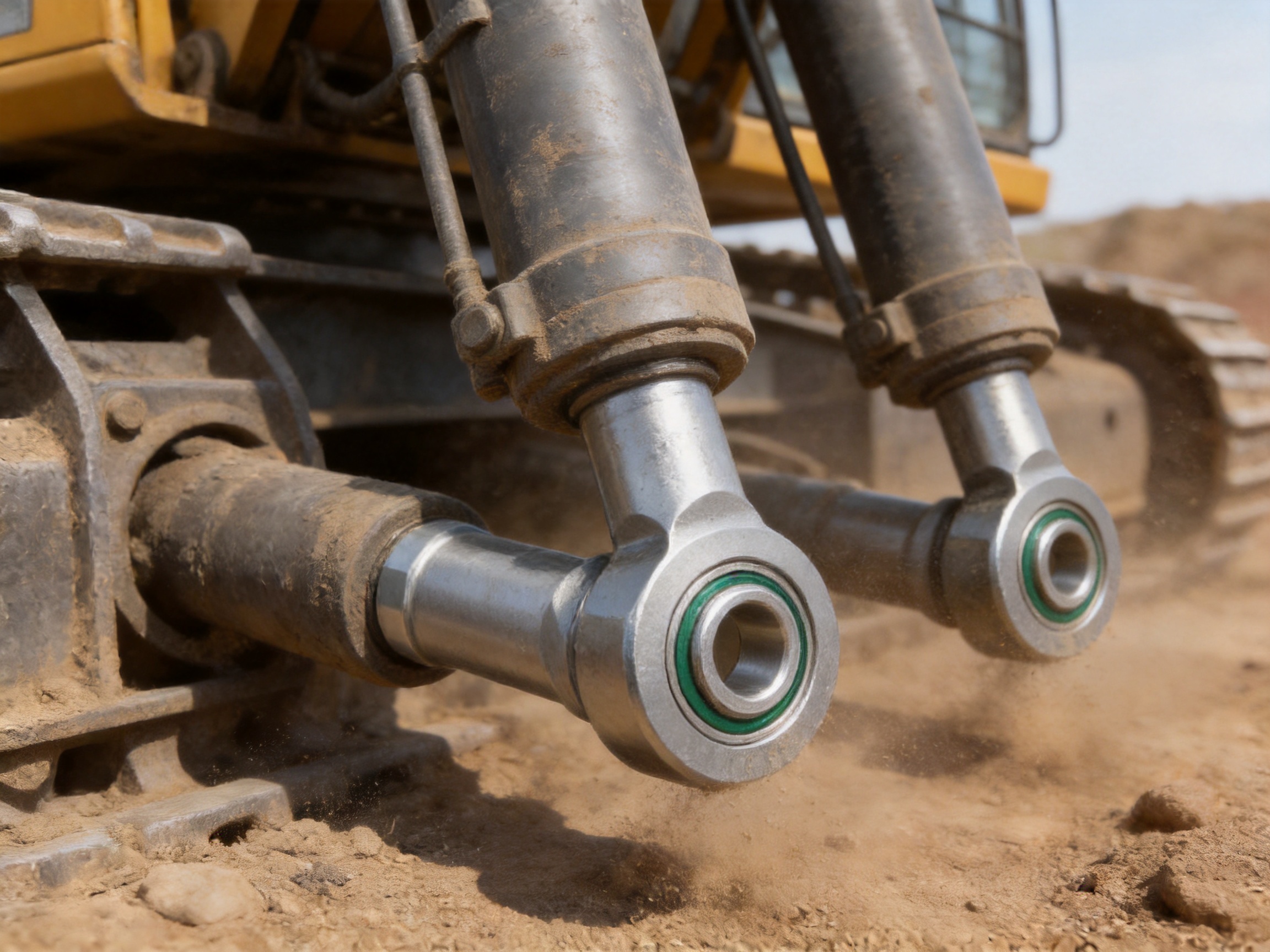
In agricultural equipment, rod end bearings can appear in steering systems, hydraulic cylinder linkages, mower mechanisms, sprayers, tillage tools, and harvesters. These environments often include dust, soil, moisture, vibration, and irregular loading. The sealed SI…ETL 2RS design is especially attractive where contamination is a major concern and frequent greasing is inconvenient.
In construction and material-handling machinery, rod ends are used in control linkages, stabilizer systems, lift mechanisms, steering controls, and hydraulic attachments. Shock loads and contamination are common. A strong carbon steel body, self-lubricating bearing insert, and sealed option can help support reliable performance under tough field conditions.
In packaging and printing machinery, cleanliness and consistent motion are important. Grease leakage can contaminate products or substrates, while inconsistent movement can affect registration and handling accuracy. Maintenance-free rod ends reduce lubricant-related issues and provide stable articulation for control arms, tensioning systems, and adjustment linkages.
In textile and light manufacturing equipment, lint, fibers, and dust can stick to greased surfaces and accelerate wear. A dry-running rod end bearing can reduce the accumulation of contaminants compared with grease-lubricated joints. The sealed type offers additional protection where airborne particles are abundant.
In transportation and specialty vehicles, rod end bearings are often selected for steering, suspension, linkage control, and adjustment systems. Selection must be performed carefully because safety loads can be high, but the maintenance-free concept remains valuable where reliability and inspection efficiency matter.
Original equipment manufacturers benefit from rod end bearings that simplify design and assembly. A rod end bearing combines a joint and a threaded connection in a compact part, reducing the number of components required. This can shorten assembly time and lower inventory complexity. When the bearing is maintenance-free, the machine builder can also reduce the number of lubrication points in the final product.
Customization options are particularly useful for OEM customers. Different machines may require special thread pitches, thread tolerances, left-hand threads, or model markings. A supplier that can accommodate these requirements helps engineers avoid redesigning surrounding components. It also supports replacement part consistency, because the bearing can be supplied with markings that match the customer’s service documentation.
Stable production capacity is another advantage for OEM programs. The company reports a monthly production capability of 10,000 to 50,000 units, supporting both recurring orders and project-based demand. For machine builders, supply stability matters as much as technical performance. A bearing shortage can delay machine delivery, disrupt assembly lines, and damage customer relationships.
Multilingual service and rapid technical response add practical value. Bearing selection often requires clarification of dimensions, load ratings, interchangeability, thread specifications, or installation recommendations. A supplier able to respond quickly can shorten design cycles and reduce procurement risk. After-sales support is also important when customers need installation guidance or maintenance advice.
Quality control for maintenance-free rod end bearings should include material verification, dimensional inspection, thread gauging, surface examination, fit assessment, load-related checks, and functional movement testing. Because the bearing is an assembled product, both the housing and the spherical insert must meet requirements. A defect in either part can compromise the final assembly.
Thread inspection is critical. Rod end bearings often carry load through the threaded shank or internal thread. The thread must match the specified pitch, tolerance, and direction. Incorrect thread geometry can lead to poor engagement, assembly damage, or reduced load capacity. For left-hand thread versions, clear marking is essential to prevent installation mistakes.
Dimensional inspection ensures interchangeability. Bore diameter, bearing width, outside geometry, housing length, thread length, shoulder dimensions, and angular clearance all affect fit. Customers replacing existing rod ends need confidence that the new part will install without modification. OEMs need consistency so assembly jigs and automated tools operate properly.
Surface quality influences both corrosion resistance and motion. Zinc plating should be uniform and properly adhered. Sliding surfaces must be clean and finished to support low-friction movement. Seals should be seated correctly without damage. The bearing should articulate smoothly without excessive looseness, tight spots, or abnormal noise.
Packaging inspection helps ensure that the product arrives in usable condition. Bearings should be protected against moisture, impact, and contamination during transport. Clear labels and model identification reduce receiving errors and make warehouse management easier.
Correct installation is essential for bearing life. The rod end should be mounted so that the main load is aligned with the intended load path. Excessive bending moment on the threaded shank should be avoided unless the design has been specifically checked for that condition. Jam nuts or locking devices should be tightened correctly to prevent loosening during vibration.
The mating pin or shaft should match the bearing bore and should provide proper support. If the pin is too loose, impact wear may occur. If it is too tight or misaligned, the bearing may bind. Spacers should be used when necessary to prevent interference with the housing and to allow angular movement. Designers should confirm that the linkage can move through its full range without contacting surrounding parts.
Although the bearing is maintenance-free, inspection is still recommended. Maintenance-free does not mean inspection-free. Users should periodically check for abnormal clearance, corrosion, seal damage, housing cracks, thread loosening, or unusual noise. The inspection interval should reflect the severity of the application. Heavy shock loads, abrasive dust, outdoor exposure, and safety-critical use require more frequent checks.
External lubrication should not be applied unless approved for the specific design. Adding grease to a self-lubricating bearing may attract contaminants and interfere with the intended dry-running behavior. If the application requires special cleaning or chemical exposure, compatibility should be reviewed.
Maintenance-free rod end bearings contribute to sustainability in practical ways. By reducing or eliminating external lubrication, they reduce grease consumption and minimize lubricant waste. In clean manufacturing environments, less grease also means less contamination and fewer cleaning materials. Longer operating life can reduce replacement frequency, which lowers material consumption and transport impact.
The company’s broader commitment to environmentally responsible processes, material recycling, and energy optimization strengthens this value. Manufacturing sustainability is not only about the bearing itself; it includes how raw materials are used, how processes are controlled, how scrap is managed, and how energy is consumed. Customers increasingly consider these factors when choosing industrial suppliers.
Operational efficiency is closely connected to sustainability. A machine that runs reliably with fewer service interruptions consumes less labor, produces fewer defective products, and uses resources more effectively. In this sense, a maintenance-free rod end bearing supports both economic and environmental goals.
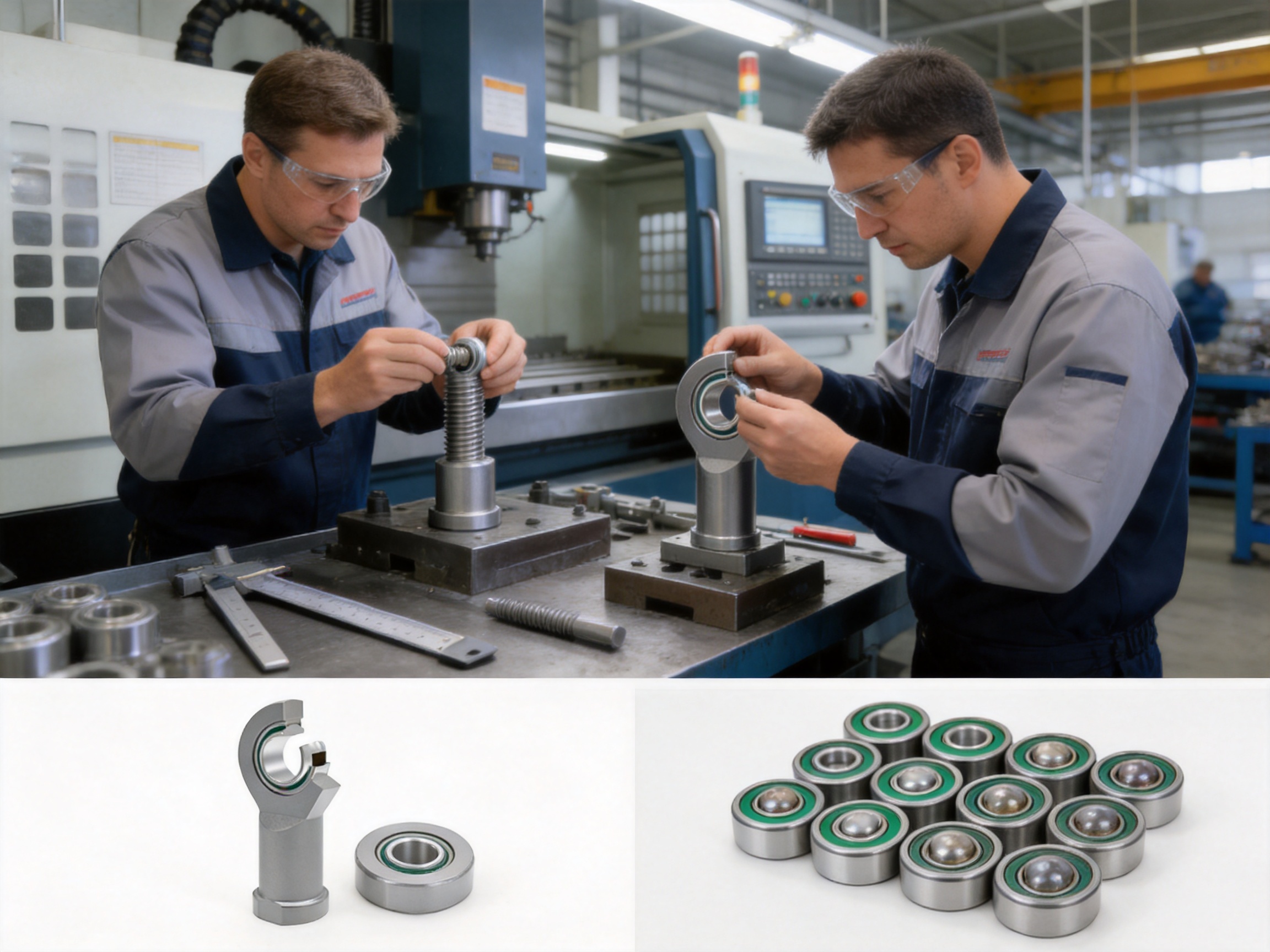
A maintenance-free rod end bearing provides an articulated connection between mechanical components while reducing or eliminating the need for external lubrication. It transfers load, accommodates angular misalignment, and supports oscillating or tilting motion in linkages, actuators, control arms, and adjustment mechanisms.
The SI…C type uses a galvanized carbon steel rod end body assembled with a GE…C self-lubricating spherical plain bearing and a steel/PTFE composite sliding pair. It operates in a broad temperature range from approximately minus 50 degrees Celsius to plus 150 degrees Celsius. The SI…ETL 2RS type uses a GE…ET 2RS self-lubricating spherical plain bearing, steel/PTFE braided fabric, and a sealed design for better contamination resistance. Its temperature range is approximately minus 30 degrees Celsius to plus 130 degrees Celsius.
The sealed design helps prevent dust, moisture, fibers, and abrasive particles from entering the sliding interface. This protection can reduce wear and support longer operating stability in environments such as agricultural equipment, construction machinery, material handling systems, textile machinery, and dusty industrial facilities.
No. Maintenance-free means the bearing is designed to operate without regular external lubrication. It should still be inspected periodically for wear, clearance growth, corrosion, seal damage, thread loosening, or abnormal movement. Inspection is especially important in heavy-duty or safety-critical applications.
Yes. Left-hand thread versions are available with appropriate model marking. A common method is to add “L” or “left” after the model number or thread description, such as a marking format similar to SIL20C M20 x 1.5 left-6H. This helps ensure correct identification during assembly and replacement.
The key advantages include reduced maintenance labor, no routine greasing requirement, cleaner operation, lower risk of lubrication neglect, and improved suitability for inaccessible mounting locations. The sealed SI…ETL 2RS version also offers stronger protection against contamination compared with many unsealed alternatives.
They can be used in industrial automation, robotics support mechanisms, agricultural equipment, construction machinery, packaging machines, printing systems, textile equipment, transportation linkages, hydraulic cylinder connections, and general mechanical adjustment systems.
Engineers should evaluate load, duty cycle, oscillation angle, operating temperature, contamination level, thread size, thread direction, installation space, expected service life, and inspection accessibility. For critical applications, final selection should be confirmed using detailed catalog data and engineering review.
Manufacturing capability affects housing strength, thread accuracy, bearing fit, sliding surface quality, seal integrity, corrosion protection, and batch consistency. Integrated processes such as forging, turning, heat treatment, grinding, assembly, and packaging help ensure stable product performance.
Yes. Customization options include different thread pitches and thread precision requirements. This is valuable for OEM customers, replacement programs, special linkage designs, and applications requiring left-hand thread configurations.
The maintenance-free rod end bearing is a compact but highly important component for reliable articulated motion. By combining a galvanized carbon steel rod end body with a self-lubricating spherical plain bearing, it offers smooth movement, misalignment accommodation, and reduced maintenance requirements. The SI…C type provides a broad temperature range and dependable dry-running performance for general industrial use, while the SI…ETL 2RS type adds sealed protection and steel/PTFE braided fabric for harsher environments.
Its advantages over many conventional competitors are clear: no routine external lubrication, cleaner operation, reduced service workload, contamination-resistant sealed options, customizable threads, and a wide model range from compact to heavy-duty sizes. For OEMs and maintenance teams, these advantages translate into improved uptime, simplified design, lower service burden, and better long-term value.
The product is further strengthened by advanced manufacturing capability. Integrated forging, turning, heat treatment, grinding, assembly, and packaging processes help control quality from raw material to finished bearing. Research and development expertise, digital production control, export experience, and broad bearing-category knowledge all contribute to a more reliable supply solution for global customers.
In a market where low-cost components often fail to deliver consistent performance, a well-manufactured maintenance-free rod end bearing offers a more strategic choice. It supports stable machine operation, reduces hidden maintenance costs, and helps designers build equipment that performs reliably in real operating conditions. For linkages that must move smoothly, carry load, tolerate misalignment, and operate with minimal attention, this bearing series provides a practical and technically sound solution.
1. Harris, T. A., and Kotzalas, M. N. Rolling Bearing Analysis: Essential Concepts of Bearing Technology.
2. ISO 12240-4. Spherical Plain Bearings: Rod Ends.
3. Brändlein, J., Eschmann, P., Hasbargen, L., and Weigand, K. Ball and Roller Bearings: Theory, Design and Application.
4. Neale, M. J. The Tribology Handbook.
5. Stachowiak, G. W., and Batchelor, A. W. Engineering Tribology.
6. Manufacturer catalog data for SI…C and SI…ETL 2RS maintenance-free rod end spherical plain bearings.
Product Categories
Contact Us

Jane@ukl-bearing.com
Jenny@ukl-bearing.com
Andy@ukl-bearing.com
Ivy@ukl-bearing.com

+86-510- 88763239
+86-15371057968

No.1 Hehuan Road, Hudai Town, Binhu District, Wuxi City.
Ready to Begin?
Get in Touch

Now!
UKL BEARING
 English
 Español
 русский