Content
In modern mechanical systems, a rod end bearing is far more than a simple linkage component. It is a precision motion element that must transmit force, compensate for misalignment, support oscillating movement, and maintain reliable performance under demanding operating conditions. The SIBP/SABP precision rod end bearing series is designed for applications where compact structure, low maintenance, smooth articulation, and long service life are essential.
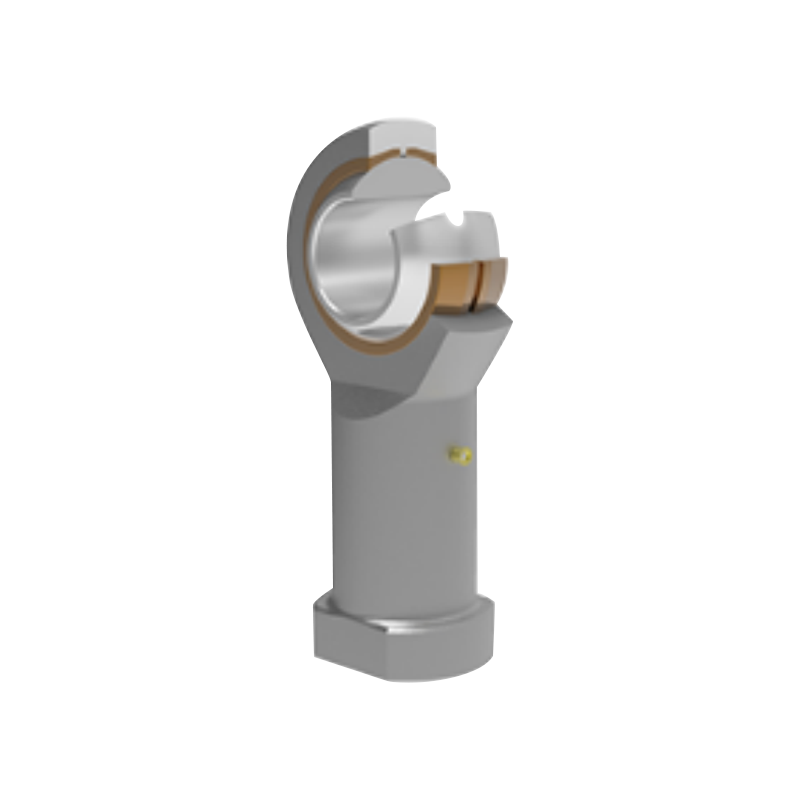
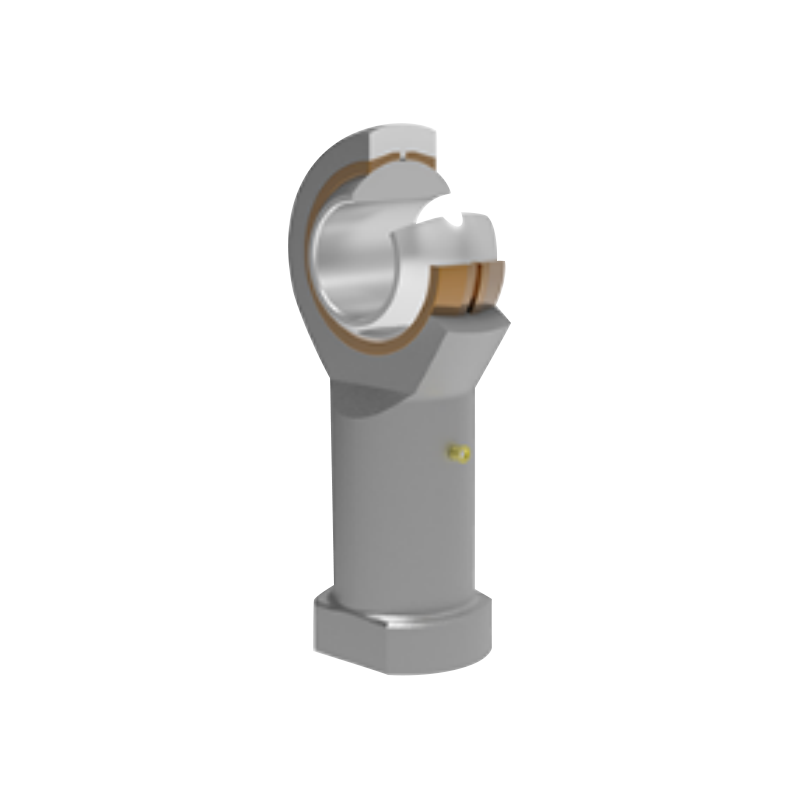
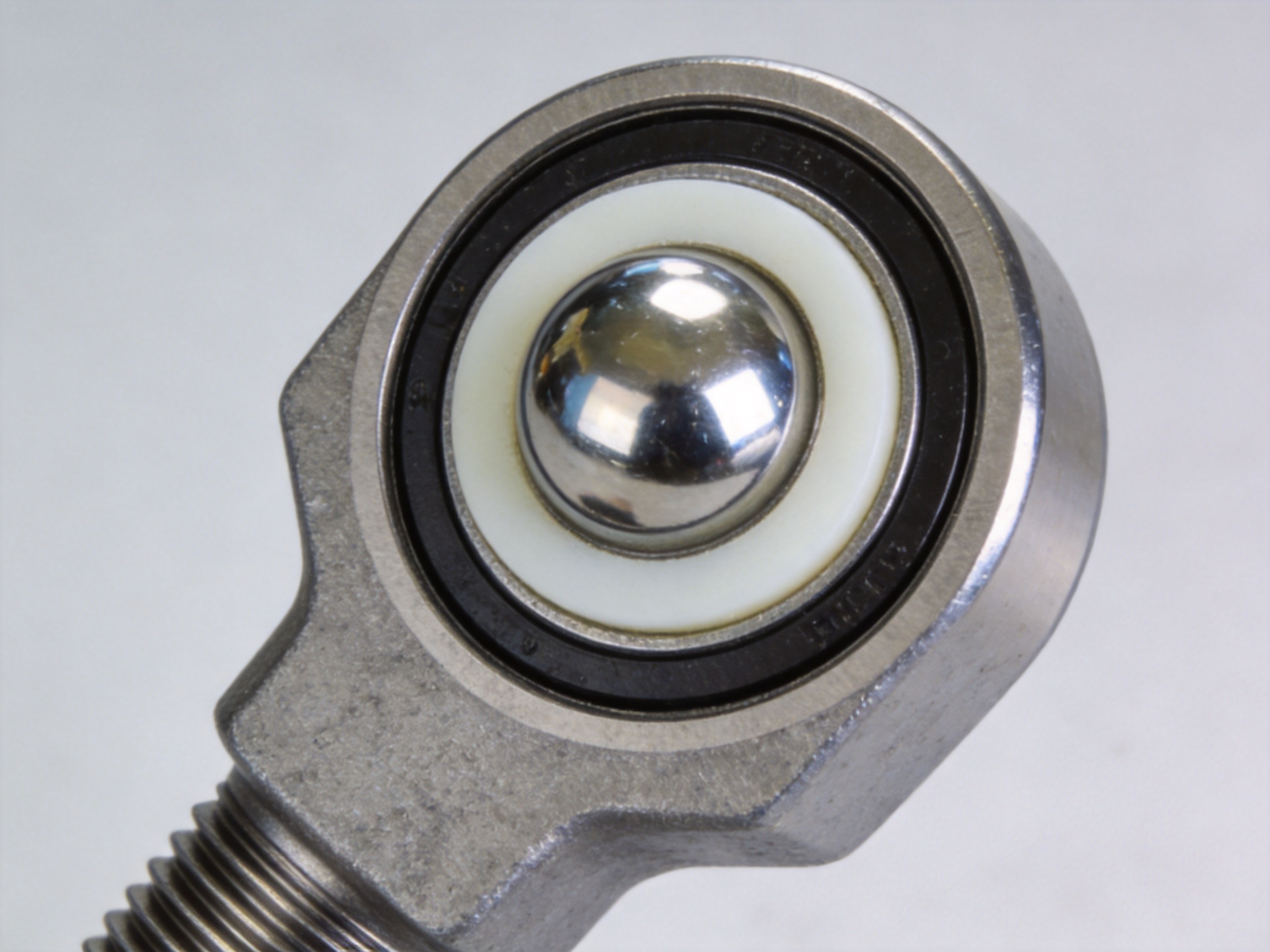
This product series belongs to the rod end bearing category and is built around a self-lubricating spherical bearing structure. It consists of a rod end body, an inner ring, and a PTFE plastic liner. The rod end body is manufactured from carbon steel with a galvanized surface treatment, while the inner ring is made from bearing steel, hardened, and spherically hard chrome plated. The sliding surface works directly with the PTFE liner, allowing lubrication-free operation in many applications.
For engineers, purchasing managers, and equipment manufacturers, the value of this product lies in its balanced combination of precision, durability, corrosion resistance, and maintenance reduction. Compared with conventional greased rod ends, the SIBP/SABP series can reduce lubrication work, minimize downtime, simplify maintenance planning, and provide stable movement in compact assemblies.
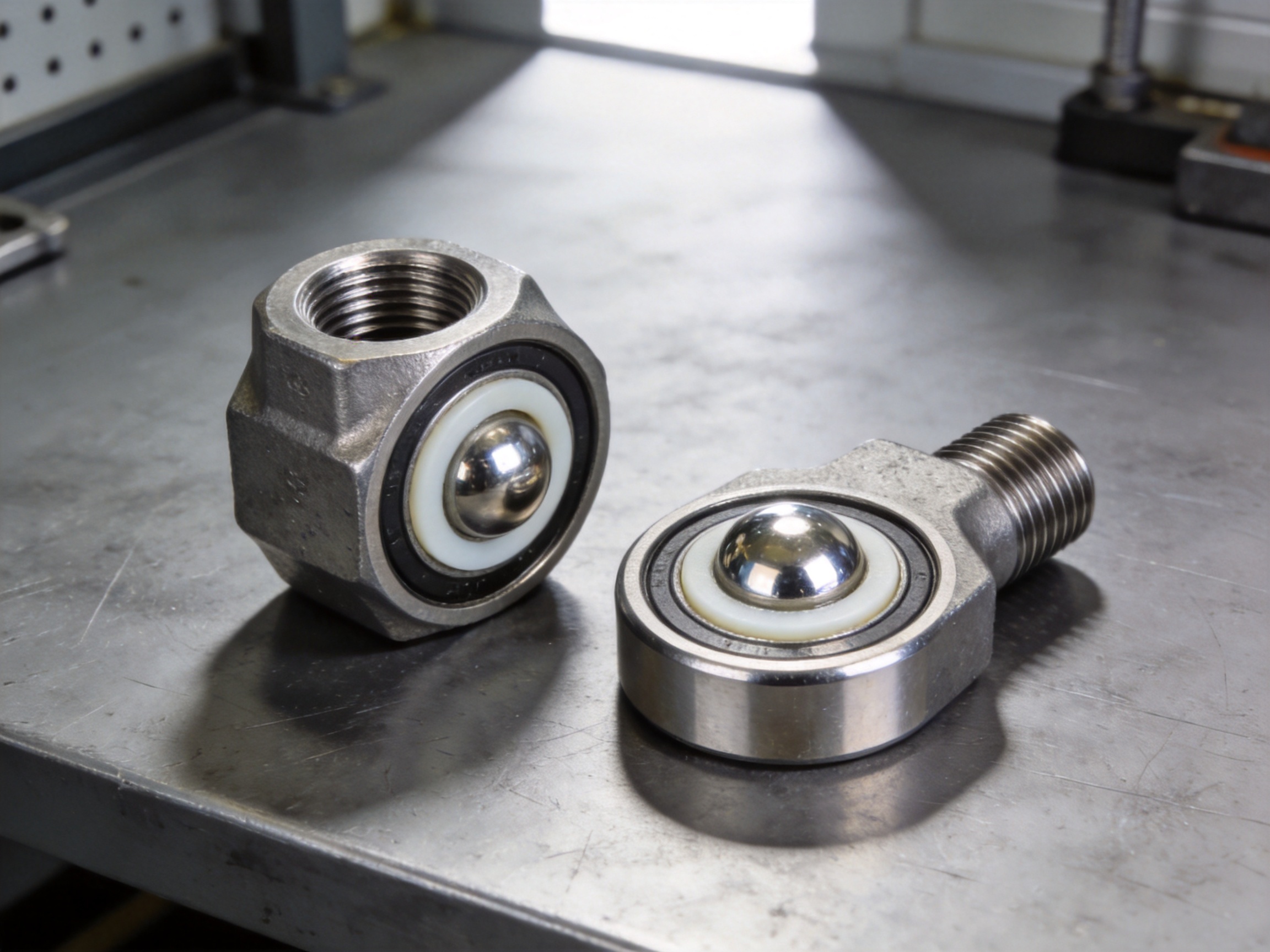
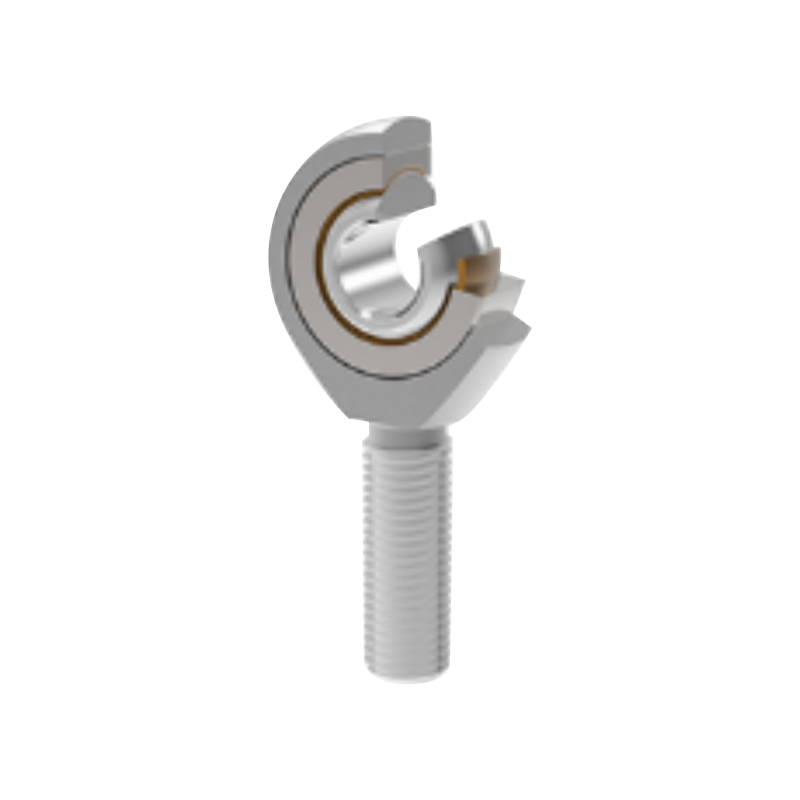
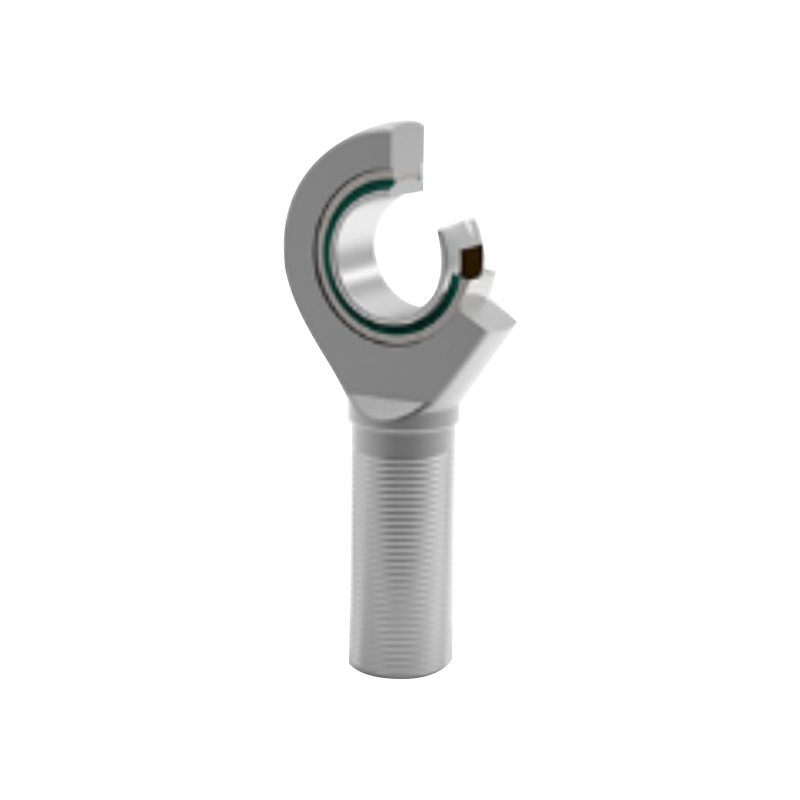
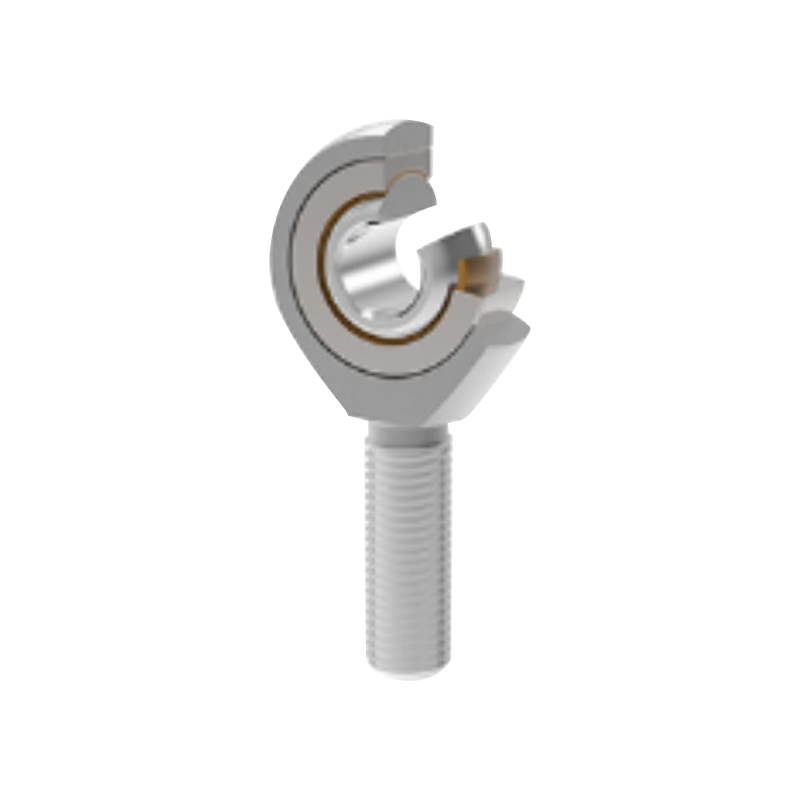
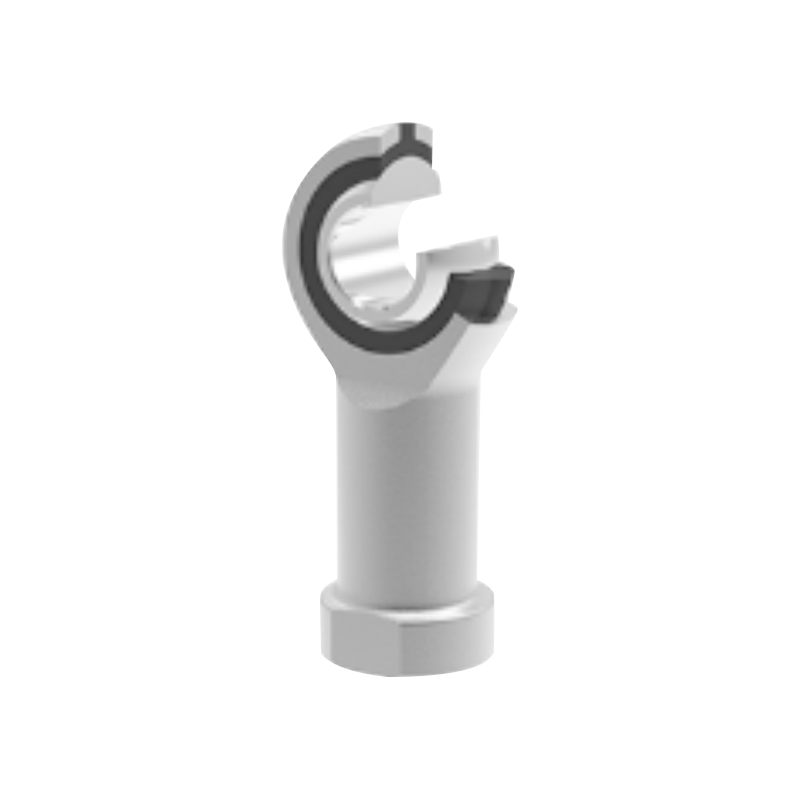
The SIBP/SABP precision rod end bearing series is developed for compact mechanical linkages that require angular misalignment capability and reliable load transmission. The product covers both internal thread and external thread configurations, making it suitable for different installation structures. The SIBP series is typically associated with internal thread rod end bearings, while the SABP series is associated with external thread rod end bearings.
The bearing uses a steel/PTFE plastic sliding friction pair. This design allows the hardened and chrome-plated spherical inner ring to move against a low-friction PTFE liner. The result is a smooth sliding interface that does not depend on frequent external lubrication. This is especially beneficial for systems where grease contamination is unacceptable, where regular maintenance is difficult, or where compact design limits access to lubrication points.
The operating temperature range of the series is from -40 °C to +75 °C. This range supports many industrial, automation, agricultural, packaging, and mechanical control applications. Within this range, the PTFE liner helps maintain low friction, while the carbon steel rod end body and hardened bearing steel inner ring provide structural strength and wear resistance.
Available nominal sizes include product numbers from 5 to 20, such as SIBP5N, SIBP6N, SIBP8N, SIBP10N, SIBP12N, SIBP14N, SIBP16N, SIBP18N, and SIBP20N. External thread versions include corresponding SABP models, including SABP6N, SABP8N, SABP10N, SABP12N, SABP14N, SABP16N, SABP18N, and SABP20N. The series supports metric thread options such as M5, M6, M8, M10, M12, M14, M16, M18 x 1.5, and M20 x 1.5.
The performance of a rod end bearing depends heavily on the quality of its three primary elements: the housing or rod end body, the spherical inner ring, and the sliding liner. In this series, each element is selected and processed to satisfy a specific mechanical function.
The rod end body is produced from carbon steel, giving the component the strength required to support radial and combined loads in linkage systems. A galvanized surface helps improve corrosion resistance during storage, transportation, and service. This is an important advantage for machinery exposed to humidity, industrial atmosphere, or outdoor handling conditions.
The inner ring is made from bearing steel. Bearing steel is selected because it offers excellent hardness, fatigue strength, dimensional stability, and wear resistance after proper heat treatment. The ring is hardened to improve its ability to resist deformation and surface wear during repeated oscillating movement. In addition, the spherical surface is hard chrome plated, creating a smooth, durable contact surface that works efficiently with the PTFE liner.
The PTFE plastic liner is the key to the bearing’s self-lubricating function. PTFE is widely recognized for its low coefficient of friction, chemical resistance, and stable sliding behavior. By placing the PTFE liner between the rod end body and the spherical inner ring, the product achieves smooth motion without relying on continuous grease supply. This makes it especially useful in locations where grease may attract dust, where contamination control is important, or where maintenance intervals must be extended.
One of the most important advantages of the SIBP/SABP series is lubrication-free operation. Traditional steel-on-steel rod end bearings often require periodic greasing to prevent wear and seizure. If lubrication is neglected, friction increases, movement becomes inconsistent, and bearing life is reduced. By using a steel/PTFE sliding pair, this series reduces dependence on manual lubrication and supports cleaner operation.
Another major advantage is compactness. The series is designed as a compact rod end spherical bearing assembly, allowing it to be installed in limited spaces. Compact design is increasingly important in modern automation, robotics, packaging machines, actuators, and motion control equipment, where every millimeter of space matters. The bearing provides angular movement capability while maintaining a practical envelope size.
The product also provides strong resistance to wear. The hardened bearing steel inner ring and chrome-plated spherical surface deliver a hard and smooth counterface. When this surface slides against the PTFE liner, friction and wear are reduced. This material combination provides better long-term stability than lower-grade materials or untreated sliding surfaces.
Corrosion resistance is another competitive advantage. The galvanized carbon steel body helps protect the housing surface from corrosion. While rod end bearings are often small components, corrosion can significantly affect thread engagement, assembly appearance, and long-term reliability. A protective surface treatment improves the product’s suitability for industrial environments.
Compared with low-cost generic alternatives, the SIBP/SABP series also offers better customization flexibility. Thread customization is supported for non-standard pitch or special thread precision requirements. Left-hand thread versions can be supplied when needed, with model and thread markings including “L” and “left.” This capability is valuable for OEM equipment builders who require linkage pairs, adjustment mechanisms, or special assembly configurations.
The following table summarizes representative information from the SIBP/SABP precision rod end bearing series. Values are provided for selection reference and may vary according to final customization requirements.
| Model | Thread Type | Bore Diameter | Typical Thread | Sliding Pair | Temperature Range | Key Feature |
| SIBP5N to SIBP20N | Internal thread | 5 mm to 20 mm | M5 to M20 x 1.5 | Steel / PTFE plastic | -40 °C to +75 °C | Compact self-lubricating design |
| SABP6N to SABP20N | External thread | 5 mm to 20 mm | M5 to M20 x 1.5 | Steel / PTFE plastic | -40 °C to +75 °C | Easy integration into linkage systems |
| Left-hand thread options | Internal or external | Customized by model | Custom pitch available | Steel / PTFE plastic | -40 °C to +75 °C | Suitable for adjustable mechanisms |
| Special precision thread options | Customized | Customized by model | Non-standard pitch supported | Steel / PTFE plastic | Application dependent | Designed for OEM requirements |
Rod end bearings are commonly used where a linkage must transmit motion while allowing angular misalignment. In real equipment, shafts, arms, brackets, actuators, and levers are rarely aligned perfectly under all operating conditions. Manufacturing tolerances, frame deflection, thermal expansion, and load variation can all create misalignment. A spherical rod end bearing compensates for this movement and helps protect the surrounding structure.
The SIBP/SABP series is suitable for automation equipment, packaging machines, light industrial machinery, control rods, actuators, agricultural equipment, material handling systems, and mechanical adjustment devices. Its self-lubricating structure is particularly valuable in systems that require repeated oscillating motion rather than continuous high-speed rotation.
In automation systems, rod end bearings are often installed on pneumatic cylinders, electric actuators, grippers, indexing mechanisms, and adjustable linkages. Smooth articulation helps maintain positioning consistency. Reduced maintenance helps operators keep production lines running with fewer interruptions.
In packaging machinery, contamination control and cleanliness are important. Grease can attract dust, film particles, paper fibers, or food packaging residues. A self-lubricating bearing can reduce the amount of exposed lubricant in the machine environment. This makes the series a practical choice for many packaging and light processing applications.
In agricultural and outdoor equipment, rod ends are exposed to vibration, moisture, dirt, and variable loads. The galvanized housing surface and durable spherical interface help improve reliability under such conditions. Although application conditions should always be reviewed carefully, the product’s materials and compact design offer a strong foundation for robust mechanical linkages.
Customization is one of the strongest advantages of this series. Standard models cover common metric thread sizes, but many equipment designs require special thread pitch, tighter thread precision, or left-hand thread versions. Supporting these options allows the bearing to fit into existing designs without forcing customers to redesign surrounding parts.
Left-hand threads are commonly used in adjustment mechanisms where paired right-hand and left-hand rod ends allow length adjustment by rotating a central tube or turnbuckle. This is common in link rods, steering mechanisms, positioning systems, and mechanical tension adjustments. For left-hand internal thread versions, model and thread markings should include “L” and “left,” such as SILBP20N M20 x 1.5 left 6H. For left-hand external thread versions, markings may follow a format such as SALBP20N M20 x 1.5 left 6g.
Non-standard pitch options can help OEMs match regional standards, legacy machinery, or special design requirements. Special thread precision can improve assembly consistency in high-quality mechanical systems. This is particularly useful for manufacturers who need repeatable installation torque, improved thread engagement, or accurate linkage length adjustment.
UKL Bearing Manufacturing Co., Ltd. operates as an integrated manufacturer and trader with extensive OEM and ODM export experience. The company combines research and development, production, quality control, and international distribution. This integration helps ensure that product design, manufacturing feasibility, inspection requirements, and customer application needs are considered together.
The company’s production system includes multiple manufacturing processes such as forging, turning, heat treatment, grinding, assembly, and packaging. Each process contributes to the final performance of the bearing. In rod end bearing production, the quality of raw material preparation, dimensional machining, heat treatment stability, surface finishing, and assembly accuracy directly affects product reliability.
Forging or material preparation provides the foundation for mechanical strength. Proper material selection and forming help create a stable structure capable of withstanding service loads. Turning operations define the geometry of the rod end body, thread, and bearing seat. Accurate machining is essential because thread alignment, housing dimensions, and spherical bearing fit all influence final performance.
Heat treatment is especially important for the bearing steel inner ring. A hardened inner ring resists deformation and surface fatigue. If heat treatment is poorly controlled, the ring may become too soft, too brittle, or dimensionally unstable. A controlled heat treatment process improves hardness consistency and supports longer service life.
Grinding and surface finishing determine the smoothness and accuracy of the spherical contact surface. The hard chrome-plated spherical inner ring must present a reliable sliding surface to the PTFE liner. A smoother surface reduces friction and helps prevent premature liner wear. Assembly then combines the rod end body, inner ring, and PTFE liner into a compact functional bearing.
Packaging is also part of quality assurance. Precision bearings can be damaged by corrosion, impact, contamination, or poor storage conditions. Proper packaging protects the galvanized surface, thread, bore, and spherical interface during transportation and warehousing.
Reliable rod end bearings require more than correct dimensions. They require stable materials, consistent process control, and inspection discipline. UKL’s manufacturing approach is built around precision engineering and production consistency, supporting customers who need repeatable quality in export markets.
Dimensional inspection ensures that bore diameter, thread size, housing geometry, ring width, spherical diameter, and assembly dimensions meet specification requirements. Thread inspection is especially important because rod end bearings are often installed into rods, brackets, or mechanical adjusters. Poor thread quality can cause assembly problems, misalignment, or reduced load capacity.
Surface inspection verifies the quality of galvanized surfaces and spherical chrome plating. Surface defects may lead to corrosion, rough sliding behavior, or reduced service life. By controlling surface treatment and finish quality, the bearing can deliver more stable movement over time.
Load rating verification and design review help match the bearing to intended applications. The SIBP/SABP series includes dynamic and static load ratings according to size. For example, smaller models are suitable for lighter linkages, while larger models such as SIBP20N and SABP20N provide higher load capacity. Correct selection should consider radial load, oscillation angle, frequency, temperature, contamination, safety factor, and expected service life.
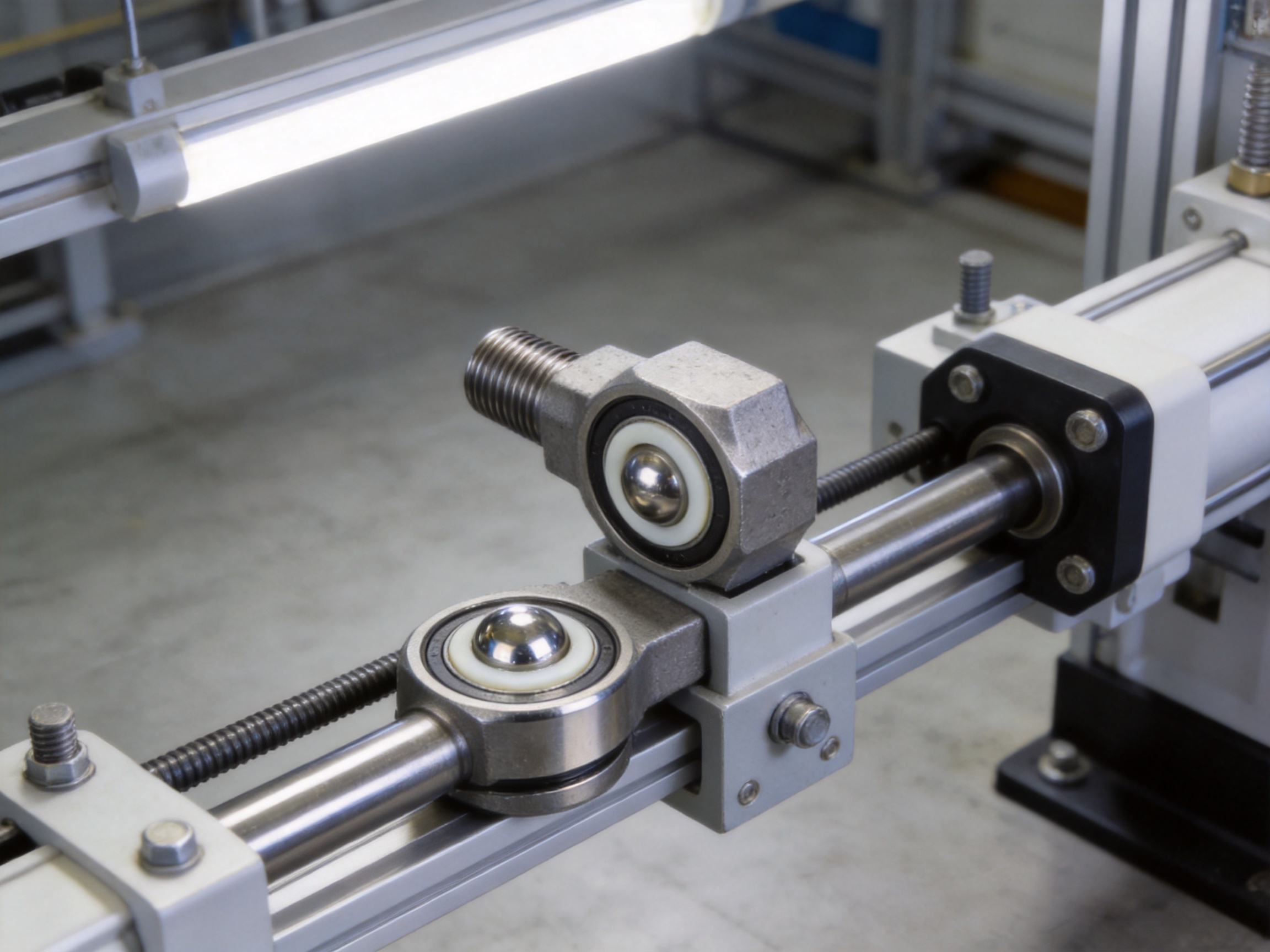
The sliding pair is the heart of a self-lubricating rod end bearing. A steel/PTFE combination is widely used because it combines strength and low friction. The steel inner ring provides load-carrying capability, while the PTFE liner reduces friction and eliminates the need for frequent greasing.
In a greased bearing, lubrication performance depends on the presence, distribution, and condition of grease. Over time, grease can dry, migrate, become contaminated, or be washed away. When this happens, friction increases and wear accelerates. In contrast, a PTFE-lined bearing carries its low-friction properties within the liner material itself.
This does not mean that operating conditions can be ignored. Load, speed, temperature, oscillation angle, and contamination still affect bearing life. However, the self-lubricating design gives engineers a more maintenance-friendly solution for many oscillating and misalignment applications.
The hard chrome-plated inner ring further improves this interface. Chrome plating provides a hard, smooth, wear-resistant surface. When combined with a PTFE liner, it helps maintain consistent sliding performance. This is one reason the series can compete effectively against lower-cost rod ends that may use less refined surfaces or require more frequent lubrication.
Compared with standard maintenance-required rod end bearings, the SIBP/SABP series reduces lubrication workload. This is beneficial in facilities where maintenance teams must manage many moving components. Every grease point adds labor, scheduling complexity, and risk of missed maintenance. A lubrication-free rod end helps reduce these concerns.
Compared with low-grade economy rod ends, this series offers better material structure. The carbon steel galvanized body, hardened bearing steel inner ring, hard chrome-plated spherical surface, and PTFE liner provide a more complete engineering solution. This combination supports strength, wear resistance, corrosion protection, and low friction.
Compared with oversized linkage solutions, the compact rod end design helps save space and reduce assembly weight. Compactness is especially important in robotics, automation, and compact mechanical equipment. A smaller bearing envelope can simplify design, improve clearance, and reduce interference with nearby components.
Compared with suppliers that offer only standard catalog items, UKL’s customization capability gives buyers more flexibility. Non-standard pitches, special thread precision, and left-hand thread options can be supplied according to application needs. This helps OEMs shorten development time and maintain compatibility with existing mechanical designs.
When selecting a rod end bearing, engineers should first determine the required bore diameter and thread configuration. The bore diameter must match the pin, shaft, or bolt used in the linkage. The thread type must match the rod or mounting component. Internal thread versions are suitable when a male threaded rod enters the bearing body. External thread versions are suitable when the bearing itself screws into a female threaded component.
Load capacity is the next major factor. Both dynamic and static loads must be considered. Static load refers to loads applied when the bearing is stationary or moving very slowly. Dynamic load relates to service under movement. Shock loads, vibration, and impact require additional safety margin.
Misalignment angle must also be considered. Rod end bearings are designed to accommodate angular movement, but the available angle varies according to geometry and surrounding installation conditions. Designers should ensure that the linkage does not force the bearing beyond its allowable angular range.
Operating temperature should remain within the recommended range of -40 °C to +75 °C unless special validation is performed. PTFE materials can operate in many environments, but the specific liner structure, housing, and application conditions determine practical limits.
Environmental exposure is another key factor. Dust, moisture, chemicals, vibration, and impact can affect service life. The galvanized surface improves corrosion resistance, but severe environments may require additional protection, seals, shields, or maintenance procedures.
Correct installation is essential for obtaining the full performance of the rod end bearing. Threads should be clean, compatible, and properly engaged. Cross-threading must be avoided, as it can damage both the bearing and the mating component. Appropriate tightening methods should be used according to the machinery design.
The pin or bolt passing through the inner ring should be properly sized and aligned. Excessive clearance may cause impact and noise, while insufficient clearance may create assembly stress. The bearing should be installed so that its angular movement is not restricted by surrounding brackets or washers.
For left-hand thread products, maintenance personnel should be clearly informed of the thread direction. Markings containing “L” and “left” help prevent incorrect assembly. This is particularly important when right-hand and left-hand rod ends are used together in adjustable linkages.
Although the bearing is self-lubricating, it should still be kept reasonably clean. Abrasive contamination can shorten the service life of any sliding bearing. If the equipment operates in a dusty or dirty environment, designers should consider protective covers or inspection intervals.
UKL Bearing Manufacturing Co., Ltd. has developed as a bearing manufacturing company with a focus on precision, durability, and engineering support. Since its establishment in 2020, the company has built its position through manufacturing capability, OEM and ODM export experience, and a broad product portfolio covering rod end bearings, cross roller bearings, robot bearings, angular contact ball bearings, spherical roller bearings, cylindrical roller bearings, tapered roller bearings, Nilos rings, and mounted bearings.
The company serves customers across Europe, Asia, Africa, Russia, and other global markets. Export experience is important because international customers often require consistent documentation, stable quality, responsive communication, and reliable delivery. A bearing supplier must understand both technical standards and practical logistics.
With a production capacity ranging from 10,000 to 50,000 units per month, UKL is positioned to support both batch production and ongoing supply programs. Multiple production lines covering forging, turning, heat treatment, grinding, assembly, and packaging allow the company to manage quality across the production chain.
The company’s research and development work supports high-precision bearing products used in CNC machines, robotics, intelligent automation systems, and other demanding equipment. This technical foundation also benefits rod end bearing production, because precision thinking, material understanding, and process discipline are transferable across bearing categories.
OEM and ODM customers often require more than catalog selection. They may need technical consultation, drawing review, thread customization, sample development, performance confirmation, packaging requirements, and long-term supply planning. UKL’s integrated manufacturing and trading structure helps support these needs.
For a customer designing a new linkage mechanism, engineering support may include selecting between SIBP and SABP configurations, choosing bore size, confirming thread direction, reviewing load requirements, and identifying whether a standard or customized thread is required. For a customer replacing an existing rod end, support may include cross-reference analysis, dimensional checking, and performance comparison.
In export projects, communication speed and technical clarity are critical. The company’s multilingual service capability helps provide rapid response, installation guidance, and after-sales support for customers in multiple regions. This reduces misunderstandings and helps buyers make informed purchasing decisions.
Modern manufacturing is increasingly evaluated not only by product quality but also by environmental responsibility. UKL takes sustainability as a long-term commitment. The company promotes environmentally responsible processes, material recycling, and optimized energy usage to reduce environmental impact.
For bearing production, sustainability can be supported through efficient material utilization, process optimization, controlled heat treatment energy use, responsible surface treatment management, and durable product design. A longer-lasting bearing also contributes to sustainability by reducing replacement frequency, waste, and equipment downtime.
The self-lubricating design of the SIBP/SABP series can also support cleaner operation in many applications. Reduced grease usage may help lower lubricant consumption and reduce contamination around machinery. While every application must be evaluated individually, maintenance reduction is an important part of efficient industrial operation.
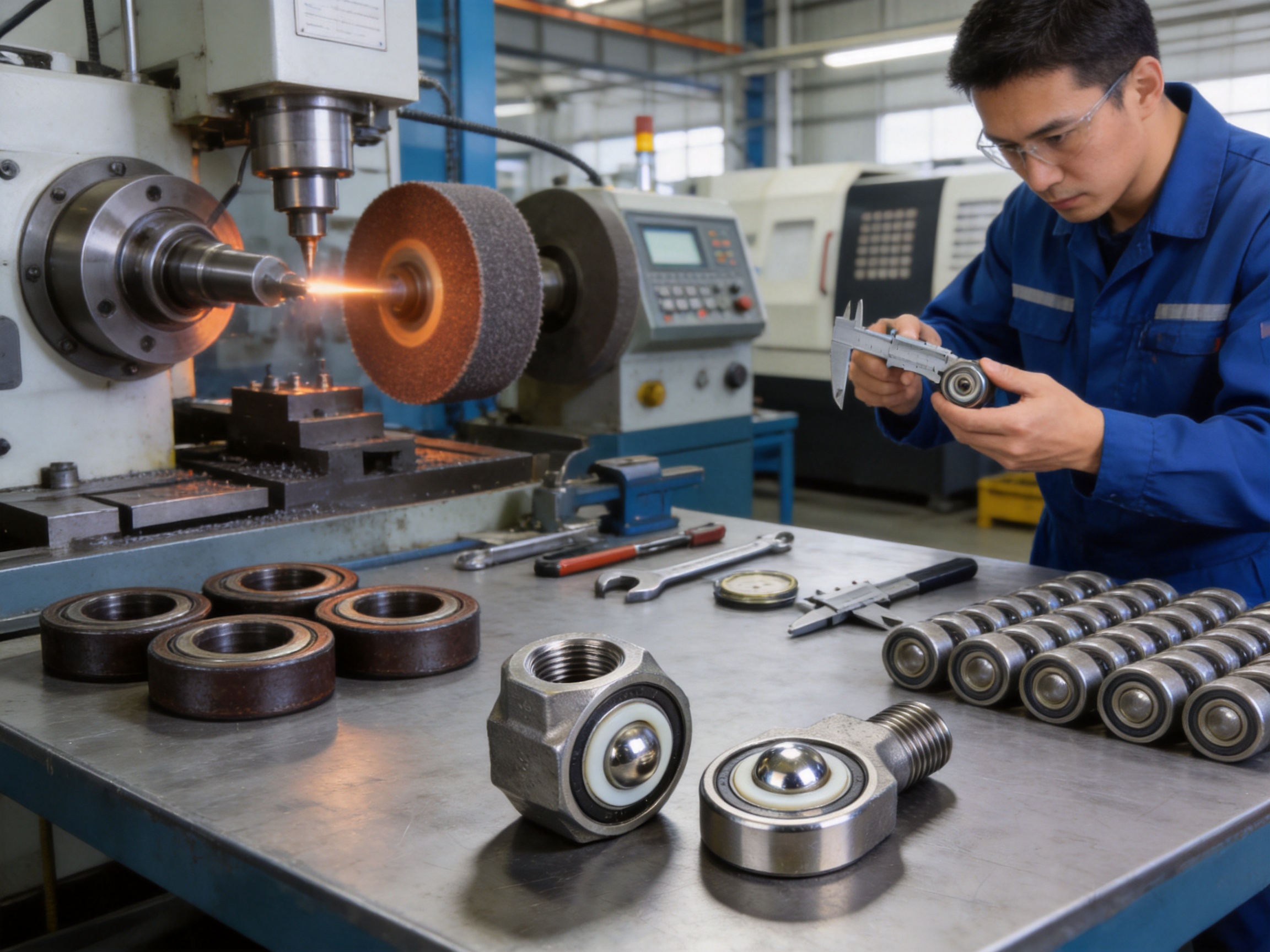
For purchasing managers, the SIBP/SABP series offers a combination of standard availability and customization flexibility. Standard sizes cover many common design requirements, while special thread options help solve non-standard installation challenges. This reduces the need to source multiple suppliers for similar components.
For maintenance teams, the self-lubricating structure reduces the burden of regular greasing. This is particularly valuable in machines with many linkage points or difficult-to-access bearing positions. Less maintenance can mean fewer shutdowns, lower labor cost, and improved production continuity.
For design engineers, the compact form factor helps simplify mechanical layouts. The spherical bearing structure compensates for misalignment, while the steel/PTFE interface supports smooth oscillating movement. Internal and external thread choices allow the bearing to be integrated into different linkage architectures.
For equipment owners, the main benefit is reliability. A rod end bearing failure can cause looseness, positioning errors, noise, vibration, or machine stoppage. By choosing a bearing with quality materials, controlled manufacturing, and self-lubricating performance, equipment owners can improve long-term operating stability.
The first strength is the bearing’s lubrication-free operating principle. The PTFE liner provides a low-friction sliding surface, reducing the need for added grease. This makes the bearing suitable for applications where maintenance access is limited or where grease contamination is undesirable.
The second strength is the hardened bearing steel inner ring. Hardening improves resistance to deformation and wear. A strong inner ring helps maintain geometry under load, supporting stable motion and longer service life.
The third strength is hard chrome plating on the spherical surface. This surface treatment enhances hardness, smoothness, and wear resistance. It improves the interaction between the inner ring and PTFE liner and helps reduce friction during oscillating motion.
The fourth strength is the galvanized carbon steel body. The housing must carry load through the threaded connection and spherical seat. Carbon steel provides strength, while galvanizing helps protect the exterior surface from corrosion.
The fifth strength is customization. Non-standard pitch, special thread precision, and left-hand threads can be supplied. This is especially important for customers developing specialized equipment or replacing components in existing systems.
The main purpose is to transmit force through a mechanical linkage while allowing angular misalignment and smooth oscillating movement. It is suitable for compact assemblies where reliable motion and reduced maintenance are required.
The bearing uses a steel/PTFE plastic sliding friction pair. The hardened and chrome-plated spherical inner ring slides directly against a PTFE plastic liner, allowing low-friction operation without frequent external lubrication.
The SIBP series generally refers to internal thread rod end bearings, while the SABP series generally refers to external thread rod end bearings. The correct choice depends on how the bearing connects to the surrounding linkage or mounting component.
The rod end body is made from carbon steel with a galvanized surface. The inner ring is made from bearing steel, hardened, and spherically hard chrome plated. The sliding liner is PTFE plastic.
The standard operating temperature range is -40 °C to +75 °C. Applications outside this range should be reviewed carefully with technical support.
Yes. Left-hand thread versions are available. The model number and thread marking should include “L” and “left,” such as SILBP20N M20 x 1.5 left 6H or SALBP20N M20 x 1.5 left 6g.
Yes. The series supports customization of non-standard pitch and special thread precision. This helps OEM customers match unique design requirements or existing equipment standards.
A PTFE-lined rod end reduces the need for periodic greasing, helps maintain cleaner operation, and can reduce maintenance workload. It is especially useful in locations where lubrication access is difficult or grease contamination is a concern.
Typical applications include automation equipment, packaging machinery, actuators, control rods, agricultural machinery, material handling systems, mechanical adjustment devices, and compact linkage assemblies.
UKL supports quality through integrated manufacturing processes, including material preparation, turning, heat treatment, grinding, assembly, inspection, and packaging. The company also provides engineering support for OEM and ODM customers.
The SIBP/SABP precision rod end bearing series is a compact, self-lubricating solution for mechanical linkage systems requiring smooth articulation, misalignment compensation, and reliable load transmission. Its steel/PTFE sliding pair, hardened bearing steel inner ring, hard chrome-plated spherical surface, galvanized carbon steel body, and customization capability create a strong competitive advantage over ordinary rod end bearings.
For engineers, the product offers practical design flexibility. For maintenance teams, it reduces lubrication workload. For purchasing managers, it provides a dependable combination of standard sizes and customized options. For equipment owners, it supports stable operation and reduced downtime.
Backed by UKL Bearing Manufacturing Co., Ltd.’s manufacturing processes, technical experience, production capacity, and global service capability, this rod end bearing series is well suited for customers seeking precision, durability, and long-term value in motion control components.
1. Harris, T. A., and Kotzalas, M. N. Rolling Bearing Analysis: Essential Concepts of Bearing Technology. CRC Press.
2. Brändlein, J., Eschmann, P., Hasbargen, L., and Weigand, K. Ball and Roller Bearings: Theory, Design and Application. Wiley.
3. ISO 12240. Spherical Plain Bearings: Dimensional and Tolerance Standards.
4. ISO 965. ISO General Purpose Metric Screw Threads: Tolerances.
5. Engineering references on PTFE-lined spherical plain bearings and self-lubricating sliding bearing materials.
Product Categories
Contact Us

Jane@ukl-bearing.com
Jenny@ukl-bearing.com
Andy@ukl-bearing.com
Ivy@ukl-bearing.com

+86-510- 88763239
+86-15371057968

No.1 Hehuan Road, Hudai Town, Binhu District, Wuxi City.
Ready to Begin?
Get in Touch

Now!
UKL BEARING
 English
 Español
 русский