Content
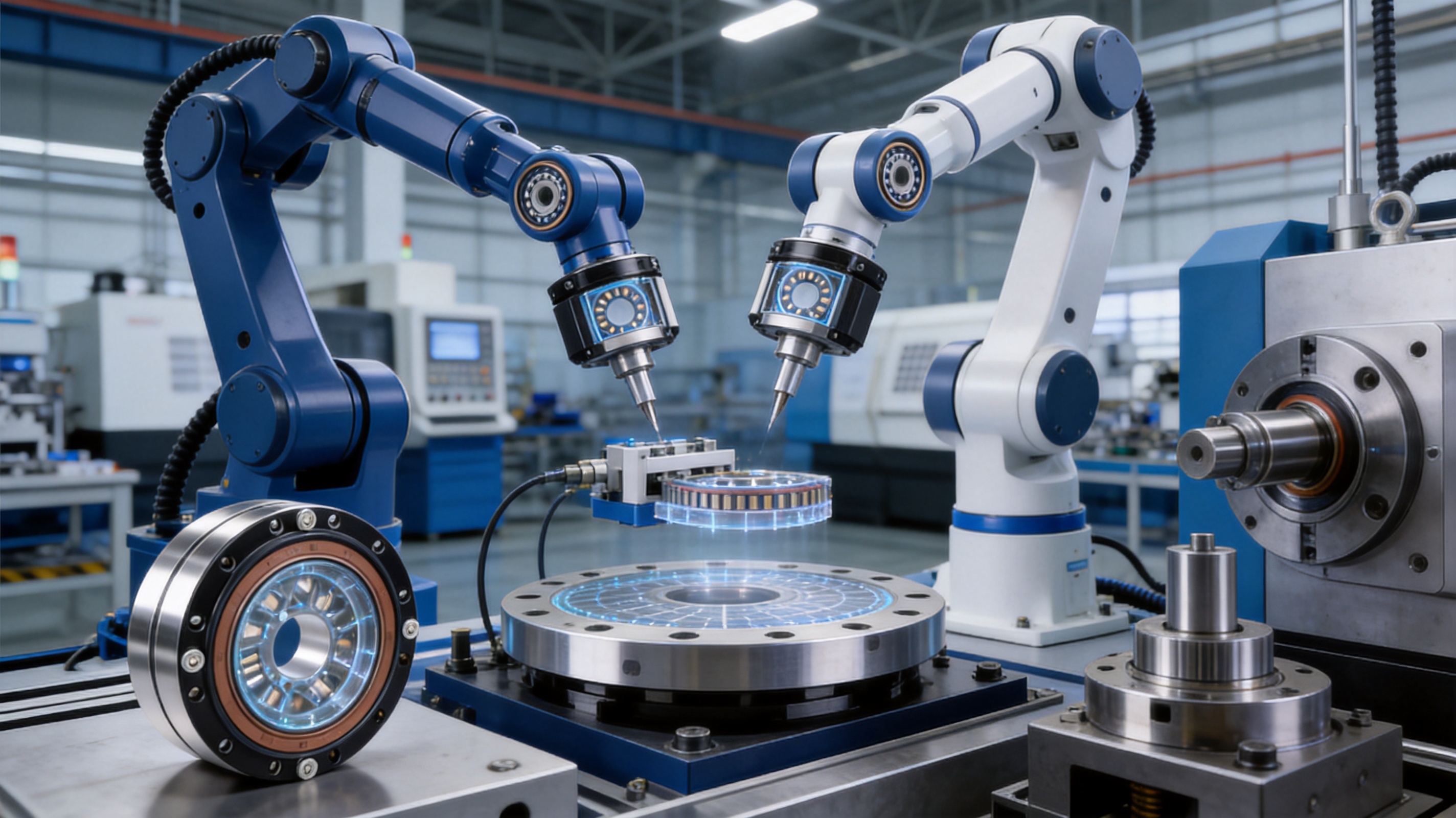
Precision harmonic reducer bearings are specialized bearing components designed for motion-control systems that demand exceptional accuracy, rigidity, compactness, and reliability. They are widely used in industrial robots, collaborative robots, machine tools, semiconductor equipment, aerospace mechanisms, medical automation, and other applications where even a small amount of backlash, deflection, vibration, or rotational error can affect the final result.
A harmonic reducer is a compact transmission mechanism that achieves a high reduction ratio through the controlled elastic deformation of a thin-walled component. Unlike conventional gearboxes, it combines a small number of primary components to deliver high torque density, precise positioning, and low backlash. Within this mechanism, the bearing system is not a secondary accessory. It directly influences the reducer’s rotation accuracy, service life, stiffness, noise, efficiency, and ability to withstand external loads.
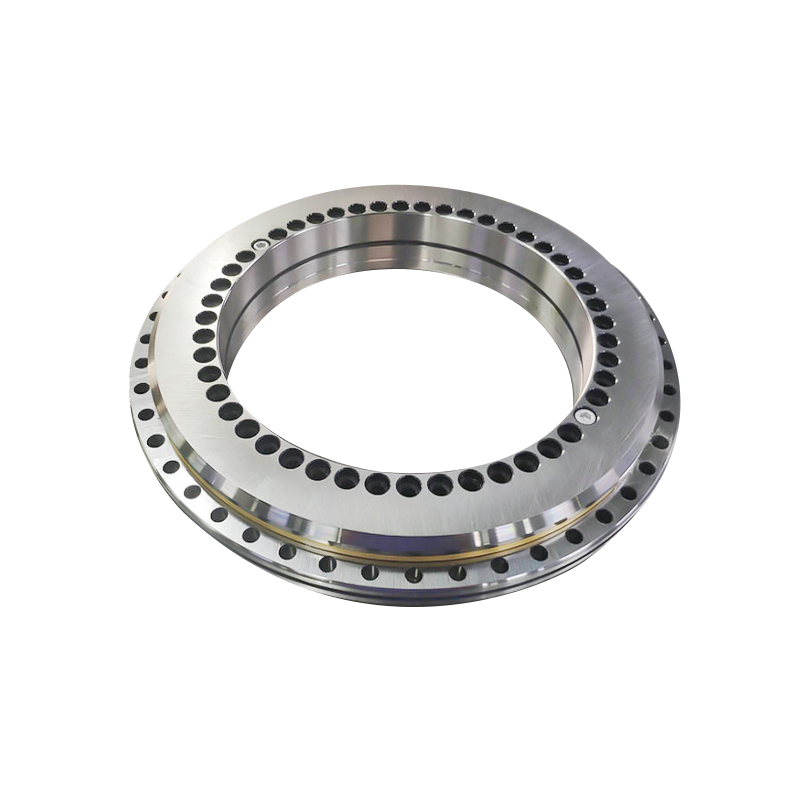
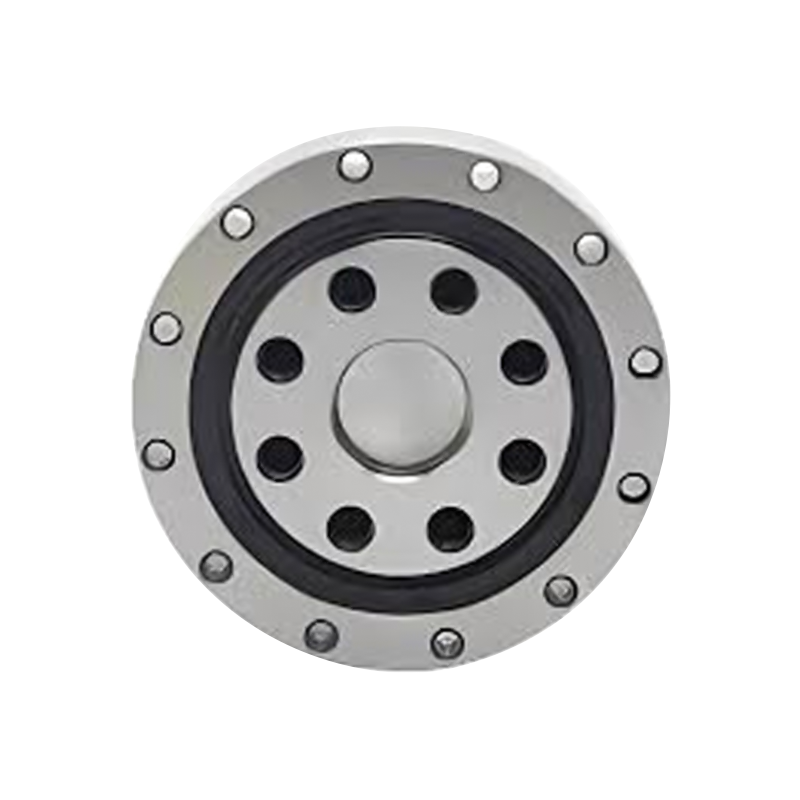
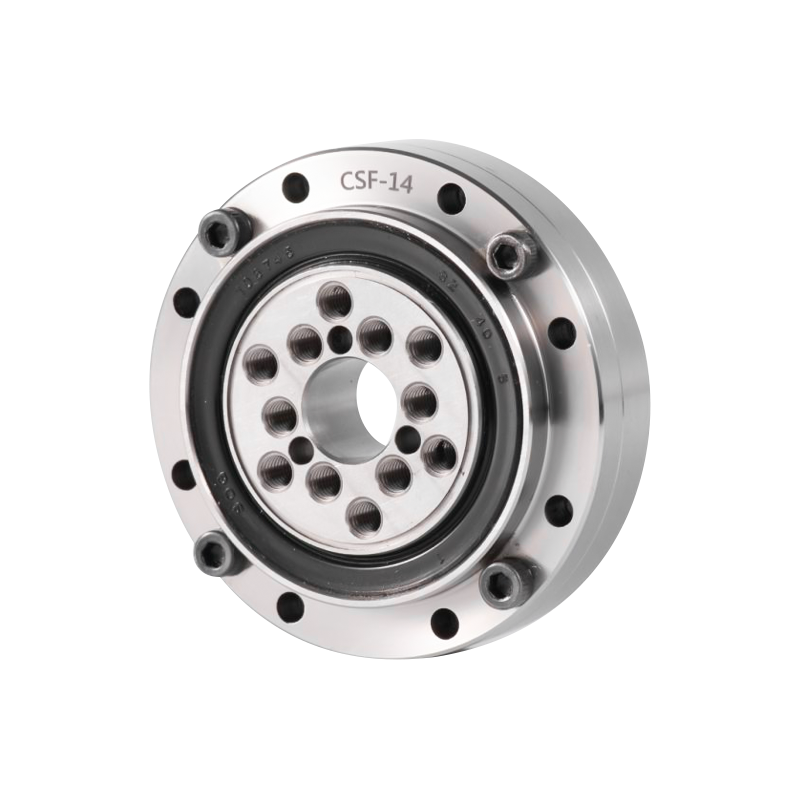
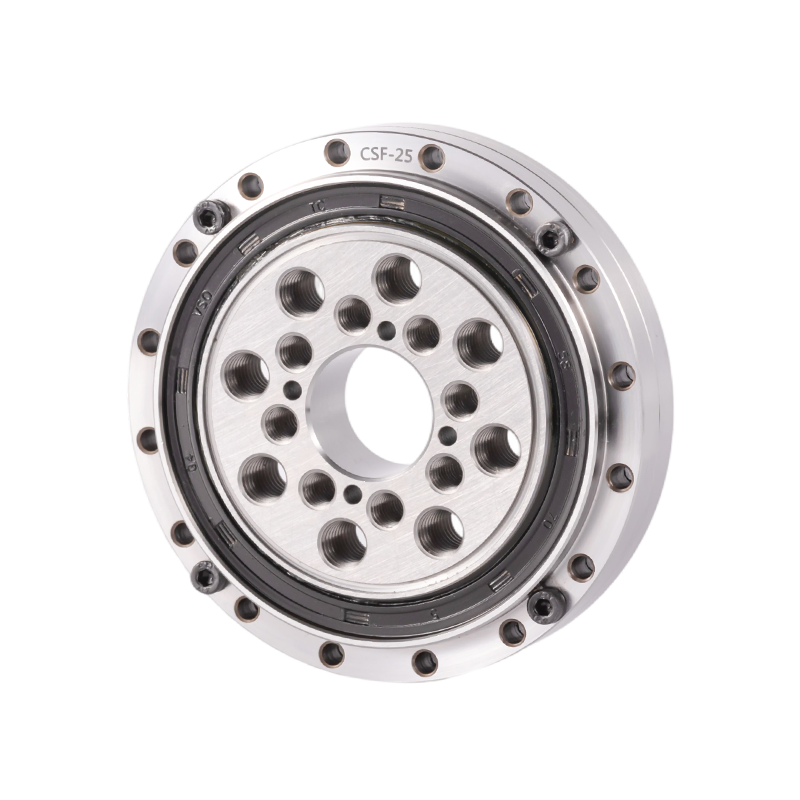
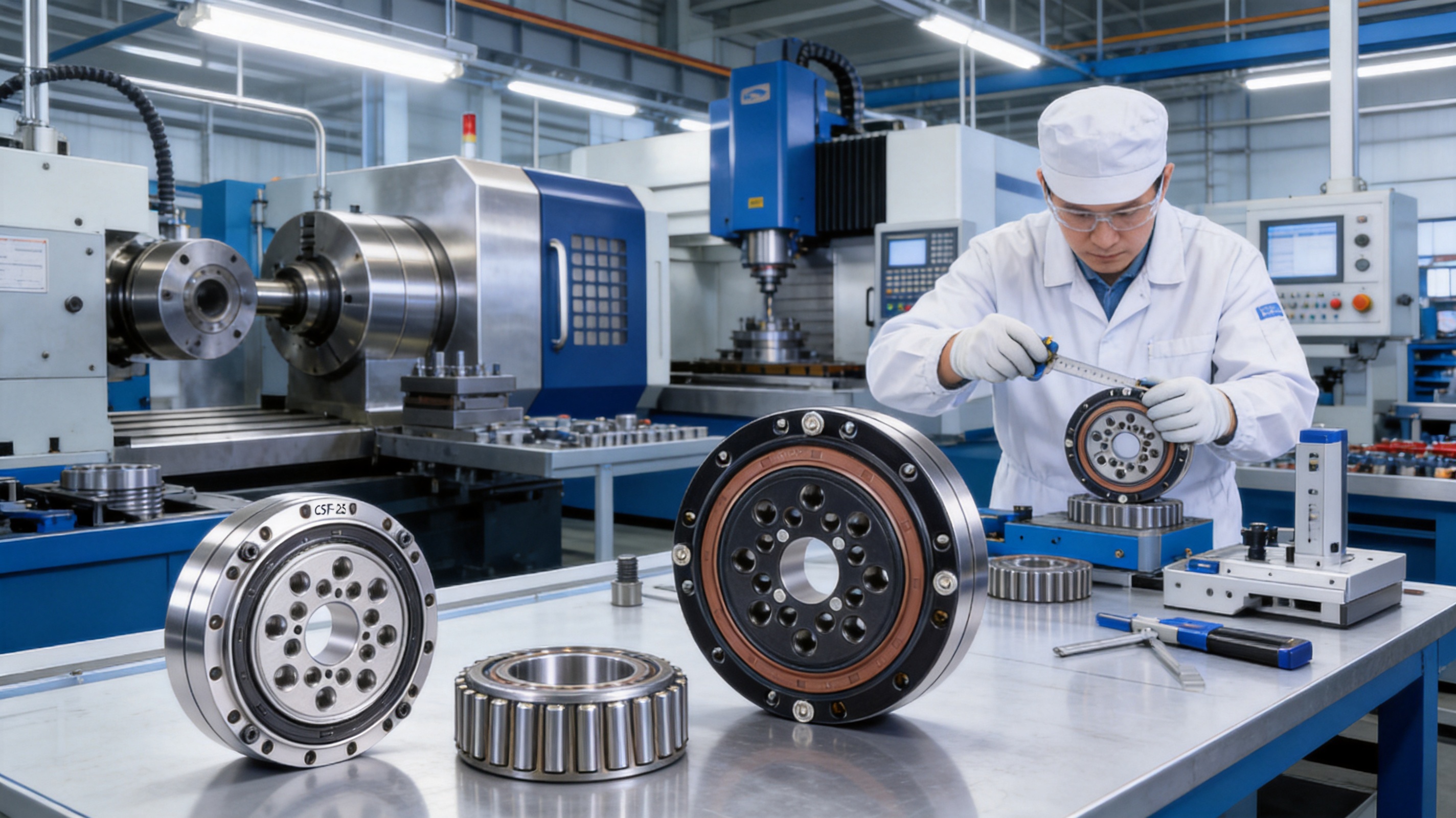
The precision harmonic reducer bearing described in this article is a cross roller bearing solution developed for harmonic drive assemblies. It is designed to support the rigid wheel or output structure while maintaining smooth rotation and accurate alignment. The product is available in several CSF(G) sizes, from compact models for small robotic joints to larger models for higher-load applications.
UKL Bearing Manufacturing Co., Ltd. combines bearing design, material processing, heat treatment, grinding, assembly, inspection, and international distribution capabilities. Through integrated manufacturing and engineering support, the company supplies precision bearing solutions for original equipment manufacturers, distributors, automation builders, and system integrators.
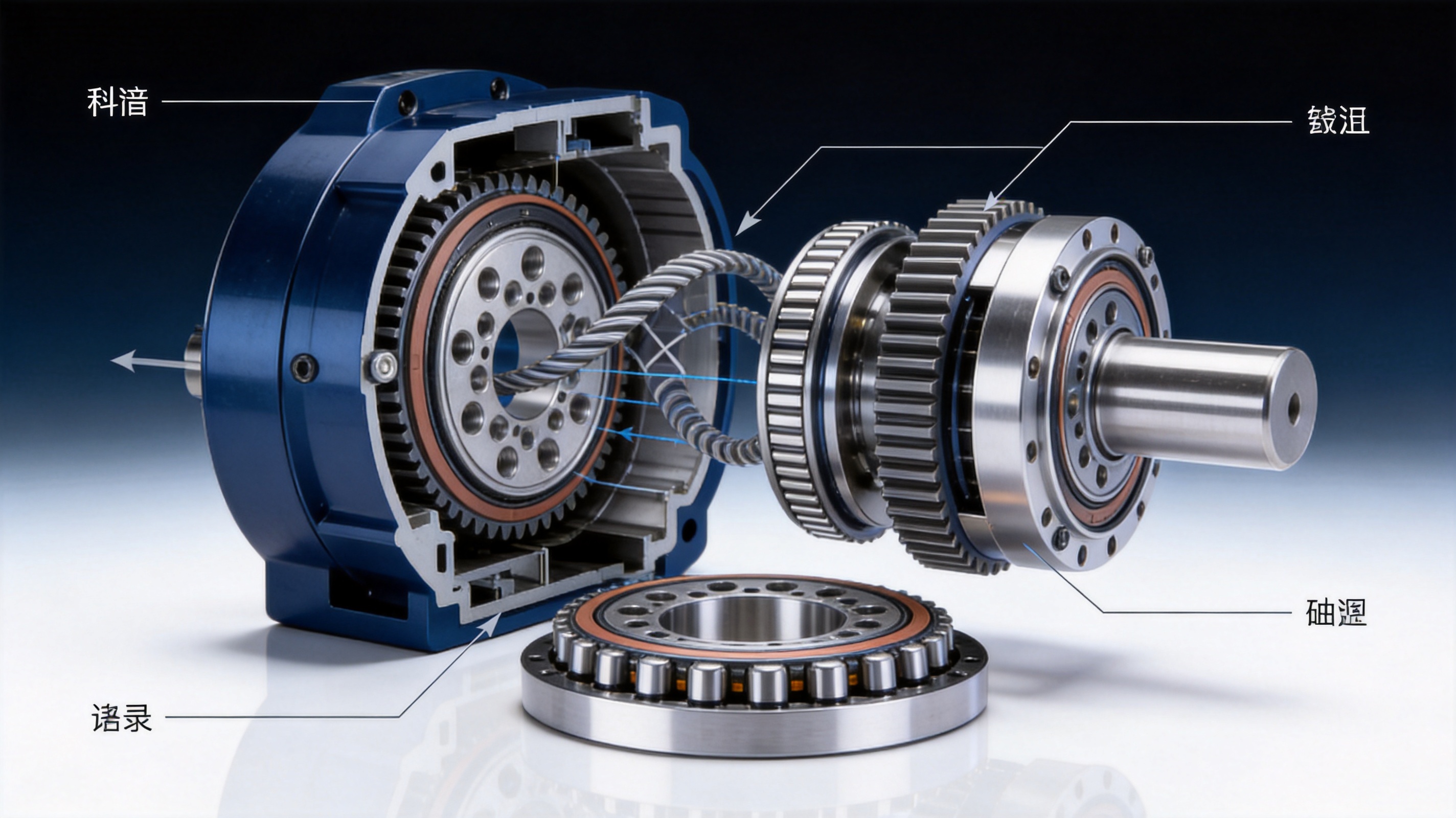
A harmonic reducer mainly consists of a harmonic generator, a flexure, and a rigid wheel. The harmonic generator normally includes an elliptical cam and a flexible bearing. The flexure is a thin-walled, cup-shaped or ring-shaped component that deforms elastically as it rotates around the cam. The rigid wheel is a circular gear with internal teeth. Because the rigid wheel contains more teeth than the flexure, the two components engage at selected areas and create a controlled reduction movement.
The flexible bearing allows the flexure to follow the elliptical profile of the harmonic generator. This bearing must tolerate repeated elastic deformation while maintaining stable rolling contact. The rigid bearing, generally configured as a crossed roller bearing, supports the output assembly and resists radial loads, axial loads, and overturning moments generated by the external mechanism.
When a robot arm accelerates, decelerates, stops, or changes direction, the output bearing can experience complex loading. The load may not be centered on the bearing’s rotational axis. Instead, it may create a tilting moment that attempts to distort the output structure. A conventional radial ball bearing may not provide sufficient stiffness or moment resistance in such conditions. A crossed roller bearing is better suited because its rollers are arranged in alternating directions, enabling the bearing to support loads from multiple directions within a compact cross section.
The bearing’s performance affects several key characteristics of the complete reducer:
Rotational accuracy: Low runout and stable internal geometry help the output shaft rotate with minimal deviation.
Rigidity: High structural stiffness reduces deformation under radial, axial, and moment loads.
Backlash control: Accurate bearing fits and controlled preload help maintain the precise engagement between the reducer components.
Positioning repeatability: Consistent rotation allows robotic joints and machine axes to return to commanded positions reliably.
Vibration and noise: Smooth raceways, accurate rollers, and correct preload reduce vibration during continuous operation.
Service life: Proper material selection, heat treatment, lubrication, and assembly control help the bearing endure repeated motion cycles.
For this reason, bearing selection should be made as part of the complete harmonic reducer design rather than as an isolated dimensional decision.
The operating principle of a harmonic reducer depends on controlled deformation and tooth engagement. The inner bore of the flexible bearing is fitted around an elliptical cam. As the cam rotates, the flexible bearing follows the elliptical shape. Its outer ring and rolling elements cause the surrounding flexure to deform elastically in the same pattern.
The flexure’s external teeth engage with the internal teeth of the rigid wheel along the major axis of the ellipse. At the minor axis, the teeth separate or disengage. Since the rigid wheel has more teeth than the flexure, the flexure moves slowly relative to the rigid wheel when the harmonic generator rotates. This creates a high reduction ratio in a relatively compact mechanism.
The bottom or output portion of the flexure is fixed to the output side of the reducer. The rigid bearing is positioned at the output end and provides the support interface for the external load. This configuration allows the reducer to transmit torque while the bearing carries the external radial, axial, and moment loads applied by a robot link, rotary table, or machine-tool axis.
The crossed roller bearing must maintain accurate alignment between the reducer housing and output member. Any excessive clearance, uneven preload, raceway error, or mounting distortion can affect gear engagement and output accuracy. Consequently, the bearing must be manufactured with close control of geometry and assembled according to carefully defined procedures.
The flexible bearing has different operating requirements. Its key parameter is the maximum allowable radial deformation. Because it repeatedly follows the elliptical cam profile, it must accommodate elastic displacement without generating excessive friction, heat, stress concentration, or premature fatigue. The rigid and flexible bearings therefore perform different functions and should not be selected using the same criteria.
Precision Harmonic Reducer Bearing
The crossed roller structure uses cylindrical rollers arranged alternately at approximately right angles. One set of rollers carries loads in one direction, while the adjacent set carries loads in the perpendicular direction. This arrangement allows a single bearing to support radial, axial, and moment loads simultaneously.
Compared with many standard ball-bearing arrangements, a crossed roller bearing can offer greater stiffness and improved resistance to overturning moments within a similar installation envelope. This is particularly valuable in robotic joints, where the load is often positioned at a distance from the bearing center. The design reduces the need for multiple separate bearings and can simplify the reducer’s structure.
High rigidity is one of the most important advantages of a precision harmonic reducer bearing. When an external load produces a moment on the output flange, a rigid bearing limits angular deflection and helps preserve the designed position of the joint. This improves trajectory accuracy and reduces the tendency of a robot arm to oscillate after rapid movement.
In comparison with lower-grade bearings that may have inconsistent clearance or insufficient preload control, a precision bearing with stable internal geometry can provide more predictable stiffness. This enables designers to calculate the behavior of the complete reducer more accurately and helps reduce the need for excessive structural reinforcement elsewhere in the machine.
Harmonic reducers are selected because they provide high reduction ratios in compact packages. The bearing must support this compact design objective. The CSF(G) series includes models with relatively small axial dimensions while retaining the load-supporting capability expected from a crossed roller bearing.
A compact bearing reduces the overall length and mass of the joint. Lower joint mass is especially important in multi-axis robots because the motor and reducer on one axis may be carried by another axis. Reducing the weight of the moving assembly can lower energy consumption, improve acceleration, and reduce the load on upstream joints.
Rotational accuracy depends on raceway roundness, roller diameter consistency, dimensional control, mounting precision, and preload stability. Precision grinding and controlled assembly help the bearing rotate with low runout and smooth torque behavior.
Accurate rotation is essential for applications such as arc welding, laser processing, dispensing, assembly, inspection, and semiconductor handling. In these operations, the robot may need to maintain a precise tool orientation while moving through a programmed path. Bearing runout or uneven rotation can be transferred directly to the tool center point and may produce visible or measurable process errors.
A harmonic reducer output bearing is often subjected to combined loads rather than a single pure radial load. The external mechanism may apply:
Radial force caused by the weight of the robot link or workpiece.
Axial force caused by vertical movement, clamping, pressing, or process reaction.
Moment loading caused by a tool or payload positioned away from the bearing center.
Shock and transient loads caused by acceleration, emergency stops, or collision events.
The crossed roller design is well suited to these combined conditions. Its geometry distributes loads through multiple rolling contacts and provides a stable support path between the inner and outer rings.
Preload is normally applied to rigid bearings before shipment or during assembly. The purpose is to remove undesirable internal clearance, improve stiffness, and control rotational accuracy. A suitable preload can also reduce vibration and improve the bearing’s response to reversing loads.
Preload must be controlled carefully. Excessive preload increases friction, operating temperature, and torque, while insufficient preload may allow clearance, vibration, and positional instability. A precision bearing manufacturer must therefore control the relationship between raceway geometry, roller size, spacer configuration, ring accuracy, and assembly force.
The ability to supply bearings with controlled preload is an important advantage over generic bearings that are selected only by nominal dimensions. For harmonic reducers, the specified performance is often more important than the lowest initial purchase price.
| Performance factor | Precision crossed roller bearing | Conventional radial ball bearing arrangement | Value in harmonic reducer applications |
|---|---|---|---|
| Radial load support | High, with distributed line contact | Suitable for many standard radial loads | Stable support for output structures and robot links |
| Axial load support | Supports axial loads through crossed roller orientation | May require additional bearing arrangements | Reduces component count and simplifies integration |
| Moment stiffness | High within a compact structure | Often limited unless bearings are widely spaced | Improves resistance to overturning loads |
| Rotational accuracy | Designed for precision motion systems | Depends strongly on grade, clearance, and arrangement | Supports accurate robotic positioning and repeatability |
| Installation space | Compact and suitable for integrated reducer designs | May require multiple bearings and greater axial length | Helps reduce joint size and moving mass |
| Preload control | Can be specified and adjusted for application needs | Often supplied with general-purpose clearance | Improves stiffness and reduces unwanted movement |
| Combined load handling | Designed for radial, axial, and moment loads | May need separate components for combined loads | Supports complex loading in robot joints and rotary axes |
The comparison does not mean that conventional ball bearings are unsuitable for all equipment. Standard bearings remain economical and effective for many applications. However, when a mechanism requires high stiffness, compactness, and multidirectional load capacity, a crossed roller bearing is often a more appropriate engineering choice.
Compared with lower-cost precision substitutes, the key competitive advantages of a properly manufactured harmonic reducer bearing include dimensional consistency, controlled preload, stable torque, accurate raceways, and reliable quality documentation. These factors reduce the risk of premature failure and help maintain the performance of the complete reducer throughout its operating life.
The product range includes CSF(G)-14, CSF(G)-17, CSF(G)-20, CSF(G)-25, CSF(G)-32, CSF(G)-40, CSF(G)-50, and CSF(G)-65 models. The dimensions and mounting specifications provide options for small, medium, and larger harmonic reducer platforms.
| Bearing type | D (mm) | d (mm) | C (mm) | H (mm) | B (mm) | dm (mm) | dn | dl | Mounting specification | Weight (kg) |
|---|---|---|---|---|---|---|---|---|---|---|
| CSF(G)-14 | 55 | 11 | 16 | 16.5 | 13.5 | 49 | 8-φ3.5 | 23 | 6-M4 / 6-M4 | 0.15 |
| CSF(G)-17 | 62 | 10 | 16 | 16.5 | 13.5 | 56 | 10-φ3.5 | 27 | 6-M5 / 6-M5 | 0.24 |
| CSF(G)-20 | 70 | 14 | 16 | 16.5 | 13.5 | 64 | 12-φ3.5 | 32 | 8-M6 / 8-M5 | 0.30 |
| CSF(G)-25 | 85 | 20 | 18 | 18.5 | 16.5 | 79 | 16-φ3.5 | 42 | 8-M8 / 8-M6 | 0.45 |
| CSF(G)-32 | 112 | 26 | 21.5 | 22.5 | 19 | 104 | 16-φ4.5 | 55 | 8-M10 / 8-M8 | 0.90 |
| CSF(G)-40 | 126 | 24/32 | 22.5 | 24 | 21.5 | 117 | 20-φ5 | 68 | 8-M10 / 8-M10 | 1.30 |
| CSF(G)-50 | 157 | 32/40 | 30 | 31 | 28 | 147 | 16-φ5.5 | 84 | 8-M14 / 8-M14 | 2.80 |
| CSF(G)-65 | 210 | 44/52 | 37 | 39 | 35 | 198 | 20-φ6.5 | 110 | 8-M16 / 8-M16 | 7.90 |
Dimensions should be reviewed together with the reducer housing, output flange, shaft, gear geometry, fastener arrangement, lubrication method, and allowable load conditions. The table is intended as a product-selection reference. Final selection should be verified against the application’s rated load, moment, speed, duty cycle, operating temperature, precision requirement, and installation tolerances.
The smallest models are appropriate for compact robot joints, miniature automation modules, precision rotary stages, camera positioning systems, laboratory equipment, and lightweight end-effectors. Their low mass can help reduce the inertia of moving assemblies. These models are useful where installation space is limited and the external load is moderate.
The mid-range sizes are suitable for general industrial robotics, compact machine tools, inspection equipment, assembly machinery, and automated handling systems. They provide a balance between compactness, stiffness, and load-bearing capability. These sizes are often appropriate for robot axes that need to carry tools, grippers, or medium-weight workpieces.
The larger models are intended for applications requiring greater support capacity and higher resistance to moment loading. Typical uses include heavy-duty robot joints, rotary tables, large positioning mechanisms, aerospace test equipment, and industrial machinery with substantial output loads. Their higher weight should be considered during dynamic system design, but the additional structural capacity can be essential for demanding applications.
Precision bearing performance depends on a chain of processes rather than a single machining operation. UKL integrates several critical steps within its manufacturing system, including forging, turning, heat treatment, grinding, assembly, and packaging. This integrated capability helps improve process coordination and provides better control over product consistency.
The manufacturing process begins with suitable bearing steel and controlled material preparation. Forging forms the basic ring structure while refining the material’s internal grain flow. Proper forging practice can improve the strength and fatigue resistance of the ring compared with a less controlled manufacturing route.
Material traceability is important at this stage. The steel grade, heat number, supplier information, and inspection records should be recorded so that production personnel can connect the finished bearing with its raw material history. This is especially important for robotic and aerospace-related applications where long service life and predictable fatigue behavior are required.
Turning creates the initial geometry of the inner and outer rings. The process establishes reference surfaces, mounting diameters, shoulders, and the basic raceway profile before heat treatment. Machining allowances must be controlled carefully because they affect the final grinding process.
High-quality turning also reduces the risk of distortion during heat treatment. Consistent wall thickness and properly designed relief features help the ring respond more evenly during thermal processing.
Heat treatment gives the bearing rings the hardness and structural properties required for rolling contact fatigue resistance. The process must balance hardness, toughness, dimensional stability, and resistance to cracking or deformation.
Temperature control, atmosphere control, quenching, tempering, and stabilization are all important. If heat treatment is inconsistent, the bearing may develop dimensional variation, excessive residual stress, or reduced fatigue performance. A controlled heat-treatment process therefore supports both service life and precision retention.
Grinding is one of the most important stages for a precision harmonic reducer bearing. The raceways must achieve accurate geometry, suitable surface roughness, and consistent contact conditions. Grinding controls the final dimensions and corrects the deviations left after heat treatment.
Precision grinding helps reduce friction and vibration by improving the smoothness of the rolling path. It also supports consistent load distribution between the rollers and raceways. When the raceway profile is accurately controlled, the bearing can maintain more stable torque and reduce localized stress concentration.
Depending on the required specification, additional finishing operations may be used to improve surface quality. The objective is not simply to create a highly polished surface. The raceway must have the correct geometry, texture, and functional contact pattern for the selected roller arrangement and preload.
Cylindrical rollers must be manufactured and selected with close control of diameter, length, straightness, and end geometry. Small differences between rollers can cause uneven load distribution or inconsistent preload. Matching rollers according to dimensional groups helps create a more uniform bearing assembly.
In a crossed roller bearing, the orientation and spacing of the rollers are also important. The alternating arrangement must be assembled correctly so that loads are supported in the intended directions. Improper roller placement can lead to increased torque, noise, premature wear, or reduced stiffness.
Assembly is performed in a controlled environment to minimize contamination and protect the precision surfaces. The inner ring, outer ring, rollers, spacers, seals or protective components, and lubrication system must be assembled according to the product design.
Preload is checked through controlled measurement rather than estimated only from component dimensions. Torque, rotation smoothness, clearance behavior, and dimensional relationships provide useful information about the assembled bearing’s condition. A repeatable assembly process helps ensure that different production batches provide comparable performance.
Inspection may include dimensional measurement, runout evaluation, raceway geometry analysis, hardness testing, surface inspection, torque testing, and visual examination. The specific inspection plan can be adapted to customer requirements and product application.
For OEM customers, quality documentation may include inspection reports, material certificates, batch records, dimensional data, and packaging records. Clear documentation supports incoming inspection and helps customers trace the product through their own assembly and service systems.
Precision bearings can be damaged by moisture, impact, contamination, and improper handling. Protective packaging is therefore part of the manufacturing process rather than an afterthought. Bearings should be cleaned, preserved, wrapped, and packed to prevent corrosion and contact damage during storage and international transportation.
Appropriate packaging also helps maintain the orientation and identification of each model. This is important when several similar bearing sizes are shipped to a production line or service center.
UKL Bearing Manufacturing Co., Ltd. operates as an integrated manufacturer and trader serving customers in Europe, Asia, Africa, Russia, North America, and other markets. The company combines research and development, production, quality control, export coordination, and technical service.
The company has stated experience in OEM and ODM export projects and supports customized bearing requirements. This is valuable because harmonic reducer manufacturers may require modifications to standard products, including customized mounting holes, special preload, alternative lubrication, modified seals, corrosion-resistant materials, or application-specific inspection documentation.
UKL reports a workforce of approximately 201 to 500 employees and a production capacity of about 10,000 to 50,000 units per month. Multiple production lines cover forging, turning, heat treatment, grinding, assembly, and packaging. This production structure supports both standard-series supply and larger-volume customer programs.
The company’s technical focus includes high-precision cross roller bearings, dual-direction thrust angular contact ball bearings, and other bearing products used in CNC machinery, robotics, and intelligent automation. This product knowledge is relevant to harmonic reducer projects because the bearing cannot be evaluated separately from the motion system in which it operates.
Technical service is another important strength. A bearing supplier should be able to discuss load cases, mounting interfaces, operating speed, preload, lubrication, environmental conditions, and expected life. UKL provides technical response, installation guidance, and after-sales maintenance support through its international service team.
For global customers, supplier communication and delivery coordination are as important as manufacturing capability. A stable export process helps OEMs manage production schedules, replacement parts, technical documents, and product changes across different regions.
Industrial robots require compact, rigid, and durable joints. A harmonic reducer bearing can support the output flange while the reducer provides the high reduction ratio needed for controlled movement. Common applications include welding robots, painting robots, assembly robots, palletizing machines, material-handling systems, and machining robots.
In these systems, the bearing must withstand repeated acceleration and deceleration as well as variable payloads. High stiffness supports positioning accuracy, while low rotational resistance helps the motor operate efficiently.
Collaborative robots are designed to work near people and often require compact joints with low mass and precise force control. A reduced joint weight can improve overall robot responsiveness. The bearing must also provide smooth motion so that the robot can detect and control interaction forces accurately.
Rotary axes, indexing tables, tool changers, and auxiliary positioning units in machine tools require high repeatability and stiffness. Bearing runout or angular deflection can affect machining accuracy, surface finish, and tool alignment.
The crossed roller design is useful where the rotary mechanism must remain compact while resisting cutting forces and moment loads. Proper selection should consider not only static load but also cutting vibration, duty cycle, thermal conditions, and the stiffness of the surrounding housing.
Aerospace mechanisms may require high precision, low mass, long service life, and reliable operation under demanding environmental conditions. Potential uses include actuators, gimbal systems, antenna positioning mechanisms, inspection equipment, and test platforms.
Applications in this field generally require detailed qualification, traceability, validation testing, and strict material and process controls. The bearing design may need to be adapted for temperature range, vacuum, low outgassing, special lubrication, or unusual loading conditions.
Semiconductor manufacturing equipment depends on accurate motion and controlled vibration. Wafer-handling robots, inspection stages, alignment systems, and precision positioning modules may use compact crossed roller bearings to support smooth and repeatable movement.
Cleanliness, particle control, lubrication selection, and installation procedures are especially important in these applications. The bearing should be evaluated as part of the complete cleanroom-compatible system.
Automated laboratory systems, medical positioning equipment, diagnostic instruments, and imaging mechanisms require reliable movement with controlled noise and high repeatability. Compact bearings can help reduce the size of the equipment while maintaining accurate positioning.
Precision rotary stages are used for optical inspection, dimensional measurement, camera positioning, laser processing, and automated testing. A rigid bearing with low runout can improve the repeatability of angular positioning and help stabilize the workpiece or sensor.
Start by identifying radial load, axial load, and moment load. The moment should be calculated from the applied force and the distance between the load center and bearing center. Dynamic loads from acceleration, deceleration, shock, and emergency stops should also be considered.
Using only the payload weight can lead to an undersized bearing. A robot tool may carry a relatively light workpiece but still generate a substantial moment because the tool center is far from the joint. The complete load spectrum should therefore be provided to the bearing supplier during selection.
Operating speed affects friction, heat generation, lubrication life, and fatigue life. The duty cycle is equally important. A bearing that performs well under intermittent movement may require different lubrication or cooling provisions under continuous high-speed rotation.
The application review should include average speed, peak speed, acceleration rate, operating time, reversing frequency, rest periods, and expected number of motion cycles.
Different applications require different accuracy levels. A general material-handling robot may have less demanding accuracy requirements than a semiconductor inspection stage or precision machine-tool axis. The customer should define acceptable runout, angular error, repeatability, and stiffness.
Preload should be selected in relation to the required rigidity and allowable torque. A higher preload may improve stiffness but can increase friction and temperature. The best solution is the one that balances accuracy, life, efficiency, and operating conditions.
Housing and shaft accuracy directly affect bearing performance. Mounting surfaces should have suitable flatness, roundness, concentricity, and perpendicularity. Uneven tightening of mounting bolts can distort the rings and create unwanted preload variation.
The installation design should also provide adequate support around the bearing rings. Thin or flexible housings can reduce the effective stiffness of the bearing system even when the bearing itself is highly rigid.
Lubrication reduces friction, protects the rolling contacts, and helps control heat. The lubricant should be compatible with the bearing material, seal or protective structure, speed, temperature, load, and operating environment.
Grease is commonly used in compact harmonic reducer assemblies because it is convenient and can remain in the bearing for long periods. However, the amount of grease must be controlled. Too little lubricant can cause wear and overheating, while excessive grease can increase starting torque and operating temperature.
Dust, moisture, chemicals, vacuum, temperature changes, vibration, and corrosive atmospheres can affect bearing life. Special requirements should be discussed before production. Possible adaptations may include protective coatings, alternative materials, special seals, low-temperature grease, high-temperature lubricant, or modified packaging.
Clean installation is essential. Work surfaces, tools, fasteners, and mating components should be free from chips, dust, burrs, and excess oil. Contaminants can create indentation or abrasive wear on the raceways and rollers.
Before installation, inspect the housing and shaft for damage and confirm the dimensions against the approved drawing. Do not force the bearing into position by applying impact to one ring. Pressing forces should be applied to the ring being fitted so that rolling elements are not used to transmit installation loads.
Mounting bolts should be tightened in a diagonal or cross pattern using the specified torque. A gradual sequence helps prevent ring distortion. If the design uses a controlled preload arrangement, the final preload should be verified after mounting because housing deformation can change the bearing’s running condition.
After installation, rotate the assembly manually or at low speed to check for abnormal resistance, noise, binding, or uneven torque. The bearing should be operated initially under controlled conditions so that the lubricant can distribute properly and the temperature can be monitored.
Maintenance requirements depend on the operating environment and lubrication system. Regular checks may include temperature, vibration, noise, torque, positioning accuracy, and visible leakage. A gradual increase in running temperature or vibration may indicate lubrication deterioration, contamination, mounting distortion, raceway damage, or excessive load.
When replacing a bearing, investigate the reason for the original failure. Simply installing a new bearing without correcting the root cause may result in repeated failure. Common causes include excessive preload, misalignment, insufficient lubrication, contamination, overload, incorrect tightening, electrical current damage, and inadequate housing stiffness.
The initial price of a bearing is only one part of its economic value. In a robotic or automated production line, unexpected bearing failure can stop the complete machine and create costs far greater than the price difference between standard and precision components.
A reliable harmonic reducer bearing can reduce downtime, improve product consistency, extend maintenance intervals, and protect the performance of the reducer. Consistent dimensional quality also simplifies assembly and reduces the amount of adjustment required during production.
Supplier quality systems should therefore be evaluated through process capability, inspection records, traceability, batch consistency, technical support, and response to nonconforming products. A supplier with integrated manufacturing processes can often respond more effectively when design changes or quality investigations are required.
UKL’s combination of manufacturing lines, R&D capability, OEM and ODM experience, international distribution, and technical support provides a foundation for long-term cooperation. Customers can work with the supplier on product selection, customized specifications, production scheduling, packaging, and after-sales service.
Harmonic reducer manufacturers may have unique requirements that cannot be met by a catalog component. These requirements may relate to mounting hole patterns, ring dimensions, preload, tolerance class, lubrication, corrosion protection, packaging, or inspection documentation.
OEM and ODM cooperation allows the bearing to be adapted to the customer’s reducer architecture. Engineering discussions should begin with complete application information, including drawings, load calculations, speed, temperature, expected service life, assembly method, operating environment, and quality standards.
Customization should be managed carefully because changes to a bearing’s geometry can affect load capacity, stiffness, friction, heat generation, and manufacturability. A professional supplier should review the proposed design, identify risks, provide samples or prototypes where necessary, and confirm the production specification before mass manufacturing.
UKL’s integrated R&D and production structure supports this type of cooperation. The company can coordinate design development with machining, heat treatment, grinding, assembly, and inspection requirements. This can shorten communication cycles and improve the transition from prototype to series production.
It is a high-accuracy bearing designed for use in harmonic drive or harmonic reducer assemblies. The rigid bearing is commonly a crossed roller bearing installed at the output end of the reducer. It supports radial, axial, and moment loads while helping maintain output accuracy and structural stiffness.
A crossed roller bearing can support loads in multiple directions and resist overturning moments within a compact structure. This makes it suitable for robot joints and rotary mechanisms where the external load is not centered on the rotational axis.
The rigid bearing supports the reducer output structure and external loads. The flexible bearing allows the flexure to deform around the elliptical cam. The rigid bearing prioritizes rigidity, reliability, rotational accuracy, and preload control, while the flexible bearing must accommodate repeated radial deformation.
Preload is typically applied before shipment or controlled during assembly, depending on the product specification and customer requirement. The exact preload should be confirmed for the specific model and application because it affects stiffness, torque, temperature, and service life.
Selection should consider radial load, axial load, moment load, speed, acceleration, duty cycle, environmental conditions, mounting dimensions, required accuracy, stiffness, lubrication, and expected service life. The CSF(G) size table provides an initial dimensional reference, but final selection should be confirmed through engineering review.
OEM and ODM customization may be available for dimensions, mounting interfaces, preload, lubrication, materials, protective treatment, packaging, and inspection documentation. Customers should provide application drawings and operating conditions so that the design can be evaluated properly.
Yes. Their crossed roller structure and compact design make them suitable for many industrial robot joints, collaborative robots, automated rotary axes, and other precision motion systems. The final model must be matched to the robot’s payload, moment load, speed, and duty cycle.
Common causes include excessive load, incorrect preload, contamination, insufficient or unsuitable lubrication, mounting distortion, misalignment, improper tightening, shock loading, corrosion, and operation beyond the rated speed or temperature range. Failure analysis should be performed before replacing the bearing.
UKL provides manufacturing, export coordination, technical response, installation guidance, and after-sales support. Its products are supplied to customers in multiple regions, including Europe, Asia, Africa, Russia, North America, and other international markets.
An inquiry should include the bearing model or drawing, reducer type, load data, speed, temperature, duty cycle, mounting arrangement, required accuracy, preload requirement, lubrication, quantity, packaging needs, and delivery schedule. Complete information helps the supplier provide a more accurate recommendation.
A harmonic reducer bearing is a precision transmission component, not simply a replaceable standard bearing. Its quality affects the complete reducer’s behavior and the performance of the machine in which the reducer is installed. Selecting a specialized manufacturer offers advantages in design understanding, process control, customization, quality documentation, and technical support.
UKL Bearing Manufacturing Co., Ltd. has developed its business around bearing manufacturing, engineering services, and international supply. Its production capabilities cover the major stages required for precision bearing production, while its R&D team focuses on applications such as robotics, CNC machinery, and intelligent automation.
The company’s production capacity supports both regular supply and OEM projects. Its global service approach provides customers with technical communication, installation guidance, and maintenance support. These capabilities are especially useful when the bearing is part of a new reducer design or when a customer needs a stable alternative supplier for an existing product.
In addition to performance, UKL emphasizes responsible manufacturing. The company reports efforts to promote material recycling, optimize energy usage, and adopt environmentally responsible processes. These practices support a more sustainable supply chain while maintaining focus on product quality and industrial reliability.
Precision harmonic reducer bearings play a decisive role in the performance of harmonic drive systems. The rigid bearing supports the output structure, carries external loads, limits deflection, and helps maintain accurate rotation. The flexible bearing enables the controlled deformation required by the harmonic transmission principle. Both must be designed and manufactured according to the demanding requirements of modern motion-control equipment.
The CSF(G) crossed roller bearing range provides compact solutions for harmonic reducers used in robotics, machine tools, aerospace equipment, semiconductor machinery, medical automation, and precision rotary stages. Its primary advantages include multidirectional load capacity, high rigidity, compact integration, controlled preload, accurate rotation, and suitability for complex moment loading.
Manufacturing quality is fundamental to these advantages. Forging, turning, heat treatment, precision grinding, roller matching, controlled assembly, inspection, and protective packaging must work together to produce a reliable bearing. UKL’s integrated manufacturing and engineering capabilities support this process and provide OEM and ODM customers with a basis for customized, repeatable, and globally supported supply.
For a successful project, the bearing should be selected as part of the complete harmonic reducer system. Load conditions, speed, duty cycle, mounting accuracy, lubrication, environmental exposure, and required service life should all be reviewed before final approval. With the correct model, proper installation, and suitable maintenance, a precision harmonic reducer bearing can contribute to smoother operation, higher positioning accuracy, lower downtime, and longer service life for advanced automation equipment.
1. Harris, T. A., and Kotzalas, M. N. Rolling Bearing Analysis: Advanced Concepts of Bearing Technology.
2. SKF. Rolling Bearings Catalogue and Engineering Principles.
3. ISO 76. Rolling Bearings — Static Load Ratings.
4. ISO 281. Rolling Bearings — Dynamic Load Ratings and Rating Life.
5. ISO 199. Rolling Bearings — Thrust Bearings, Static Load Ratings.
6. ISO 492. Rolling Bearings — Radial Bearings — Geometrical Product Specifications and Tolerance Values.
7. ISO 12240. Rolling Bearings — Spherical Plain Bearings and Related Precision Terminology.
8. Industry engineering practice for harmonic drive reducers, crossed roller bearings, preload control, and precision motion systems.
9. Product dimensional and application information supplied for the CSF(G) precision harmonic reducer bearing series.
Product Categories
Contact Us

Jane@ukl-bearing.com
Jenny@ukl-bearing.com
Andy@ukl-bearing.com
Ivy@ukl-bearing.com

+86-510- 88763239
+86-15371057968

No.1 Hehuan Road, Hudai Town, Binhu District, Wuxi City.
Ready to Begin?
Get in Touch

Now!
UKL BEARING
 English
 Español
 русский