Content
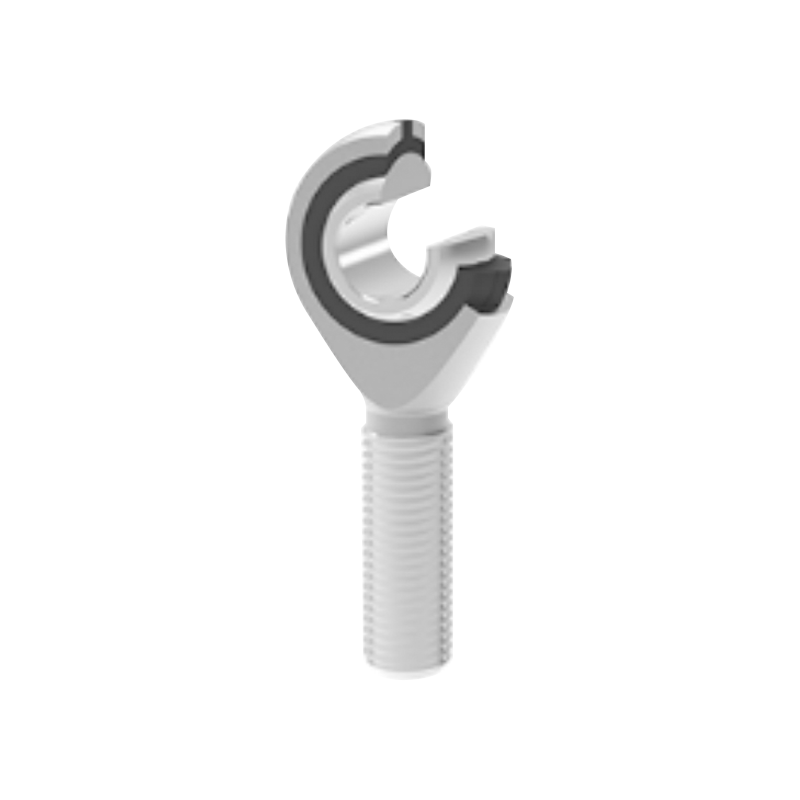
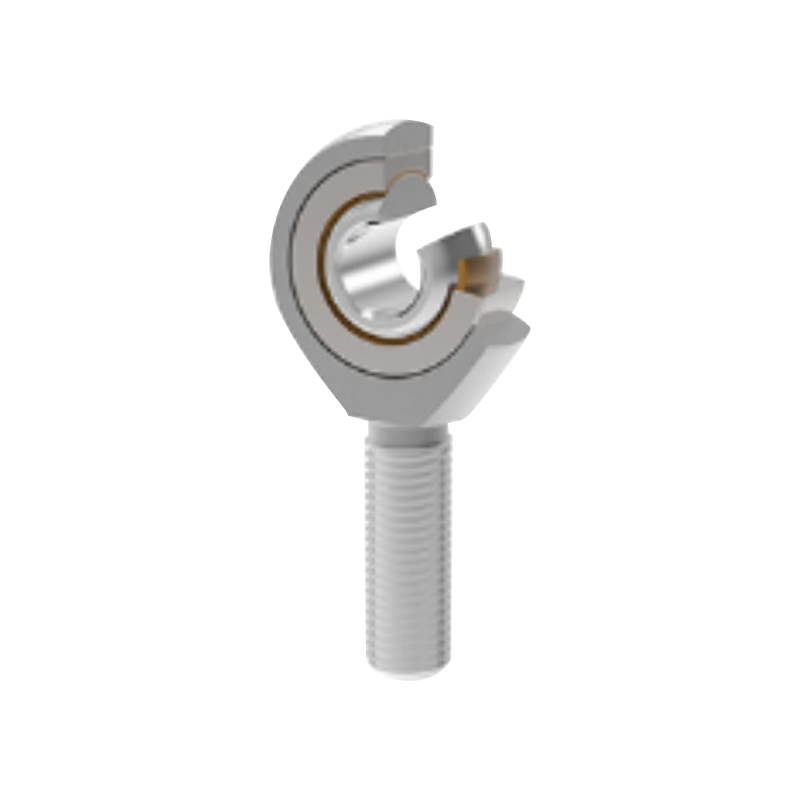
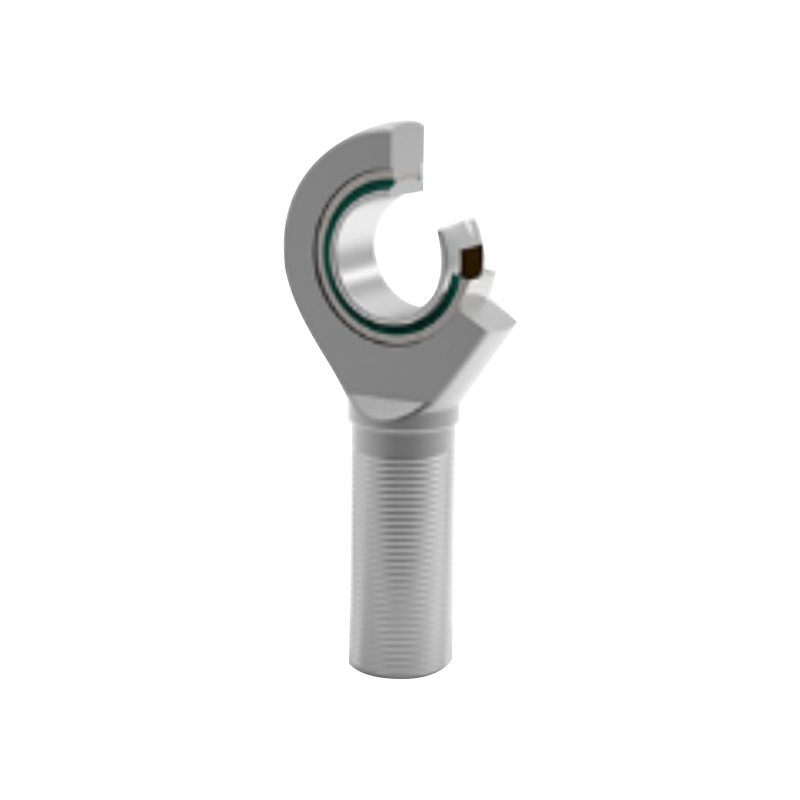
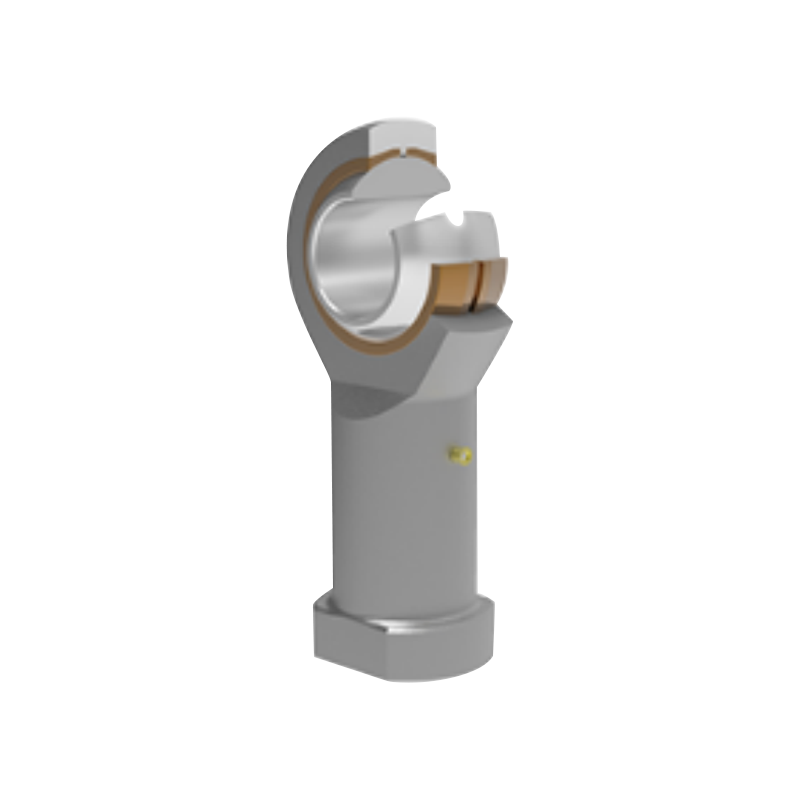
SA Zinc Coated Steel Rod End Bearing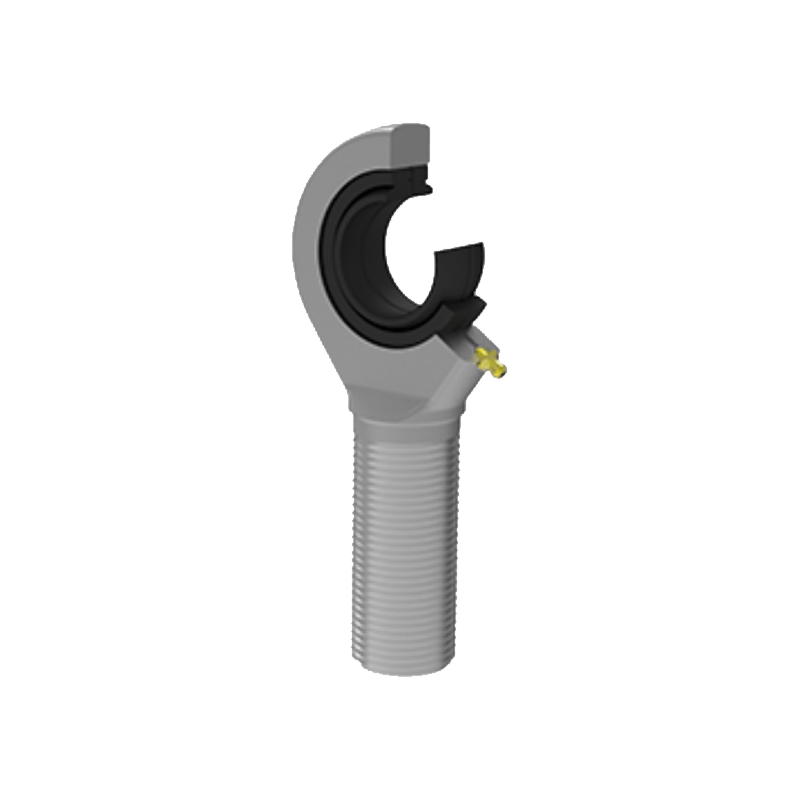
The SA zinc coated steel rod end bearing is designed for mechanical systems that require compact articulation, angular misalignment capability, and dependable load transmission through a threaded connection. As an externally threaded assembled rod end bearing, it combines a carbon steel rod end body with a standard radial spherical plain bearing from the GE…E or GE…ES series. This construction allows the bearing to accommodate oscillating movement, tilting movement, and moderate rotation while maintaining a strong mechanical connection in linkage systems.
Rod end bearings are widely used in automation equipment, industrial machinery, agricultural mechanisms, hydraulic cylinders, vehicle linkages, material handling devices, and adjustment assemblies. The SA series is particularly suitable for applications where an economical yet robust steel/steel sliding pair is preferred. The zinc coated surface improves resistance to environmental exposure, while the assembled spherical plain bearing provides the movement flexibility required in real working conditions where perfect alignment is often impossible.
The product series covers small to large bore sizes, including SA…E sizes from 5 to 12 and SA…ES sizes from 15 to 80. The suffix “E” indicates lubrication-free models, while the suffix “ES” indicates models that can be lubricated through an oil cup or rod end eyelet lubrication path. This gives engineers flexibility when selecting between simplified maintenance and relubrication capability, depending on the duty cycle, load, speed, and operating environment.
Ukl Bearing Manufacturing Co., Ltd. supplies this product as part of a broader bearing portfolio that includes cross roller bearings, robot bearings, angular contact ball bearings, spherical roller bearings, cylindrical roller bearings, tapered roller bearings, mounted bearings, and related bearing accessories. The company integrates research, production, and export service, offering standard models as well as customized thread options for OEM and machinery projects.
In many mechanical assemblies, a rigid joint is not enough. Shafts, levers, actuators, and frames may shift slightly under load, thermal expansion, vibration, or installation tolerances. If a joint cannot compensate for misalignment, stress concentrates at the connection point and can shorten the service life of surrounding components. The SA zinc coated steel rod end bearing addresses this challenge by allowing controlled angular movement while maintaining a stable threaded mounting interface.
The spherical plain bearing inside the rod end body functions as the core movement element. Its steel/steel sliding contact pair supports heavy radial loading and is suitable for oscillating or intermittent movement. The spherical geometry allows the inner ring to tilt relative to the outer ring, helping the assembly tolerate angular misalignment. This is especially valuable in linkages and actuators where the connected parts do not always remain perfectly coaxial.
Compared with simple clevis joints or low-grade bushings, the SA series offers a more precise and durable solution. The standard spherical bearing insert distributes load over a controlled contact surface, while the carbon steel body provides mechanical strength for the threaded connection. The zinc coating adds protective value against corrosion during storage, transportation, and service in general industrial environments.
The rod end body is manufactured from carbon steel and finished with a galvanized zinc coating. Carbon steel is selected because it offers a strong balance of mechanical strength, machinability, dimensional stability, and cost efficiency. For rod end bodies, strength at the threaded shank and eye section is essential because these areas transfer load from the mating structure to the spherical bearing insert.
The zinc coated finish provides an additional protective barrier on the steel body. In comparison with uncoated steel rod ends, zinc coated rod ends are better protected against surface oxidation caused by moisture, handling, and general industrial atmosphere. This is particularly useful for stock inventory, export shipment, machinery installation, and equipment operating in moderately corrosive conditions.
The sliding friction pair is steel/steel. This type of contact pair is recognized for its load capacity and resistance to impact loads when properly selected and maintained. Steel/steel spherical plain bearings are often preferred in rugged applications where strength, shock resistance, and long service life are more important than ultra-low friction. The SA…ES models support relubrication, helping maintain a lubricating film and reduce wear under demanding operating conditions.
The use of standard GE…E and GE…ES radial spherical plain bearings is another advantage. Standardized bearing inserts make the product easier to integrate into existing designs and simplify replacement planning. For machine builders, this supports better inventory control and reduces the engineering risk associated with nonstandard joint elements.
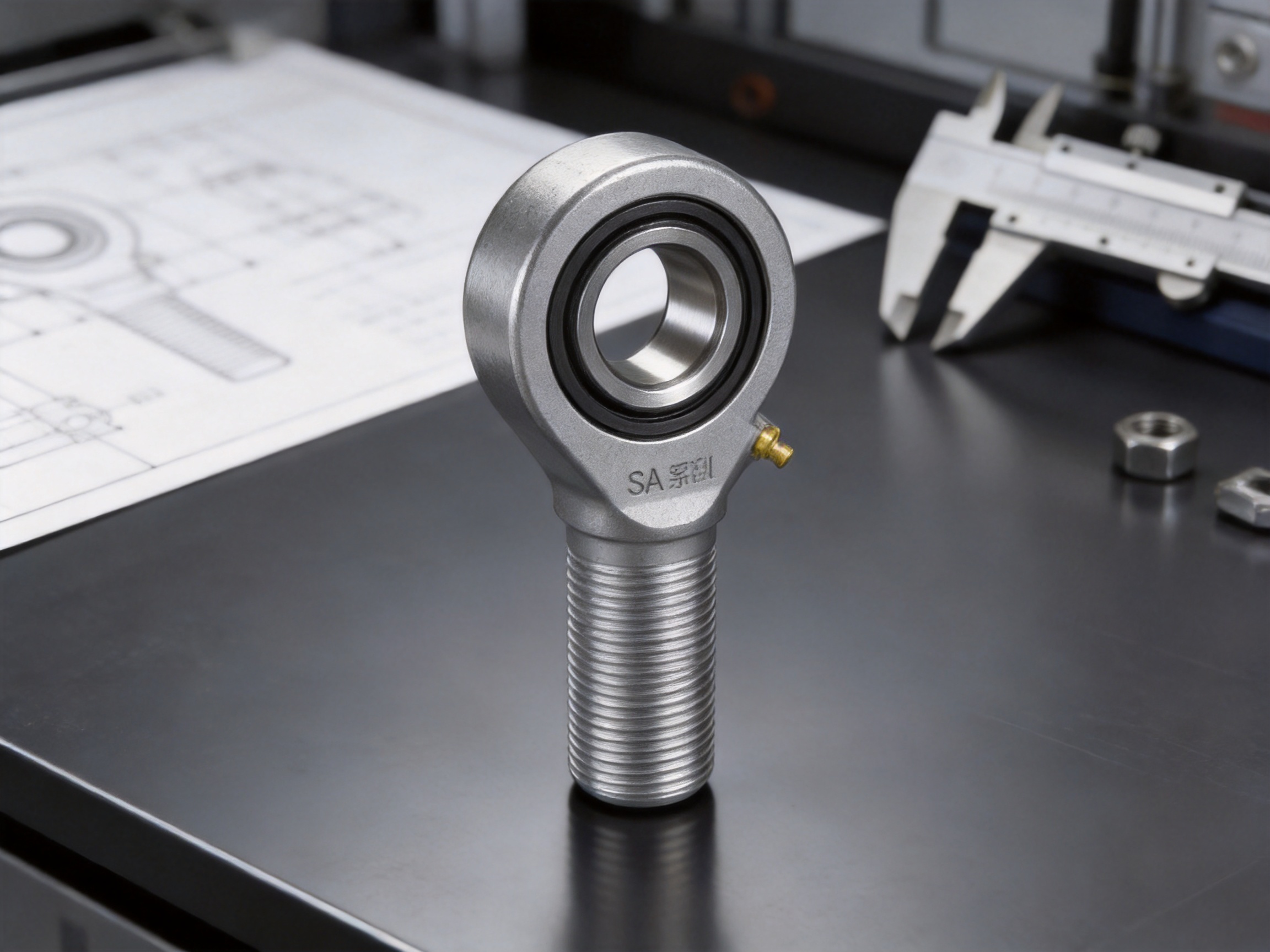
The SA zinc coated steel rod end bearing series is designed around several important technical characteristics: external thread mounting, steel/steel sliding contact, zinc coated carbon steel housing, optional lubrication configurations, broad dimensional range, and thread customization capability. These characteristics make the product adaptable for both new equipment design and replacement applications.
The operating temperature range is specified from approximately -50℃ to +150℃, making the bearing suitable for many industrial environments. Temperature performance depends on lubrication condition, load, movement frequency, and surrounding media. In applications involving high temperature, dust, moisture, or heavy vibration, proper selection of the E or ES configuration is important.
For smaller sizes, the SA…E series provides lubrication-free convenience. This can be beneficial in compact equipment, light-duty linkages, or systems where regular lubrication is difficult. For medium and large sizes, the SA…ES series provides lubrication access through an oil cup or the rod end eyelet path. This is useful for heavy-duty applications because relubrication helps remove contaminants, reduce sliding wear, and extend operating life.
Thread customization is available for non-standard pitch or thread precision requirements. Left-hand thread options are also available. For left-hand thread models, “L” and “left” are added after the model number and thread marking, such as SAL20ES M20×1.5 left 6g. This customization capability is valuable for adjustment rods, turnbuckles, mirror-image linkages, and equipment requiring opposite thread directions for precise length adjustment.
| Model | Bore d mm | Thread | Dynamic Load kN | Static Load kN | Approx. Weight kg |
| SA5E | 5 | M5 | 3.4 | 3.9 | 0.015 |
| SA8E | 8 | M8 | 5.5 | 10 | 0.028 |
| SA12E | 12 | M12 | 10 | 23 | 0.088 |
| SA20ES | 20 | M20×1.5 | 30 | 60 | 0.300 |
| SA30ES | 30 | M30×2 | 62 | 110 | 0.875 |
| SA50ES | 50 | M45×3 | 156 | 290 | 3.58 |
| SA80ES | 80 | M64×4 | 400 | 750 | 12.3 |
The first competitive advantage is the combination of strength and corrosion protection. Many low-cost rod end bearings use untreated or minimally protected steel bodies, which may suffer surface rust during storage or early operation. The zinc coated body of the SA series improves visual quality and helps preserve the component before and after installation. For export-oriented machinery and replacement markets, this protective finish is a practical advantage.
The second advantage is the steel/steel sliding pair. Some competitor products use lower-grade liners or lightweight construction that may be suitable for very light movement but less suitable for shock loads or harsh industrial service. The steel/steel pair in the SA series provides a strong load-bearing interface and is well suited to mechanical linkages where force transmission is more important than continuous high-speed rotation.
The third advantage is the availability of both lubrication-free and relubrication-capable designs. Engineers often face a tradeoff between maintenance simplicity and service life optimization. The SA…E models are useful when compactness and simplified maintenance are priorities, while the SA…ES models allow grease or oil replenishment for heavier applications. This makes the same product family useful across a wider range of equipment designs.
The fourth advantage is dimensional breadth. The series includes small sizes for compact linkages and larger sizes for high-load machinery. This allows equipment manufacturers to standardize on a single rod end family across multiple machine platforms. Standardization reduces sourcing complexity, simplifies spare parts planning, and improves long-term maintenance efficiency.
The fifth advantage is customization flexibility. Non-standard thread pitch, thread precision requirements, and left-hand thread versions can be supplied upon request. In competitive markets, many standard catalog suppliers cannot respond quickly to special thread requirements. Customization capability is especially important for OEM equipment builders, repair operations, and linkage assemblies with unique adjustment requirements.
High-quality rod end bearings depend on more than catalog dimensions. The manufacturing process must control material quality, shape accuracy, heat treatment consistency, surface finish, thread precision, assembly fit, and final inspection. Ukl Bearing Manufacturing Co., Ltd. operates with multiple production lines covering forging, turning, heat treatment, grinding, assembly, and packaging. This integrated process supports consistency from raw material preparation to final shipment.
Forging is important because it improves the density and strength of metal parts compared with simple cutting from raw stock. A properly forged rod end body can achieve better grain flow and mechanical integrity in critical load areas. After forging, the part is machined to achieve the required geometry, including the eye section, shank, thread area, and bearing seat.
Turning and precision machining are used to form the external geometry and threaded shank. Thread quality is especially important because the thread transfers the axial and radial forces from the connected assembly. Poor thread accuracy can lead to looseness, premature wear, difficult installation, or reduced fatigue strength. The SA series can be supplied with standard and customized thread precision according to project requirements.
Heat treatment is applied where required to improve strength, wear resistance, and dimensional stability. Controlled heat treatment helps achieve the correct balance between hardness and toughness. For spherical plain bearing components, this balance is essential because surfaces must resist wear while the structure remains capable of handling shock and misalignment loads.
Grinding and finishing processes contribute to accurate spherical contact surfaces and controlled bearing clearance. Smooth sliding surfaces reduce friction, improve movement consistency, and help lubrication perform effectively. In steel/steel bearing designs, surface finish is especially important because the sliding interface directly affects wear rate and operating temperature.
Assembly requires accurate fitting of the spherical plain bearing into the rod end body. The bearing insert must be securely retained while still allowing the required angular movement. Improper assembly can cause excessive stiffness, looseness, or early failure. A controlled assembly process ensures that the bearing performs as designed.
Packaging is also part of quality assurance. Zinc coated rod ends must be protected from moisture, abrasion, and contamination during transport. Proper packaging helps ensure that the product reaches customers in clean, usable condition, especially for international shipments.
Reliable rod end bearings require systematic quality control. Important inspection points include bore diameter, outer dimensions, thread accuracy, spherical movement, axial and radial play, surface coating condition, hardness, and appearance. For production batches, sampling and process control help ensure that each shipment meets specification requirements.
The company’s R&D and production teams support product consistency through precision design and digital production control. For customers in automation, robotics, CNC equipment, and industrial machinery, this engineering approach matters because bearing failure can stop production lines and cause costly downtime.
Dimensional inspection ensures that each bearing can be installed without unnecessary modification. Thread inspection confirms compatibility with mating components. Movement inspection verifies that the spherical plain bearing can articulate properly. Coating inspection checks that the zinc finish is continuous and suitable for handling and storage conditions.
Load rating verification is also important. The series includes dynamic load ratings from small values such as 3.4 kN in compact sizes to high values such as 400 kN in large models. Static load ratings reach up to 750 kN for larger versions. Correct product selection must consider both dynamic and static loading, shock factors, lubrication, oscillation angle, and expected service life.
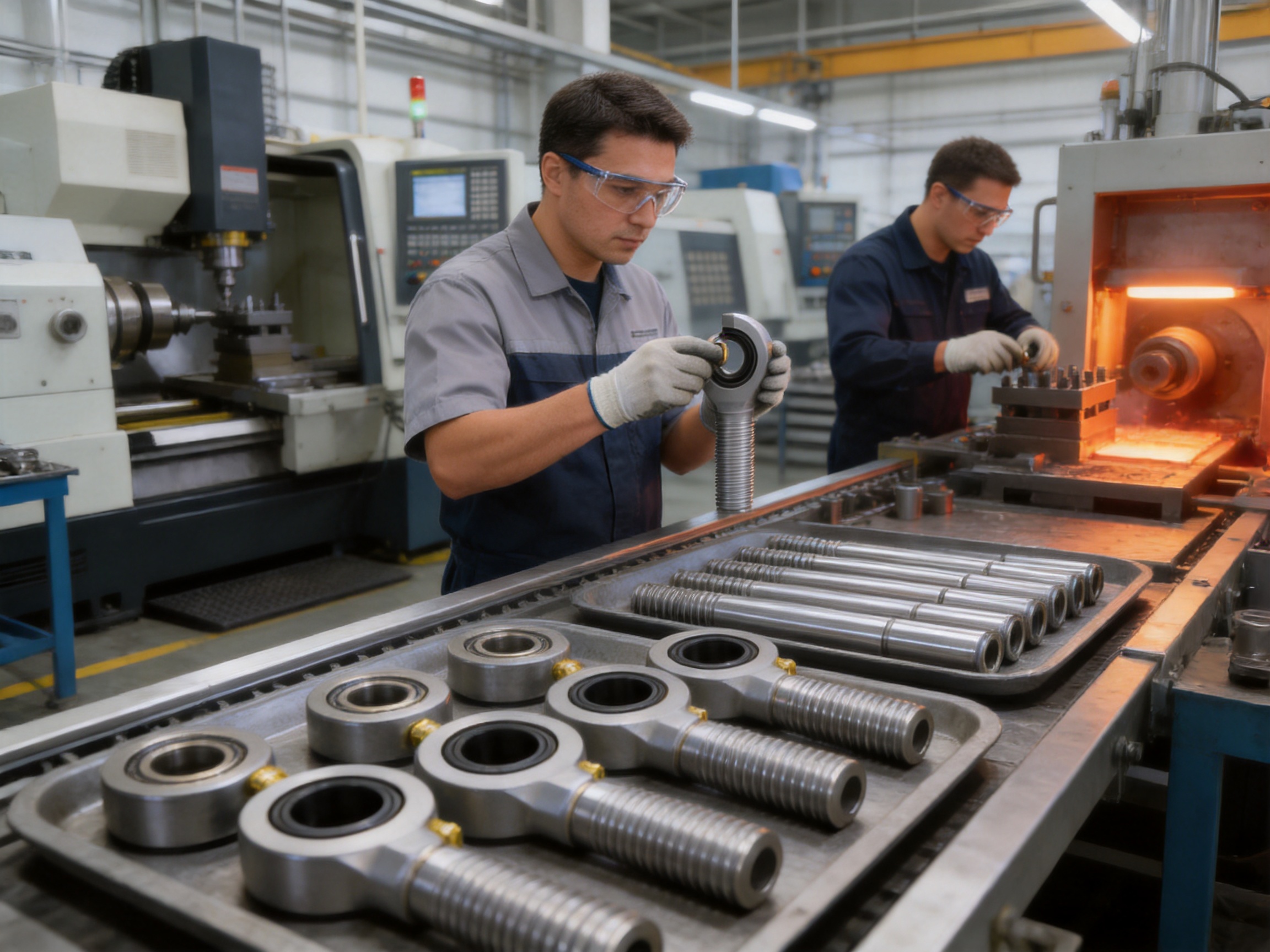
The SA zinc coated steel rod end bearing can be used in many mechanical linkage applications. In automation equipment, it connects moving arms, actuator rods, and adjustment mechanisms. Its ability to compensate for misalignment reduces stress on actuators and helps maintain smooth movement.
In hydraulic and pneumatic cylinders, rod end bearings are commonly used at the rod connection point. The bearing allows the cylinder to push or pull while tolerating small angular deviations. This helps prevent side loading on the cylinder rod and improves the reliability of the actuator system.
In agricultural machinery, rod end bearings are exposed to vibration, dust, impact, and variable loads. The steel/steel sliding pair and zinc coated body provide a durable solution for linkages, control rods, steering mechanisms, and implement adjustments. Relubrication-capable ES models are particularly useful in dusty or heavy-duty conditions.
In industrial vehicles and material handling equipment, rod end bearings support steering linkages, lift mechanisms, and control assemblies. These applications often require compact components with high load capacity and tolerance for angular movement. The SA series offers a practical balance of strength, serviceability, and cost efficiency.
In packaging machinery, printing machinery, textile equipment, and conveyor systems, rod end bearings are used in adjustment points and oscillating mechanisms. The availability of smaller lubrication-free E models helps reduce maintenance in compact equipment where lubrication access may be limited.
In custom machinery, left-hand thread and non-standard pitch options allow designers to create adjustable linkage systems. For example, a rod assembly with a right-hand rod end on one side and a left-hand rod end on the other side can be lengthened or shortened by rotating the central rod. This is a common method for precise mechanical adjustment.
Selecting the correct rod end bearing begins with bore diameter. The bore must match the pin or shaft used in the joint. Engineers should check the d dimension and ensure that the mating pin provides appropriate support and surface finish. A poor pin can reduce bearing life even if the rod end itself is correctly manufactured.
The second selection factor is thread size and direction. The thread must match the mating rod, bracket, or adjustment component. For standard installation, a right-hand thread is usually used. For adjustment linkages, a left-hand version may be required. When left-hand threads are needed, the model identification should clearly include the correct marking.
The third selection factor is load. Both dynamic and static ratings must be reviewed. Dynamic load is important for moving or oscillating applications, while static load is important when the bearing may hold heavy loads without movement. Shock loads, vibration, and safety factors must also be considered.
The fourth selection factor is lubrication. For light-duty or difficult-access areas, an SA…E lubrication-free model may be practical. For higher loads, frequent movement, or contaminated environments, an SA…ES model with lubrication access may offer longer service life. Lubrication should be selected according to temperature, speed, load, and environmental exposure.
The fifth selection factor is operating temperature. The specified range of approximately -50℃ to +150℃ covers many applications, but actual performance depends on lubricant type, duty cycle, and surrounding conditions. High-temperature applications may require special lubrication or additional engineering review.
The sixth selection factor is environment. Zinc coating improves corrosion resistance, but it is not a substitute for stainless steel or special coatings in highly corrosive chemical or marine environments. If the bearing will be exposed to severe corrosion, water immersion, aggressive chemicals, or outdoor weather for long periods, additional protection or alternative materials should be evaluated.
Correct installation is essential for achieving expected bearing life. The mating thread should be clean, correctly sized, and free from burrs. The rod end should be screwed into the mating component with adequate thread engagement. Insufficient engagement may reduce strength, while excessive force during installation may damage the thread.
The bearing should not be forced into severe misalignment during assembly. Although the spherical plain bearing allows angular movement, every model has a maximum angle. If the linkage requires movement beyond the bearing’s permitted angle, edge loading and early failure may occur. Designers should confirm the articulation angle during the design stage.
The pin passing through the bearing bore should be properly fitted. Excessive clearance can cause impact wear, while too tight a fit may restrict movement. The pin should be hardened or finished appropriately for the application. Washers, spacers, or retaining hardware should not interfere with the spherical movement.
For ES models, lubrication should be applied before operation and maintained according to service conditions. In dusty environments, more frequent lubrication may be needed to flush contaminants from the sliding surface. In high-load oscillating applications, a suitable grease can help reduce wear and noise.
After installation, the linkage should be moved through its full range of motion to confirm that there is no binding. Binding can indicate incorrect alignment, insufficient clearance, or interference with surrounding components. Early correction prevents unnecessary stress on the bearing and connected machinery.
Maintenance requirements depend on model type and application severity. Lubrication-free E models reduce routine maintenance needs, making them convenient for compact or light-duty systems. However, they should still be inspected periodically for looseness, corrosion, deformation, or abnormal noise.
ES models should be relubricated at intervals determined by load, speed, movement angle, temperature, and contamination level. In clean indoor environments, lubrication intervals may be longer. In outdoor, dusty, or high-impact applications, shorter intervals are recommended. Proper lubrication reduces friction, protects the steel/steel sliding pair, and can significantly extend service life.
Inspection should include checking the thread connection, bearing play, pin condition, and coating condition. If excessive play develops, the linkage may become noisy or inaccurate. If corrosion damages the thread or body, replacement should be considered. If the bearing becomes stiff, contaminated, or cracked, it should not continue in service.
Storage also affects service life. Bearings should be stored in a dry, clean environment, protected from corrosive vapors and direct moisture. Although the zinc coating provides protection, good storage practice helps preserve both appearance and performance.
Ukl Bearing Manufacturing Co., Ltd. is an integrated manufacturer and trader located in Wuxi City, China. Since its establishment in 2020, the company has focused on precision bearing technology, engineering service, and international distribution. With 201 to 500 employees and more than 15 years of OEM and ODM export experience through its team and manufacturing network, the company serves customers across Europe, Asia, Africa, Russia, and other markets.
The company’s monthly production capacity ranges from 10,000 to 50,000 units, supporting both standard orders and customized projects. Its product exports include markets such as the United States, Italy, Germany, Poland, South Africa, Egypt, and India. This international experience helps the company understand documentation, packaging, technical communication, and delivery expectations for global industrial buyers.
The production system includes forging, turning, heat treatment, grinding, assembly, and packaging. This broad process capability enables better control over quality, delivery, and customization. Rather than relying only on external sourcing, integrated production improves responsiveness when customers need special threads, adjusted tolerances, or batch consistency.
The company also invests in research and development for high-precision bearings used in CNC machines, robotics, intelligent automation systems, and industrial equipment. Although the SA rod end bearing is a robust mechanical component, it benefits from the same culture of precision manufacturing and quality control applied to advanced bearing categories such as cross roller bearings and angular contact ball bearings.
Sustainability is another part of the company’s long-term approach. Environmentally responsible processes, material recycling, and energy optimization are promoted throughout production. For global customers, responsible manufacturing is increasingly important because supply chain decisions now consider not only cost and performance but also environmental and operational responsibility.
OEM customers require more than a part that fits a drawing. They need stable quality, repeatable production, technical support, customization options, and dependable delivery. The SA zinc coated steel rod end bearing is well suited for OEM use because it combines standardized bearing geometry with flexible thread options and a broad size range.
For machinery manufacturers, consistency reduces assembly problems. If thread size, bearing clearance, and overall dimensions vary too much, production workers lose time during installation. Consistent rod end bearings improve assembly speed and reduce rework. This has direct value in high-volume machinery production.
For distributors, the zinc coated finish and broad model range make the product practical for inventory. Rod end bearings are common replacement components, and customers often need both small and large sizes. Stocking a coherent product series helps distributors serve many industries from one product family.
For maintenance teams, the SA series offers easy identification and practical serviceability. The model number communicates bore size and lubrication style. ES models can be relubricated, allowing maintenance teams to extend bearing life in demanding conditions. Left-hand thread marking further reduces confusion during replacement.
The most important design benefit is misalignment compensation. Mechanical systems rarely remain perfectly aligned under real load. Frames flex, mounting holes vary, cylinders move through arcs, and thermal expansion changes geometry. A rod end bearing absorbs these small angular deviations and helps protect connected components.
The second design benefit is compact force transfer. Because the bearing includes a threaded shank and spherical eye, it creates a compact joint that can transmit load without requiring a large bracket assembly. This helps engineers reduce space requirements and simplify linkage layouts.
The third design benefit is adjustability. Threaded rod ends allow link length adjustment during assembly and maintenance. When paired with lock nuts or opposite-hand threads, they provide precise tuning of mechanical position. This is important in control linkages, tensioning systems, steering mechanisms, and actuator assemblies.
The fourth design benefit is replacement simplicity. Rod end bearings are easier to replace than welded or permanently assembled joints. When wear occurs, maintenance personnel can remove the bearing and install a new one without replacing the entire linkage. This supports lower lifecycle cost.
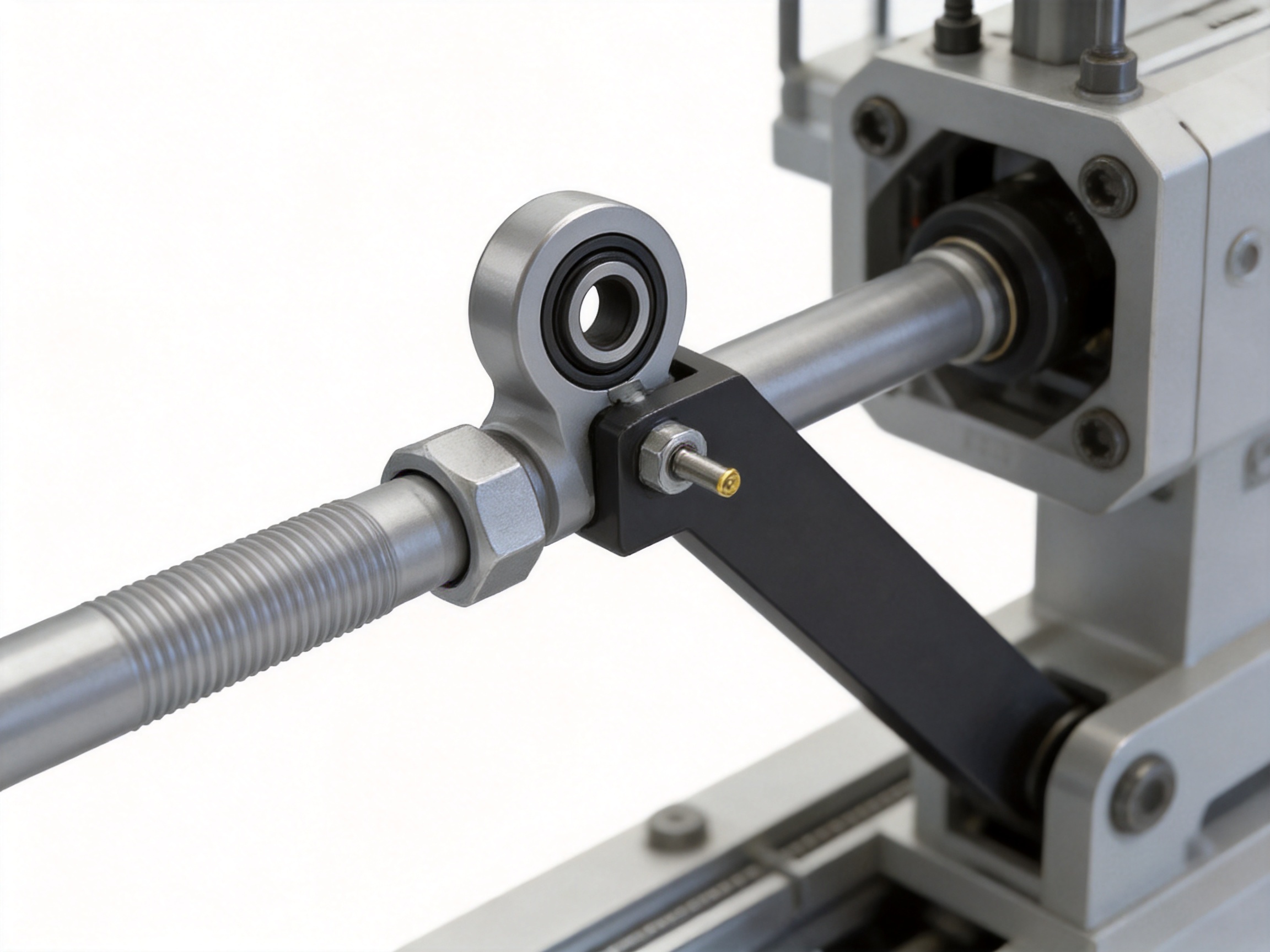
It is used to connect mechanical parts that require load transmission and angular movement. Common applications include actuator rods, hydraulic cylinder ends, adjustment linkages, agricultural machinery, automation equipment, industrial vehicles, and material handling systems.
The zinc coating provides surface protection for the carbon steel rod end body. It helps resist rust during storage, transportation, and normal industrial use. This improves product appearance and supports longer service in moderate environments.
SA…E models are lubrication-free versions generally used in smaller sizes. SA…ES models include lubrication paths through an oil cup or rod end eyelet, making them suitable for applications where relubrication is needed to extend service life.
A steel/steel sliding pair offers strong load capacity and good resistance to shock loads. It is suitable for oscillating and articulating motion in rugged mechanical systems, especially when lubrication is properly managed in ES models.
Yes. Non-standard pitch or thread precision can be provided upon request. Left-hand thread versions are also available and should be identified with the correct model and thread marking, such as SAL20ES M20×1.5 left 6g.
The mating thread should be clean and accurate, the rod end should have sufficient thread engagement, and the pin should fit properly through the bore. The linkage must be checked through its full range of movement to ensure there is no binding or excessive angular misalignment.
An ES model should be selected for heavier loads, frequent oscillating movement, dusty environments, or applications where maintenance teams can relubricate the bearing. Relubrication helps reduce friction and extend service life.
Its advantages include zinc coated carbon steel construction, steel/steel load-bearing contact, broad size availability, lubrication-free and relubrication options, customizable threads, left-hand thread availability, and support from an integrated manufacturer with advanced production processes.
ISO 12240, Spherical Plain Bearings: Dimensional and Technical Standards.
Harris, T. A., Rolling Bearing Analysis, John Wiley & Sons.
Brändlein, J., Eschmann, P., Hasbargen, L., and Weigand, K., Ball and Roller Bearings: Theory, Design and Application.
Engineering Design Handbook, Bearing Selection and Application Principles.
Machinery’s Handbook, Industrial Press, Bearing Fits, Threads, and Mechanical Design Data.
Product Categories
Contact Us

Jane@ukl-bearing.com
Jenny@ukl-bearing.com
Andy@ukl-bearing.com
Ivy@ukl-bearing.com

+86-510- 88763239
+86-15371057968

No.1 Hehuan Road, Hudai Town, Binhu District, Wuxi City.
Ready to Begin?
Get in Touch

Now!
UKL BEARING
 English
 Español
 русский