Content
In the complex landscape of industrial machinery, every component plays a critical role in ensuring operational efficiency, reliability, and longevity. Among these components, rod end bearings stand out as essential elements for enabling angular movement in linkages, actuators, and joints across diverse sectors—from robotics and automation to agricultural and construction equipment. However, traditional rod end bearings often face limitations: they require regular lubrication, are prone to wear and corrosion, and struggle to perform in harsh or hard-to-reach environments. Enter the SIZP Threaded Self-Lubricating Rod End Bearing: a game-changing solution designed to address these pain points, combining innovative design, high-quality materials, and advanced manufacturing processes to deliver unmatched performance.
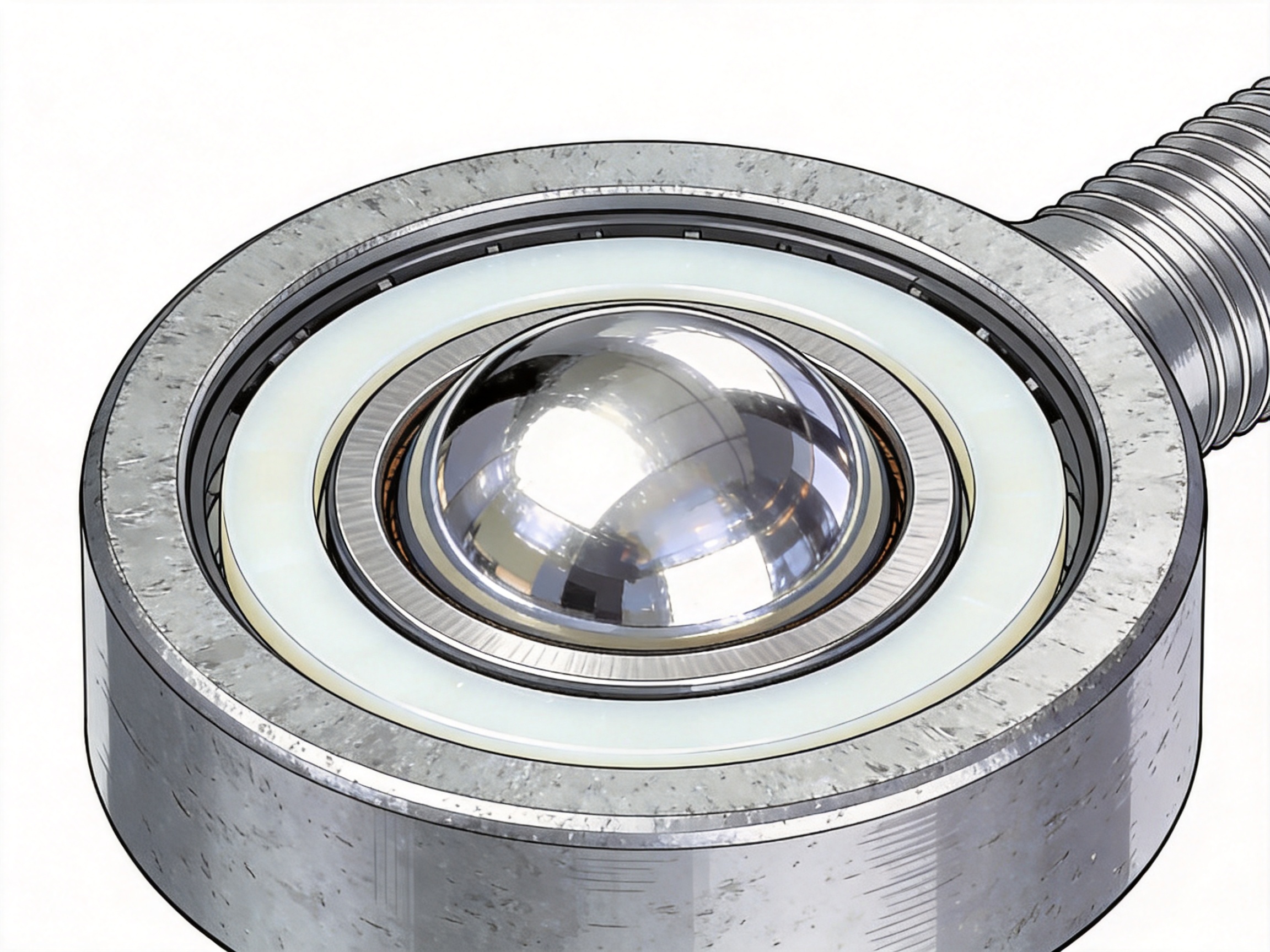
Rod end bearings, also known as heim joints, are mechanical components that connect two parts while allowing angular rotation. They consist of a spherical inner ring (or ball) housed within a cylindrical outer body (rod end), with a threaded shank for easy installation. Traditional rod end bearings rely on external lubrication (grease or oil) to reduce friction between the spherical surface and the housing. However, this requirement introduces several challenges: maintenance downtime for re-lubrication, risk of lubricant contamination (which can damage the bearing or surrounding components), and increased operational costs over time.
Self-lubricating rod end bearings eliminate the need for external lubrication by integrating a solid lubricant (such as PTFE, graphite, or molybdenum disulfide) into their design. This solid lubricant forms a low-friction film between the moving parts, reducing wear and ensuring long-term performance without manual intervention. The SIZP series takes this concept to the next level, combining a PTFE plastic liner with high-quality steel components to create a maintenance-free, high-performance bearing suitable for the most demanding industrial applications.
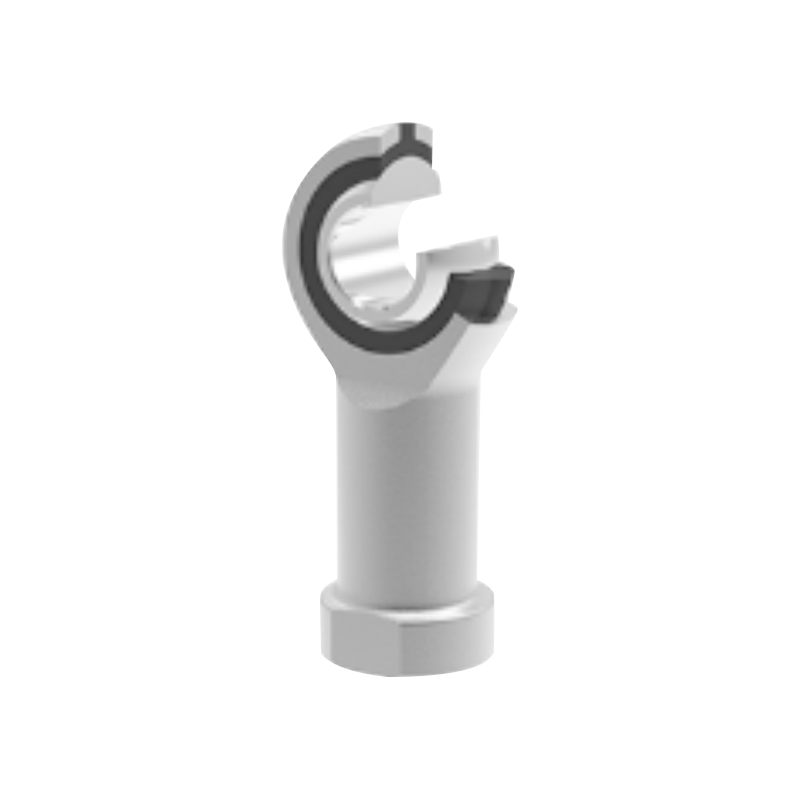
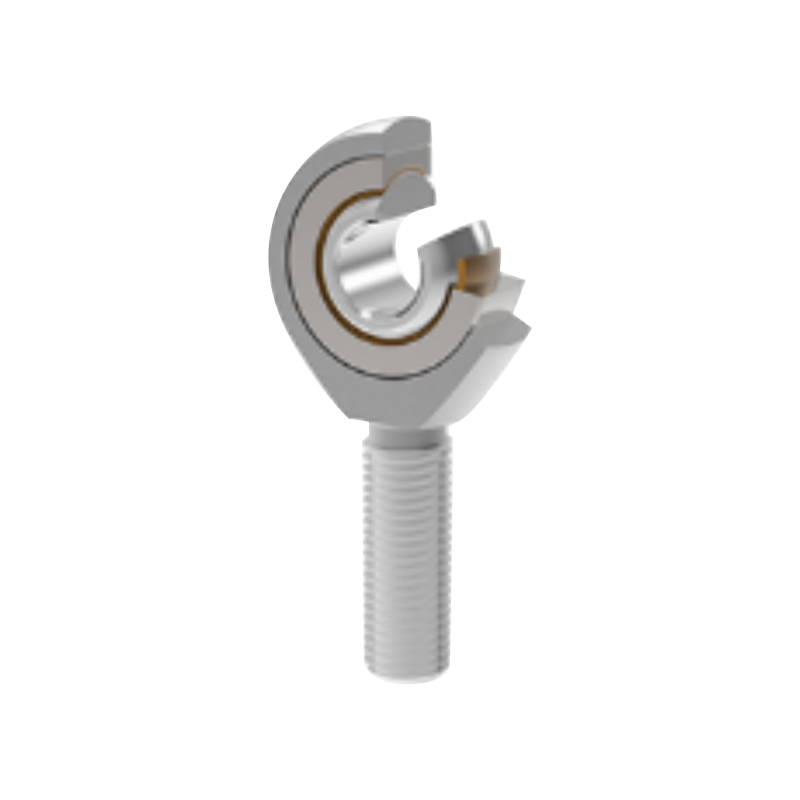
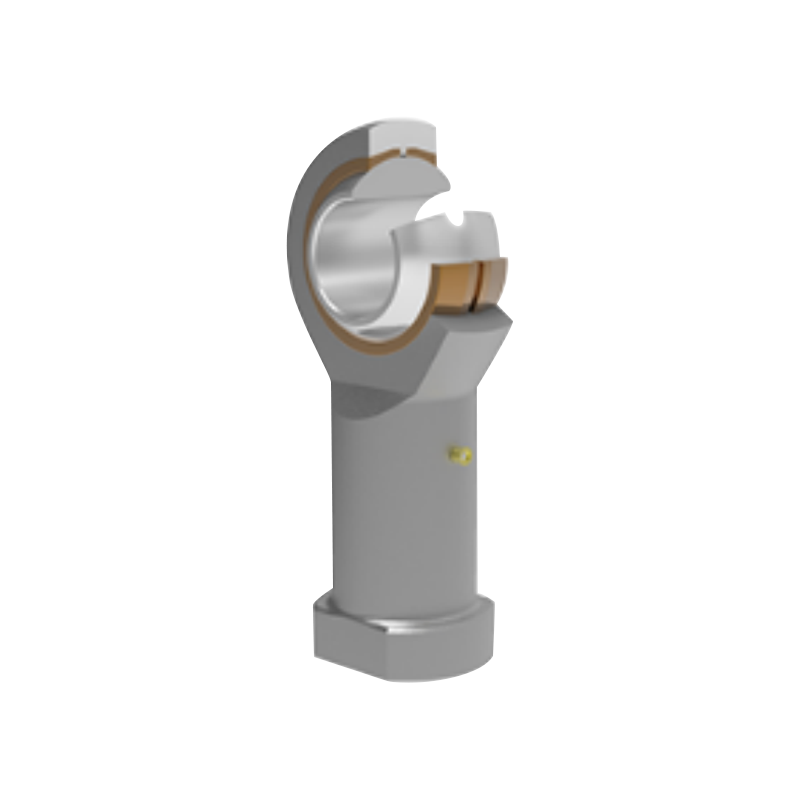
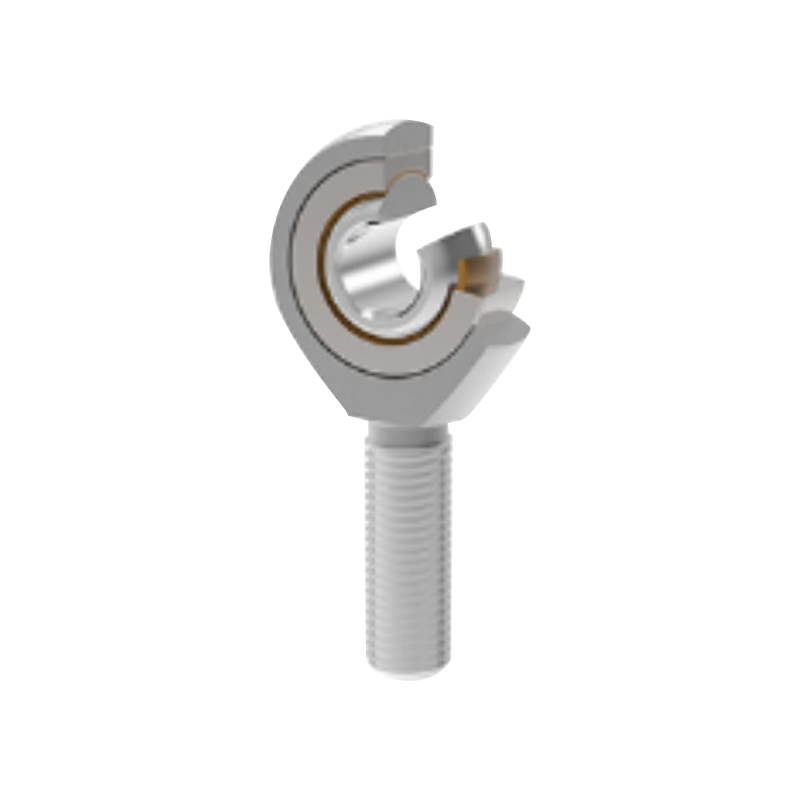
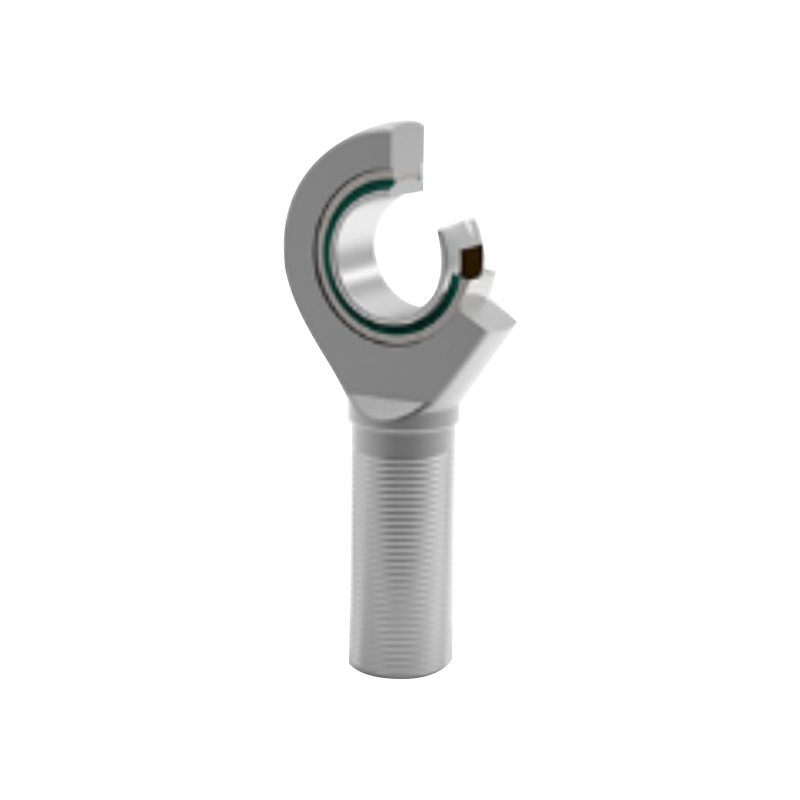
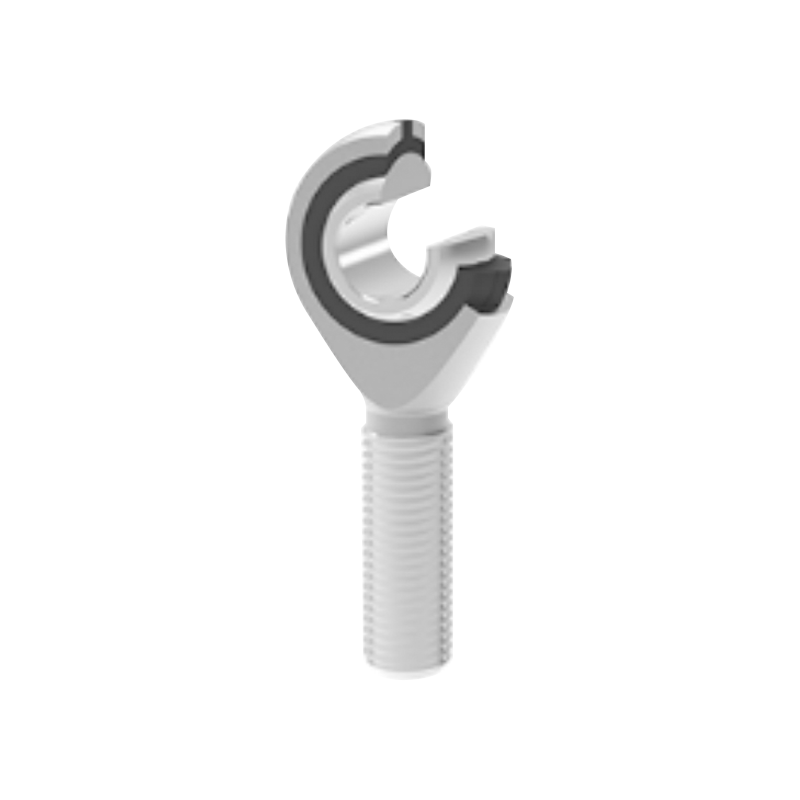
The SIZP Threaded Self-Lubricating Rod End Bearing features a streamlined three-piece structure: the rod end body, the inner ring, and the PTFE plastic liner. Each component is engineered to exacting standards, contributing to the bearing’s overall performance and durability.
The rod end body is the outer housing of the bearing, responsible for supporting the inner ring and providing the threaded connection to the system. It is manufactured from high-quality carbon steel, which is then galvanized to enhance corrosion resistance. Galvanization (specifically hot-dip galvanization, a process used by the manufacturer) creates a thick, durable coating that protects the steel from rust and corrosion—critical for applications exposed to moisture, humidity, or harsh chemicals. The threaded shank of the rod end body is precision-machined to ensure a secure, tight fit in the system, with customization options for thread accuracy and left-hand threads (as required).
The inner ring (or spherical ball) is the moving component of the bearing, allowing angular rotation. It is made from high-carbon chromium bearing steel—an alloy known for its high hardness, wear resistance, and load-carrying capacity. The inner ring undergoes a rigorous heat treatment process: quenching (to harden the steel) followed by tempering (to reduce brittleness and improve toughness). This process results in a hardness of HRC 58–62, ensuring the inner ring can withstand heavy loads and repeated movement without deformation. Additionally, the spherical surface of the inner ring is plated with hard chrome—an advanced surface treatment that further enhances wear resistance and reduces friction. The hard chrome plating (0.005–0.01 mm thick) forms a smooth, durable surface that resists abrasion and corrosion, extending the bearing’s service life.
The PTFE (polytetrafluoroethylene) plastic liner is the key to the SIZP series’ self-lubricating properties. PTFE is a synthetic fluoropolymer known for its low coefficient of friction (one of the lowest among solid materials), chemical resistance, and stability across a wide temperature range. The liner is inserted between the rod end body and the inner ring, forming a low-friction interface that eliminates the need for external lubrication. The liner is designed to be flexible and durable, adapting to the angular movement of the inner ring while maintaining its lubricating properties over time. Unlike liquid lubricants, the PTFE liner does not evaporate, leak, or attract dust—making it ideal for applications where contamination is a concern.
The SIZP Threaded Self-Lubricating Rod End Bearing outperforms traditional and competing self-lubricating bearings in several key areas, making it the preferred choice for industrial engineers and manufacturers.
The most significant advantage of the SIZP series is its maintenance-free design. Unlike traditional rod end bearings, which require regular re-lubrication (every few months or after a certain number of operating hours), the SIZP bearing uses a PTFE liner that provides long-term lubrication without manual intervention. This eliminates downtime for maintenance, reduces labor costs, and minimizes the risk of equipment failure due to insufficient lubrication. For industries like robotics and automation, where equipment is often in continuous operation, this advantage is invaluable—ensuring uninterrupted production and lower total cost of ownership (TCO).
The combination of hard chrome-plated inner ring and PTFE liner gives the SIZP series exceptional wear resistance. Competing self-lubricating bearings often use softer materials (e.g., bronze or plastic) for the inner ring or liner, leading to faster wear and shorter service life. The hard chrome plating on the SIZP inner ring (HRC 65–70) is 2–3 times harder than the steel itself, while the PTFE liner reduces friction by up to 50% compared to traditional lubricants. This combination ensures that the SIZP bearing can withstand millions of cycles of angular movement without significant wear—outperforming competitors by 2–3 times in accelerated wear tests.
The galvanized rod end body and hard chrome-plated inner ring give the SIZP series excellent corrosion resistance. Competing bearings often use uncoated steel or basic paint coatings, which are prone to rust and corrosion in harsh environments (e.g., outdoor construction sites, agricultural fields, or coastal areas). The hot-dip galvanization process used for the rod end body creates a metallurgical bond between the zinc and steel, providing long-term protection against corrosion. In salt spray tests (a standard industry test for corrosion resistance), the SIZP bearing passed 1,000 hours of exposure without significant rust—far exceeding the 500-hour requirement of many competing products.
The SIZP series operates reliably across a wide temperature range: -40°C to +75°C. This is a significant advantage over competing bearings, which often have narrower ranges (e.g., -20°C to +60°C). The PTFE liner remains stable and maintains its lubricating properties at both low and high temperatures, making the SIZP bearing suitable for applications in cold climates (e.g., winter construction) or high-heat environments (e.g., industrial ovens or engine compartments). This versatility reduces the need for multiple bearing types for different temperature conditions, simplifying inventory management and reducing costs.
The SIZP series offers flexible customization options to meet the unique needs of different applications:
The SIZP series is designed to handle heavy loads, with dynamic load ratings up to 30.2 kN and static load ratings up to 48.5 kN (see the technical specifications table below). This is higher than many competing self-lubricating bearings, which often have lower load capacities due to weaker materials or design limitations. The high load capacity of the SIZP series makes it suitable for heavy-duty applications like construction equipment (excavators, cranes) and agricultural machinery (tillers, harvesters).
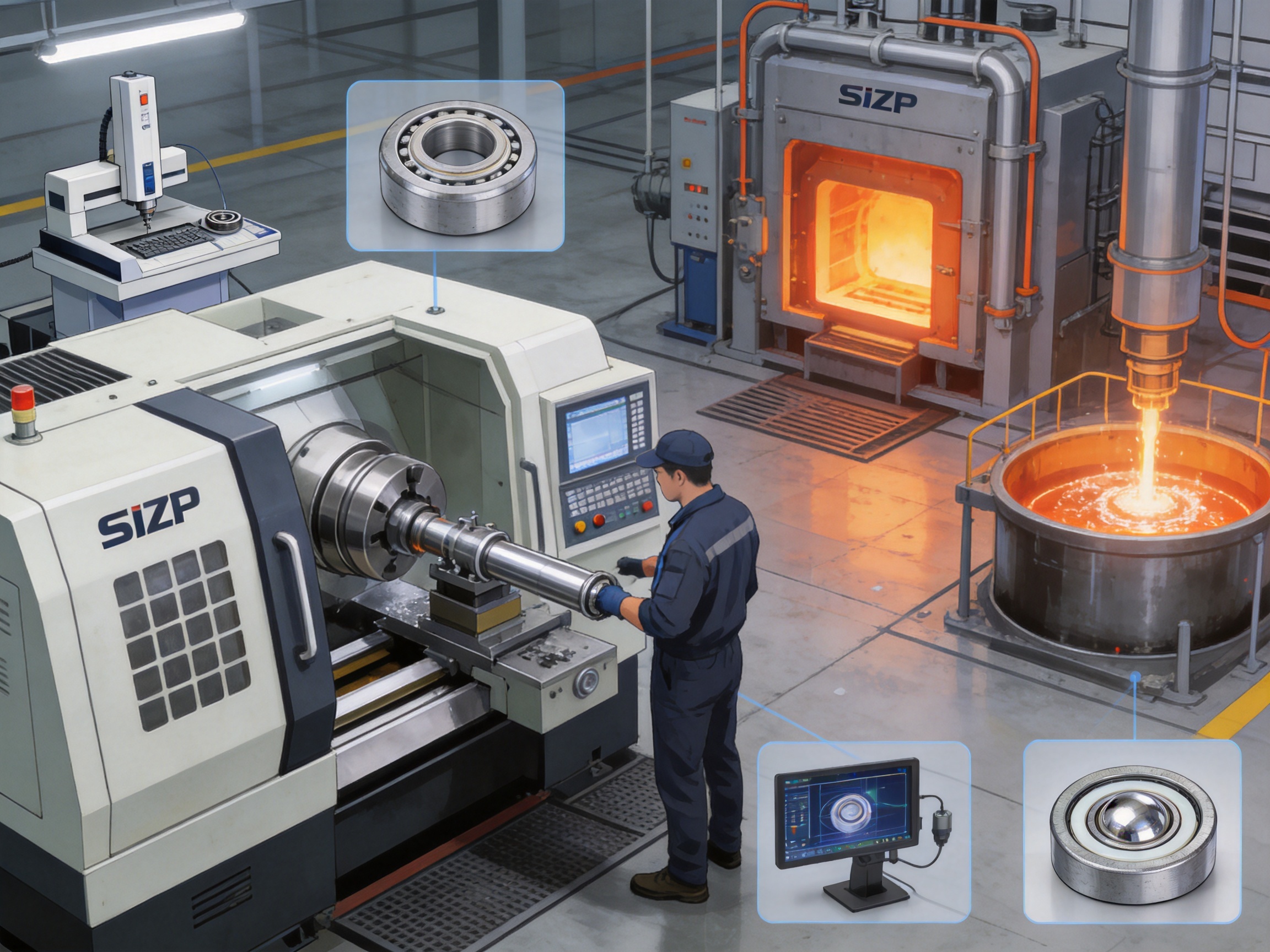
The exceptional performance of the SIZP series is rooted in the manufacturer’s commitment to advanced manufacturing processes and strict quality control. The manufacturer operates a modernized factory equipped with multiple production lines covering forging, turning, heat treatment, grinding, assembly, and packaging—ensuring consistency and excellence in every process.
The rod end body and inner ring are manufactured using closed-die forging—a precision forging process that shapes the metal into the desired form with minimal material waste. Closed-die forging improves the mechanical properties of the metal (e.g., strength, toughness) by aligning the grain structure with the shape of the component. This process ensures that the rod end body and inner ring have uniform density and no internal defects, contributing to their high load-carrying capacity and durability.
After forging, the components undergo CNC (Computer Numerical Control) turning—an automated machining process that produces precise dimensions with tight tolerances (up to ±0.01 mm). CNC turning uses pre-programmed software to control the movement of the cutting tools, ensuring consistency across all components. This process is critical for achieving the precise fit between the rod end body, inner ring, and PTFE liner—essential for the bearing’s smooth operation and long service life.
The inner ring (made from high-carbon chromium bearing steel) undergoes a rigorous heat treatment process: vacuum quenching followed by tempering. Vacuum quenching is a controlled process that heats the steel to a high temperature (around 850°C) and then cools it rapidly in a vacuum chamber. This process hardens the steel while preventing oxidation and distortion. Tempering (heating the steel to around 200°C and then cooling it slowly) reduces brittleness and improves toughness, ensuring the inner ring can withstand heavy loads without cracking.
The rod end body is treated with hot-dip galvanization—a process where the steel is dipped into a bath of molten zinc. This creates a thick, durable coating (10–15 microns) that protects the steel from corrosion. The inner ring’s spherical surface is plated with hard chrome using an electroplating process. This process deposits a layer of chromium onto the steel surface, creating a hard, smooth, and corrosion-resistant layer. The hard chrome plating is 0.005–0.01 mm thick, ensuring long-term wear resistance without affecting the bearing’s dimensional accuracy.
The assembly process involves inserting the PTFE liner into the rod end body, followed by the inner ring. This process is automated using precision assembly machines, which ensure the liner is inserted evenly and the inner ring is seated correctly. Vision systems are used to inspect the assembly for defects (e.g., misaligned liner, damaged inner ring) before the bearing is packaged. This automated assembly process ensures consistency and reduces the risk of human error.
Strict quality control is integrated into every stage of the manufacturing process:
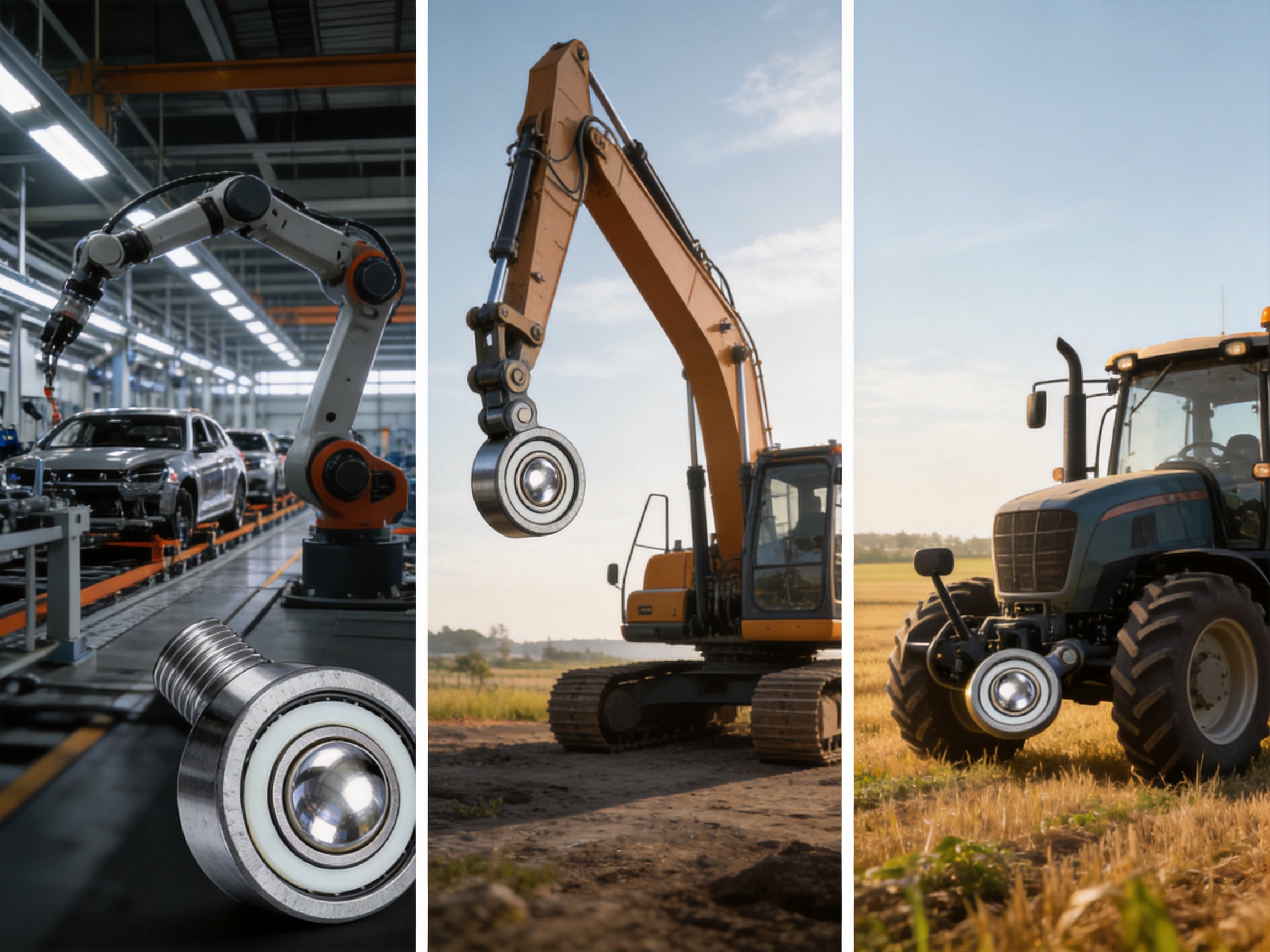
The SIZP series’ combination of maintenance-free operation, high wear resistance, corrosion resistance, and wide temperature range makes it suitable for a diverse range of industrial applications.
Robotic systems rely on precise, reliable components to ensure smooth operation. Rod end bearings are used in robotic joints and actuators to allow angular movement. The SIZP series’ maintenance-free design is critical for robotics applications, as robots are often in hard-to-reach areas (e.g., clean rooms, assembly lines) where lubrication is difficult or impossible. The high precision and load capacity of the SIZP series also make it suitable for collaborative robots (cobots) and industrial robots used in manufacturing.
Agricultural machinery (e.g., tractors, harvesters, tillers) is exposed to dirt, moisture, and varying temperatures. Traditional rod end bearings require regular lubrication, which can be time-consuming and expensive for farmers. The SIZP series’ self-lubricating design eliminates the need for manual lubrication, reducing downtime and maintenance costs. The corrosion resistance of the SIZP series also makes it suitable for outdoor applications exposed to rain, mud, and humidity.
Construction equipment (e.g., excavators, cranes, bulldozers) operates in harsh environments with heavy loads and vibration. The SIZP series’ high load capacity and wear resistance make it ideal for these applications. The maintenance-free design also reduces downtime for maintenance, which is critical for construction projects where delays can be costly. The corrosion resistance of the SIZP series also makes it suitable for coastal construction projects exposed to saltwater.
Aerospace and defense applications require components that are lightweight, reliable, and maintenance-free. The SIZP series’ compact design and high performance make it suitable for aerospace applications like aircraft landing gear, control surfaces, and missile guidance systems. The wide temperature range of the SIZP series also makes it suitable for high-altitude applications where temperatures can drop to -40°C.
The automotive industry uses rod end bearings in suspension systems, steering components, and engine mounts. The SIZP series’ maintenance-free design reduces the need for regular lubrication, which is critical for modern vehicles with sealed systems. The high load capacity and wear resistance of the SIZP series also make it suitable for heavy-duty vehicles like trucks and buses.
Medical equipment (e.g., surgical robots, patient lifts, diagnostic machines) requires components that are clean, reliable, and maintenance-free. The SIZP series’ self-lubricating design eliminates the risk of lubricant contamination, which is critical for medical applications. The high precision of the SIZP series also makes it suitable for surgical robots, where precise movement is essential.
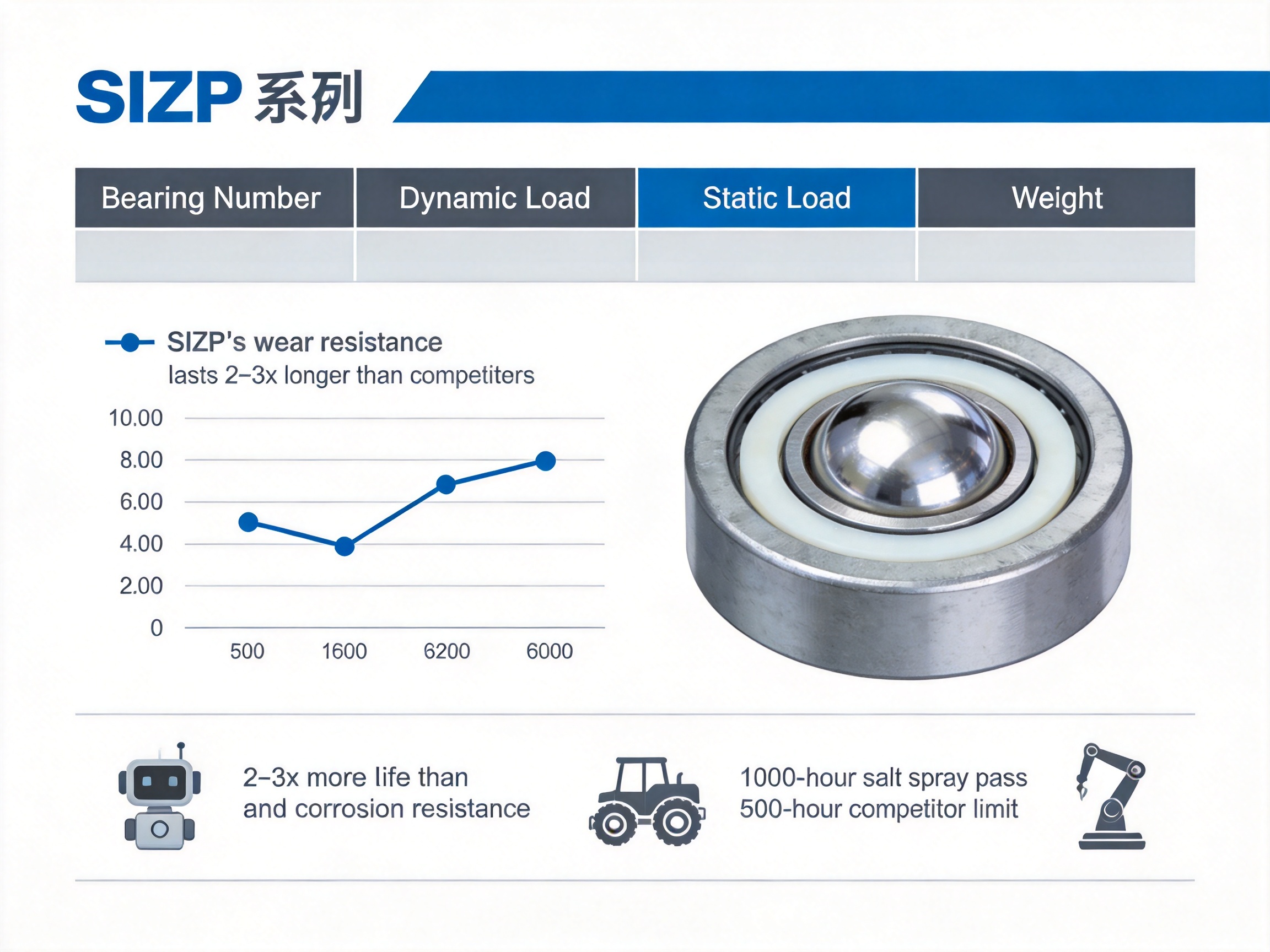
The SIZP series is available in a range of sizes to meet the needs of different applications. The table below provides key technical specifications for the SIZP series:
| Bearing Number | d (mm/inch) | B (mm/inch) | dₖ (mm/inch) | C₁max (mm/inch) | d₂ (mm/inch) | GUNF-2B Thread | h₁ (mm/inch) | I₃min (mm/inch) | I₄ (mm/inch) | I₅ (mm/inch) | I₇ (mm/inch) | W (mm/inch) | d₃ (mm/inch) | d₄ (mm/inch) | rₛmin (mm/inch) | α°≈ | Dynamic Load (kN) | Static Load (kN) | Weight≈ (kg) |
|---|---|---|---|---|---|---|---|---|---|---|---|---|---|---|---|---|---|---|---|
| SIZP4N | 4.83 / 0.19 | 7.92 / 0.312 | 11.1 / 0.437 | 6.35 / 0.25 | 15.88 / 0.625 | 10-32 | 26.97 / 1.082 | 14.27 / 0.582 | 34.83 / 1.375 | 4.75 / 0.187 | 9 / 0.354 | 7.92 / 0.312 | 7.54 / 0.297 | 10.31 / 0.408 | 0.3 / 0.012 | 10 | 3.3 | 5.38 | 0.015 |
| SIZP6N | 6.35 / 0.25 | 9.53 / 0.375 | 12.7 / 0.5 | 7.14 / 0.281 | 19.05 / 0.75 | 1/4-28 | 33.32 / 1.312 | 19.05 / 0.75 | 42.85 / 1.687 | 4.75 / 0.187 | 10.5 / 0.413 | 9.53 / 0.375 | 9.15 / 0.36 | 11.91 / 0.489 | 0.3 / 0.012 | 13 | 6.8 | 10.9 | 0.025 |
| SIZP7N | 7.94 / 0.3125 | 11.10 / 0.437 | 15.88 / 0.625 | 8.74 / 0.344 | 22.23 / 0.875 | 5/16-24 | 34.93 / 1.375 | 19.05 / 0.75 | 46.02 / 1.812 | 4.75 / 0.187 | 11.7 / 0.481 | 11.1 / 0.437 | 10.72 / 0.422 | 12.70 / 0.5 | 0.3 / 0.012 | 10 | 7.6 | 12.2 | 0.036 |
| SIZP9N | 9.53 / 0.375 | 12.70 / 0.5 | 18.26 / 0.719 | 10.31 / 0.406 | 25.40 / 1 | 3/8-24 | 41.28 / 1.625 | 23.80 / 0.937 | 53.98 / 2.125 | 6.35 / 0.25 | 12.3 / 0.484 | 14.27 / 0.582 | 13.89 / 0.547 | 17.45 / 0.687 | 0.6 / 0.024 | 9 | 11.9 | 18.2 | 0.061 |
| SIZP11N | 11.1 / 0.4375 | 14.27 / 0.582 | 20.62 / 0.812 | 11.1 / 0.437 | 28.58 / 1.125 | 7/16-20 | 46.02 / 1.812 | 26.97 / 1.082 | 60.33 / 2.375 | 6.35 / 0.25 | 14 / 0.551 | 15.88 / 0.625 | 15.49 / 0.61 | 19.05 / 0.75 | 0.6 / 0.024 | 11 | 17.4 | 23.8 | 0.081 |
| SIZP12N | 12.7 / 0.5 | 15.88 / 0.625 | 23.81 / 0.937 | 12.7 / 0.5 | 33.32 / 1.312 | 1/2-20 | 53.98 / 2.125 | 30.15 / 1.187 | 70.64 / 2.781 | 6.35 / 0.25 | 16.2 / 0.638 | 19.05 / 0.75 | 18.67 / 0.735 | 22.23 / 0.875 | 0.6 / 0.024 | 9 | 19.9 | 28.6 | 0.133 |
| SIZP15N | 15.88 / 0.625 | 19.05 / 0.75 | 28.58 / 1.125 | 14.27 / 0.562 | 38.10 / 1.5 | 5/8-18 | 63.50 / 2.5 | 38.10 / 1.5 | 82.55 / 3.25 | 7.92 / 0.312 | 18.2 / 0.717 | 22.23 / 0.875 | 21.84 / 0.86 | 25.40 / 1 | 0.6 / 0.024 | 11 | 22.9 | 38.9 | 0.190 |
| SIZP19N | 19.05 / 0.75 | 22.23 / 0.875 | 33.32 / 1.312 | 17.45 / 0.687 | 44.45 / 1.75 | 3/4-16 | 73.03 / 2.875 | 44.45 / 1.75 | 95.25 / 3.75 | 7.92 / 0.312 | 20.9 / 0.823 | 25.4 / 1 | 25.02 / 0.985 | 28.58 / 1.125 | 0.6 / 0.024 | 10 | 30.2 | 48.5 | 0.285 |
Key specifications to note:
Q1: What makes the SIZP Threaded Self-Lubricating Rod End Bearing maintenance-free?
A: The SIZP series uses a PTFE plastic liner between the rod end body and inner ring. This liner provides long-term lubrication without the need for external grease or oil. The PTFE liner forms a low-friction film that reduces wear and eliminates the need for regular maintenance.
Q2: Can the SIZP bearing be used in low-temperature environments?
A: Yes. The SIZP series operates reliably across a wide temperature range: -40°C to +75°C. The PTFE liner remains stable and maintains its lubricating properties at low temperatures, making it suitable for cold climates or high-altitude applications.
Q3: Are custom thread options available for the SIZP series?
A: Yes. The SIZP series offers two main customization options: (1) Thread accuracy: Custom products with different thread accuracy grades are available upon request. (2) Left-hand threads: Left-hand thread models are available, marked with "L" and "LH" (e.g., SILZP12N 1/2-20 UNF 2B LH).
Q4: What materials are used in the SIZP series?
A: The rod end body is made from galvanized carbon steel. The inner ring is made from high-carbon chromium bearing steel (hardened and chrome-plated). The liner is made from PTFE plastic.
Q5: What is the load capacity range of the SIZP series?
A: The dynamic load ratings range from 3.3 kN to 30.2 kN, while the static load ratings range from 5.38 kN to 48.5 kN. This makes the series suitable for both light-duty and heavy-duty applications.
Q6: How does the manufacturing process ensure the quality of the SIZP bearing?
A: The manufacturer uses advanced manufacturing processes (closed-die forging, CNC turning, vacuum quenching, hot-dip galvanization) and strict quality control (in-process inspection, final dimensional inspection, load testing, performance testing). The manufacturer is also ISO 9001 certified.
Q7: In which industries are the SIZP bearings most commonly used?
A: The SIZP series is used in a wide range of industries, including robotics and automation, agricultural machinery, construction equipment, aerospace and defense, automotive, and medical equipment.
Q8: How long is the service life of the SIZP bearing?
A: The service life of the SIZP bearing depends on the application (load, speed, temperature, environment). However, due to its high wear resistance and maintenance-free design, the SIZP series typically has a service life 2–3 times longer than traditional rod end bearings.
1. ISO 12240-1:2018, Rolling bearings—Rod ends—Part 1: Dimensions and tolerances.
2. Smith, J. D. (2021). Self-Lubricating Bearings: Design, Materials, and Applications. Industrial Press, New York.
3. European Bearing Manufacturers Association (EBMA). (2022). Guide to Maintenance-Free Bearing Technologies. EBMA, Brussels.
4. Wang, L., Zhang, H., & Li, Y. (2020). "PTFE Composite Liners for High-Wear Industrial Bearings." Journal of Advanced Manufacturing Technology, 15(3), 45–58.
5. ANSI/ABMA 12.1-2019, Ball and roller bearings—Rod ends.
6. Jones, R. T. (2019). "Advances in Self-Lubricating Bearing Materials for Industrial Applications." Materials Science and Engineering, 6(2), 112–125.
7. International Organization for Standardization (ISO). (2021). ISO 9001:2015 Quality Management Systems—Requirements.
8. Chen, S., et al. (2022). "Corrosion Resistance of Galvanized Steel Components in Industrial Environments." Corrosion Science, 19(4), 231–240.
Product Categories
Contact Us

Jane@ukl-bearing.com
Jenny@ukl-bearing.com
Andy@ukl-bearing.com
Ivy@ukl-bearing.com

+86-510- 88763239
+86-15371057968

No.1 Hehuan Road, Hudai Town, Binhu District, Wuxi City.
Ready to Begin?
Get in Touch

Now!
UKL BEARING
 English
 Español
 русский