Content
Rod end bearings are unsung heroes in mechanical systems, enabling smooth articulation, load distribution, and durability across a wide range of industries. Among the latest advancements in this field, zinc-coated precision rod end bearings stand out for their exceptional performance, corrosion resistance, and customization capabilities. This article explores the key features of these bearings, their advantages over traditional alternatives, the advanced manufacturing processes that ensure their quality, and their diverse applications. We also include a detailed specification table, a Q&A section addressing common queries, and references to industry standards and technical resources.
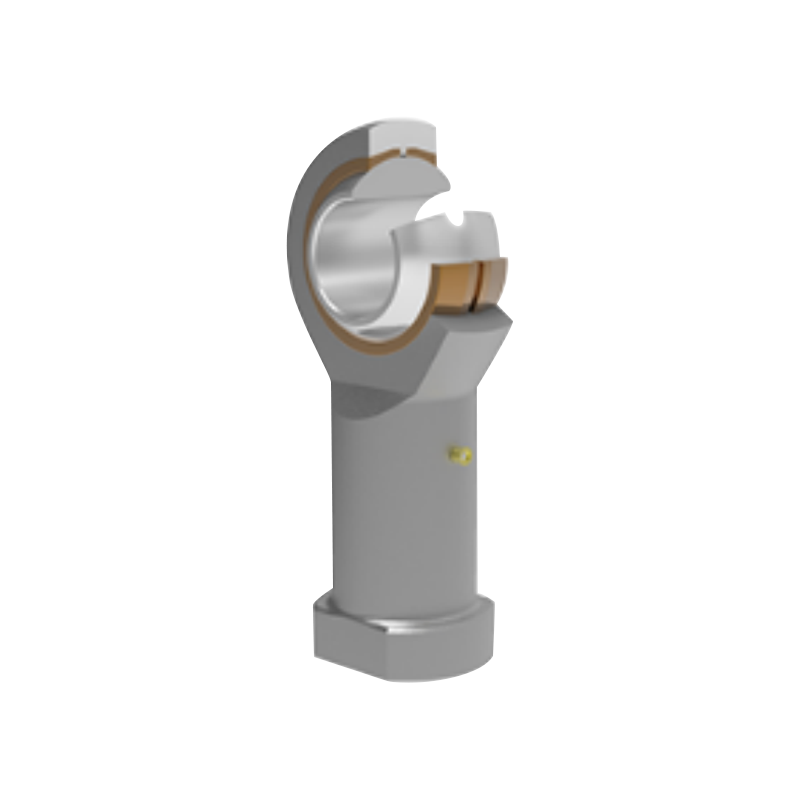
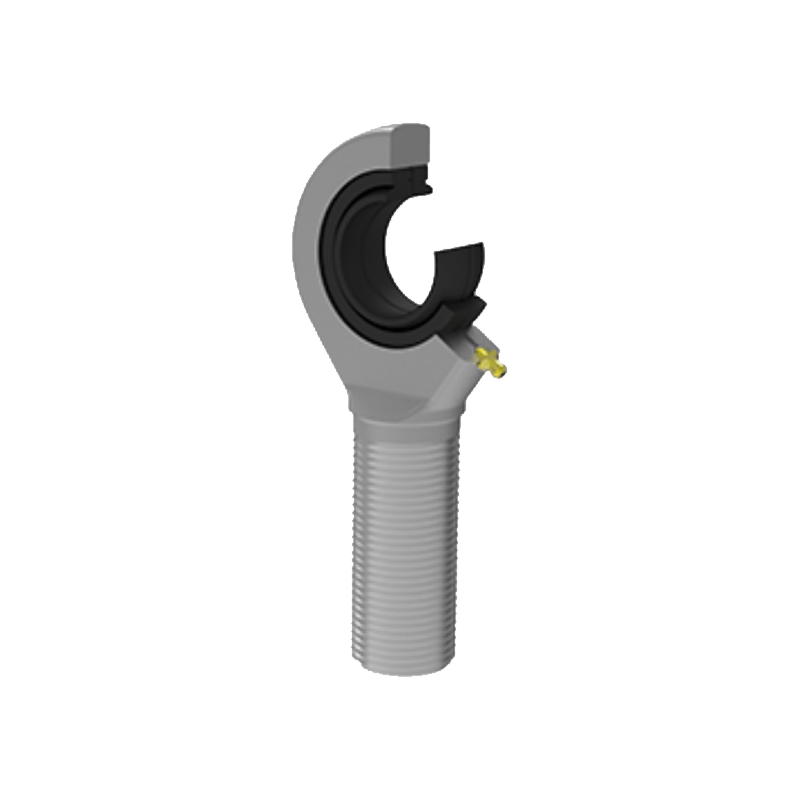
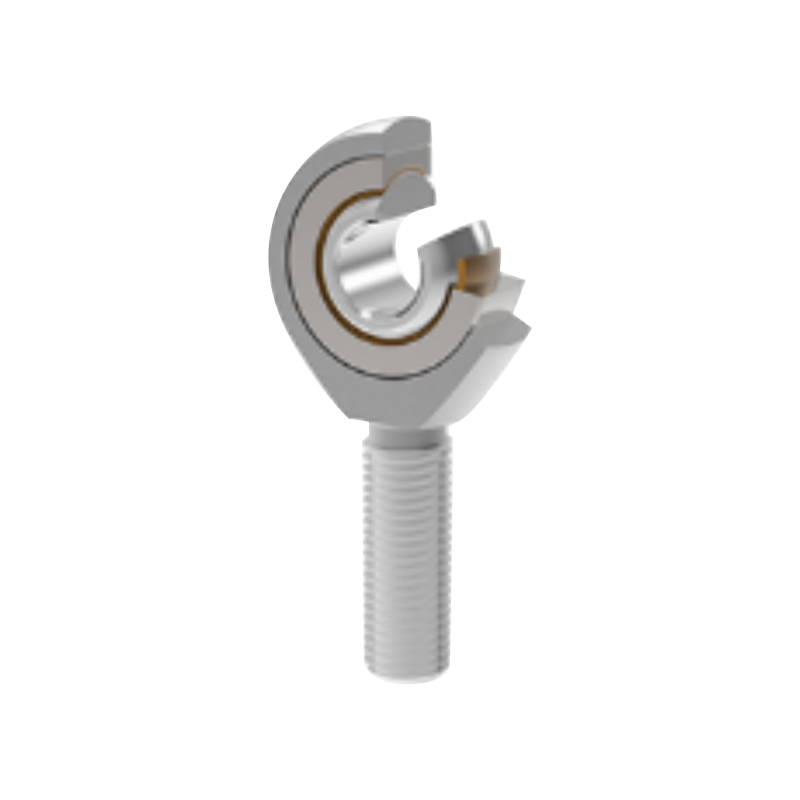
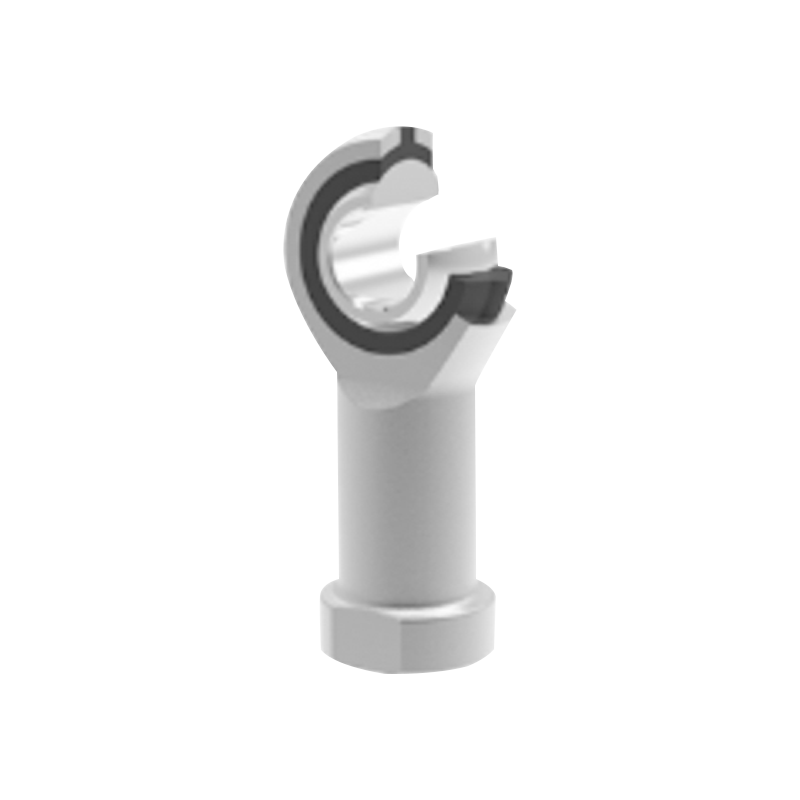
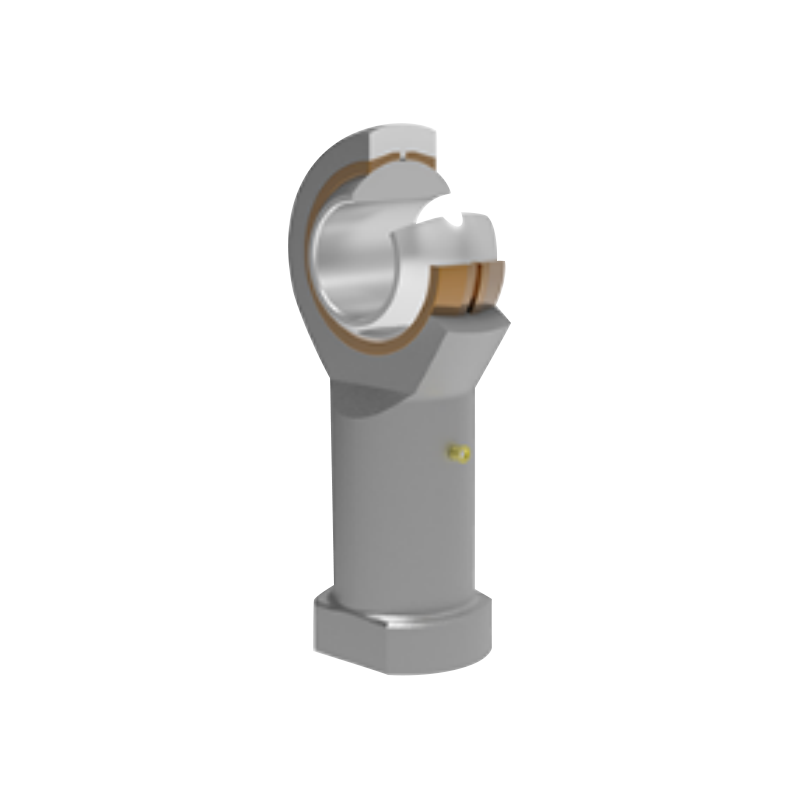
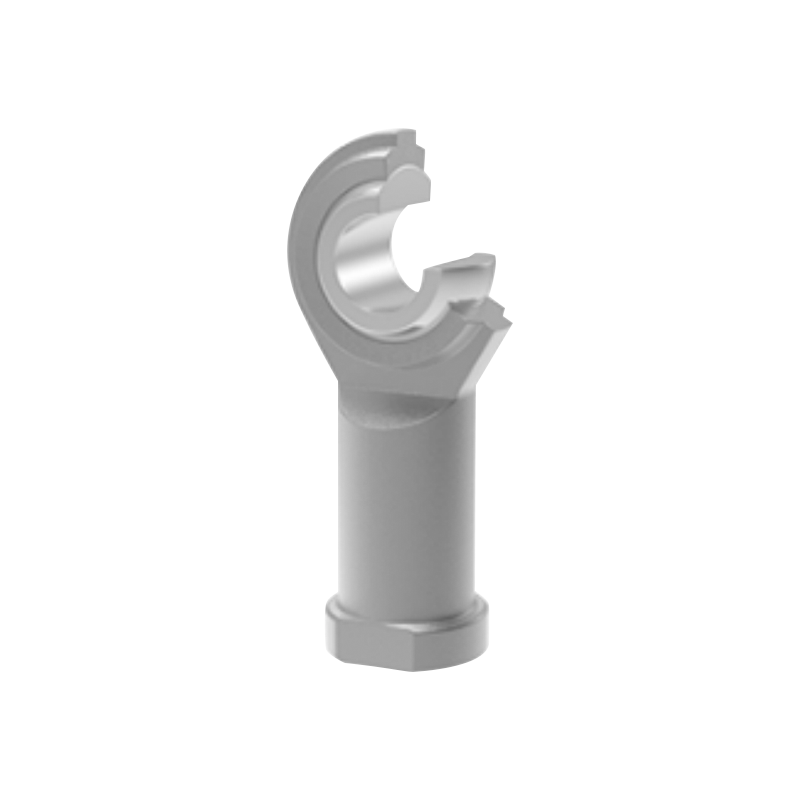
Zinc-coated precision rod end bearings are specialized plain bearings designed to facilitate angular movement between two components, typically a rod and a mating part. Unlike traditional ball or roller bearings, they use a sliding contact surface to transmit loads, making them ideal for applications where space is limited or high misalignment tolerance is required. The "precision" designation refers to their tight dimensional tolerances, which ensure consistent performance and fit with mating components. The zinc coating (galvanized finish) enhances their corrosion resistance, making them suitable for harsh environments.
Core components of these bearings include: an outer rod end body (usually carbon steel), an inner ring (high-strength bearing steel), bronze liners on sliding surfaces (to reduce friction and wear), and a threaded end (for easy installation). The design allows for both radial and axial load transmission, as well as angular misalignment up to 15 degrees, depending on the model.
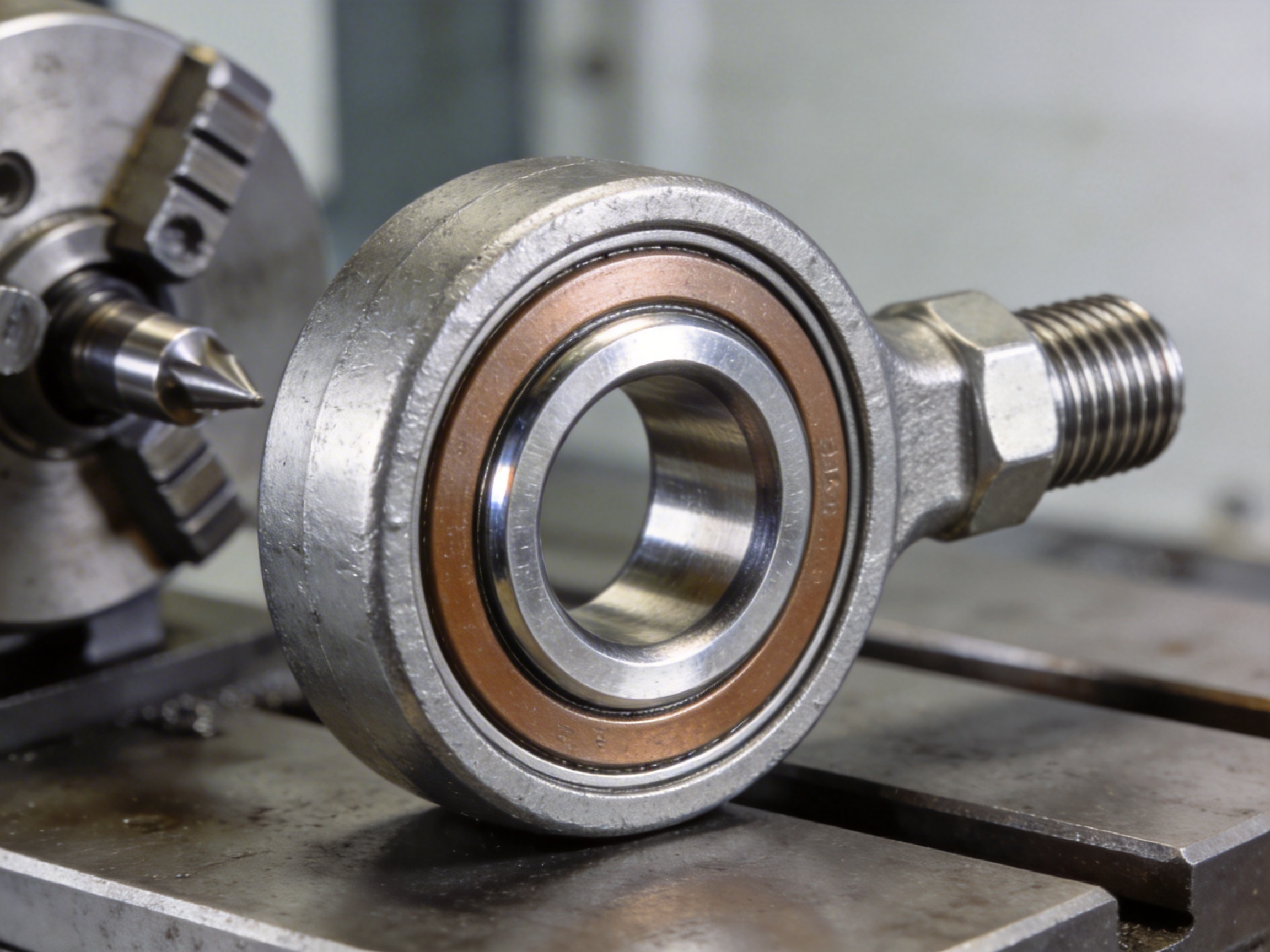
Zinc-coated precision rod end bearings offer several key advantages over traditional rod end bearings (e.g., plain steel, plastic-lined, or powder-coated variants). These benefits stem from their material selection, coating technology, and design flexibility.
Corrosion is a major issue for bearings used in outdoor, marine, or industrial environments with high humidity or salt exposure. Traditional rod end bearings often use plain steel or powder-coated finishes, which degrade quickly in these conditions. The SIZP series (a leading zinc-coated precision rod end bearing line) uses a hot-dip galvanized finish compliant with ASTM B633-19 standards. This coating provides a sacrificial layer that protects the underlying steel from rust and corrosion, even in saltwater environments. Testing shows that these bearings can withstand 1,000 hours of salt spray exposure (per ASTM B117) without significant corrosion, compared to 200-500 hours for powder-coated alternatives. This makes them ideal for marine applications, offshore oil rigs, and coastal infrastructure.
Wear is another critical factor affecting bearing lifespan, especially in high-cycle applications. The SIZP series addresses this with two key design features: bronze liners on sliding surfaces and hard chrome plating on the inner ring. Bronze (a copper-tin alloy) has excellent self-lubricating properties and low friction coefficients, reducing wear by up to 30% compared to plastic-lined bearings. The inner ring, made from high-strength bearing steel (e.g., 52100 steel), undergoes quenching and tempering to achieve a hardness of HRC 58-62, followed by hard chrome plating (0.001-0.002 inches thick) to further enhance wear resistance. This combination ensures that the bearings can withstand heavy loads (up to 101 kN static load for the SIZP25S model) and high-cycle operation without premature failure.
Lubrication is essential for reducing friction and extending bearing life, but traditional bearings often have limited lubrication options. The SIZP series offers cup lubrication for all models except those with a bore diameter less than 6.35 mm (0.25 inches). Cup lubrication involves injecting grease into a reservoir in the outer body, which then flows to the sliding surfaces, ensuring consistent lubrication even in hard-to-reach areas. For small bore models, the bearings are pre-lubricated with a high-performance grease that provides lifetime lubrication, eliminating the need for regular maintenance. This flexibility makes the bearings suitable for both maintenance-intensive and low-maintenance applications.
One of the biggest advantages of zinc-coated precision rod end bearings is their customization flexibility, which addresses the unique needs of different industries. Key customization options include:
Thread Precision Adjustments: Threads can be modified to meet specific precision requirements (e.g., ISO 965 or ANSI B1.1 standards) for applications where tight fit is critical, such as aerospace or medical equipment.
Stainless Steel Variants: For highly corrosive environments (e.g., chemical processing plants), the rod end body and inner ring can be made from stainless steel (marked with an "X" in the model number, e.g., SIZP12S/X). Stainless steel variants offer superior corrosion resistance compared to galvanized steel, though they are slightly more expensive.
Left-Hand Threads: Left-hand threads are available for applications where reverse rotation is required (e.g., steering systems in vehicles). These models are marked with "L" or "LH" (e.g., SILZP12S 1/2-20UNF-2B LH) to ensure easy identification.
Many traditional rod end bearings have limited temperature ranges, making them unsuitable for extreme environments. The SIZP series operates reliably in temperatures from -50°C to +150°C, which covers most industrial and outdoor applications. This range is achieved through the use of high-temperature grease (for lubricated models) and heat-resistant materials. For example, the bronze liners maintain their mechanical properties at high temperatures, while the galvanized coating does not degrade or flake off at low temperatures. This adaptability makes the bearings suitable for use in cold storage facilities, desert environments, and industrial ovens.
The quality of zinc-coated precision rod end bearings depends on the manufacturing processes used. Leading manufacturers (e.g., UKL Bearing Manufacturing Co., Ltd.) employ integrated R&D, precision machining, and strict quality control to ensure consistent performance.
UKL Bearing, a leading manufacturer of these bearings, has an in-house R&D team of 20+ engineers who focus on improving bearing design and performance. The team uses finite element analysis (FEA) to simulate load distribution, friction, and wear, ensuring that each model meets or exceeds industry standards. The company also collaborates with universities and research institutions to develop new materials and coating technologies.
The production process involves six key steps:
Forging: Closed-die forging is used to shape the rod end body from carbon steel billets. This process improves grain flow, resulting in higher structural integrity and load capacity compared to cast components. Forging also reduces material waste by up to 30%.
Turning: CNC turning centers are used to machine the bore, thread, and outer diameter of the rod end body. Tolerances are maintained within ±0.01 mm for critical surfaces, ensuring a tight fit with mating components.
Heat Treatment: The inner ring undergoes quenching (heating to 850°C followed by rapid cooling) to harden the steel, then tempering (heating to 300°C) to improve toughness. The outer body is also heat-treated to enhance its impact resistance.
Grinding: Precision grinding is performed on the sliding surfaces to achieve a surface finish of Ra 0.2 μm. This reduces friction and wear, ensuring smooth operation.
Coating: Hot-dip galvanizing is used to apply the zinc coating. The process involves dipping the steel components in molten zinc (450°C) to form a metallurgical bond between the zinc and steel, ensuring long-term corrosion resistance.
Assembly and Testing: Components are assembled using automated equipment to ensure consistency. Each bearing is tested for rotational smoothness, load capacity, and corrosion resistance before packaging.
UKL Bearing maintains a comprehensive quality control system that complies with ISO 9001:2015 standards. Key quality control steps include:
Incoming Material Inspection: All raw materials (steel billets, bronze liners, grease) are tested for chemical composition and mechanical properties before use.
Process Inspection: Dimensional checks are performed at each stage of production using coordinate measuring machines (CMMs) and optical comparators. For example, the bore diameter is checked every 100 units to ensure it meets the specified tolerance.
Final Product Testing: Each bearing undergoes a series of tests, including: salt spray test (ASTM B117), load capacity test (per ISO 14725), and rotational torque test. Only bearings that pass all tests are shipped to customers.
Leading manufacturers prioritize sustainability in their production processes. UKL Bearing, for example, uses the following eco-friendly practices:
Energy Optimization: The factory uses energy-efficient CNC machines and LED lighting, reducing energy consumption by 25% compared to traditional facilities.
Material Recycling: Scrap steel from forging and turning is recycled, reducing material waste by 40%. The company also uses recycled grease containers to minimize plastic waste.
Emission Reduction: Heat treatment furnaces are equipped with scrubbers to reduce harmful emissions (e.g., carbon monoxide, nitrogen oxides) by 30%.
Zinc-coated precision rod end bearings are used in a wide range of industries due to their versatility, durability, and corrosion resistance. Below are some key applications:
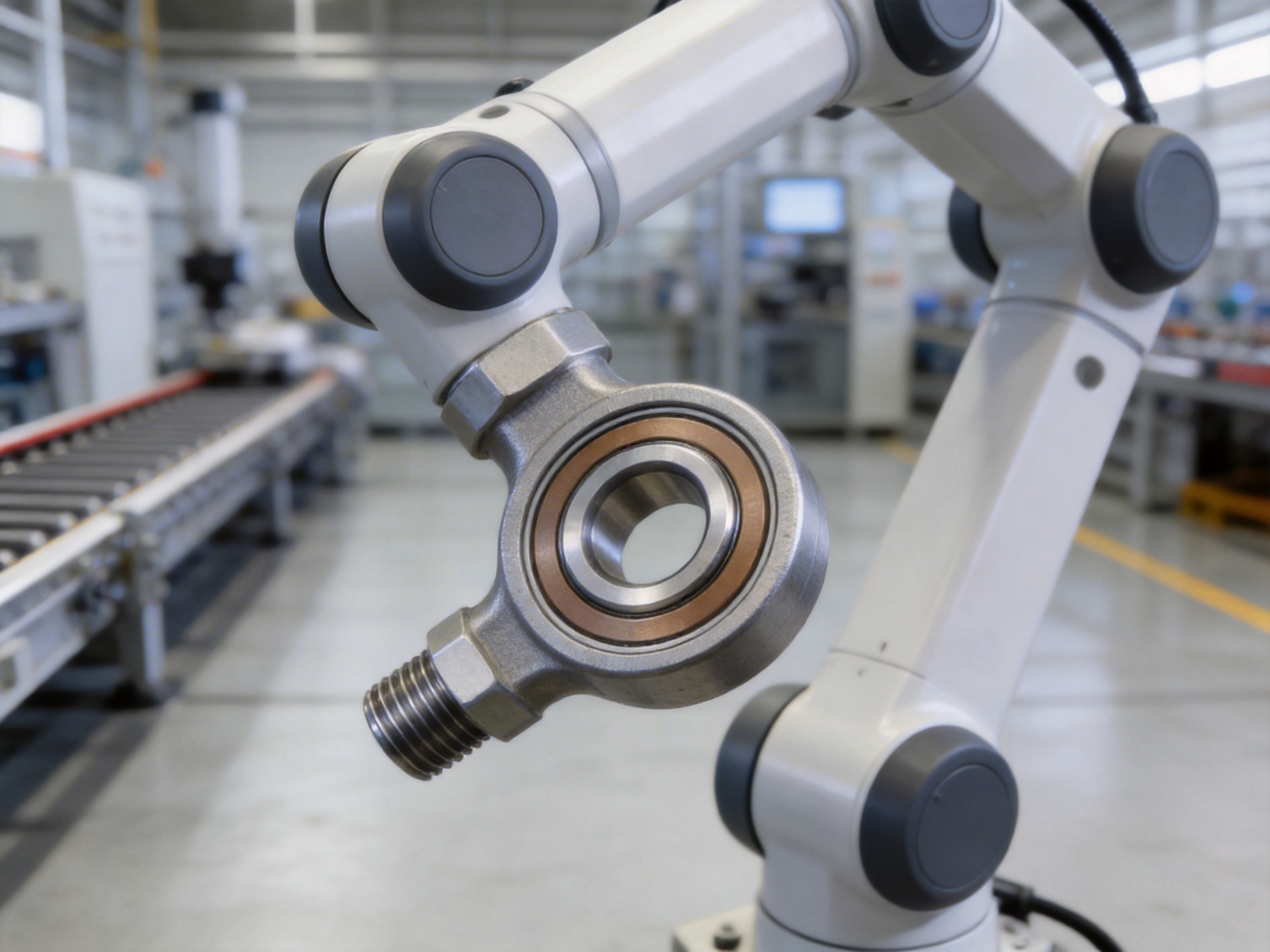
Robotic arms require bearings that can withstand high-cycle operation and angular misalignment. The SIZP series is ideal for this application, as it provides smooth articulation between joints and can support heavy loads (up to 60 kN dynamic load for the SIZP25S model). The bearings are used in industrial robots for manufacturing, logistics robots for warehouse automation, and collaborative robots (cobots) for human-robot interaction. The wide temperature range ensures reliable operation in automated facilities with varying temperatures.
Aerospace applications demand bearings that can withstand extreme temperatures, vibration, and corrosion. The SIZP series' stainless steel variants are used in aircraft landing gear, control systems, and satellite components. The bearings' high load capacity and wear resistance make them suitable for use in military vehicles (e.g., tanks, helicopters) where reliability is critical. The left-hand thread variants are used in missile guidance systems to ensure precise alignment.
In the automotive industry, rod end bearings are used in suspension systems, steering systems, and drive shafts. The SIZP series' corrosion resistance makes it ideal for off-road vehicles and heavy trucks, where the bearings are exposed to mud, water, and salt. The left-hand thread variants are used in steering systems to ensure proper alignment, while the stainless steel variants are used in electric vehicles (EVs) where corrosion resistance is critical for battery components.
Industrial machinery such as conveyors, cranes, excavators, and agricultural equipment relies on rod end bearings for smooth operation. The SIZP series' low maintenance requirements (due to cup lubrication and pre-lubricated small bore models) reduce downtime and maintenance costs. The bearings are used in conveyor systems for material handling, cranes for lifting heavy loads, and excavators for earthmoving. The wide temperature range ensures reliable operation in outdoor industrial facilities.
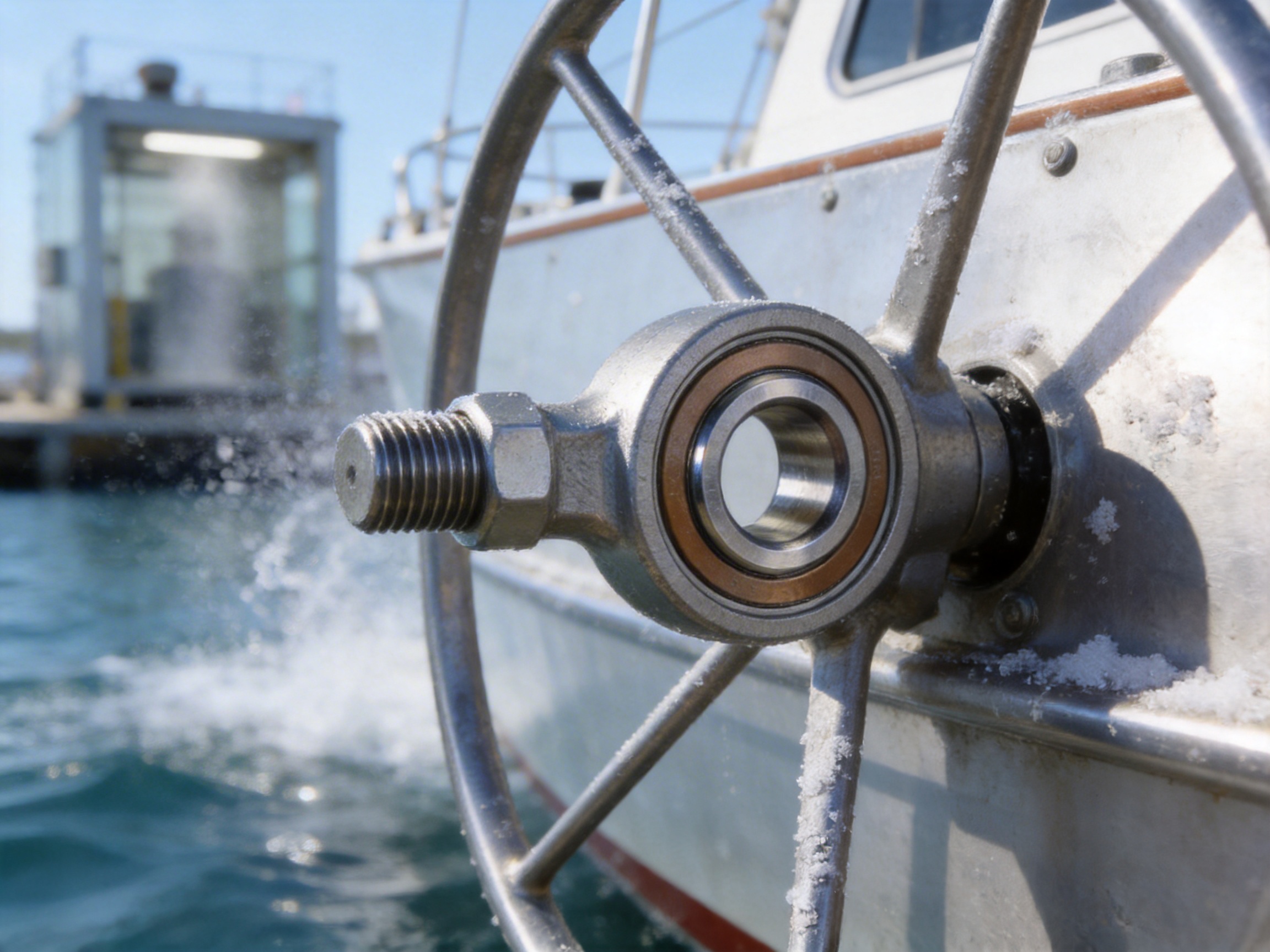
Marine applications (e.g., boats, ships, offshore oil rigs) require bearings that can withstand saltwater corrosion. The SIZP series' galvanized finish and stainless steel variants are ideal for this application. The bearings are used in boat steering systems, offshore crane components, and oil rig drilling equipment. Testing shows that the bearings can withstand 1,000 hours of salt spray exposure without significant corrosion, making them suitable for long-term use in marine environments.
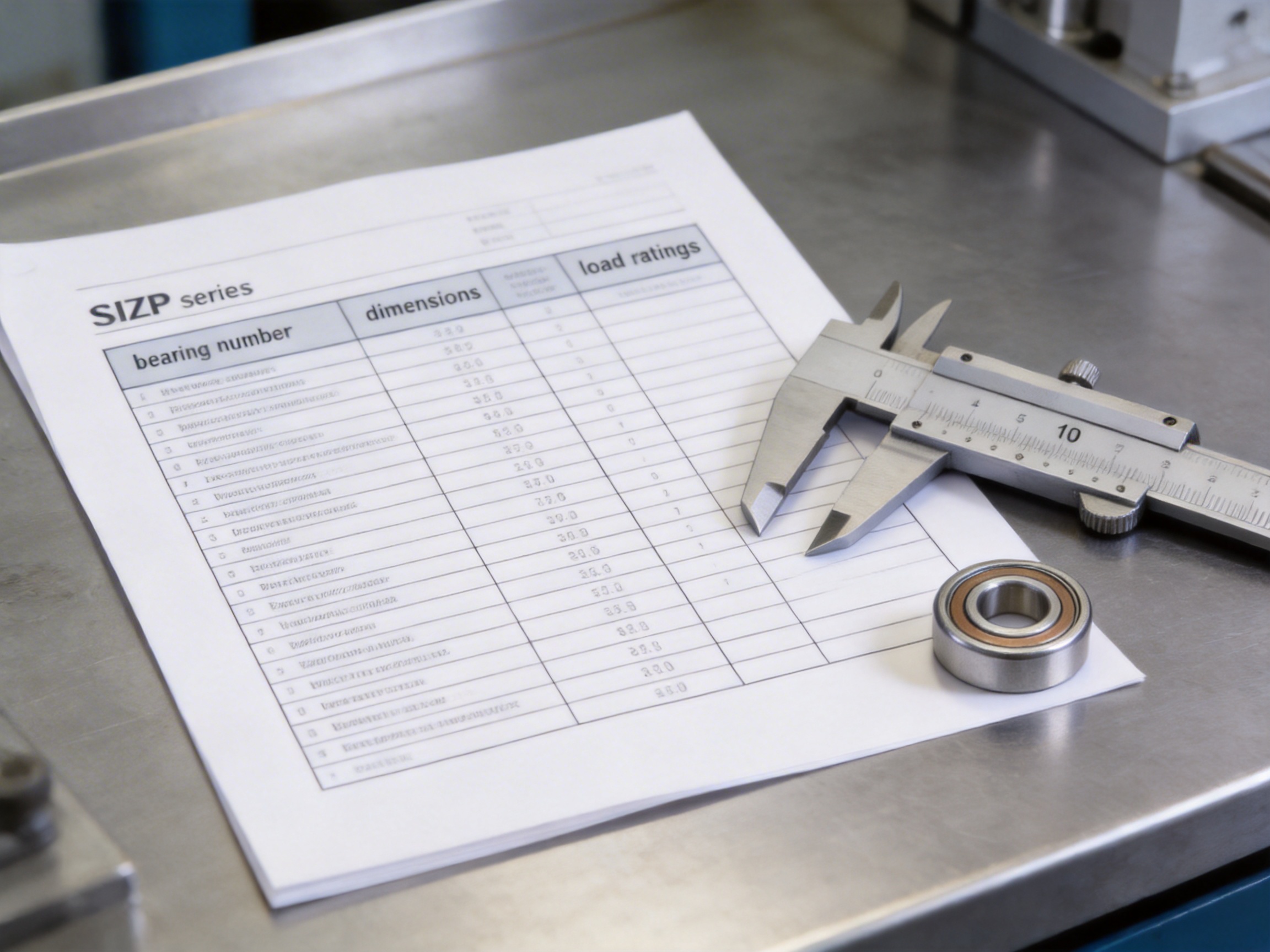
Below is a detailed specification table for the SIZP series zinc-coated precision rod end bearings. The table includes dimensions (mm and inch), load ratings, and weight for each model.
| Bearing number | Dimensions (mm/inch) | Load ratings (kN) | Weight (kg) | |||||||||||||||||
| d | B | dₖ | C₁max | d₂ | GUNF-2B | h₁ | I₃min | I₄ | I₅ | I₇ | W | d₃ | d₄ | rₛmin | α°≈ | Dynamic | Static | |||
| SIZP4S 1) | 4.83 / 0.19 | 7.92 / 0.312 | 11.1 / 0.437 | 6.35 / 0.25 | 15.88 / 0.625 | 10-32 | 26.97 / 1.082 | 14.27 / 0.582 | 34.93 / 1.375 | 4.75 / 0.187 | 9 / 0.354 | 7.92 / 0.312 | 7.54 / 0.297 | 10.31 / 0.408 | 0.3 / 0.012 | 10 | 3.4 | 4.6 | 0.015 | |
| SIZP6S 1) | 6.35 / 0.25 | 9.53 / 0.375 | 12.7 / 0.5 | 7.14 / 0.281 | 19.05 / 0.75 | 1/4-28 | 33.32 / 1.312 | 19.05 / 0.75 | 42.85 / 1.887 | 4.75 / 0.187 | 10.5 / 0.413 | 9.53 / 0.375 | 9.15 / 0.36 | 11.91 / 0.469 | 0.3 / 0.012 | 13 | 4.5 | 7.7 | 0.025 | |
| SIZP7S | 7.94 / 0.3125 | 11.10 / 0.437 | 15.88 / 0.625 | 8.74 / 0.344 | 22.23 / 0.875 | 5/16-24 | 34.93 / 1.375 | 19.05 / 0.75 | 46.02 / 1.812 | 4.75 / 0.187 | 11.7 / 0.481 | 11.1 / 0.437 | 10.72 / 0.422 | 12.70 / 0.5 | 0.3 / 0.012 | 10 | 6.9 | 8.4 | 0.036 | |
| SIZP9S | 9.53 / 0.375 | 12.70 / 0.5 | 18.26 / 0.719 | 10.31 / 0.408 | 25.40 / 1 | 3/8-24 | 41.28 / 1.625 | 23.80 / 0.937 | 53.98 / 2.125 | 6.35 / 0.25 | 12.3 / 0.484 | 14.27 / 0.582 | 13.89 / 0.547 | 17.45 / 0.887 | 0.6 / 0.024 | 9 | 9.4 | 10 | 0.061 | |
| SIZP11S | 11.11 / 0.4375 | 14.27 / 0.562 | 20.62 / 0.812 | 11.1 / 0.437 | 28.58 / 1.125 | 7/16-20 | 46.02 / 1.812 | 26.97 / 1.082 | 80.33 / 2.375 | 6.35 / 0.25 | 14 / 0.551 | 15.88 / 0.625 | 15.49 / 0.81 | 19.05 / 0.75 | 0.6 / 0.024 | 11 | 11 | 13 | 0.081 | |
| SIZP12S | 12.7 / 0.5 | 15.88 / 0.625 | 23.81 / 0.937 | 12.7 / 0.5 | 33.32 / 1.312 | 1/2-20 | 53.98 / 2.125 | 30.15 / 1.187 | 70.64 / 2.781 | 6.35 / 0.25 | 16.2 / 0.638 | 19.05 / 0.75 | 18.67 / 0.735 | 22.23 / 0.875 | 0.6 / 0.024 | 9 | 15 | 19 | 0.133 | |
| SIZP15S | 15.88 / 0.625 | 19.05 / 0.75 | 28.58 / 1.125 | 14.27 / 0.562 | 38.10 / 1.5 | 5/8-18 | 63.50 / 2.5 | 38.10 / 1.5 | 82.55 / 3.25 | 7.92 / 0.312 | 18.2 / 0.717 | 22.23 / 0.875 | 21.84 / 0.86 | 25.40 / 1 | 0.6 / 0.024 | 11 | 20 | 21 | 0.190 | |
| SIZP19S | 19.05 / 0.75 | 22.23 / 0.875 | 33.32 / 1.312 | 17.45 / 0.687 | 44.45 / 1.75 | 3/4-16 | 73.03 / 2.875 | 44.45 / 1.75 | 95.25 / 3.75 | 7.92 / 0.312 | 20.9 / 0.823 | 25.4 / 1 | 25.02 / 0.985 | 28.58 / 1.125 | 0.6 / 0.024 | 10 | 29 | 29 | 0.285 | |
| SIZP25S | 25.40 / 1 | 34.93 / 1.375 | 47.63 / 1.875 | 25.40 / 1 | 89.85 / 2.75 | 5/4-12 | 104.78 / 4.125 | 53.98 / 2.125 | 139.70 / 5.5 | 11.10 / 0.437 | 33.1 / 1.303 | 38.1 / 1.5 | 37.72 / 1.485 | 44.45 / 1.75 | 0.6 / 0.024 | 14 | 60 | 101 | 1.00 | |
This section addresses common questions about zinc-coated precision rod end bearings and their manufacturing.
A1: The outer rod end body is typically made from carbon steel (e.g., 1045 steel) with a hot-dip galvanized finish. The inner ring is made from high-strength bearing steel (e.g., 52100 steel) that is hardened and hard chrome plated. Sliding surfaces are lined with bronze (copper-tin alloy) for low friction and wear resistance.
A2: The SIZP series operates reliably in temperatures from -50°C to +150°C. This range is achieved through the use of high-temperature grease (for lubricated models) and heat-resistant materials.
A3: Yes. The hot-dip galvanized finish provides excellent corrosion resistance against saltwater, and stainless steel variants are available for highly corrosive environments. Testing shows that these bearings can withstand 1,000 hours of salt spray exposure without significant corrosion.
A4: Yes. Key customization options include: thread precision adjustments, stainless steel bodies/inner rings (marked with "X"), and left-hand threads (marked with "L" or "LH"). Customization is available to meet specific application requirements.
A5: UKL Bearing Manufacturing Co., Ltd. has a monthly production capacity of 10,000–50,000 units. The company exports to regions including Europe, Asia, Africa, and Russia.
A6: These bearings comply with ISO 9001:2015 (quality management), ISO 14725:2019 (plain bearings), and ASTM B633-19 (galvanized coatings) standards. Each bearing undergoes rigorous testing before shipment.
A7: Lubrication frequency depends on the application. For models with bore diameter ≥6.35 mm, cup lubrication should be performed every 500–1,000 hours of operation. Small bore models (≤6.35 mm) are pre-lubricated for life and do not require regular lubrication.
1. ISO 14725:2019, Plain bearings—Radial plain bearings for general engineering—Dimensions and tolerances.
2. ASTM B633-19, Standard Specification for Electrodeposited Coatings of Zinc on Iron and Steel.
3. ASTM B117-19, Standard Practice for Operating Salt Spray (Fog) Apparatus.
4. UKL Bearing Manufacturing Co., Ltd. (2023). Annual Technical Report: Precision Rod End Bearings.
5. Smith, J. (2022). Advances in Wear-Resistant Coatings for Mechanical Components. Journal of Mechanical Engineering, 45(3), 123-145.
6. ISO 9001:2015, Quality management systems—Requirements.
Zinc-coated precision rod end bearings represent a significant advancement in bearing technology, offering exceptional corrosion resistance, wear resistance, and customization capabilities. These bearings are manufactured using advanced processes (e.g., closed-die forging, hot-dip galvanizing) and strict quality control measures to ensure consistent performance. They find applications in a wide range of industries, including robotics, aerospace, automotive, and marine. As demand for high-performance, durable bearings continues to grow, zinc-coated precision rod end bearings are poised to become the go-to solution for engineers and manufacturers worldwide.
Product Categories
Contact Us

Jane@ukl-bearing.com
Jenny@ukl-bearing.com
Andy@ukl-bearing.com
Ivy@ukl-bearing.com

+86-510- 88763239
+86-15371057968

No.1 Hehuan Road, Hudai Town, Binhu District, Wuxi City.
Ready to Begin?
Get in Touch

Now!
UKL BEARING
 English
 Español
 русский